Artwork
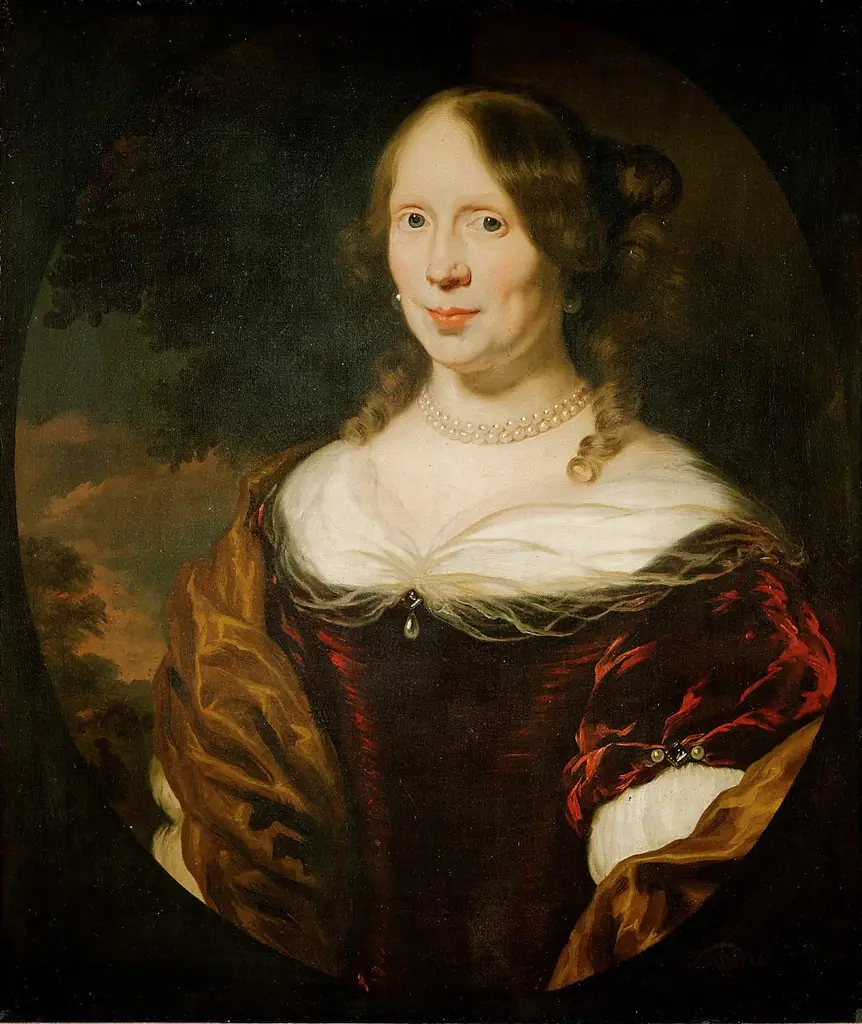
Portrait of Digna de Maets (?-before 1667)
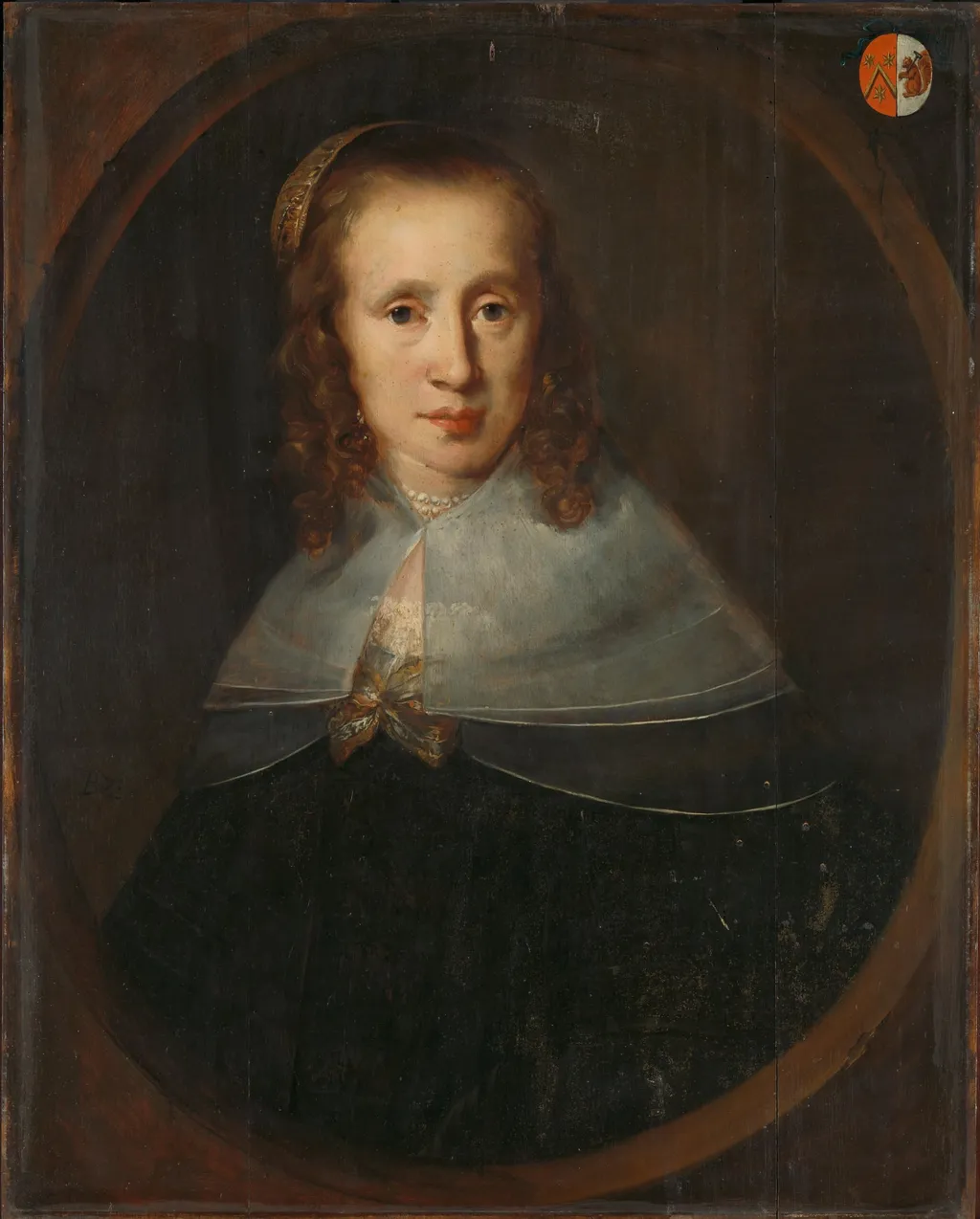
Portrait of Digna de Maets (?-before 1667) is an unspecified painting by the Dutch Golden Age artist Bernardus Zwaerdecroon. It dates from 1648 and is held in the collection of the Rijksmuseum. The half‑length portrait presents Digna de Maets, depicted in a dark dress with a white collar and a black hood framing her face.
About this work
Overview
The half‑length portrait presents Digna de Maets, depicted in a dark dress with a white collar and a black hood framing her face. She gazes directly at the viewer, her hands folded before her, while a small family coat of arms appears in the upper right corner of the oval canvas.
Subject & Meaning
Digna de Maets was the first wife of the merchant François Leydecker. The work likely served as a commemorative image, intended to be displayed alongside a companion portrait of her husband, emphasizing familial ties and social status through the inclusion of the heraldic device.
Technique & Style
Executed in a restrained Dutch Golden Age manner, the painting employs a muted palette and careful modeling of flesh and fabric. The precise rendering of textures and the calm, introspective pose reflect the period’s emphasis on realism and modest elegance.
History & Provenance
The portrait dates to before 15 May 1667, the latest possible date based on archival references. The artist remains unidentified, and the pendant portrait of François Leydecker is now missing, leaving the pair incomplete.
Context
Portraits of this type were common among affluent Dutch families in the 17th century, serving both as personal memorials and as public statements of lineage. The presence of the family crest underscores the importance of heraldry in asserting identity during the era.
Artist & collection

 Portrait of a young woman
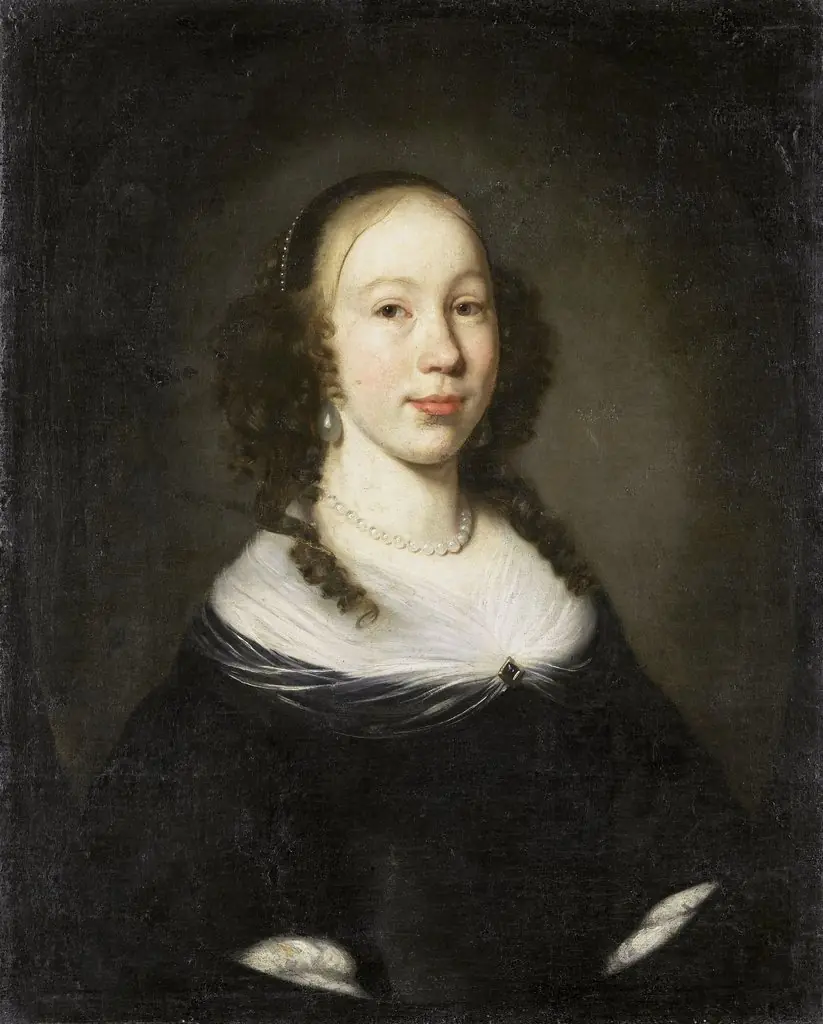 Portrait of a young woman
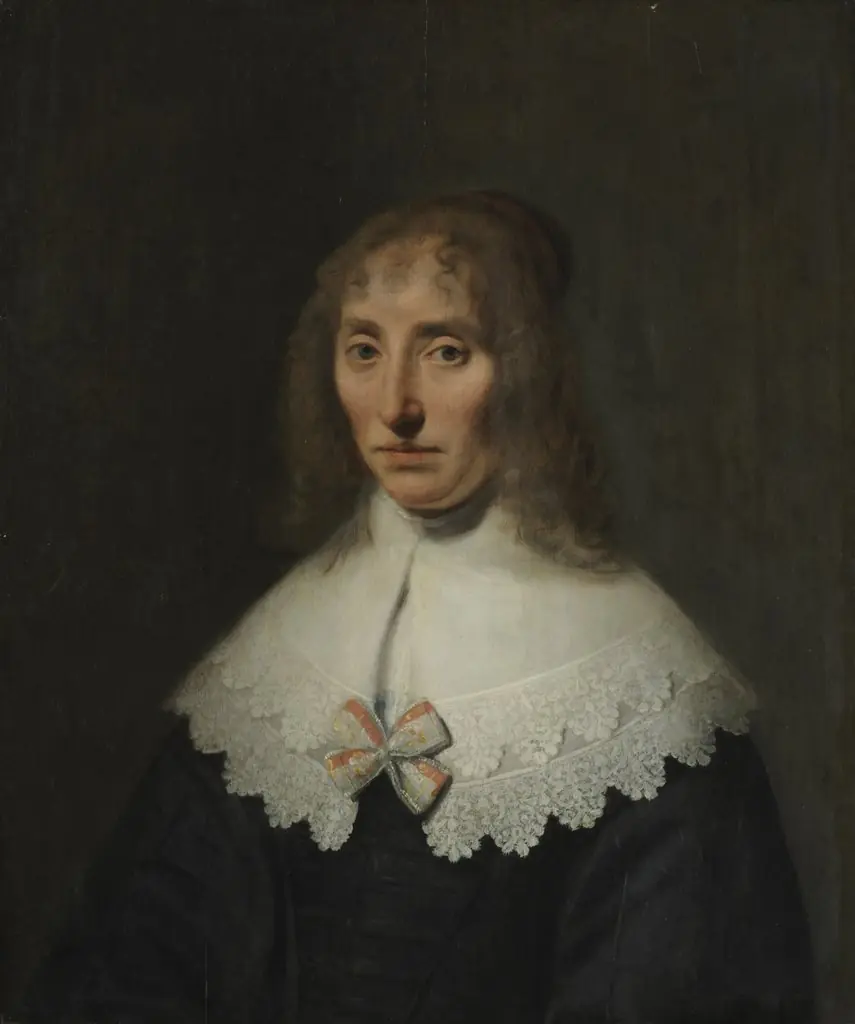 Portrait of a Woman
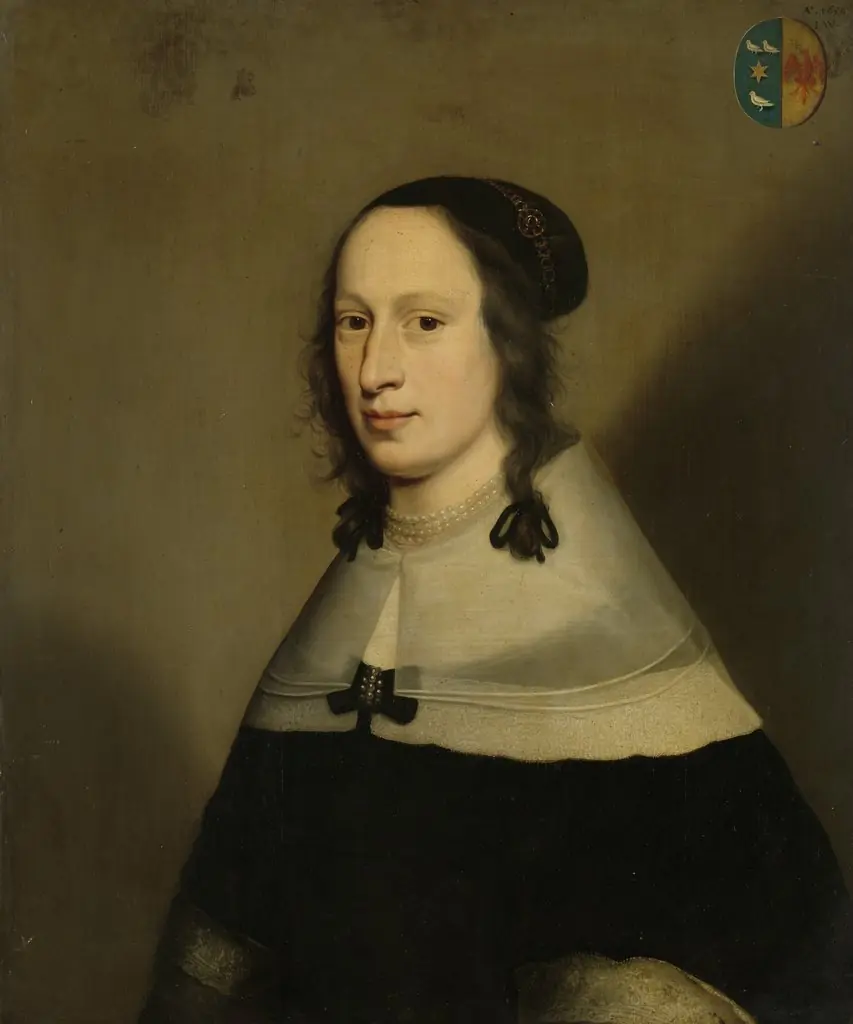 Sophia van Overmeer (1608-84). Wife of Adriaen van Persijn
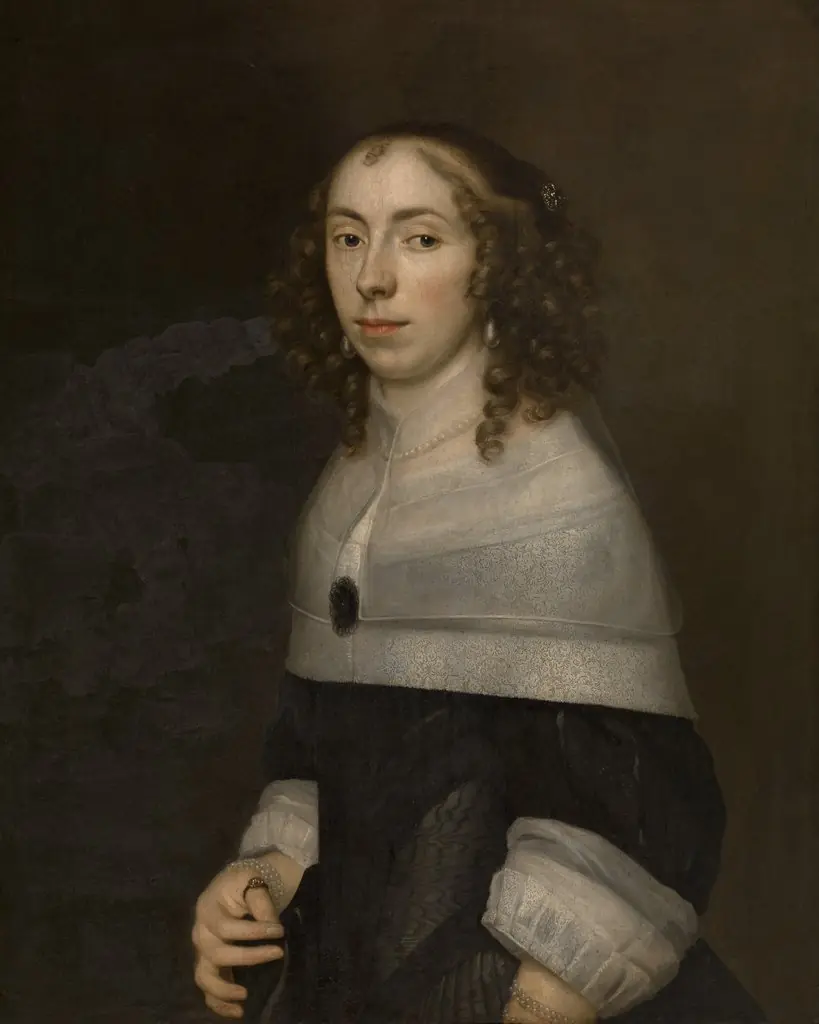 Portrait of Geertruijd Coenen (1635-1716)
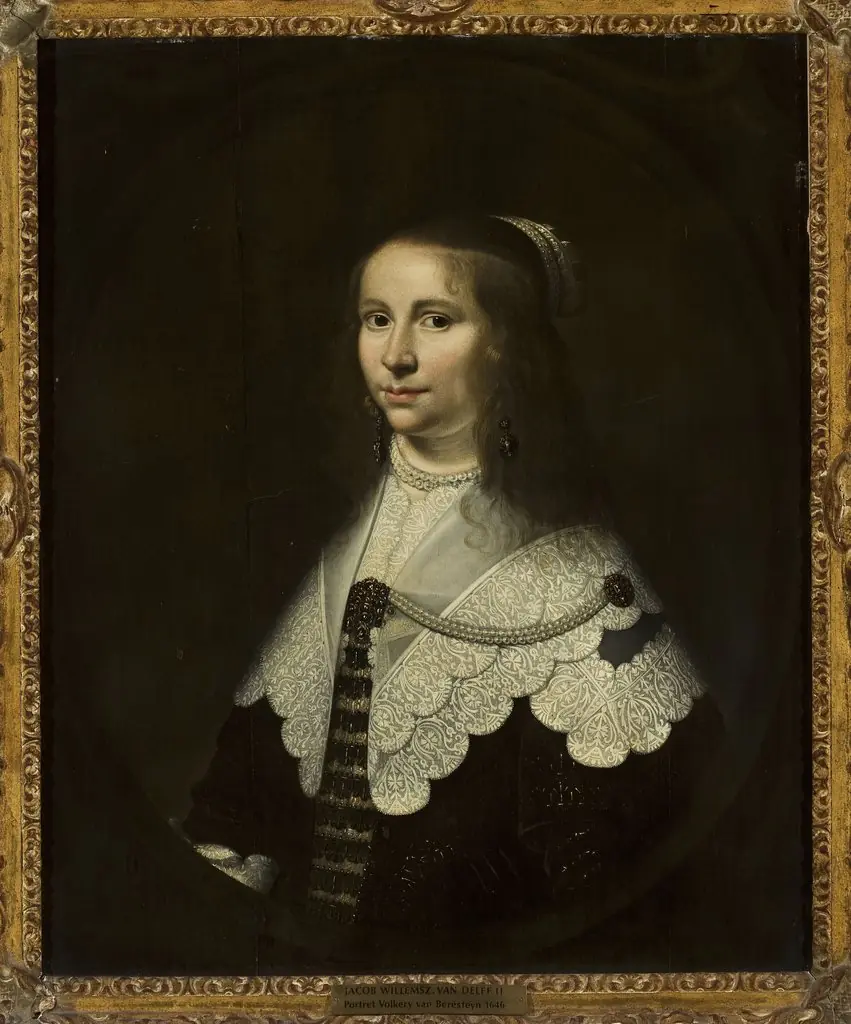 Portrait of Volkera van Beresteyn (1624–1653), wife of Salomon van Schoonhoven (1617–1653)
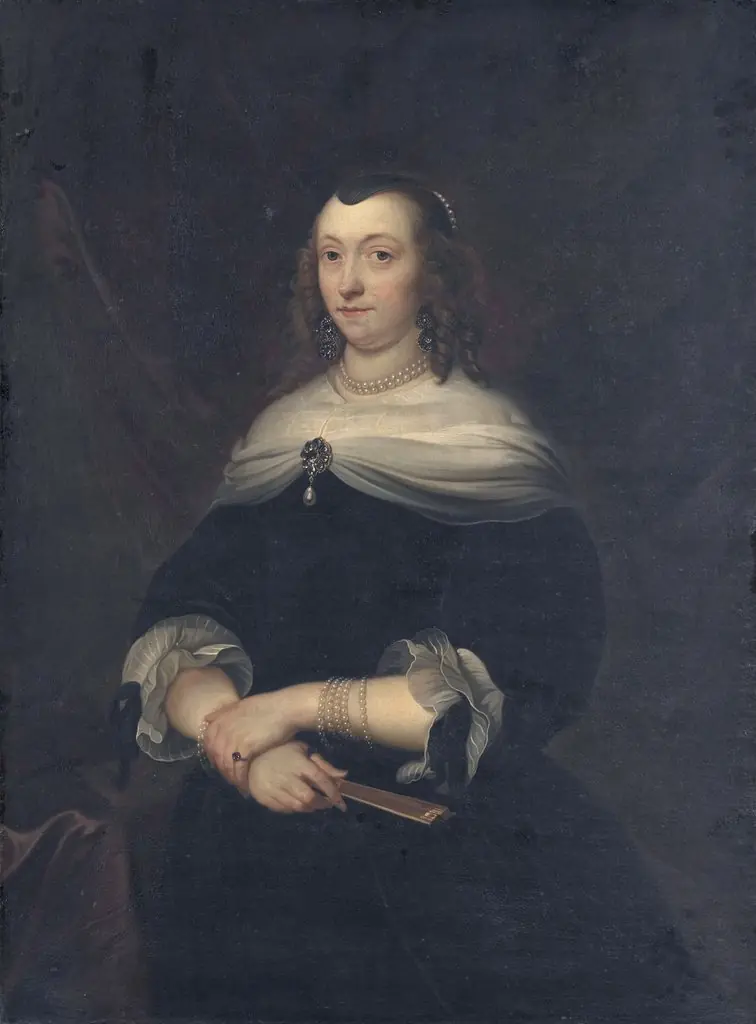 Portrait of a woman, thought to be Lucretia Boudaen
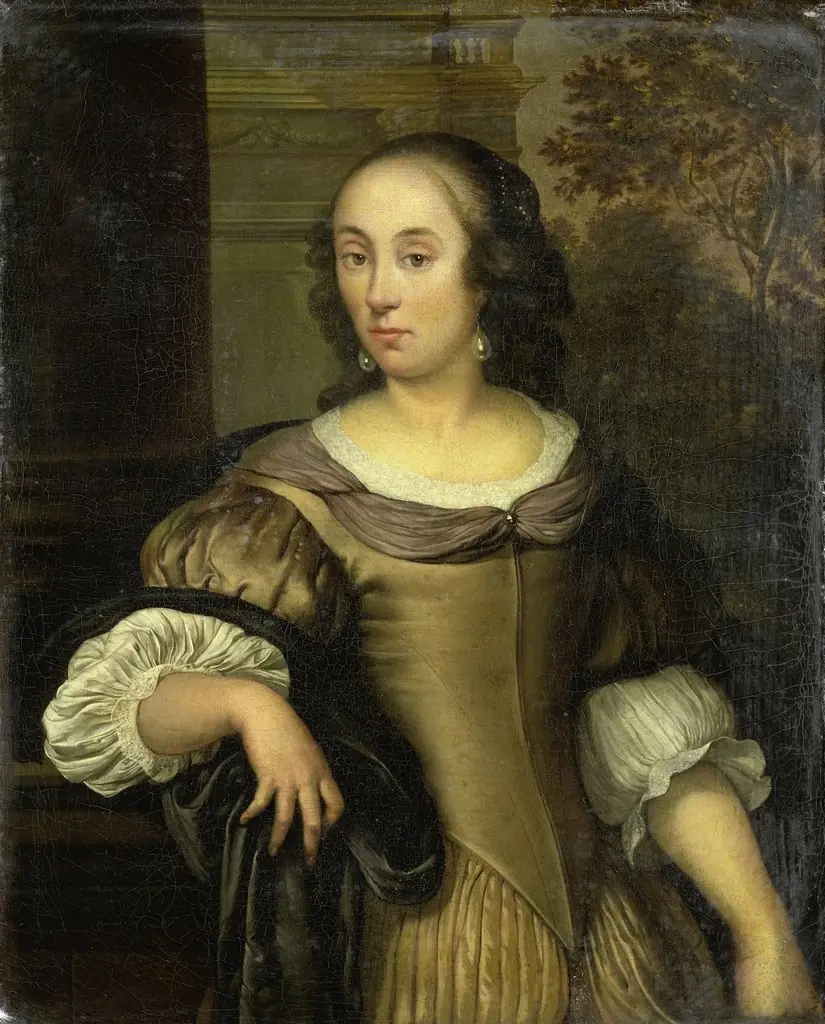 Portrait of a young woman
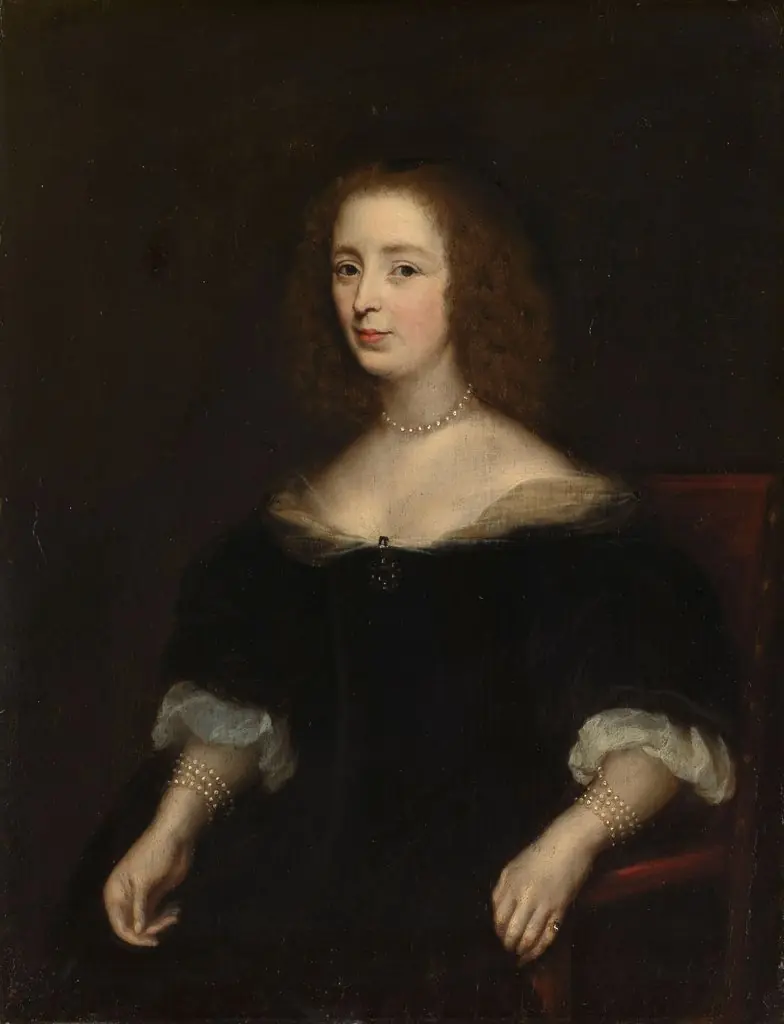 Portrait of Anna van den Corput, Wife of Jacob de Witt
 Portrait of Sara Ingelbrechts (1636-1711)