Artwork
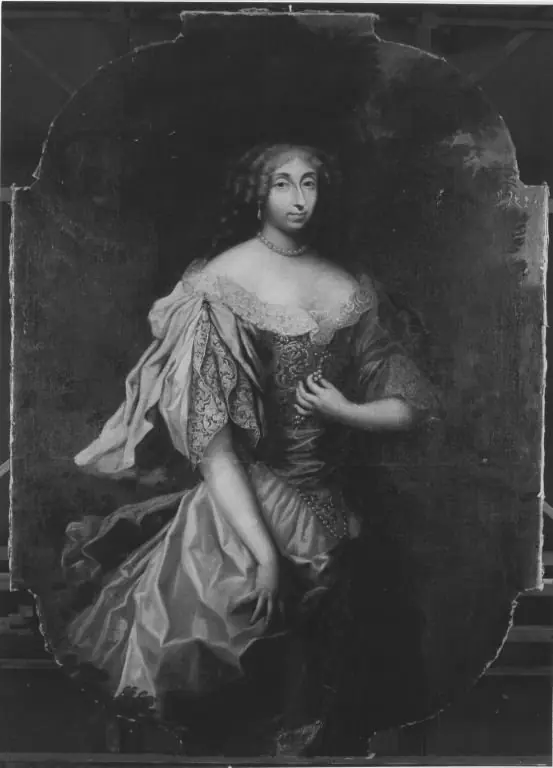
Bildnis der Prinzessin Francisca Elisabeth von Parma
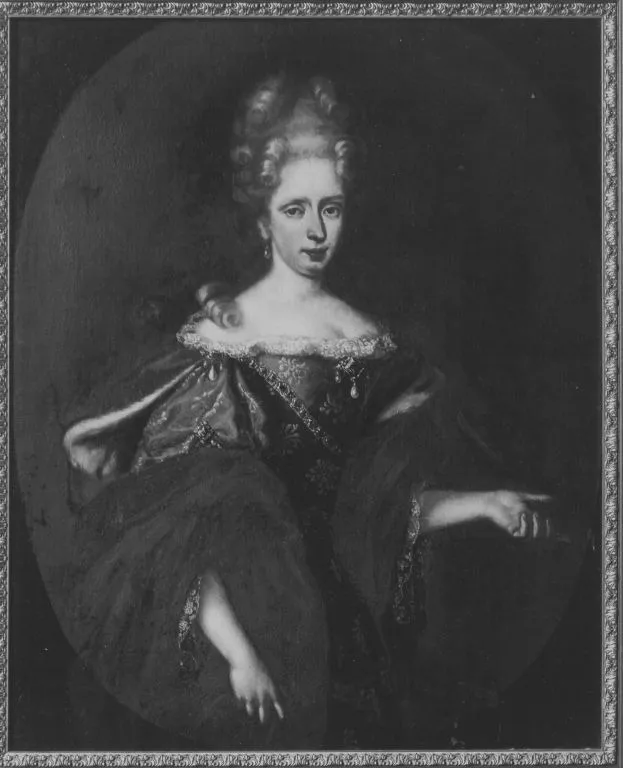
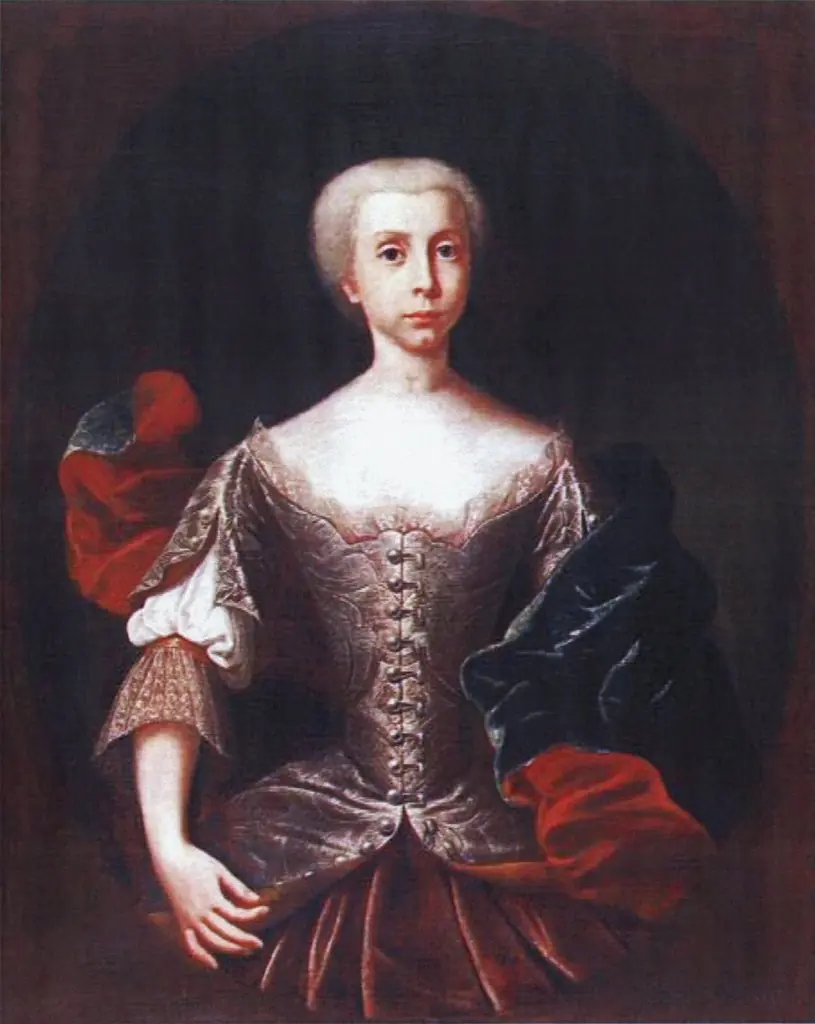
Bildnis der Prinzessin Francisca Elisabeth von Parma is an unspecified painting by the Flemish Baroque painting artist Unknown. It dates from 1675 and is held in the collection of the Bavarian State Painting Collections. This portrait depicts Princess Francisca Elisabeth of Parma, painted in the late 18th century.
About this work
Overview
Rendered in monochrome, the image emphasizes form and texture over color, focusing on the sitter’s poise and attire.
This portrait depicts Princess Francisca Elisabeth of Parma, painted in the late 18th century. Rendered in monochrome, the image emphasizes form and texture over color, focusing on the sitter’s poise and attire. The plain background isolates her figure, reinforcing a sense of dignified stillness. The composition follows classical portraiture conventions, balancing formality with an air of quiet ease.
Subject & Meaning
The princess is portrayed not as a ruler but as a noblewoman of refined bearing. Her relaxed posture—hand on hip, one arm dangling—suggests confidence within courtly restraint. The lace-trimmed dress and high coiffure signal her status, while the absence of symbols of power directs attention to her personal presence rather than political role. The image conveys aristocratic identity through elegance, not authority.
Technique & Style
The painting employs soft, diffused lighting to model the face and fabric, creating subtle contrasts against the dark gown. Fine details in the lace collar and hair are rendered with precision, yet the overall handling remains restrained. The monochrome palette suggests either a preparatory study or a deliberate aesthetic choice, prioritizing tonal harmony and structural clarity over chromatic display.
History & Provenance
The portrait likely originated in the Parma court, where Francisca Elisabeth lived as a member of the Bourbon-Parma dynasty. It entered the collection of the Alte Pinakothek in Munich through documented acquisitions of 19th-century European portraiture. Its preservation in black and white may reflect its status as a copy, study, or later reproduction of an original colored work.
Context
Created during a period when European aristocracy valued controlled, intimate portraiture, this image aligns with trends in Italian and French court art. Unlike grand ceremonial portraits, it avoids regalia and allegory, reflecting a shift toward personal representation. The simplicity of setting and pose mirrors Enlightenment-era ideals of naturalness within social hierarchy.
Legacy
The portrait endures as a quiet example of aristocratic self-presentation in the late 1700s. Its monochrome format invites contemplation of form and expression, distinguishing it from more ornate contemporary works. Though not widely reproduced, it remains a significant piece in the Alte Pinakothek’s collection for its understated elegance and historical specificity.
Artist & collection

 Domestic Scene
 Giacomo and Cardinal Marco, investing Andrea, Abbot of San Zeno, with his Benefice
 The Nymph of Fontainebleau
 Portrait of a Woman
 Madonna and Child with Saints in the Enclosed Garden
 Venus and Minerva
 Family Group of Four on Sofa
 Wall painting from Room H of the Villa of P. Fannius Synistor at Boscoreale
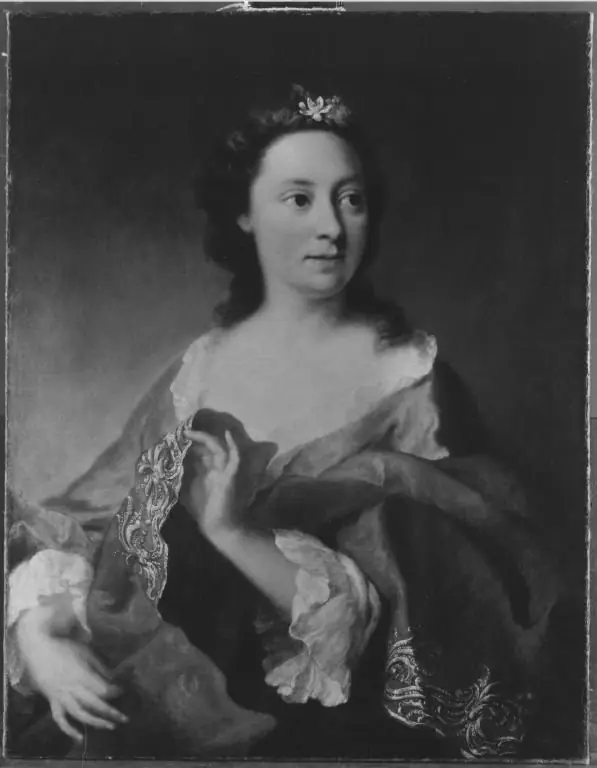 Bildnis der Gemahlin des Hofmedailleurs Franz Aandreas Schega
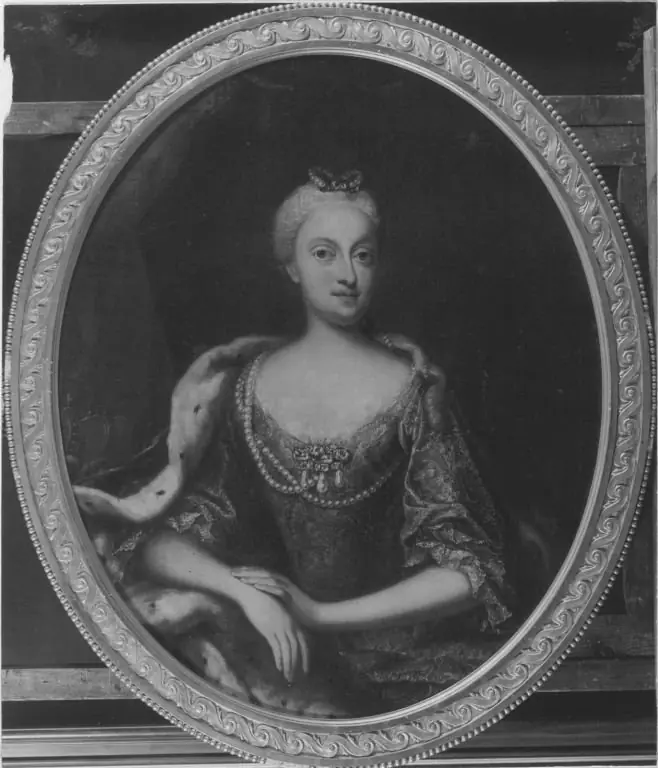 Kaiserin Maria Amalia, Gemahlin Kaiser Karls VII.
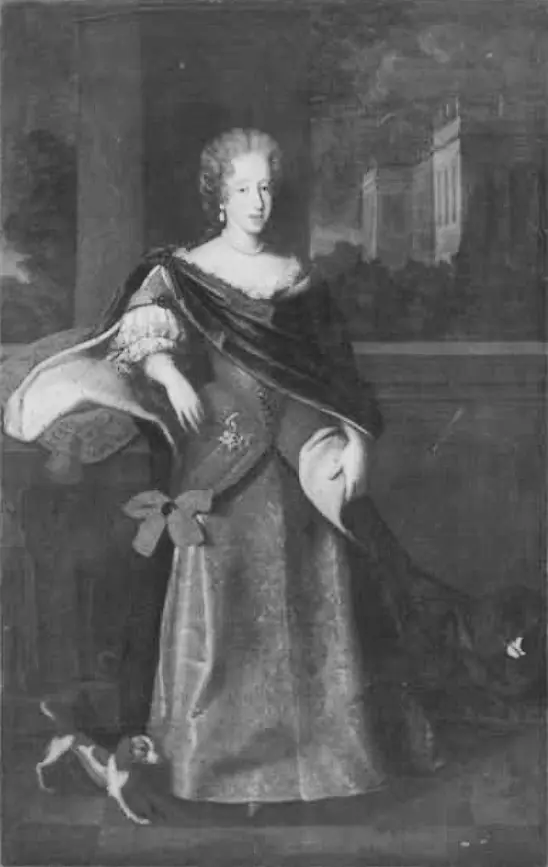 Bildnis einer Fürstin
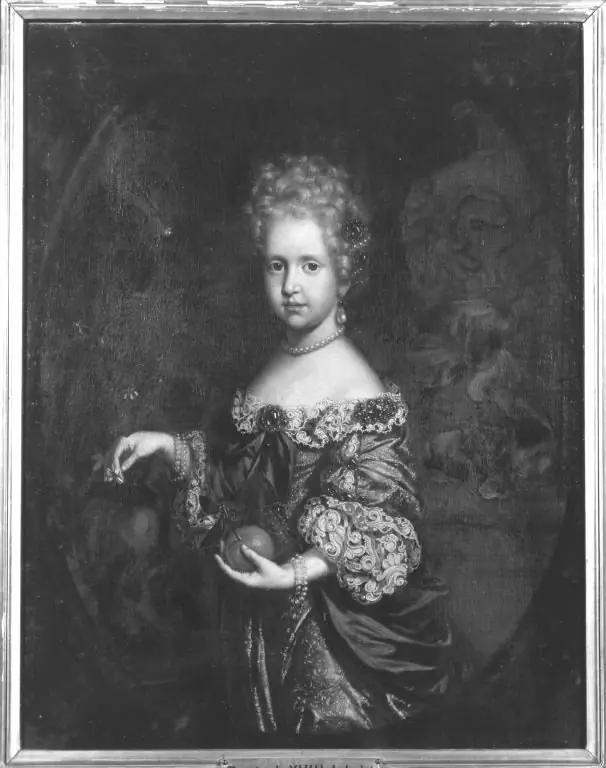 Bildnis Maria Elisabeth
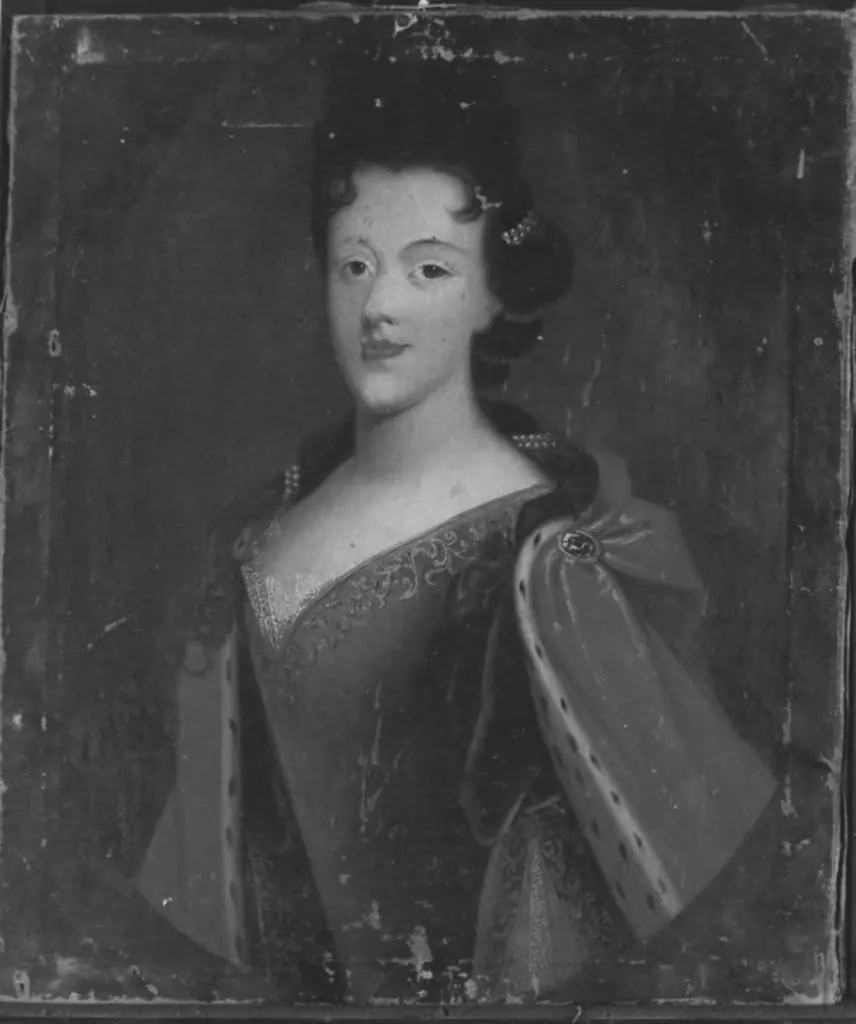 Bildnis einer Fürstin
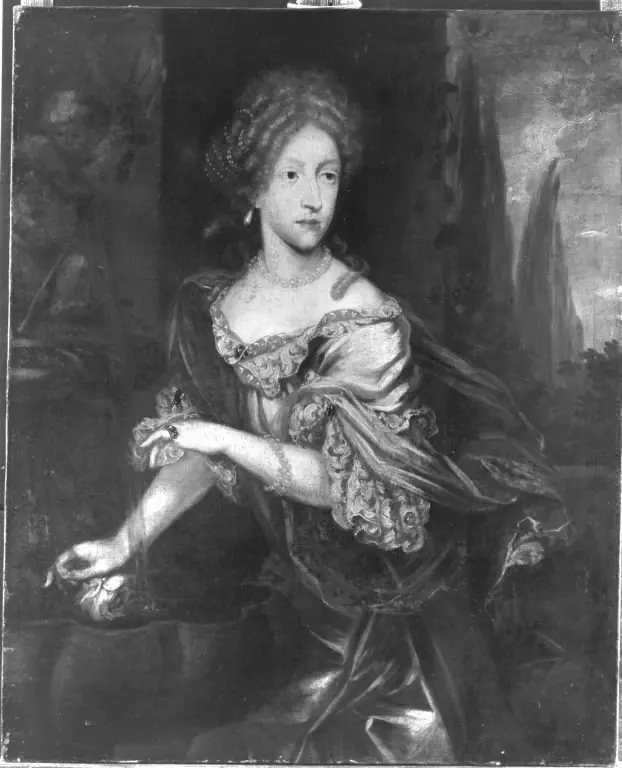 Bildnis Maria Anna
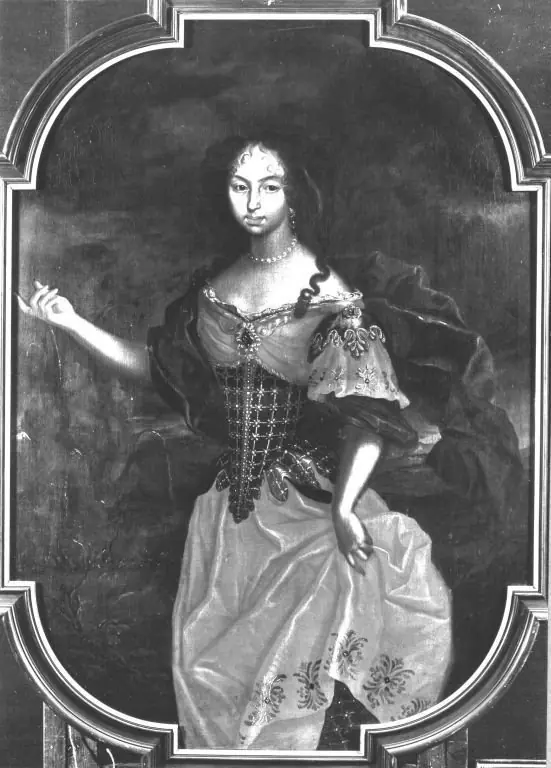 Bildnis einer Hofdame
 Bildnis einer Hofdame
 Dame i ungarsk dragt
 Bildnis einer Hofdame
 Portrait of Archduchess Maria Theresa of Austria, later Empress (1717-1780)
 Portrait of D. Maria Bárbara de Bragança