Artwork
The Penny Show
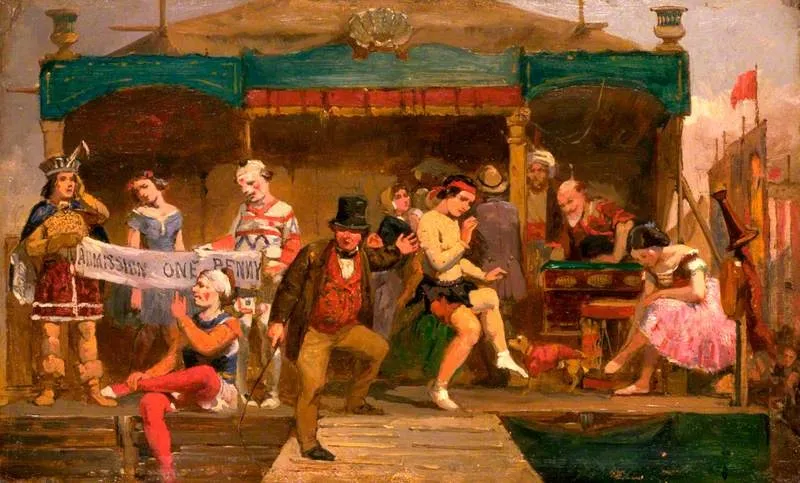
The Penny Show is an oil painting by the Realist artist Unknown. It dates from 1850 and is held in the collection of the Victoria and Albert Museum.
About this work
Overview
This oil painting captures a public performance in a modest outdoor setting, where a crowd has gathered to witness an entertainment act for a penny admission.
This oil painting captures a public performance in a modest outdoor setting, where a crowd has gathered to witness an entertainment act for a penny admission. The scene is framed by a bright awning and informal seating, suggesting a traveling show or fairground event. Figures are arranged dynamically, with some seated, others standing, all oriented toward the stage. The artist emphasizes communal engagement through gesture and spatial grouping.
Subject & Meaning
The painting portrays a moment of accessible public entertainment, where people from varied social backgrounds come together for a shared experience. The presence of a top-hatted figure, likely the emcee, and a man holding an admission sign underscores the commercial yet inclusive nature of the event. The scene reflects 19th-century popular culture, where low-cost performances offered respite and joy to working-class audiences.
Technique & Style
The artist employs warm, saturated hues to convey energy and movement, with the colorful awning and costumes drawing attention to the stage. Brushwork is loose yet deliberate, defining forms without excessive detail, enhancing the sense of spontaneity. Composition directs the viewer’s gaze diagonally toward the performers, using light and figure placement to create rhythm and focus within the bustling crowd.
History & Provenance
The painting’s origins trace to the mid-1800s, a period when traveling entertainers were common in urban and rural areas. While the artist’s identity remains unconfirmed, the work aligns with regional traditions of documenting everyday life. Early records suggest it was held in private collections before entering a public institution, though its full provenance before the 20th century is incomplete.
Context
During the 19th century, penny shows were a widespread form of public amusement, particularly in growing industrial towns. These performances—ranging from magic acts to musical sketches—provided affordable leisure for laborers and families. The painting reflects a cultural moment when entertainment was becoming more democratized, distinct from elite theater but rich in local character and social interaction.
Legacy
The work contributes to a visual record of vernacular entertainment in an era before mass media. It preserves the atmosphere of transient performances that shaped community life, offering insight into how ordinary people sought joy and connection. Though not widely exhibited, it remains a quiet testament to the cultural vitality of everyday public spaces in the 19th century.
Artist & collection

 Domestic Scene
 Giacomo and Cardinal Marco, investing Andrea, Abbot of San Zeno, with his Benefice
 The Nymph of Fontainebleau
 Portrait of a Woman
 Madonna and Child with Saints in the Enclosed Garden
 Venus and Minerva
 Family Group of Four on Sofa
 Wall painting from Room H of the Villa of P. Fannius Synistor at Boscoreale
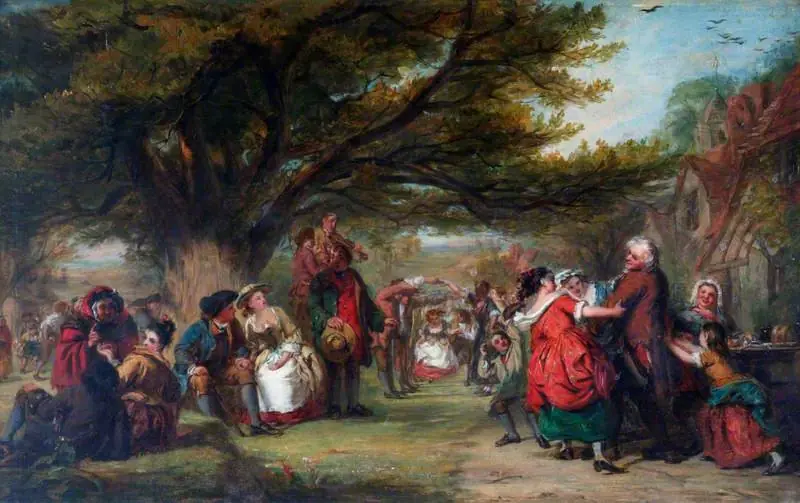 An English Merry-Making, a Hundred Years Ago
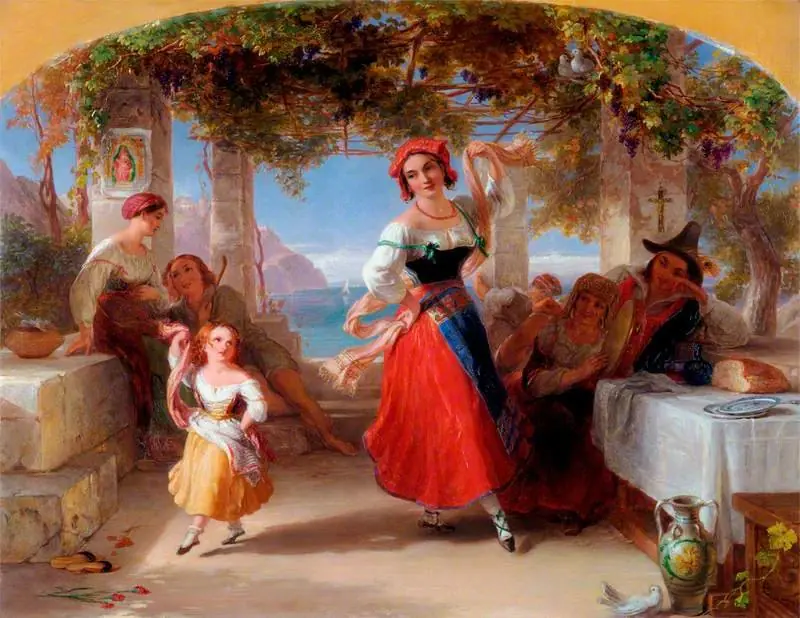 An Italian Mother Teaching Her Child the Tarantella
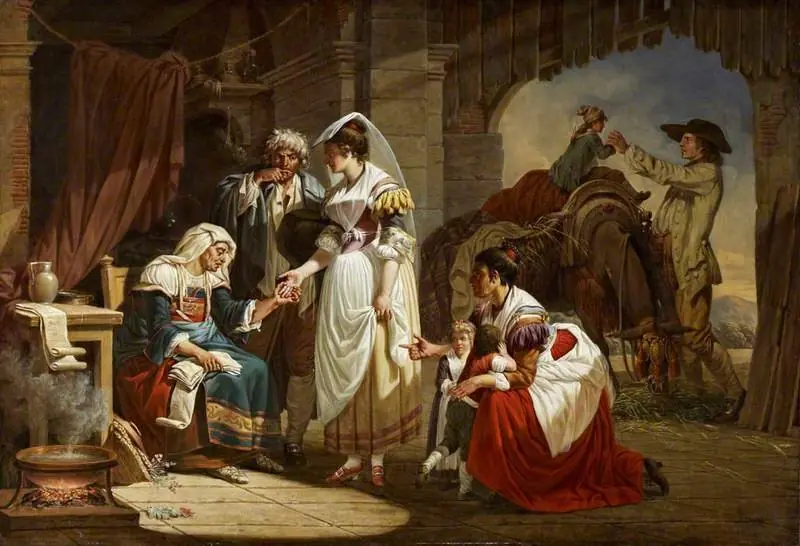 La Diseuse de Bonne Aventure (The Fortune Teller)
 The 16th, 17th (St Patrick’s Day), and 18th March
 An English Merrymaking a Hundred Years Ago
 'La Gloria': A Spanish Wake
 The Rope Dance
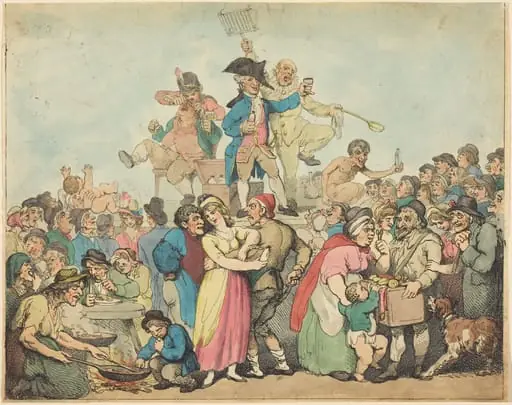 Dr. Botherum, the Mountebank
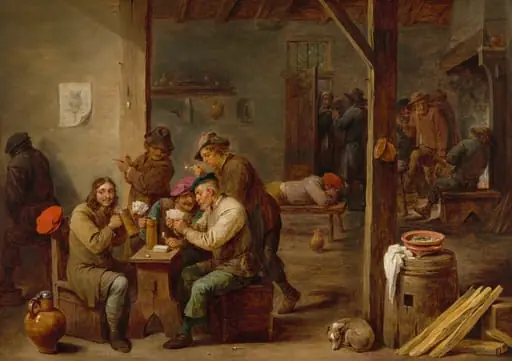 Tavern Scene
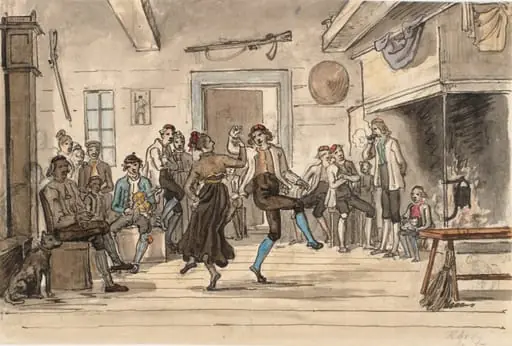 Dans i en norsk bondestue