Artwork
An English Merrymaking a Hundred Years Ago
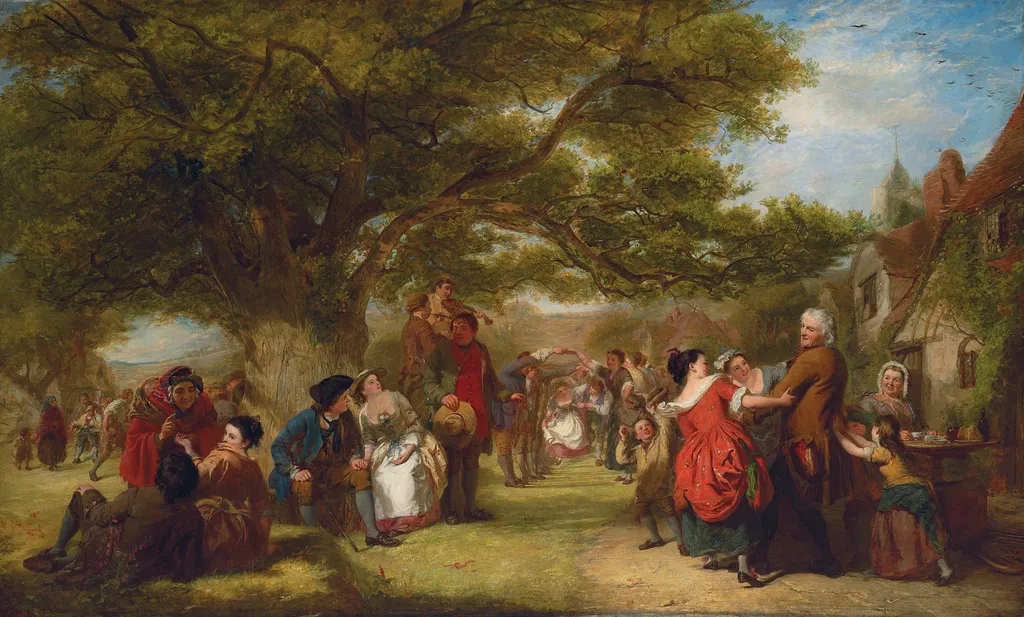
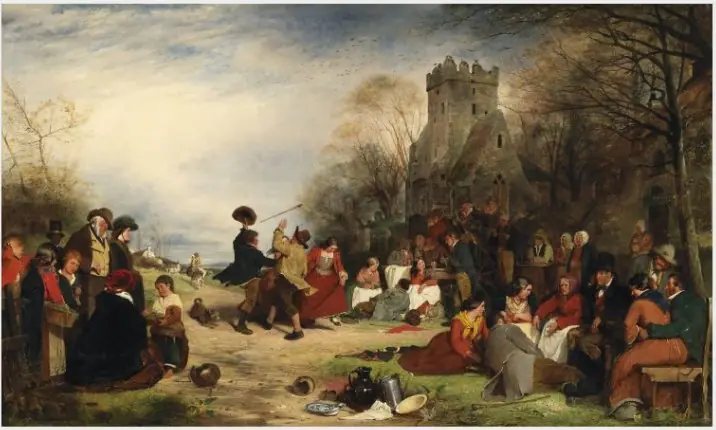
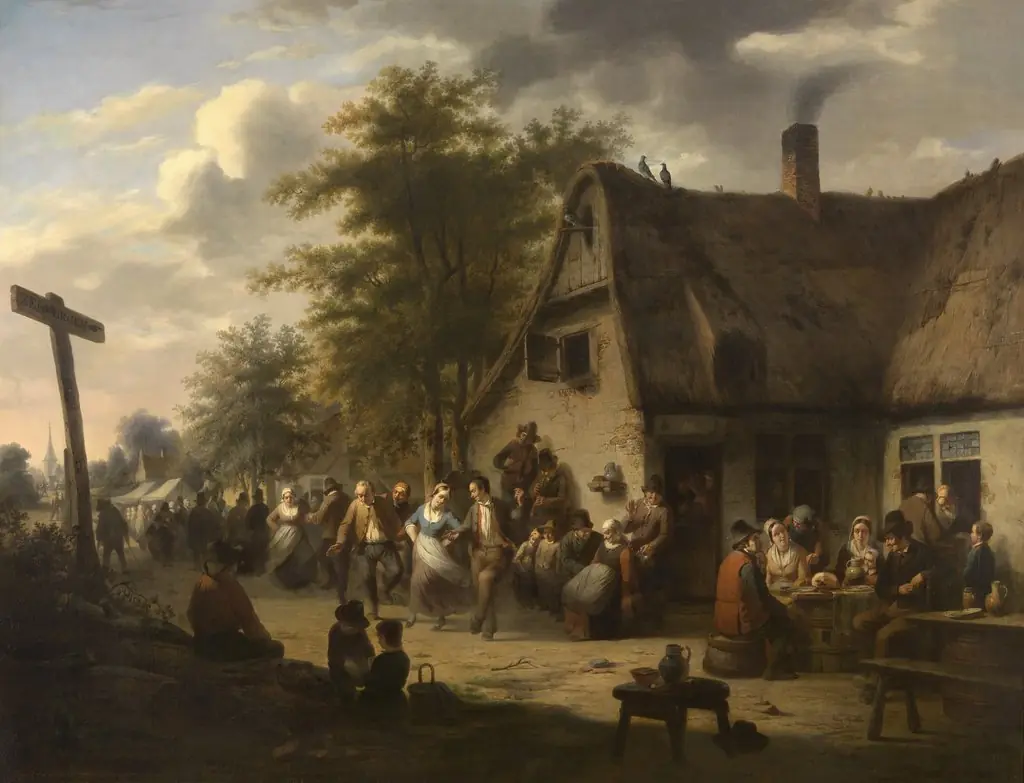
An English Merrymaking a Hundred Years Ago is an oil painting by William Powell Frith. It dates from 1847 and is held in the collection of the Victoria and Albert Museum.
About this work
Overview
The work was exhibited at the Royal Academy’s Summer Exhibition that year and contributed to Frith’s rising recognition as a painter of everyday life.
An English Merrymaking a Hundred Years Ago is an 1847 oil painting by William Powell Frith, created during the early phase of his career. It portrays a rural English celebration set in the mid-1700s, capturing a moment of communal festivity. The work was exhibited at the Royal Academy’s Summer Exhibition that year and contributed to Frith’s rising recognition as a painter of everyday life. An oil sketch for the composition is held in the Victoria and Albert Museum.
Subject & Meaning
The scene depicts villagers gathered beneath a large tree, engaged in conversation, dancing, and drinking. Figures are dressed in 18th-century attire, suggesting a nostalgic reflection on pre-industrial rural life. The gathering implies a seasonal or harvest festival, with no single focal event, emphasizing collective joy rather than narrative drama. The painting invites contemplation of social bonds and traditions before the upheavals of industrialization.
Technique & Style
Frith rendered the scene with meticulous attention to detail, capturing the textures of fabric, wood, and foliage. The palette is warm and earthy, with soft natural lighting enhancing the sense of an afternoon gathering. Figures are arranged in loose clusters, creating a dynamic yet balanced composition. The style is grounded in realism, avoiding idealization, and prioritizing observational accuracy over dramatic flair.
History & Provenance
Painted in 1847, the work was shown at the Royal Academy, helping establish Frith’s reputation before his later large-scale crowd scenes. It was part of a series of genre works that responded to public interest in historical domestic life. The original oil sketch survives in the Victoria and Albert Museum, indicating the artist’s preparatory process. The painting remained in private collections until entering public ownership.
Context
In mid-19th-century Britain, there was growing fascination with the recent past as industrialization transformed society. Frith’s painting tapped into this nostalgia, offering a romanticized view of rural community life before urbanization. Other artists similarly turned to historical genre scenes, but Frith’s focus on unidealized, crowded interactions distinguished his approach within the broader trend.
Legacy
Though less famous than Frith’s later works like The Derby Day, this painting laid groundwork for his signature style: detailed, multi-figured scenes drawn from everyday life. It exemplifies the Victorian appetite for historical genre painting and influenced how 18th-century rural customs were visually imagined. Its preservation and exhibition history affirm its role as an early indicator of Frith’s enduring thematic interests.
Own this work as a print
Artist & collection
Artist
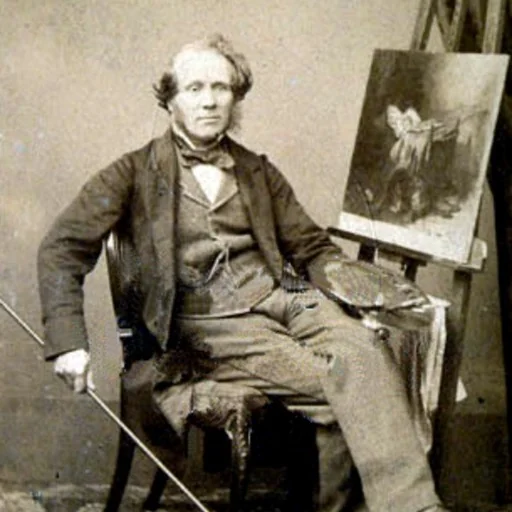
William Powell Frith was an English painter specialising in genre subjects and panoramic narrative works of life in the Victorian era.

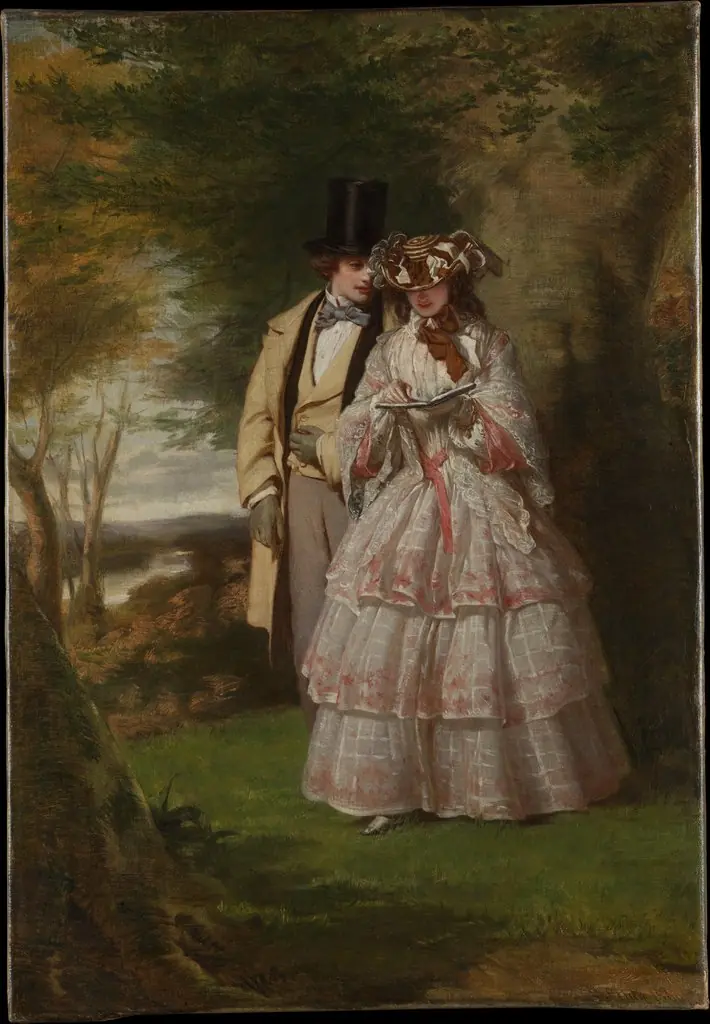 The Two Central Figures in "Derby Day"
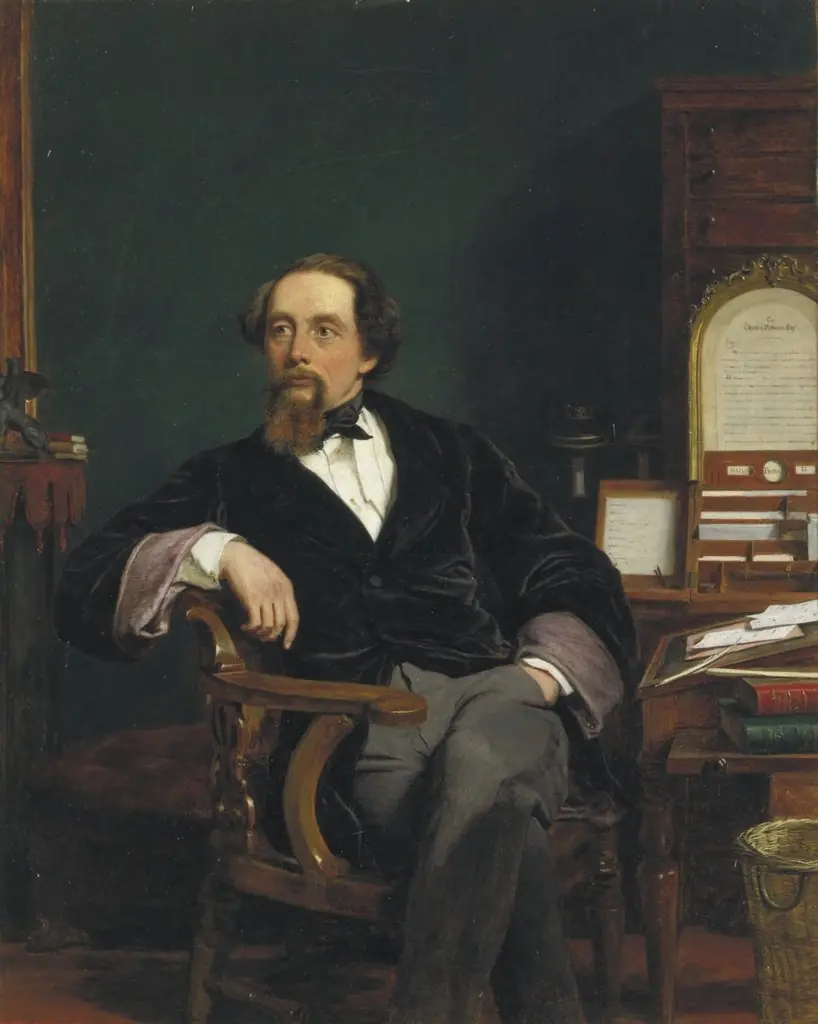 Charles Dickens in his Study
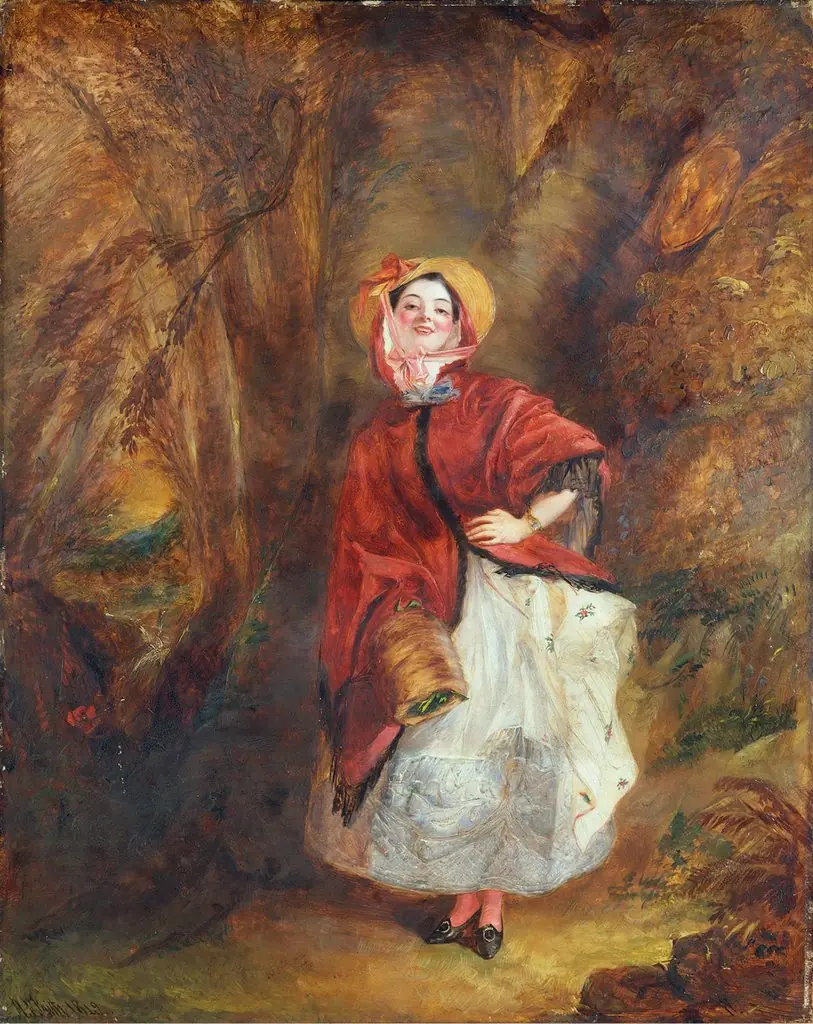 Dolly Varden
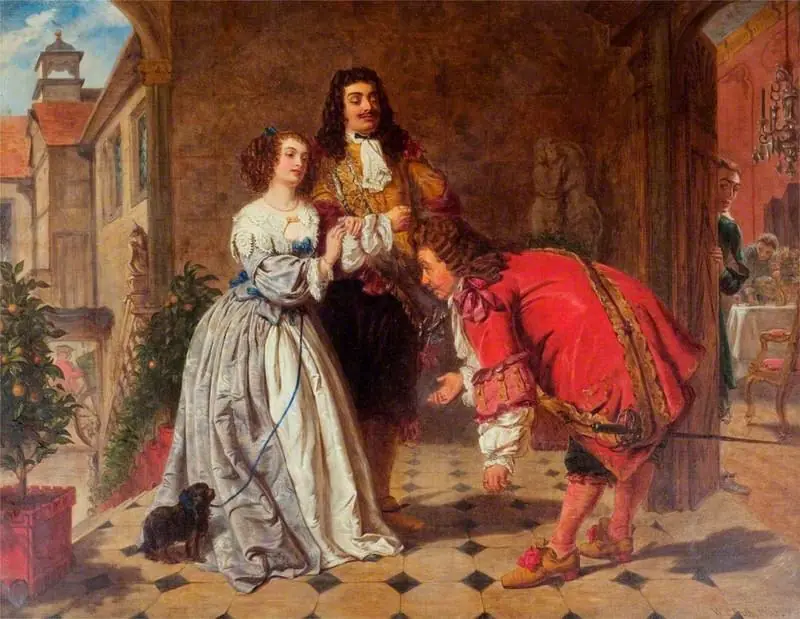 Monsieur Jourdain Receiving His Guests (from Molière's 'Le Bourgeois Gentilhomme')
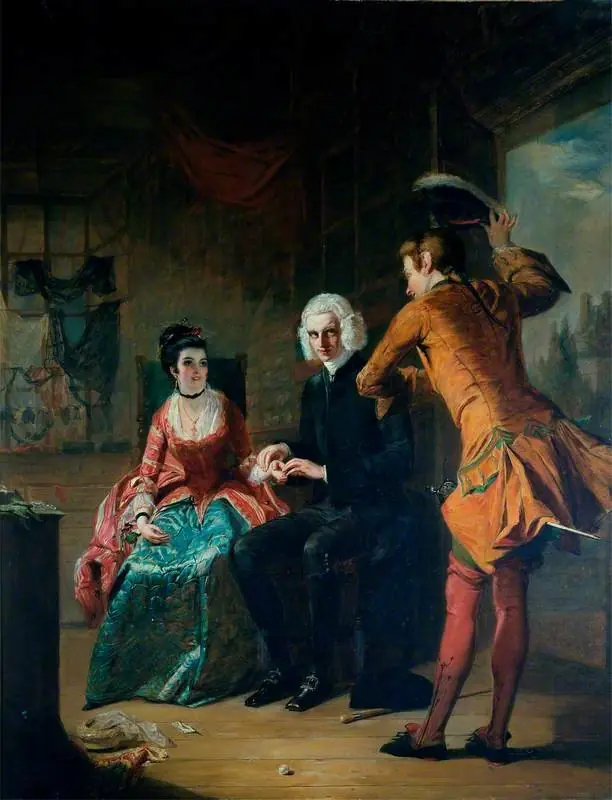 Scene from Laurence Sterne's 'A Sentimental Journey'
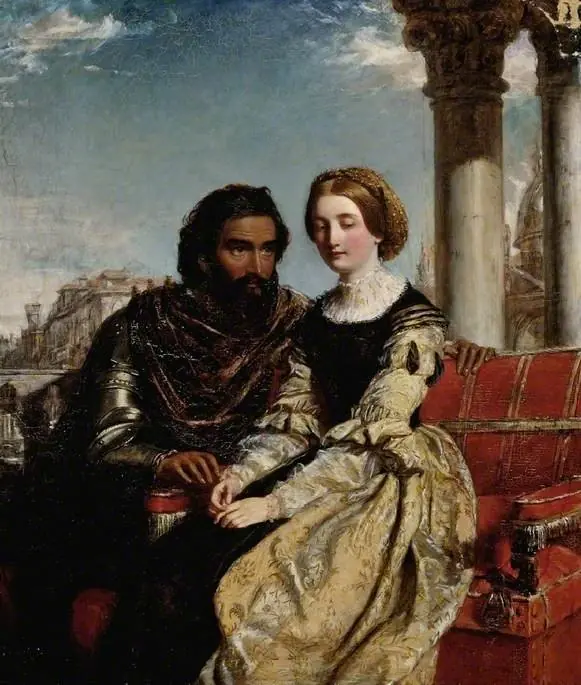 Othello and Desdomona (1856)
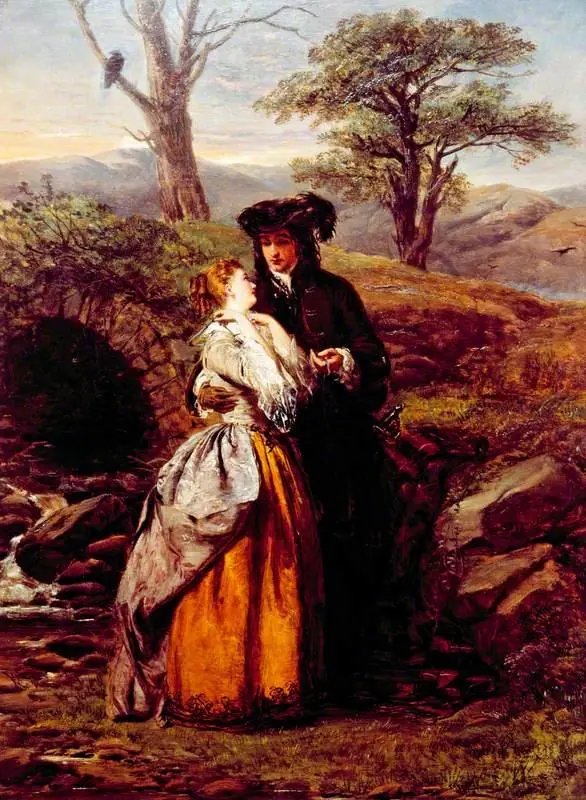 The Bride of Lammermoor (from Sir Walter Scott's novel)
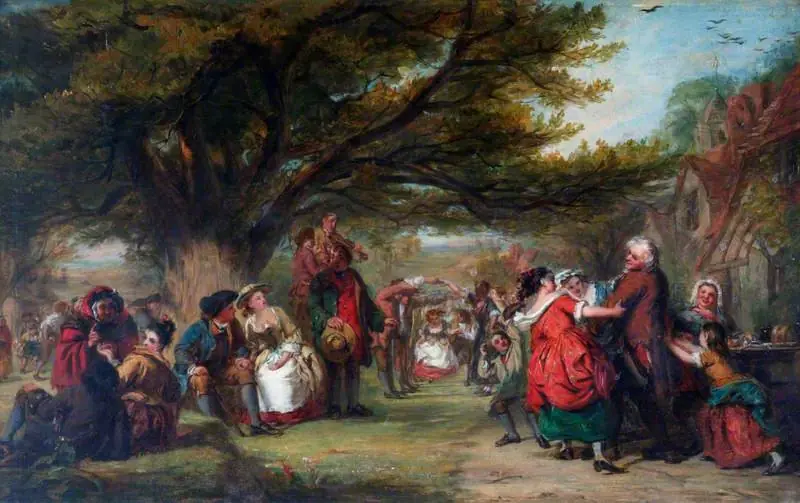 An English Merry-Making, a Hundred Years Ago