Artwork
Coffin portrait of Bogusław Unrug (1661–1725), starosta of Gniezno
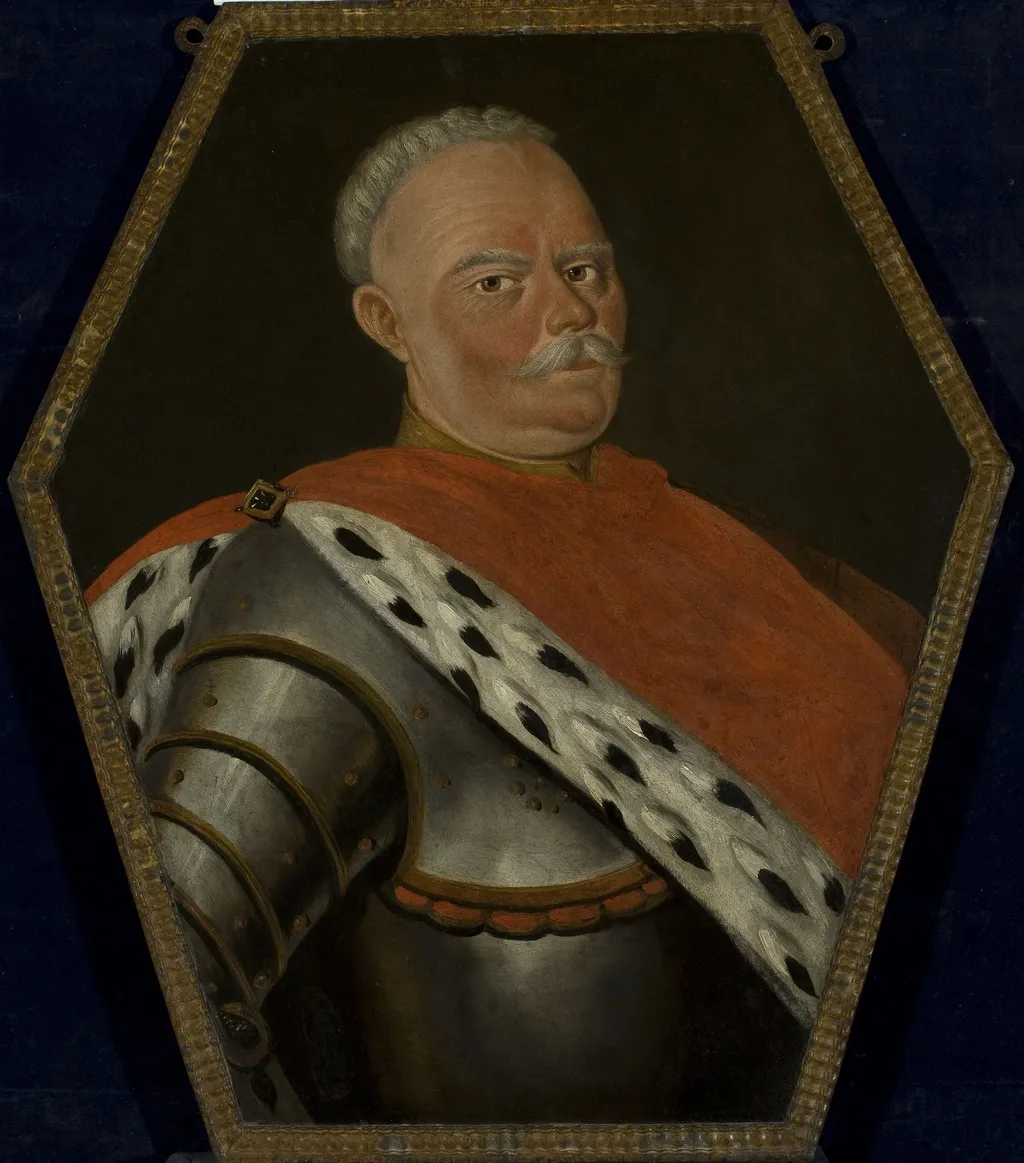
Coffin portrait of Bogusław Unrug (1661–1725), starosta of Gniezno is an unspecified painting by the Rococo painting artist Unknown. It dates from 1725 and is held in the collection of the National Museum in Warsaw. This painted portrait, created around the mid-17th century, depicts Bogusław Unrug, starosta of Gniezno, as a nobleman of military standing.
About this work
Overview
Executed on a wooden panel, it was likely intended for placement within a coffin during funeral rites, a tradition among Polish-Lithuanian elites.
This painted portrait, created around the mid-17th century, depicts Bogusław Unrug, starosta of Gniezno, as a nobleman of military standing. Executed on a wooden panel, it was likely intended for placement within a coffin during funeral rites, a tradition among Polish-Lithuanian elites. The somber palette and frontal composition reflect its ceremonial function, merging portraiture with funerary ritual.
Subject & Meaning
Bogusław Unrug is portrayed with a composed, unsmiling expression, conveying authority and solemnity. His attire—red cape draped over armor marked with dark patches—signals his dual identity as both a noble administrator and a military figure. The portrait’s stillness and direct gaze suggest an enduring presence beyond death, reinforcing the belief in the continuity of status and memory in the afterlife.
Technique & Style
The portrait is rendered in oil on wood with restrained brushwork, emphasizing texture over detail. The dark background isolates the figure, heightening its monumentality. The armor’s metallic sheen and the fabric’s folds are suggested rather than fully modeled, reflecting a regional preference for symbolic representation over naturalism. The color scheme—deep tones with a single vivid red—enhances the portrait’s gravity.
History & Provenance
Commissioned shortly after Unrug’s death in 1725, the portrait was part of a Polish-Lithuanian custom where coffin portraits were displayed during mourning and interred with the deceased. It remained in family possession until the 19th century, later entering a public collection. Its survival is rare, as many such portraits were lost to war, neglect, or religious reform.
Context
Coffin portraits emerged in the Polish-Lithuanian Commonwealth as a fusion of Catholic burial practices and aristocratic self-representation. Unlike Western European tomb effigies, these were intimate, lifelike images meant to accompany the body in its final resting place. They reflect a culture where lineage, military service, and noble duty were central to identity, even in death.
Legacy
This portrait stands as one of the better-preserved examples of a once-common funerary tradition. It contributes to scholarly understanding of how nobility visualized permanence and authority beyond life. Today, it is studied not only for its artistic qualities but as a material witness to the social rituals and beliefs of early modern Polish elites.
Artist & collection

 Domestic Scene
 Giacomo and Cardinal Marco, investing Andrea, Abbot of San Zeno, with his Benefice
 The Nymph of Fontainebleau
 Portrait of a Woman
 Madonna and Child with Saints in the Enclosed Garden
 Venus and Minerva
 Family Group of Four on Sofa
 Wall painting from Room H of the Villa of P. Fannius Synistor at Boscoreale
 Portrait of Mikołaj Wybranowski
 Portrait of Jan Klemens Branicki (1689–1771)
 Portrait of John III Sobieski (1624–1696) in Karacena Scale Armour
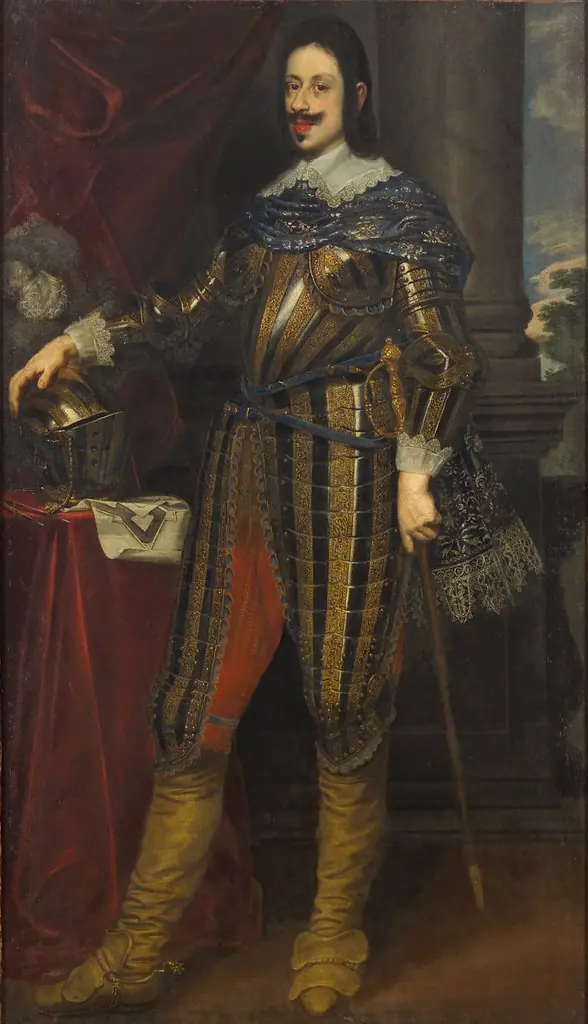 Grand-duke Ferdinand II of Tuscany (1610-1670) in Armour
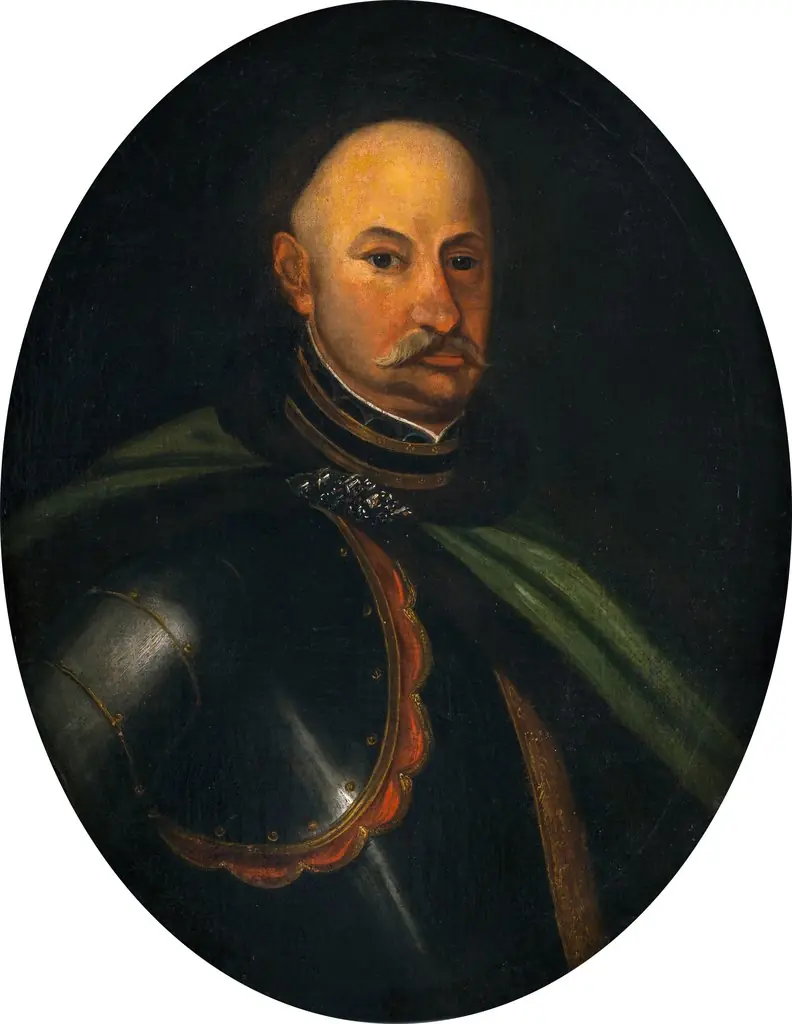 Portrait of Kazimierz Pociej (d. 1728), Voivode of Vitebsk
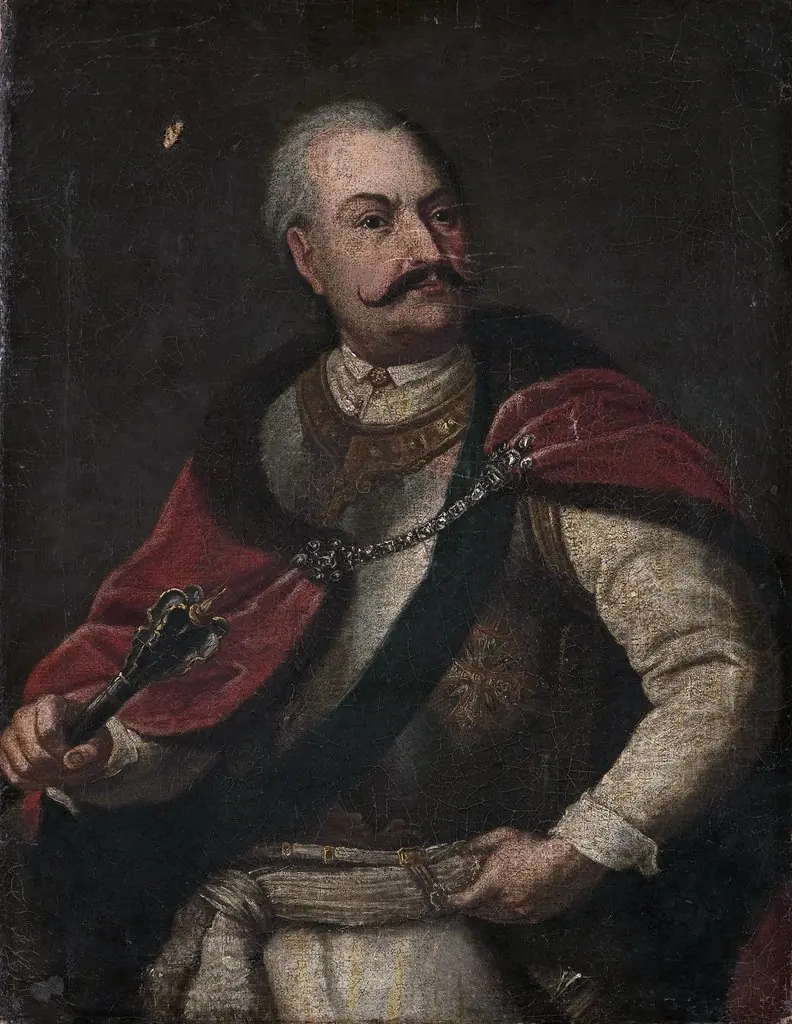 Portrait of prince Samuel Korecki /?/ Pogonia coat of arms (1621–1651), starosta of Ropczyce
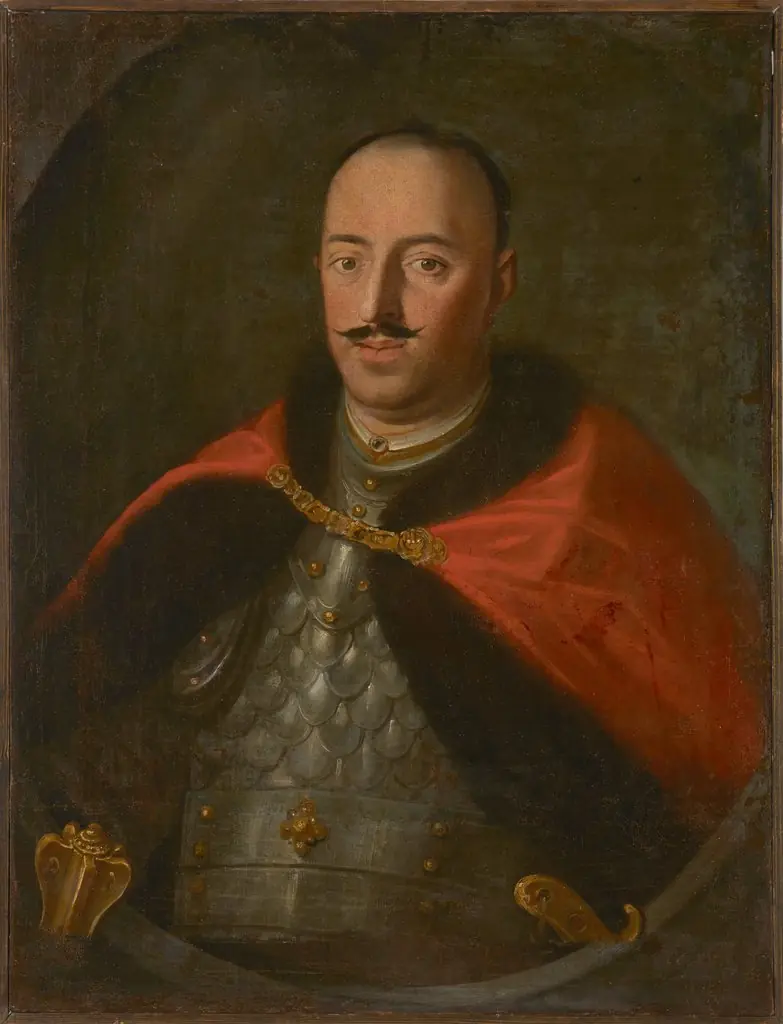 Portrait of Piotr Dembiński, Nieczuja coat of arms (1660–1734), Castellan of Biecz