Artwork
Weibliches Bildnis
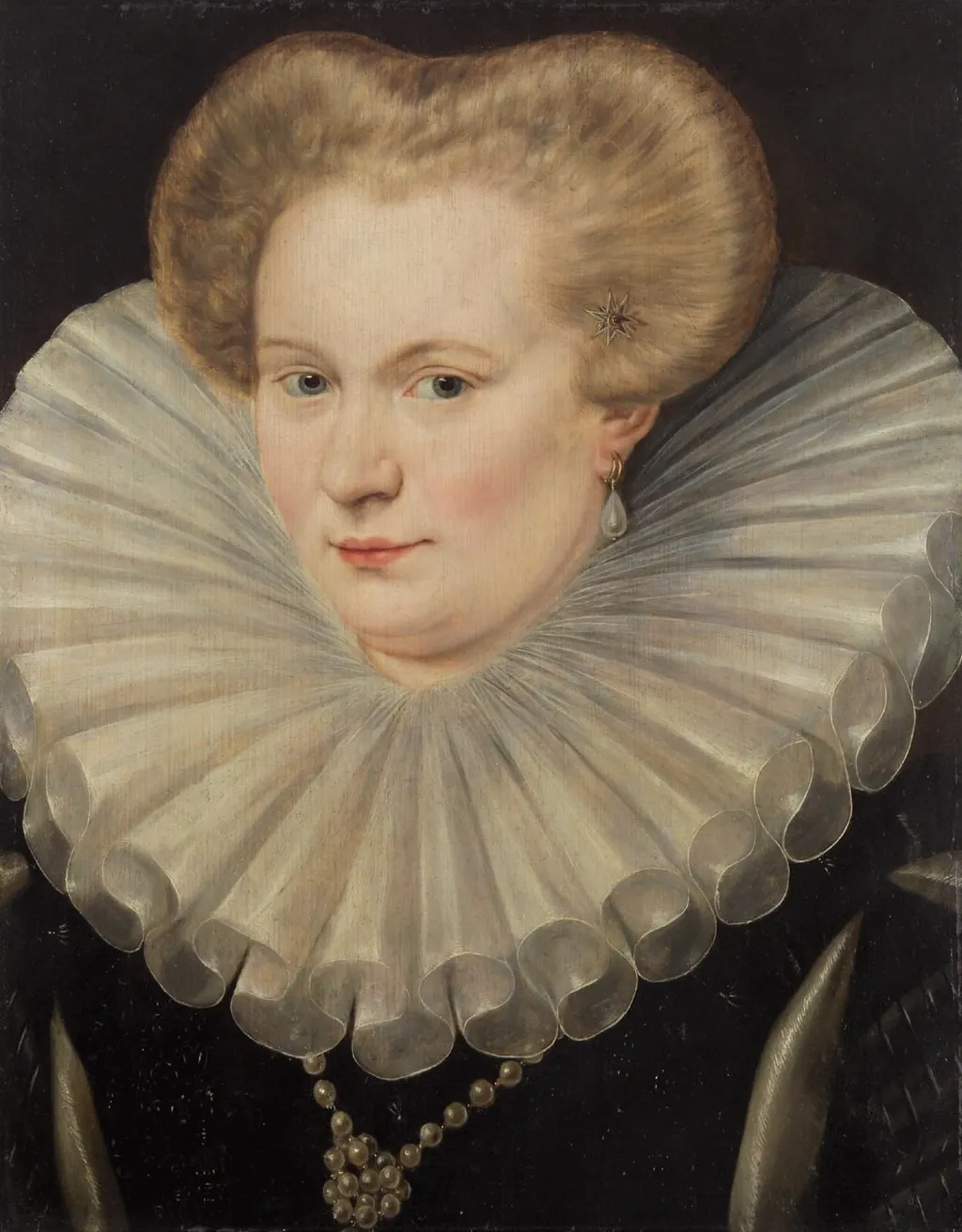
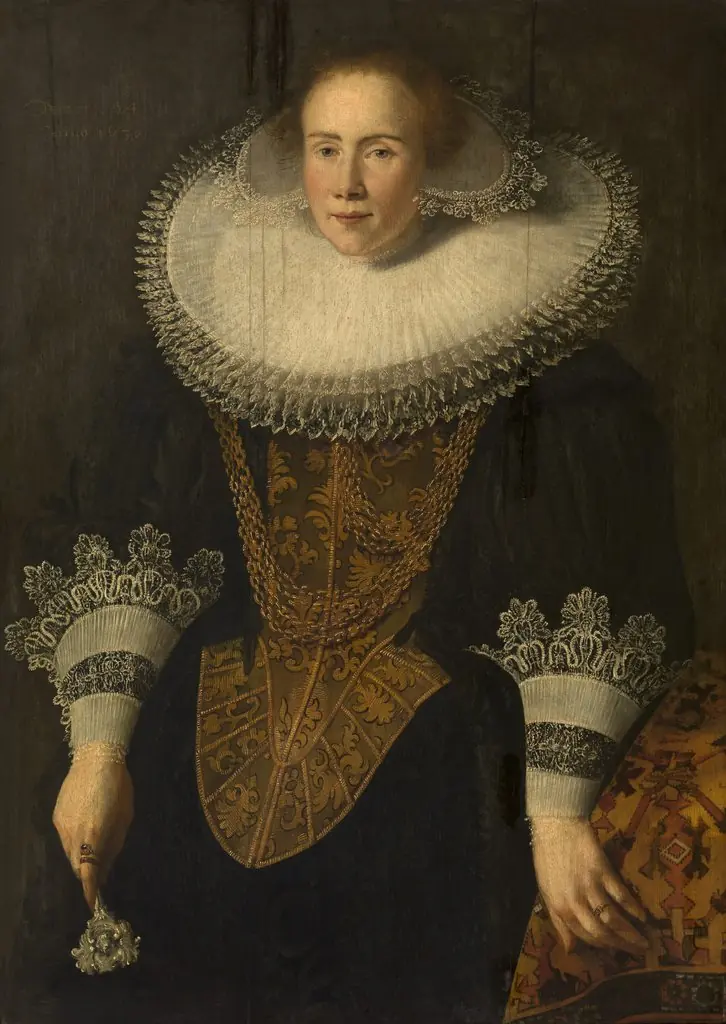
Weibliches Bildnis is an unspecified painting by the Early Baroque Italian artist Unknown. It dates from 1600 and is held in the collection of the Kunsthistorisches Museum. This portrait presents a woman rendered with quiet composure, set against a deep, unbroken background.
About this work
Overview
Subtle lighting emphasizes her facial features and upper torso, while minimal adornments—pearls, a star-shaped pin—suggest restrained sophistication.
This portrait presents a woman rendered with quiet composure, set against a deep, unbroken background. Her pale skin and blonde hair, arranged in a high coiffure, contrast with the dark fabric of her dress. Subtle lighting emphasizes her facial features and upper torso, while minimal adornments—pearls, a star-shaped pin—suggest restrained sophistication. The composition focuses attention on her presence without narrative distraction.
Subject & Meaning
The sitter’s direct gaze and neutral expression convey dignity rather than emotion. Her attire, marked by a voluminous ruffled collar and pearl jewelry, signals social standing and adherence to contemporary norms of decorum. The star-shaped hairpin may carry symbolic weight, though its specific meaning remains ambiguous. The portrait prioritizes poise over personality, reflecting ideals of aristocratic composure in its era.
Technique & Style
The artist employs chiaroscuro to model the figure with soft gradations of light and shadow, enhancing three-dimensionality without theatricality. Brushwork is precise yet unobtrusive, particularly in the rendering of lace and pearls. The dark background isolates the subject, heightening the tactile quality of her clothing and skin. The restrained palette—dark tones with pale highlights—supports a tone of understated elegance.
History & Provenance
The painting’s origin is tied to early 17th-century Northern European portraiture, likely from a region where such refined, monochromatic likenesses were favored among the urban elite. Its early ownership is undocumented, but its stylistic consistency places it within circles familiar with Dutch and Flemish conventions. It entered institutional collection in the late 19th century, where it has remained since.
Context
Created during a period when portraiture served both personal and social functions, this work reflects the growing emphasis on individual identity among the merchant and noble classes. Unlike grand historical scenes, such intimate likenesses prioritized moral restraint and visual clarity. The absence of props or landscape aligns with a trend toward psychological stillness in Northern European art of the time.
Legacy
The painting contributes to a broader corpus of quiet, psychologically contained portraits from the early Baroque era. Its emphasis on texture, light, and composure influenced later generations of portraitists who favored subtlety over spectacle. Though not widely reproduced, it remains a representative example of how dignity was visually constructed in private, non-royal contexts.
Artist & collection

 Domestic Scene
 Giacomo and Cardinal Marco, investing Andrea, Abbot of San Zeno, with his Benefice
 The Nymph of Fontainebleau
 Portrait of a Woman
 Madonna and Child with Saints in the Enclosed Garden
 Venus and Minerva
 Family Group of Four on Sofa
 Wall painting from Room H of the Villa of P. Fannius Synistor at Boscoreale
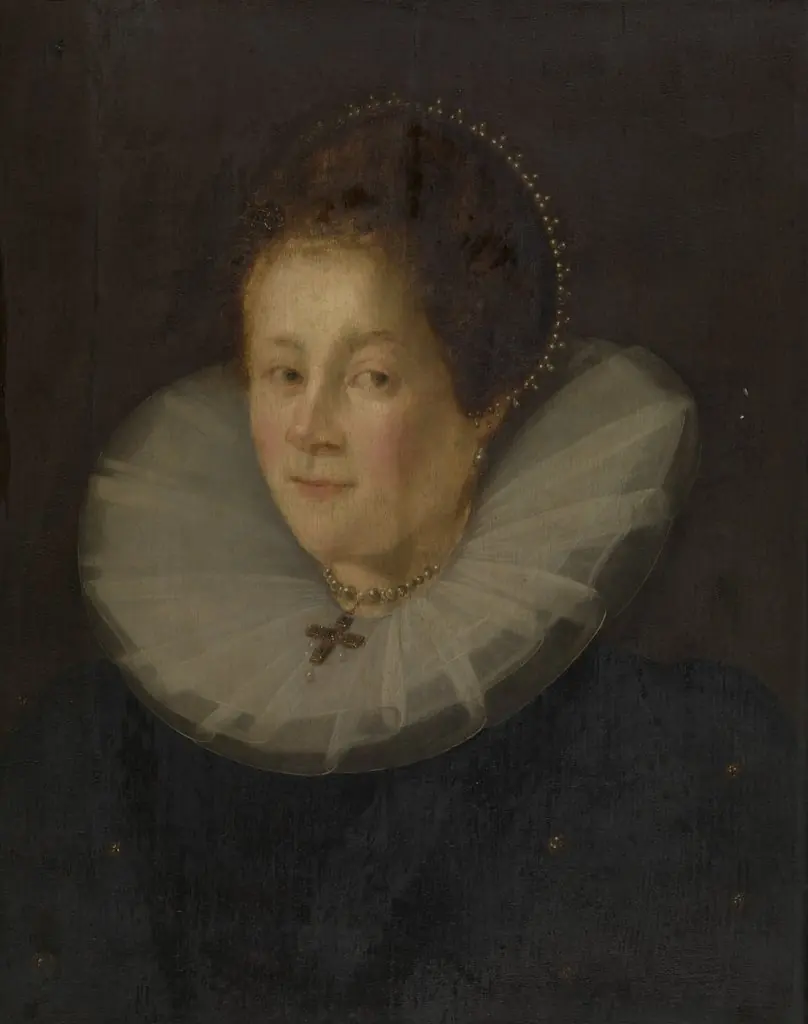 Portrait of a Woman
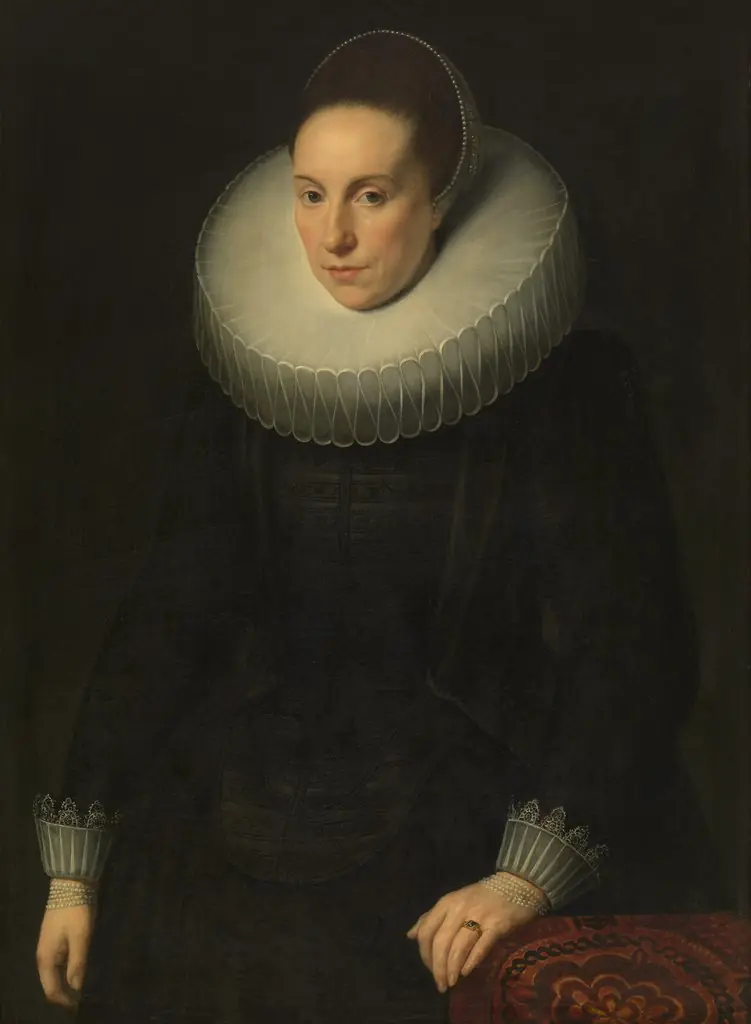 Portret van een vrouw
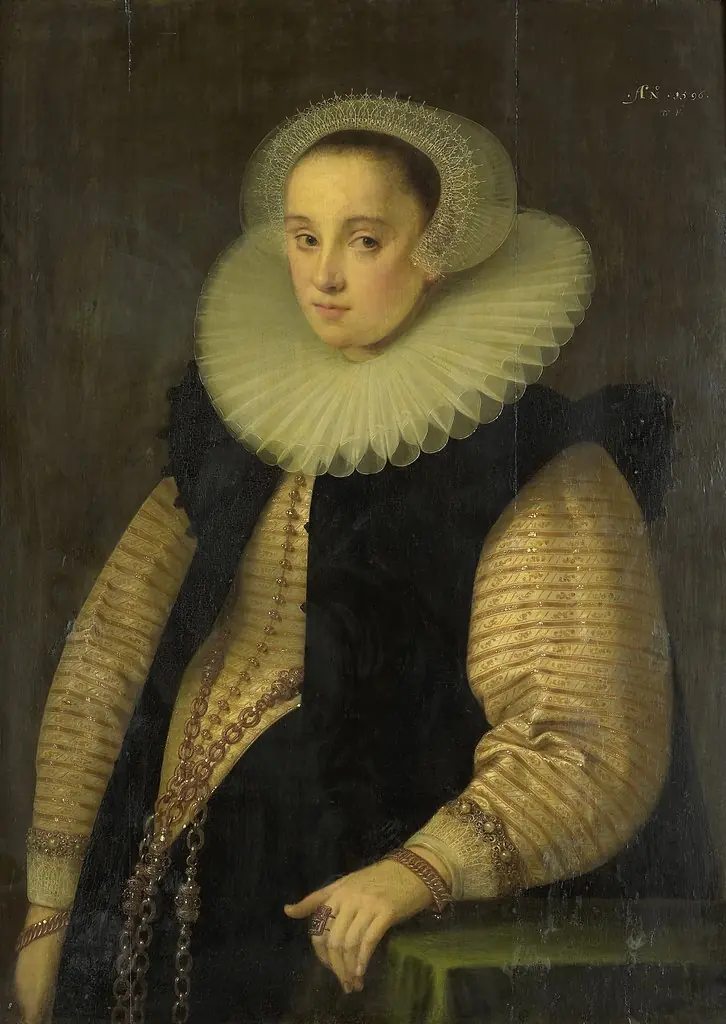 Portrait of Hortensia del Prado (died 1627), Wife of Jean Fourmenois
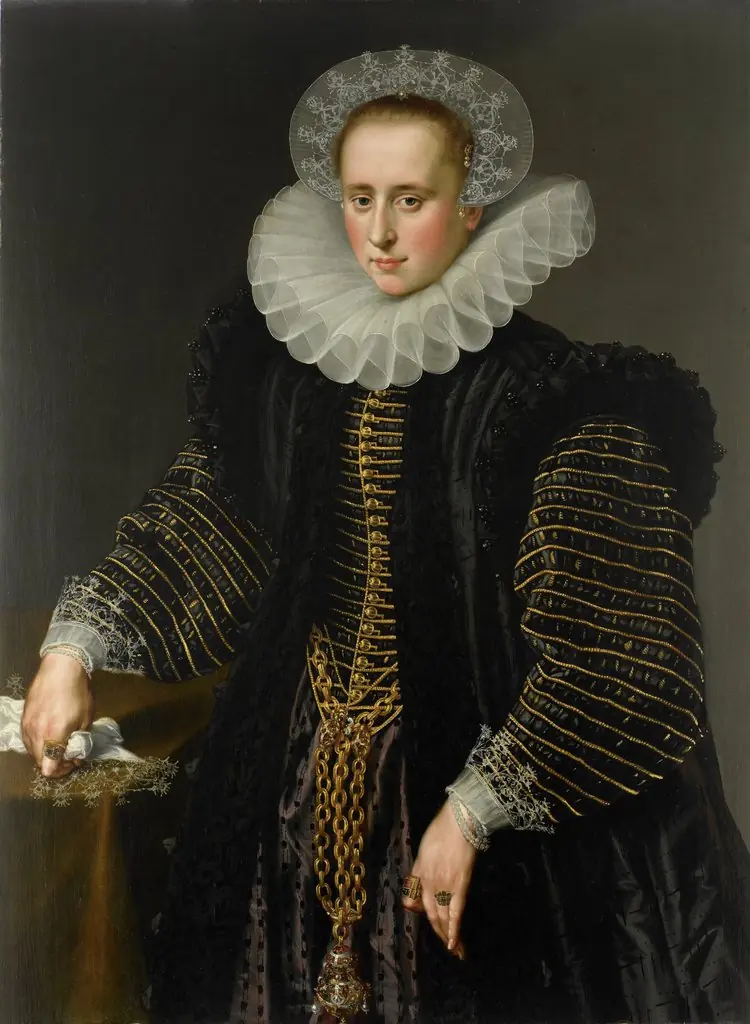 Portrait of a woman, probably Maria Schuurman (1575-1621)
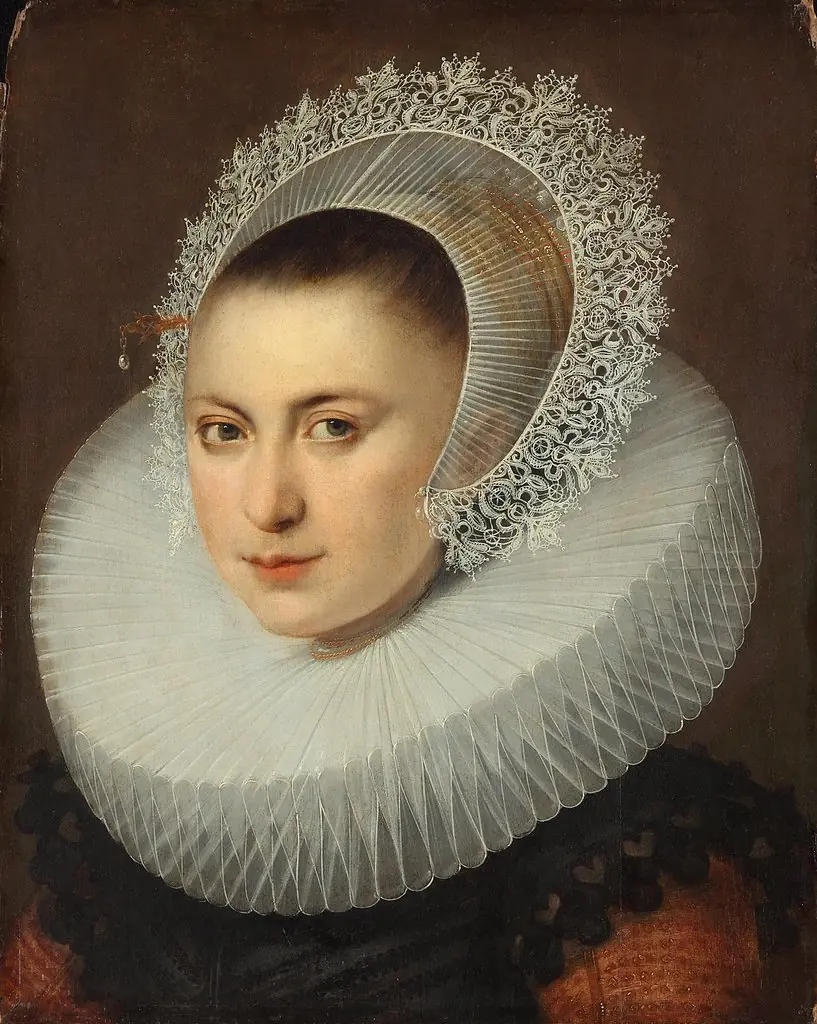 Portrait of a Woman
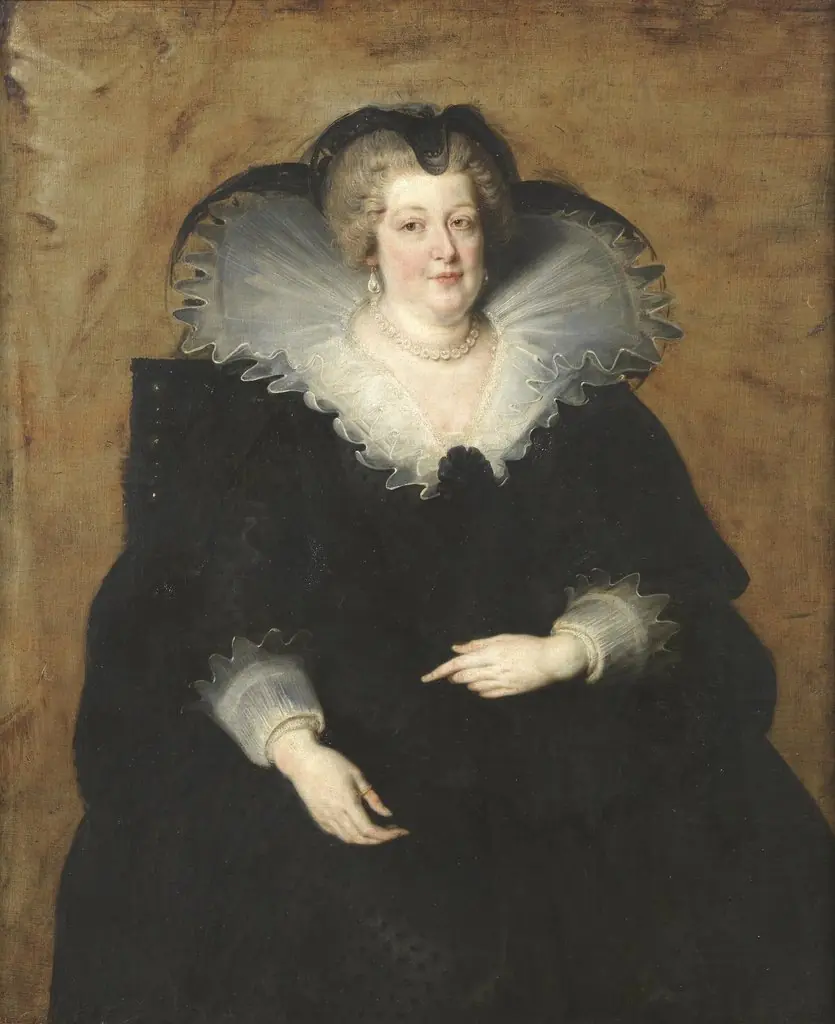 Marie de Medici, Queen of France
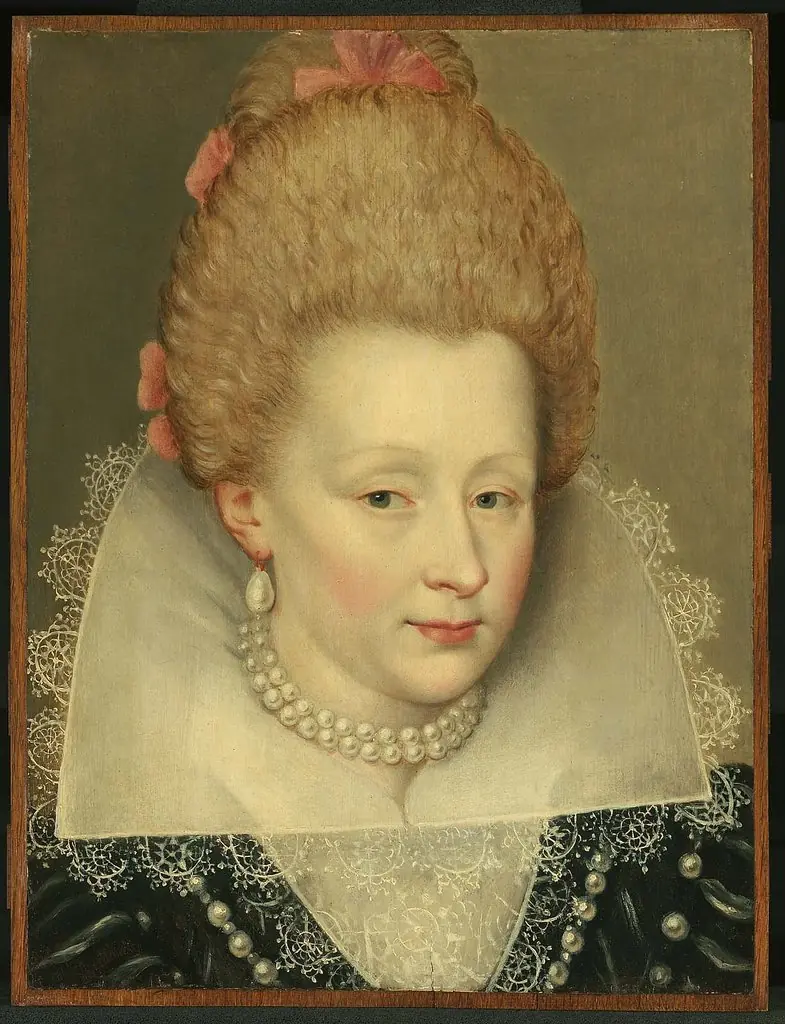 Portrait of a Woman
 Portret van een vrouw
 Portrait of Ernestine Yolande (1594-1663), Princess of Ligne
 Portrait of a Woman
 Portrait of Hendrickje Uylenburgh (1600-c. 1682)
 Portrait of a Woman