Artwork
Portrait of Hendrickje Uylenburgh (1600-c. 1682)
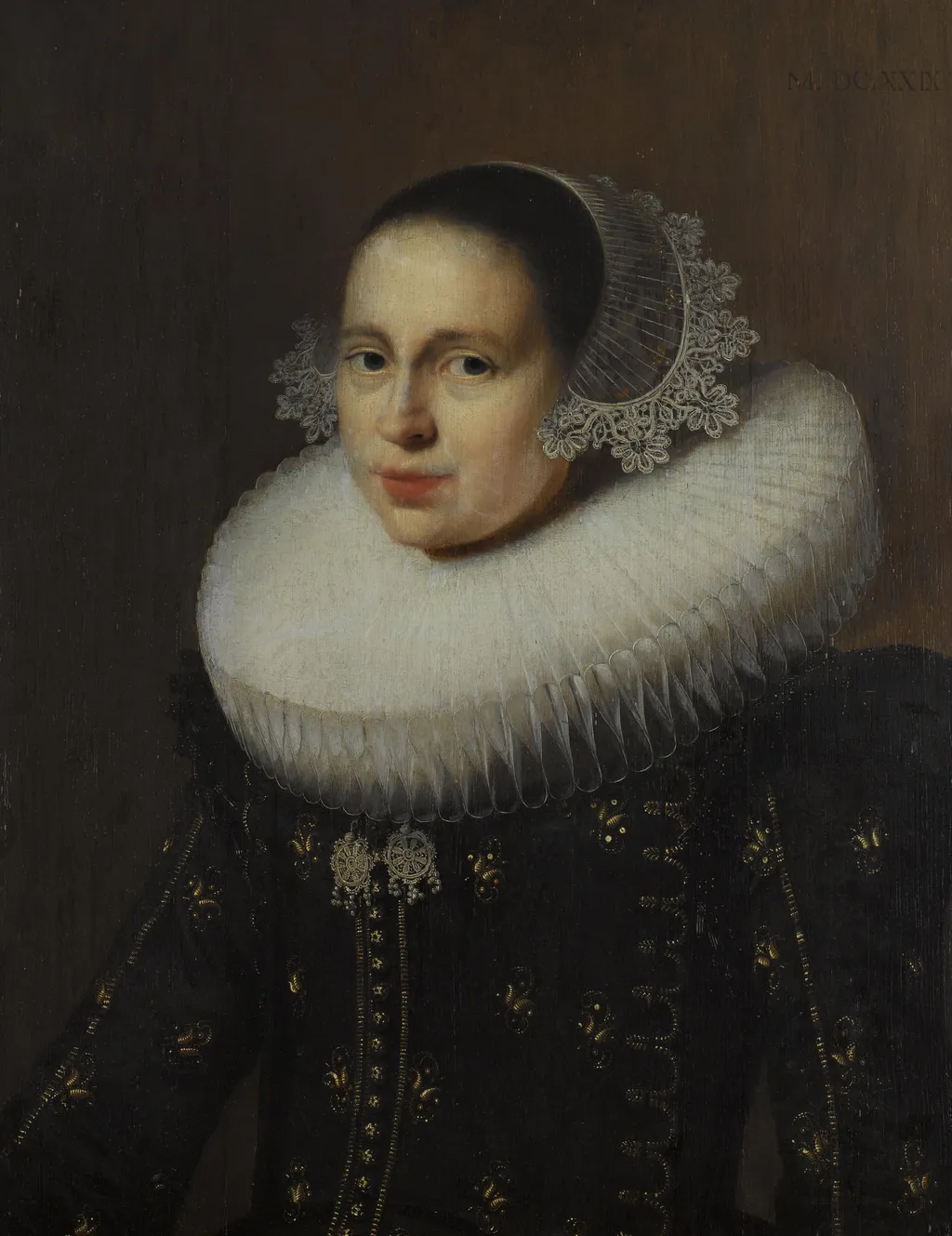
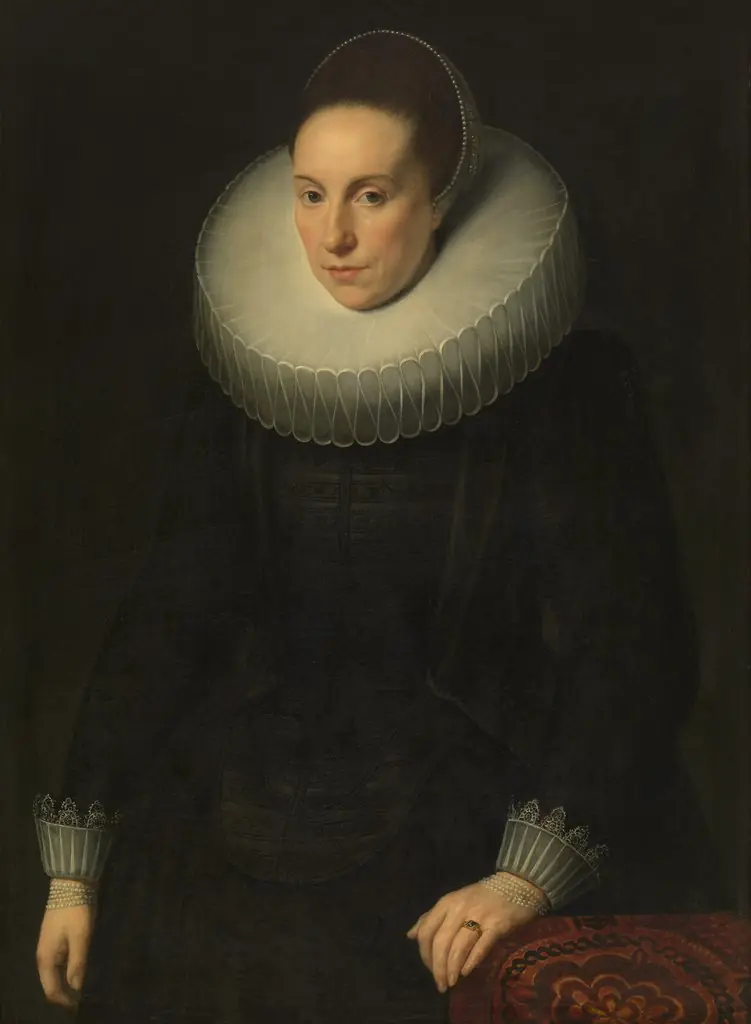
Portrait of Hendrickje Uylenburgh (1600-c. 1682) is an unspecified painting by the Dutch Golden Age artist Wybrand de Geest. It dates from 1629 and is held in the collection of the Rijksmuseum.
About this work
Overview
Once attributed to Rembrandt due to its presence in his studio and stylistic similarities, it is now recognized as a work by De Geest himself.
This oil painting depicts Hendrickje Uylenburgh, wife of painter Wybrand de Geest, in a half-length bust facing slightly left. Once attributed to Rembrandt due to its presence in his studio and stylistic similarities, it is now recognized as a work by De Geest himself. The composition is intimate, focusing on the sitter’s upper body and facial expression, with minimal background to emphasize her presence.
Subject & Meaning
Hendrickje Uylenburgh is portrayed not as a noblewoman or idealized figure, but as a private individual within her domestic sphere. Her modest attire and unadorned expression suggest a quiet dignity, reflecting the values of the Dutch middle class. The painting functions as a personal record, possibly intended as a companion piece to her husband’s portrait, reinforcing familial and professional ties among artists.
Technique & Style
The brushwork varies deliberately: broad, swift strokes define the shadowed areas of her face and gown, while the lace collar and cap are rendered with meticulous precision. This contrast between loose and detailed handling creates a sense of immediacy, as if the artist captured her likeness in a fleeting moment. The texture of the lace stands out sharply, drawing attention to craftsmanship and social status.
History & Provenance
The painting resided in Rembrandt’s studio during the 1630s, leading to its early misattribution. It was later identified as the work of Wybrand de Geest, Hendrickje’s husband, through stylistic analysis and archival records. Its pairing with De Geest’s own portrait (SK-A-1780) confirms its original role as a pendant, a common practice among Dutch artists documenting their households.
Context
In 17th-century Leiden and Amsterdam, artists frequently painted family members as studies in character and technique. Hendrickje’s portrait reflects this trend, where personal identity and artistic skill converged. Unlike grand portraiture, this work prioritizes authenticity over grandeur, aligning with the broader Dutch preference for intimate, unembellished representation of everyday life.
Legacy
The painting remains a key example of how Dutch artists used portraiture to document personal relationships. Its history of misattribution highlights the influence of Rembrandt’s style on contemporaries and the challenges of attribution in early modern art. Today, it invites comparison with other works in the Rijksmuseum, illustrating the diversity of approaches to likeness and expression among Dutch painters.
Own this work as a print
Artist & collection


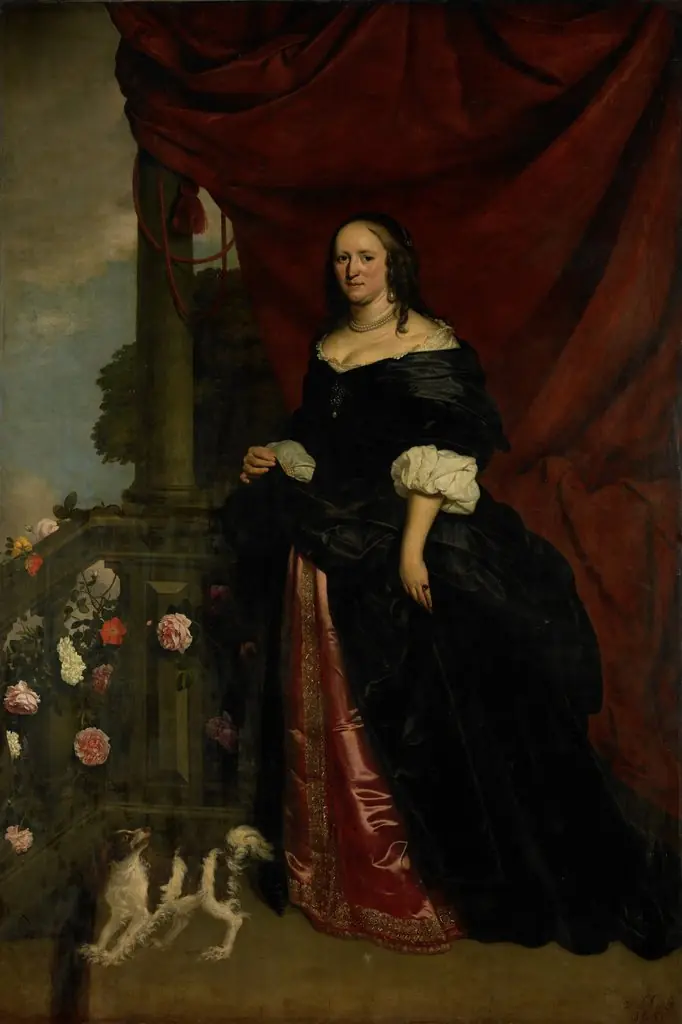 Portrait of a woman, probably Sophia Anna van Pipenpoy (c. 1618-70), Countess of Schellart
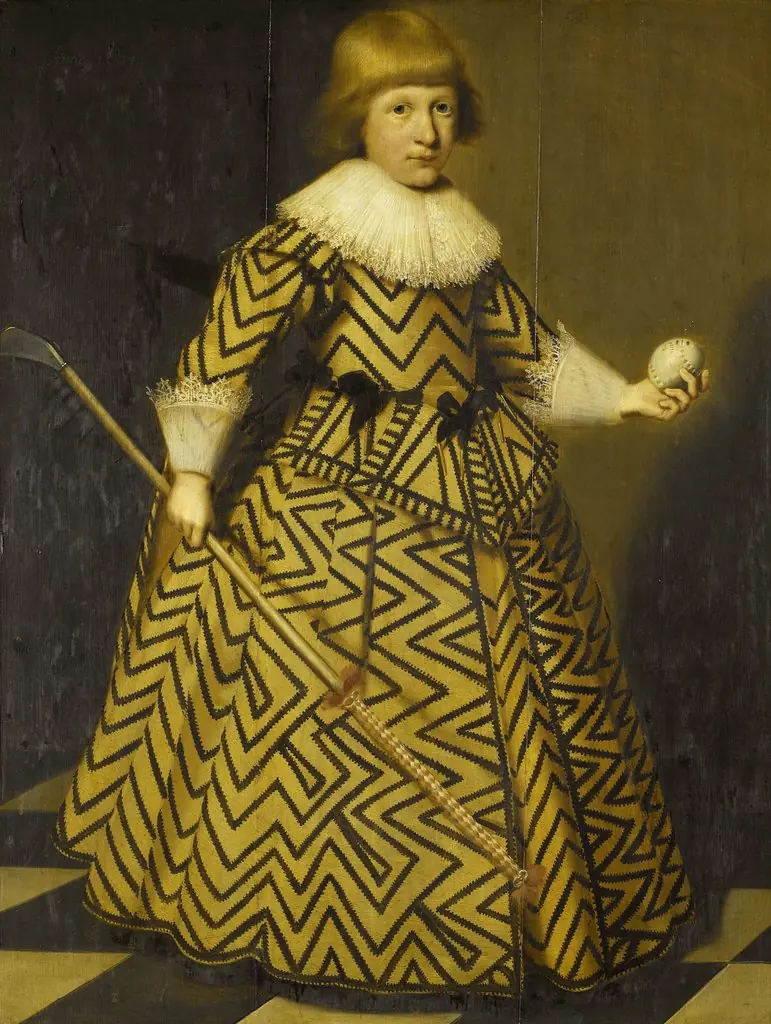 Portrait of a boy with a kolf club
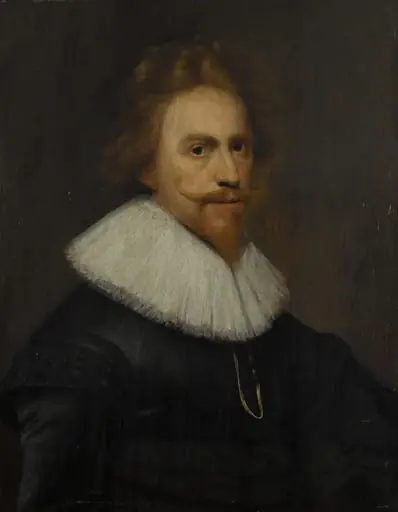 Self-Portrait
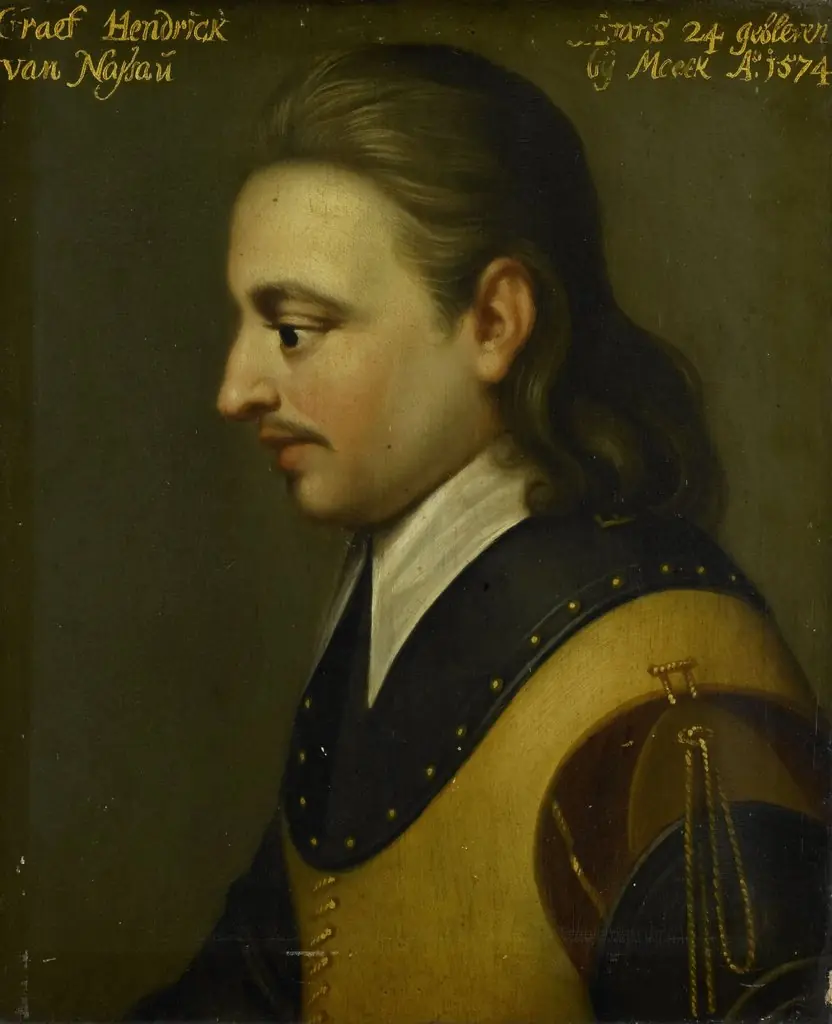 Portrait of Hendrik (1550-74), Count of Nassau
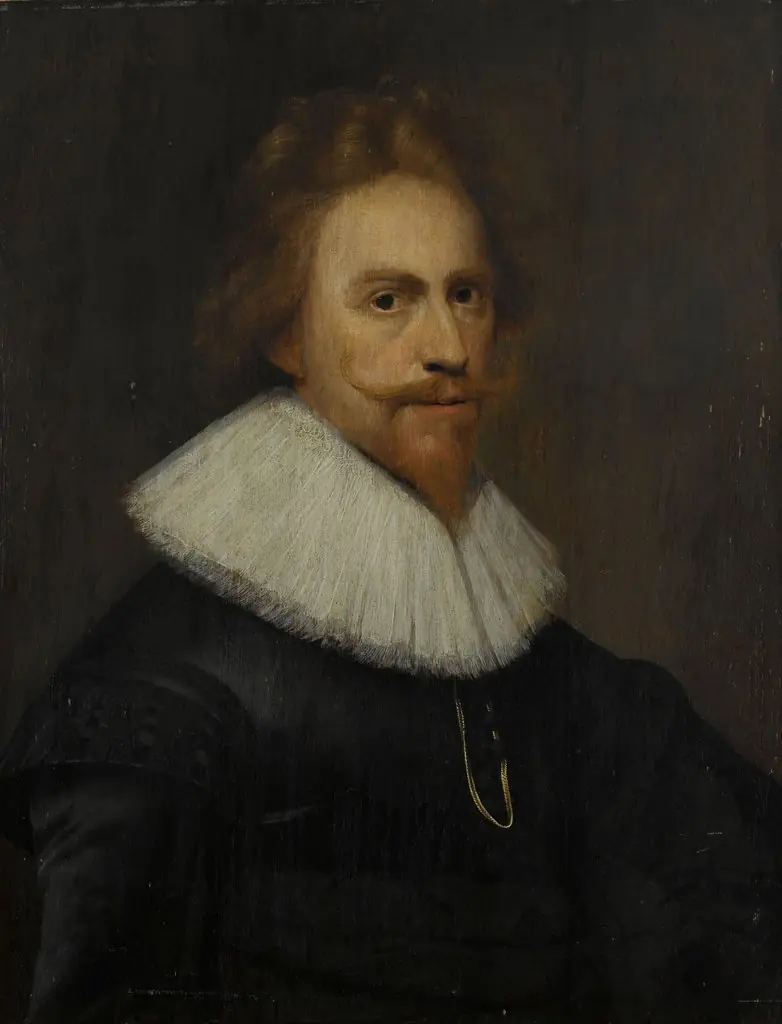 Self-portrait
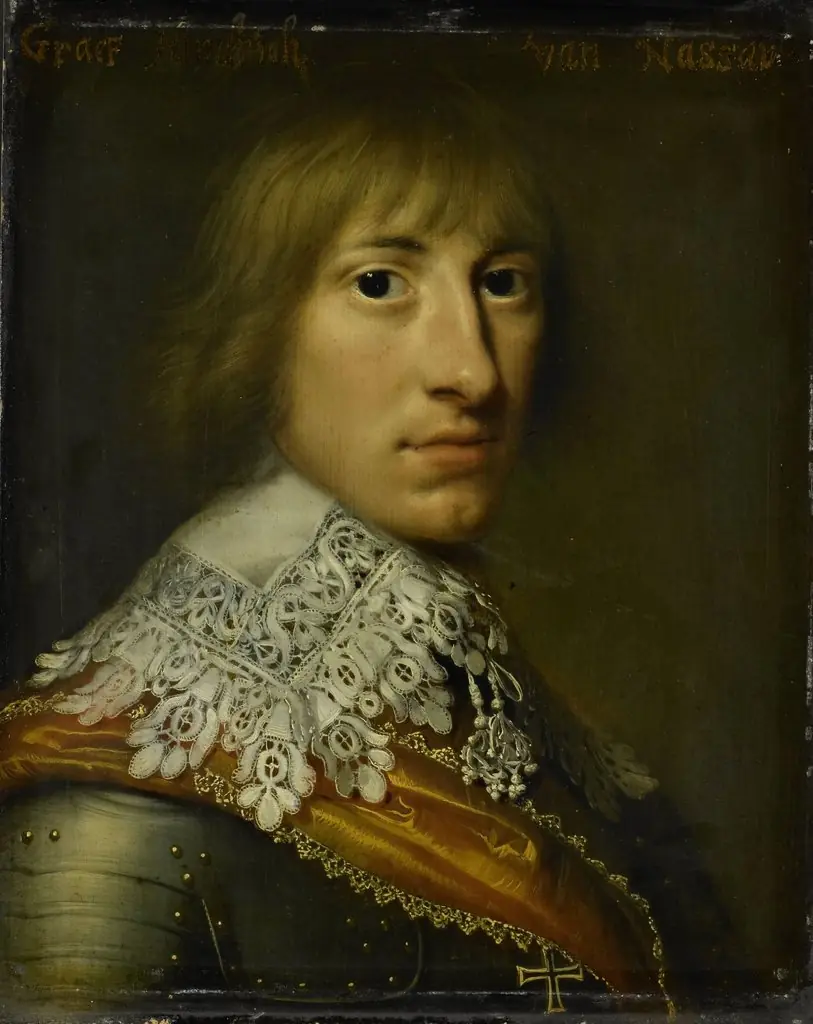 Portrait of Hendrik Casimir I (1612-40), Count of Nassau-Dietz
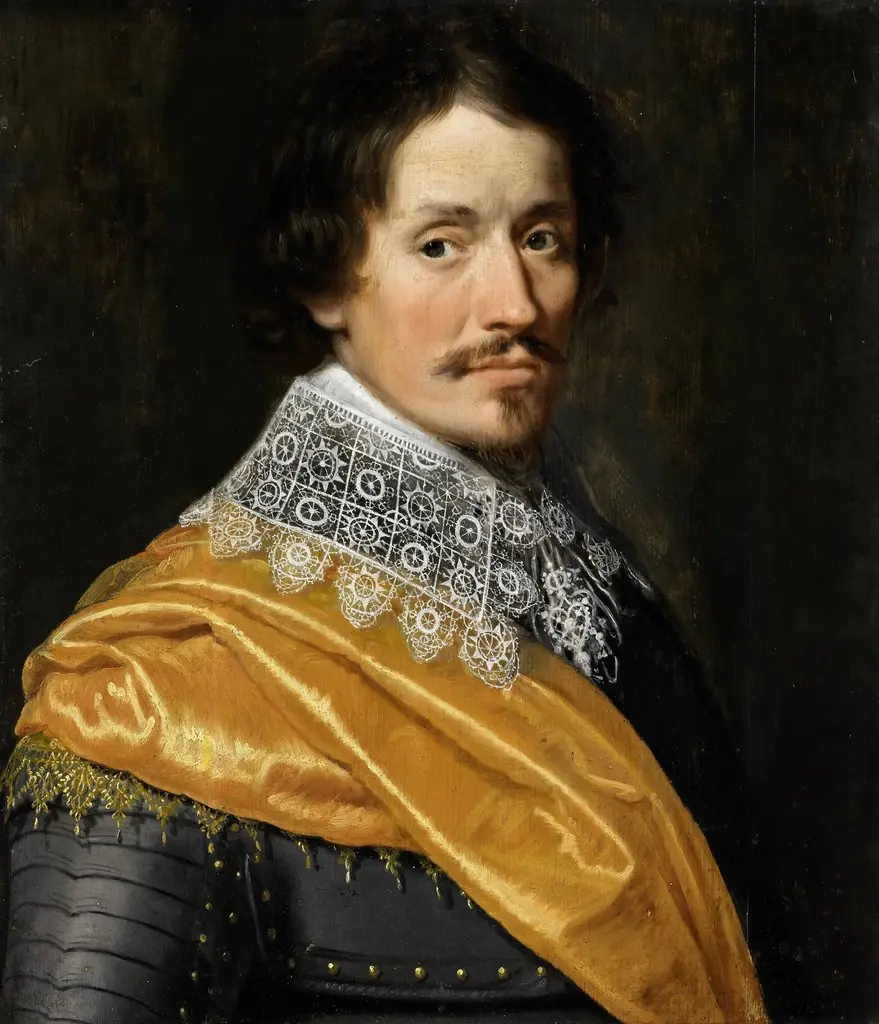 Portrait of an officer
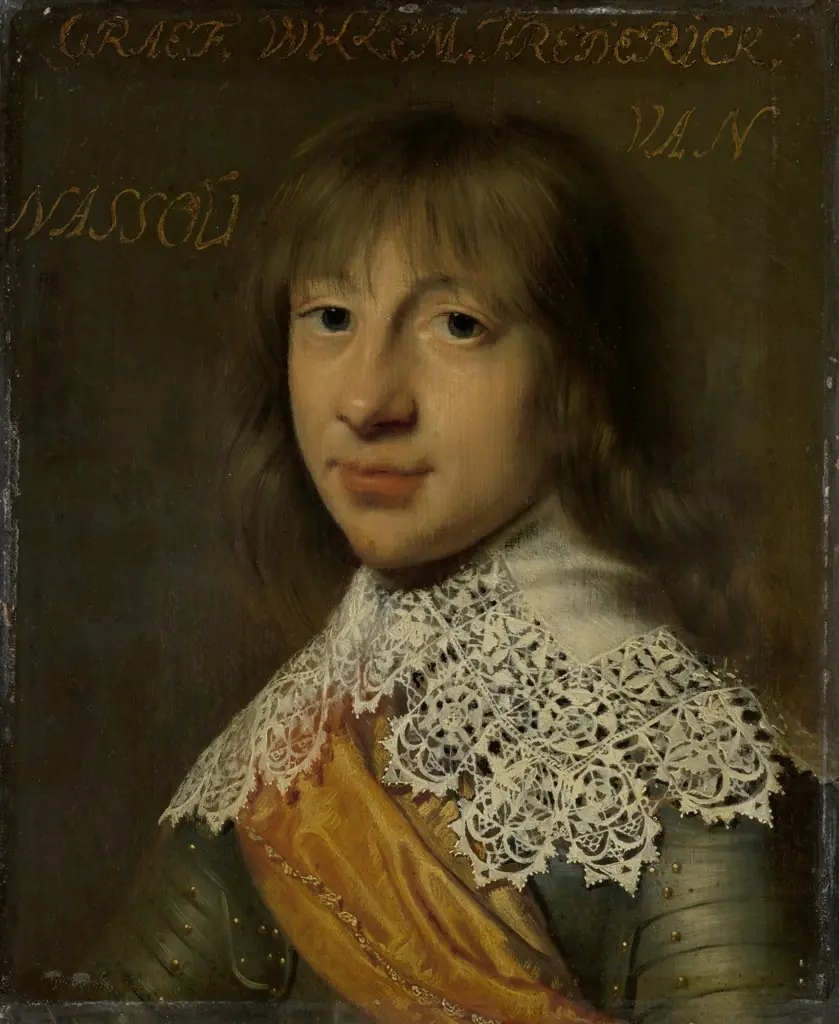 Portrait of Willem Frederik (1613-64), Count of Nassau-Dietz
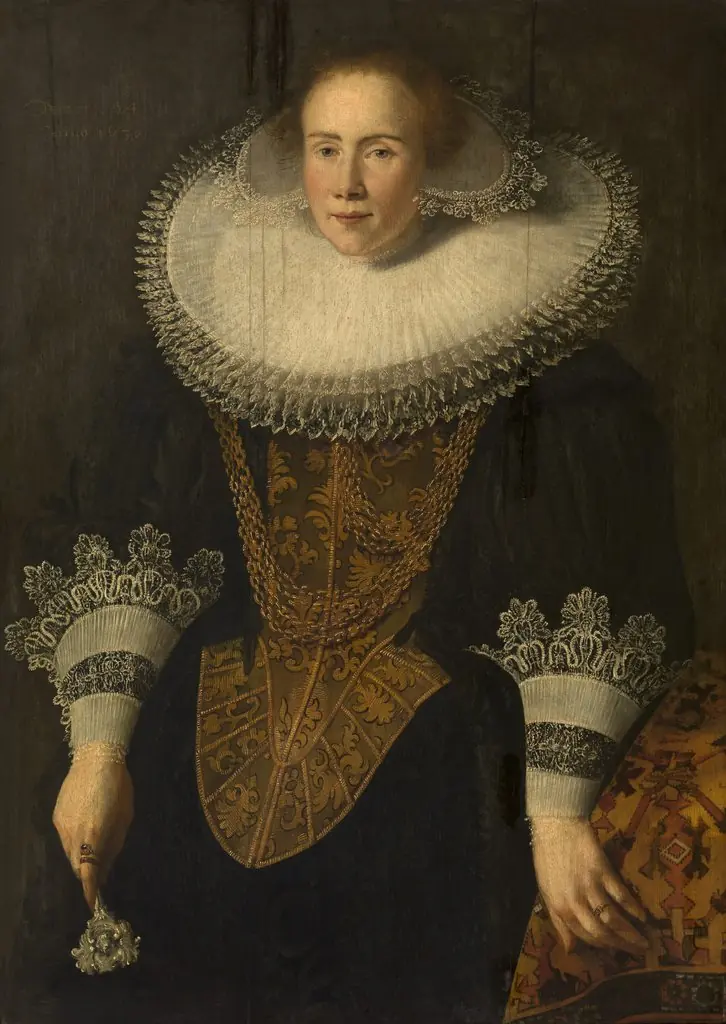 Portrait of a Woman
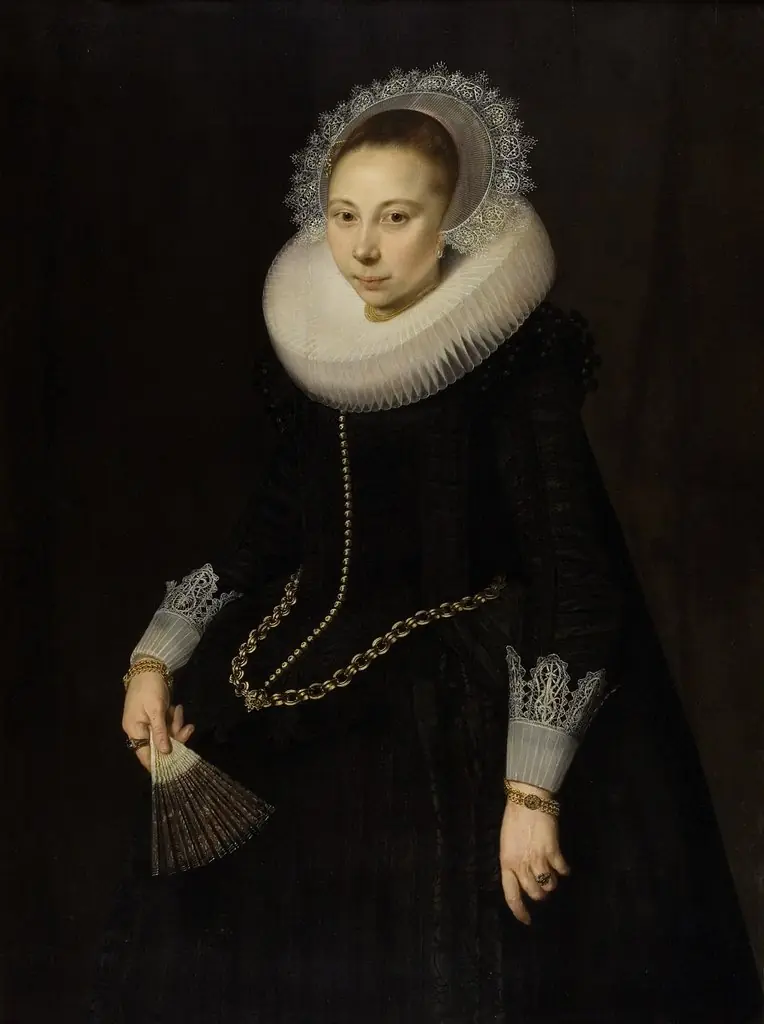 Portrait of Maria Overrijn van Schoterbosch (1599/1600-1638)
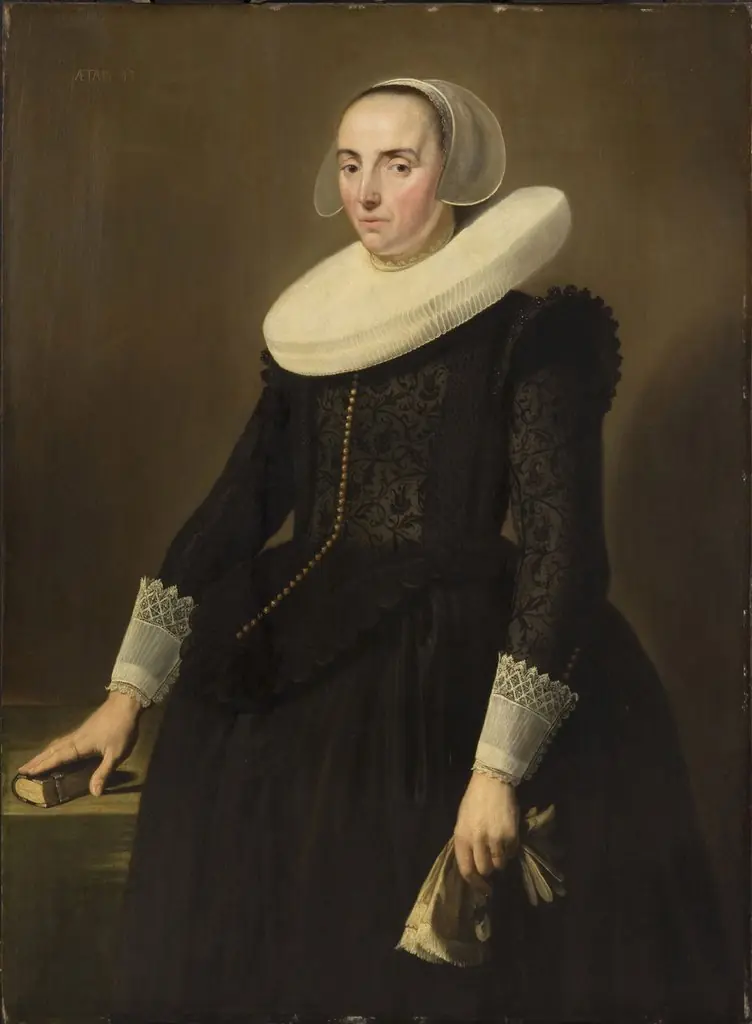 Portrait of Jeanne de Planque
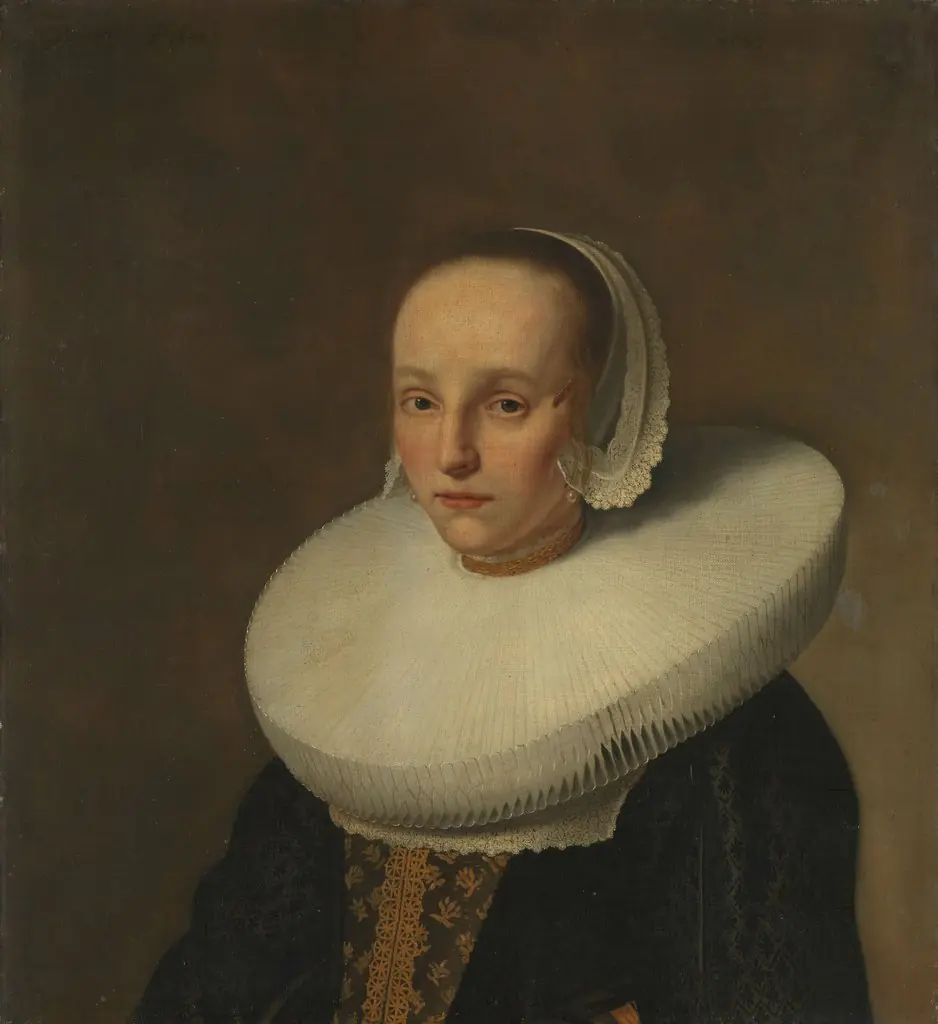 Anna van der Does (1609-50). Wife of Jan de Hooghe
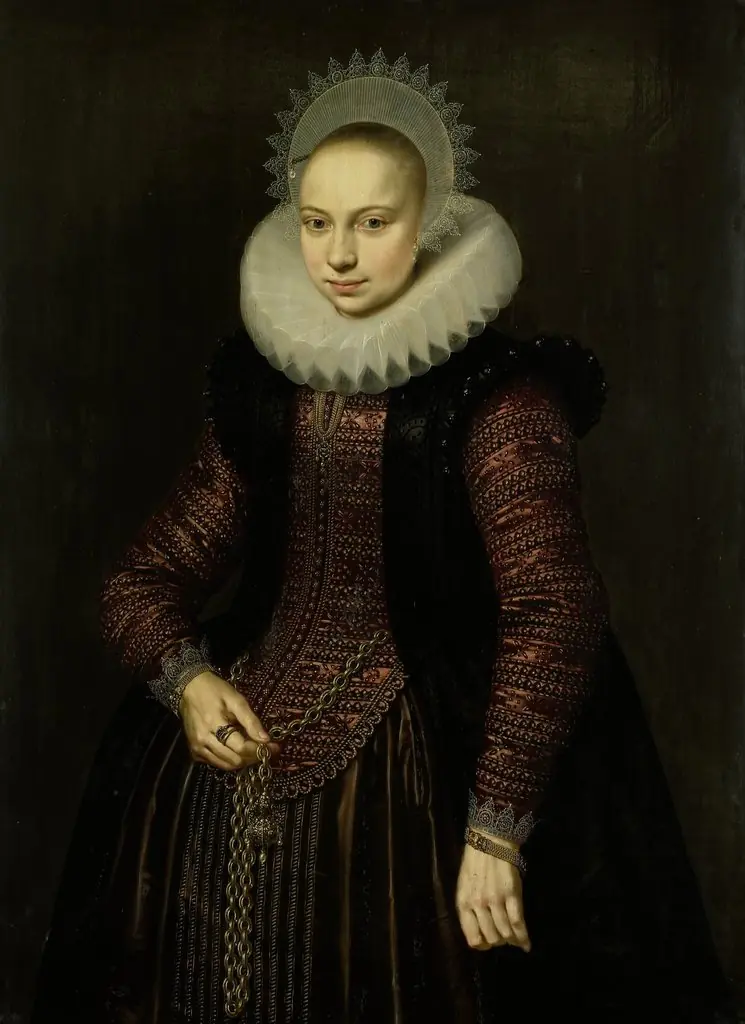 Portrait of Brechtje Overrijn van Schoterbosch (1592-1618)
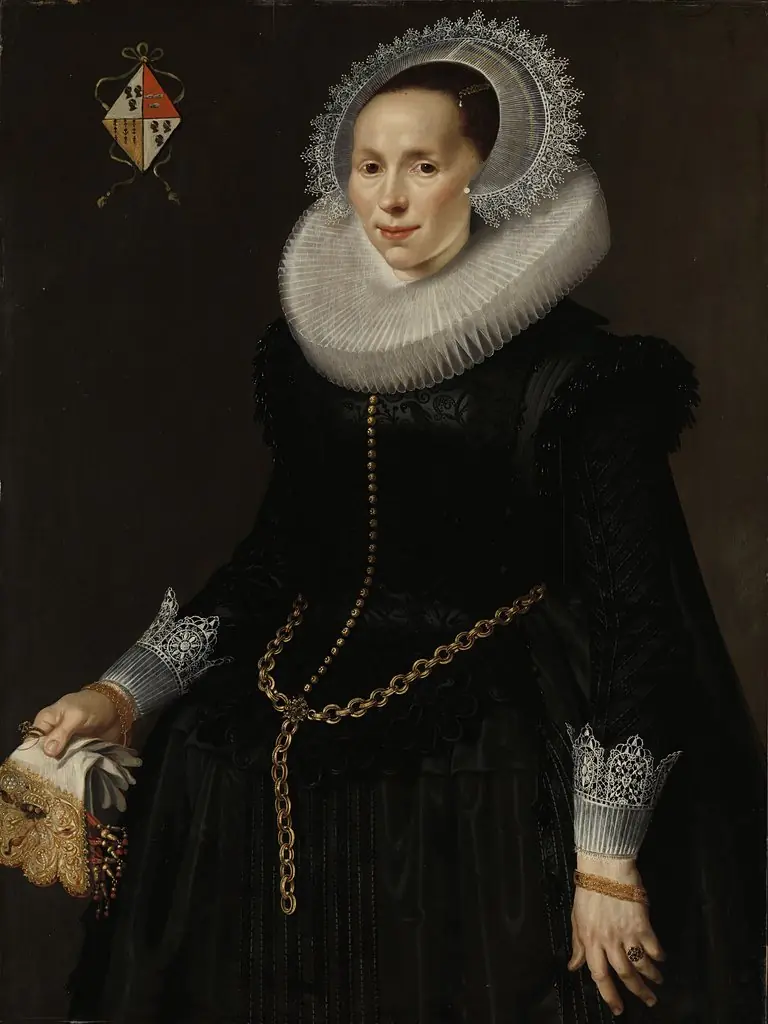 Portrait of Johanna Le Maire (c. 1601-60)
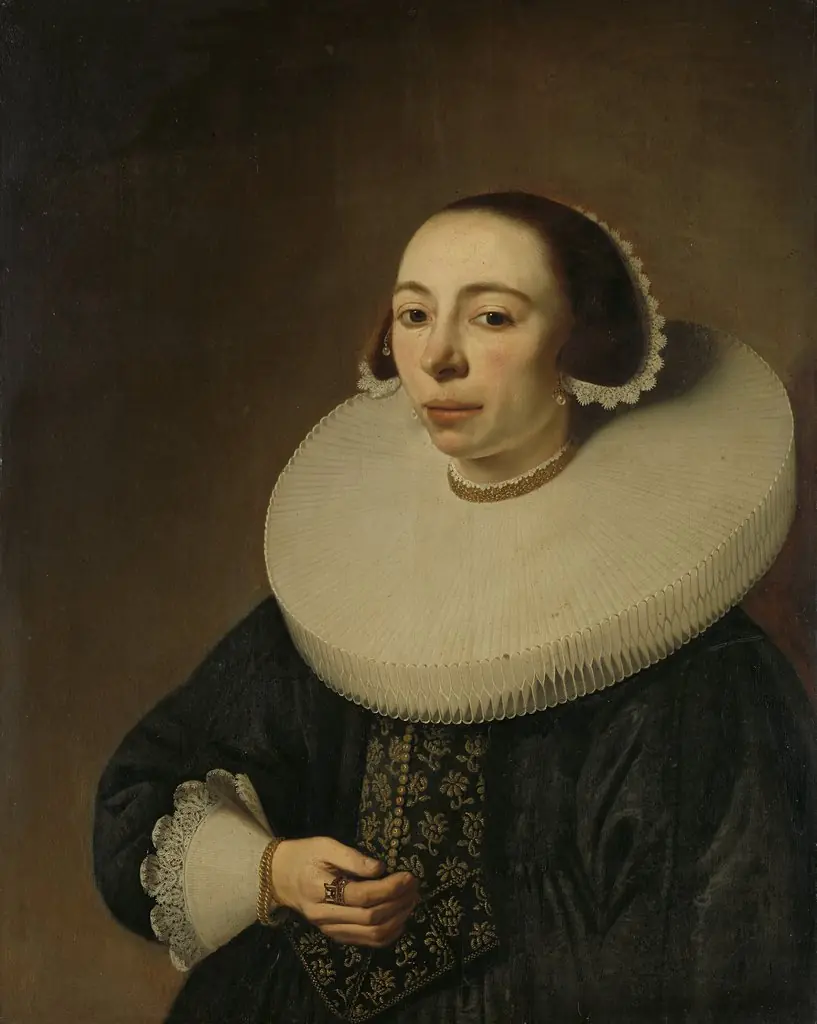 Portrait of a woman
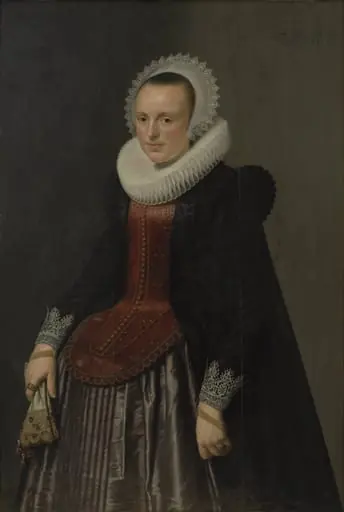 Portrait of a Lady
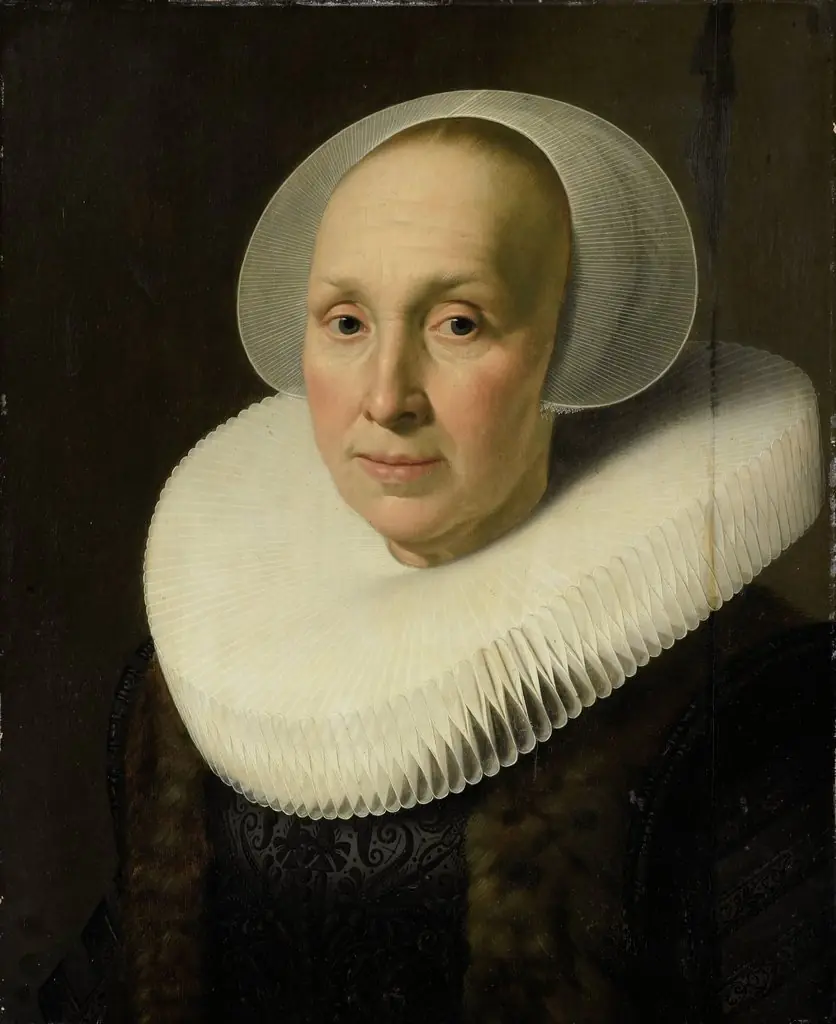 Portrait of Margriet Benningh (1565-1641)
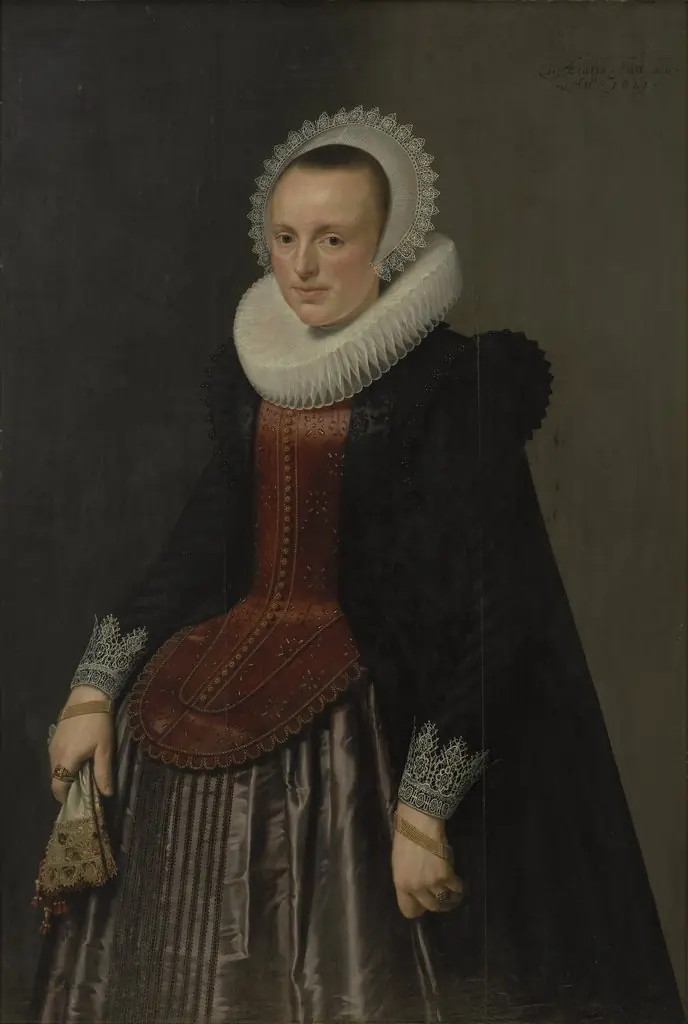 Portrait of a Lady
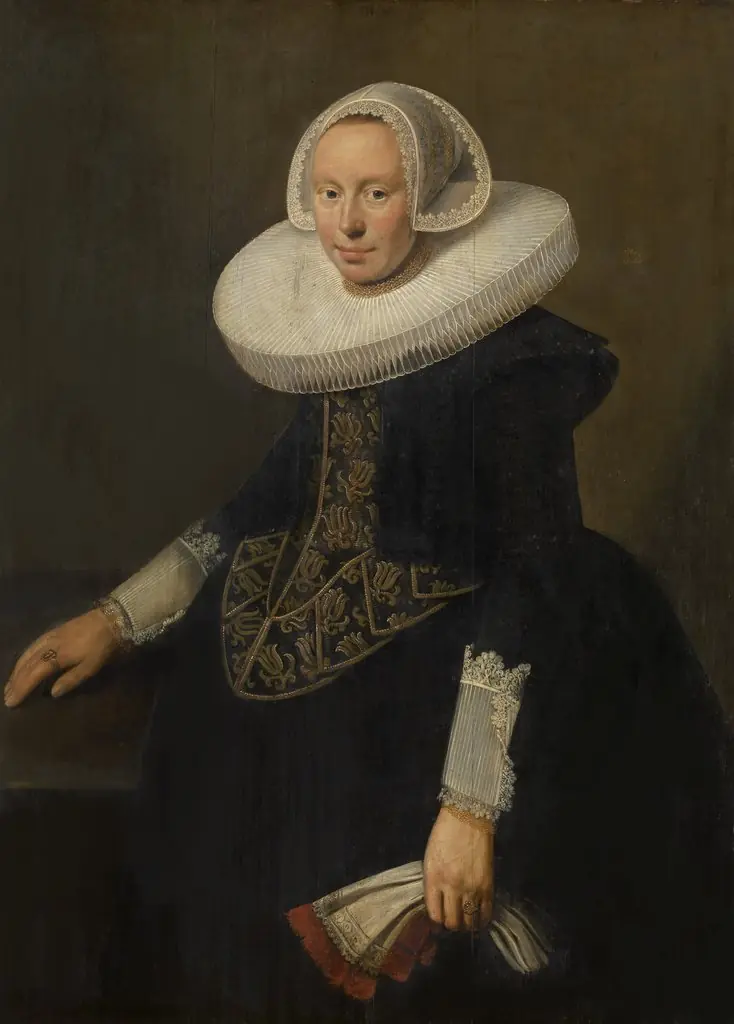 Portrait of a Woman
 Portret van een vrouw