Artwork
Rev. Owen Thomas
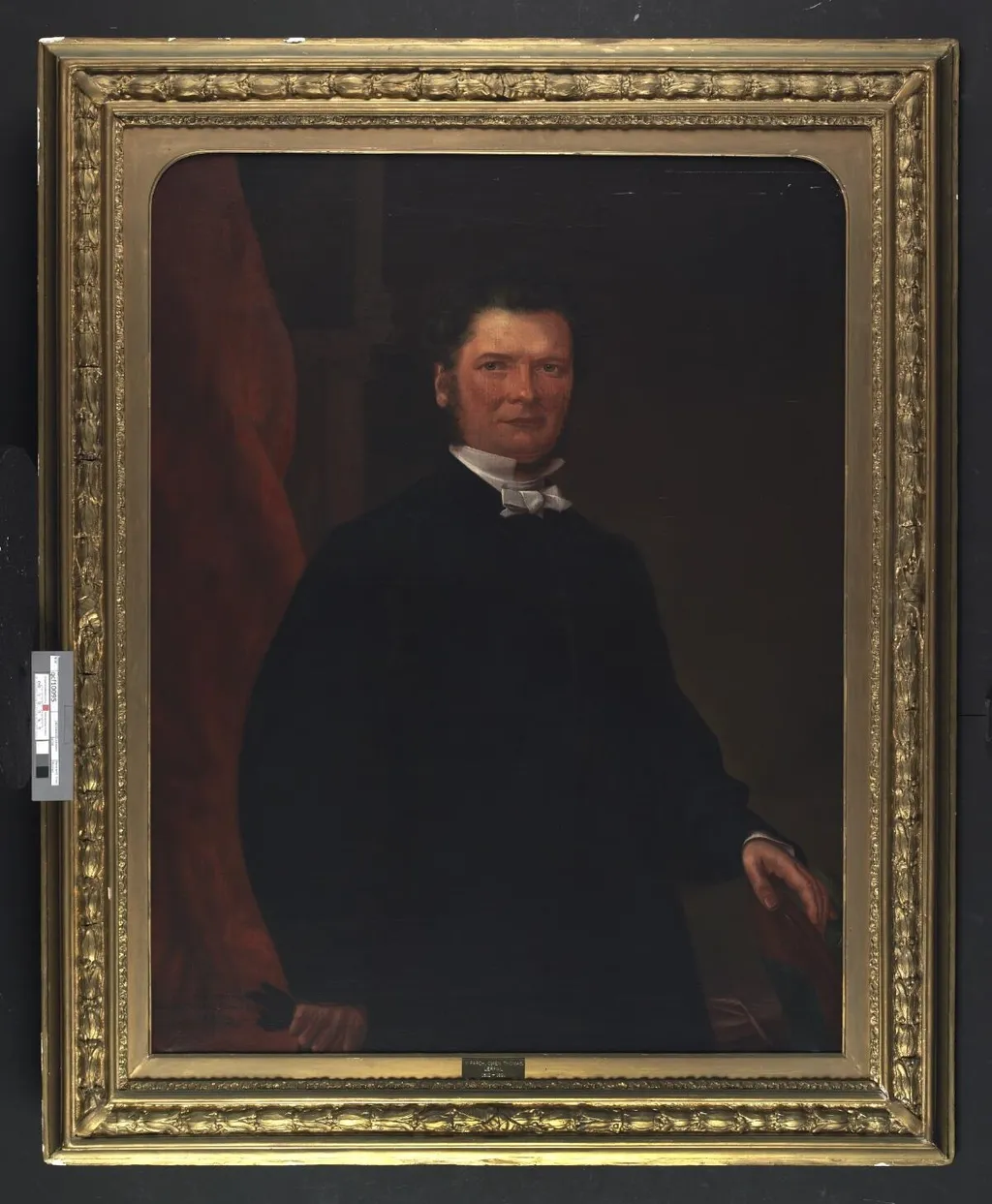
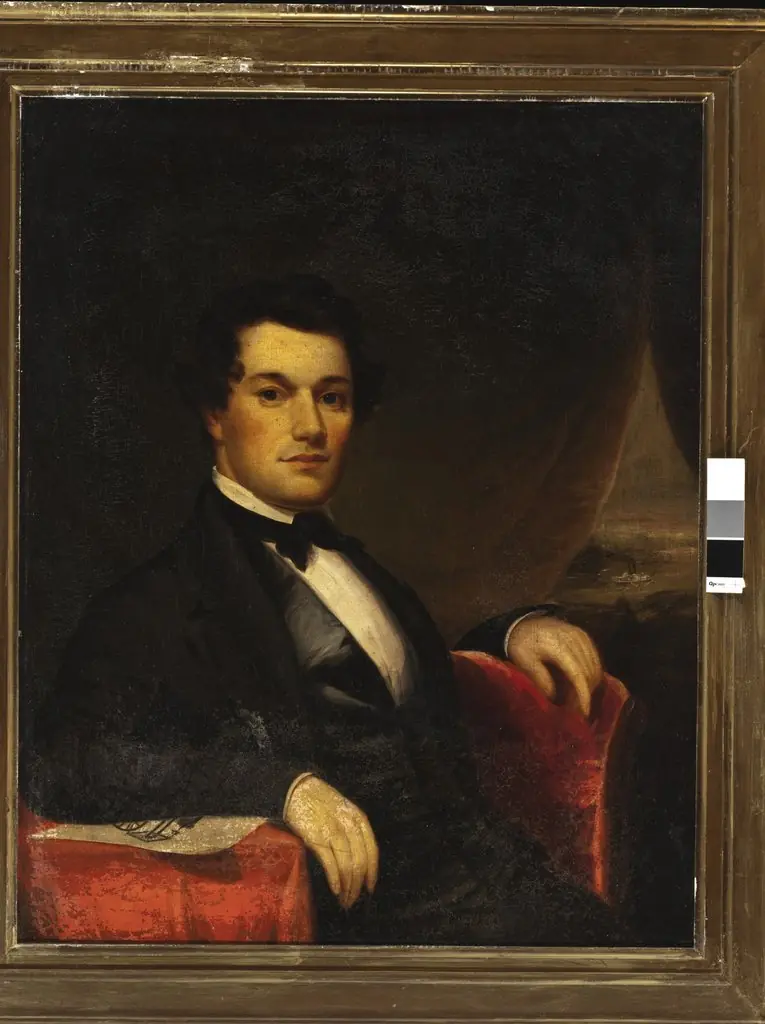
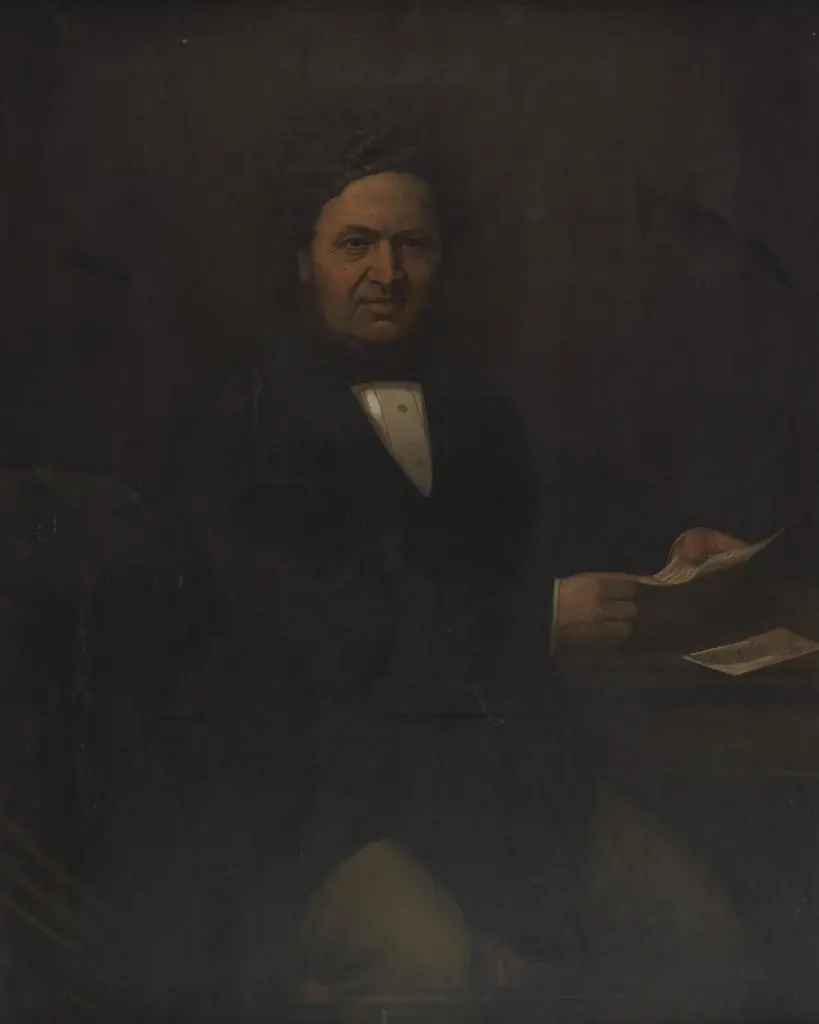
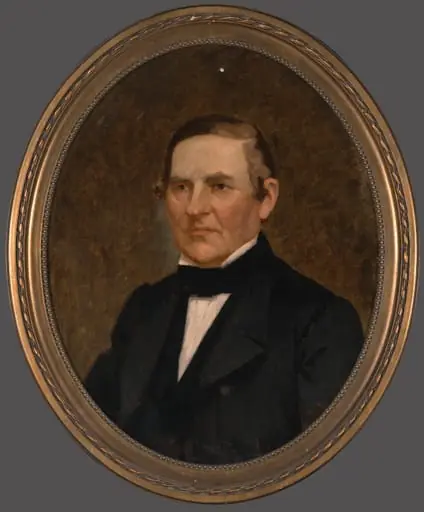
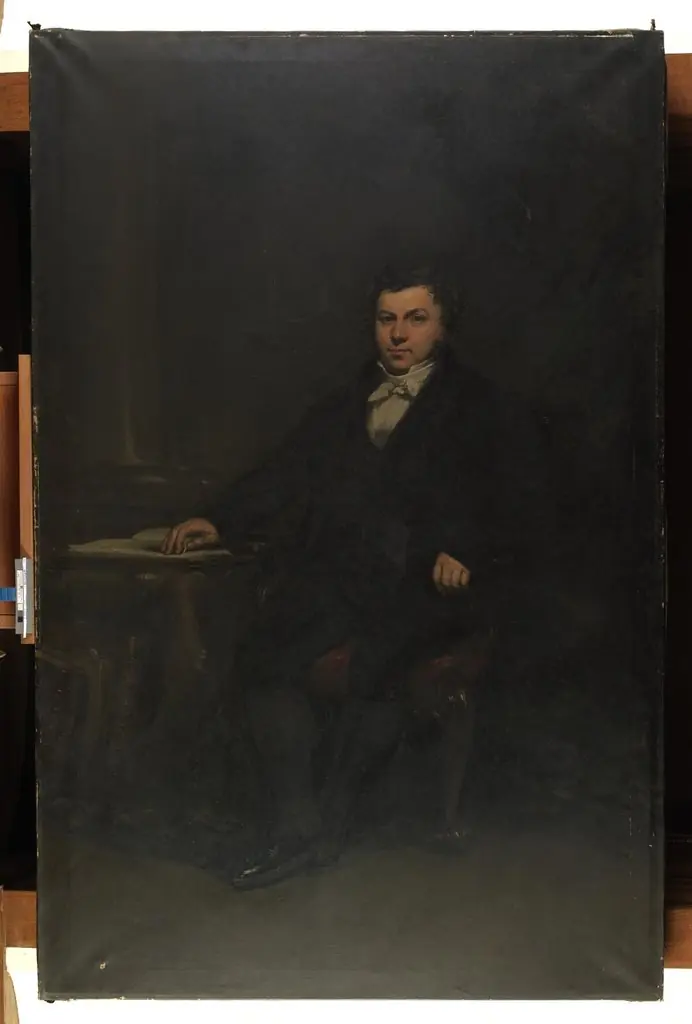
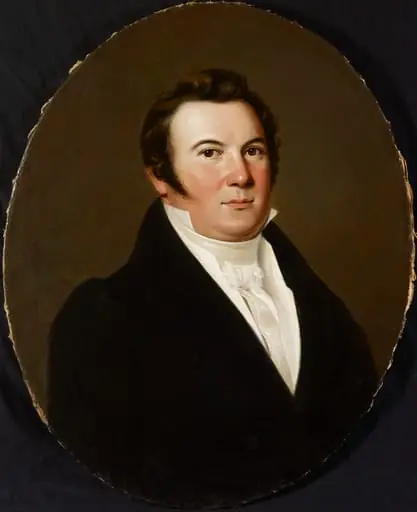
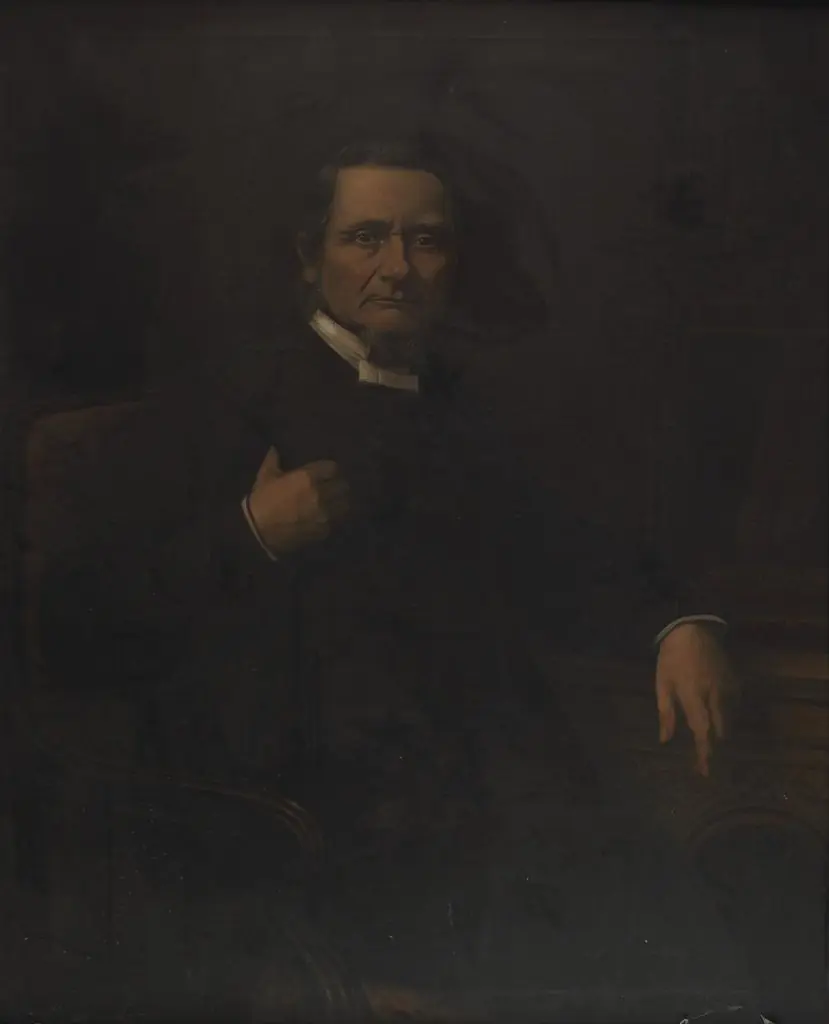
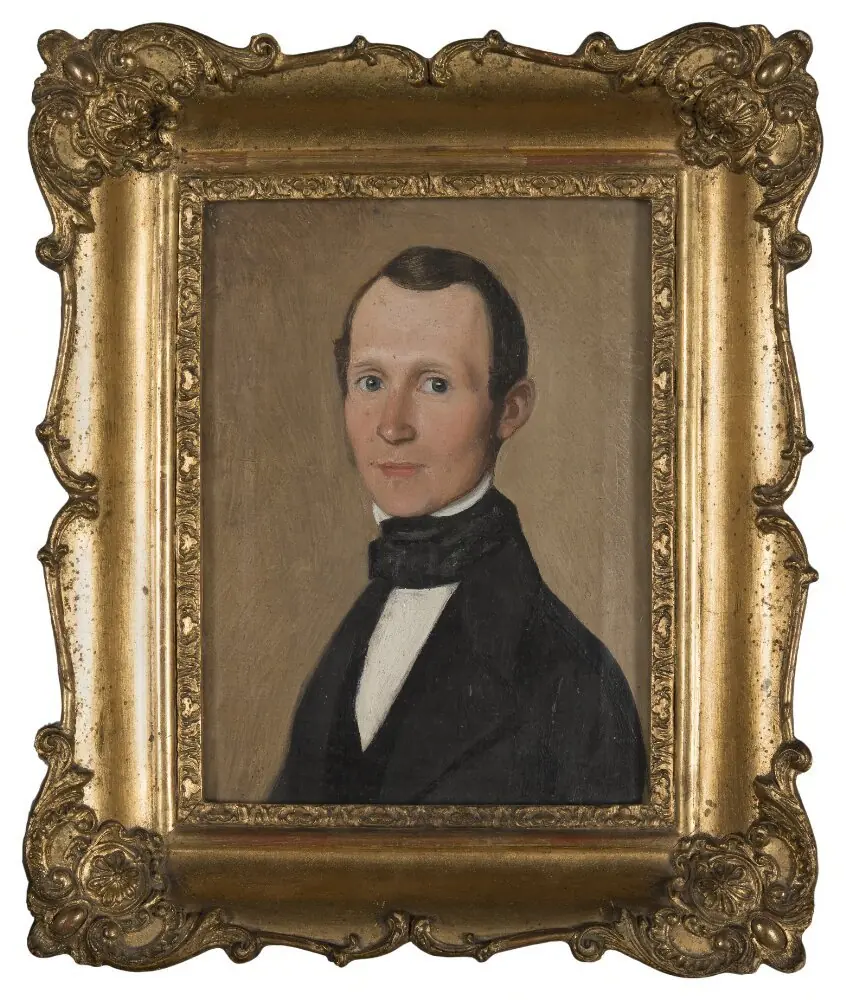
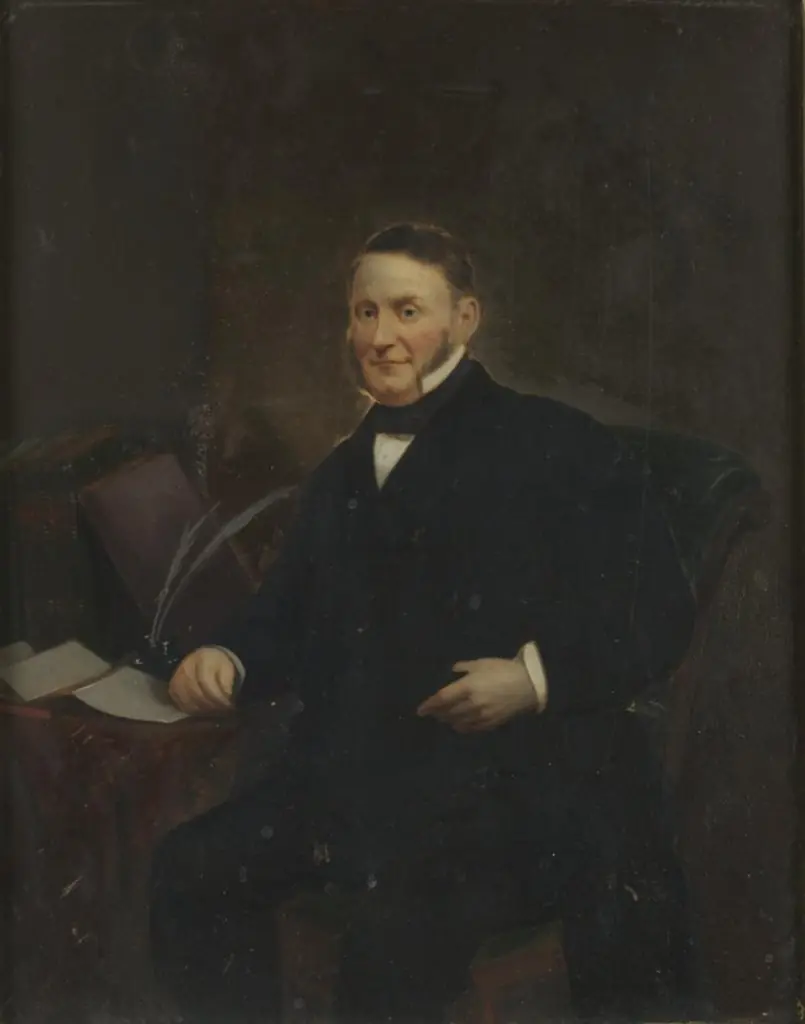
Rev. Owen Thomas is an oil painting by the British Romanticist artist Unknown. It dates from 1865 and is held in the collection of the National Library of Wales. This oil painting portrays Rev.
About this work
Overview
The work is held in the collection of the National Library of Wales, where it serves as a portrait of religious leadership in early 20th-century Wales.
This oil painting portrays Rev. Owen Thomas, a Welsh clergyman, seated before a deep red curtain. He is dressed in a dark coat with a white collar and bow tie, his posture composed and direct. The artist employs chiaroscuro to model the figure against a shadowed background, emphasizing facial features and hands. The work is held in the collection of the National Library of Wales, where it serves as a portrait of religious leadership in early 20th-century Wales.
Subject & Meaning
Rev. Owen Thomas is depicted with quiet authority, his gaze meeting the viewer’s without expression. His formal attire and stillness suggest a figure of moral gravity, typical of clerical portraiture of the period. The absence of symbolic objects or setting focuses attention on his presence, implying character over circumstance. The painting conveys dignity through restraint, reflecting the values of his role in Welsh religious life.
Technique & Style
The artist uses oil paint to build subtle tonal transitions, particularly in the face and hands, where light catches skin and fabric. Chiaroscuro defines volume without harsh contrasts, creating a naturalistic depth. The red curtain recedes into shadow, isolating the figure and enhancing his three-dimensionality. Brushwork is controlled, favoring smooth surfaces over texture, aligning with traditional academic portraiture of the era.
History & Provenance
The painting entered the collection of the National Library of Wales, likely through donation or institutional acquisition tied to Rev. Thomas’s community ties. Its preservation suggests recognition of his significance within Welsh ecclesiastical circles. No record of prior ownership or exhibition is widely documented, indicating it may have remained in private or local hands before institutional care.
Context
Created during a period when Welsh Nonconformist ministers held considerable social influence, this portrait reflects the cultural weight of religious leaders. Portraits like this were often commissioned to honor service or commemorate leadership. The restrained composition aligns with Protestant ideals of modesty, avoiding ornamentation in favor of solemn presence.
Legacy
The painting endures as a quiet testament to Welsh clerical life in the early 20th century. It contributes to the visual record of Nonconformist ministers whose roles extended beyond the pulpit into education and community leadership. Though not widely reproduced, it remains a key example of regional portraiture preserved in a national institution.
Artist & collection

 Domestic Scene
 Giacomo and Cardinal Marco, investing Andrea, Abbot of San Zeno, with his Benefice
 The Nymph of Fontainebleau
 Portrait of a Woman
 Madonna and Child with Saints in the Enclosed Garden
 Venus and Minerva
 Family Group of Four on Sofa
 Wall painting from Room H of the Villa of P. Fannius Synistor at Boscoreale