Artwork
Fredrik Signeul (1810 - 1890), Paint Manufacturer, Director of an Orphanage in Uddevalla
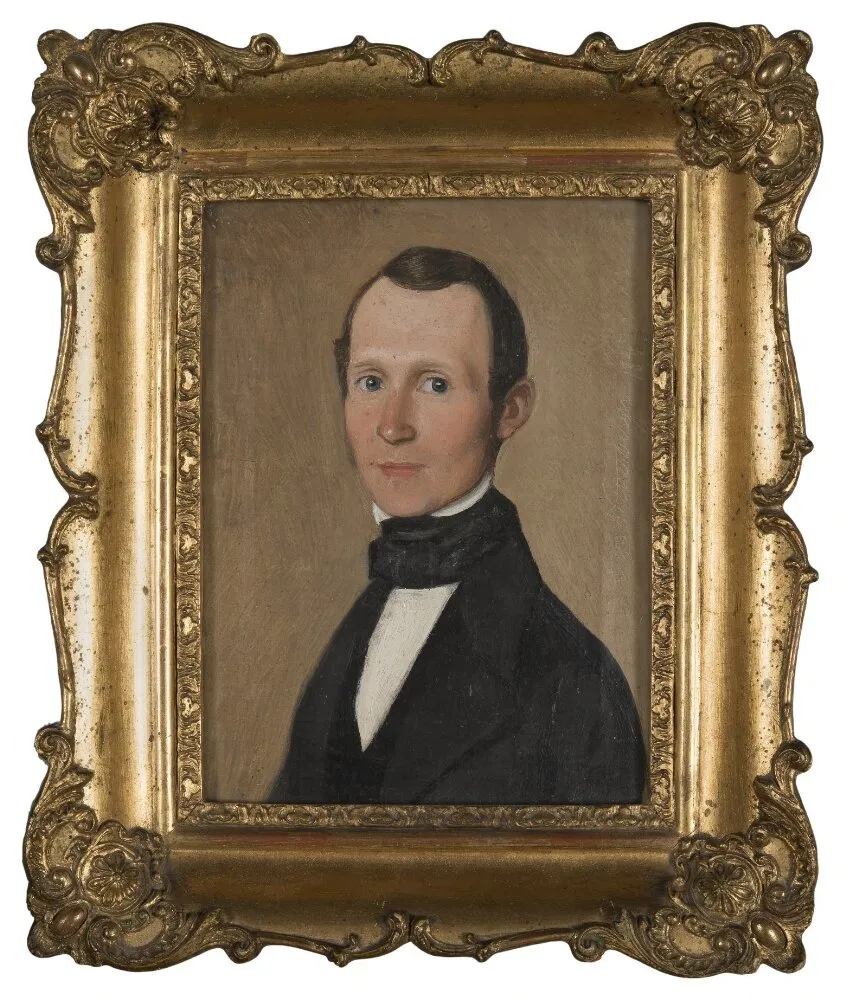
Fredrik Signeul (1810 - 1890), Paint Manufacturer, Director of an Orphanage in Uddevalla is an oil painting by Alexis Wetterbergh. It dates from 1847 and is held in the collection of the Nationalmuseum.
About this work
Overview
Alexis Wetterbergh’s 1847 oil portrait presents Fredrik Signeul, a 19th‑century paint manufacturer and director of an orphanage in Uddevalla. The work is part of the Nationalmuseum collection and measures the subject from the chest upward, rendered in a restrained palette.
Subject & Meaning
Signeul is shown with dark hair, wearing a black suit and white shirt, his gaze directed straight at the viewer. The neutral expression and formal dress suggest a dignified representation of a civic figure, emphasizing his professional role rather than personal attributes.
Technique & Style
Wetterbergh employs a muted brown background that subtly offsets the dark clothing, creating a modest contrast. The brushwork is smooth, with careful modeling of facial features, while the overall tonal restraint conveys a somber, serious atmosphere typical of mid‑19th‑century portraiture.
History & Provenance
Created in 1847, the portrait has remained in Sweden and is now housed in the Nationalmuseum. Its provenance reflects the artist’s connection to local patrons and the museum’s acquisition of works representing regional industrial and philanthropic figures.
Artist & collection
Artist
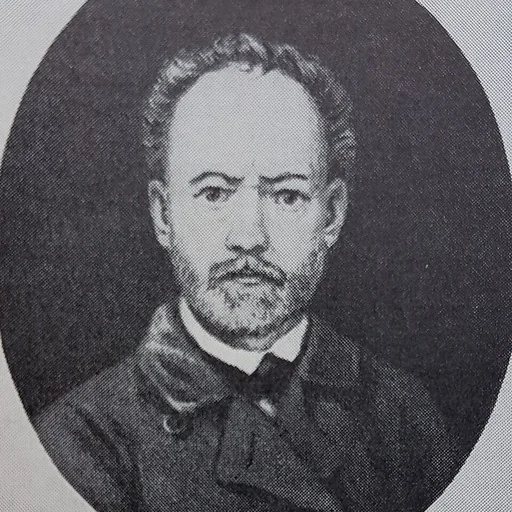
Alexis Wetterbergh (1816–1872) was an artist, born in Jönköpings Kristina församling.

 Young man
 Retrato de Guillermo Rawson
 Paul Smith Palmer
 Portretul lui Iliuță Conta
 Mr. Pierce
 Rev. Owen Thomas
 Vornicul Iancu Prăjescu
 Portrait of Aleksander Odrowąż Bębnowski
 Johan Lindroos vanhana.
 Portrait of a Gentleman
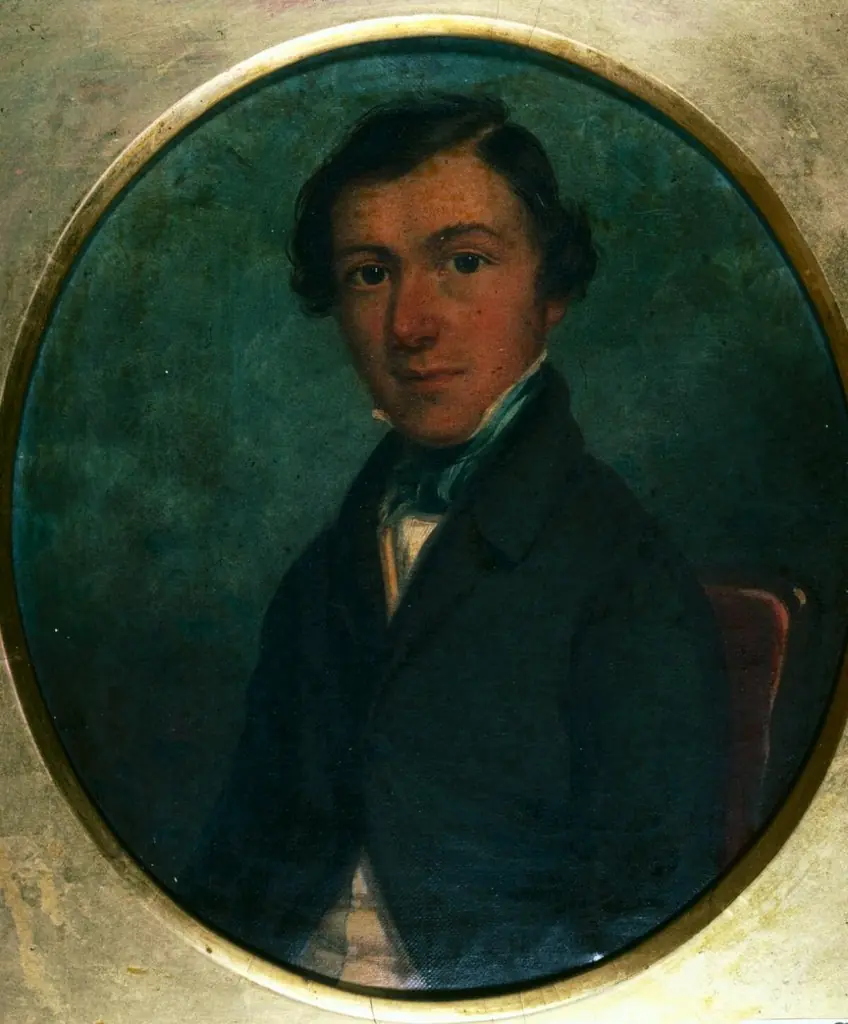 William Thomas (1825-1862)
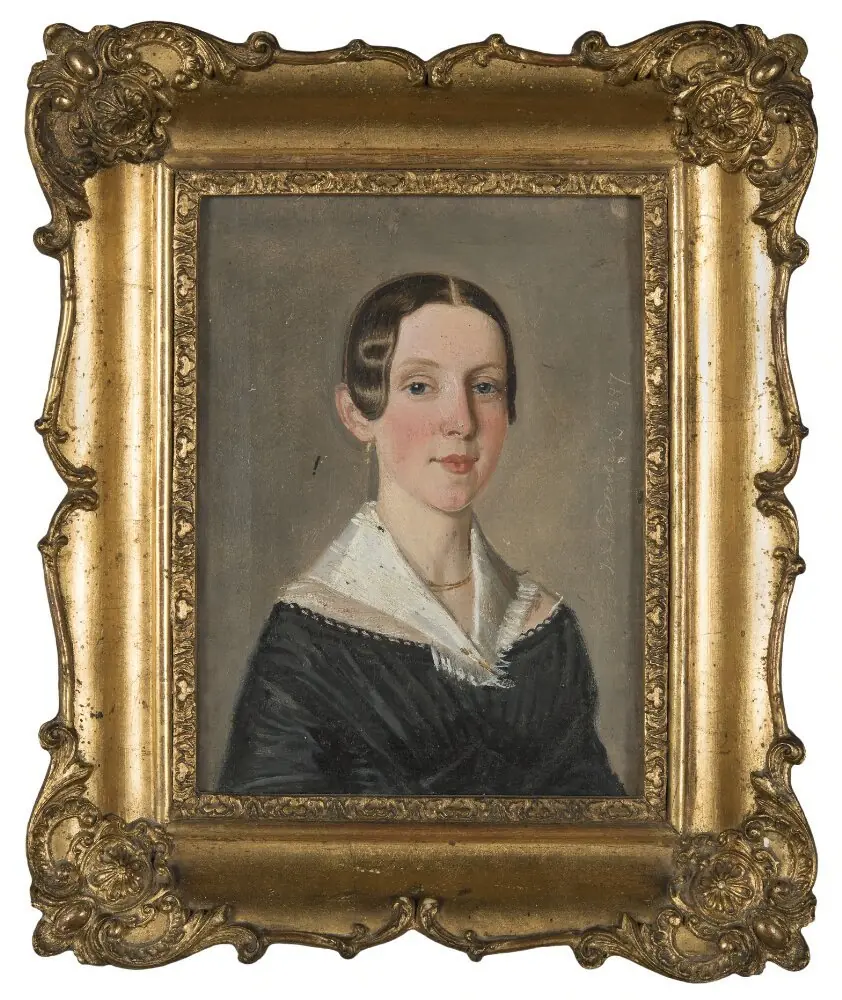 Elise Ljungman, m. Paint Manufacturer and the Director of an Orphanage Signeul in Uddevalla