Artwork
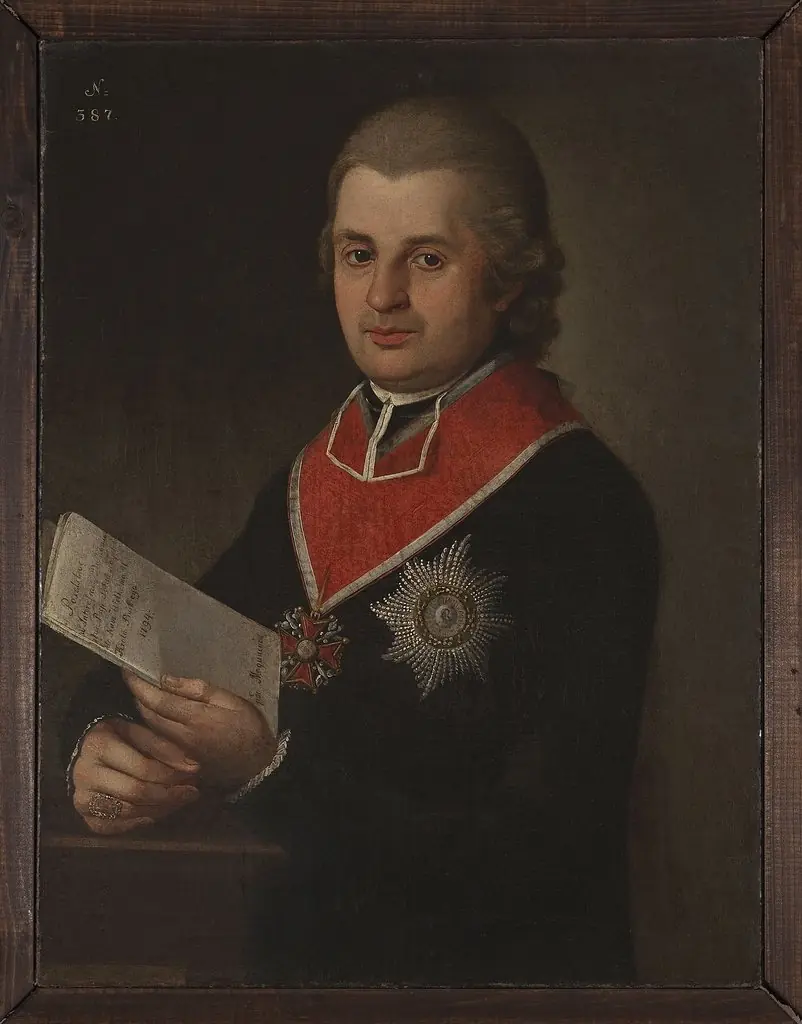
Portrait of Pastor F.T. Reynbott
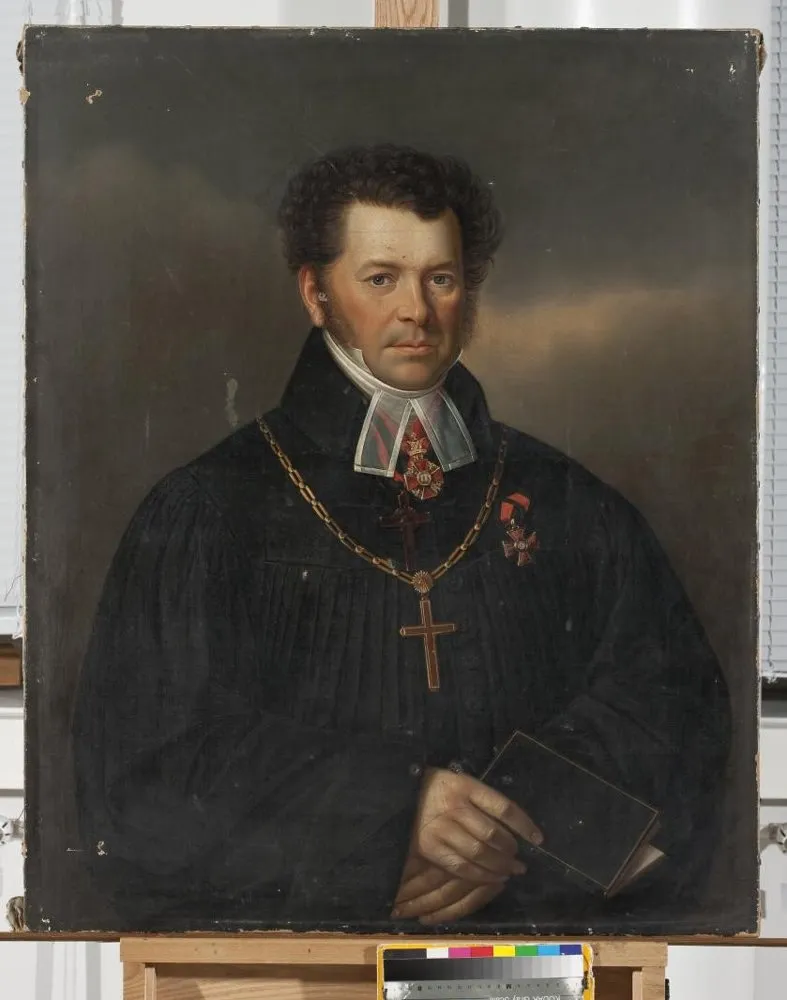
Portrait of Pastor F.T. Reynbott is an oil painting by the Biedermeier artist Unknown. It dates from 1800 and is held in the collection of the Hermitage Museum. This oil painting depicts a clergyman in formal black attire, holding a book and wearing a prominent cross.
About this work
Overview
This oil painting depicts a clergyman in formal black attire, holding a book and wearing a prominent cross. The composition is dominated by deep shadows and muted tones, with the figure emerging from a stormy, indistinct background. The restrained palette and focused lighting emphasize solemnity and introspection, aligning with the subject’s religious role.
Subject & Meaning
The man is identified as Pastor F.T. Reynbott, his attire and accessories signaling his ecclesiastical position. The book suggests scriptural authority or devotion, while the cross underscores spiritual commitment. The dark, turbulent sky behind him may imply inner conflict, the weight of duty, or the mystery of faith, reinforcing a contemplative rather than celebratory tone.
Technique & Style
The artist employs chiaroscuro to model the figure with subtle gradations of light and shadow, giving form to the robes and face without harsh outlines. The dark background isolates the subject, heightening the sense of solitude. Brushwork is controlled and precise, favoring texture in fabric over decorative detail, reinforcing the portrait’s quiet gravity.
History & Provenance
The painting’s origin is tied to Pastor F.T. Reynbott, likely commissioned during his ministry. No public records detail its early ownership, but its preservation suggests it remained within religious or familial circles. Its current location and acquisition history remain undocumented in widely accessible sources.
Context
Created in a period when clerical portraiture often emphasized moral authority over individuality, this work reflects a tradition of dignified, restrained representation. The somber aesthetic aligns with 19th-century Protestant ideals that valued humility and introspection over ornate display, distinguishing it from more elaborate ecclesiastical portraits of the era.
Legacy
While not widely exhibited or studied, the portrait stands as a quiet example of regional religious portraiture. Its use of chiaroscuro reflects broader artistic trends of the time, though its significance lies primarily in its personal and local resonance rather than in broader art historical movements.
Artist & collection

 Domestic Scene
 Giacomo and Cardinal Marco, investing Andrea, Abbot of San Zeno, with his Benefice
 The Nymph of Fontainebleau
 Portrait of a Woman
 Madonna and Child with Saints in the Enclosed Garden
 Venus and Minerva
 Family Group of Four on Sofa
 Wall painting from Room H of the Villa of P. Fannius Synistor at Boscoreale
 Portrait of Wojciech Rogoziński
 Portrait of the Physicist Hans Christian Ørsted
 Amtsprovst i Sorø, senere biskop i Århus, P.H. Mønster
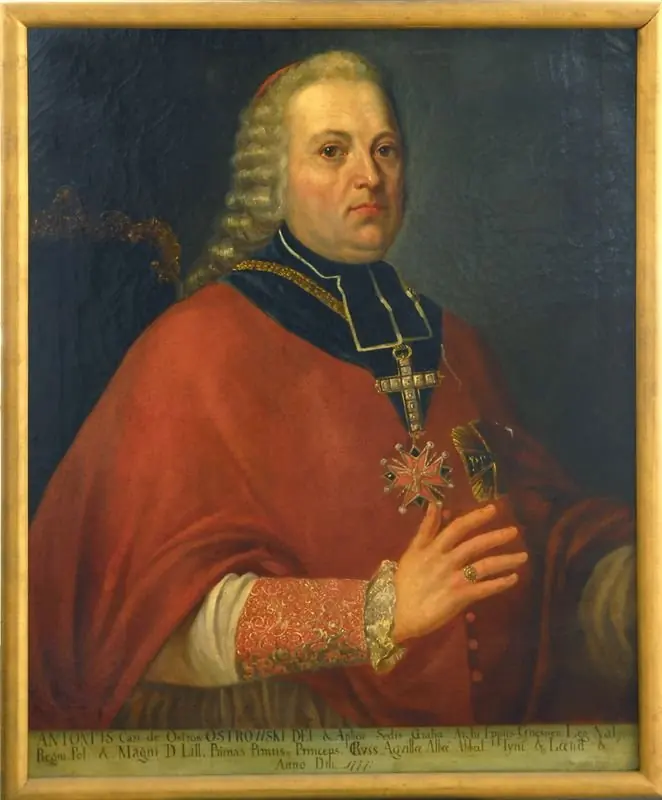 Portrait of Antoni Ostrowski, archbishop of Gniezno
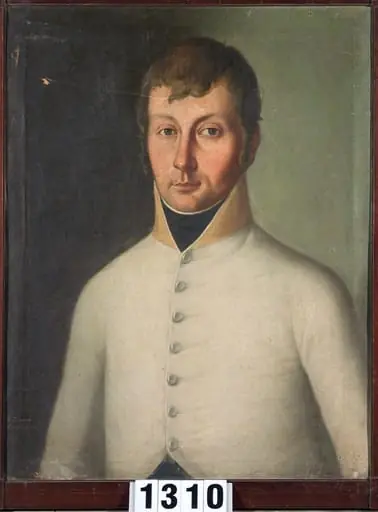 Maiorul von Kokh
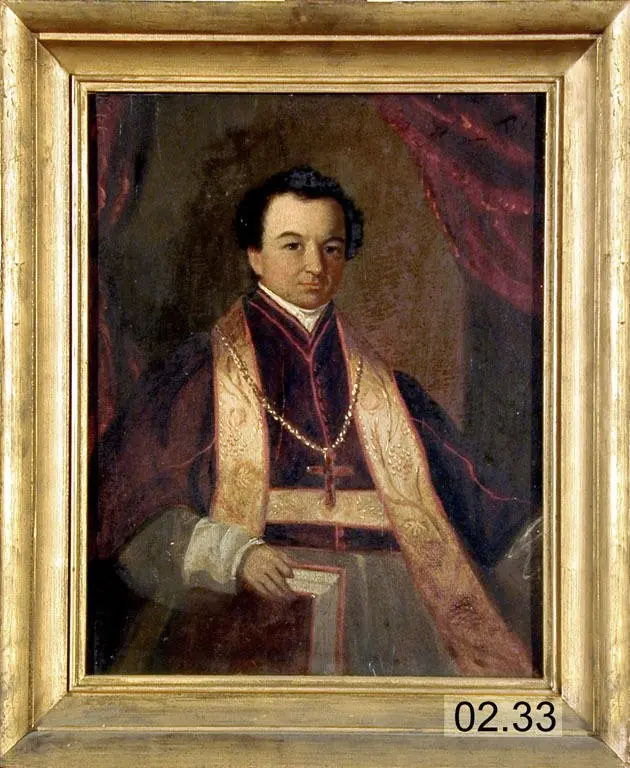 Bishop Rese
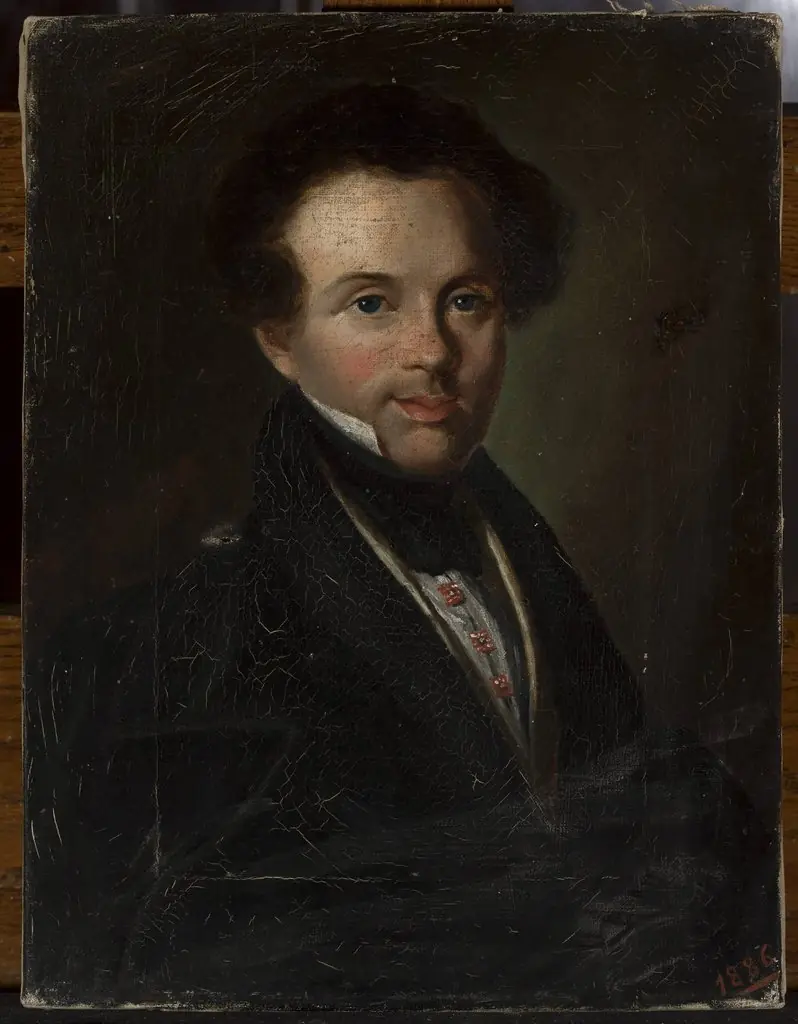 Portrait of a man
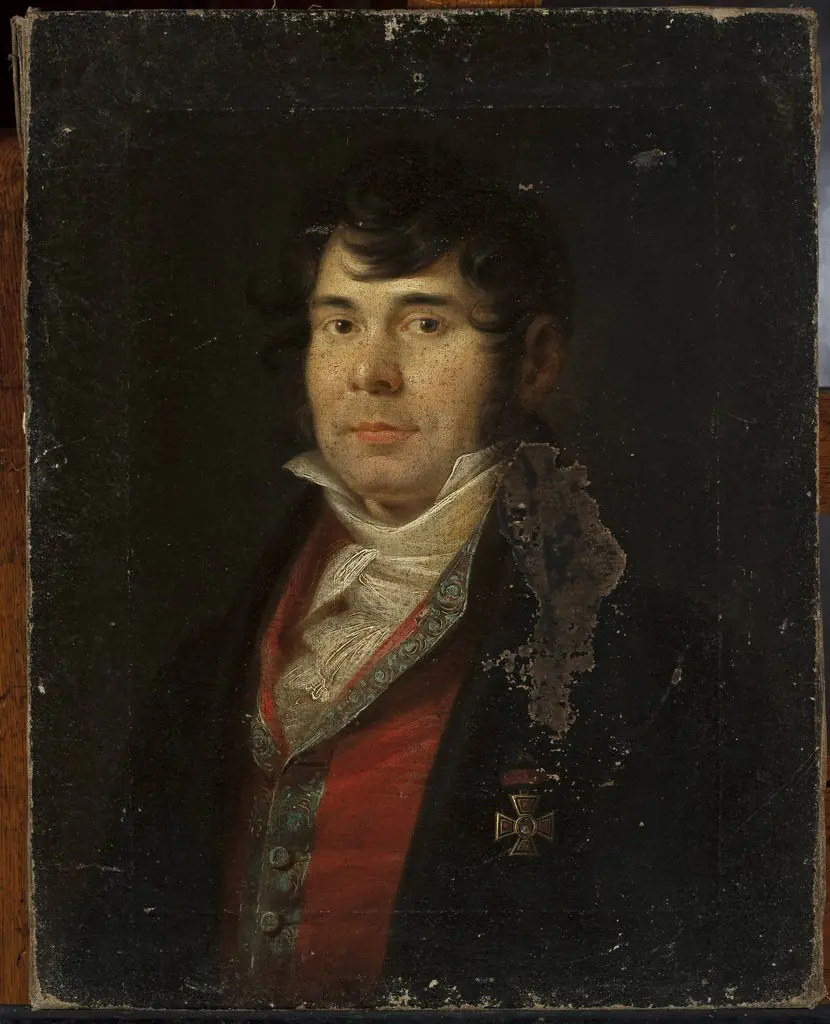 Male portrait
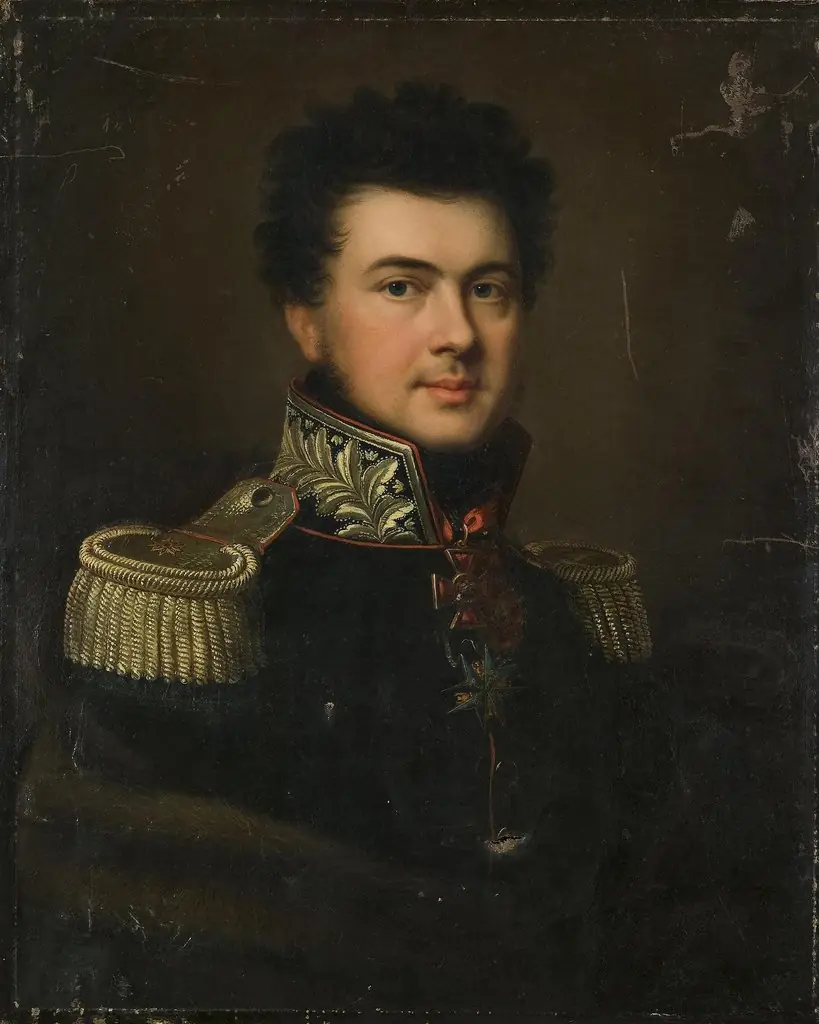 Portrait of Major General I.I. Sabir
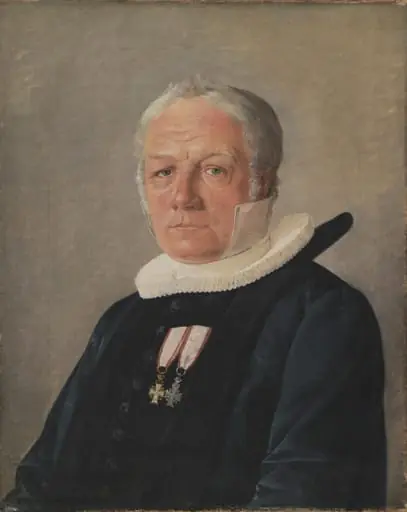 P.H. Mønster, Rural Dean in Sorø, later Bishop of Aarhus
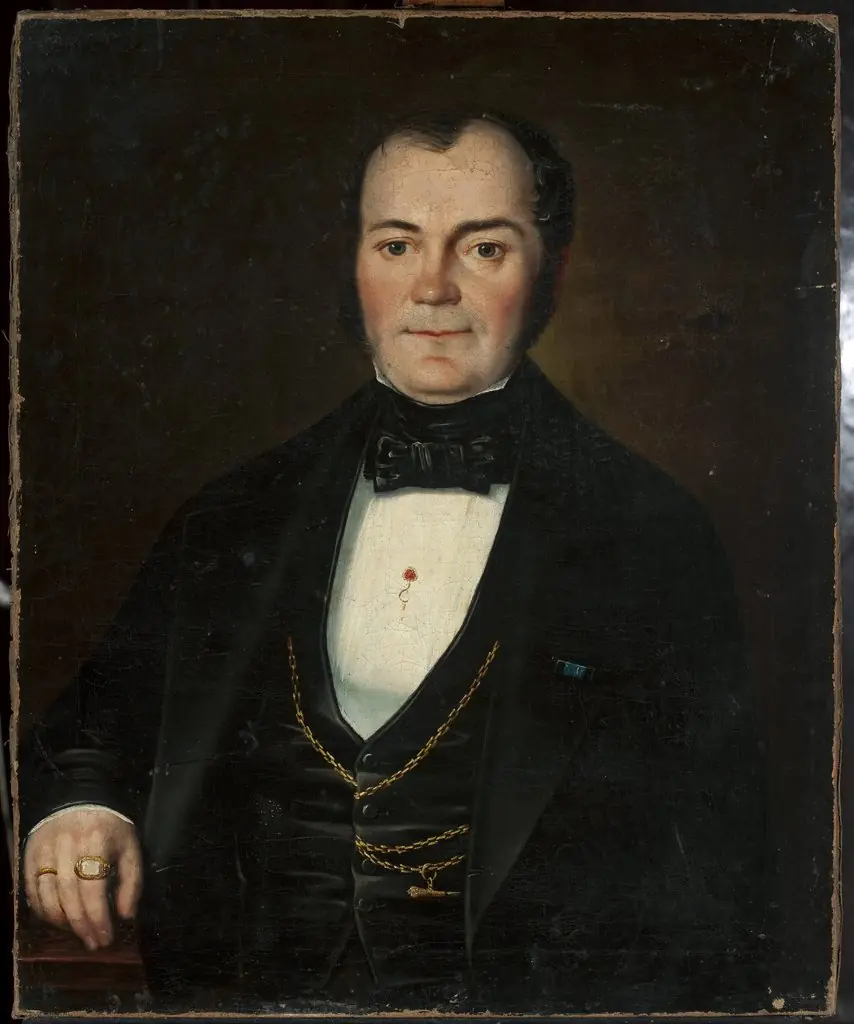 Portrait of a man
 Portrait of a clergyman