Artwork
The Ceremonial Dinner in Honour of the Moscow Governor-General Prince Dmitry Golitsyn
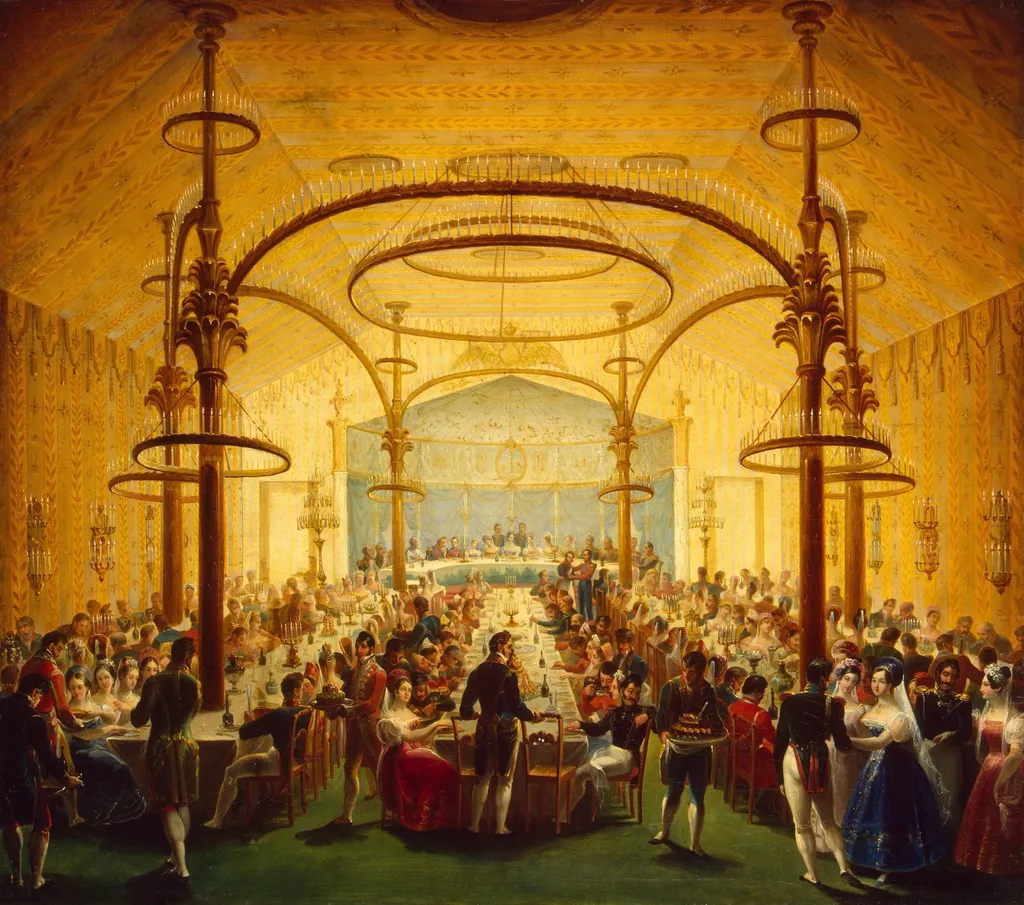
The Ceremonial Dinner in Honour of the Moscow Governor-General Prince Dmitry Golitsyn is an oil painting by the Realist artist Unknown. It dates from 1835 and is held in the collection of the Hermitage Museum.
About this work
Overview
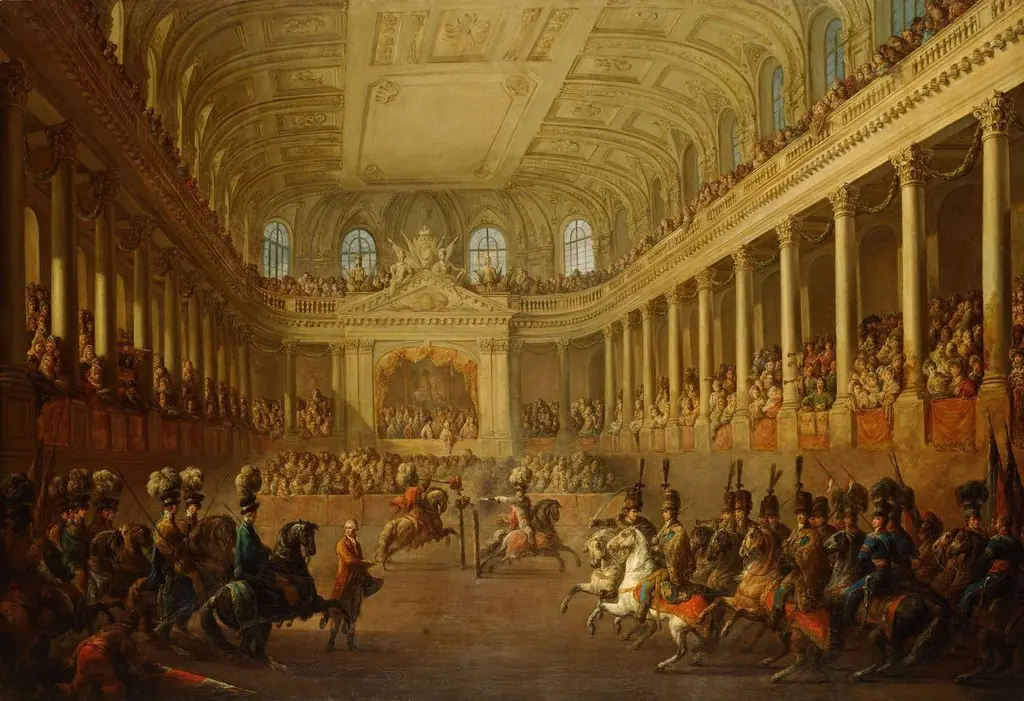
The Ceremonial Dinner in Honour of the Moscow Governor-General Prince Dmitry Golitsyn is an oil painting depicting a formal gathering. The work captures a moment of dignified revelry, with attendees seated around a lavishly set table, engaged in conversation and toasting. The atmosphere is one of refinement and ceremonial protocol.
Subject & Meaning
The painting's subject is a ceremonial dinner hosted in honour of Prince Dmitry Golitsyn, then Governor-General of Moscow. The scene emphasizes the prestige and ceremonial life associated with high-ranking officials in 18th-century Russia, highlighting social hierarchy and the rituals of elite gatherings.
Technique & Style
Executed in oil paint, the work demonstrates a realistic approach, with attention to the textures of clothing, table settings, and architectural details. The style suggests a blend of European influence with a focus on Russian aristocratic life, characterized by muted yet rich color tones and careful composition to convey the dignity of the occasion.
History & Provenance
Details on the painting's creation date, artist, and early ownership are not provided. However, given its subject matter, it is likely from the 18th century, coinciding with Prince Golitsyn's tenure. The painting's current location and full provenance are not specified in the provided facts.
Context
This painting reflects the cultural and political climate of 18th-century Russia, where such ceremonial events were crucial for reinforcing social status and political alliances. It provides a visual record of the era's aristocratic customs and the role of Governor-Generals in Russian governance.
Legacy
The painting serves as a historical artifact, offering insights into the lives of Russia's elite during the 18th century. Its legacy lies in its documentary value, preserving a moment in the social and political history of Moscow under Prince Golitsyn's governance.
Artist & collection

 Domestic Scene
 Giacomo and Cardinal Marco, investing Andrea, Abbot of San Zeno, with his Benefice
 The Nymph of Fontainebleau
 Portrait of a Woman
 Madonna and Child with Saints in the Enclosed Garden
 Venus and Minerva
 Family Group of Four on Sofa
 Wall painting from Room H of the Villa of P. Fannius Synistor at Boscoreale
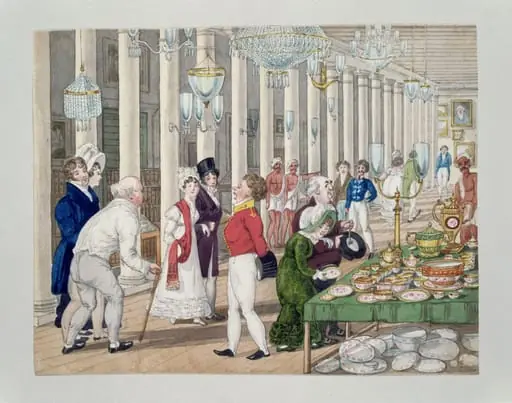 Tom Raw visits Taylor & Co.'s emporium in Calcutta
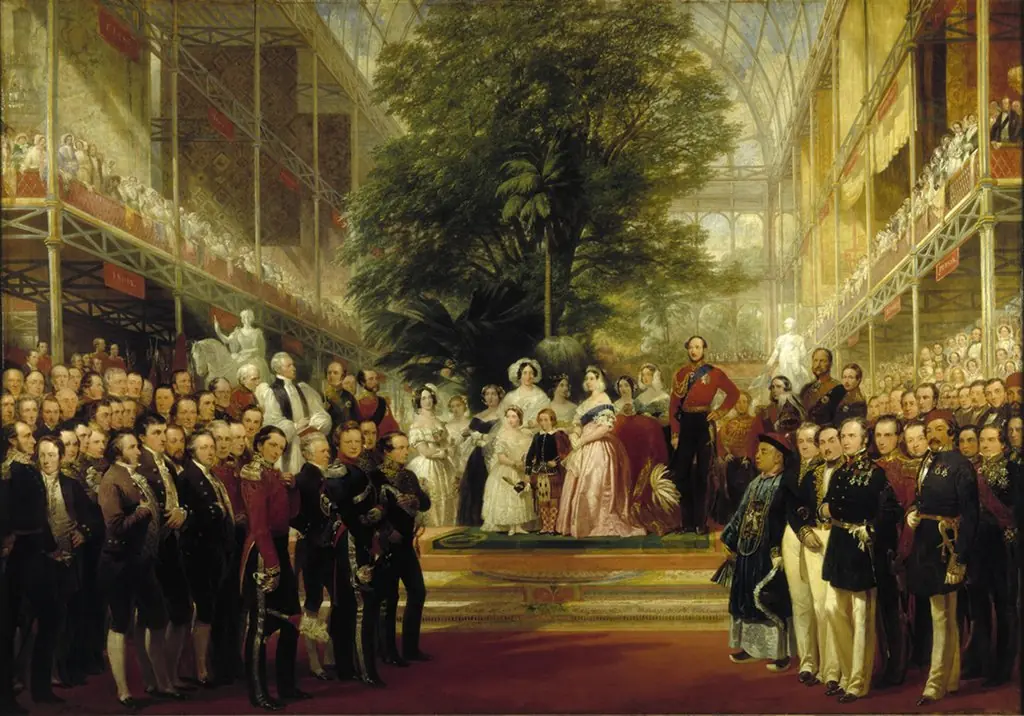 The Opening of the Great Exhibition by Queen Victoria on 1 May 1851
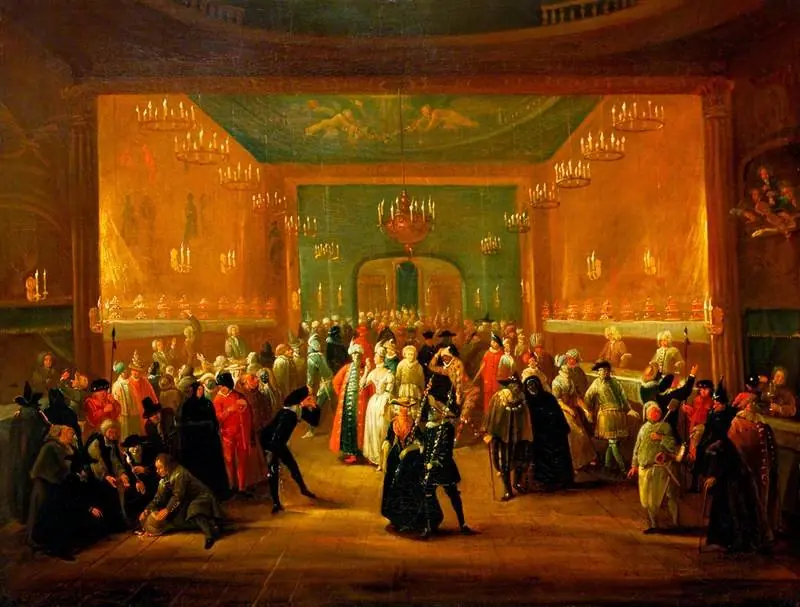 A Masquerade at the King's Theatre, Haymarket
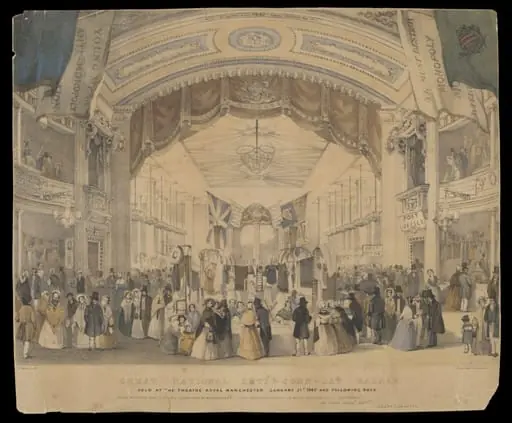 H Beard Print Collection
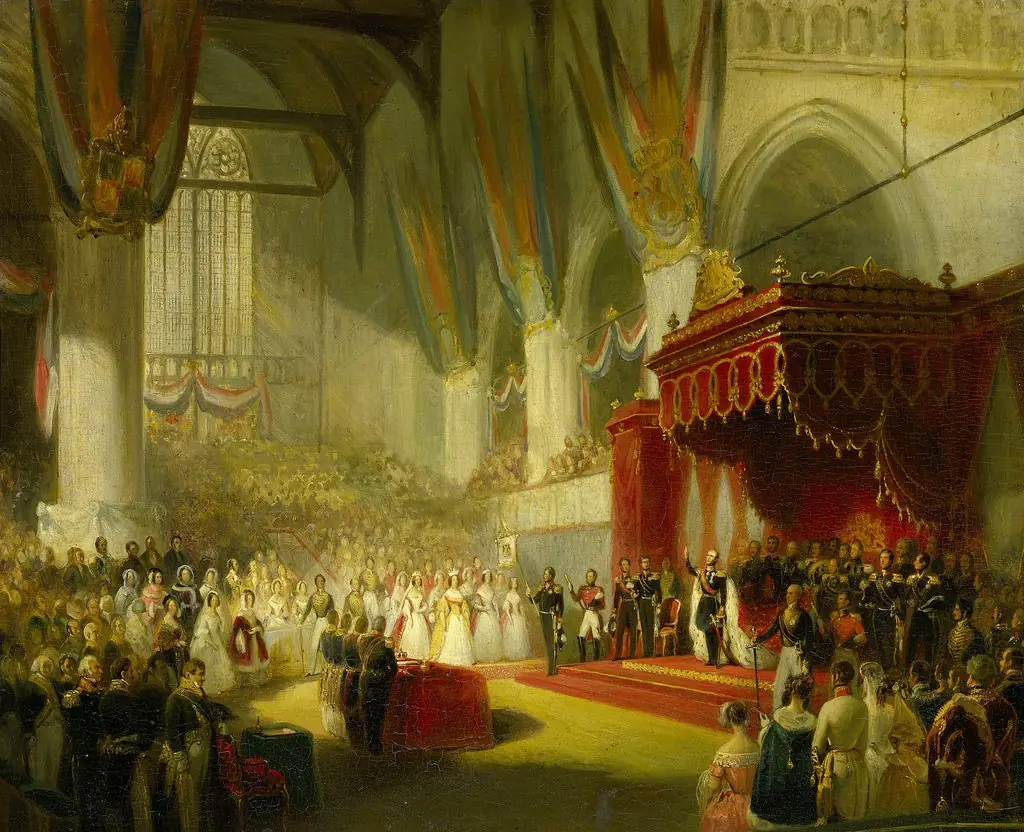 The Inauguration of King William II in the Nieuwe Kerk in Amsterdam on 28 November 1840
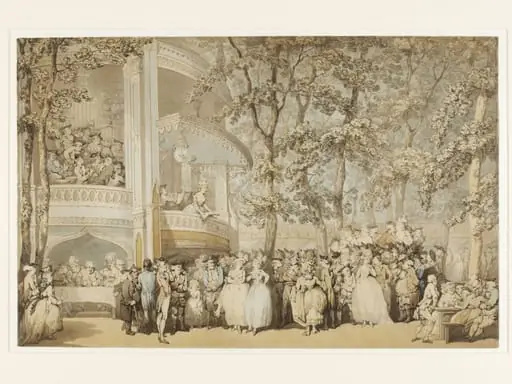 Vauxhall Gardens
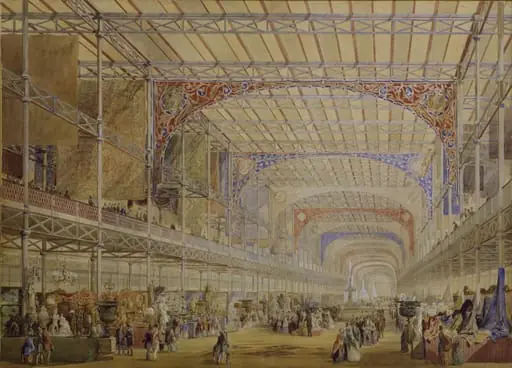 Interior of the Crystal Palace
 Mohrenstechen in der spanischen Hofreitschule
 Prince Albert and the Royal children at the opening of the Royal Horticultural Society's building in South Kensington
 Fête donnée à Tivoli en faveur des pensionnaires de l'ancienne liste civile le 3 Juin 1840