Artwork
Vrouw uit Wadwaay
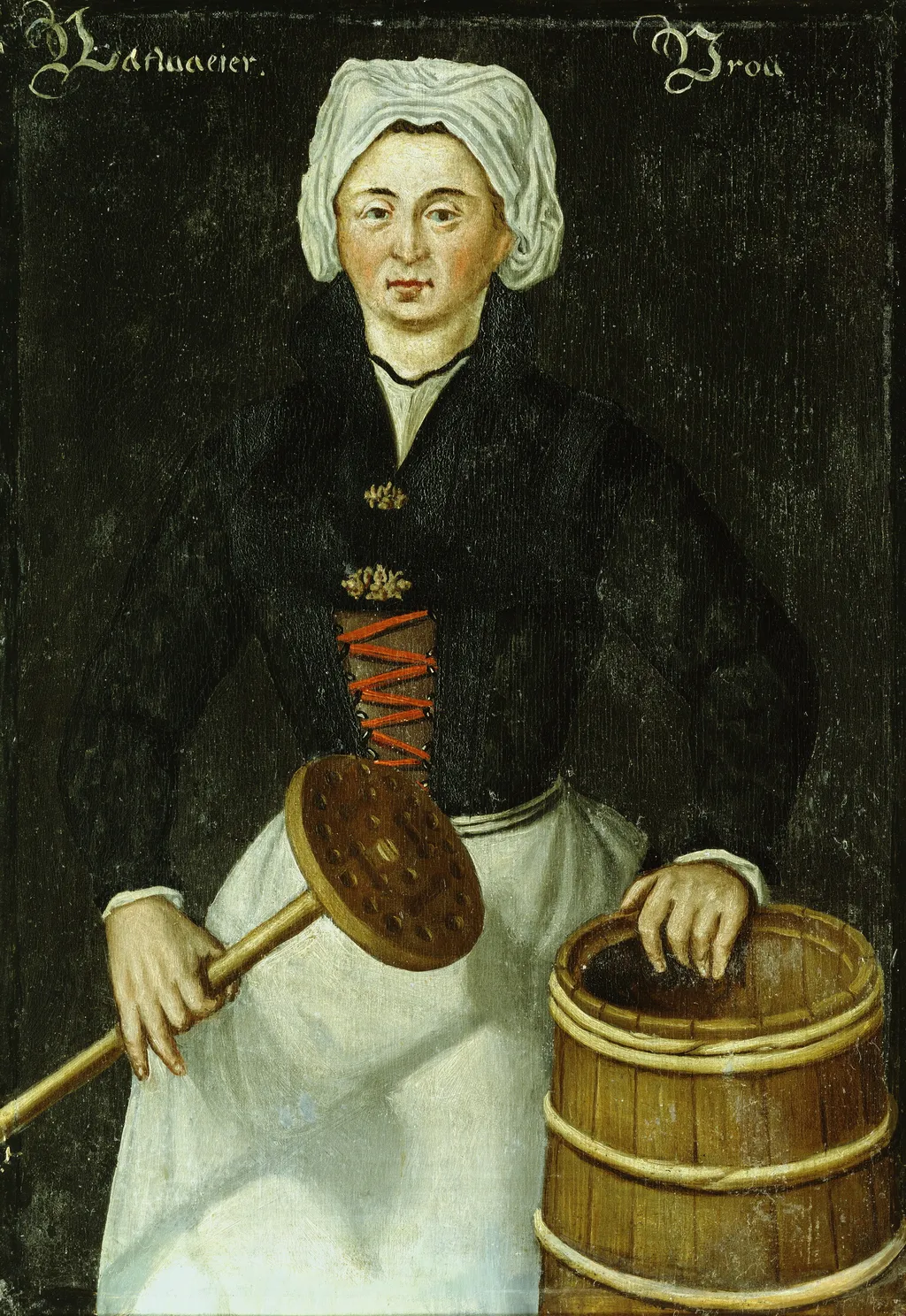
Vrouw uit Wadwaay is an oil painting. It dates from 1550 and is held in the collection of the Rijksmuseum.
About this work
Overview
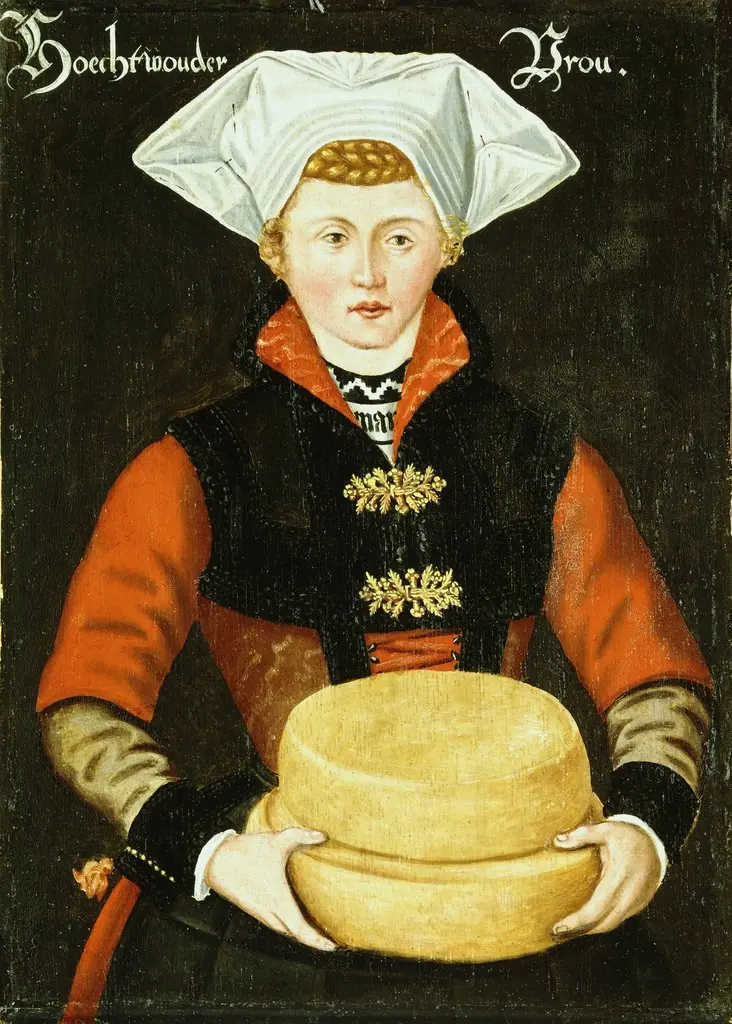
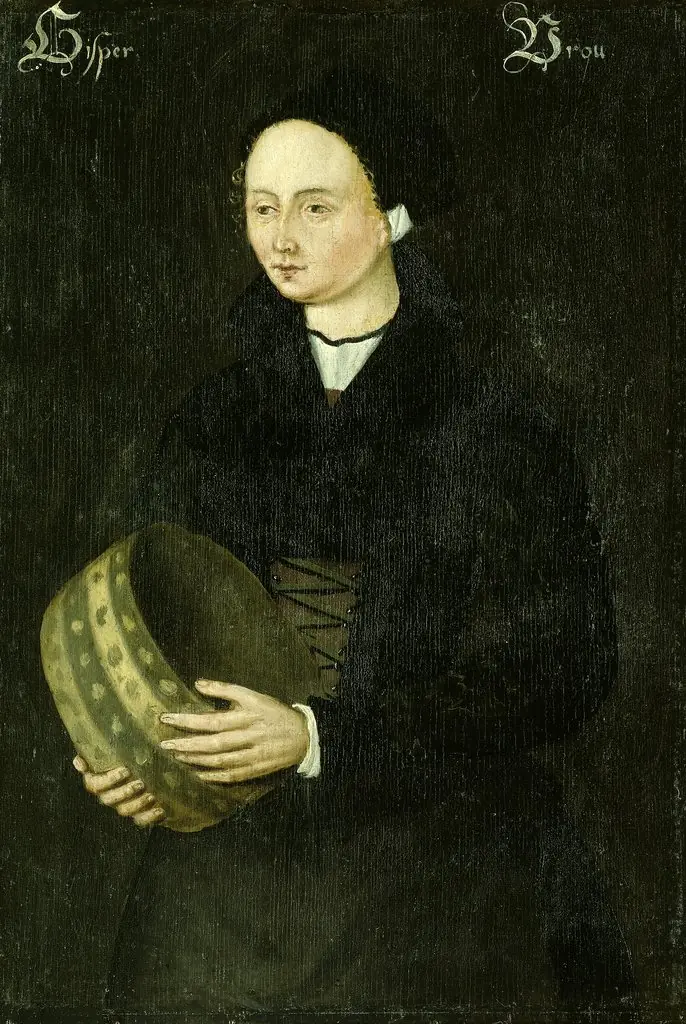
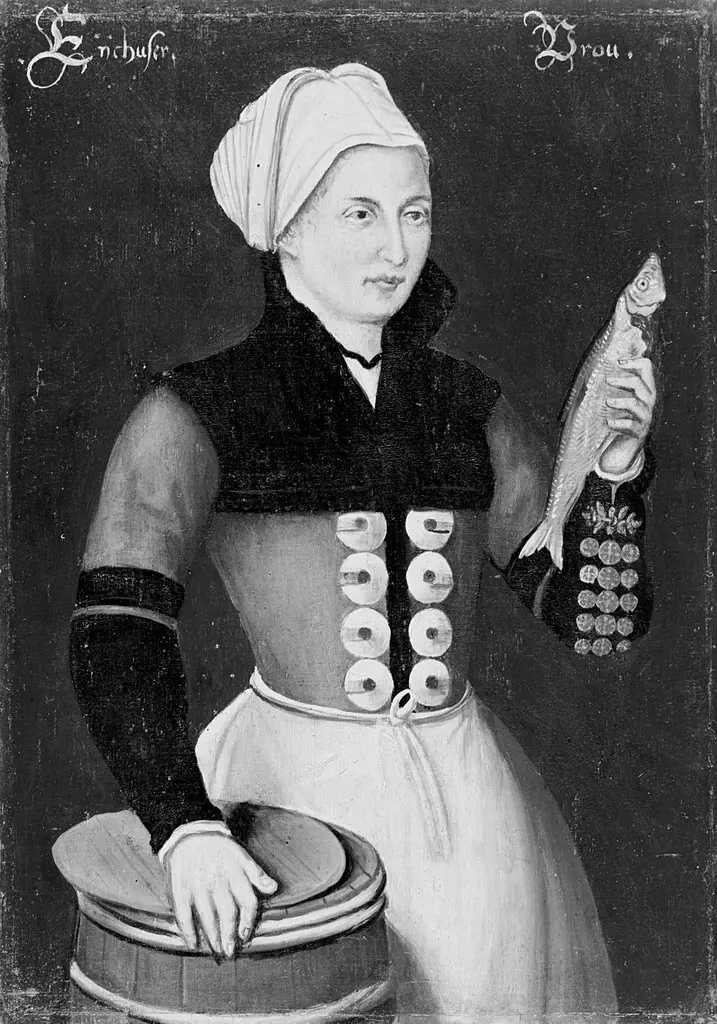
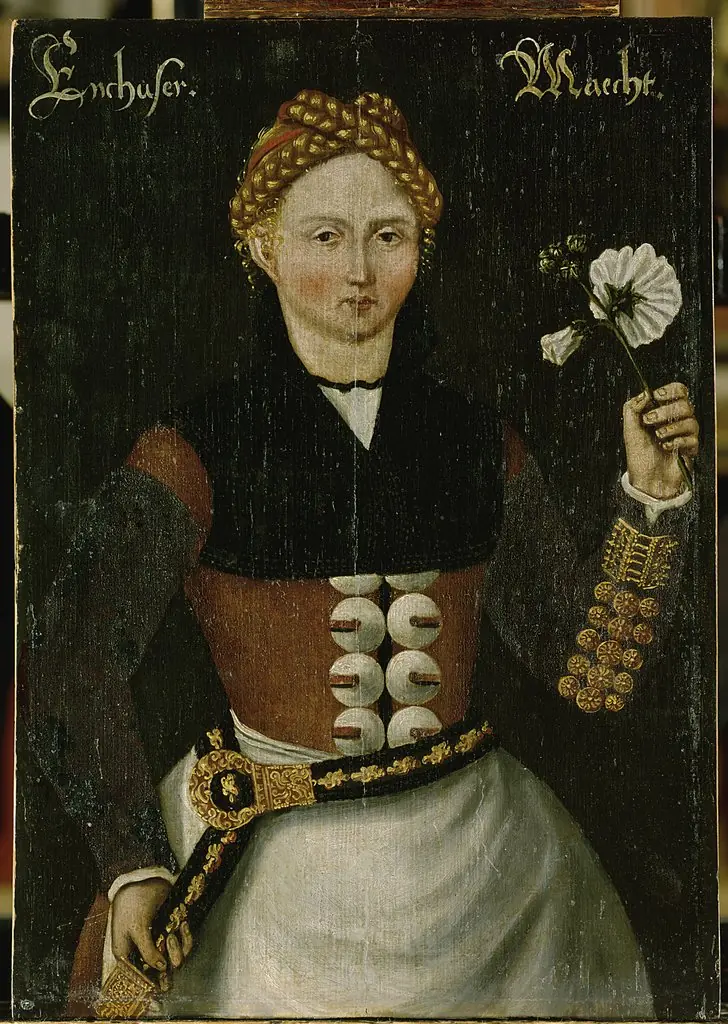
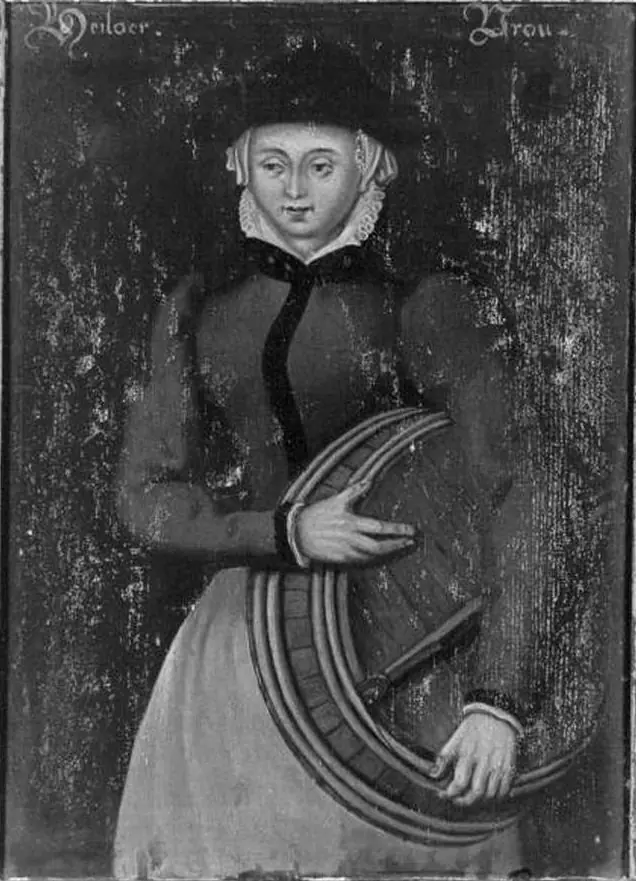
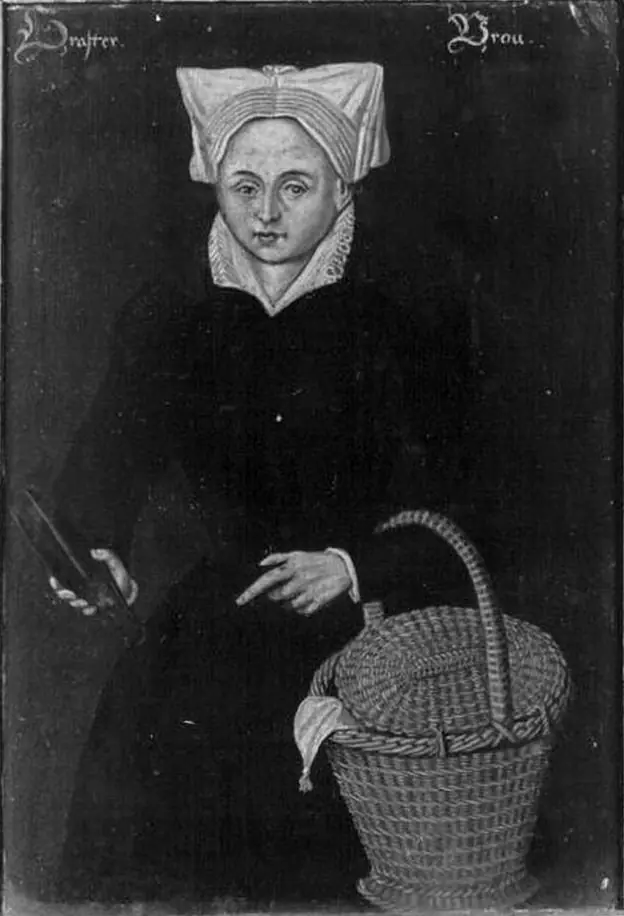
The work titled *Vrouw uit Wadwaay* is a painted panel depicting a solitary female figure in traditional Dutch attire. She holds a wooden paddle and a round tub, suggesting a domestic activity. The composition is set against a dark, unadorned background that isolates the subject, emphasizing her clothing and the objects she carries.
Subject & Meaning
The figure is identified as a widow, as indicated by the Dutch inscriptions “Vrouw” (woman) and “Weduwe” (widow) placed at the top of the panel. The attire—a dark dress, white apron, and cap—reflects customary mourning dress of the period, while the paddle and tub imply chores such as washing or stirring a pot, underscoring everyday labor.
Technique & Style
Executed on a wooden panel, the painting employs a restrained palette dominated by dark tones, allowing the white of the apron and cap to stand out. The brushwork is modest, focusing on clear outlines and modest modeling rather than elaborate detail, characteristic of folk‑type genre scenes that prioritize narrative clarity over virtuoso finish.
Context
The scene aligns with 19th‑century Dutch genre painting, which often recorded quotidian life and regional customs. The emphasis on a widowed woman’s domestic role reflects contemporary social expectations and provides a visual record of attire and household tasks in the Wadwaay area.
Legacy
While not widely reproduced, the panel contributes to the visual documentation of Dutch rural life and women's work. It serves as a reference point for scholars studying regional costume, domestic labor, and the representation of widows in Dutch visual culture.
Artist & collection