Artwork
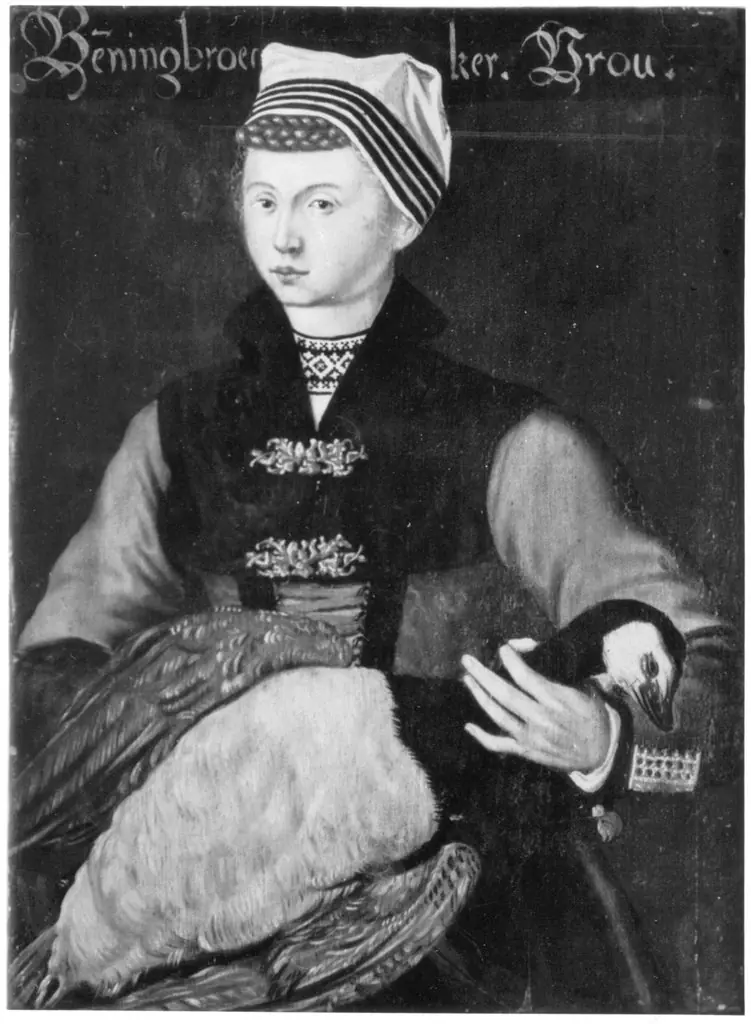
Woman from Benningbroek
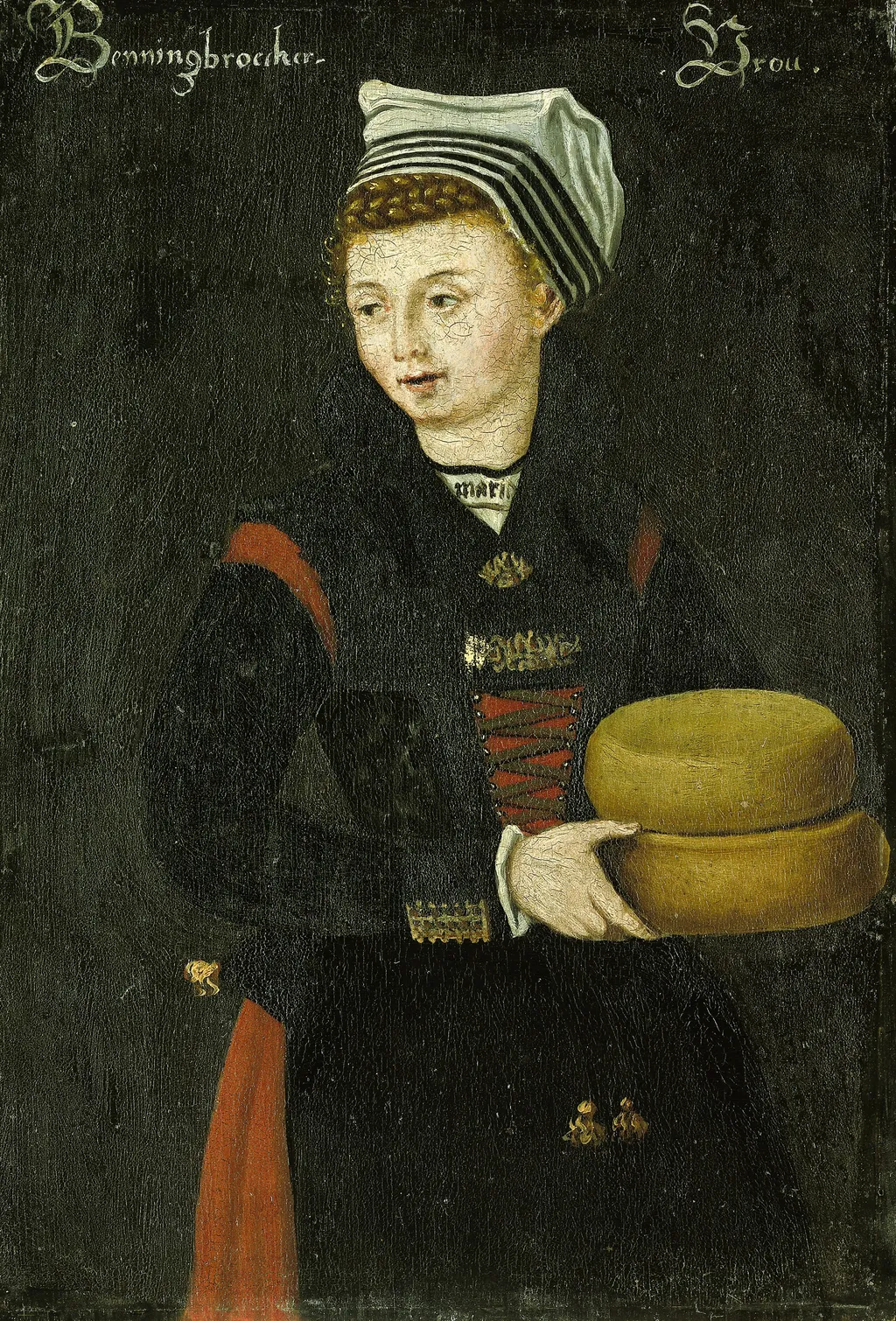
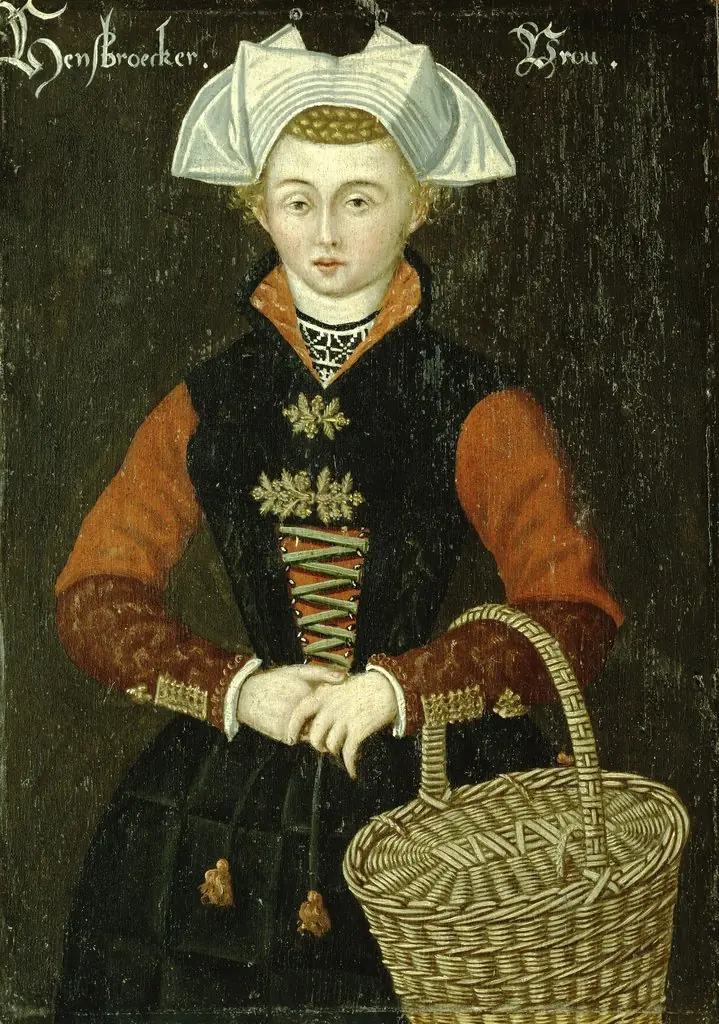
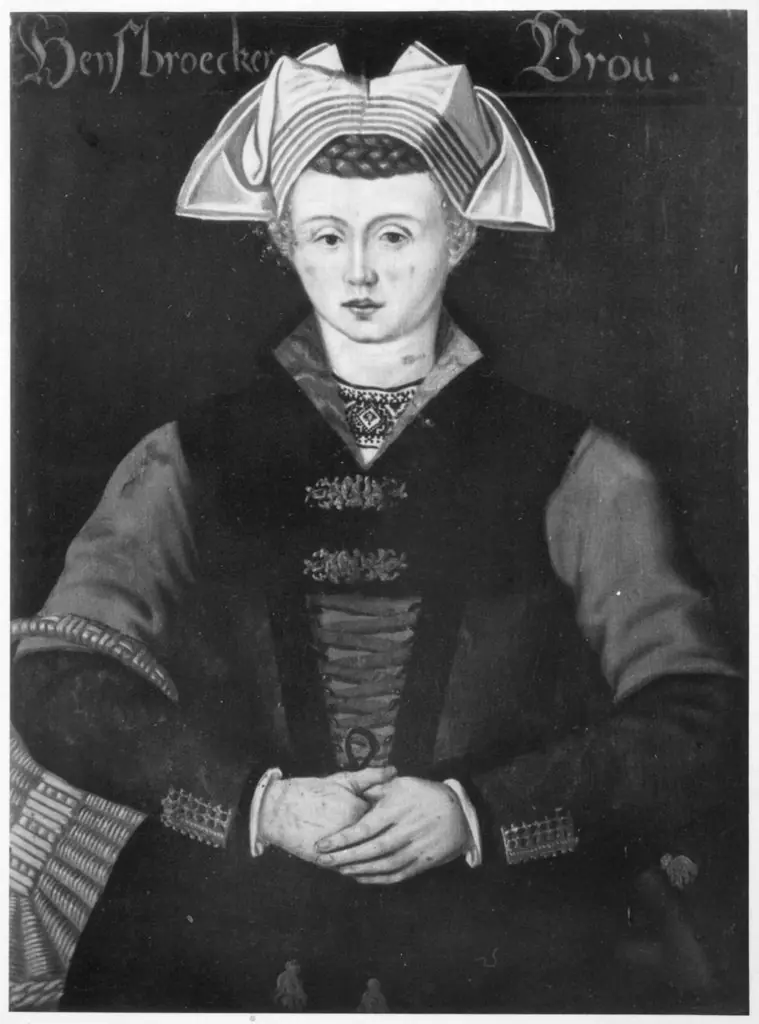
Woman from Benningbroek is an oil painting. It dates from 1550 and is held in the collection of the Rijksmuseum. The canvas portrays a woman from the village of Benningbroek, attired in the customary dress of the region.
About this work
Overview
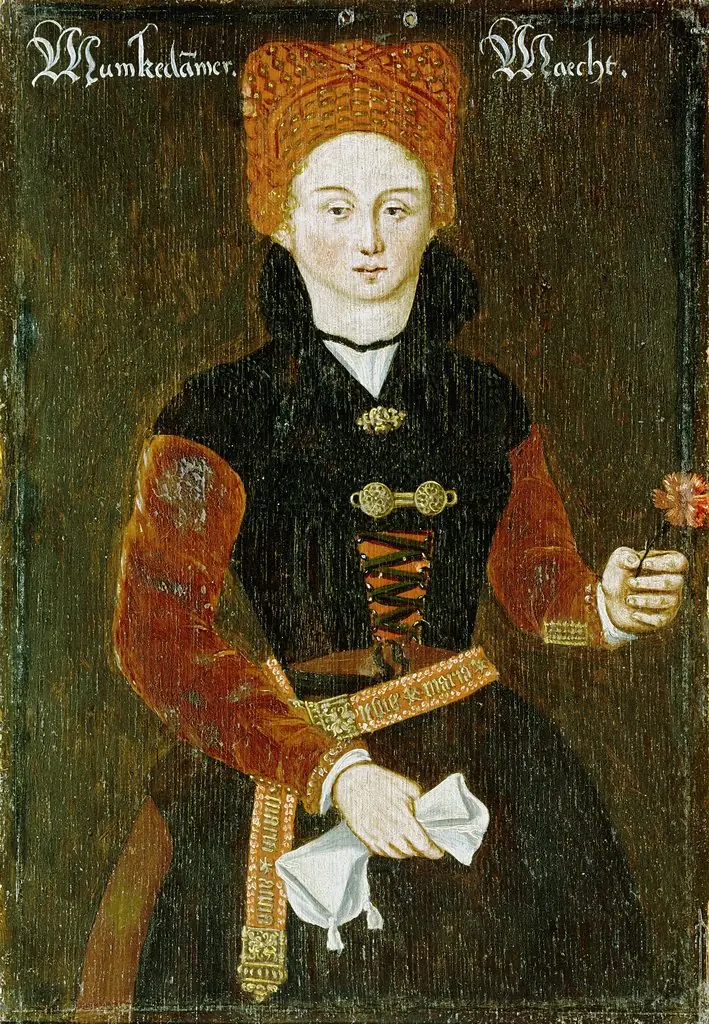
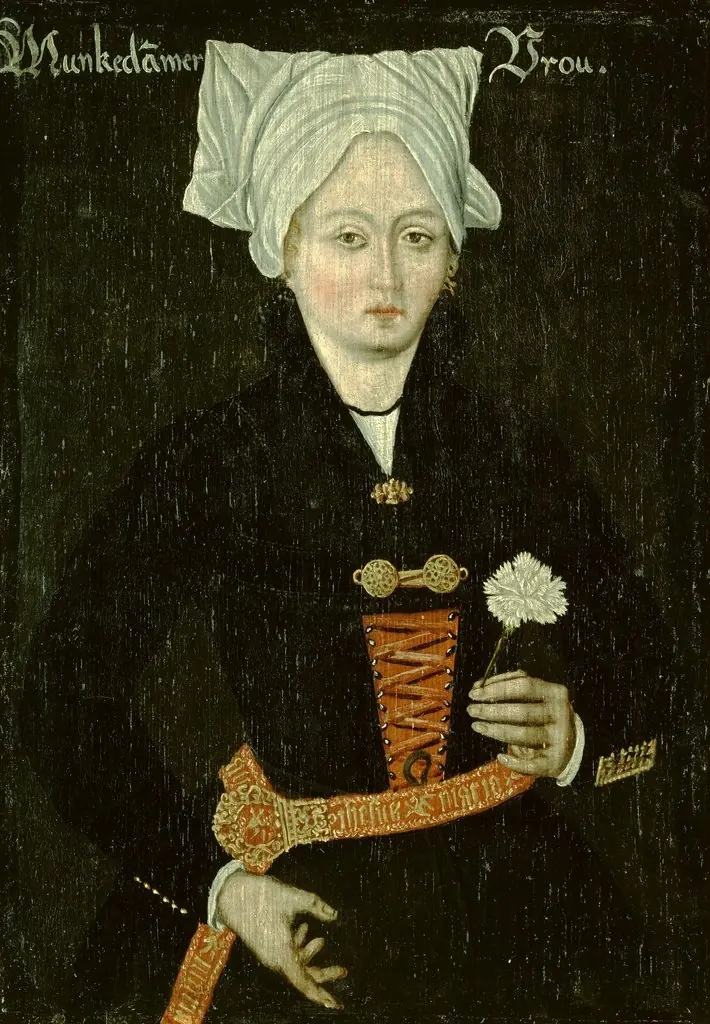
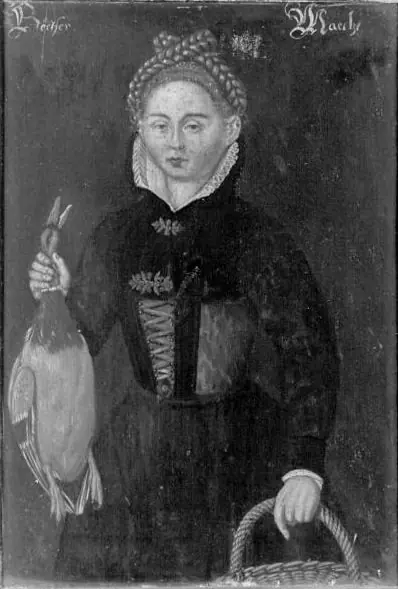
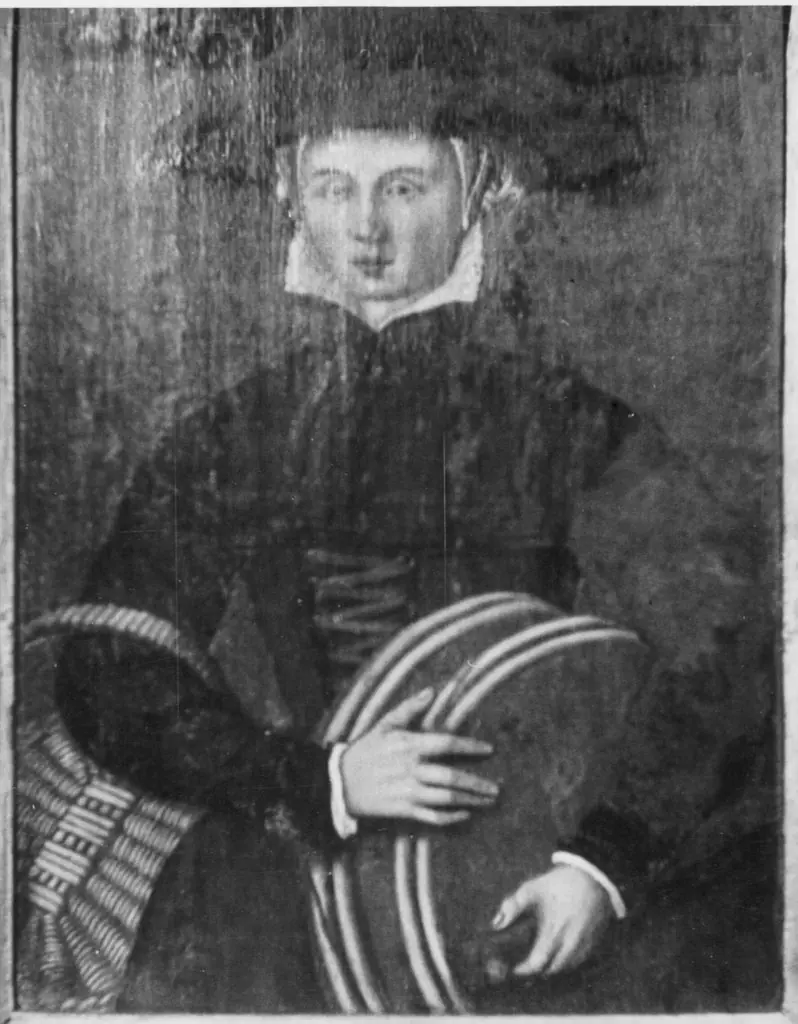
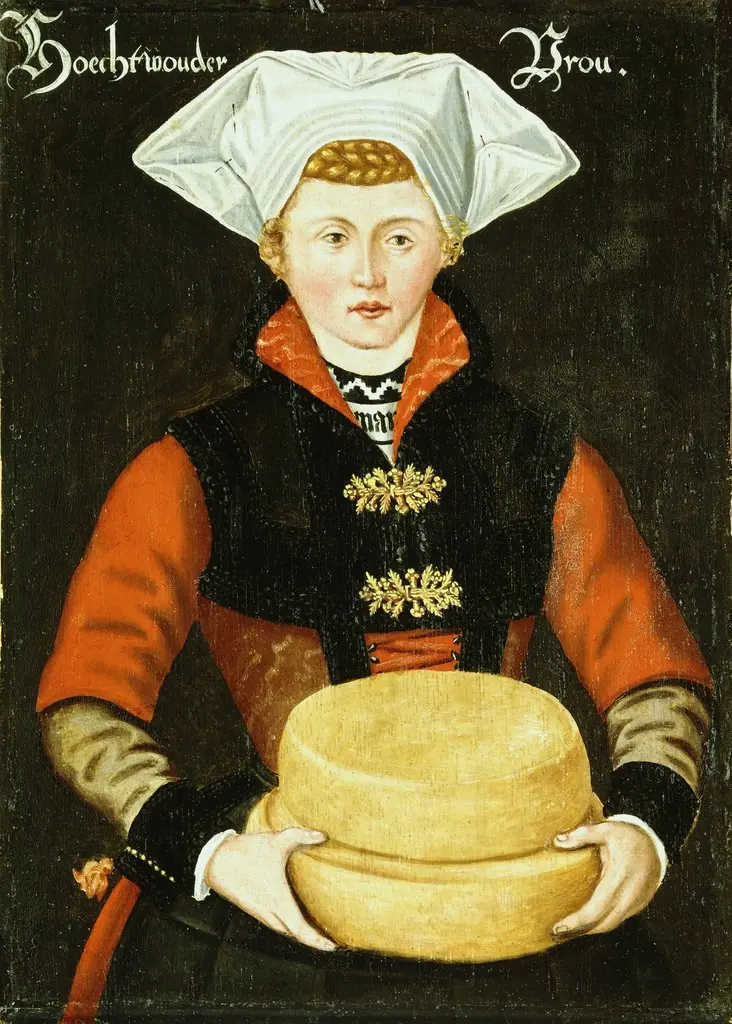
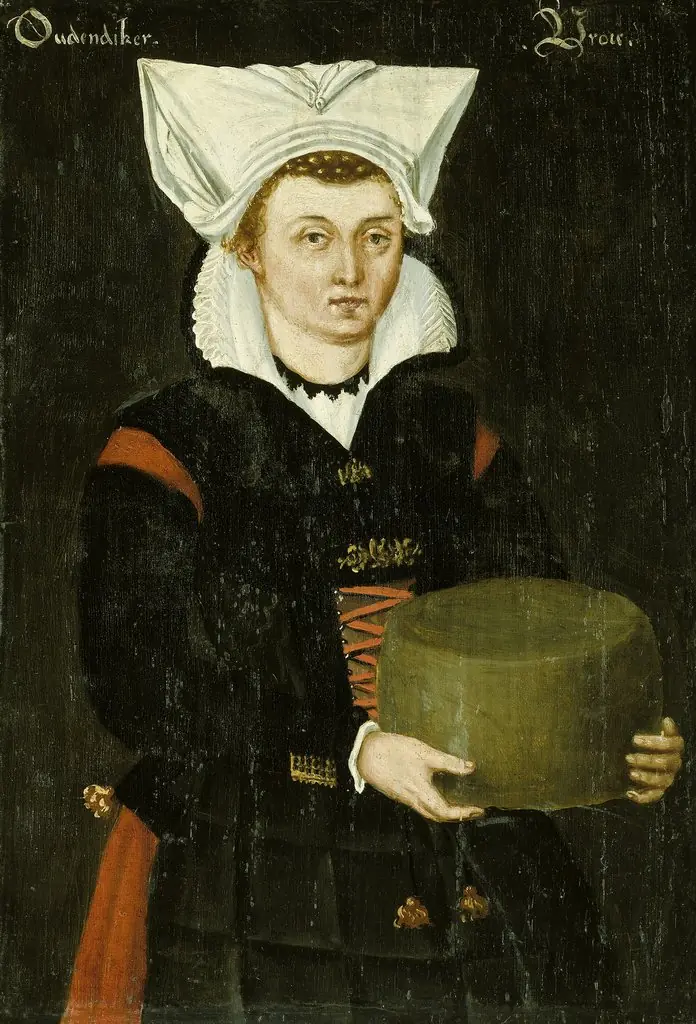
The canvas portrays a woman from the village of Benningbroek, attired in the customary dress of the region. She is shown in a dark gown highlighted with red details, topped by a modest white cap, and holds two circular objects that appear to be cheese wheels. Her expression is neutral, and her eyes look off to the side, giving the composition a quiet, observational quality.
Subject & Meaning
The figure represents a typical rural inhabitant, emphasizing everyday life rather than mythic or religious themes. By presenting the woman with locally produced cheese, the work underscores the agricultural economy and domestic responsibilities that defined the community’s identity. The subdued demeanor suggests a focus on labor and modesty, reflecting cultural values of the Dutch countryside.
Technique & Style
The artist employs a restrained palette, allowing the black dress and red accents to stand out against the lighter background.
Executed in oil, the painting achieves a layered surface that enhances color depth and tactile presence. The artist employs a restrained palette, allowing the black dress and red accents to stand out against the lighter background. Careful modeling of light on the fabric and the objects creates a subtle three‑dimensional effect, while the composition balances the figure’s vertical stance with the round forms in her hands.
Context
Rooted in the Dutch tradition of genre painting, the work aligns with 17th‑century practices of documenting regional attire and daily activities. Such images served both as ethnographic records and as visual affirmations of local pride, situating the subject within a broader narrative of Dutch rural life and its economic foundations.
Artist & collection