Artwork
Bamboo
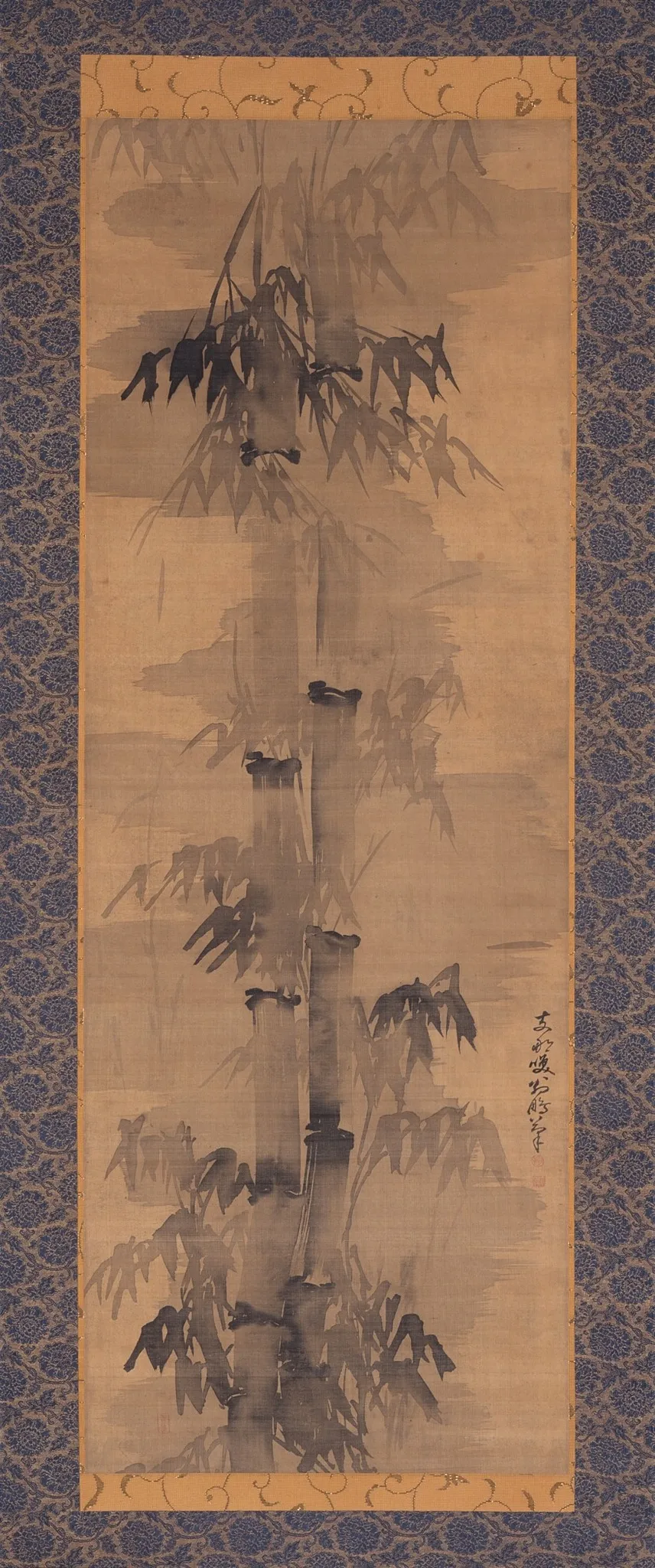
Bamboo is an unspecified painting by the Rococo painting artist Unknown. It dates from 1750 and is held in the collection of the Los Angeles County Museum of Art.
About this work
Overview
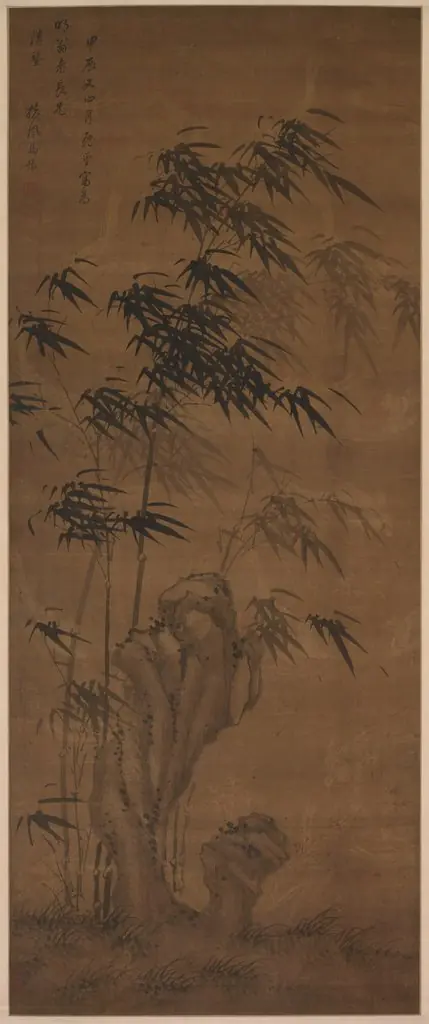
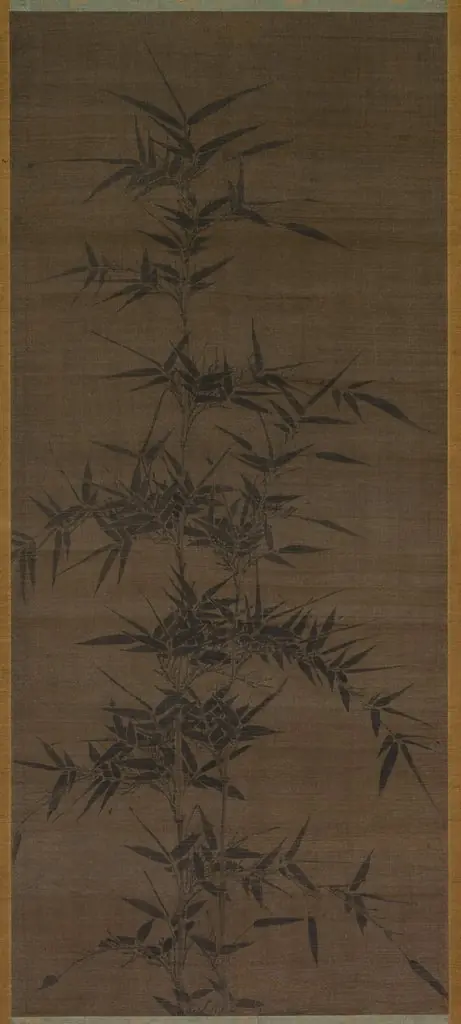
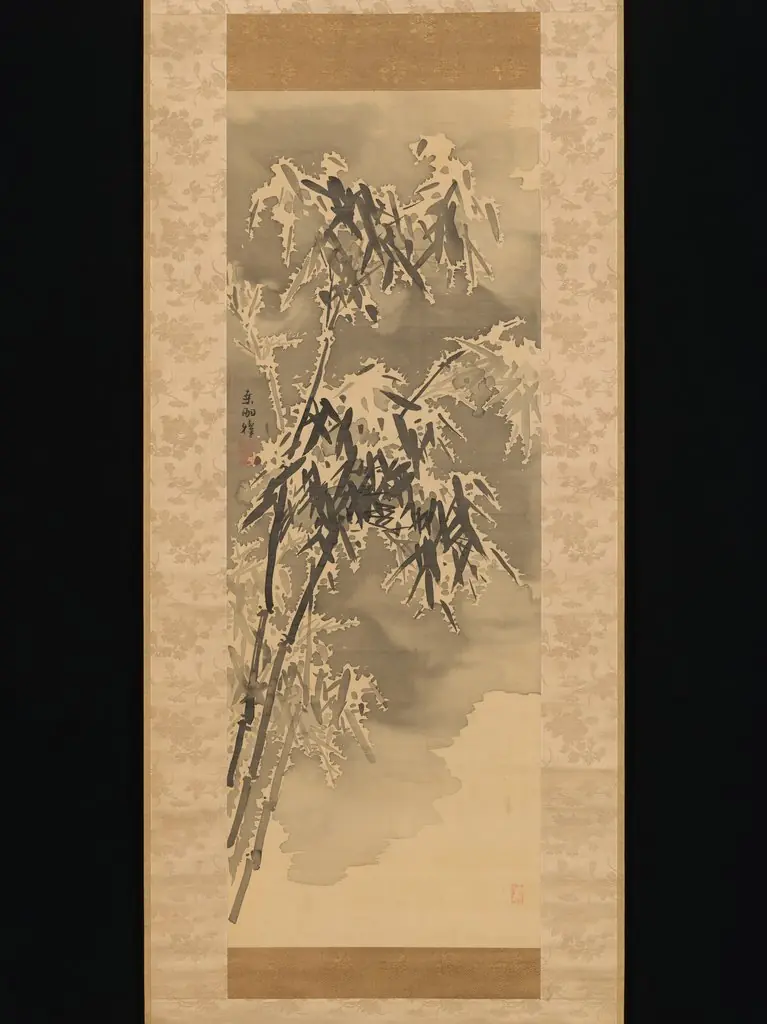
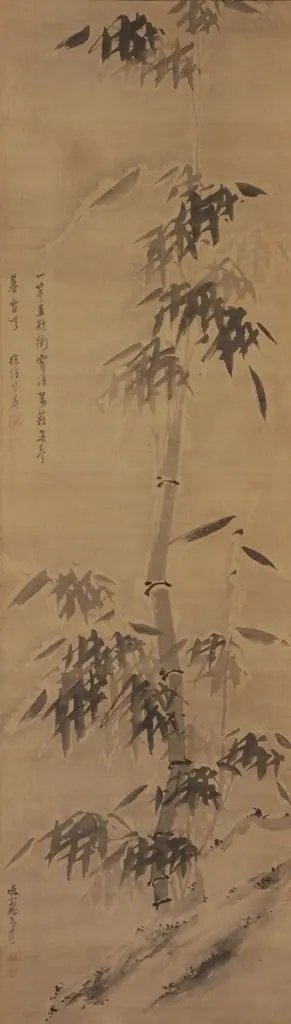
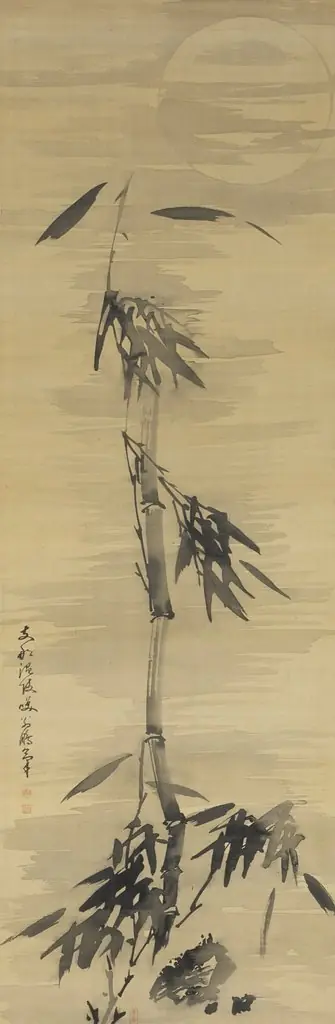
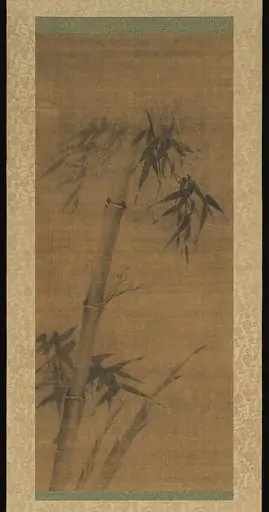
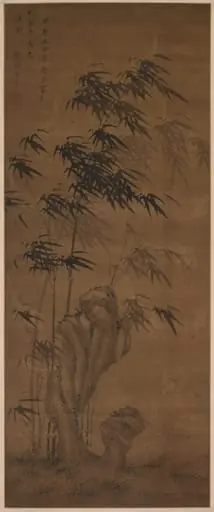
This ink painting depicts a single bamboo stalk rising vertically, surrounded by a cluster of slender leaves. Executed in monochrome tones of gray and black on a light brown background, the composition emphasizes simplicity and restraint. The brushwork is deliberate and confident, with varying ink densities suggesting form and movement without embellishment.
Subject & Meaning
Bamboo, a recurring subject in East Asian art, symbolizes resilience, integrity, and quiet endurance. Its hollow stem and flexible yet unyielding structure make it a metaphor for moral strength. Here, the solitary stalk conveys solitude and steadfastness, reflecting ideals valued in scholarly and Zen traditions rather than ornamental beauty.
Technique & Style
The artist employs wet-on-dry ink techniques to vary tonal depth, using bold, swift strokes for the stalk and finer, tapered lines for the leaves. The gradation from dark to light gray creates a sense of volume and airiness. Minimalist in approach, the work avoids outlines or shading, relying instead on the expressive potential of ink alone.
History & Provenance
The painting’s origins are undocumented, but its style aligns with late medieval or early modern Chinese ink traditions, possibly from the Ming or Qing dynasties. It lacks signature or seal, common in works intended for private contemplation rather than public display. Its preservation suggests it was carefully stored within a scholarly or monastic context.
Context
In the cultural milieu of literati painting, bamboo was a favored subject among scholar-officials who practiced ink brushwork as an expression of inner character. This piece reflects the aesthetic of 'ink play'—where spontaneity and discipline coexist. Its subdued palette and lack of color align with Confucian and Daoist ideals of humility and natural harmony.
Legacy
Though unsigned and unattributed, the painting exemplifies a enduring tradition in East Asian art where nature becomes a vessel for moral reflection. Its restrained execution continues to influence modern ink artists who prioritize economy of form and emotional resonance over decorative detail, preserving a quiet legacy of contemplative aesthetics.
Artist & collection

 Domestic Scene
 Giacomo and Cardinal Marco, investing Andrea, Abbot of San Zeno, with his Benefice
 The Nymph of Fontainebleau
 Portrait of a Woman
 Madonna and Child with Saints in the Enclosed Garden
 Venus and Minerva
 Family Group of Four on Sofa
 Wall painting from Room H of the Villa of P. Fannius Synistor at Boscoreale