Artwork
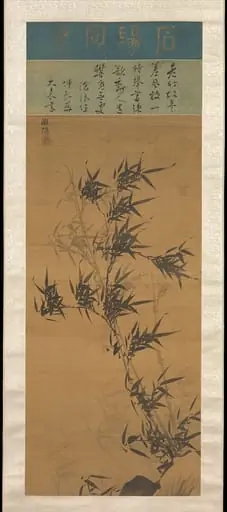
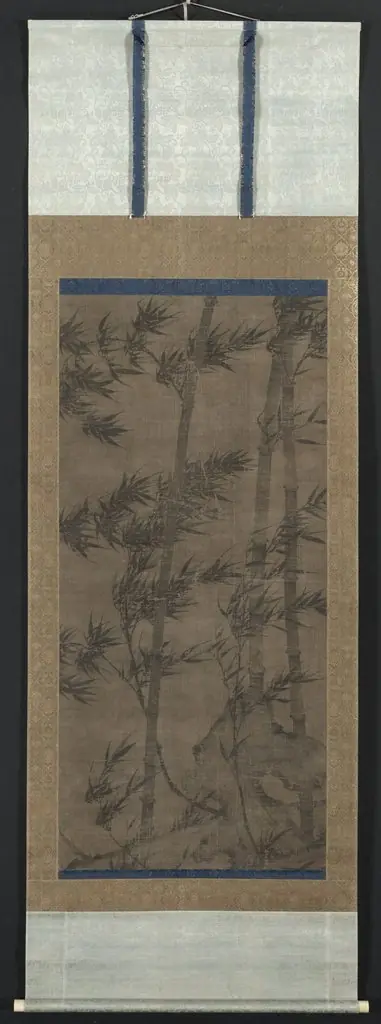
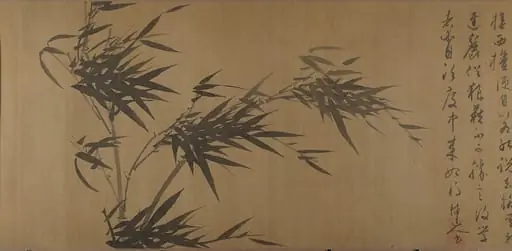
伝可翁筆 竹図|Bamboo
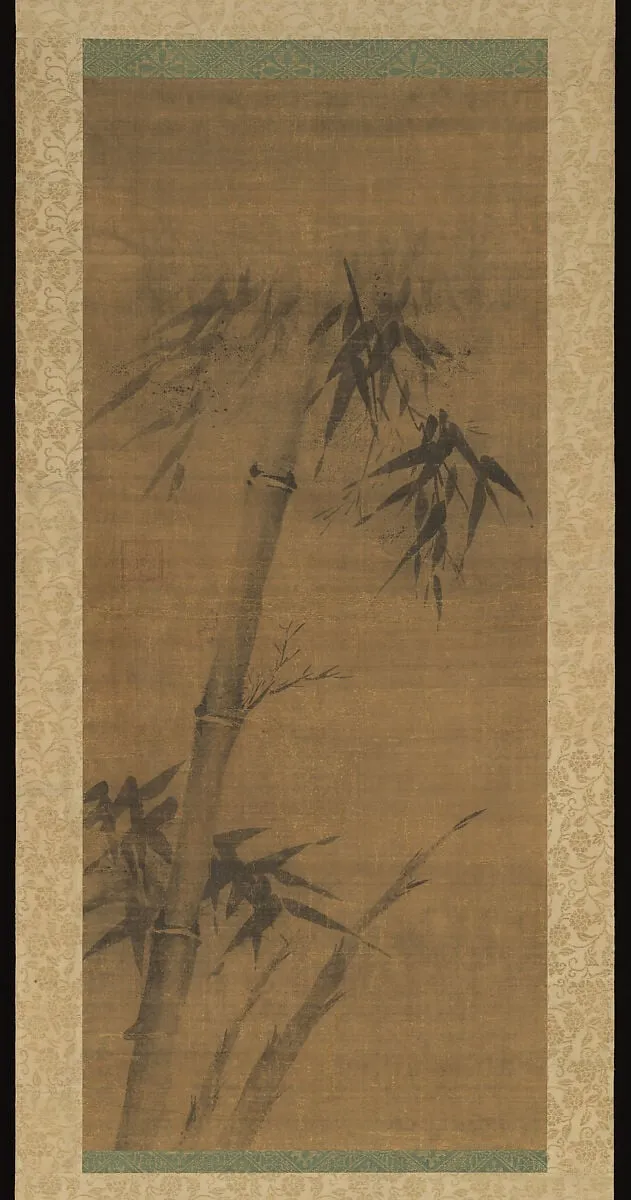
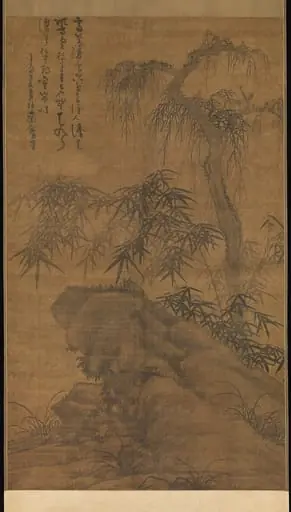
伝可翁筆 竹図|Bamboo is an ink painting by the Renaissance artist Kaō. It dates from 1524 and is held in the collection of the Metropolitan Museum of Art.
About this work
Overview
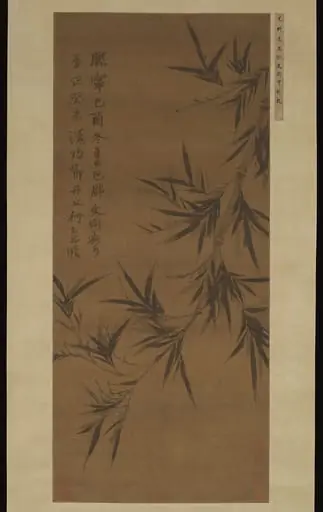
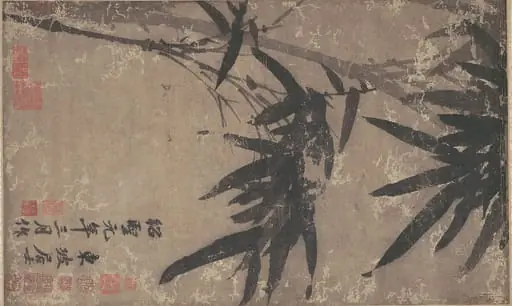
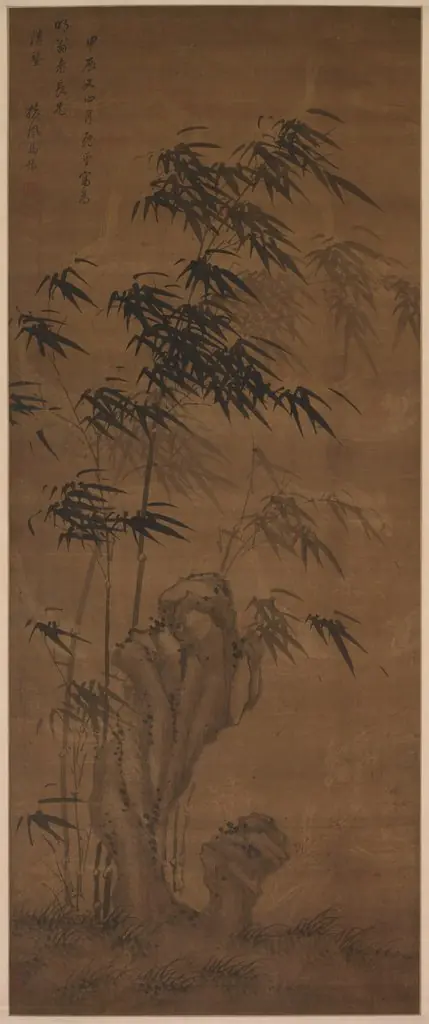
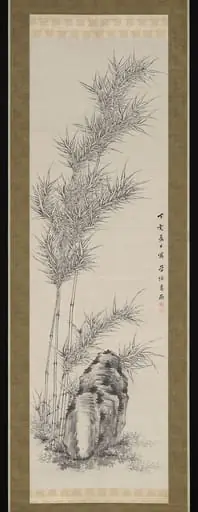
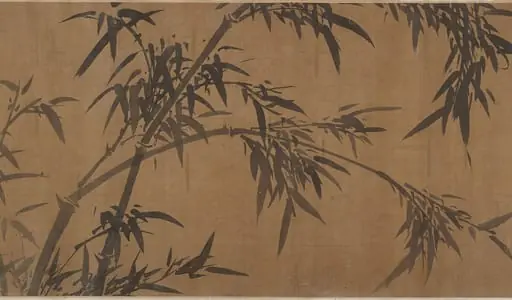
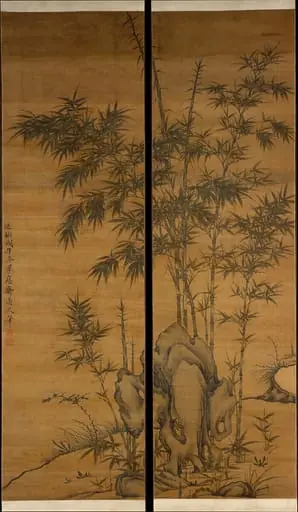
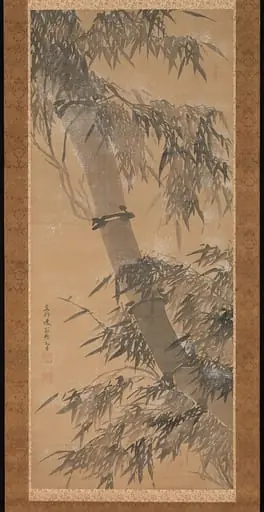
This ink painting, titled Bamboo (伝可翁筆 竹図), was created by Kaō in 1524. Rendered on a silk hanging scroll, the work presents a solitary bamboo stalk. The composition exemplifies a minimalist approach, focusing on the essential form and movement of the plant through the delicate application of ink, characteristic of East Asian painting traditions.
Subject & Meaning
In Japanese art and culture, bamboo symbolizes resilience and integrity, often depicted with sparse elegance.
The artwork features a single bamboo stalk, subtly curved as if responding to an unseen breeze. In Japanese art and culture, bamboo symbolizes resilience and integrity, often depicted with sparse elegance. This piece embodies a long-standing aesthetic principle where profound meaning and vitality are conveyed through understated visual elements, inviting contemplation of nature's inherent strength and quiet endurance.
Technique & Style
Kaō utilized black ink on a pale silk surface, employing a limited number of swift, deliberate brushstrokes. The absence of color and a detailed background directs the viewer's attention entirely to the central form. This minimalist technique imbues the bamboo with a sense of dynamic life, suggesting movement and vitality through economical means, a characteristic approach in East Asian ink painting to evoke natural phenomena with expressive simplicity.
Artist & collection