Artwork
View of West Point from above Washington Valley
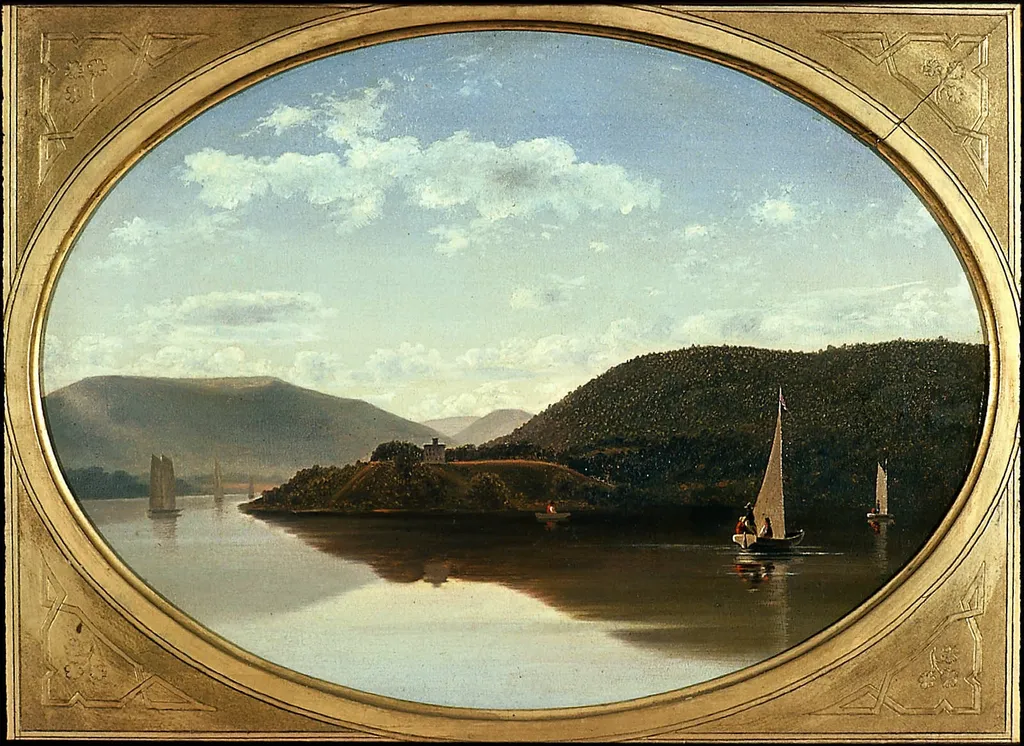
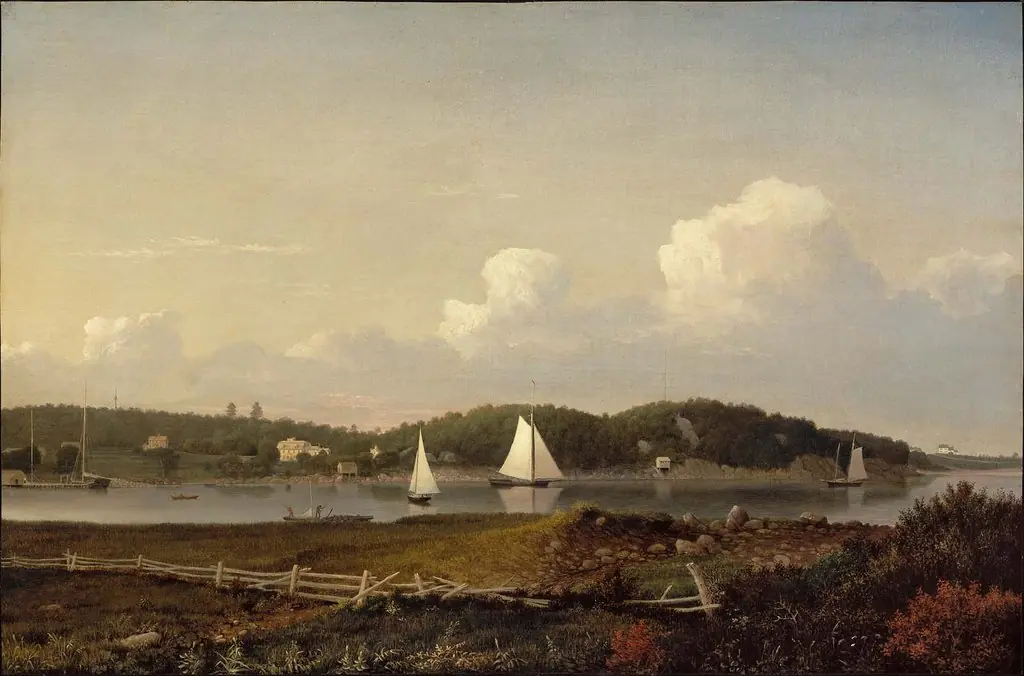
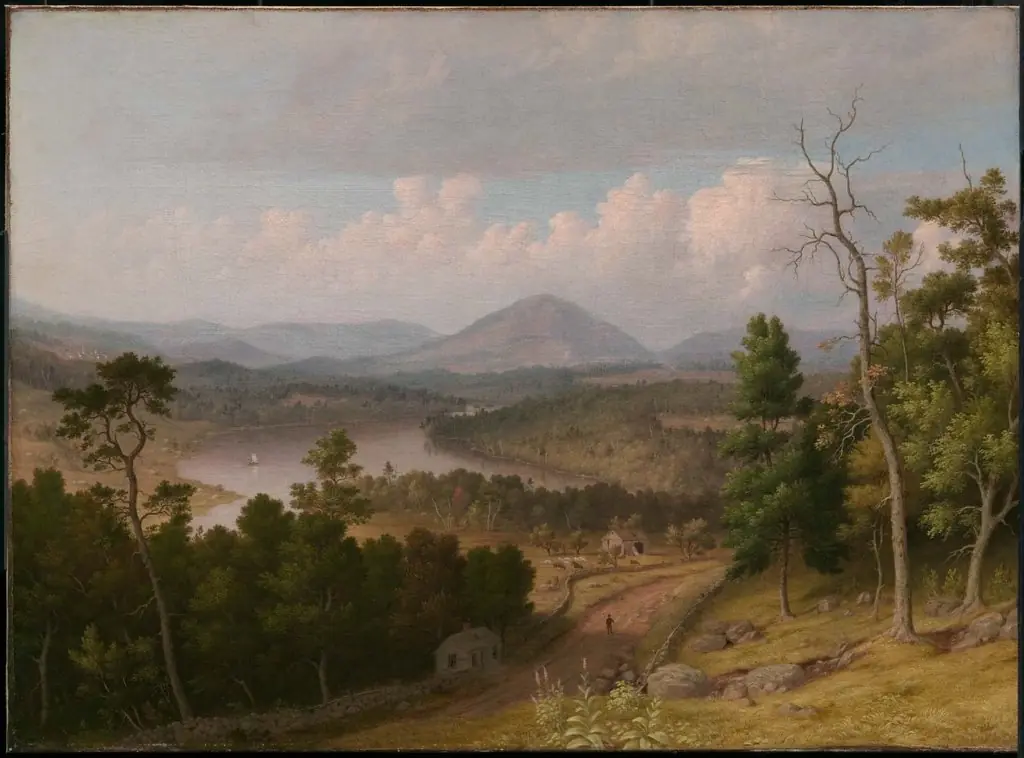
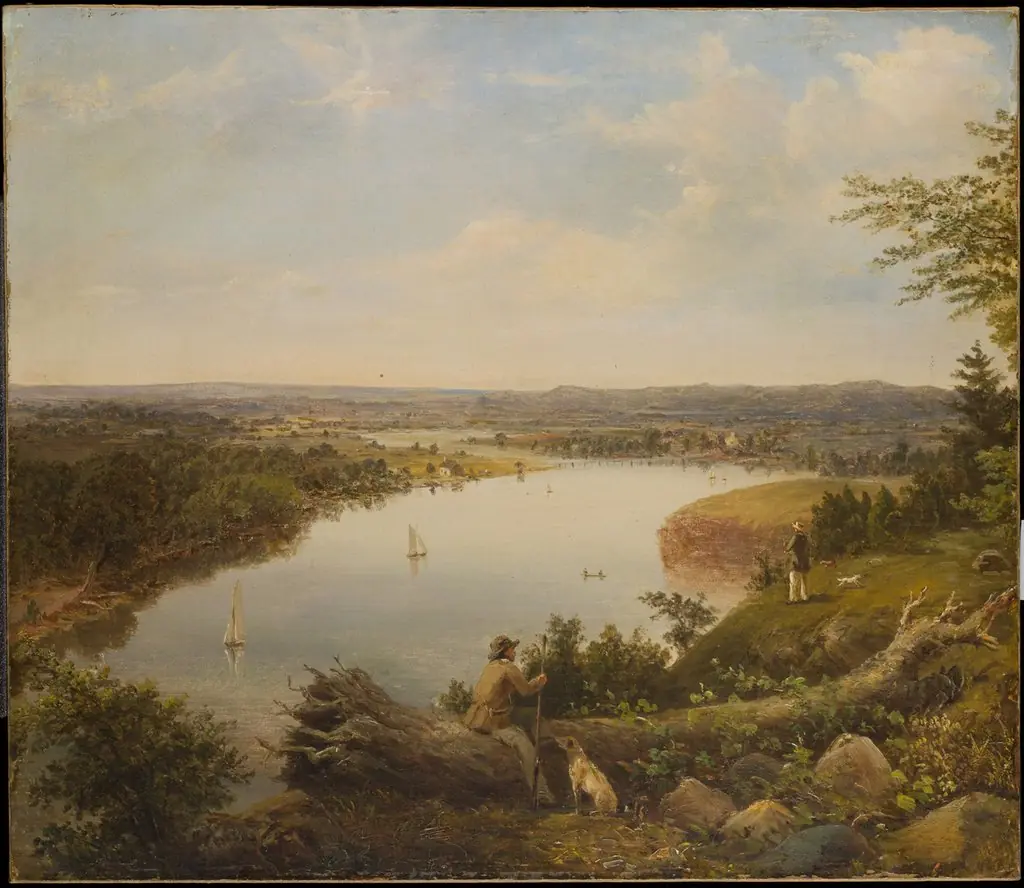
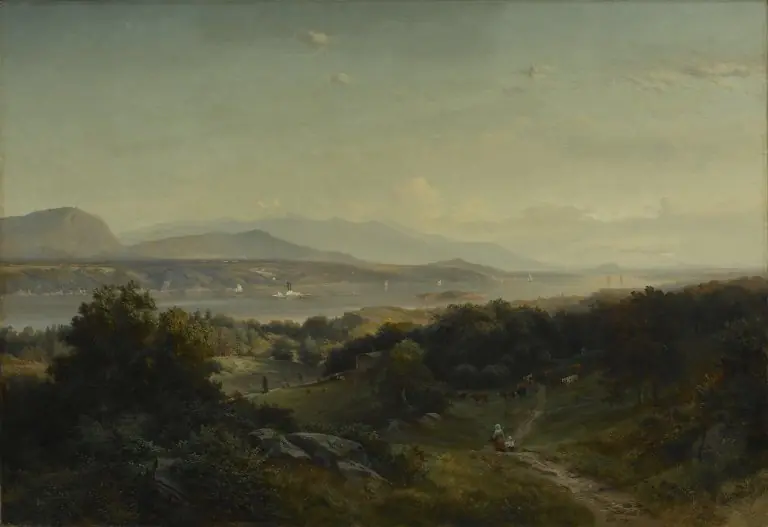
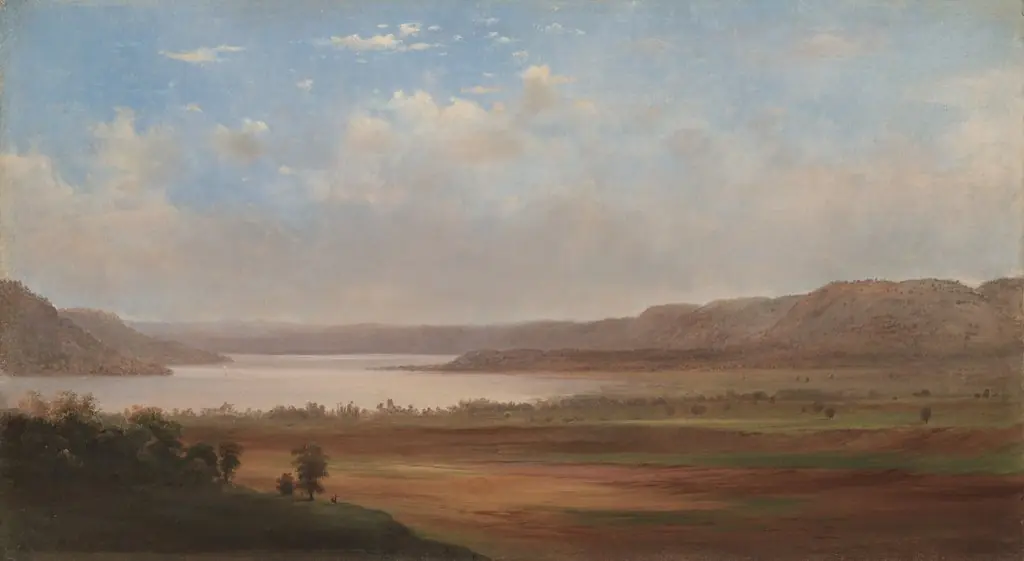
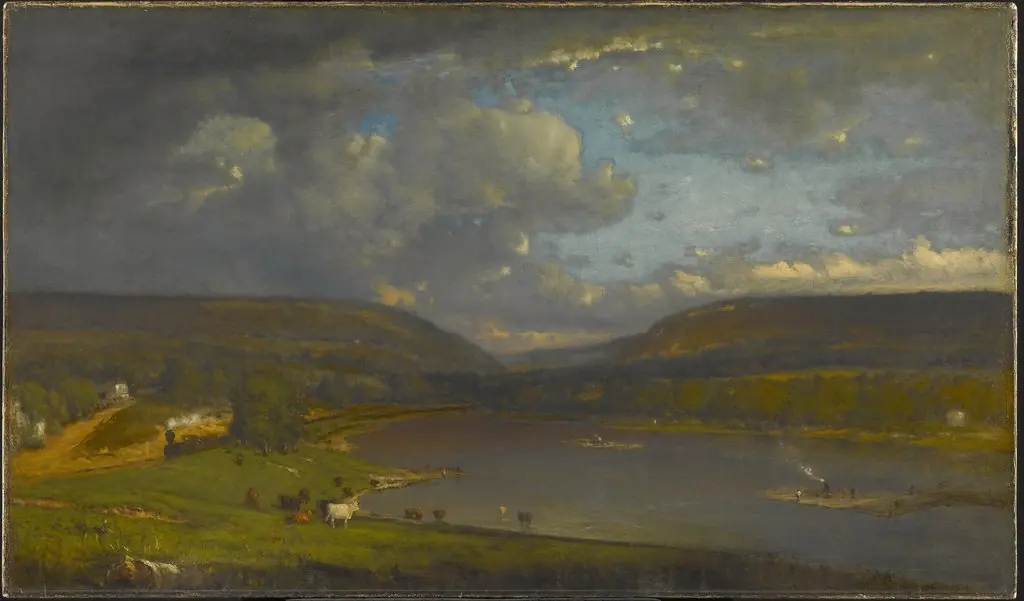
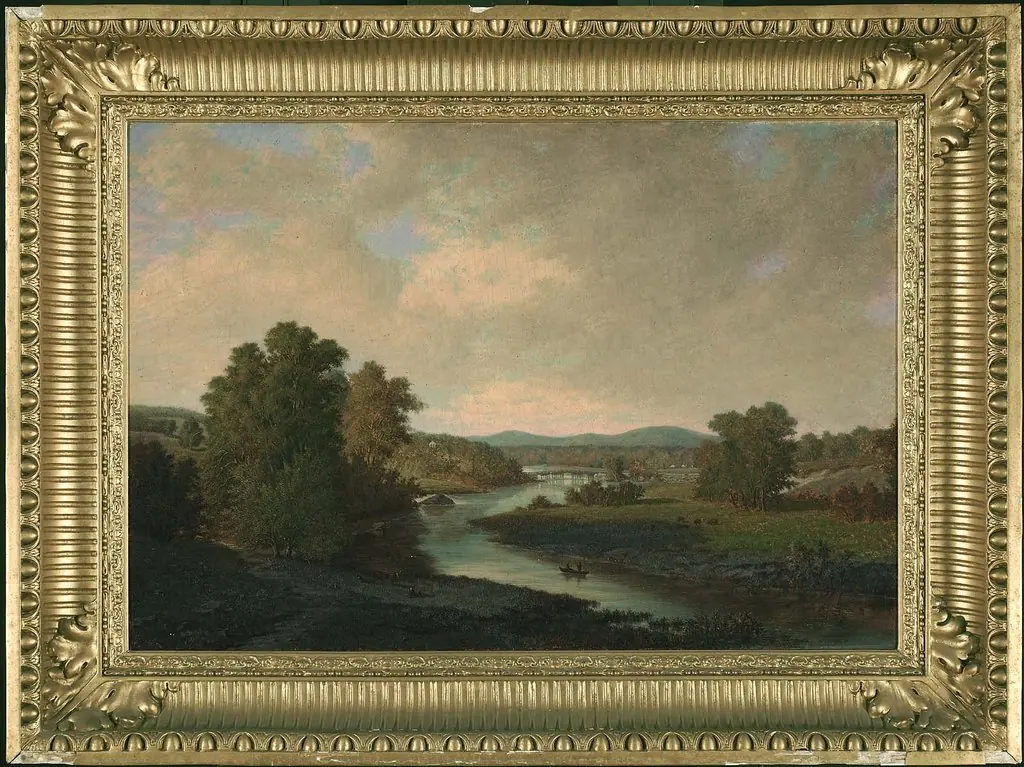
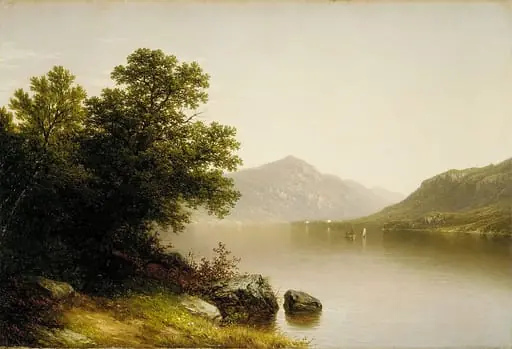
View of West Point from above Washington Valley is an oil painting by the Hudson River School Movement artist Unknown. It dates from 1870 and is held in the collection of the Museum of Fine Arts Boston. This oil painting captures a quiet stretch of the Hudson River near West Point, viewed from the elevated terrain of Washington Valley.
About this work
Overview
This oil painting captures a quiet stretch of the Hudson River near West Point, viewed from the elevated terrain of Washington Valley.
This oil painting captures a quiet stretch of the Hudson River near West Point, viewed from the elevated terrain of Washington Valley. The composition centers on a still, winding waterway flanked by gentle slopes and distant peaks. Soft daylight bathes the scene, enhancing the calm atmosphere without dramatic contrast. A few sailboats drift lazily on the river, while modest structures and scattered trees anchor the foreground.
Subject & Meaning
The scene presents a tranquil, unpopulated stretch of the Hudson River valley, emphasizing natural harmony over human intervention. The small white building suggests a rural outpost, not a landmark, reinforcing the quietude of the setting. No figures are present, and the absence of activity invites contemplation rather than narrative. The painting reflects an idealized vision of American landscape as serene and undisturbed.
Technique & Style
The artist employs subtle gradations of light to model the hills and water, creating a sense of spatial depth without sharp edges. Brushwork is restrained, with smooth transitions between sky, land, and river. Cool blues and muted greens dominate, punctuated by the pale white of the building and the faint glint of sailcloth. The handling avoids theatricality, favoring quiet observation over dramatic effect.
History & Provenance
The painting was likely completed in the early to mid-19th century, during a period when American artists increasingly turned to local landscapes for subject matter. It entered the collection of the Museum of Fine Arts, Boston, where it remains part of their holdings of Hudson River School-related works. No documented exhibition or ownership history prior to its acquisition by the museum is publicly available.
Context
Created during a time when American identity was being shaped through depictions of its natural scenery, the work aligns with broader artistic trends that valued untouched wilderness. Though less monumental than contemporaneous Hudson River School paintings, it shares their reverence for quiet, unspoiled terrain. Such views were often commissioned by private patrons seeking to affirm their connection to the land.
Legacy
The painting contributes to a body of work that helped define a distinctly American approach to landscape painting—one rooted in observation rather than idealization. While not widely reproduced or studied, it exemplifies the quieter, more intimate side of 19th-century American art, offering a restrained counterpoint to grander, more dramatic compositions of the era.
Artist & collection

 Domestic Scene
 Giacomo and Cardinal Marco, investing Andrea, Abbot of San Zeno, with his Benefice
 The Nymph of Fontainebleau
 Portrait of a Woman
 Madonna and Child with Saints in the Enclosed Garden
 Venus and Minerva
 Family Group of Four on Sofa
 Wall painting from Room H of the Villa of P. Fannius Synistor at Boscoreale