Artwork
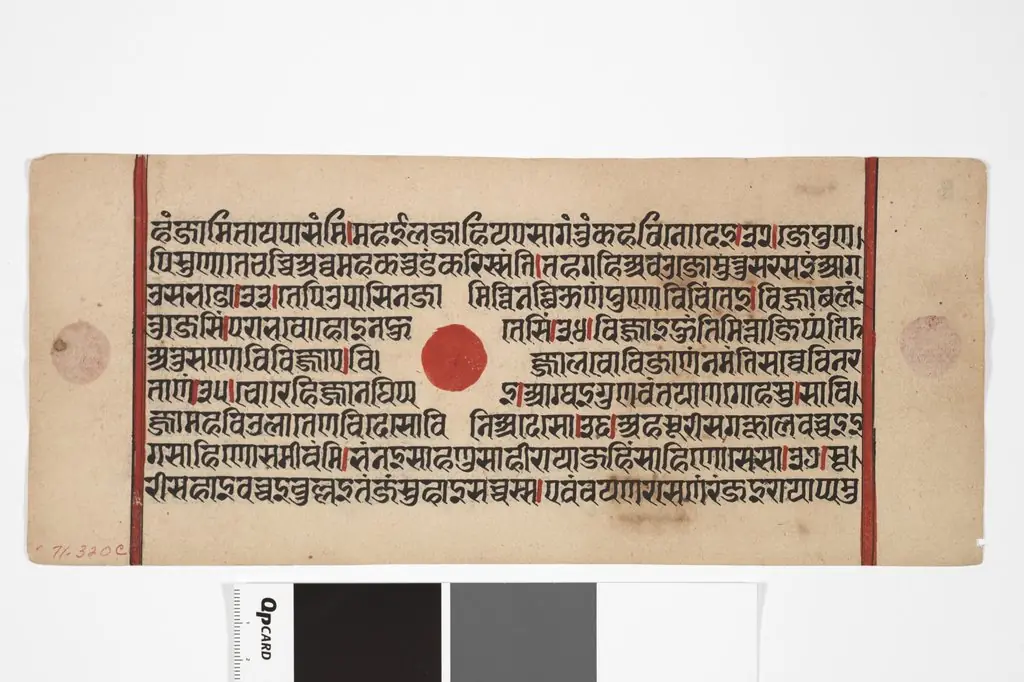
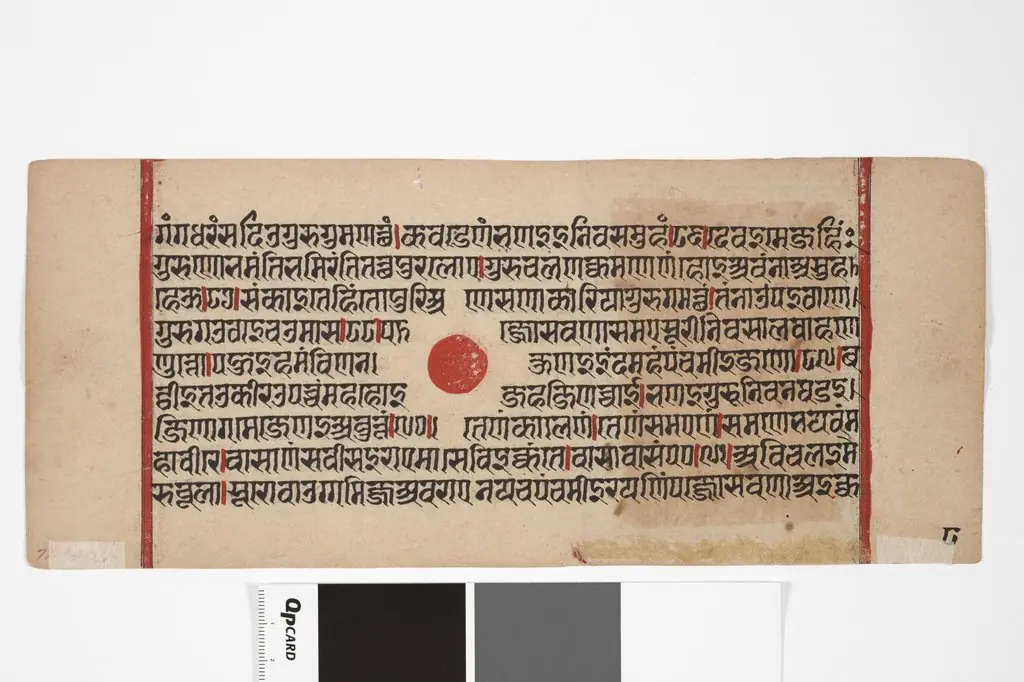
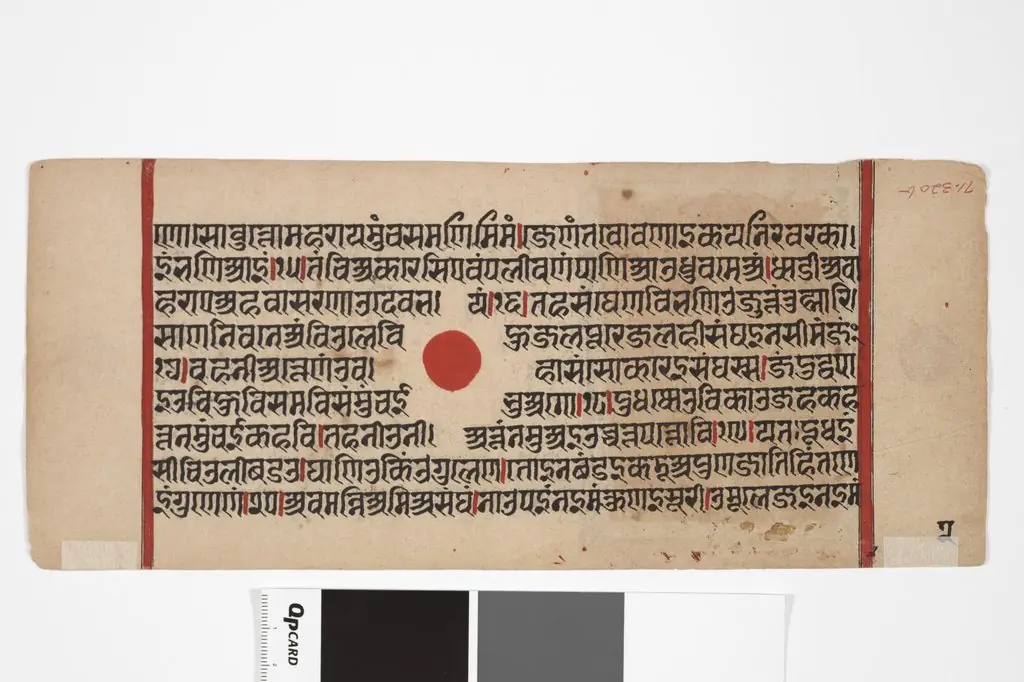
Jain Manuscript: Kalakacarya Katha
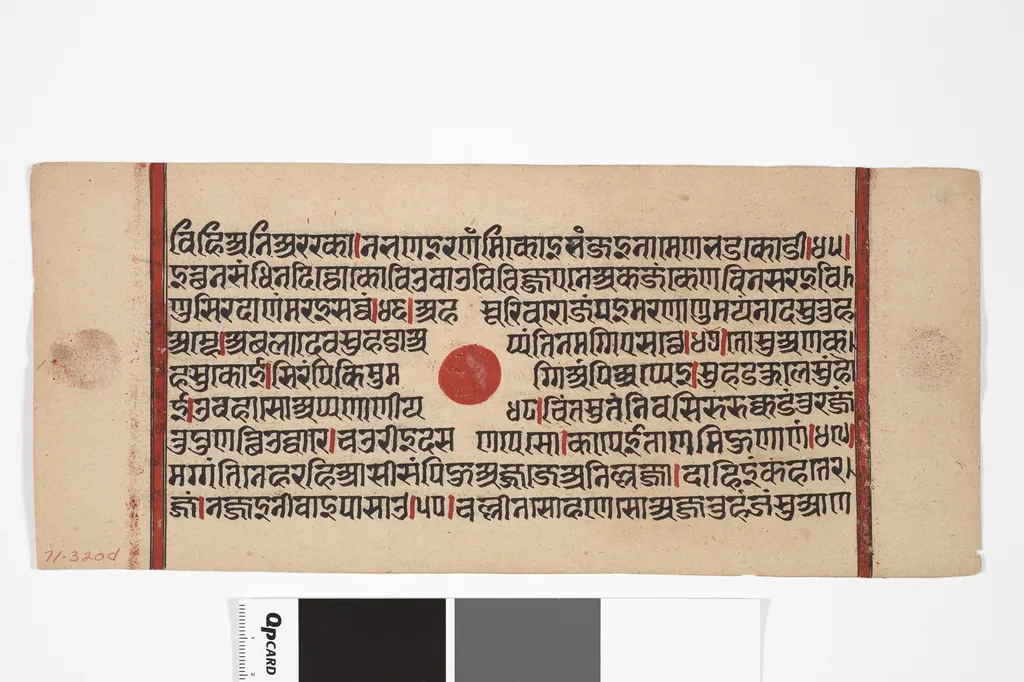
Jain Manuscript: Kalakacarya Katha is an unspecified painting by Unknown. It is held in the collection of the Detroit Institute of Arts.
About this work
Overview
The painting serves as a visual companion to the written word, aiding meditation and transmission of religious teachings among monastic and lay communities.
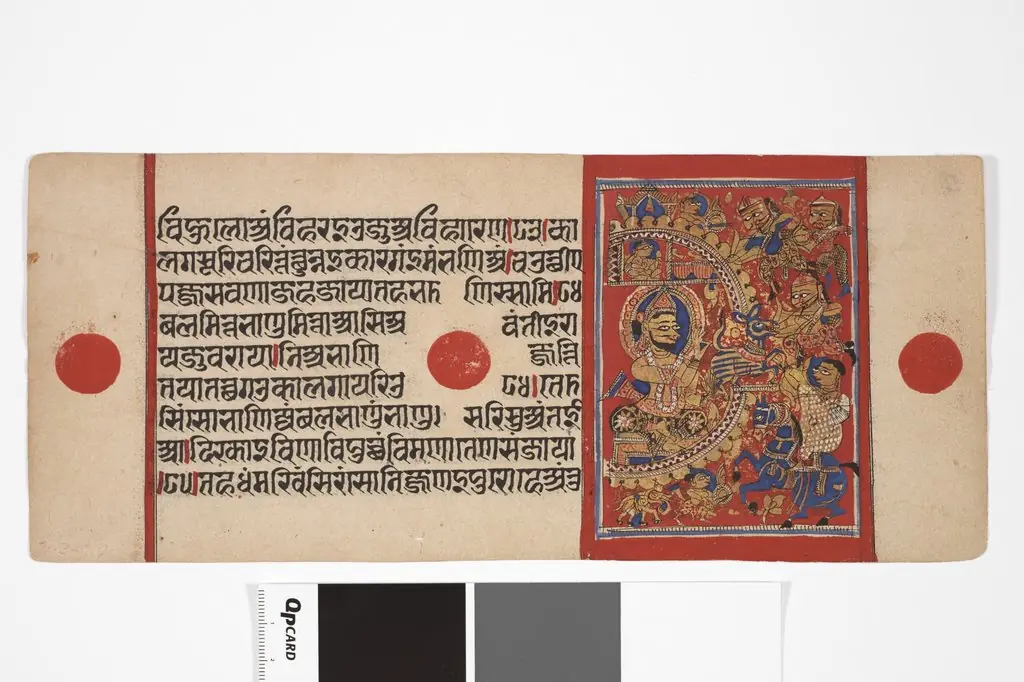
This illuminated manuscript page belongs to a series illustrating the Kalakacarya Katha, a Jain narrative detailing the life and spiritual struggles of the monk Kalakacarya. Created in western India, likely in the 15th or 16th century, it reflects the devotional and didactic purpose of Jain textual traditions. The painting serves as a visual companion to the written word, aiding meditation and transmission of religious teachings among monastic and lay communities.
Subject & Meaning
The scene depicts Kalakacarya, a revered Jain ascetic, in a moment of confrontation or divine intervention, often shown alongside kings or celestial beings. His presence symbolizes the triumph of spiritual discipline over worldly power. The narrative emphasizes karma, non-violence, and the consequences of arrogance, reinforcing core Jain ethical principles through dramatic storytelling and symbolic imagery.
Technique & Style
Executed in opaque watercolor on paper, the painting employs fine brushwork and flat, decorative planes of color typical of western Indian manuscript traditions. Figures are stylized with elongated eyes and ornate jewelry, set against minimal backgrounds that focus attention on narrative action. Gold leaf accents highlight sacred elements, while intricate patterns in textiles and architecture reflect regional aesthetic conventions.
History & Provenance
The manuscript likely originated in a Jain monastery in Gujarat or Rajasthan, where manuscript production flourished under patronage from merchant and monastic communities. It was probably part of a larger codex, now dispersed across collections. Its survival suggests careful preservation by religious custodians, though its exact provenance before modern museum acquisition remains partially undocumented.
Context
Produced during a period of vibrant Jain literary and artistic activity, this painting reflects the close relationship between textual scholarship and visual culture in medieval India. Jain communities, though numerically small, maintained sophisticated networks of scribes and artists. Such manuscripts were not merely religious objects but also markers of cultural identity and intellectual prestige within a pluralistic society.
Legacy
Though overshadowed in popular memory by Mughal or Rajput painting traditions, Jain manuscripts like this one sustained a distinct visual language for centuries. They influenced later regional styles and remain vital for understanding the diversity of Indian artistic expression. Today, they serve as key sources for scholars studying religious practice, manuscript culture, and the transmission of Jain doctrine through visual media.
Artist & collection

 Domestic Scene
 Giacomo and Cardinal Marco, investing Andrea, Abbot of San Zeno, with his Benefice
 The Nymph of Fontainebleau
 Portrait of a Woman
 Madonna and Child with Saints in the Enclosed Garden
 Venus and Minerva
 Family Group of Four on Sofa
 Wall painting from Room H of the Villa of P. Fannius Synistor at Boscoreale
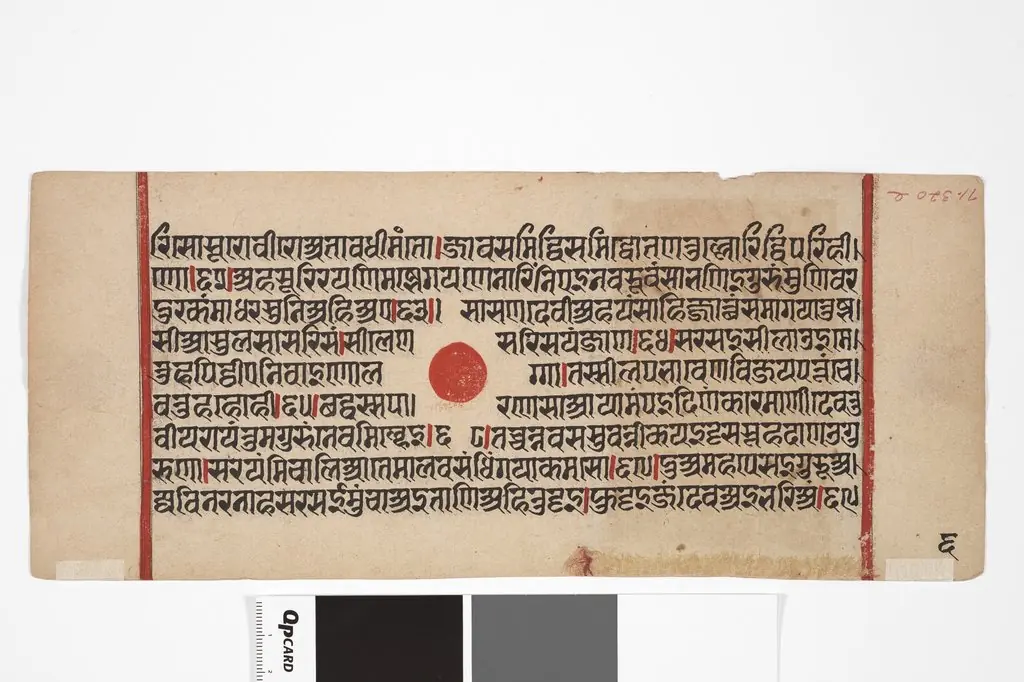 Jain Manuscript: Kalakacarya Katha
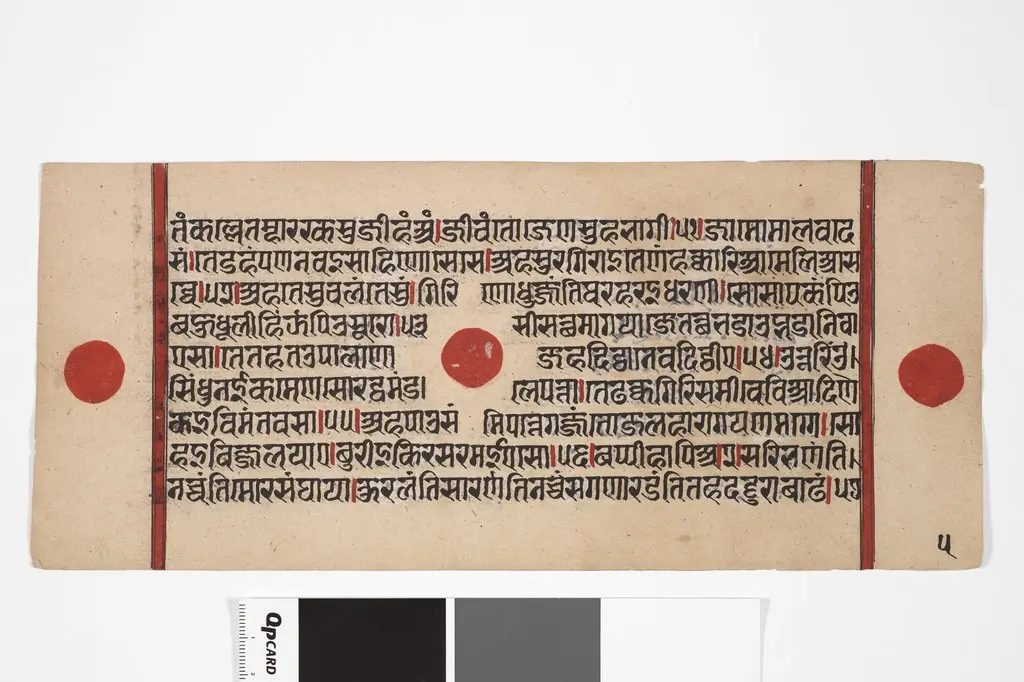 Jain Manuscript: Kalakacarya Katha
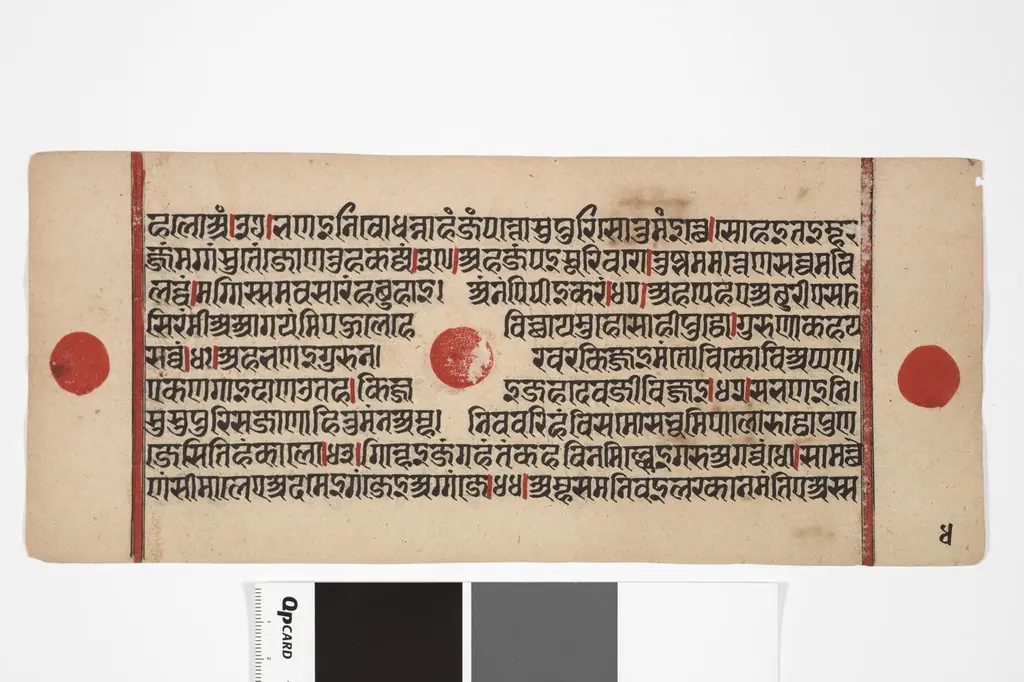 Jain Manuscript: Kalakacarya Katha
 Jain Manuscript: Kalakacarya Katha
 Jain Manuscript: Kalakacarya Katha
 Jain Manuscript: Kalakacarya Katha
 Jain Manuscript: Kalakacarya Katha
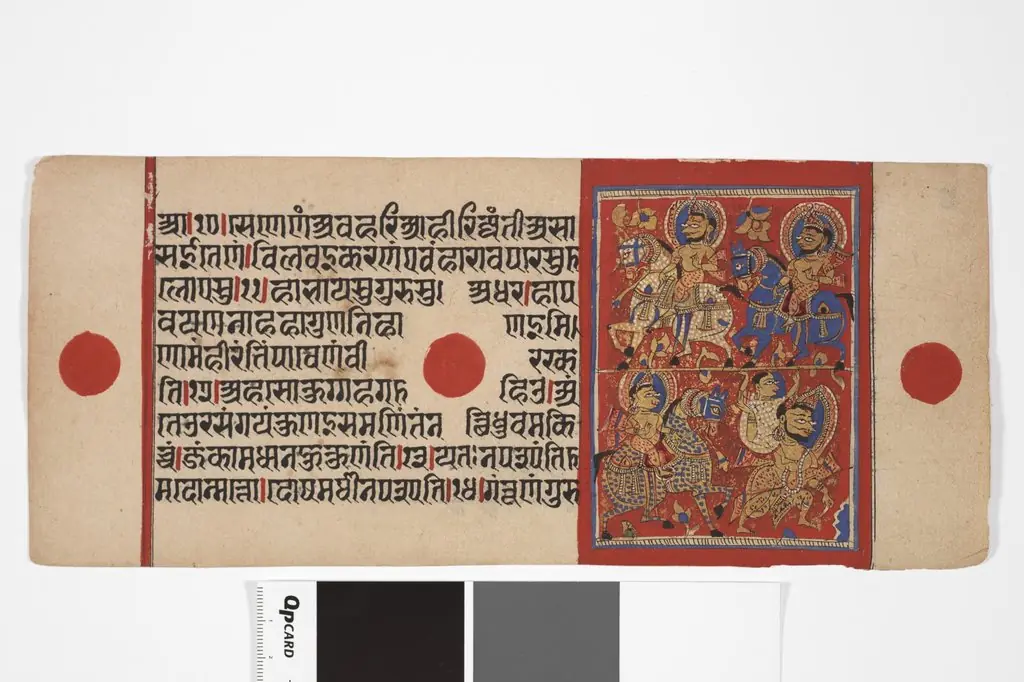 Jain Manuscript: Kalakacarya Katha
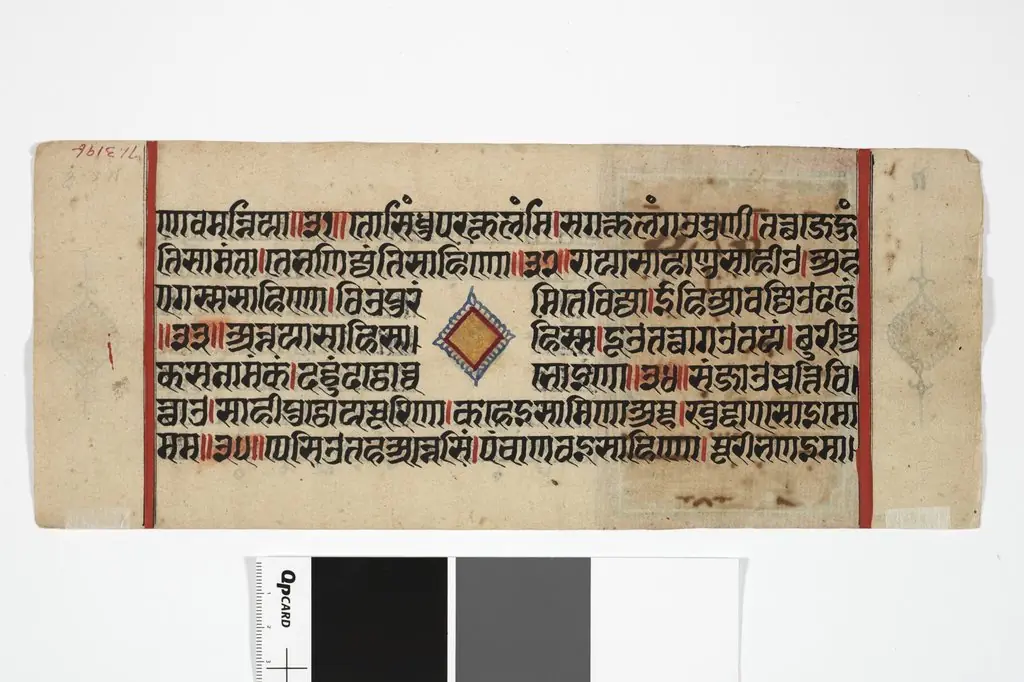 Jain Manuscript: Kalakacarya Katha (folio 5)
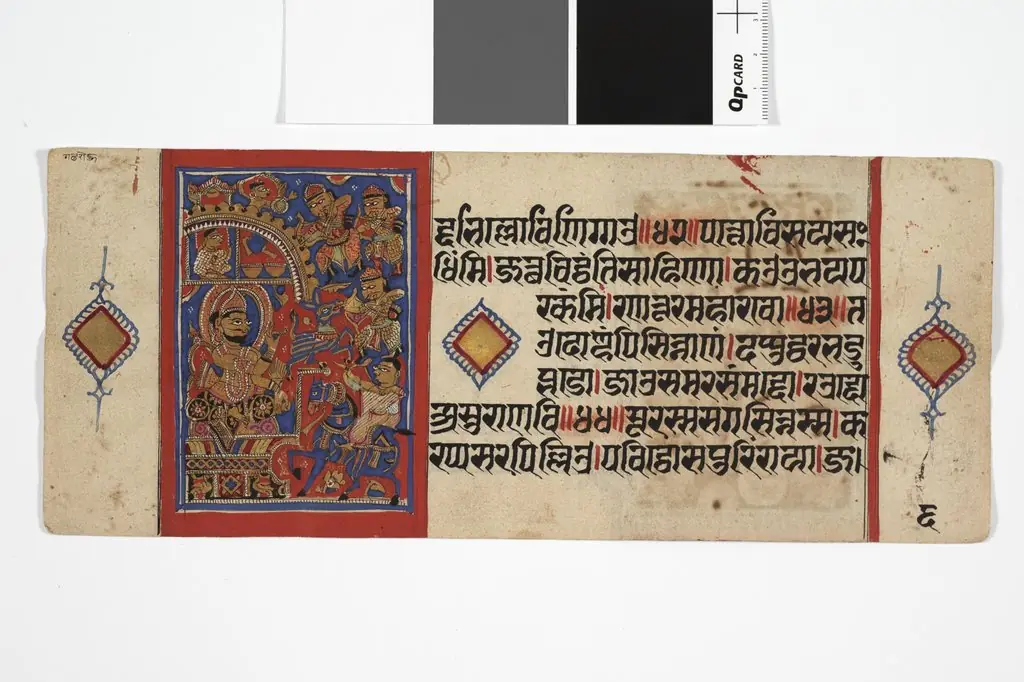 Jain Manuscript: Kalakacarya Katha (folio 6)
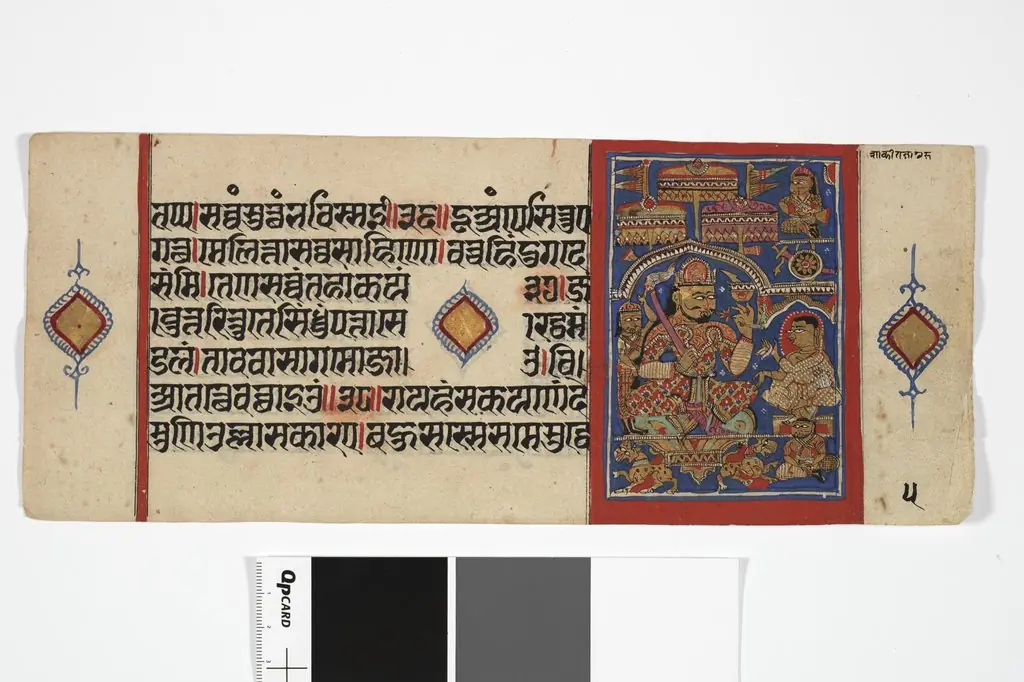 Jain Manuscript: Kalakacarya Katha (folio 5)