Artwork
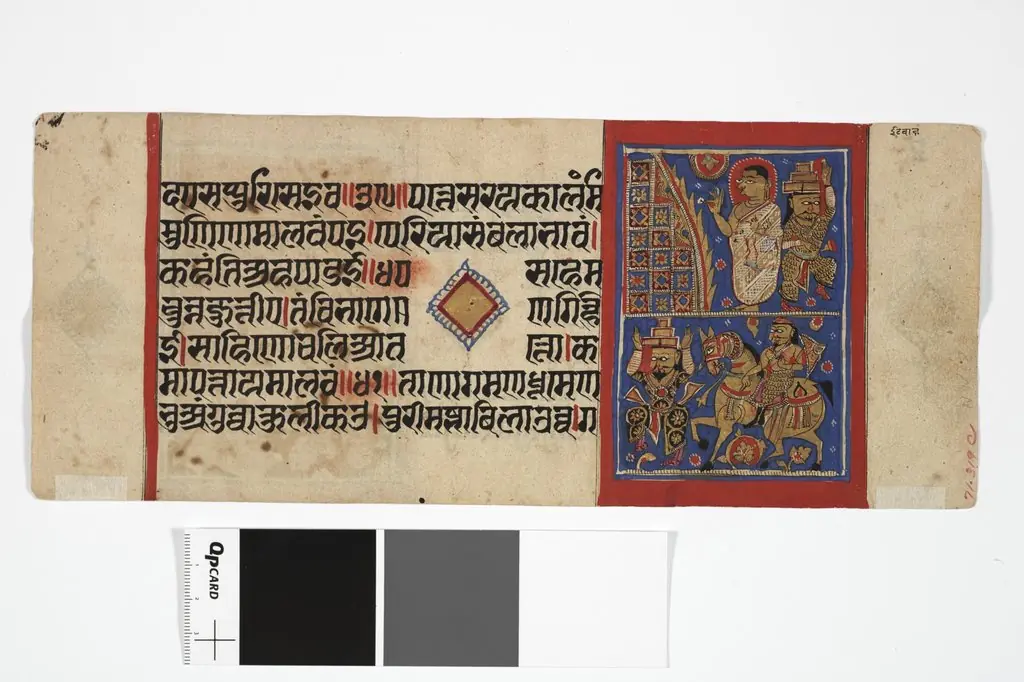
Jain Manuscript: Kalakacarya Katha (folio 5)
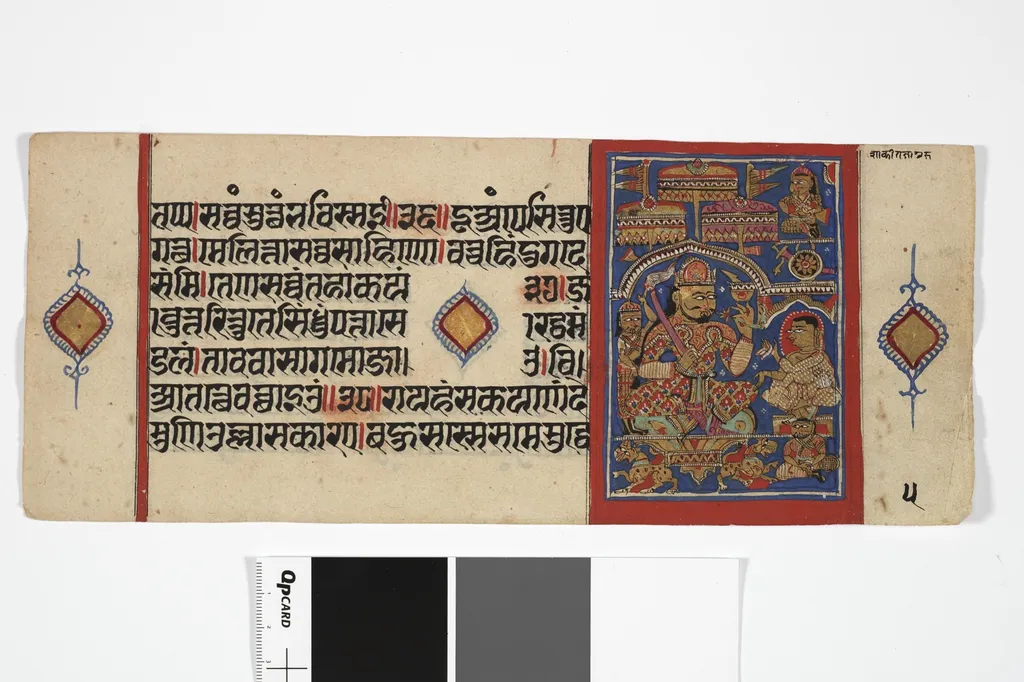
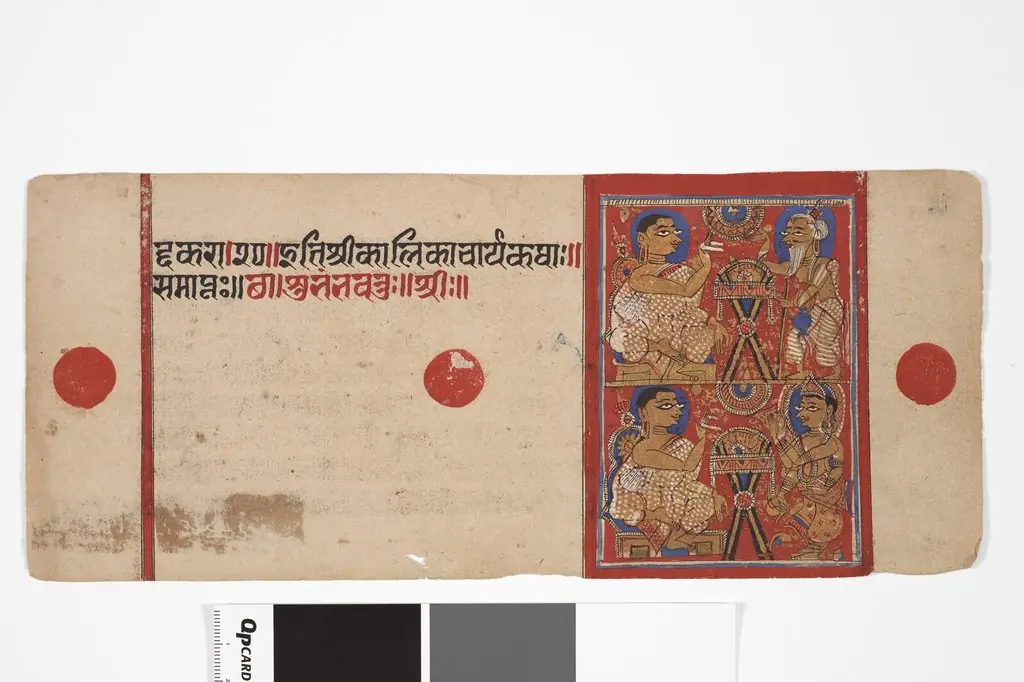
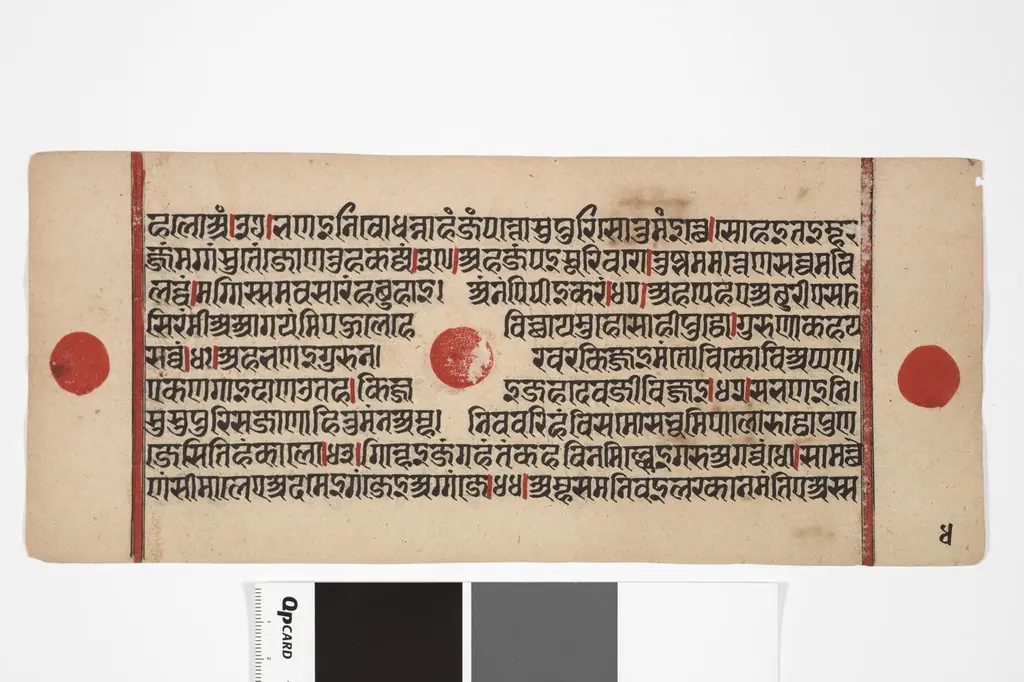
Jain Manuscript: Kalakacarya Katha (folio 5) is an unspecified painting by Unknown. It dates from 1500 and is held in the collection of the Detroit Institute of Arts. This folio originates from a Jain manuscript illustrating the Kalakacarya Katha, a narrative centered on a revered monk’s spiritual journey.
About this work
Overview
This folio originates from a Jain manuscript illustrating the Kalakacarya Katha, a narrative centered on a revered monk’s spiritual journey.
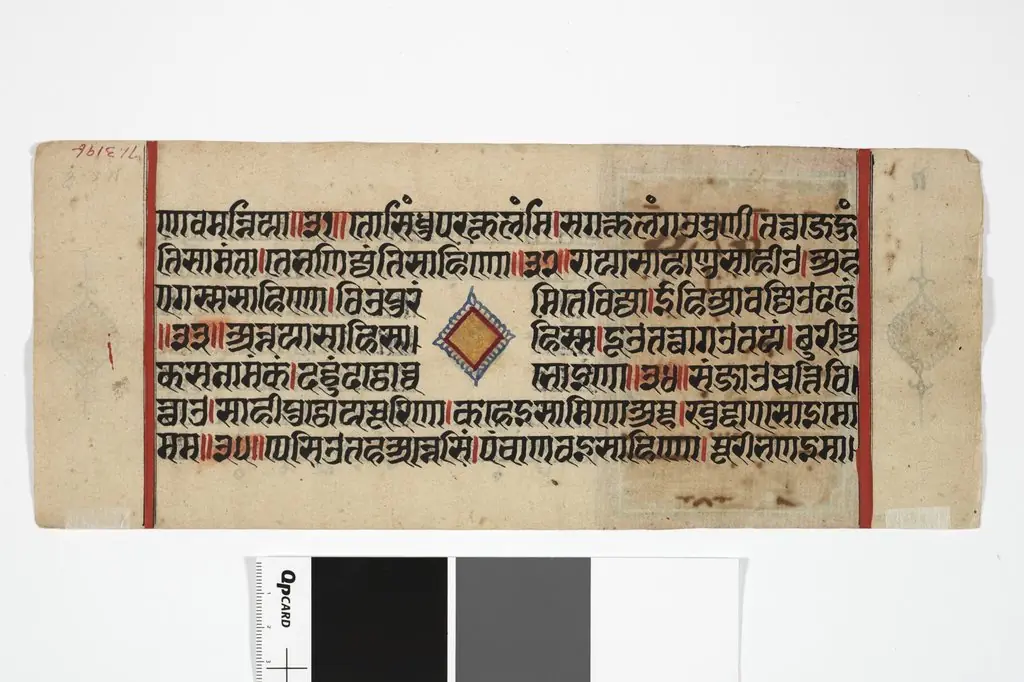
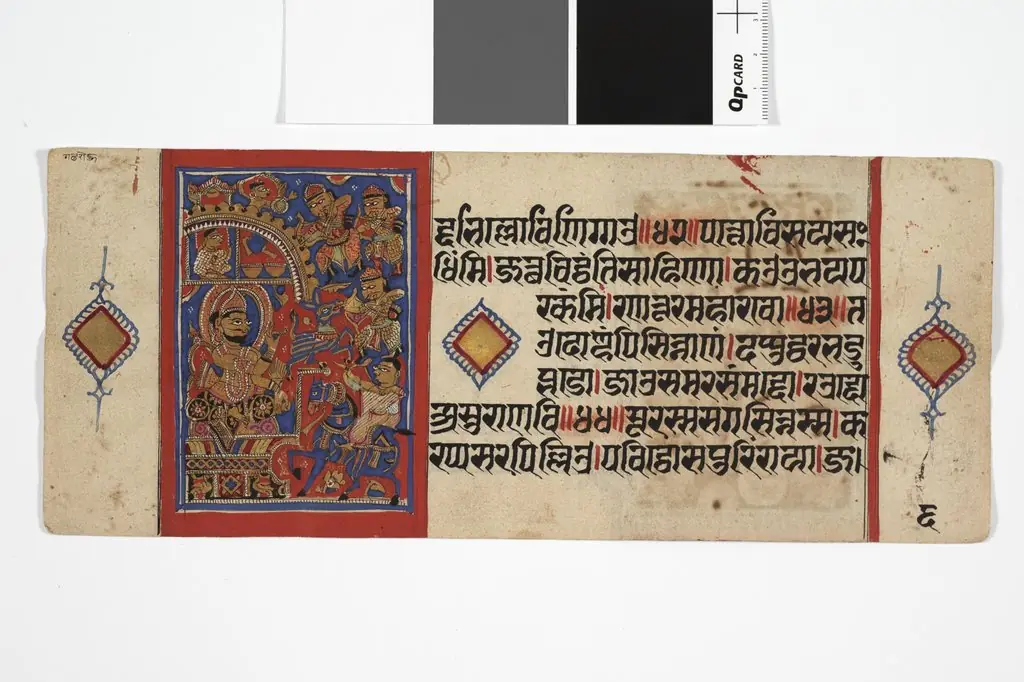
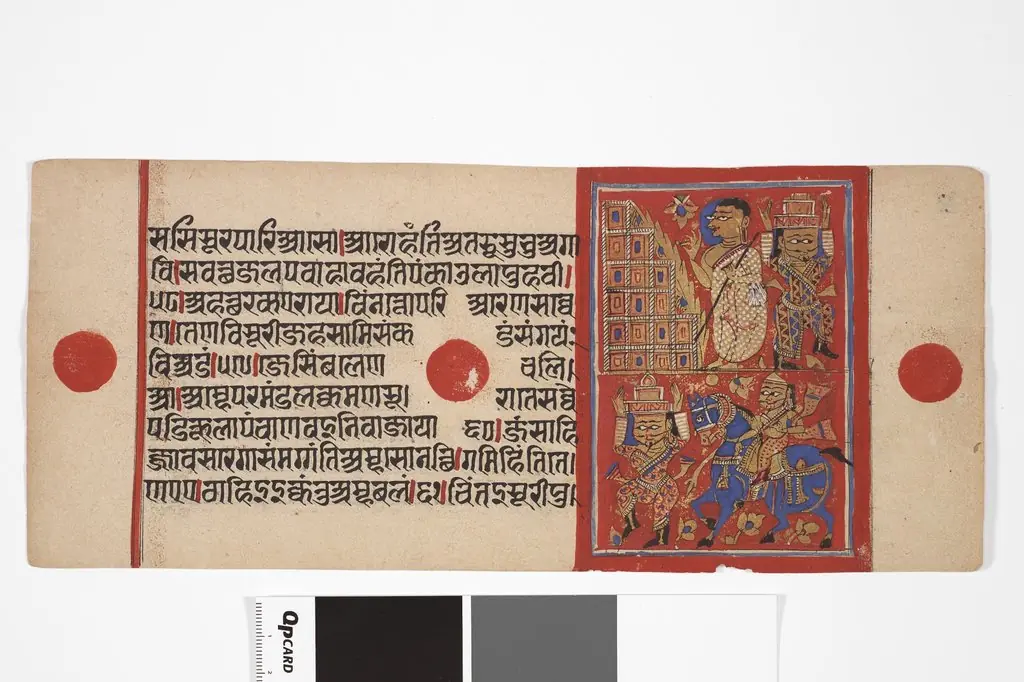
This folio originates from a Jain manuscript illustrating the Kalakacarya Katha, a narrative centered on a revered monk’s spiritual journey. The scene depicts Kalakacarya seated on a throne, clad in red and gold, holding a sword, surrounded by attendants. The composition is framed by a red border, with a light brown background and intricate blue patterning beneath the throne. A column of black-and-red text in an Indic script appears to the left, indicating its function as an illustrated religious text.
Subject & Meaning
The central figure, Kalakacarya, is a legendary Jain monk whose life story emphasizes renunciation and divine intervention. His regal attire and sword symbolize his authority as a spiritual leader, not a warrior. The surrounding figures likely represent disciples or celestial beings, reinforcing his elevated status. The scene captures a moment of doctrinal assertion, where spiritual power supersedes worldly rule, aligning with Jain ideals of non-violence and inner sovereignty.
Technique & Style
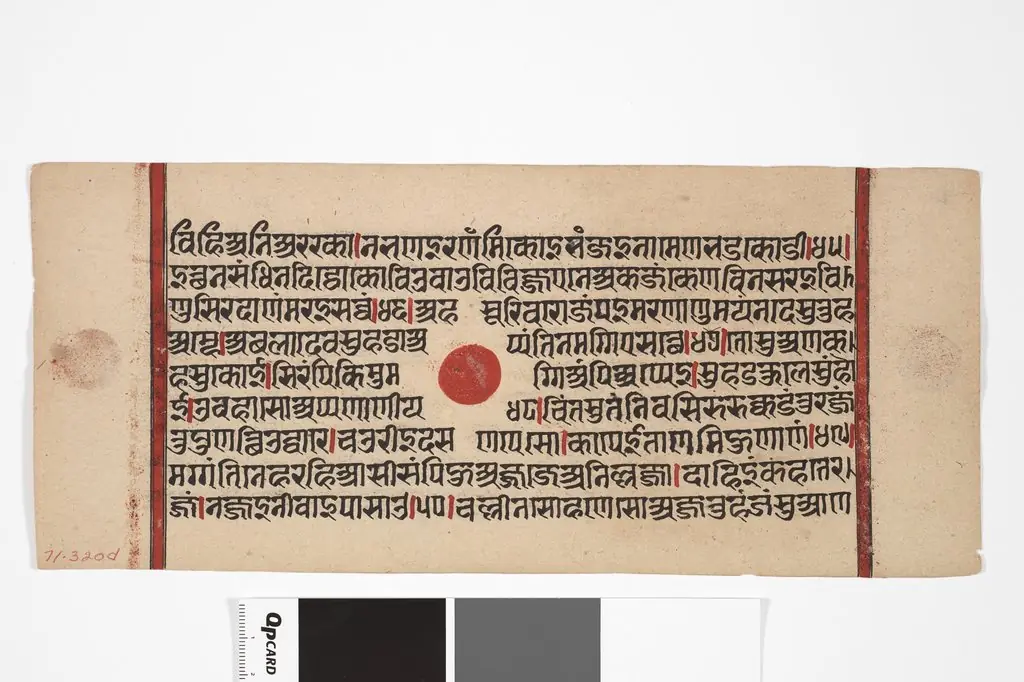
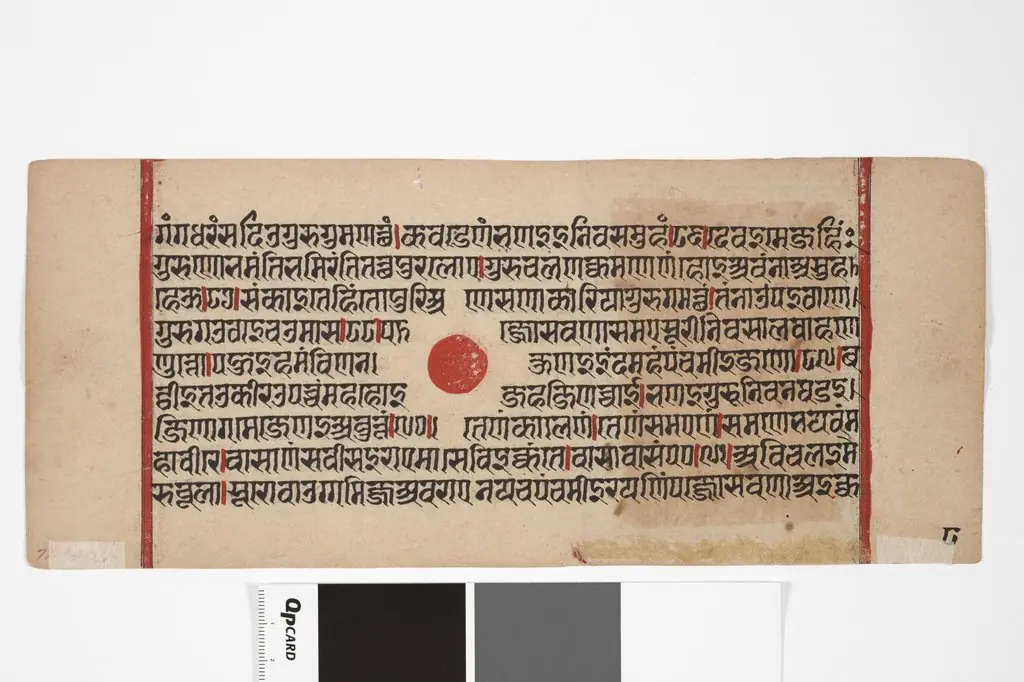
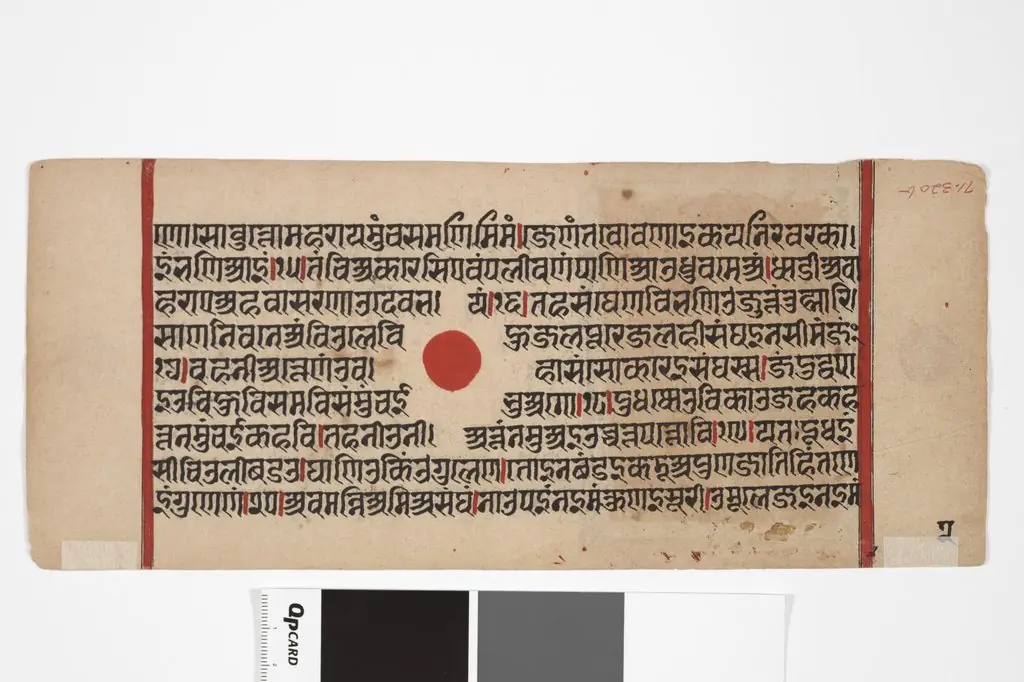
The painting employs mineral pigments on paper, characteristic of western Indian manuscript traditions. Rich reds and golds contrast with the deep blue throne background, creating visual hierarchy. Fine brushwork defines facial features and textile patterns, while the text column is rendered in precise, inked calligraphy. The flat perspective and decorative borders reflect regional stylistic norms, prioritizing symbolic clarity over spatial realism.
History & Provenance
This folio likely dates to the 15th or 16th century, produced in a Jain scriptorium in Gujarat or Rajasthan. Manuscripts of the Kalakacarya Katha were commissioned by monastic communities or wealthy patrons for ritual use and teaching. Its survival suggests careful preservation within temple libraries or private collections, though its specific provenance before modern institutional acquisition remains undocumented.
Context
Jain manuscript painting flourished between the 12th and 17th centuries, particularly in western India, where religious texts were meticulously illustrated to aid devotion and memorization. The Kalakacarya Katha was one of several hagiographies circulated among Digambara and Svetambara communities. These works blended narrative with doctrinal instruction, serving both liturgical and educational roles in monastic life.
Legacy
Folios like this preserve the visual language of Jain textual culture, offering insight into medieval Indian aesthetics and religious practice. While few complete manuscripts survive, individual folios continue to inform scholarly understanding of Jain iconography and manuscript production. Their preservation in museum collections ensures ongoing study of a tradition that valued textual and visual harmony as expressions of spiritual discipline.
Artist & collection

 Domestic Scene
 Giacomo and Cardinal Marco, investing Andrea, Abbot of San Zeno, with his Benefice
 The Nymph of Fontainebleau
 Portrait of a Woman
 Madonna and Child with Saints in the Enclosed Garden
 Venus and Minerva
 Family Group of Four on Sofa
 Wall painting from Room H of the Villa of P. Fannius Synistor at Boscoreale
 Jain Manuscript: Kalakacarya Katha (folio 5)
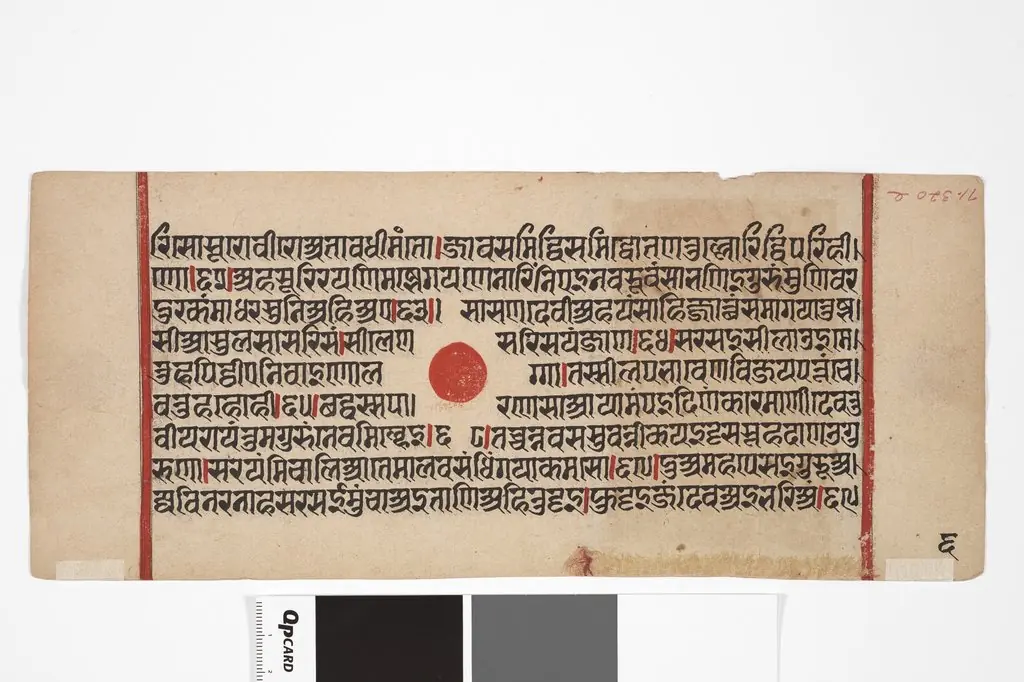
 Jain Manuscript: Kalakacarya Katha (folio 6)
 Jain Manuscript: Kalakacarya Katha
 Jain Manuscript: Kalakacarya Katha (folio 6)
 Jain Manuscript: Kalakacarya Katha
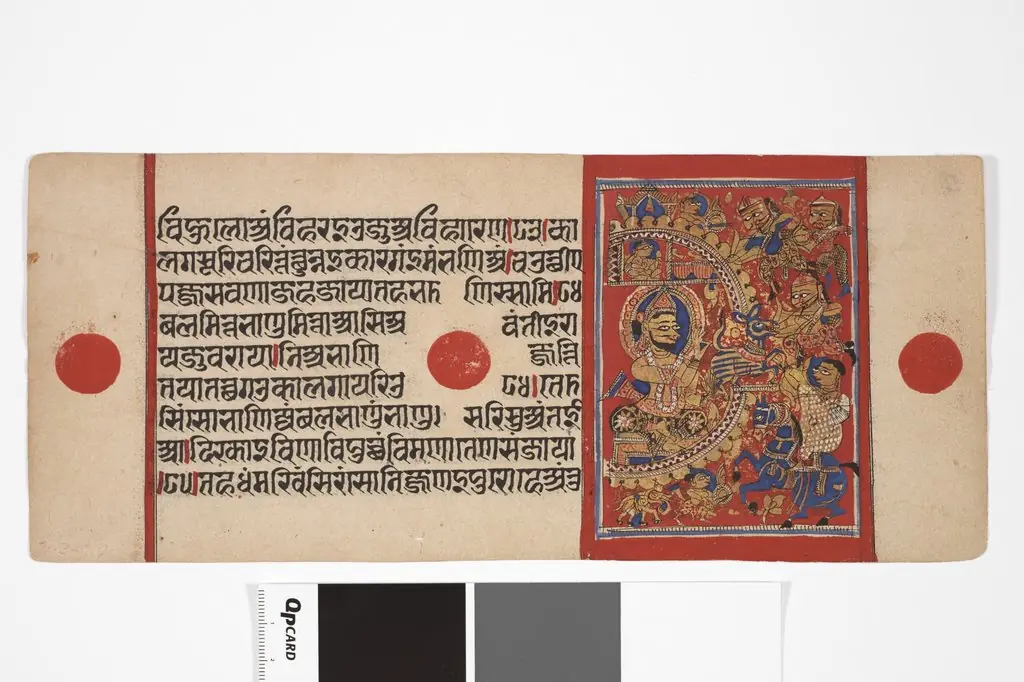 Jain Manuscript: Kalakacarya Katha
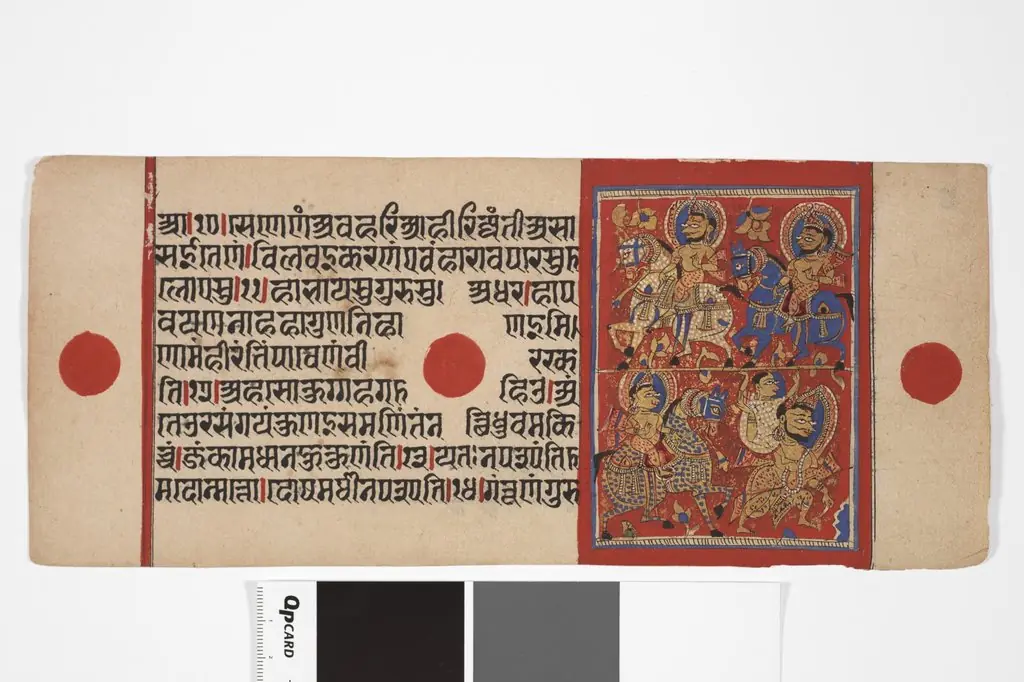 Jain Manuscript: Kalakacarya Katha
 Jain Manuscript: Kalakacarya Katha
 Jain Manuscript: Kalakacarya Katha
 Jain Manuscript: Kalakacarya Katha
 Jain Manuscript: Kalakacarya Katha
 Jain Manuscript: Kalakacarya Katha