Artwork
The Infant Christ as Salvator Mundi
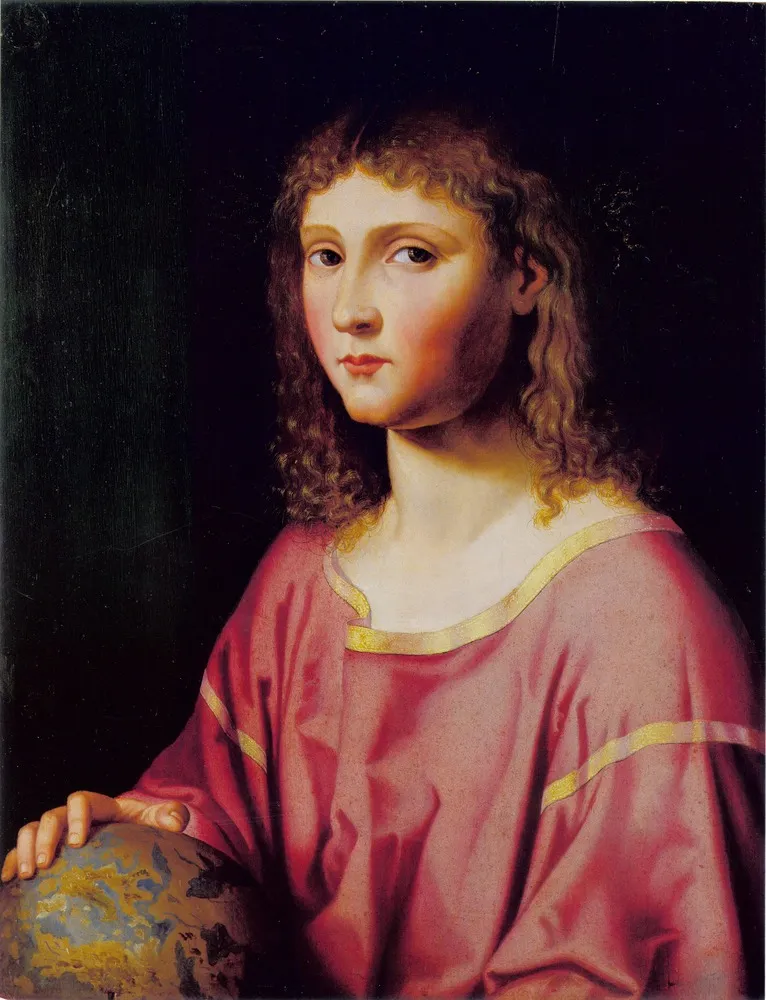
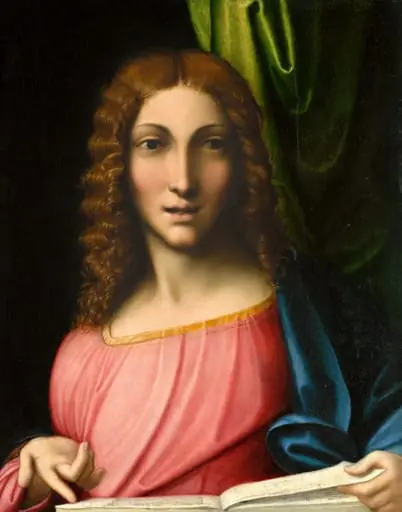
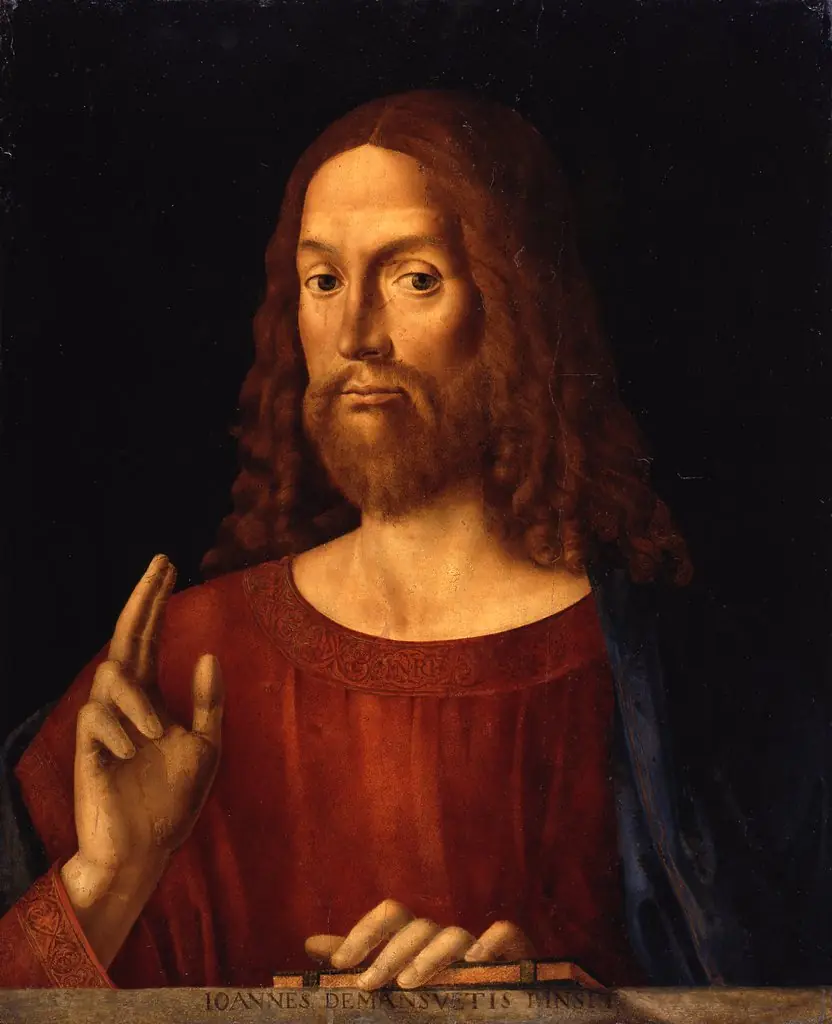
The Infant Christ as Salvator Mundi is a paint painting by the Early Baroque Italian artist Unknown. It dates from 1524 and is held in the collection of the Städel Museum. This painting portrays the infant Jesus as Salvator Mundi, or 'Savior of the World,' rendered in oil on panel.
About this work
Overview
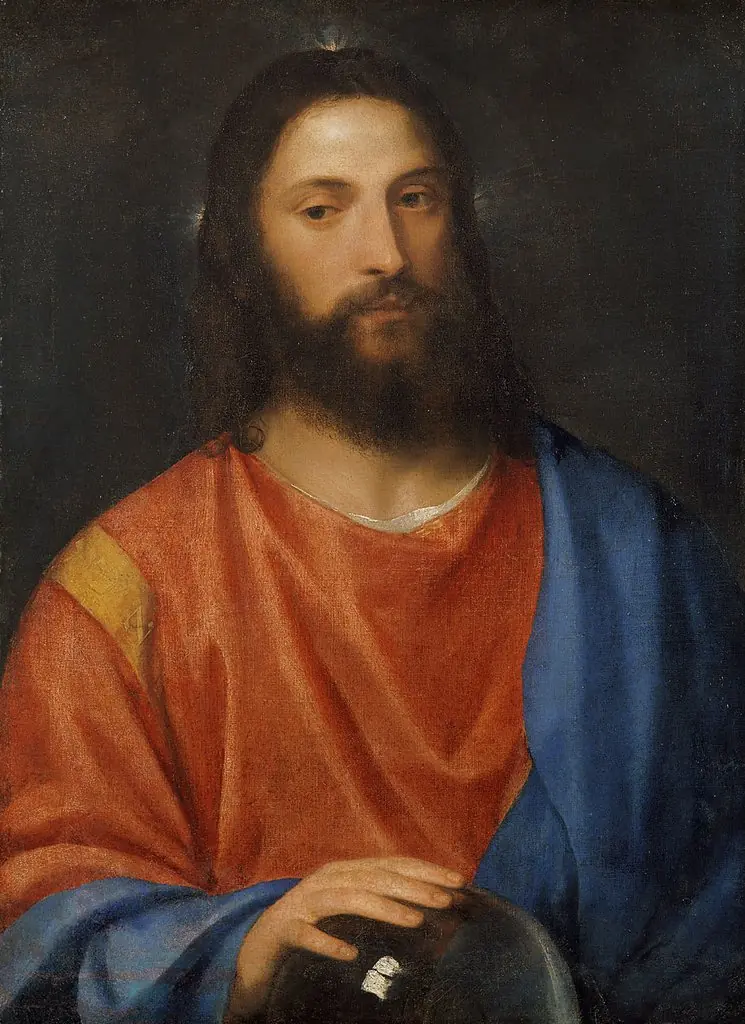
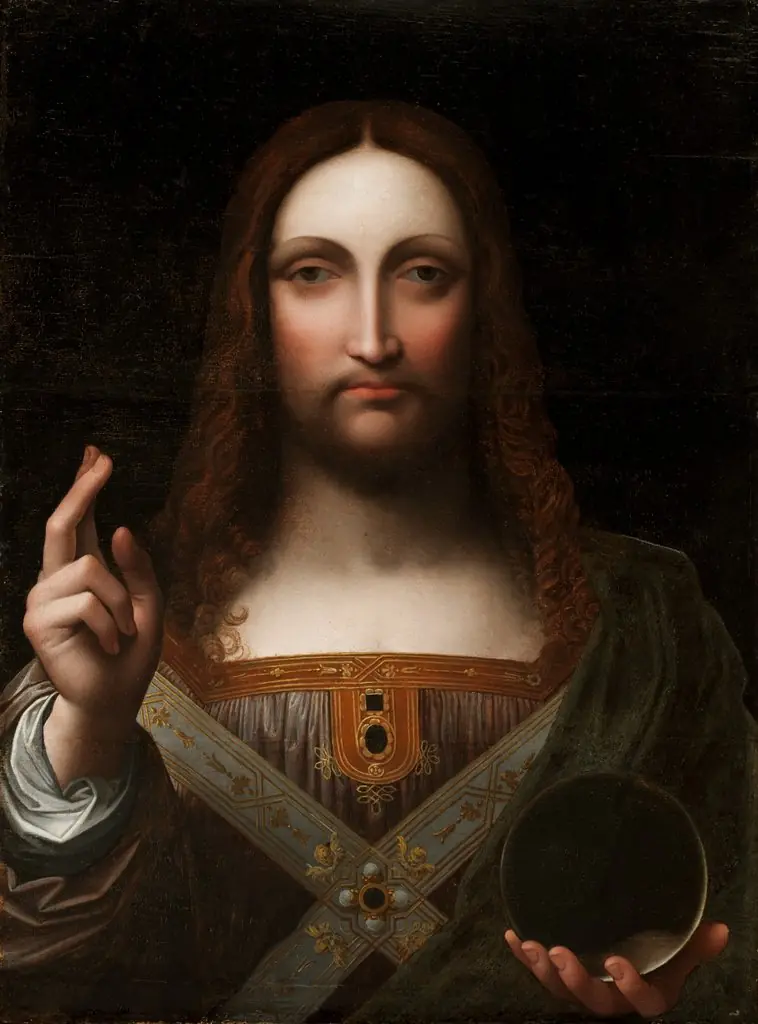
This painting portrays the infant Jesus as Salvator Mundi, or 'Savior of the World,' rendered in oil on panel. The child is depicted with soft, curly hair and dressed in a richly detailed red robe edged in gold. Set against a deep, shadowed background, the figure emerges through careful modulation of light and dark, emphasizing his physical presence and spiritual gravity.
Subject & Meaning
The infant Christ is shown holding a transparent globe, symbolizing his dominion over the earth. His serene expression and direct yet distant gaze convey divine awareness beyond childhood. The title Salvator Mundi links him to Christ’s role as redeemer, transforming a tender image of infancy into a statement of cosmic authority, rooted in theological tradition rather than naturalistic portrayal.
Technique & Style
The artist employs chiaroscuro to model the figure with subtle gradations of light, giving the form a rounded, tangible presence.
The artist employs chiaroscuro to model the figure with subtle gradations of light, giving the form a rounded, tangible presence. The contrast between the luminous robe and the dark background heightens the sense of depth. Delicate brushwork defines the curls of hair and the metallic sheen of the trim, while the globe’s transparency suggests an understanding of materiality beyond the child’s years.
History & Provenance
The painting’s origins are tied to late medieval and early Renaissance devotional practices, where images of the Christ Child as ruler of the world were common in private worship. While its exact early ownership is undocumented, its style aligns with Northern European workshops active in the 15th century, likely created for a devotional context rather than public display.
Context
During the 15th century, depictions of the infant Christ as Salvator Mundi reflected a growing emphasis on Christ’s dual nature—divine and human. Such images were used in personal prayer and meditation, reinforcing the belief that salvation was accessible through Christ’s incarnation. The composition’s intimacy and symbolic clarity made it suitable for private devotion among the devout.
Legacy
This image contributed to a persistent visual tradition in Christian art, influencing later representations of Christ as both child and sovereign. Its quiet dignity and symbolic precision set a precedent for devotional portraits that balanced humanity with transcendence. Though not widely known today, it remains a quiet example of how theological ideas were made visible through intimate, carefully rendered imagery.
Artist & collection

 Domestic Scene
 Giacomo and Cardinal Marco, investing Andrea, Abbot of San Zeno, with his Benefice
 The Nymph of Fontainebleau
 Portrait of a Woman
 Madonna and Child with Saints in the Enclosed Garden
 Venus and Minerva
 Family Group of Four on Sofa
 Wall painting from Room H of the Villa of P. Fannius Synistor at Boscoreale