Artwork
Salvator Mundi
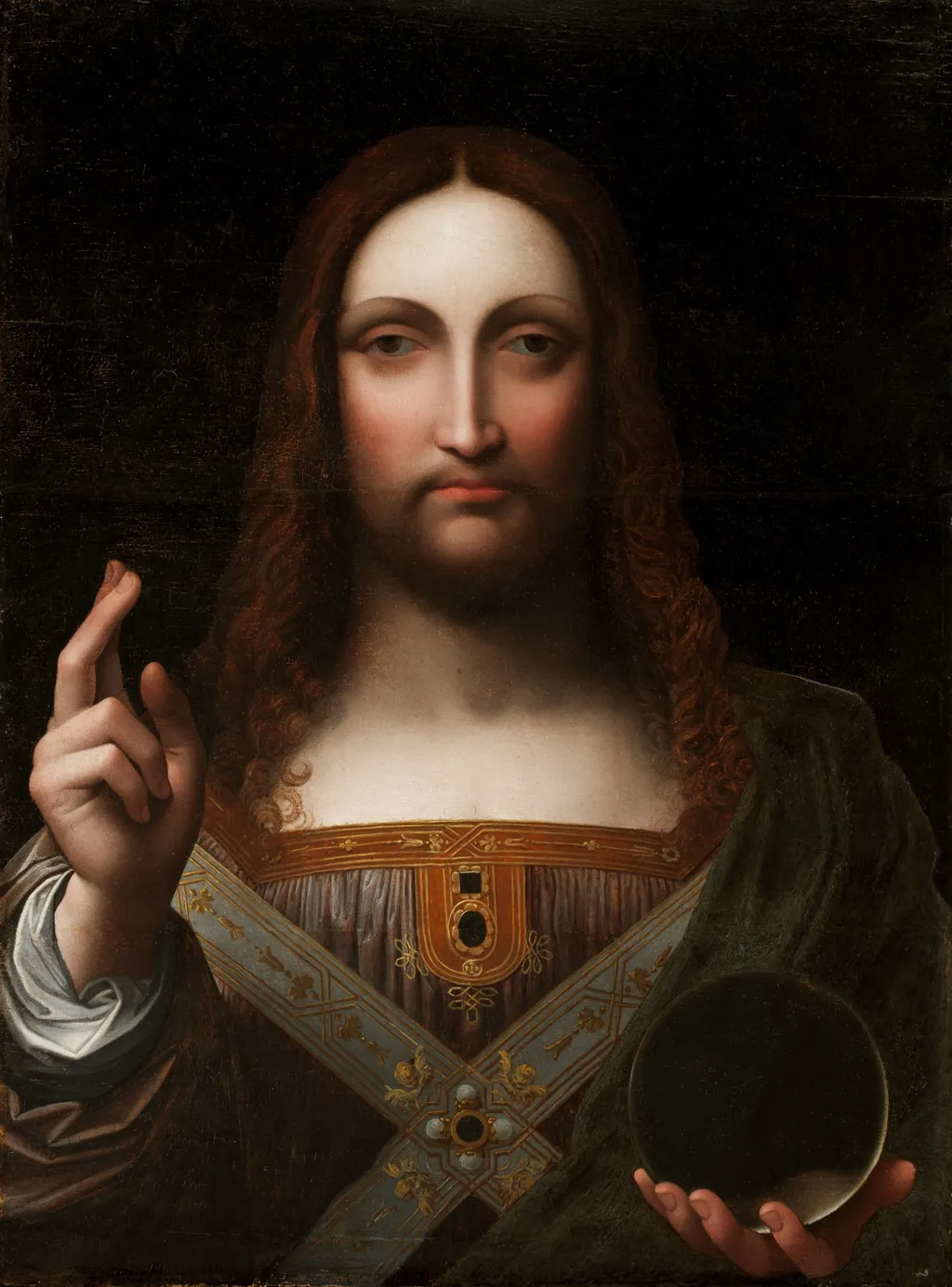
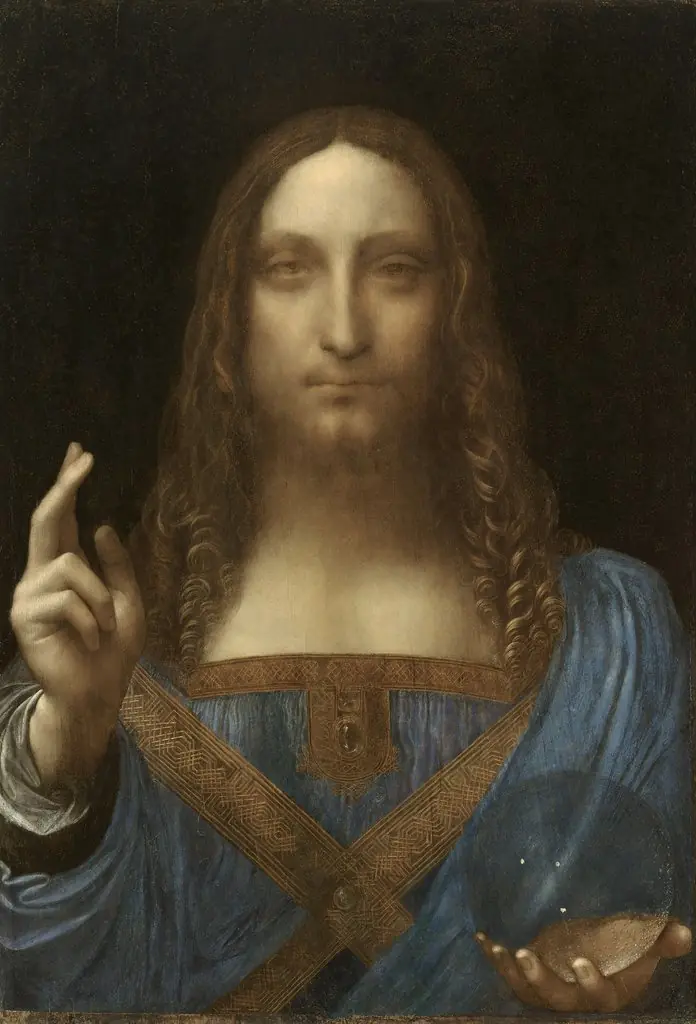
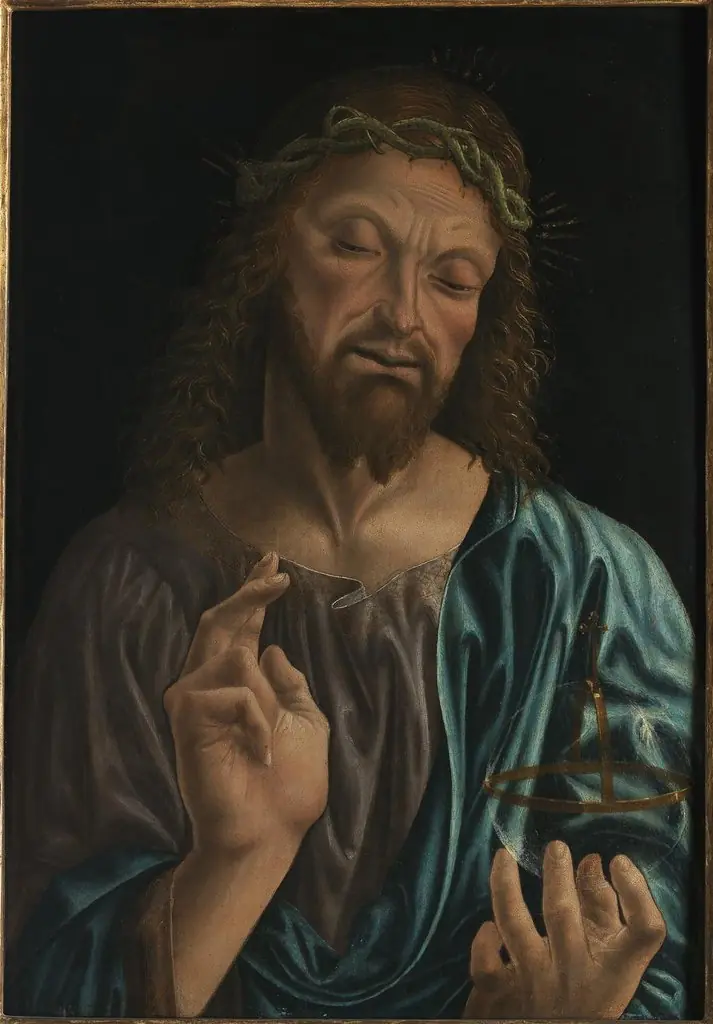
Salvator Mundi is an unspecified painting by the Mannerist artist Giampietrino. It dates from 1550 and is held in the collection of the Detroit Institute of Arts.
About this work
Overview
Giampietrino, a painter linked to Leonardo’s workshop and active from the late 1400s through the mid‑1500s, executed a version of the Salvator Mundi motif around 1550. The work belongs to the collection of the Detroit Institute of Arts, where it is displayed as a representative example of his later output.
Subject & Meaning
The composition presents Christ as the “Savior of the World,” a conventional devotional image. He holds a transparent globe in his left hand, symbolising his dominion over the earth, while his right hand is raised in a benediction, the index and middle fingers extended in the traditional gesture of blessing.
Technique & Style
Rendered in the Lombard tradition, the painting exhibits the elongated forms and refined surface treatment characteristic of early Mannerism. Giampietro’s handling of light creates a dark, atmospheric background that isolates the figure, while the gold‑and‑blue chest plate is rendered with intricate patterning that catches the eye.
History & Provenance
After its creation, the painting entered private collections before being acquired by the Detroit Institute of Arts. Its attribution to Giampietro, a member of Leonardo’s circle, has been supported by stylistic analysis linking it to the Lombard school’s late‑Renaissance output.
Own this work as a print
Artist & collection
Artist
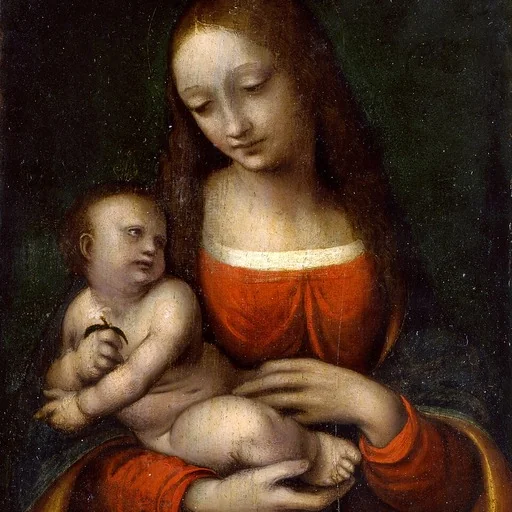
Giampietrino, probably Giovanni Pietro Rizzoli (active 1495–1549), was a north Italian painter of the Lombard school and Leonardo's circle, succinctly characterized by S. J. Freedberg as an "exploiter of Leonardo's repertory."