Artwork
The Régent of France, Philippe d'Orléans (1674-1723)
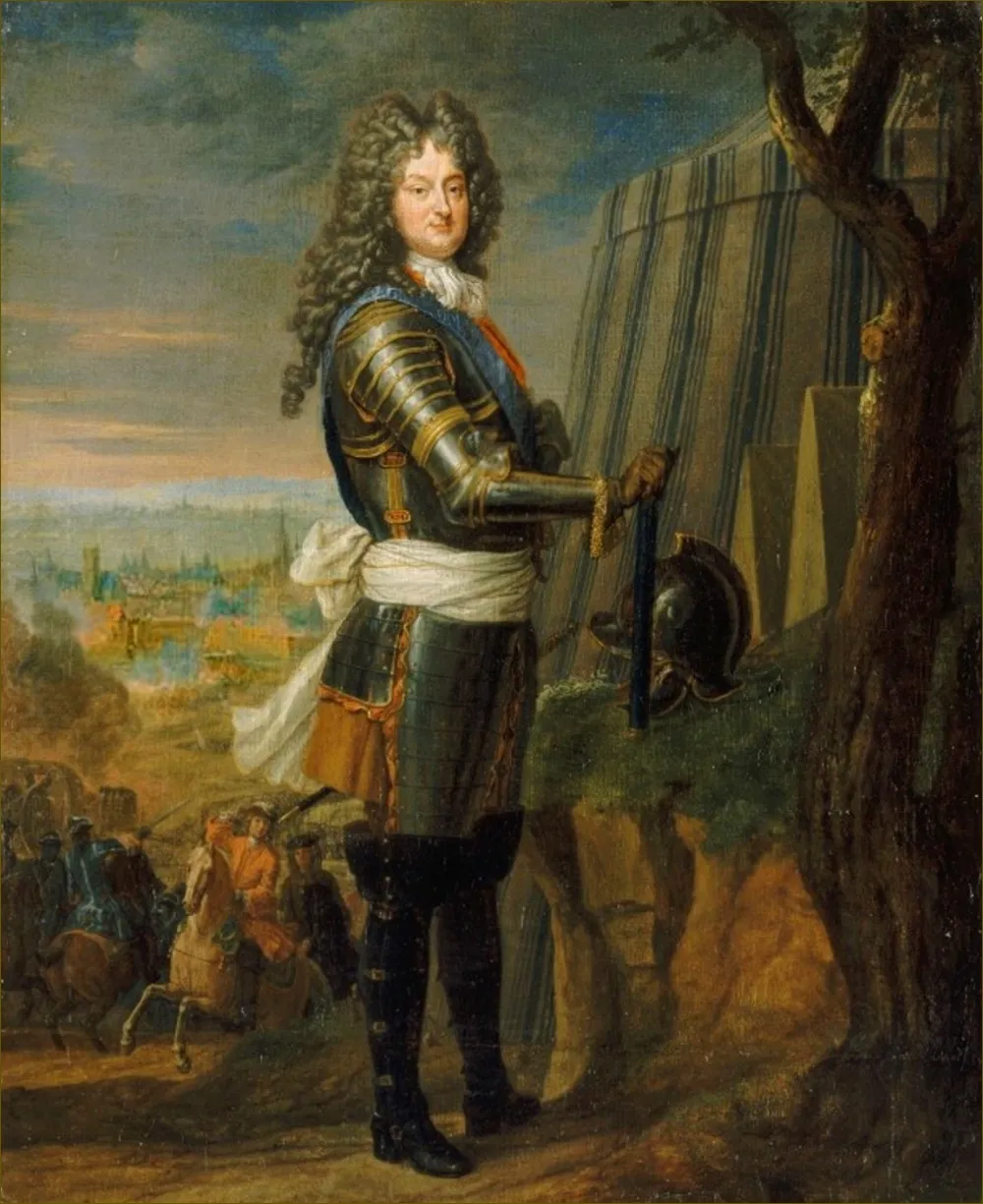
The Régent of France, Philippe d'Orléans (1674-1723) is an oil painting by the Rococo painting artist Unknown. It dates from 1717 and is held in the collection of the Palace of Versailles. This oil painting portrays Philippe d'Orléans, who served as Regent of France during the minority of Louis XV.
About this work
The painting's use of chiaroscuro creates a sense of depth and dimensionality, drawing the viewer's eye to the central figure.
The painting depicts a man in 18th-century attire, standing outdoors with a cityscape in the background. He wears a dark blue and gold jacket, a white cravat, and black boots, holding a helmet in his left hand.
In the background, a group of horsemen are visible, along with a large tree on the right side of the image. The man's attire and the cityscape suggest a scene from the early 18th century.
The painting's use of chiaroscuro creates a sense of depth and dimensionality, drawing the viewer's eye to the central figure. To learn more about the artist's use of chiaroscuro, look up the technique.
Overview
This oil painting portrays Philippe d'Orléans, who served as Regent of France during the minority of Louis XV. Dressed in formal 18th-century court attire, he stands outdoors against a backdrop of a distant urban landscape. The composition emphasizes his presence through careful lighting and spatial arrangement, with figures and foliage framing the scene without overwhelming the central figure.
Subject & Meaning
Philippe d'Orléans is depicted not in ceremonial regalia but in a more intimate, active posture, holding a helmet as if pausing during a ride. This suggests a moment of leadership tempered by personal resolve. The cityscape behind him alludes to his governance over Paris and the kingdom, while the horsemen imply military or administrative authority, reinforcing his role as de facto ruler during a transitional period in French history.
Technique & Style
The artist employs chiaroscuro to model the figure with subtle gradations of light and shadow, enhancing the three-dimensionality of the Regent’s form. The dark blue and gold jacket catches ambient light, contrasting with the muted tones of the background. Brushwork is precise yet restrained, favoring naturalism over ornamentation, and the spatial depth is carefully constructed to guide the viewer’s focus toward the central figure.
History & Provenance
The painting was likely commissioned during Philippe d'Orléans’s regency (1715–1723), possibly to commemorate his political role. Its early 18th-century context aligns with the French court’s tradition of using portraiture to project authority. While the artist remains unidentified, the style suggests ties to the French academic tradition of the period, possibly linked to studios active in Paris or Versailles.
Context
Created during a time of political uncertainty following Louis XIV’s death, the portrait reflects efforts to stabilize the monarchy’s image under a new regent. The outdoor setting departs from formal court portraits, hinting at a more accessible, yet still authoritative, public persona. The inclusion of a cityscape and mounted attendants situates the Regent within the broader framework of state power and civic life.
Legacy
The portrait endures as a visual record of a pivotal figure in early 18th-century French governance. Though not widely reproduced, it contributes to the understanding of how regency authority was visually articulated during the transition from absolutism to a more administrative monarchy. Its restrained elegance reflects the evolving aesthetics of French portraiture beyond the grandeur of the Sun King’s era.
Artist & collection

 Domestic Scene
 Giacomo and Cardinal Marco, investing Andrea, Abbot of San Zeno, with his Benefice
 The Nymph of Fontainebleau
 Portrait of a Woman
 Madonna and Child with Saints in the Enclosed Garden
 Venus and Minerva
 Family Group of Four on Sofa
 Wall painting from Room H of the Villa of P. Fannius Synistor at Boscoreale
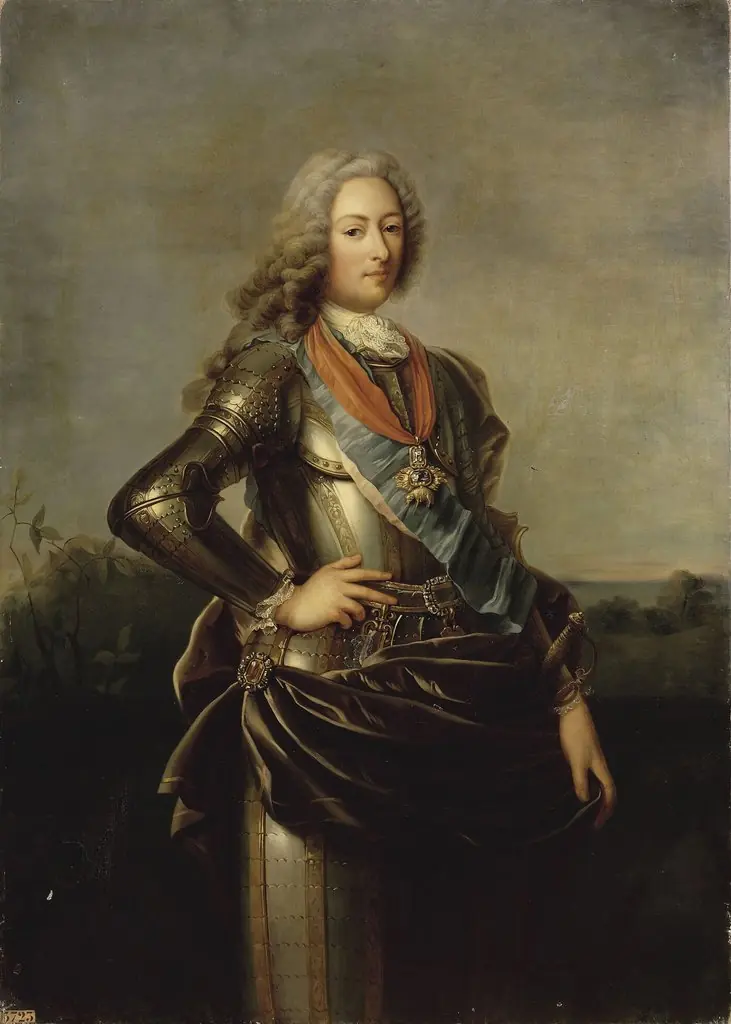 Louis of Orleans, Duke of Orleans
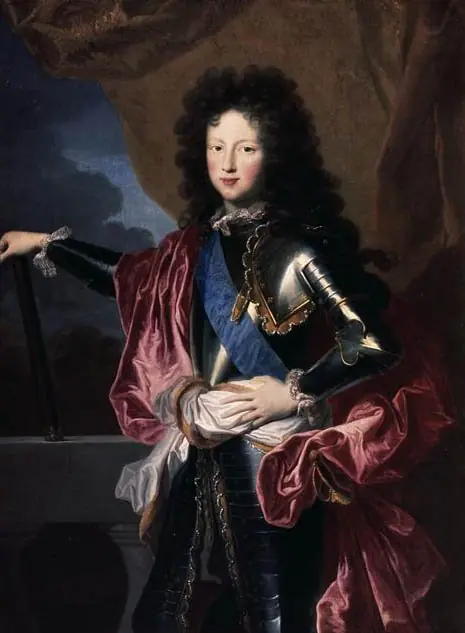 Portrait of Philippe II of Orléans (1674–1723), future regent of France
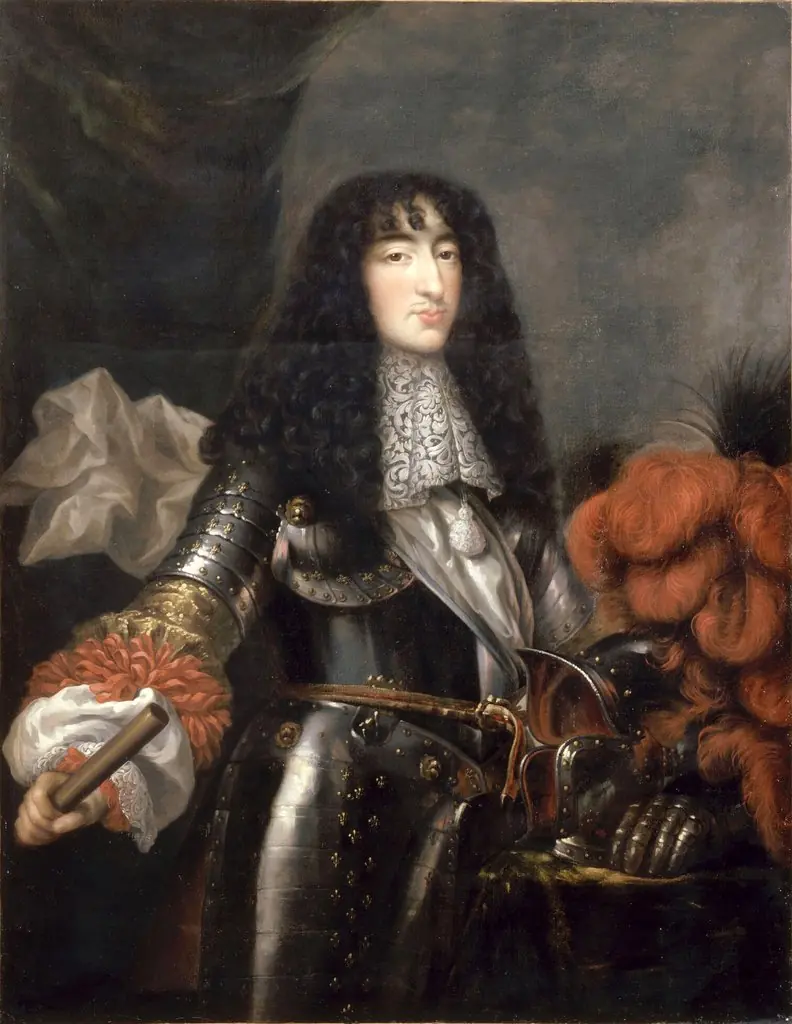 Philippe of France, Duke of Orleans
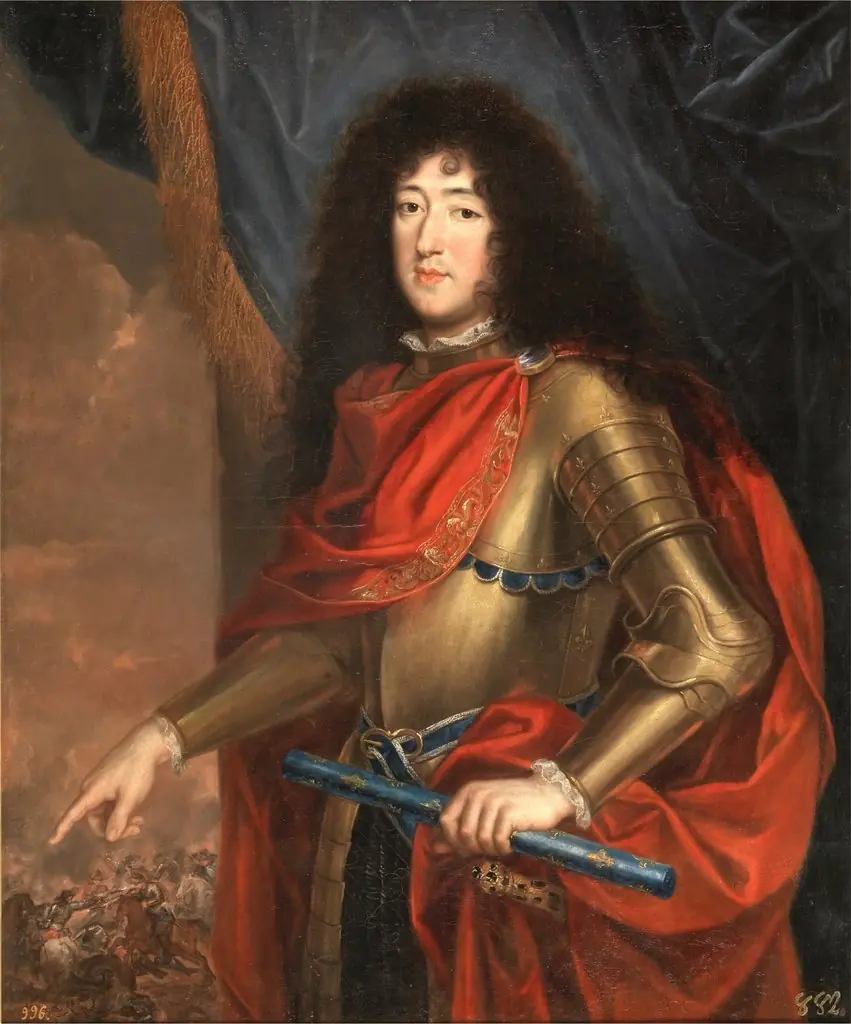 Phillip of France, I Duke of Orléans
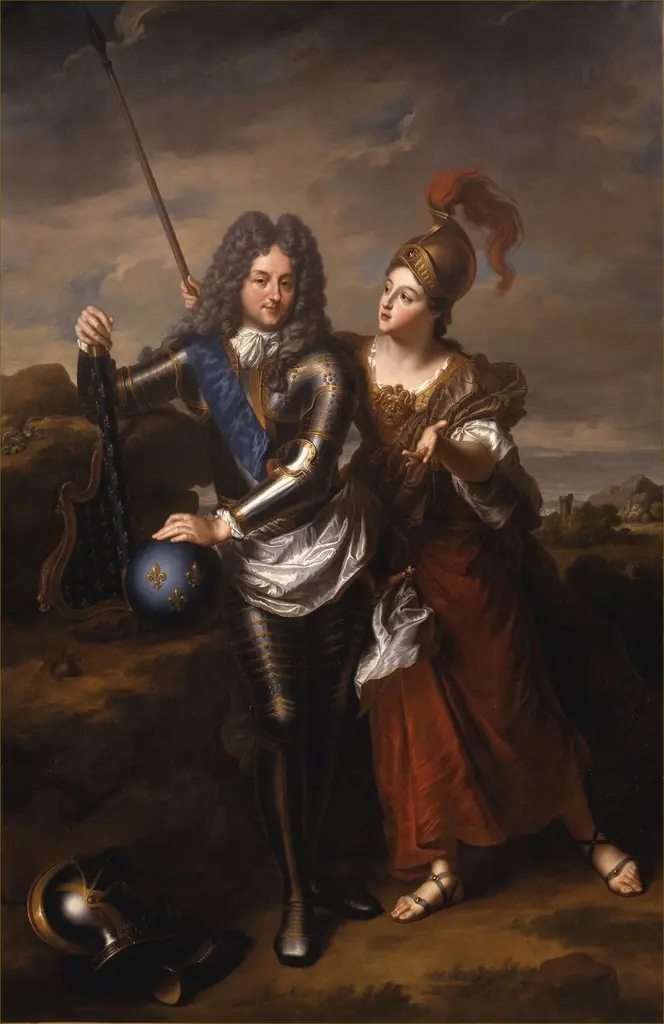 Philippe II d'Orleans, Regent of France and Madame de Parabere as Minerva
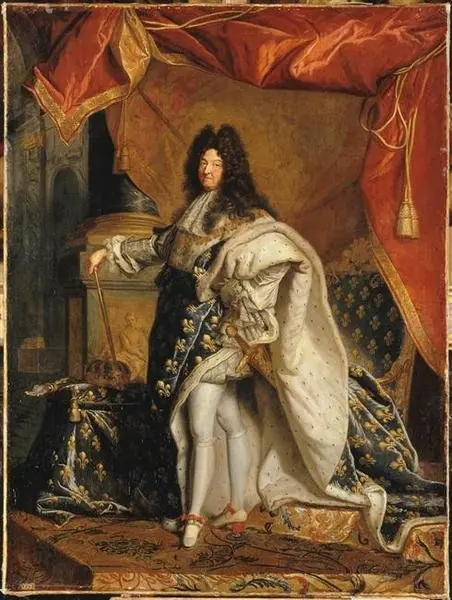 Louis XIV, King of France (1638-1715)
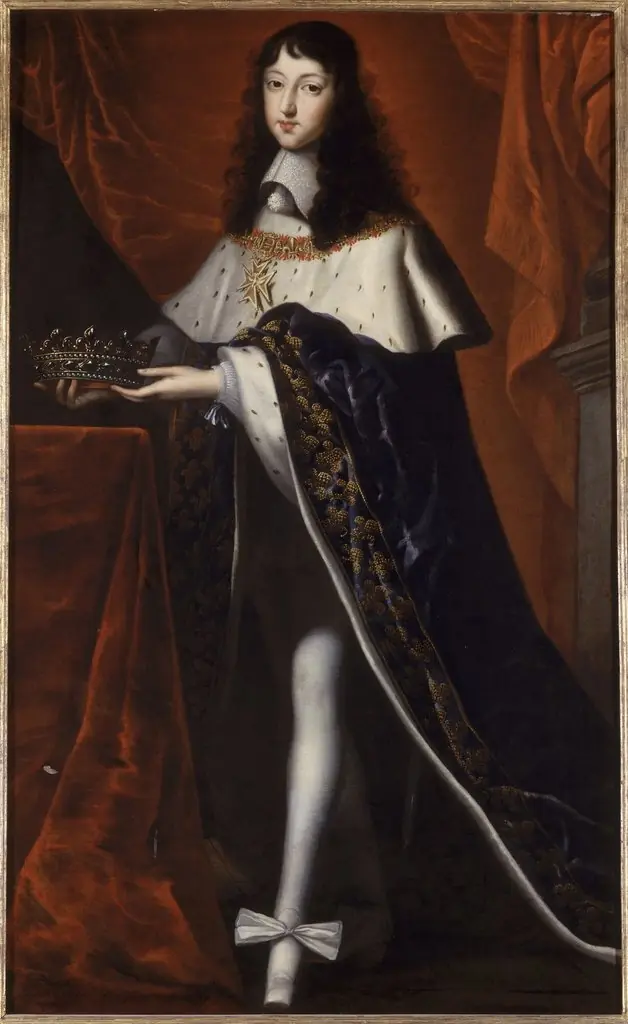 Philippe of France, Duke of Orleans