Artwork
Jeanne de Halluin, dame d'Alluye
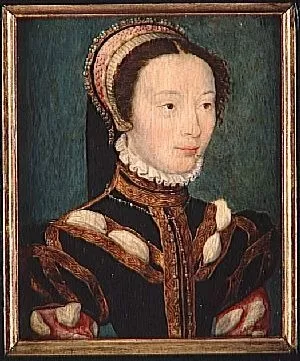
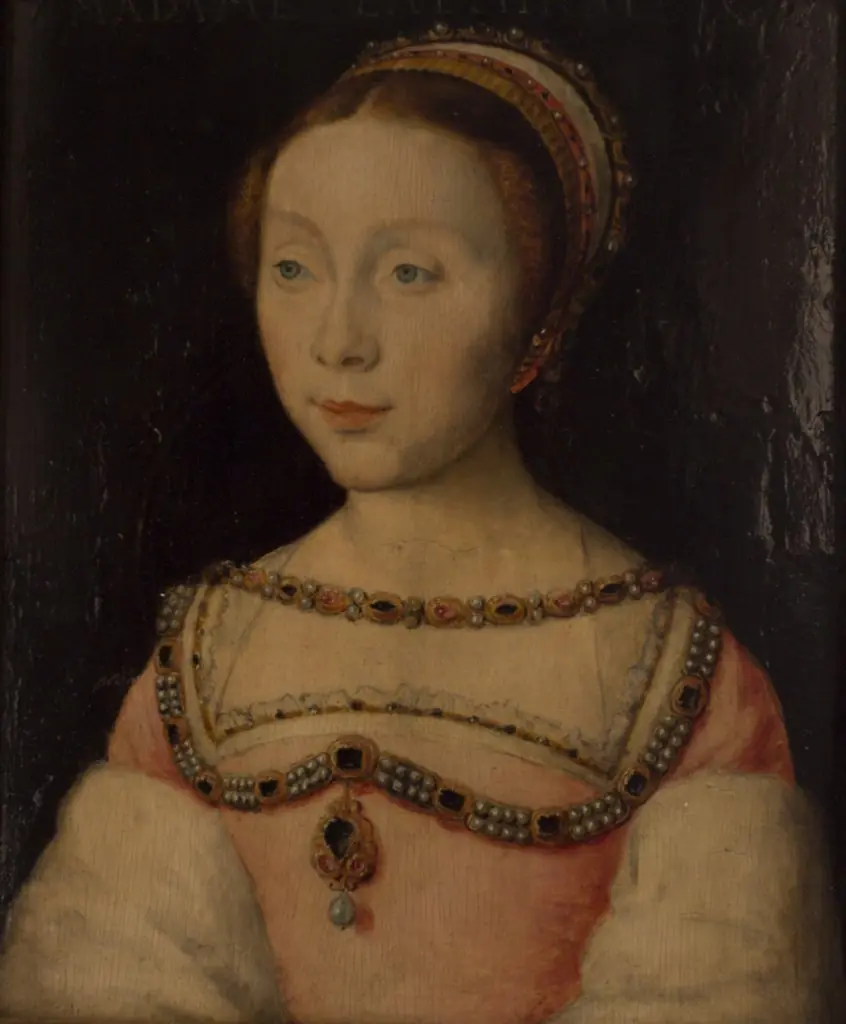
Jeanne de Halluin, dame d'Alluye is an oil painting by Unknown. It is held in the collection of the Palace of Versailles. This wooden panel portrait depicts Jeanne de Halluin, identified as dame d'Alluye, a noblewoman of the French Renaissance.
About this work
Overview
This wooden panel portrait depicts Jeanne de Halluin, identified as dame d'Alluye, a noblewoman of the French Renaissance.
This wooden panel portrait depicts Jeanne de Halluin, identified as dame d'Alluye, a noblewoman of the French Renaissance. Rendered with quiet precision, the image captures her in formal attire against a soft green backdrop. The composition centers her face and upper torso, isolating her in a moment of stillness. The medium and scale suggest a private devotional or commemorative function rather than public display.
Subject & Meaning
Jeanne de Halluin is portrayed not as a symbol of status but as an individual immersed in introspection. Her downward gaze and faint smile suggest inner reflection rather than outward performance. The restrained elegance of her dress and the absence of overt heraldry imply a preference for personal dignity over aristocratic display. The painting invites contemplation of her inner life, aligning with Renaissance ideals of inner virtue.
Technique & Style
The artist employs subtle chiaroscuro to model the face and hands, lending volume without dramatic contrast. Fine brushwork defines the texture of the ruffled collar and the metallic sheen of gold embroidery, while the black dress absorbs light to frame the luminous skin. The muted green background lacks detail, focusing attention on the figure. The wooden panel’s smooth surface supports delicate layering, typical of Northern European portraiture of the period.
History & Provenance
The painting is attributed to a French or Flemish workshop active in the early 16th century, though the artist remains unidentified. Jeanne de Halluin’s title suggests ties to the Loire Valley nobility. The work likely originated as a private commission, possibly for a family chapel or domestic space. Its survival in relatively intact condition indicates careful preservation, though its early ownership history is undocumented.
Context
Created during a time when portraiture increasingly emphasized individual identity, this work reflects the shift from symbolic representation to psychological nuance. Unlike courtly portraits that highlight wealth, this image prioritizes quiet demeanor, echoing contemporary religious and humanist values. Similar portraits from the Loire region often feature subdued palettes and contemplative expressions, indicating a regional aesthetic preference.
Legacy
The portrait endures as an example of understated Renaissance portraiture, valued for its emotional restraint and technical finesse. It contributes to scholarly understanding of how noblewomen were visually represented beyond ceremonial roles. Though not widely exhibited, it remains a reference point in studies of private commission practices and gendered expression in early modern French art.
Artist & collection

 Domestic Scene
 Giacomo and Cardinal Marco, investing Andrea, Abbot of San Zeno, with his Benefice
 The Nymph of Fontainebleau
 Portrait of a Woman
 Madonna and Child with Saints in the Enclosed Garden
 Venus and Minerva
 Family Group of Four on Sofa
 Wall painting from Room H of the Villa of P. Fannius Synistor at Boscoreale
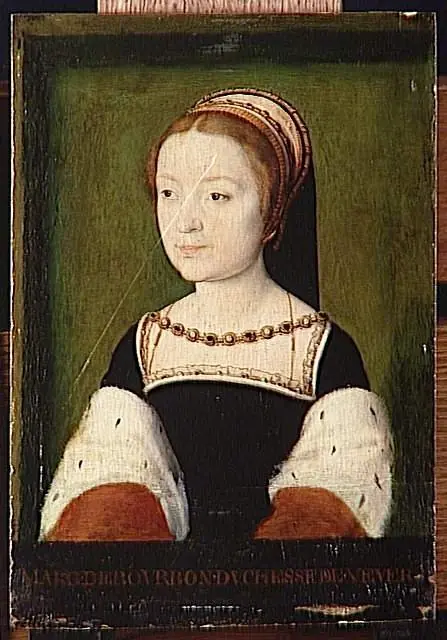 Madeleine of France, Queen of Scots (1520-1537)
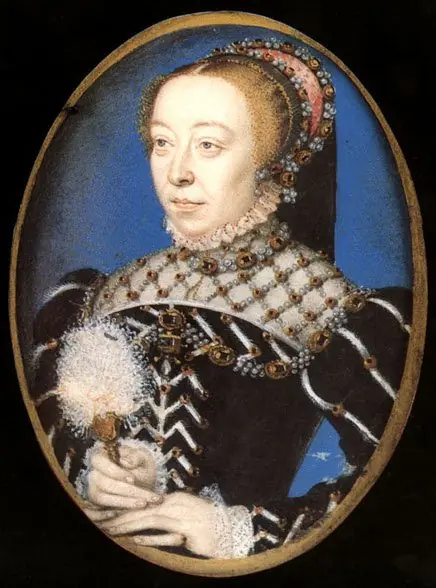 Portrait of Catherine de' Medici (1519-1589)
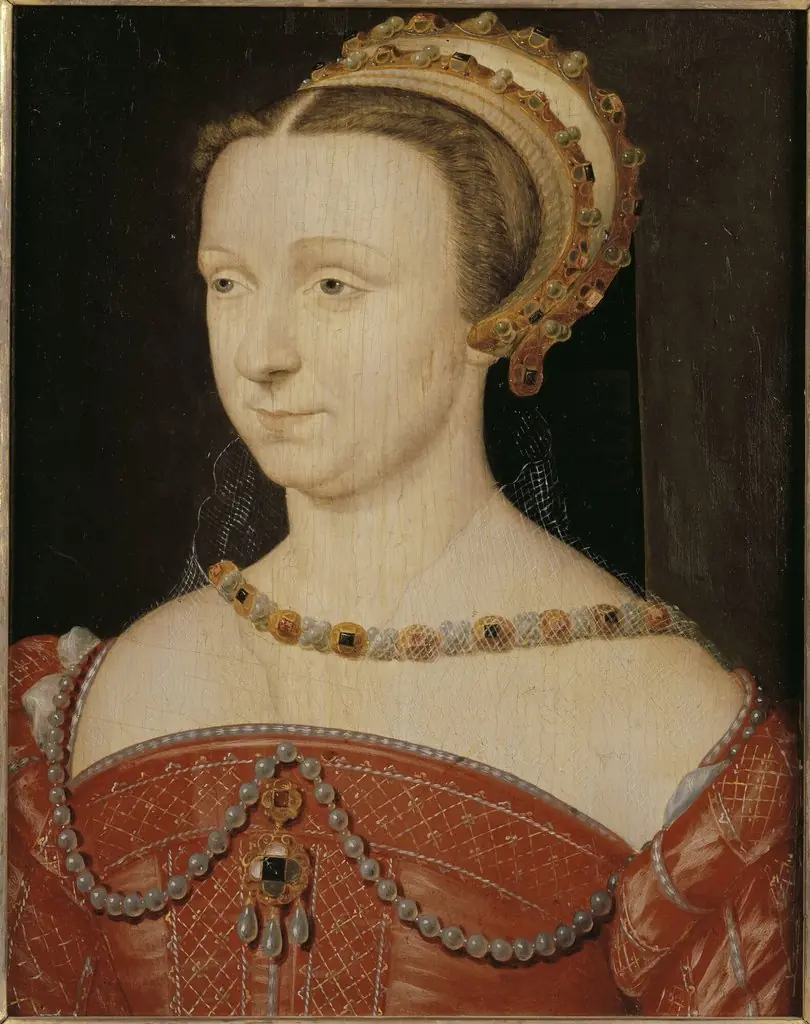 Anne d'Este-Ferrare, Duchess of Guise and Nemours (1537-1607)
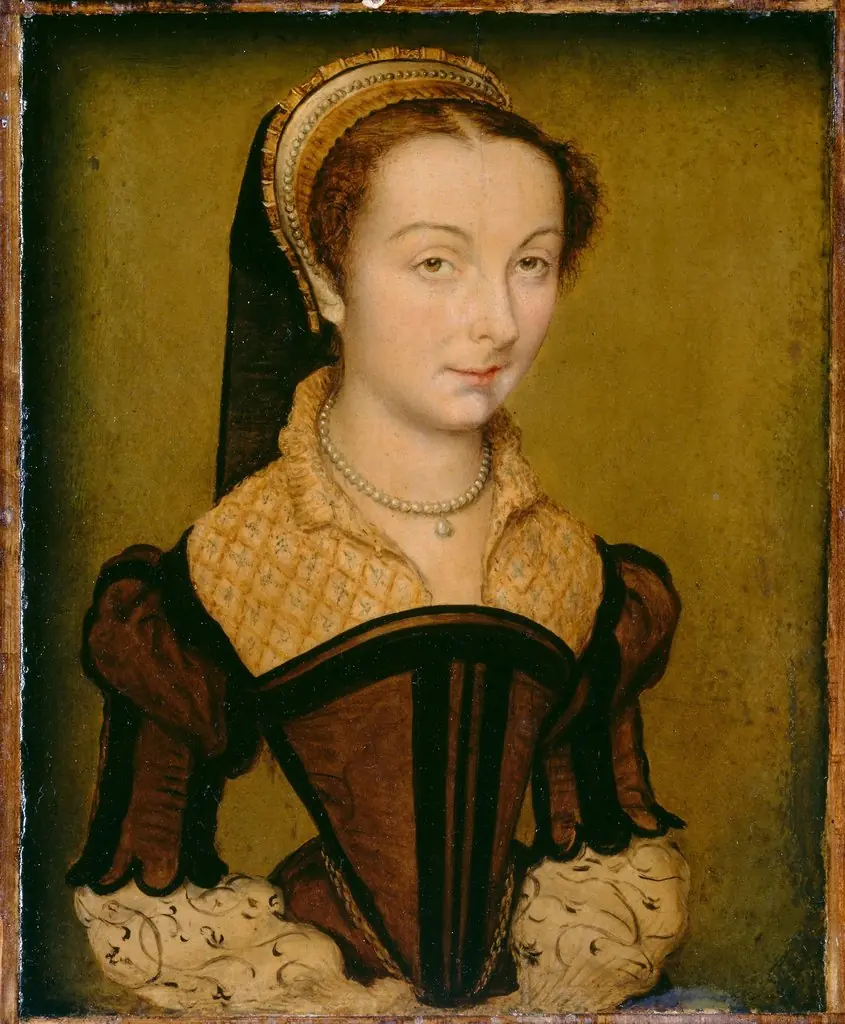 Portrait of Louise de Halluin, dame de Cipierre
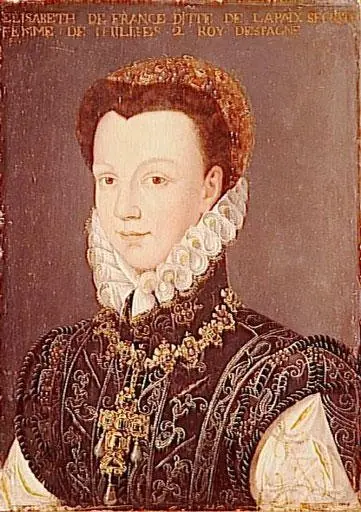 Portrait of Elisabeth of Valois
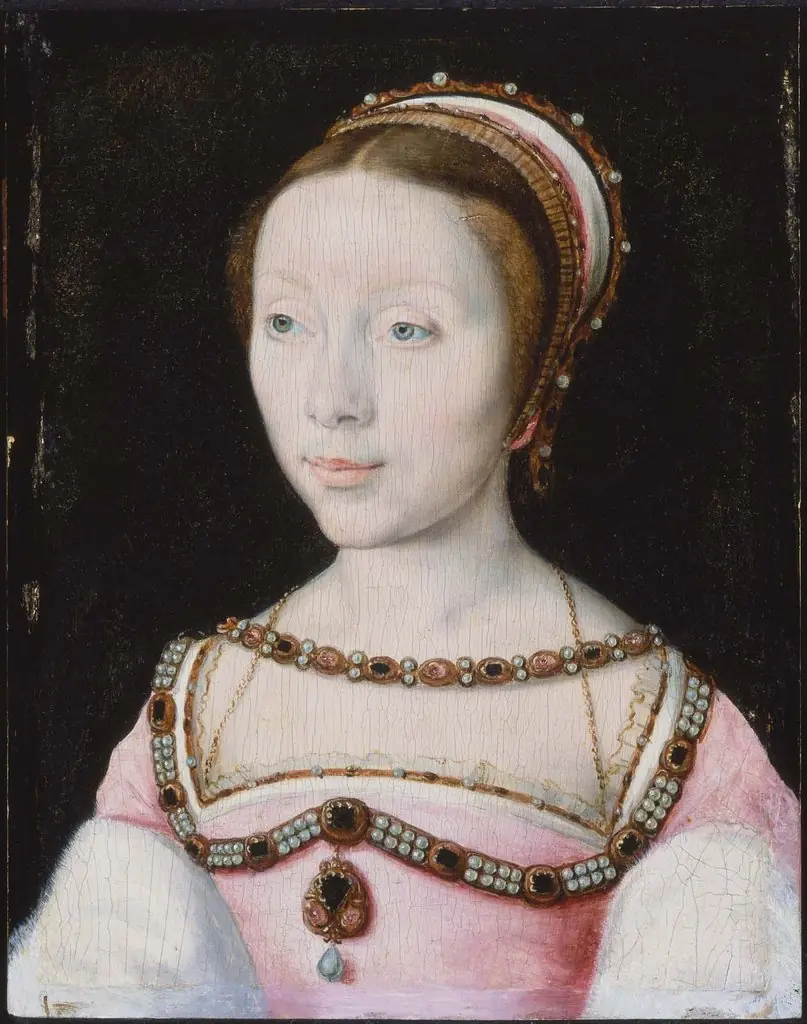 Françoise de Longwy
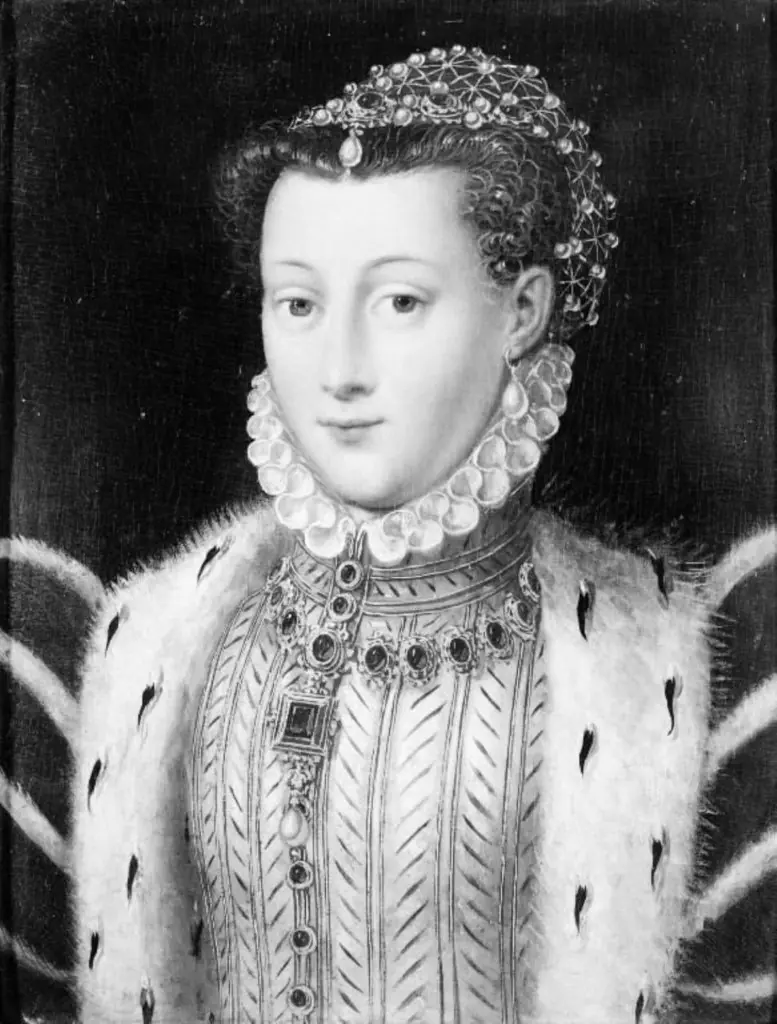 Portrait of a Woman, said to be Mary Queen of Scots
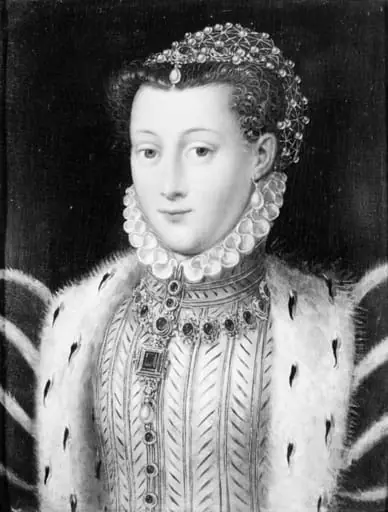 Portrait of a Woman, said to be Mary Queen of Scots
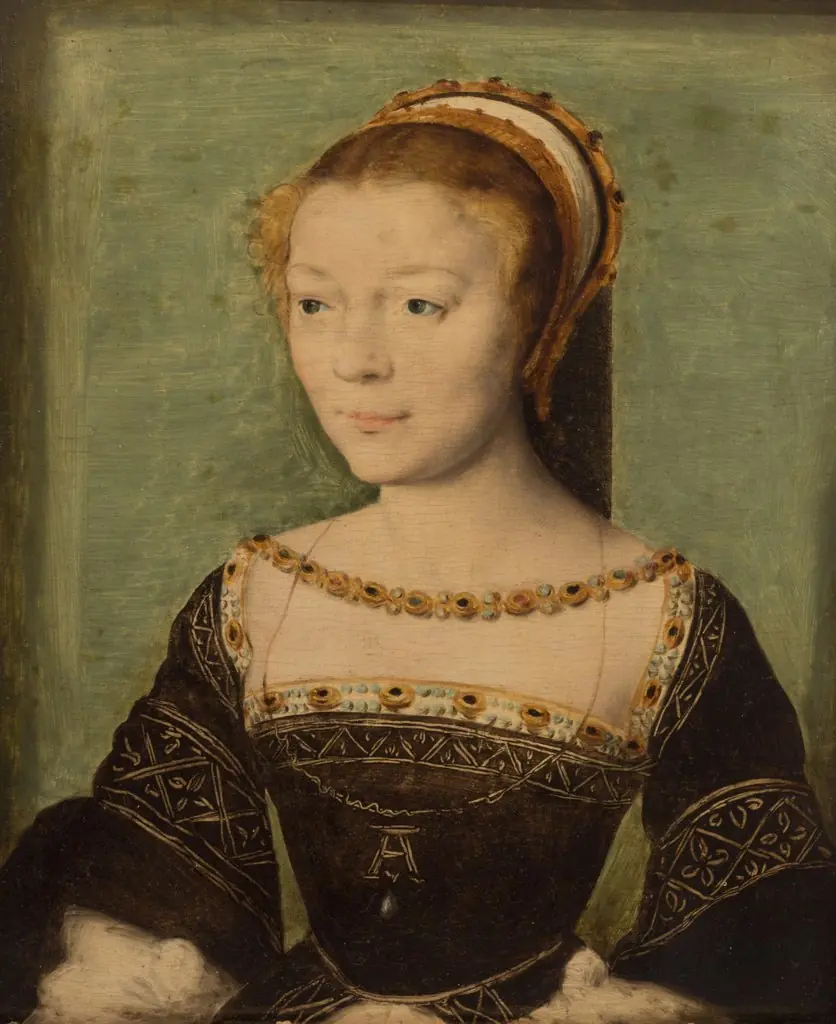 Anne de Pisseleu (1508–1576), Duchesse d'Étampes
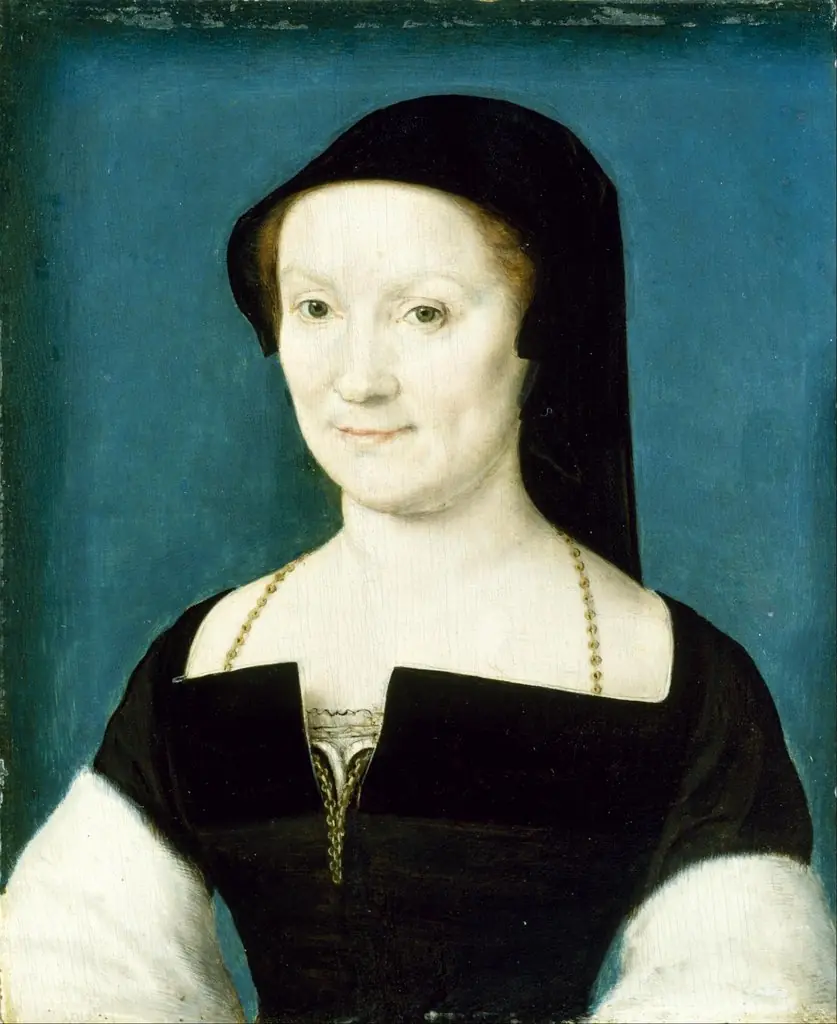 Isabeau de Savoie, Comtesse du Bouchage
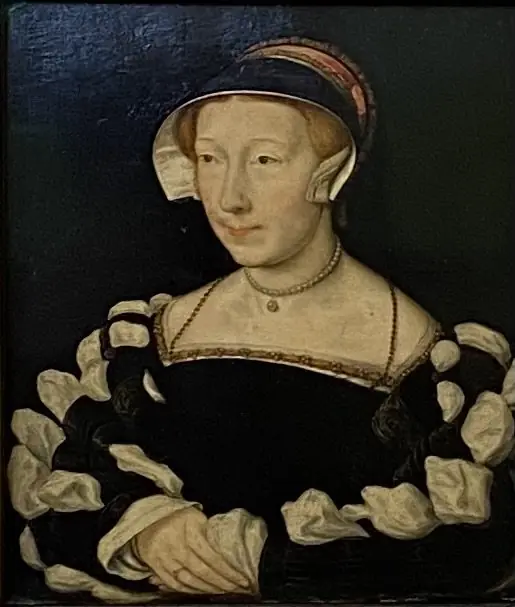 Portrait of a woman in a black velvet dress
 Françoise de Longwy, Countess of Chabot