Artwork
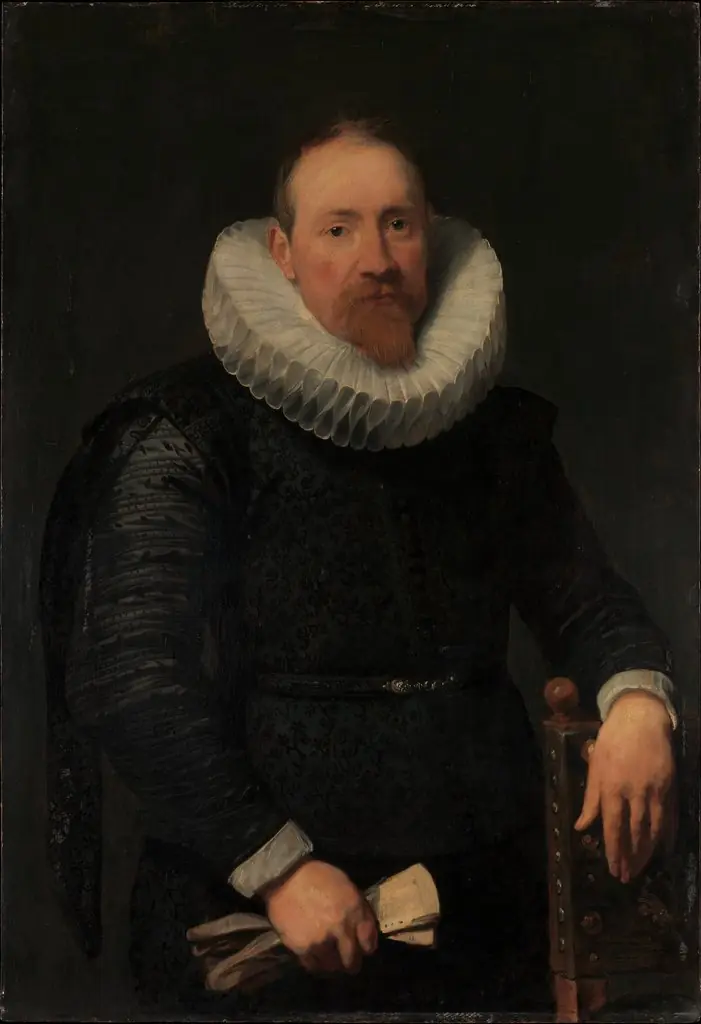
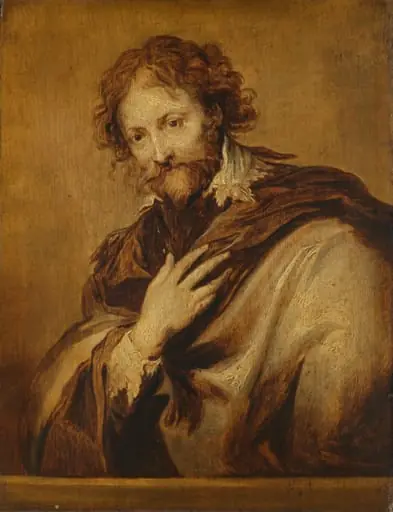
Portrait of a man, identified as Peter Paul Rubens (1577-1640). Painter and diplomat
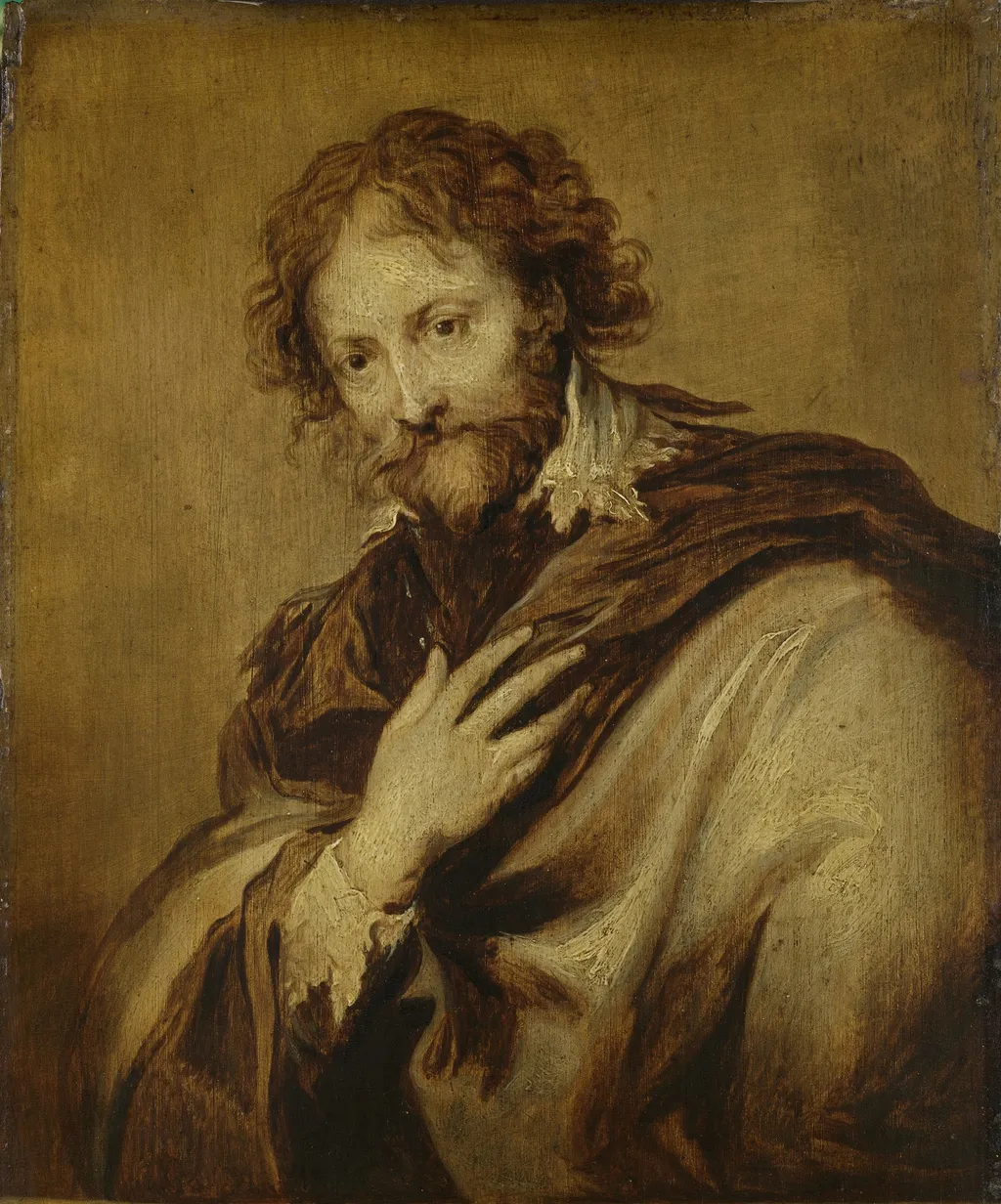
Portrait of a man, identified as Peter Paul Rubens (1577-1640). Painter and diplomat is an oil painting by the Flemish Baroque painting artist Anthony van Dyck. It is held in the collection of the Rijksmuseum.
About this work
Overview
Anthony van Dyck’s oil portrait, dated circa 1650, presents a seated gentleman identified as the celebrated Flemish painter and diplomat Peter Paul Rubens (1577–1640). Executed in the Baroque portrait tradition, the work emphasizes the sitter’s dignified presence through restrained composition and a dark, unadorned backdrop that directs attention to his facial features and attire.
Subject & Meaning
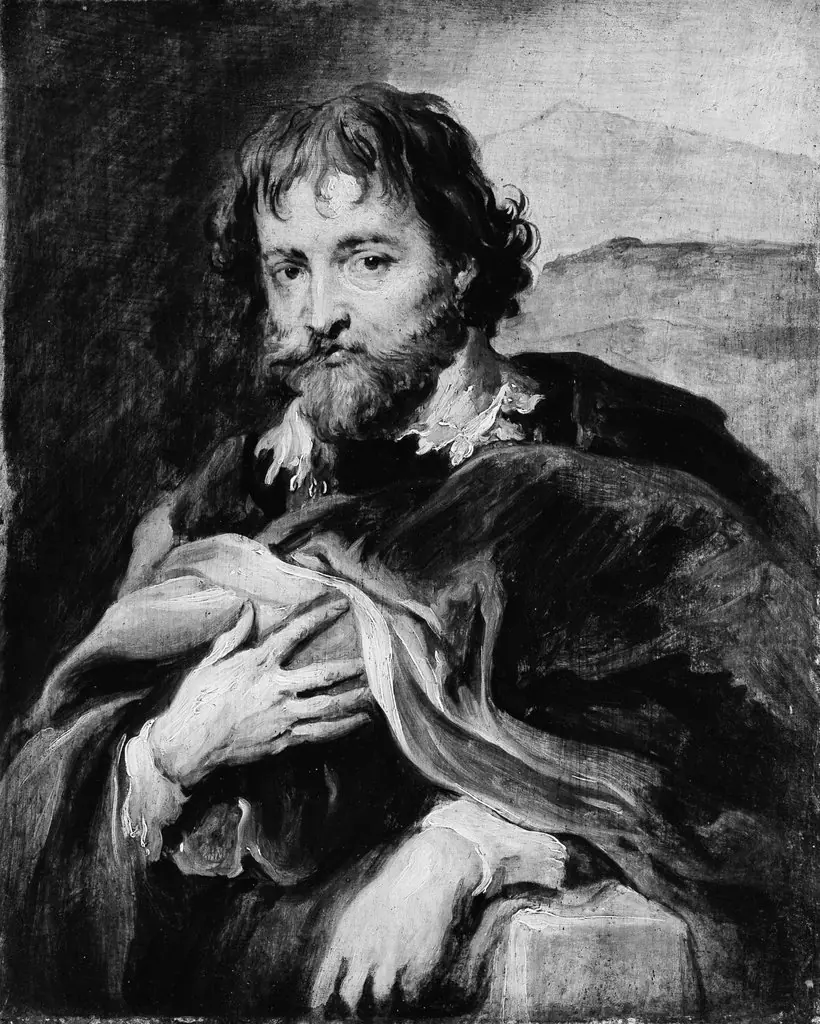
The figure is rendered with curly hair, a full beard, and a dark cloak draped over a light shirt, his left hand placed on his chest in a pose suggesting contemplation or resolve. By portraying Rubens, van Dyck not only honors his former master but also underscores the cultural stature of the artist‑diplomat within the 17th‑century Flemish elite.
Technique & Style
Van Dyck employs a subtle chiaroscuro, modeling Rubens’s face with gradations of light and shadow that give a three‑dimensional quality. The texture of the beard and the crispness of the collar are achieved through fine brushwork, while the plain, dark background isolates the sitter, enhancing the visual impact of the illuminated features.
History & Provenance
The portrait entered the collection of the Rijksmuseum in Amsterdam, where it remains on display. Its acquisition history reflects the museum’s focus on Dutch and Flemish Baroque art, and the work has been catalogued as part of van Dyck’s mature output following his years as court painter in England.
Context
Van Dyck began his artistic training in Rubens’s workshop, absorbing the master’s compositional vigor and colour palette. By the time he painted this portrait, van Dyck had established a reputation as a leading portraitist across Europe, and the painting serves as a visual testament to the professional lineage linking the two artists within the broader Baroque movement.
Own this work as a print
Artist & collection
Artist
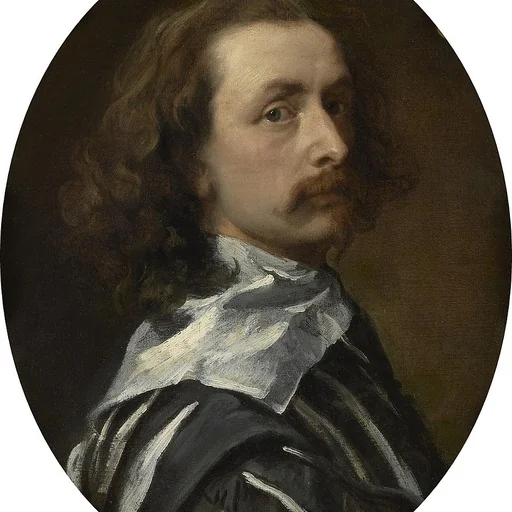
Sir Anthony van Dyck (; Dutch: Antoon van Dijck ; 22 March 1599 – 9 December 1641) was a Flemish Baroque artist, who became the leading court painter in England after success in the Spanish Netherlands and Italy.