Artwork
Sir Peter Paul Rubens (1577–1640)
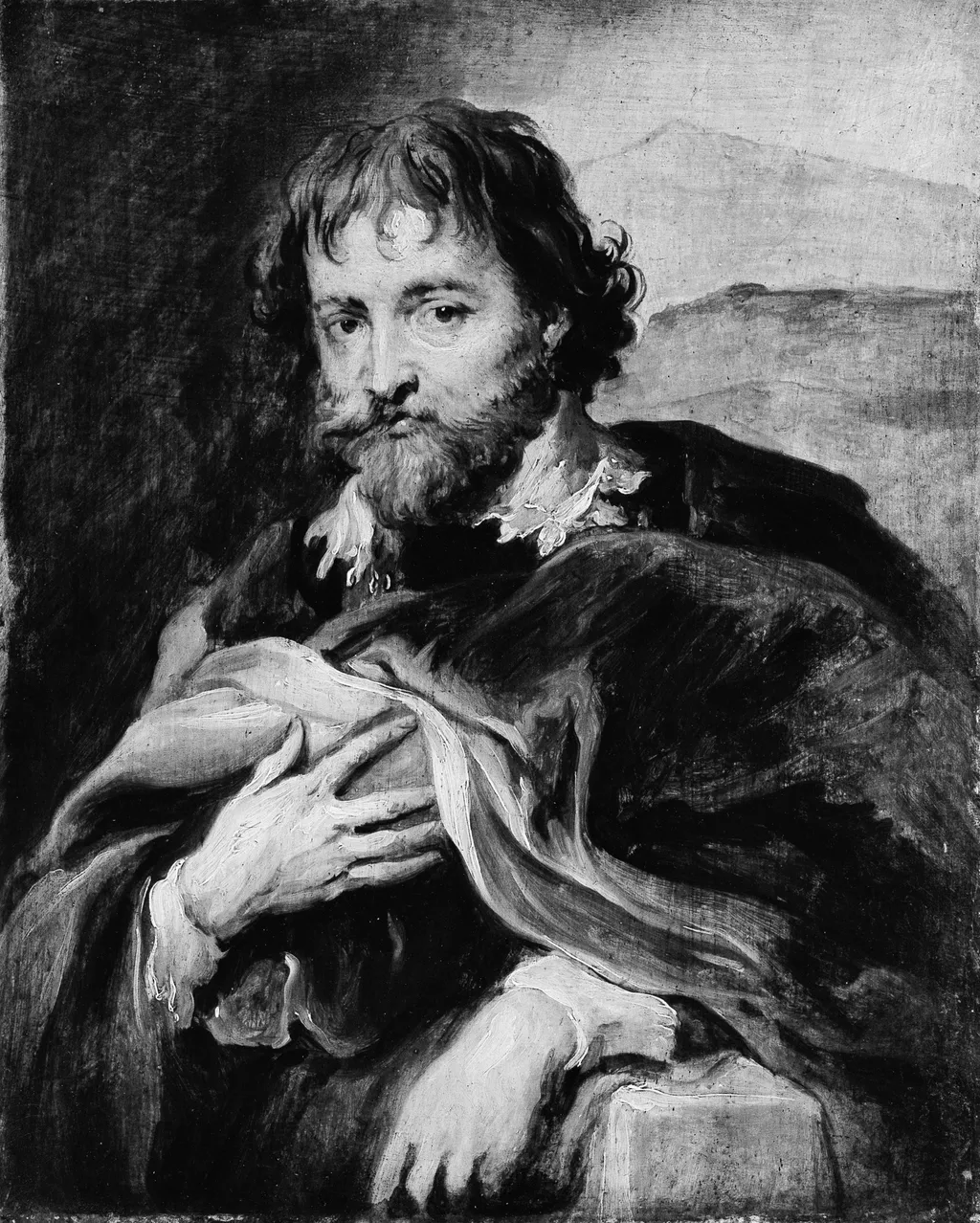
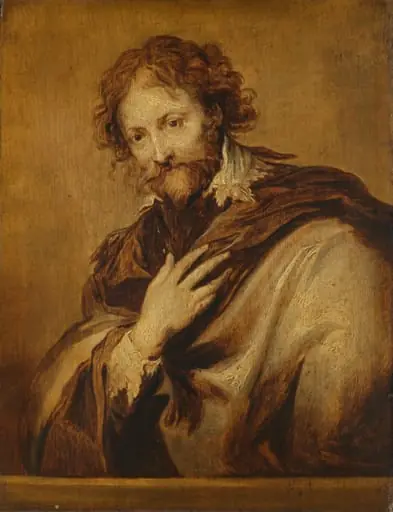
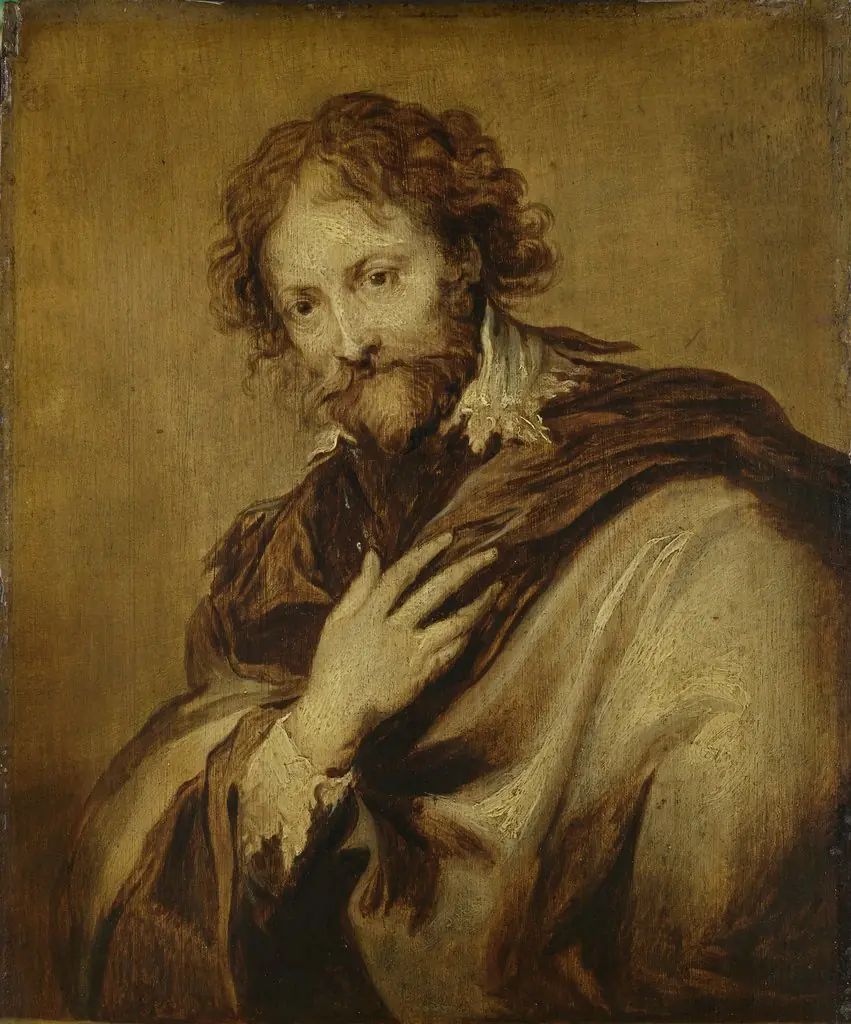
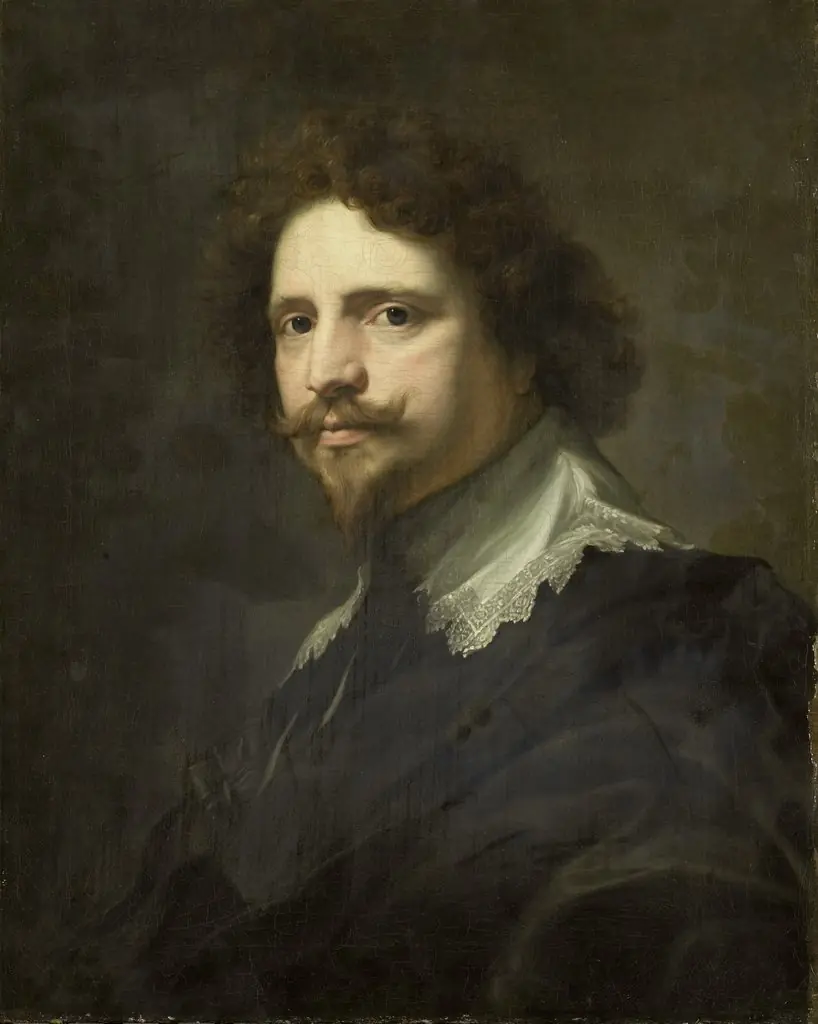
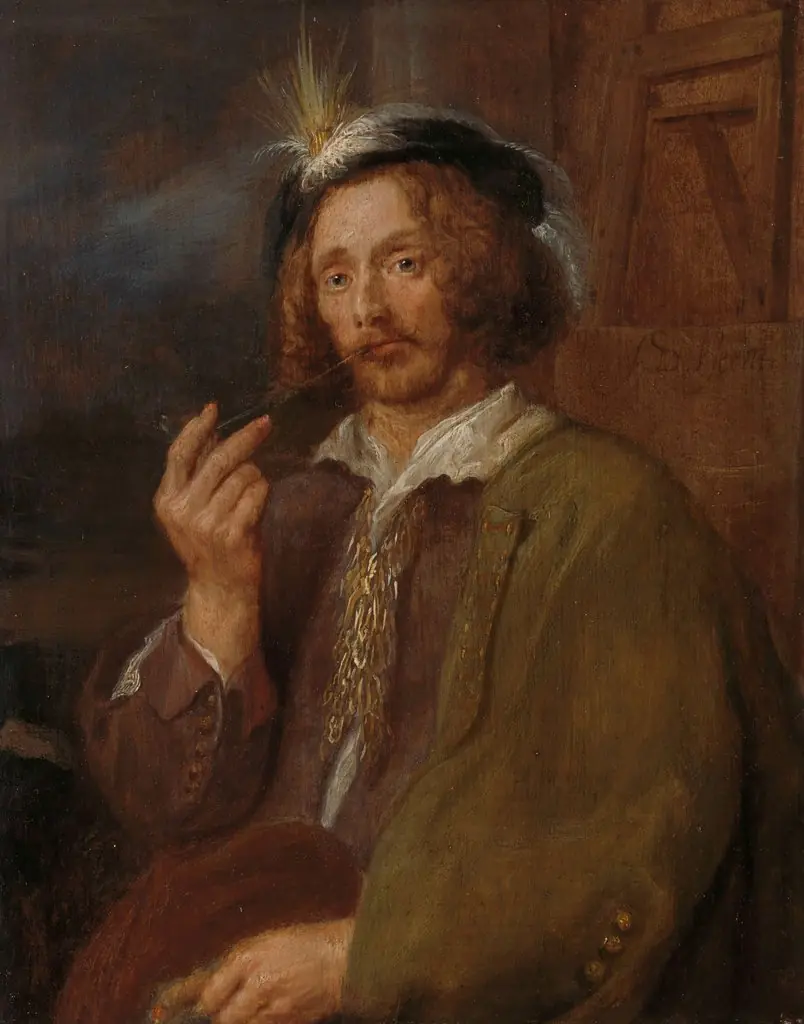
Sir Peter Paul Rubens (1577–1640) is an oil painting. It dates from 1649 and is held in the collection of the Metropolitan Museum of Art. The work is an oil painting portraying a bearded man in a dark robe with a white collar, his arm draped in a white cloth.
About this work
This painting shows a man with a beard and mustache, wearing a dark robe with a white collar and a white cloth draped over his arm.
This painting shows a man with a beard and mustache, wearing a dark robe with a white collar and a white cloth draped over his arm. He has a serious expression on his face and is looking directly at the viewer.
The man's clothing and the background of the painting suggest that it is a portrait from the 17th century. The use of chiaroscuro, impasto, and glazing techniques adds depth and texture to the painting.
To learn more about the artist's use of chiaroscuro, impasto, and glazing techniques, explore the technique of chiaroscuro.
Overview
The work is an oil painting portraying a bearded man in a dark robe with a white collar, his arm draped in a white cloth. He gazes directly at the viewer with a solemn expression, characteristic of portraiture from the early seventeenth century.
Subject & Meaning
The sitter appears to be a dignified figure, possibly a scholar or official, suggested by his attire and the restrained demeanor. The direct eye contact invites contemplation of his status and character, a common aim of portraiture in the period.
Technique & Style
The artist employs strong chiaroscuro, creating a dramatic contrast between light and shadow that models the face and fabric. Thick impasto in the darker areas adds tactile depth, while subtle glazing over highlights produces a luminous finish, enhancing the realism of the textures.
Context
Portraits of this type were popular among the European elite in the 1600s, reflecting both personal prestige and the growing interest in individual identity. The composition follows conventions of the Baroque era, emphasizing naturalistic detail and psychological presence.
Legacy
While the painting’s provenance is not detailed here, its technical execution exemplifies the period’s mastery of oil paint, illustrating how artists combined chiaroscuro, impasto, and glazing to achieve a three‑dimensional effect that influenced subsequent portraiture.
Artist & collection