Artwork
Portrait of a boy (Portrait of prince of Reichstadt)
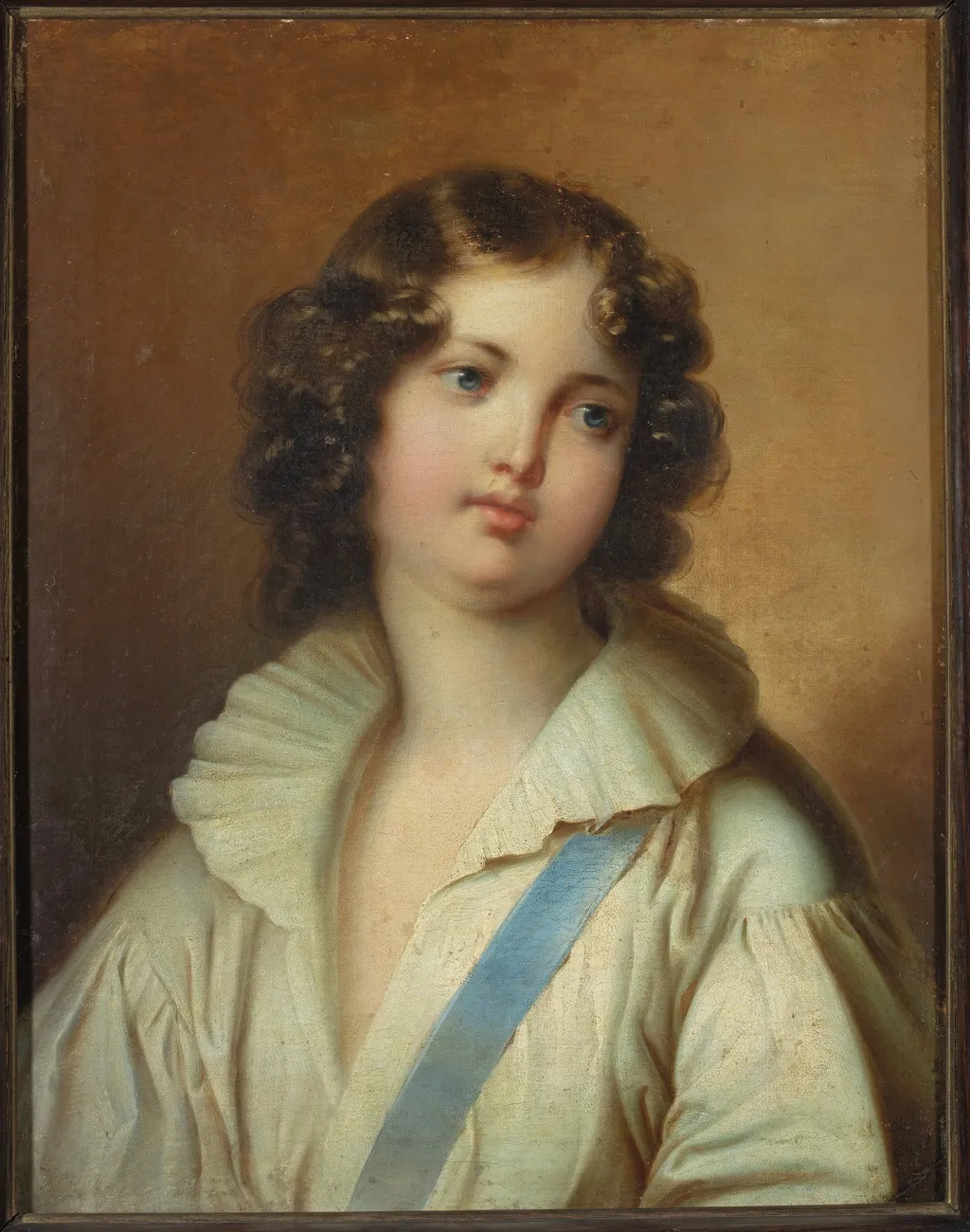
Portrait of a boy (Portrait of prince of Reichstadt) is an oil painting by the Neoclassicist artist Unknown. It dates from 1815 and is held in the collection of the National Museum in Warsaw. This oil painting depicts a young boy, identified as the Prince of Reichstadt, rendered with quiet realism.
About this work
Overview
This oil painting depicts a young boy, identified as the Prince of Reichstadt, rendered with quiet realism. His posture is still, gaze direct, and expression calm. The warm, muted background isolates the figure, emphasizing his presence. The work belongs to the National Museum in Warsaw, where it is preserved as part of its 19th-century European portraiture collection.
Subject & Meaning
Though raised in Austria under Habsburg guardianship, his identity as the heir to a fallen empire lingers in the portrait’s solemn dignity.
The subject is Napoleon II, the only son of Napoleon Bonaparte, known in childhood as the Prince of Reichstadt. Though raised in Austria under Habsburg guardianship, his identity as the heir to a fallen empire lingers in the portrait’s solemn dignity. His attire and bearing reflect aristocratic status, yet the neutrality of his expression avoids overt political symbolism, focusing instead on personal presence.
Technique & Style
The artist employs chiaroscuro to model the boy’s form, using subtle gradations of light and shadow to define his face, neck, and the folds of his shirt. The blue sash stands out against the white fabric, adding a restrained accent. Brushwork is smooth and controlled, avoiding theatricality. The earthy background enhances the figure’s three-dimensionality without distracting from his stillness.
History & Provenance
Painted during the boy’s adolescence in Vienna, the portrait likely originated in the Habsburg court. It entered the collection of the National Museum in Warsaw in the early 20th century, possibly through diplomatic or familial transfers following the dissolution of the Austro-Hungarian Empire. Its journey reflects shifting political landscapes and the preservation of noble imagery beyond their original contexts.
Context
Created in the decades after Napoleon’s defeat, the portrait captures a generation raised in the shadow of empire. The Prince of Reichstadt, though granted noble titles in Austria, was never allowed to assume political power. His image, rendered with quiet formality, mirrors the tension between inherited status and enforced obscurity in post-Napoleonic Europe.
Legacy
The portrait endures as a quiet testament to a life shaped by lineage rather than agency. It contributes to historical understanding of how European nobility was visually maintained after political collapse. Its restrained aesthetic contrasts with more flamboyant imperial portraits, offering a sober reflection on legacy, memory, and the weight of inherited identity.
Artist & collection

 Domestic Scene
 Giacomo and Cardinal Marco, investing Andrea, Abbot of San Zeno, with his Benefice
 The Nymph of Fontainebleau
 Portrait of a Woman
 Madonna and Child with Saints in the Enclosed Garden
 Venus and Minerva
 Family Group of Four on Sofa
 Wall painting from Room H of the Villa of P. Fannius Synistor at Boscoreale
 Katharina Friederike Wilhelmine Benigna, Saganin herttuatar
 Portrait of Grand Duchess Alexandra Pavlovna of Russia (1783-1801)
 Porträt der Luise von Preußen (1770-1836), Ehefrau von Anton Radziwiłł (1775-1833)
 Grand Duchess Elena Pavlovna of Russia (1784-1803), later duchess of Mecklenburg-Schwerin
 Портрет графини М.А. Орловой-Денисовой
 Portrait of Grand DuchessYelena Pavlovna
 Portrait of Grand Duchess Ekaterina Pavlovna
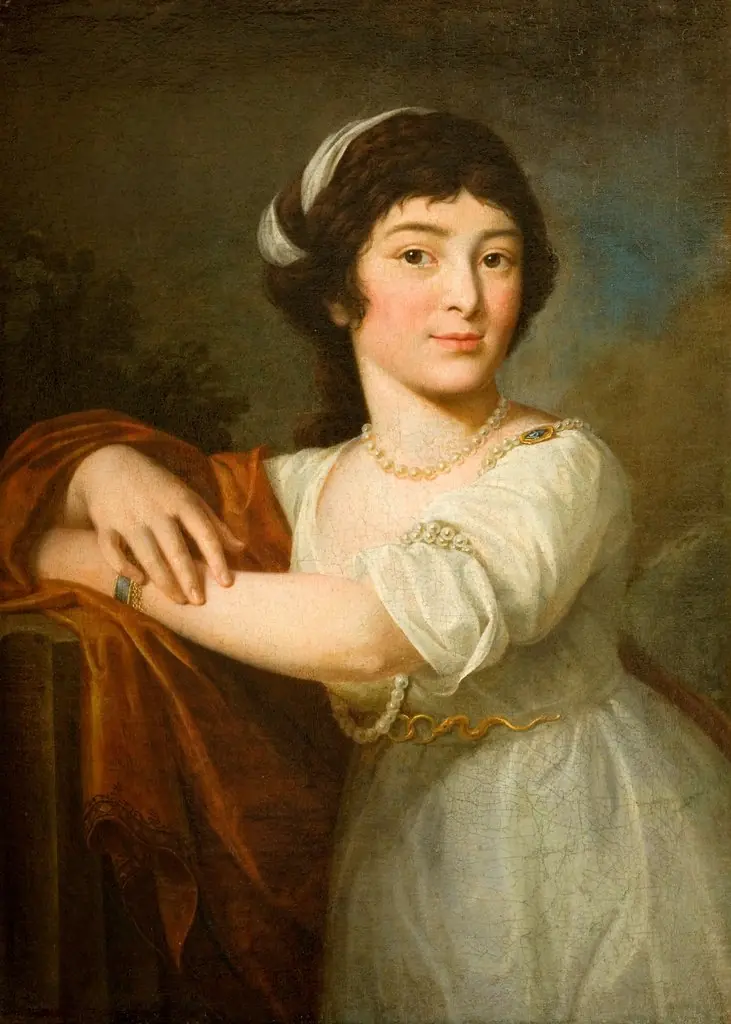 Portrait of Joanna Dzierzbicka
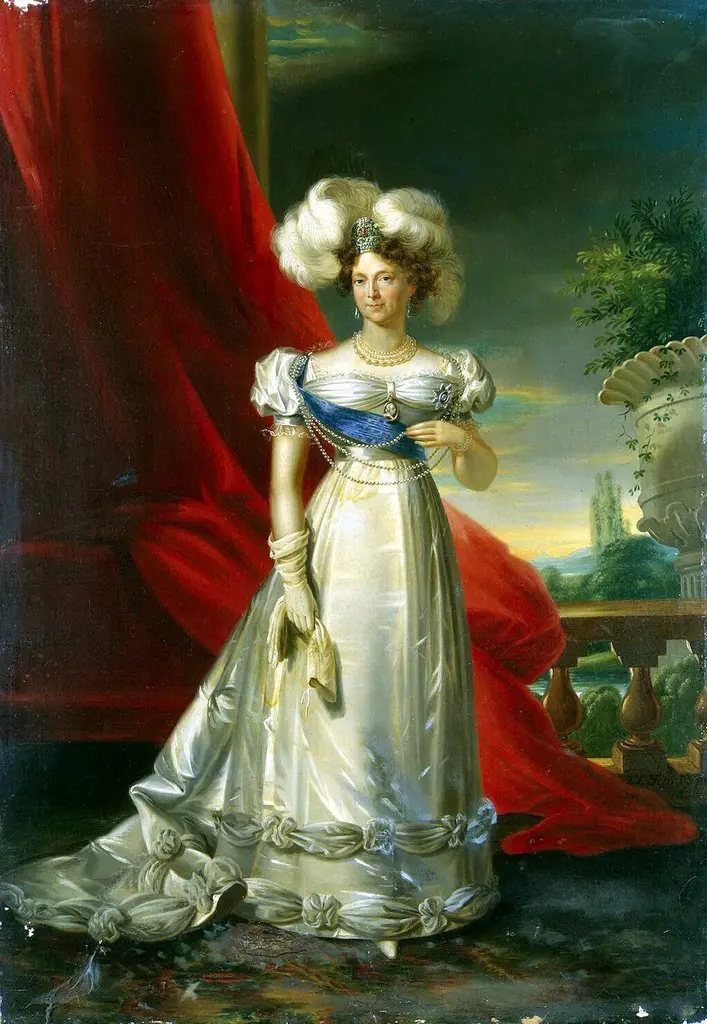 Portrait of Empress Maria Fiodorovna
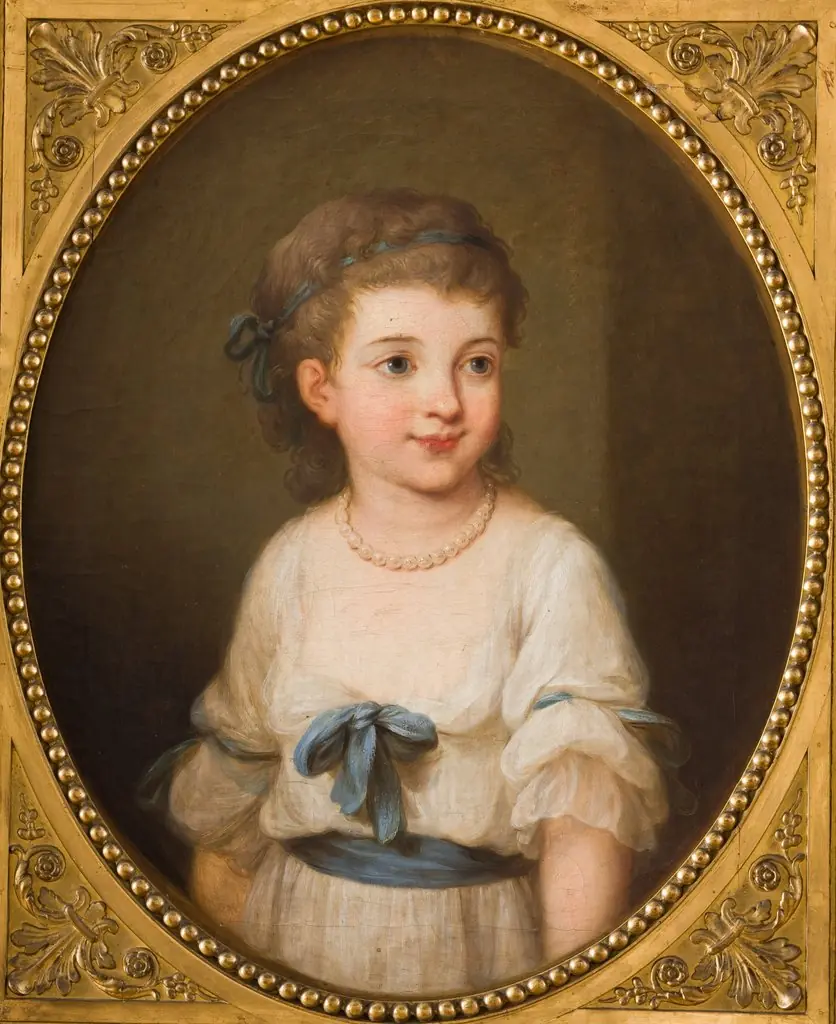 Portrait of Elżbieta Mniszech (born 1792)
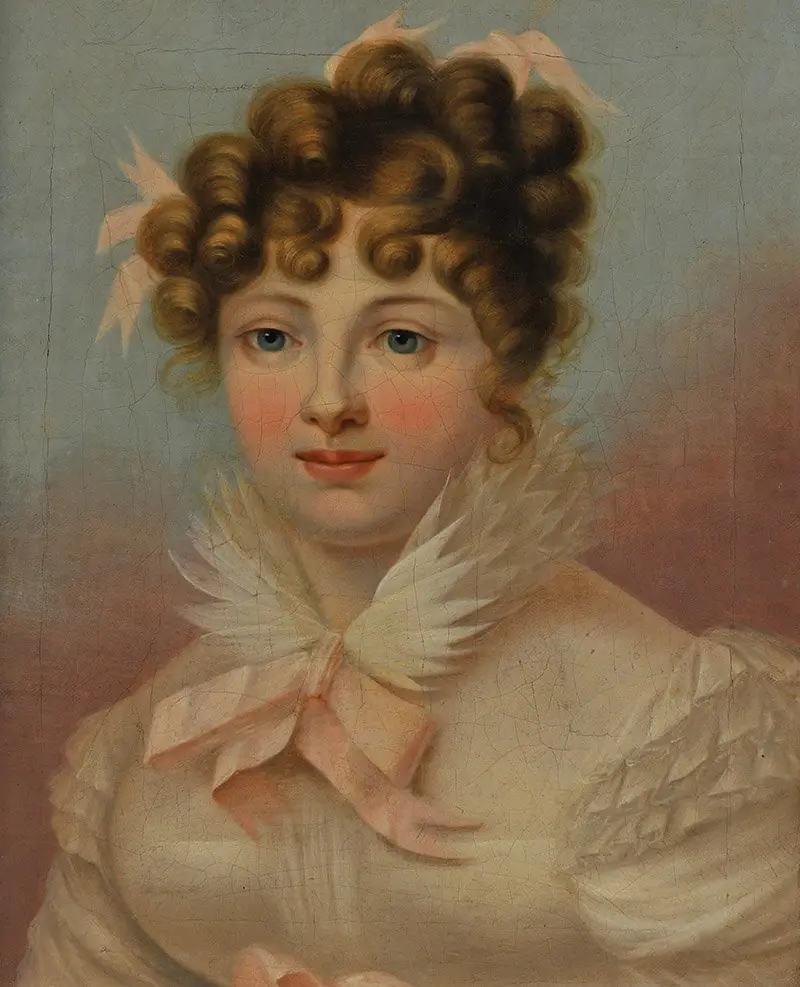 Portrait de Catherine Pavlovna Romanova
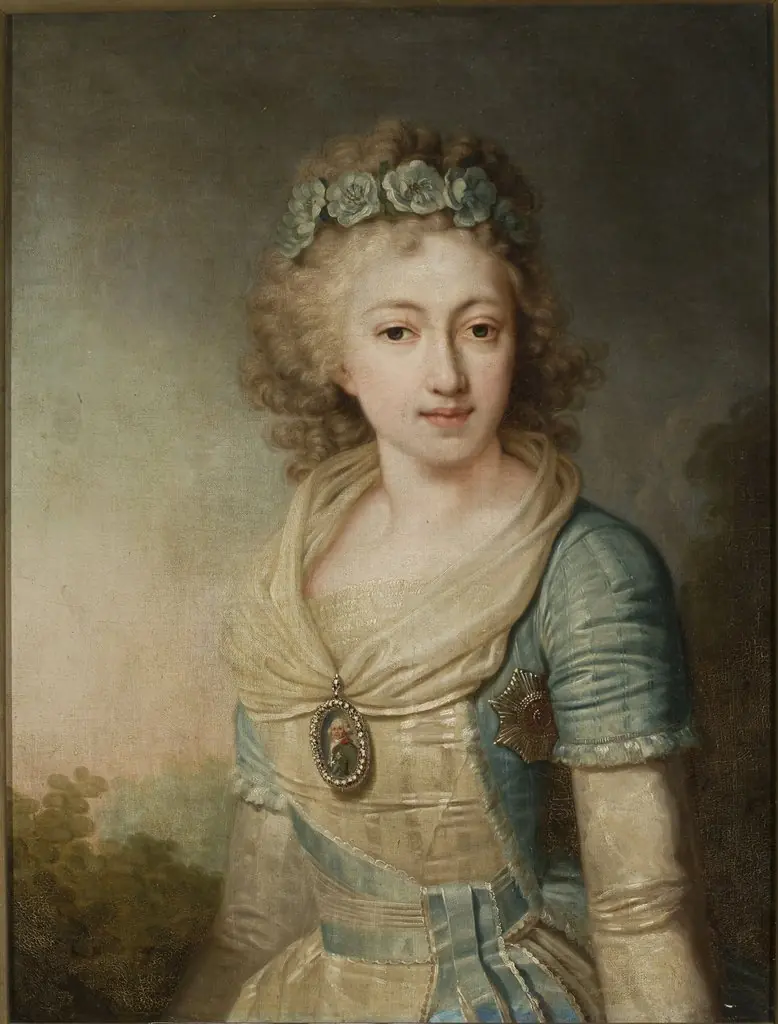 Portrait of Paul I’s daughter – Helena