Artwork
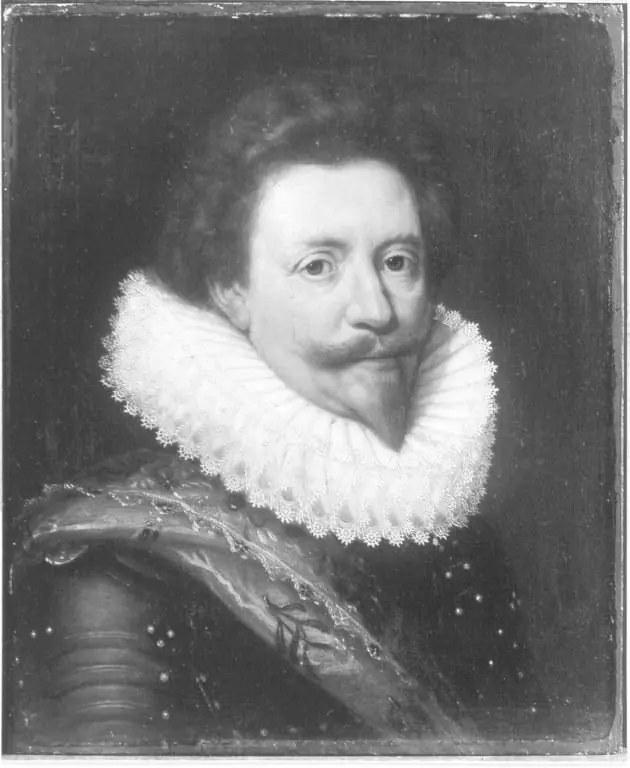
Bildnis des Philip Wilhelm von Oranien (1554-1618)
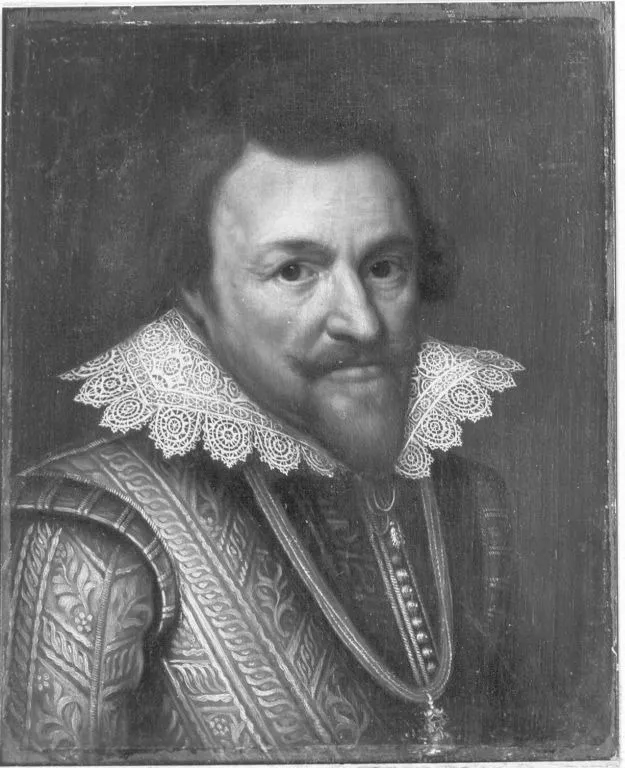
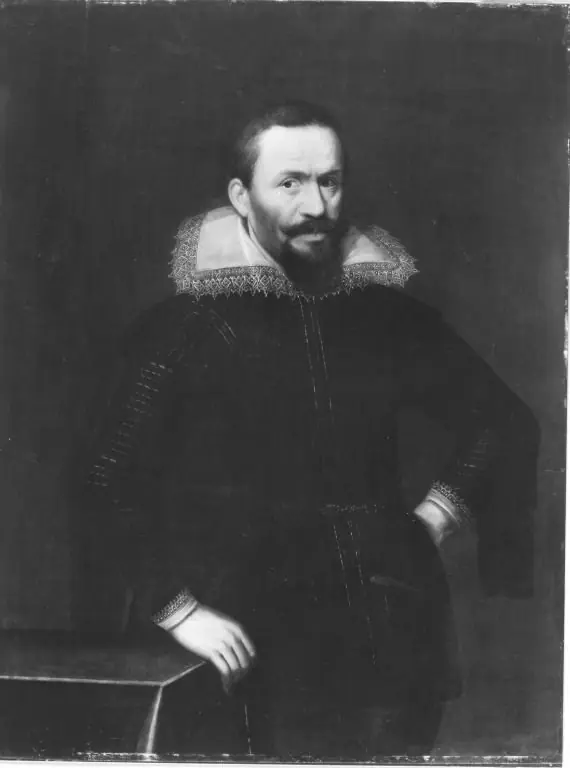
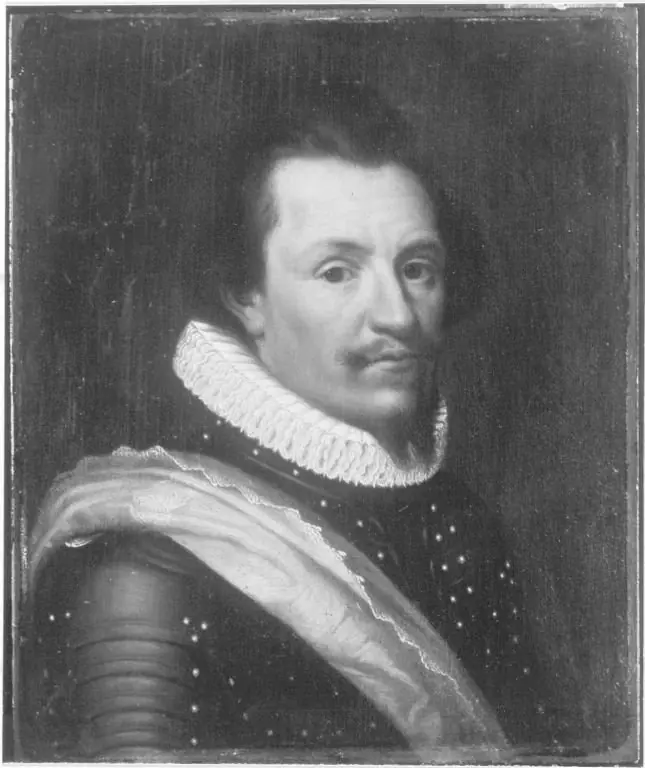
Bildnis des Philip Wilhelm von Oranien (1554-1618) is an unspecified painting by the Flemish Baroque painting artist Unknown. It dates from 1650 and is held in the collection of the Bavarian State Painting Collections. The work is a monochrome portrait depicting Philip Wilhelm von Oranien, a nobleman who lived from 1554 to 1618.
About this work
Overview
The work is a monochrome portrait depicting Philip Wilhelm von Oranien, a nobleman who lived from 1554 to 1618. Rendered in a restrained palette, the painting presents the sitter in his middle years, his features rendered with a sober, contemplative expression. The composition is simple, with the figure isolated against an unadorned background that directs attention to his face and attire.
Subject & Meaning
Philip Wilhelm von Oranien, a member of the Dutch aristocracy, is shown wearing the fashionable attire of his era, including a ruffled lace collar and a dark doublet with patterned sleeves. The inclusion of a decorative chain suggests status and possibly a military or civic honor. The serious demeanor and direct gaze convey a sense of authority and personal gravitas appropriate to his rank.
Technique & Style
The portrait employs chiaroscuro, using a stark contrast between illuminated facial features and a deep, shadowed backdrop. This lighting scheme emphasizes the three‑dimensionality of the sitter’s head and the texture of the lace collar. The brushwork is restrained, focusing on precise rendering of fabric details while maintaining a smooth tonal transition across the skin.
History & Provenance
Created in the early seventeenth century, the painting likely originated in a courtly workshop serving the Dutch nobility. It has remained within private collections for much of its history, resurfacing in public records during a mid‑twentieth‑century auction before entering its present museum holdings.
Context
During the period when the portrait was made, lace collars and elaborate doublets were markers of wealth and refinement among the European elite. The plain background reflects a shift toward individualized representation, moving away from elaborate interiors that previously framed portraiture.
Artist & collection

 Domestic Scene
 Giacomo and Cardinal Marco, investing Andrea, Abbot of San Zeno, with his Benefice
 The Nymph of Fontainebleau
 Portrait of a Woman
 Madonna and Child with Saints in the Enclosed Garden
 Venus and Minerva
 Family Group of Four on Sofa
 Wall painting from Room H of the Villa of P. Fannius Synistor at Boscoreale
 Männliches Bildnis (zugeschrieben)
 Bildnis des Maurits, Prins van Oranje (1567-1625)
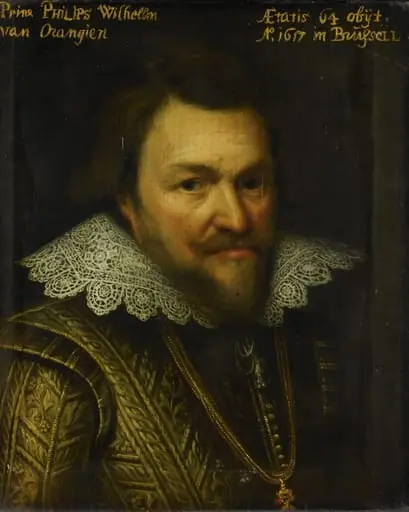
 Portrait of Philips Willem (1554-1618), Prince of Orange
 Untitled
 Bildnis des Frederik Hendrik, Prins van Oranje (1584-1647) (?)
 William Herbert, Third Earl of Pembroke
 Charles I
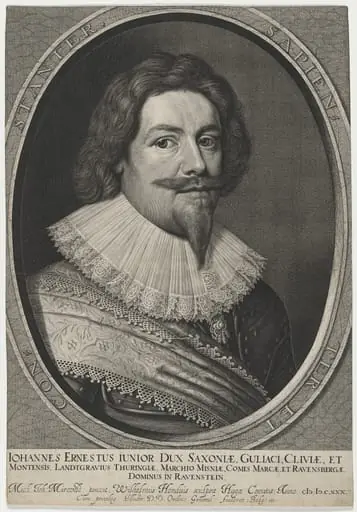 John Ernest, Jr., Duke of Saxony
 Portrait of an unknown man aged 41 year
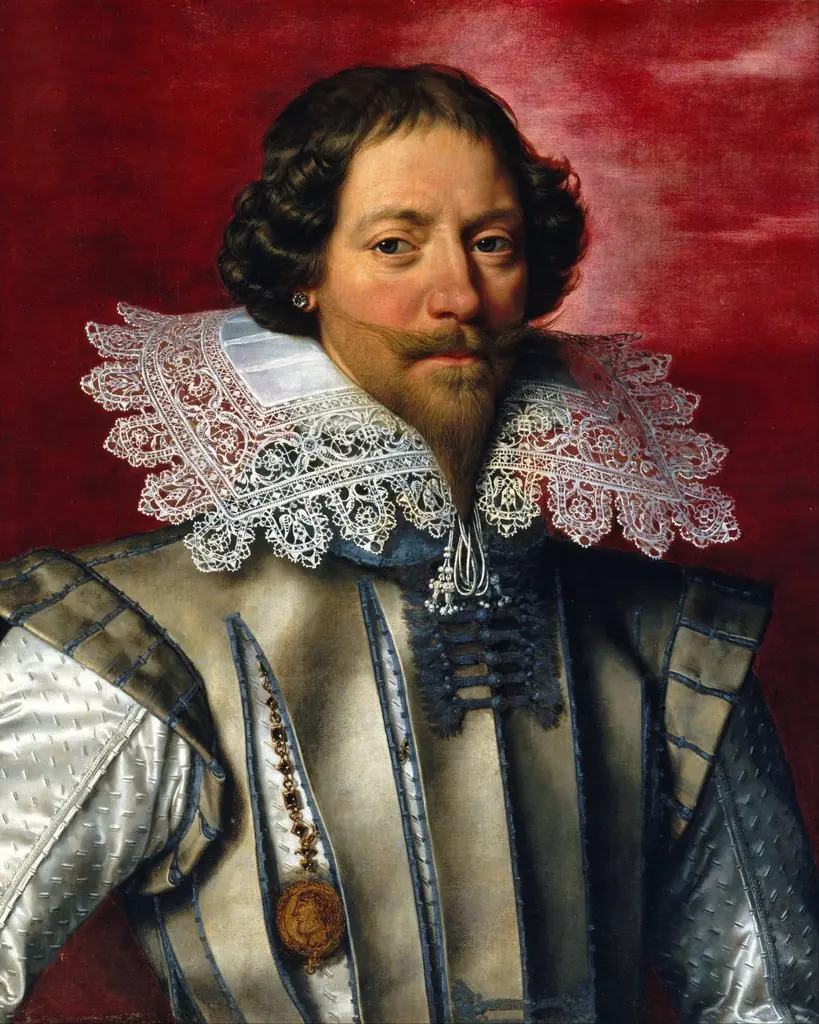 Portrait of a man
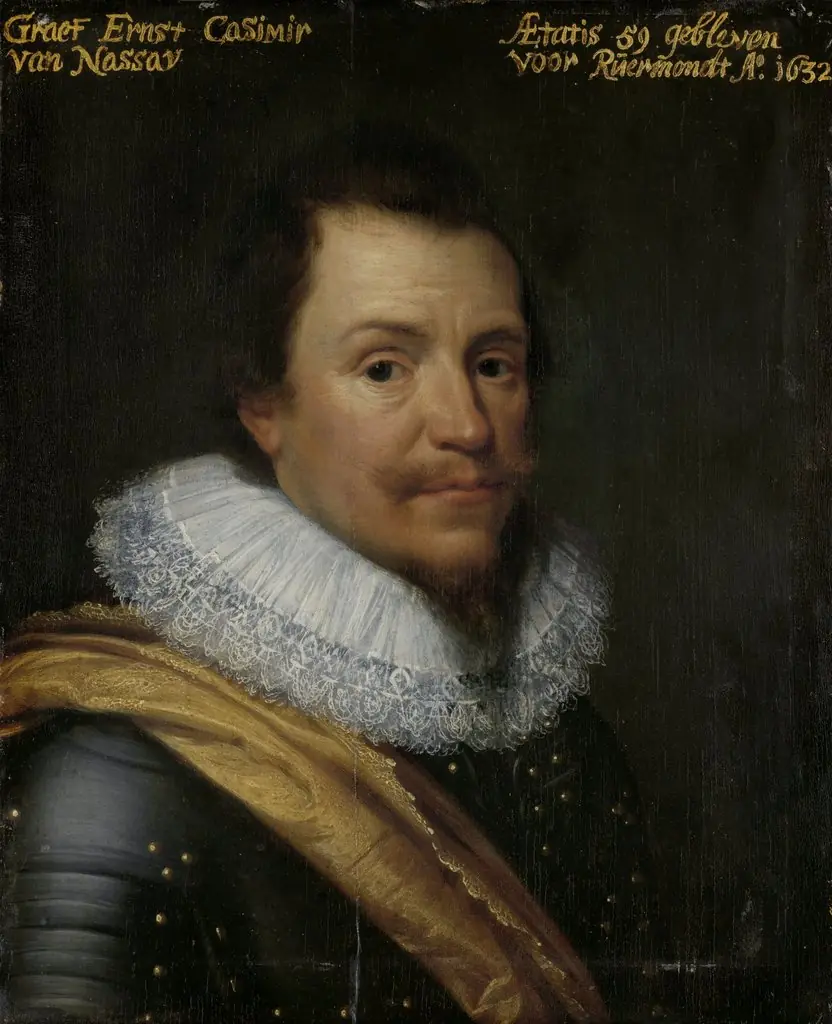 Portrait of Ernst Casimir (1573-1632), Count of Nassau-Dietz
 Bildnis des Ernst Casimir, Graf von Nassau-Dietz (1573-1632)