Artwork
Tantric Manuscript "Sangrahani Sutra"
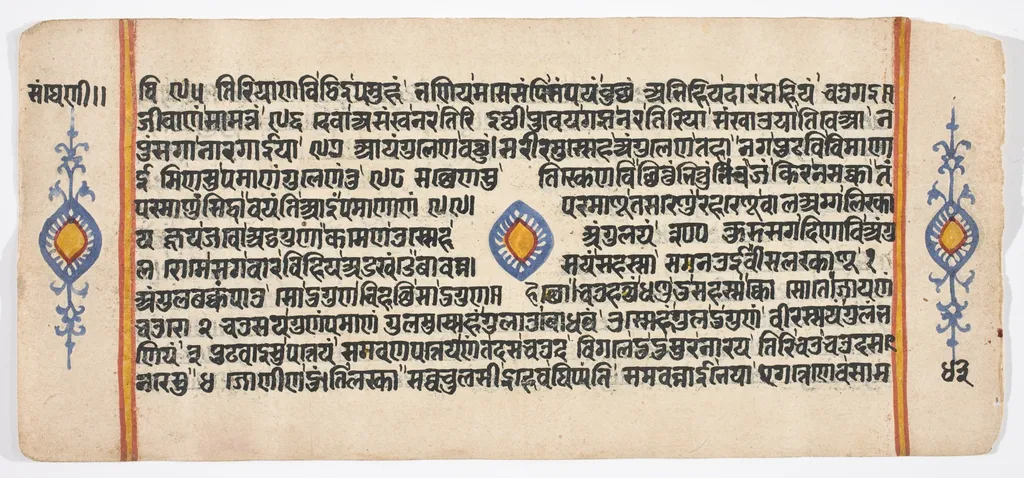
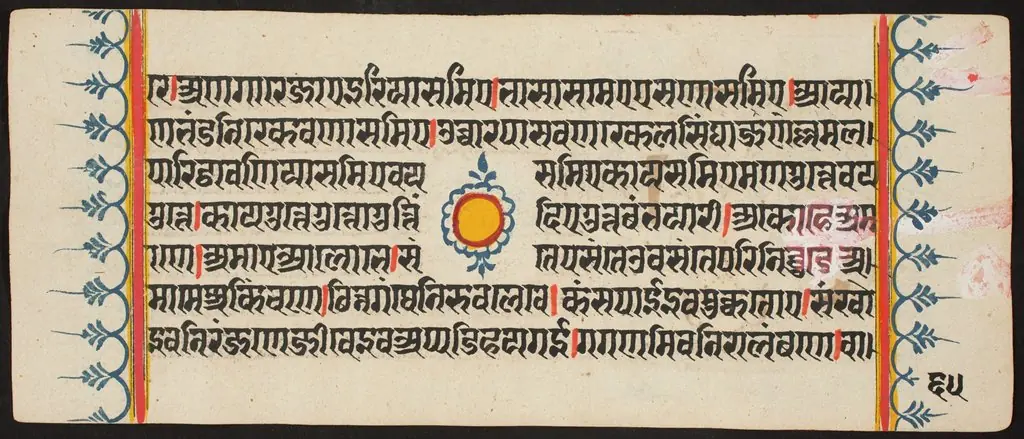
Tantric Manuscript "Sangrahani Sutra" is an unspecified painting by Unknown. It is held in the collection of the Detroit Institute of Arts. This page comes from a handwritten religious manuscript known as the Sangrahani Sutra, produced in a tantric Buddhist tradition.
About this work
Overview
This page comes from a handwritten religious manuscript known as the Sangrahani Sutra, produced in a tantric Buddhist tradition.
This page comes from a handwritten religious manuscript known as the Sangrahani Sutra, produced in a tantric Buddhist tradition. The text is densely inscribed in an Indic script using black ink, with no figurative imagery. Decorative borders frame the writing, featuring alternating bands of yellow and blue, creating a restrained visual rhythm that elevates the page without distracting from its sacred content.
Subject & Meaning
The Sangrahani Sutra is a doctrinal text used in esoteric Buddhist practice, likely recited or studied as part of ritual discipline. Its purpose is didactic rather than illustrative, emphasizing the authority of the written word. The absence of images aligns with tantric traditions that prioritize textual precision and meditative engagement with sacred syllables over visual representation.
Technique & Style
The script is meticulously rendered in black ink, with uniform lettering and tight line spacing that reflects disciplined calligraphic training. The borders are composed of simple geometric patterns in yellow and blue, applied with fine brushwork. These elements are not ornamental in a secular sense but serve to demarcate sacred space, reinforcing the text’s ritual significance through visual containment.
History & Provenance
The manuscript likely originated in medieval Nepal or Tibet, where tantric Buddhist communities maintained handwritten scriptural traditions well into the early modern period. Its survival suggests careful preservation within monastic libraries. No specific provenance is documented, but similar manuscripts are known from monastic archives in the Himalayan region, often passed down through generations of scribes and scholars.
Context
In tantric Buddhist practice, manuscripts like this were not merely texts but ritual objects, treated with reverence akin to relics. The lack of illustrations reflects a focus on the phonetic and symbolic power of the words themselves. The decorative borders echo architectural and liturgical framing devices found in temple interiors, linking the page to broader sacred spatial conventions.
Legacy
This manuscript exemplifies a tradition of textual devotion that persisted for centuries in Himalayan Buddhist cultures. While later printed editions replaced hand-copied versions, such manuscripts remain vital to scholarly study and ritual continuity. Their preservation underscores the enduring value placed on the material form of sacred scripture, beyond mere content.
Artist & collection

 Domestic Scene
 Giacomo and Cardinal Marco, investing Andrea, Abbot of San Zeno, with his Benefice
 The Nymph of Fontainebleau
 Portrait of a Woman
 Madonna and Child with Saints in the Enclosed Garden
 Venus and Minerva
 Family Group of Four on Sofa
 Wall painting from Room H of the Villa of P. Fannius Synistor at Boscoreale
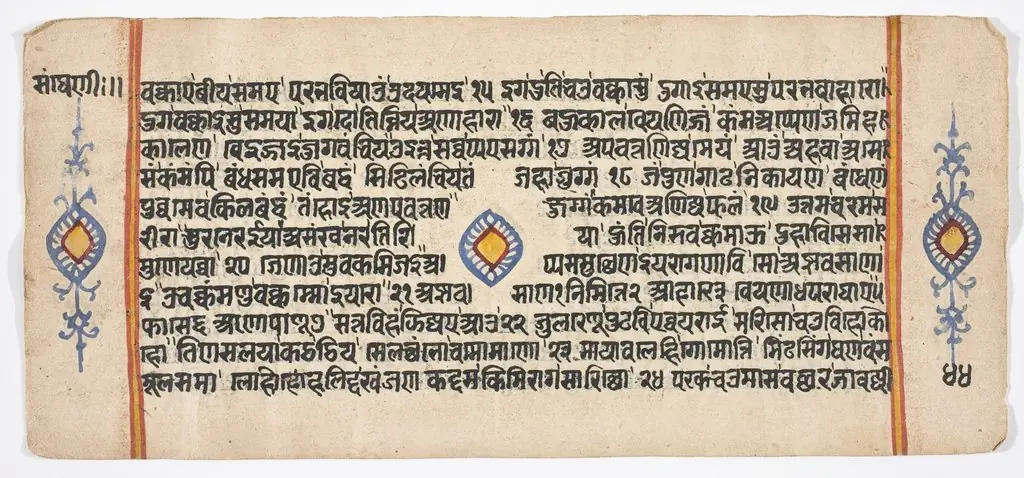 Tantric Manuscript "Sangrahani Sutra"
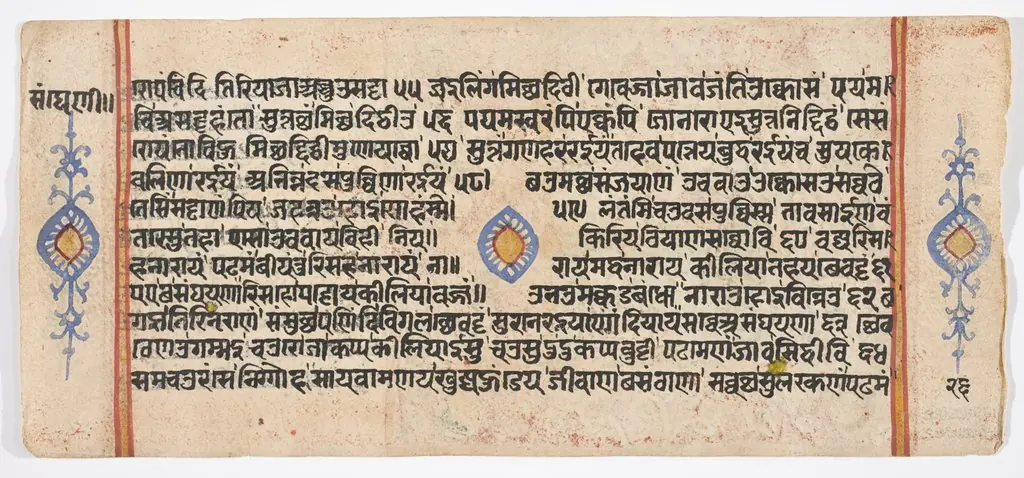 Tantric Manuscript "Sangrahani Sutra"
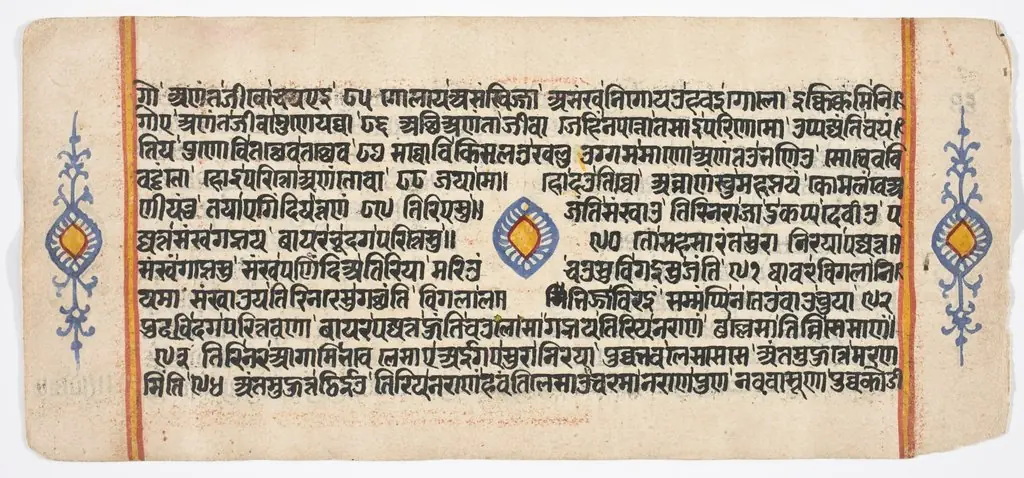 Tantric Manuscript "Sangrahani Sutra"
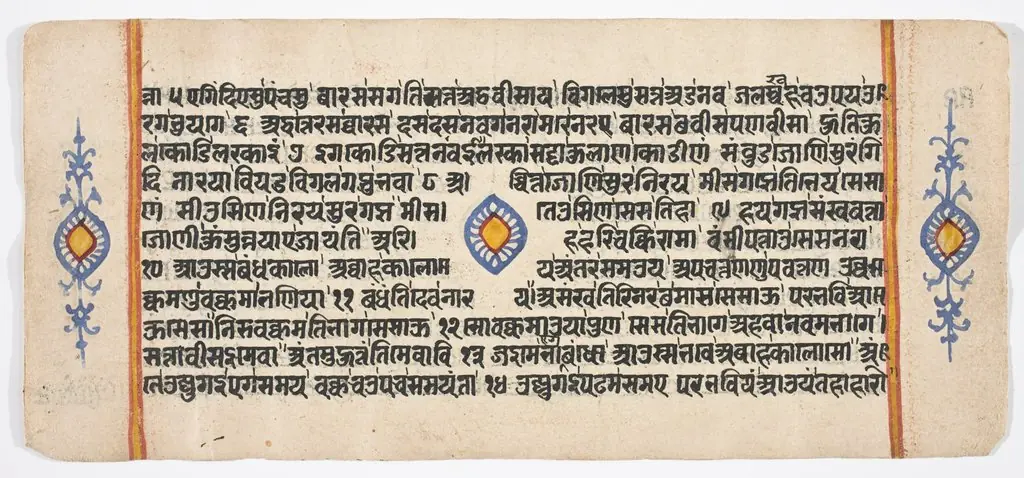 Tantric Manuscript "Sangrahani Sutra"
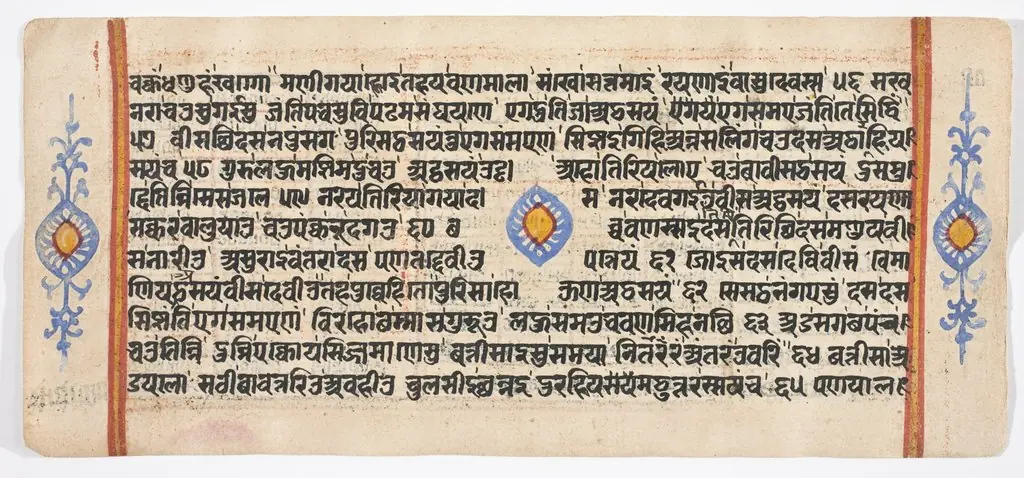 Tantric Manuscript "Sangrahani Sutra"
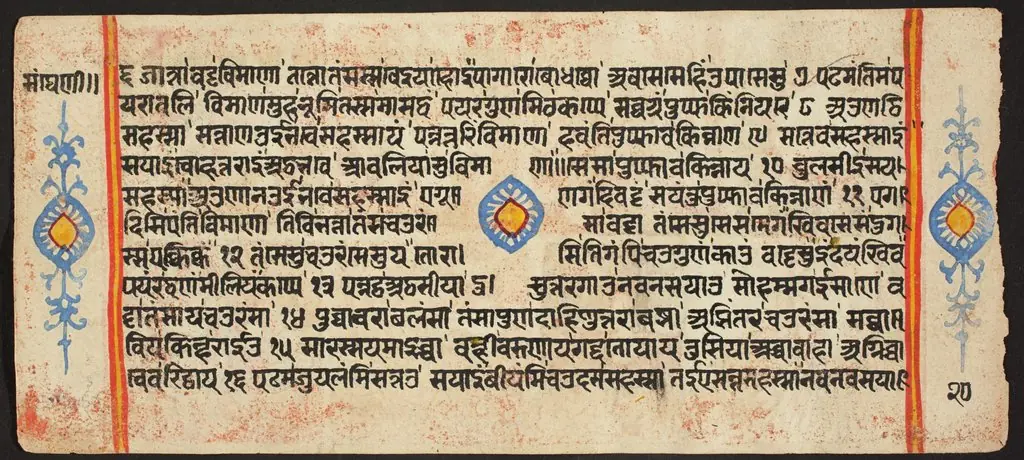 Tantric Manuscript "Sangrahani Sutra"
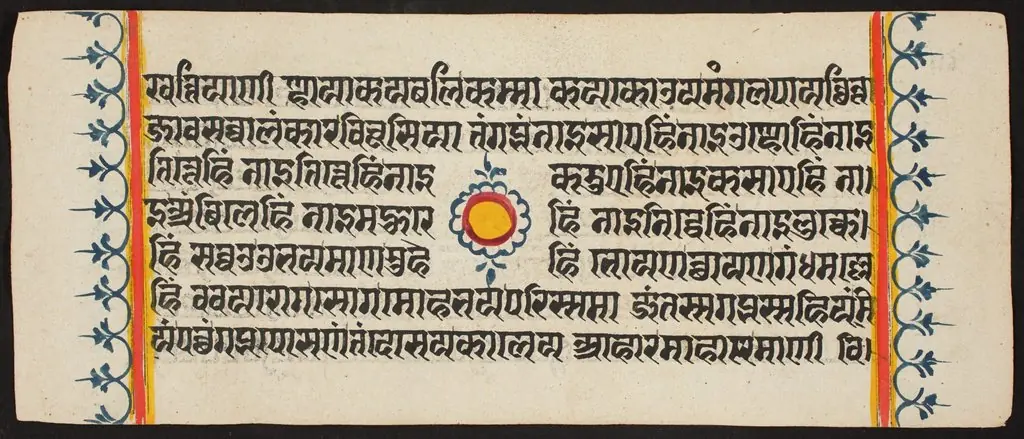 Kalpa Sutra
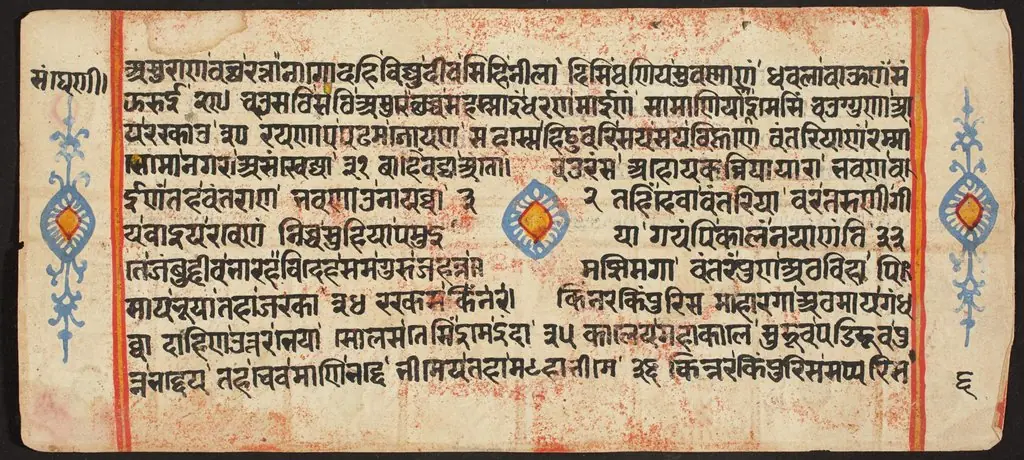 Tantric Manuscript "Sangrahani Sutra"
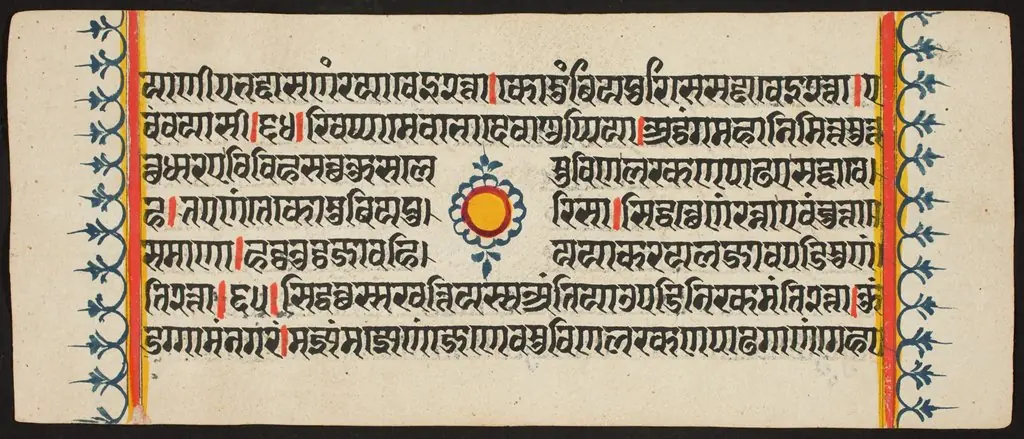 Kalpa Sutra
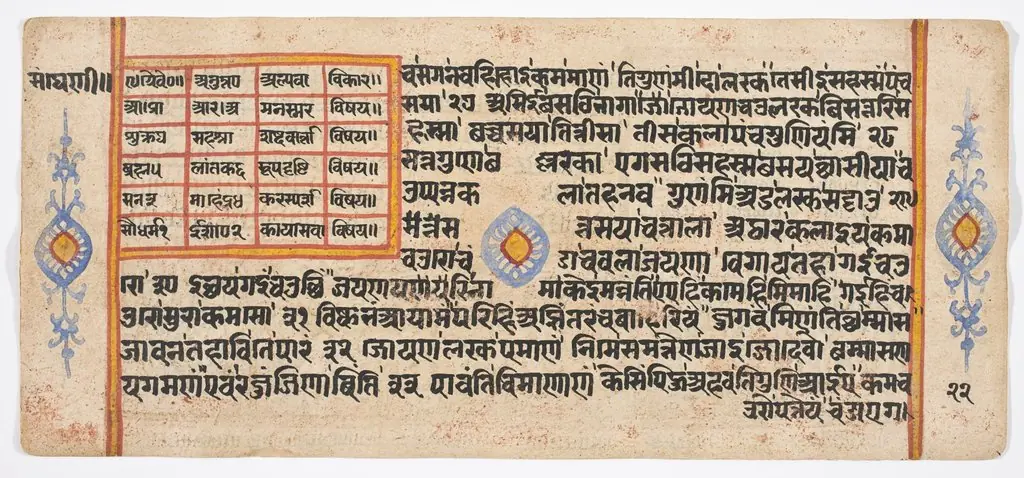 Tantric Manuscript "Sangrahani Sutra"
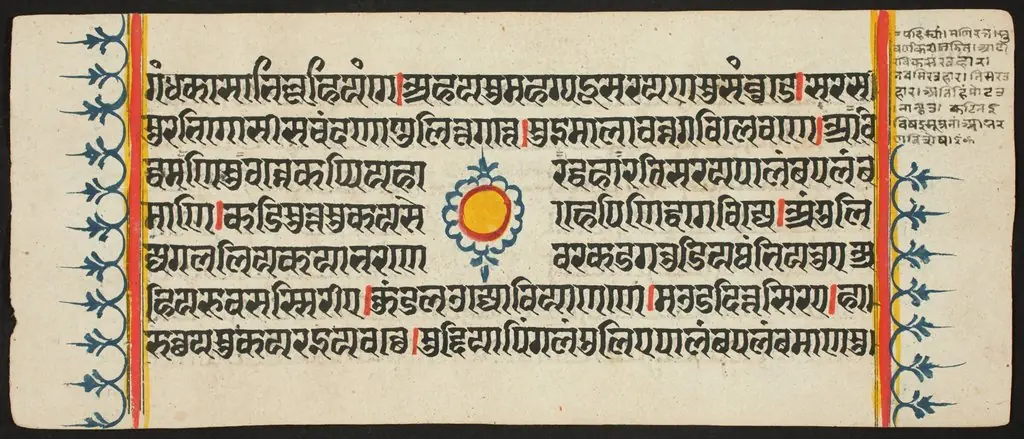 Kalpa Sutra
 Kalpa Sutra