Artwork
Saint Mary Magdalene
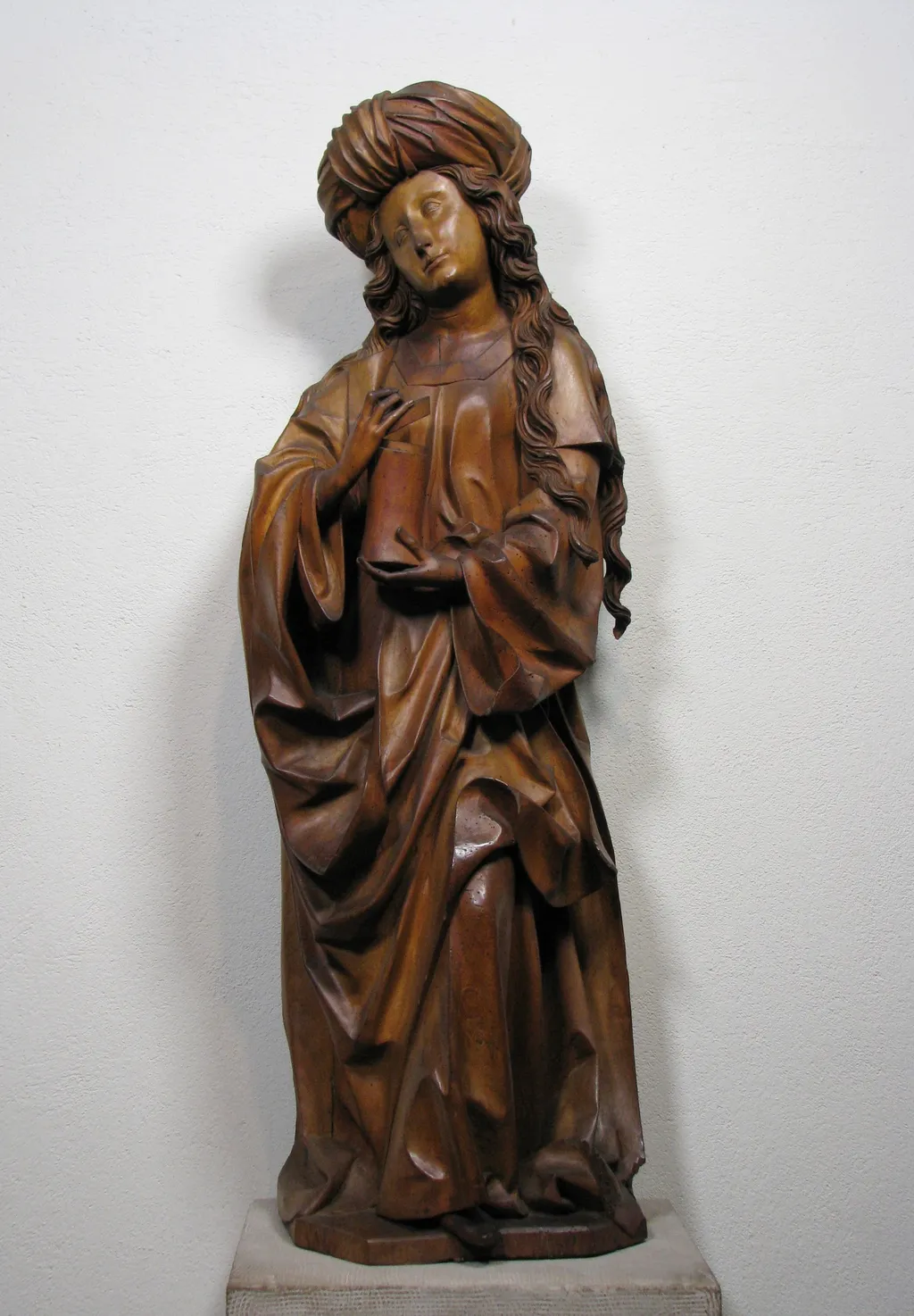
Saint Mary Magdalene is an unspecified painting. It dates from 1450 and is held in the collection of the Metropolitan Museum of Art.
About this work
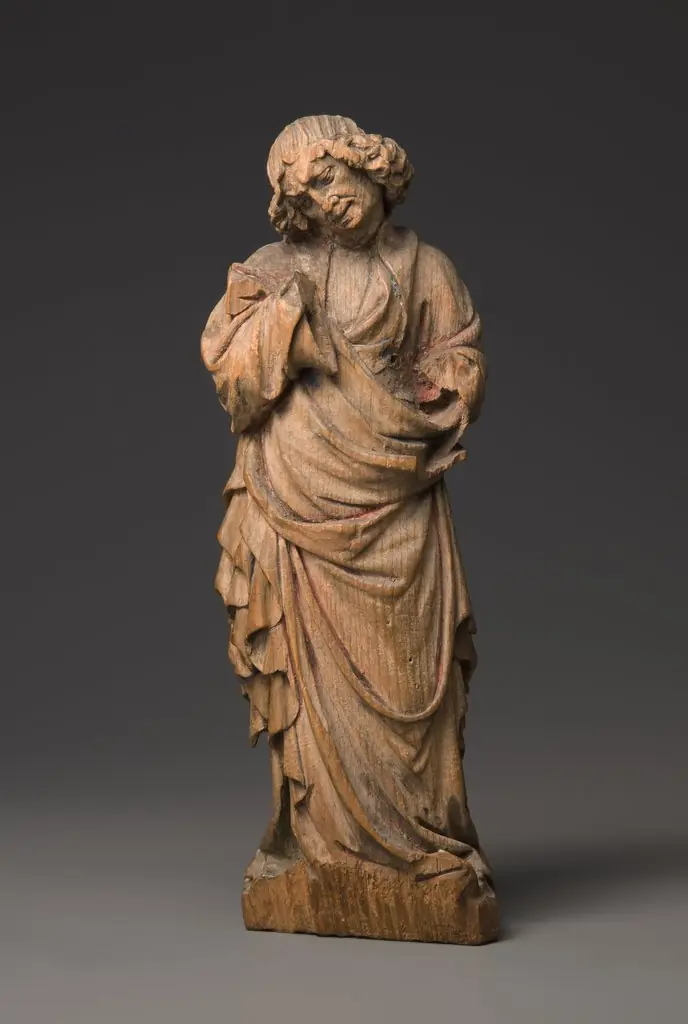
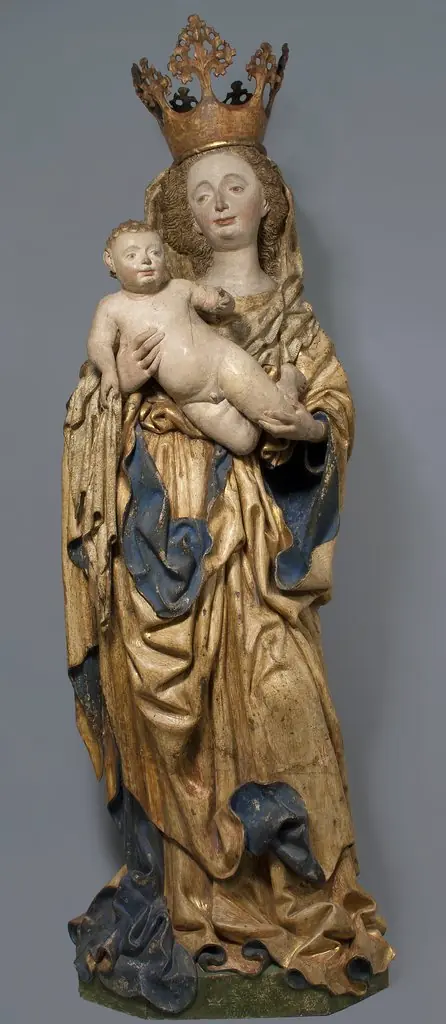
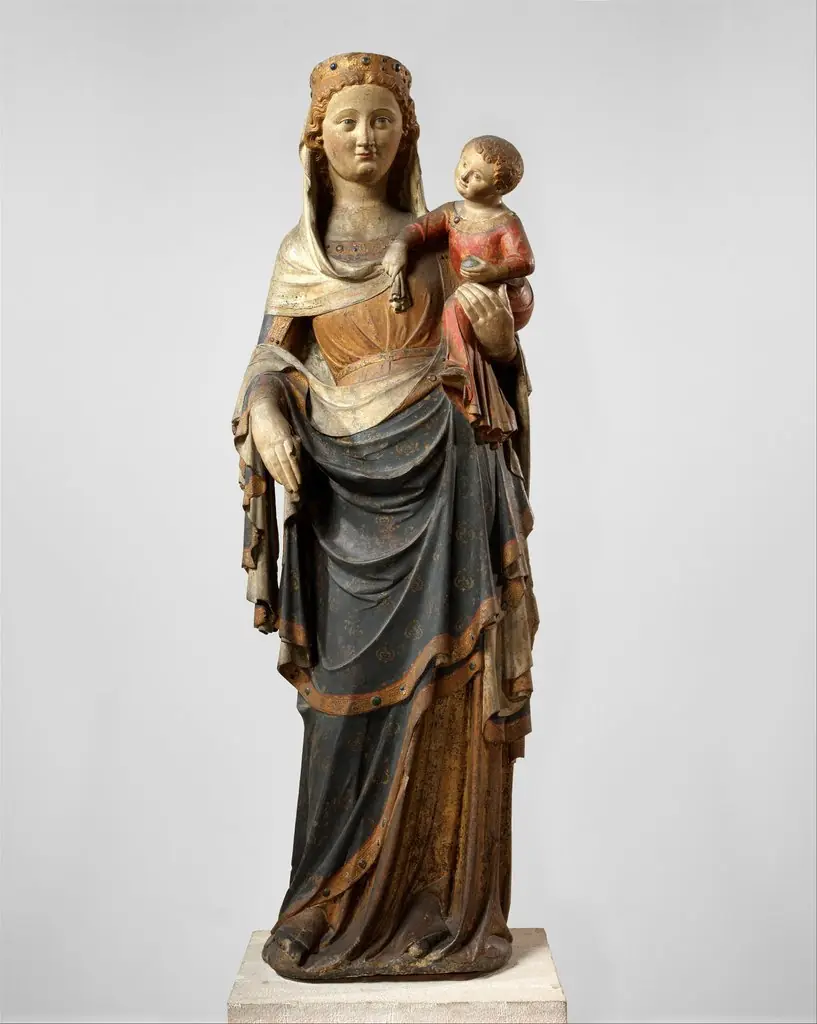
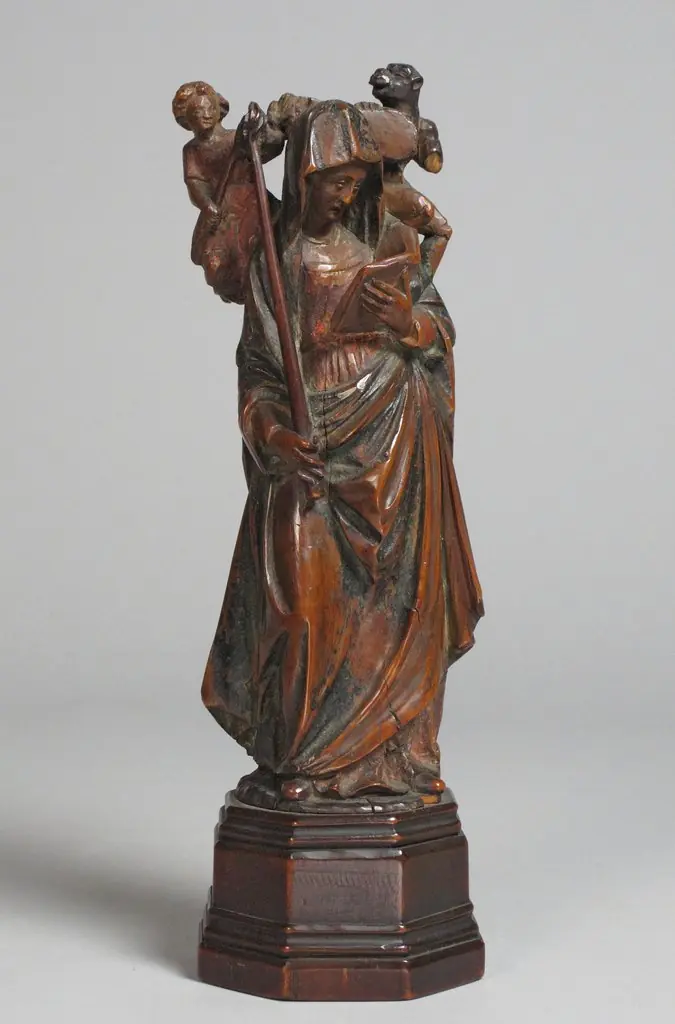
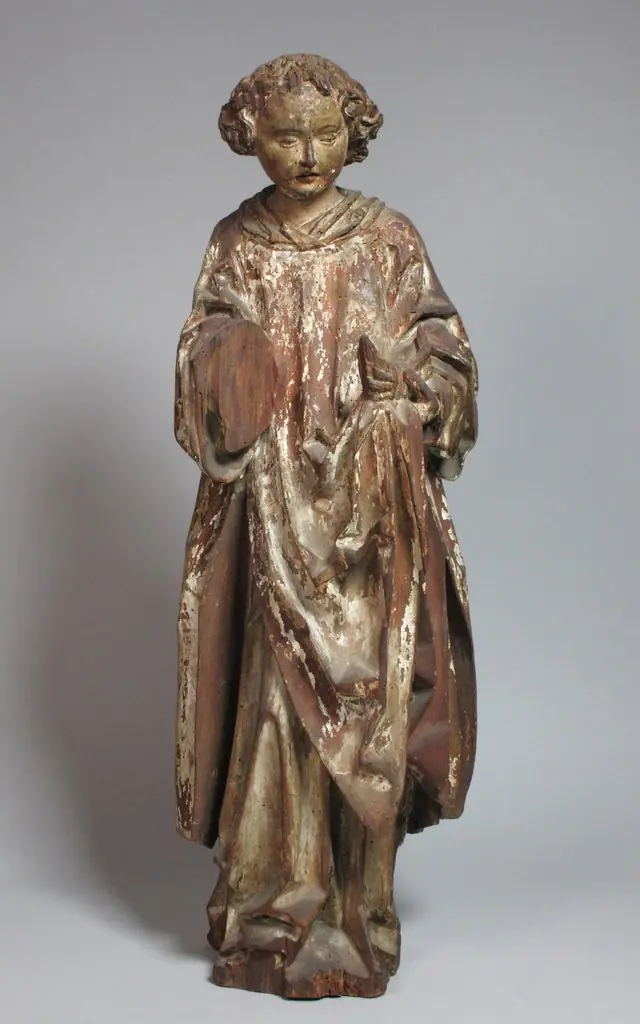
The sculpture is carved in a realistic style, with intricate details in the folds of the woman's clothing and the texture of her hair.
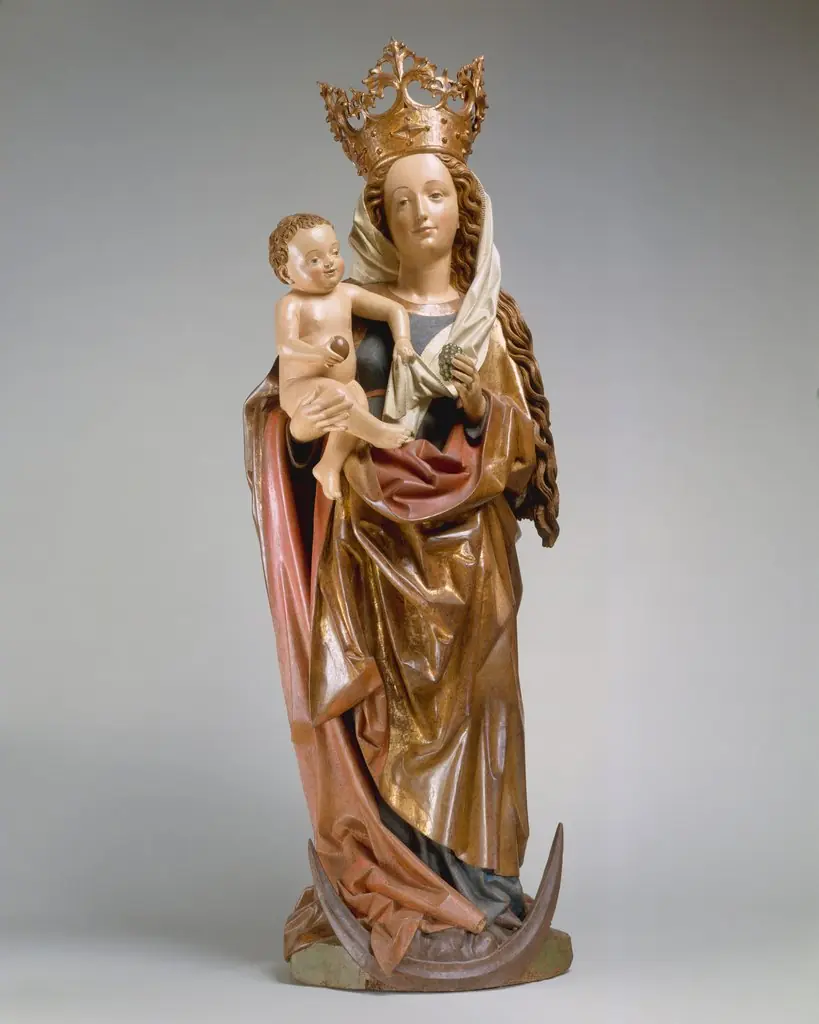
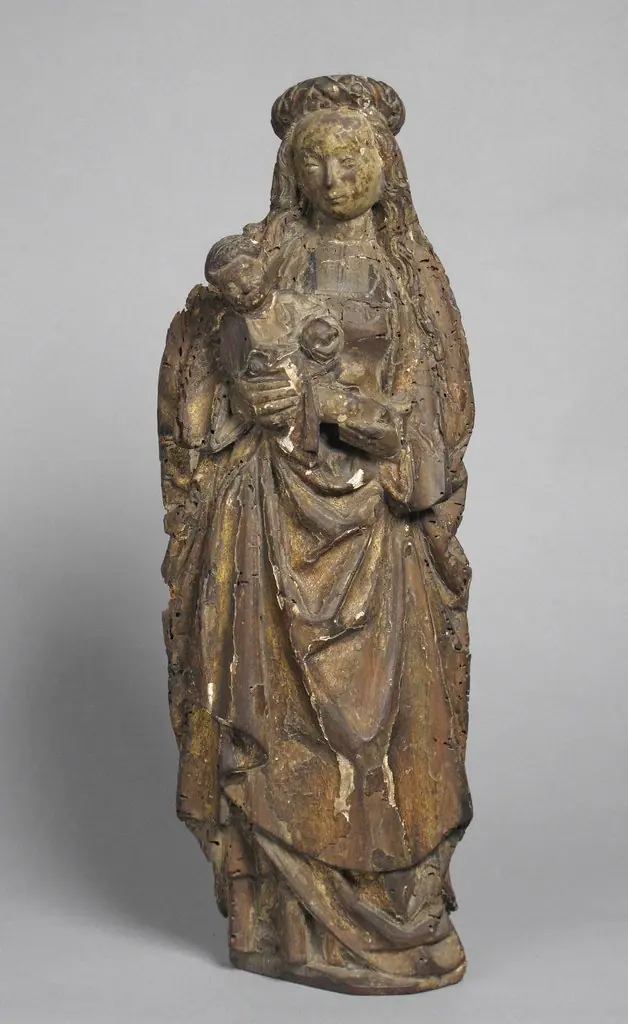
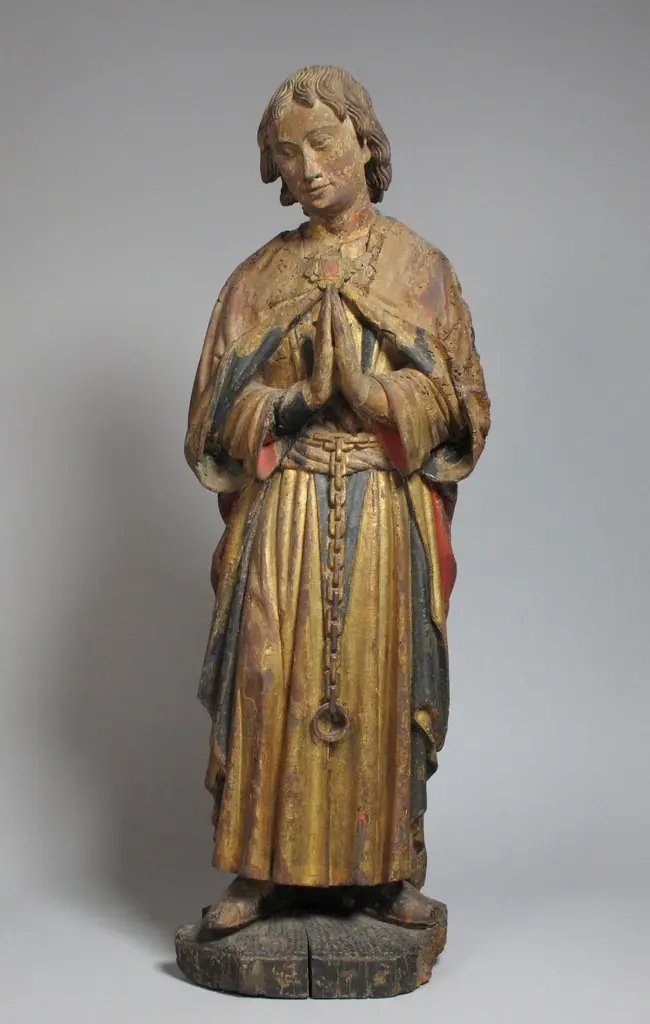
This is a wooden sculpture of a woman with long, wavy hair. She wears a long robe and a head covering, and holds a small object in her right hand.
The sculpture is carved in a realistic style, with intricate details in the folds of the woman's clothing and the texture of her hair. The woman's face is serene and contemplative, with a subtle smile.
The sculpture is attributed to an unknown artist from the 15th century. To learn more about the style and technique of this sculpture, look up the technique of chiaroscuro.
Overview
This 15th-century wooden sculpture depicts Saint Mary Magdalene, rendered with a serene expression and flowing drapery. The unknown artist carved the figure with notable realism, emphasizing the texture of her long hair and the intricate folds of her garment. She holds a small, unidentifiable object in her right hand, characteristic of devotional imagery from the period.
Subject & Meaning
The sculpture portrays Mary Magdalene, a significant figure in Christian tradition often associated with repentance and devotion. Her contemplative gaze and subtle smile suggest an inner spiritual state. While the small object she holds is not specified, such attributes typically served to identify saints or symbolize aspects of their life story, inviting viewers to reflect on her narrative.
Technique & Style
The artist employed a realistic carving approach, evident in the detailed rendering of the figure's wavy hair and the naturalistic fall of her robe. The intricate drapery and lifelike facial features demonstrate a mastery of form. The subtle interplay of light and shadow across the carved surfaces, particularly in the folds and contours, suggests an understanding of chiaroscuro, a technique that enhances depth and volume.
History & Provenance
The creator of this wooden sculpture remains unidentified, a common circumstance for many artworks from the 15th century. Despite the lack of a specific attribution, the piece reflects the artistic conventions and devotional practices prevalent during that era. Its survival offers insight into the religious art produced by skilled, though often anonymous, workshops of the late medieval period.
Artist & collection