Artwork
Portrait of Johan Maurits, Count of Nassau-Siegen, Governor of Brazil
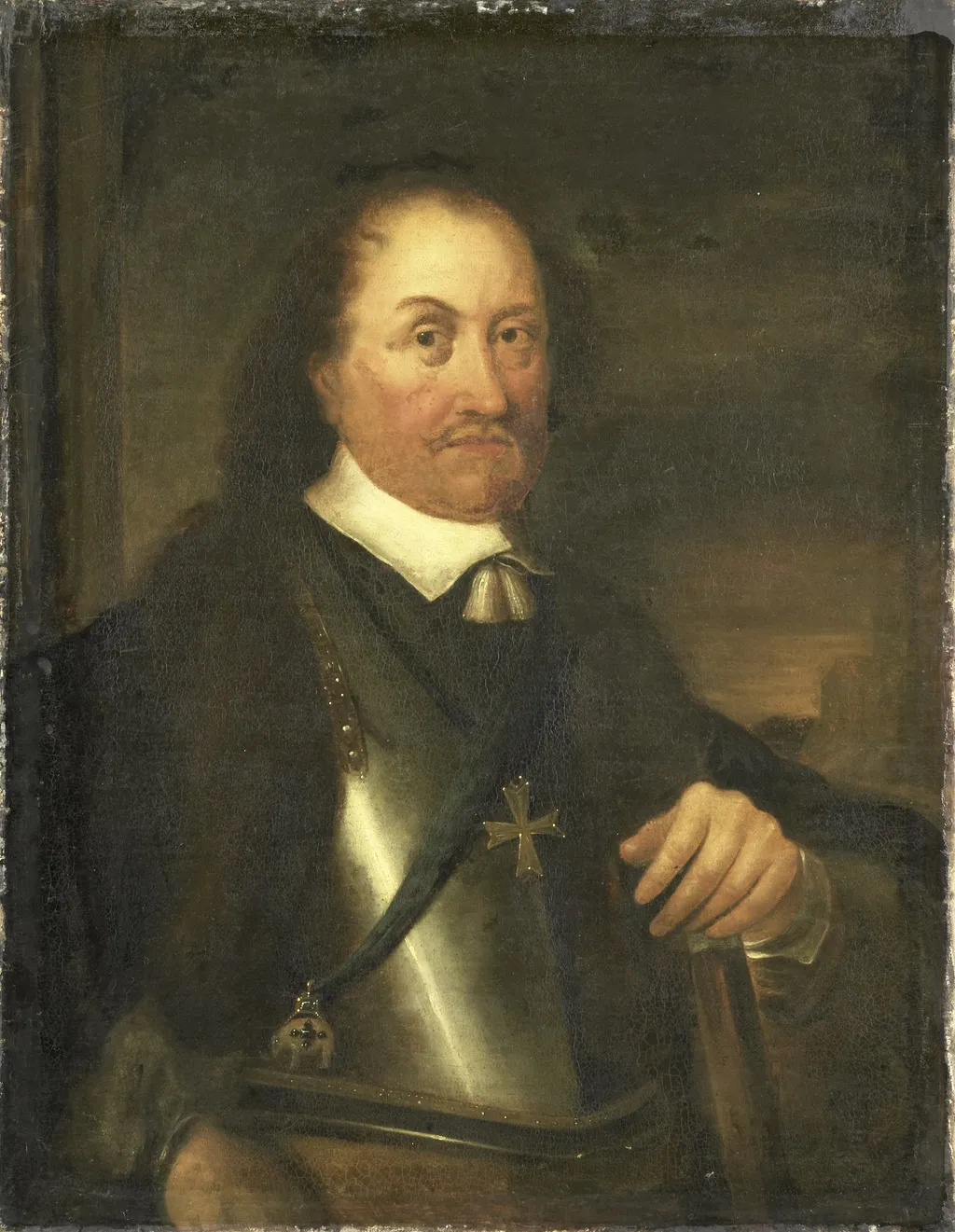
Portrait of Johan Maurits, Count of Nassau-Siegen, Governor of Brazil is an oil painting. It dates from 1660 and is held in the collection of the Rijksmuseum. The work is an oil painting portraying a dignified gentleman in his middle years, distinguished by a full beard and moustache.
About this work
Overview
The work is an oil painting portraying a dignified gentleman in his middle years, distinguished by a full beard and moustache. He is attired in a dark coat over a white shirt, holds a hat under his arm, and rests his left hand on a piece of armor. A chain bearing a cross hangs around his neck, and his expression is calm yet resolute, set against a dark background.
Subject & Meaning
The sitter is identified as Johan Maurits, Count of Nassau‑Siegen, who served as governor of the Dutch colony in Brazil. The presence of armor and the religious cross on his chain allude to his military authority and pious standing, suggesting a portrait intended to emphasize both his leadership and moral legitimacy.
Technique & Style
The artist employs chiaroscuro, using a strong contrast between illuminated facial features and the surrounding darkness to model the figure three‑dimensionally. The rendering of textures—fabric, metal, and skin—is achieved through careful modulation of light, creating a sense of depth and focus on the count’s visage.
History & Provenance
The painting was executed in the early seventeenth century, contemporaneous with Maurits’ tenure as governor. It has remained within European collections, passing through private hands before entering a museum setting, where it is now displayed as a representative example of portraiture from the Dutch colonial period.
Artist & collection

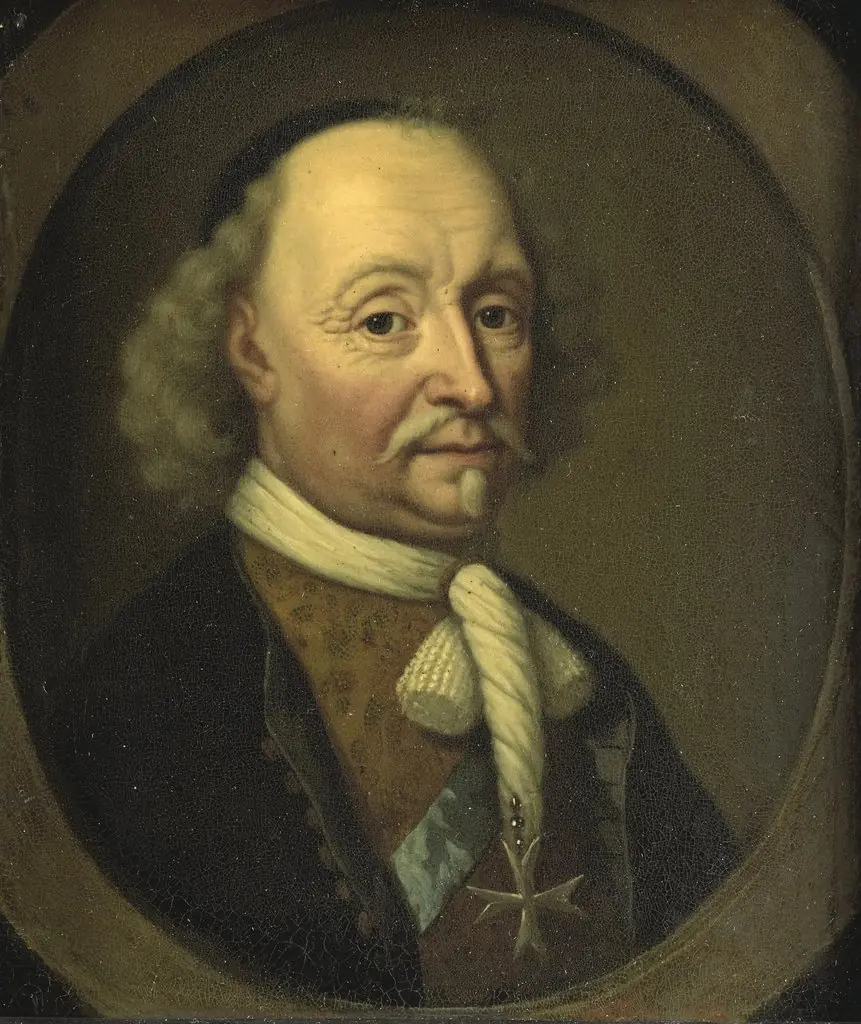 Portrait of Johan Maurits (1604-79), count of Nassau-Siegen and governor of Brazil
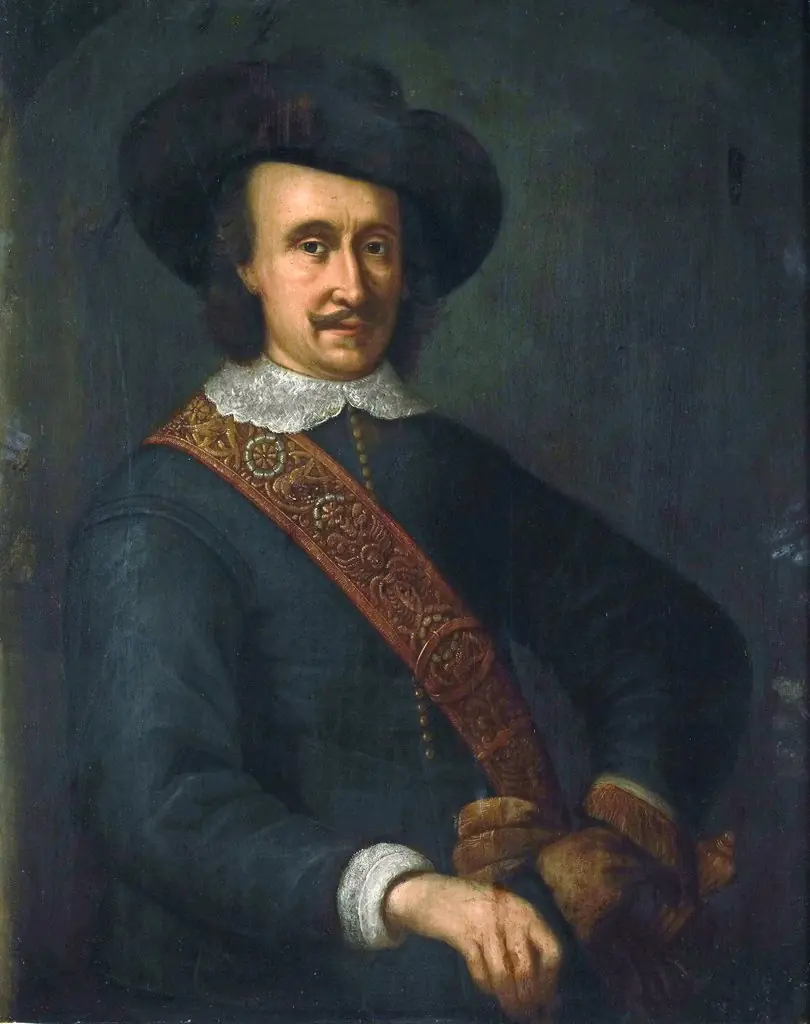 Portrait of Cornelis van der Lijn, Governor-General of the Dutch East Indies
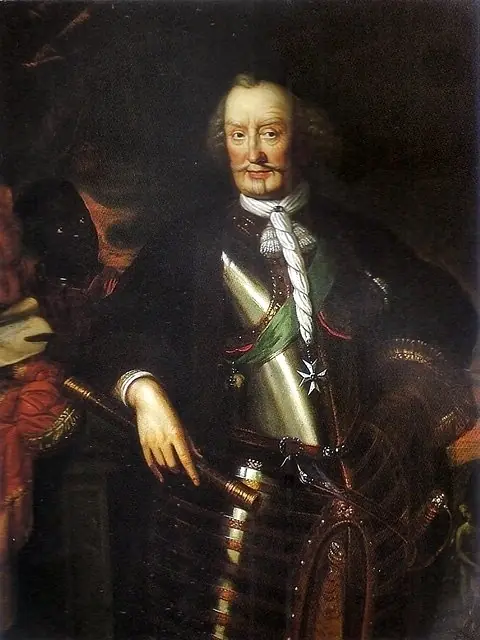 Portrait of John Maurice, Prince of Nassau-Siegen
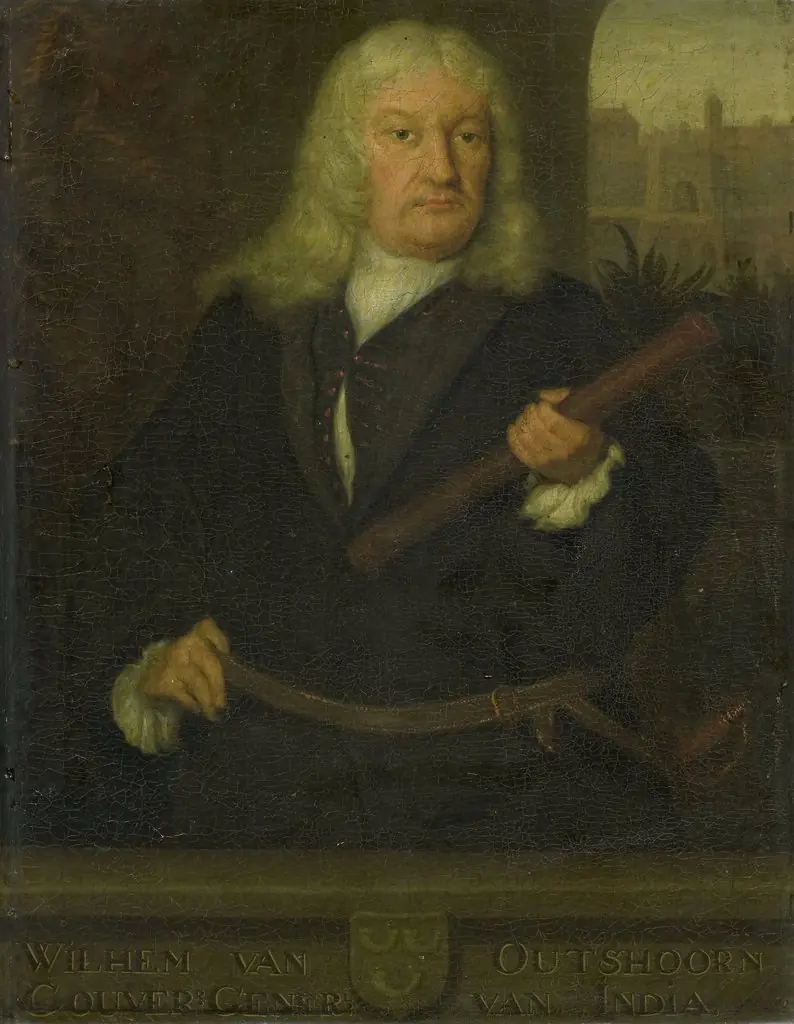 Portrait of Willem van Outhoorn, Governor General of the Dutch East Indies
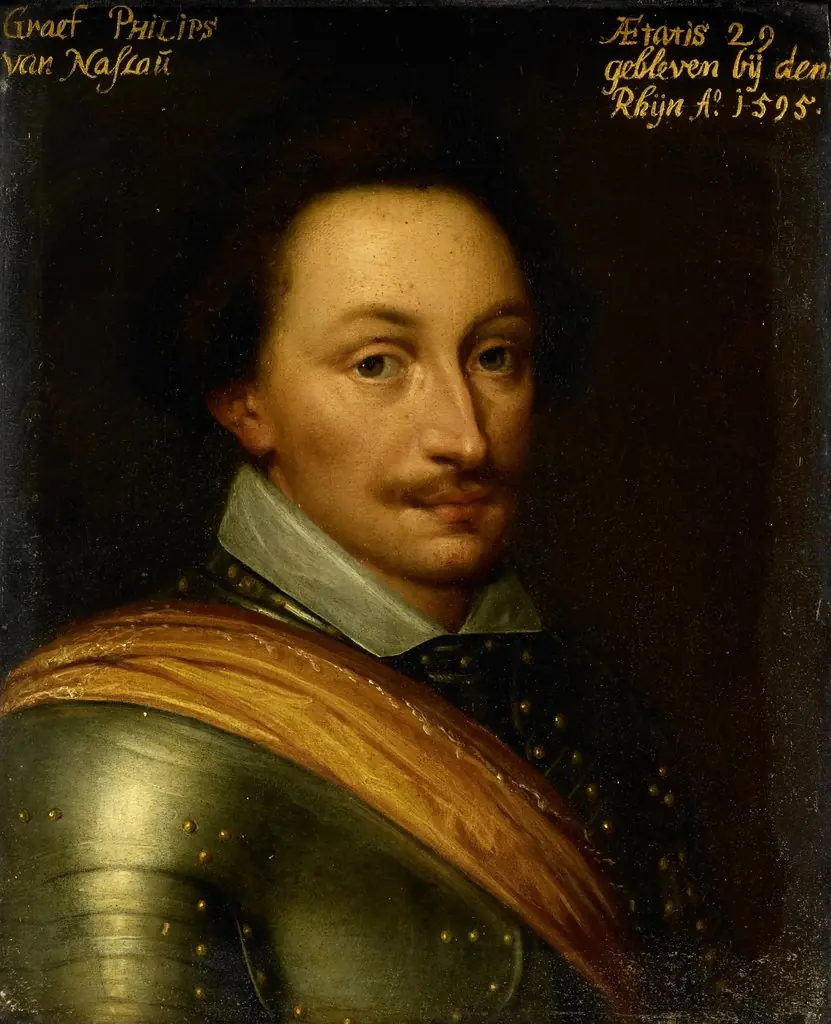 Portrait of Philips (1566-95, Count of Nassau