Artwork
Portrait of Adolf (1540-68), Count of Nassau
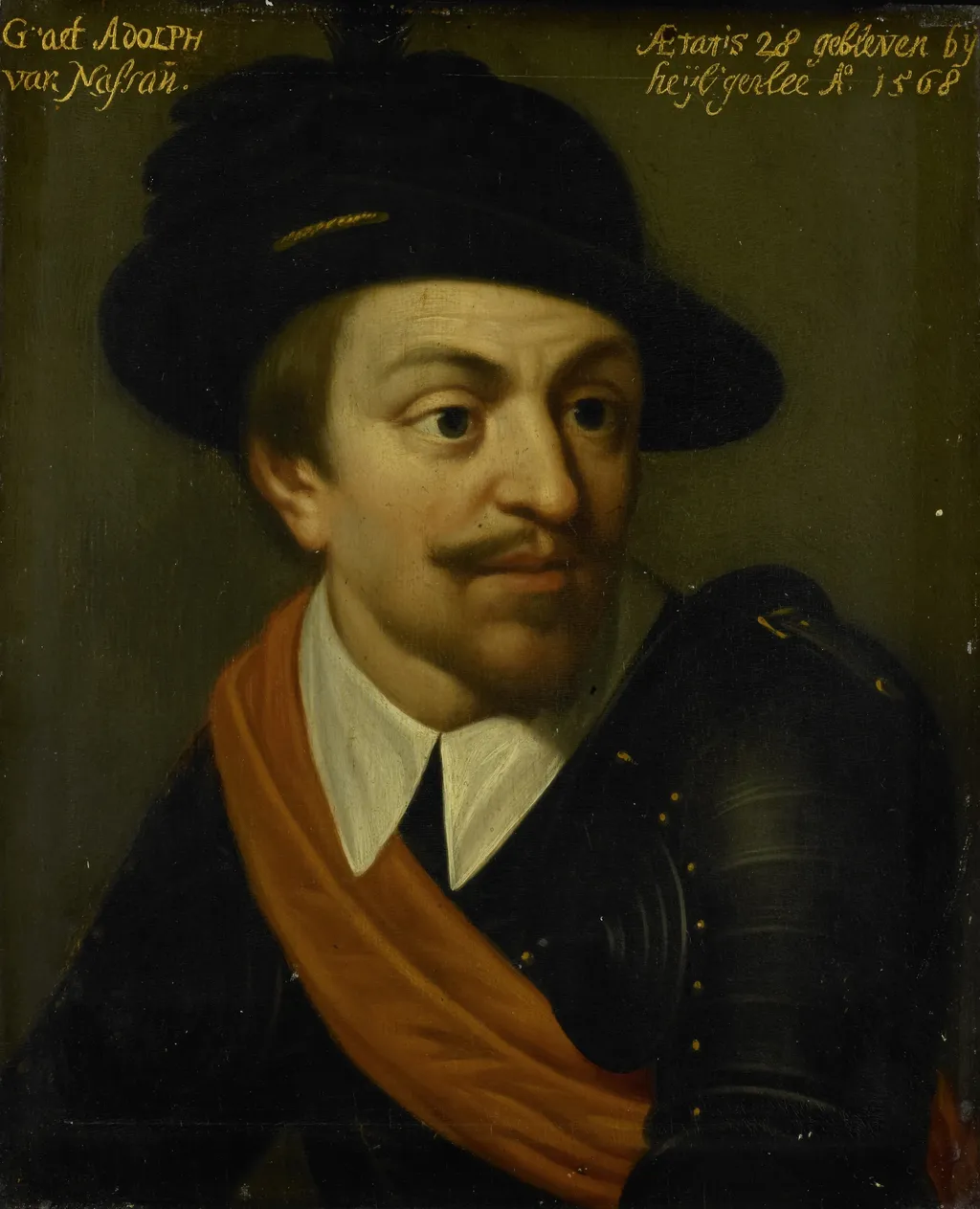
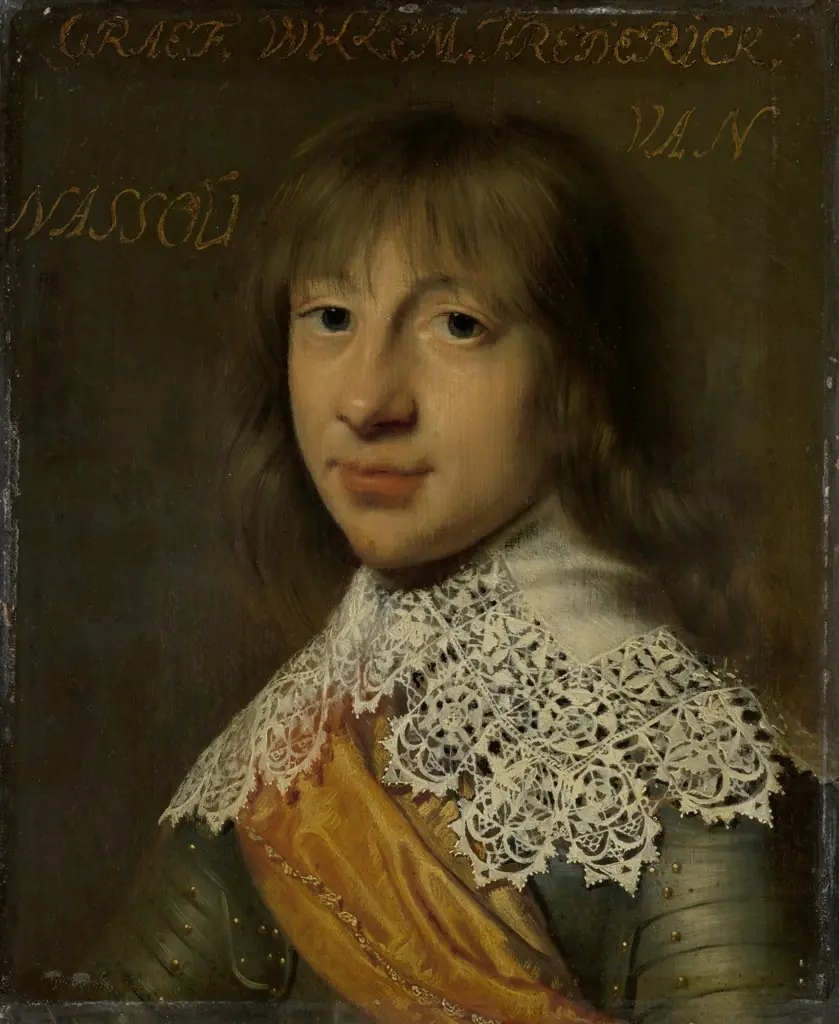
Portrait of Adolf (1540-68), Count of Nassau is an oil painting by the Dutch Golden Age artist Wybrand de Geest. It dates from 1633 and is held in the collection of the National Art Gallery of the Netherlands.
About this work
Overview
Wybrand de Geest’s 1633 oil portrait presents Adolf, Count of Nassau (1540‑68). The work is part of the Rijksmuseum’s collection and portrays the nobleman in a restrained, formal pose, emphasizing his status through attire and compositional clarity.
Subject & Meaning
The sitter, identified by an inscription reading “Graft Adolph van Nasran,” is shown with a solemn expression, suggesting the dignified bearing expected of a 16th‑century German count. The attire—a dark hat, white ruff, orange scarf, and black coat—signals both his rank and the fashion of his era.
Technique & Style
De Geest employs a smooth, controlled brushwork that renders the flesh and fabrics with subtle gradations. A limited, dark background isolates the figure, while careful modeling of light and shadow creates a modest chiaroscuro effect, directing attention to the face and clothing details.
History & Provenance
Painted in 1633, the portrait entered the Rijksmuseum’s holdings as part of its Dutch Golden Age collection. Its provenance prior to museum acquisition is not extensively documented, but the work has remained attributed to de Geest since its first cataloguing.
Context
The portrait reflects the 17th‑century Dutch practice of commemorating foreign aristocracy, linking the Netherlands’ artistic prestige with broader European noble networks. De Geest, active in Friesland, often received commissions from German patrons, situating this work within cross‑regional patronage patterns.
Own this work as a print
Artist & collection

Museum
National Art Gallery of the Netherlands
Continue through works from the same source collection.
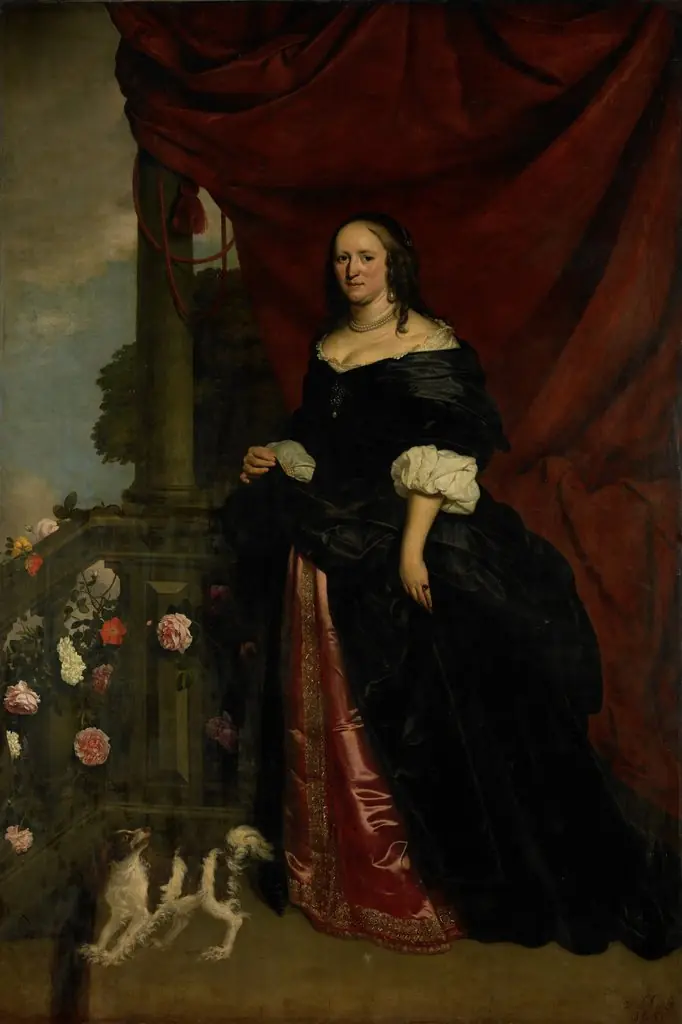 Portrait of a woman, probably Sophia Anna van Pipenpoy (c. 1618-70), Countess of Schellart
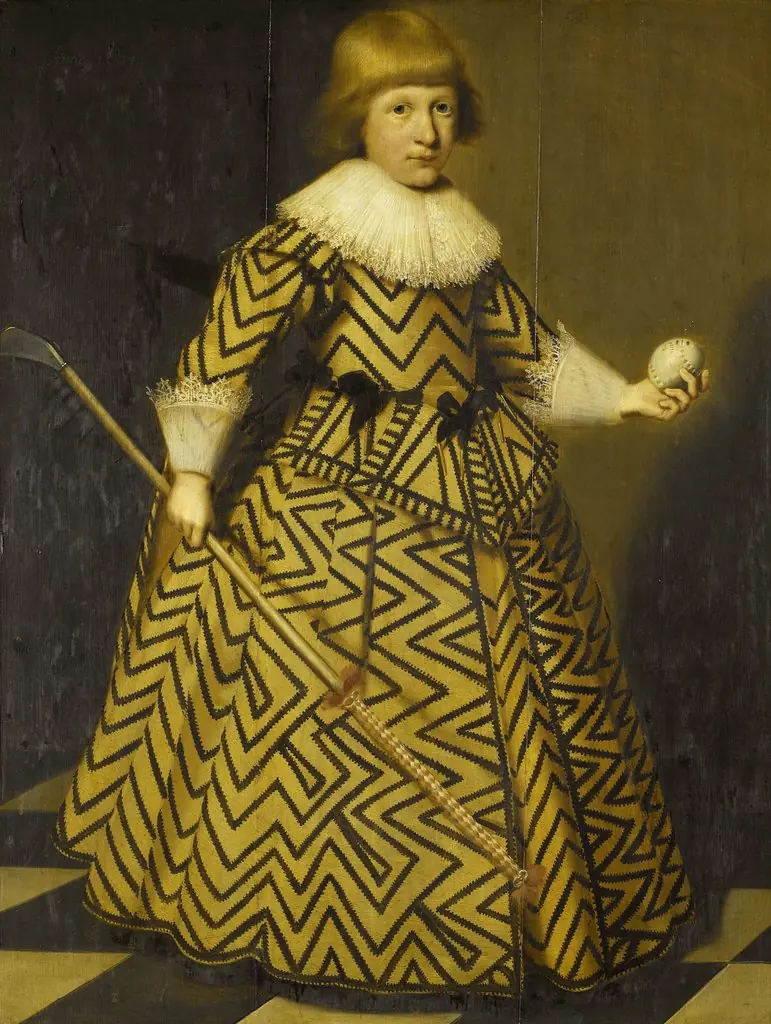 Portrait of a boy with a kolf club
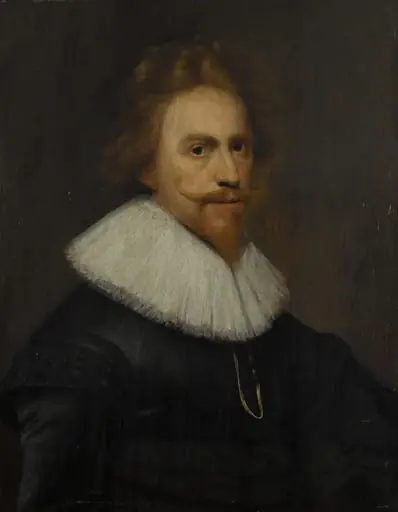 Self-Portrait
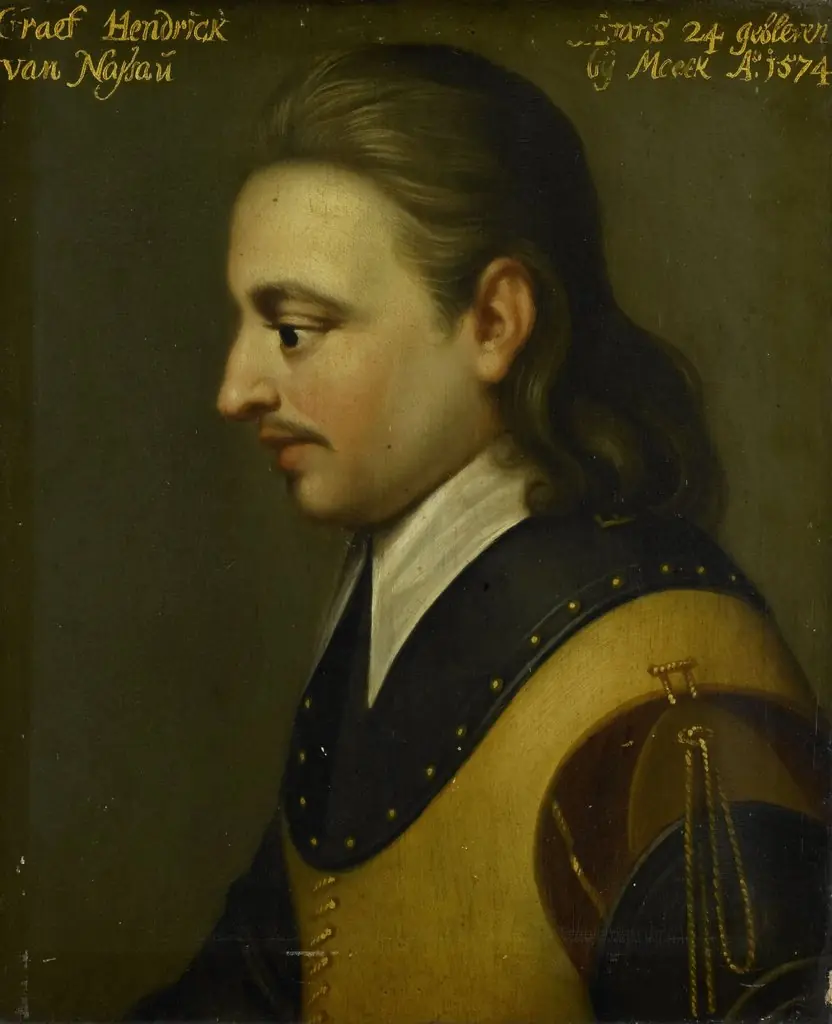 Portrait of Hendrik (1550-74), Count of Nassau
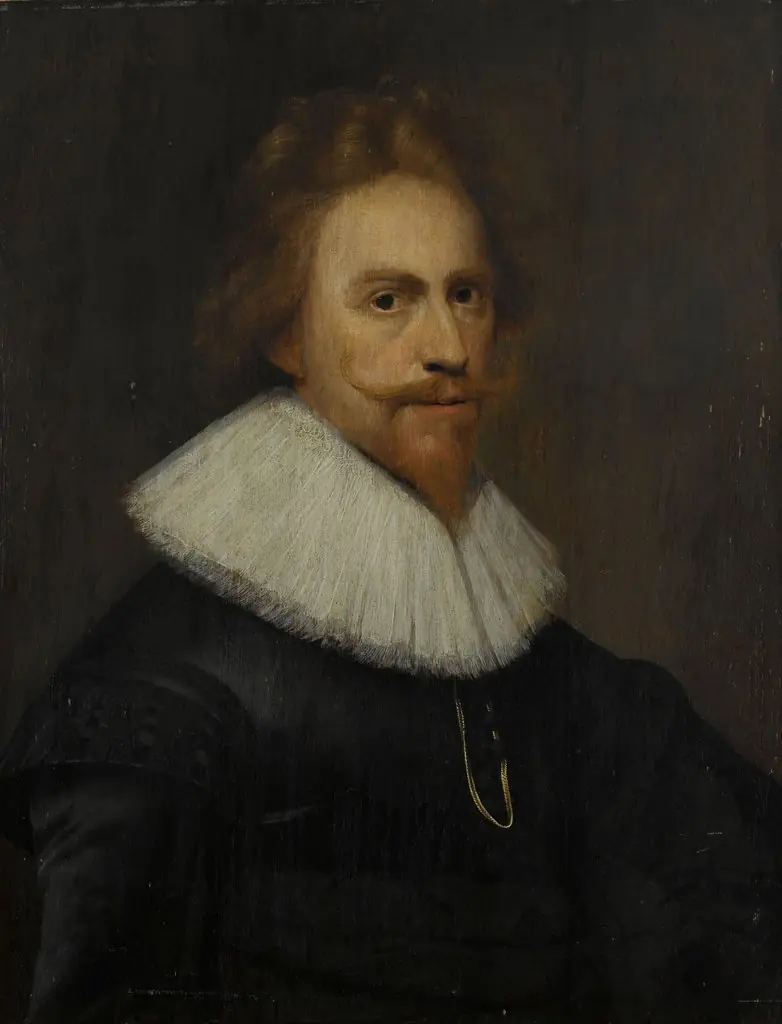 Self-portrait
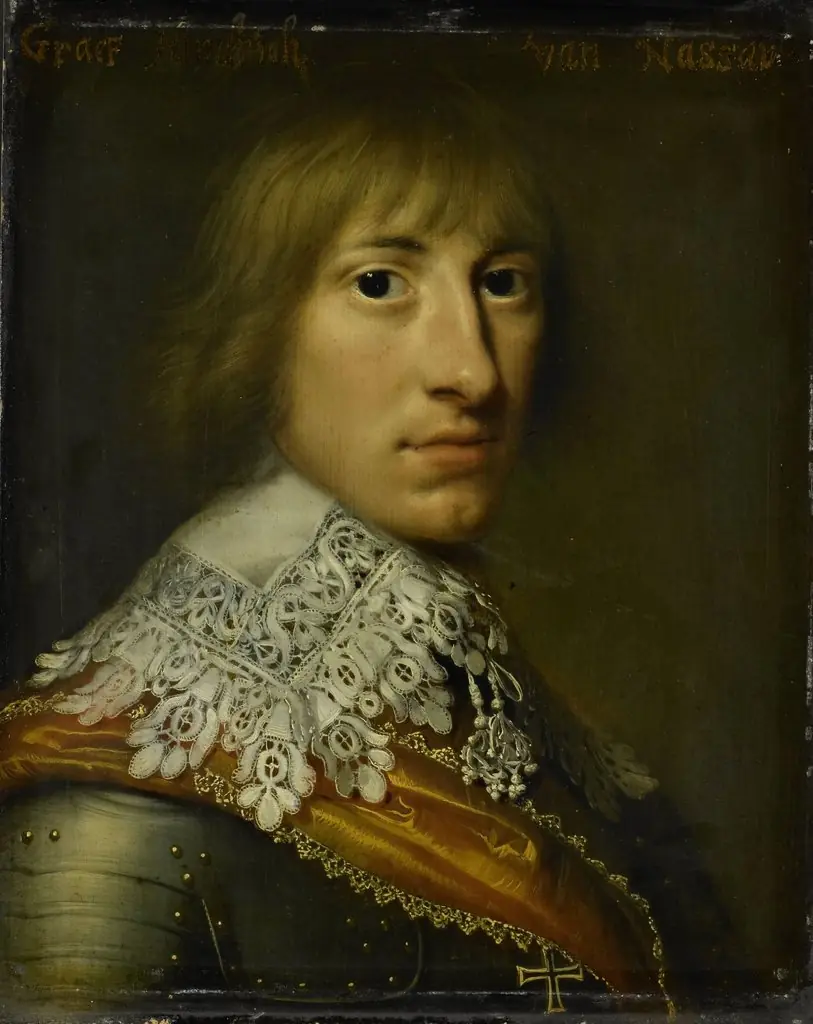 Portrait of Hendrik Casimir I (1612-40), Count of Nassau-Dietz
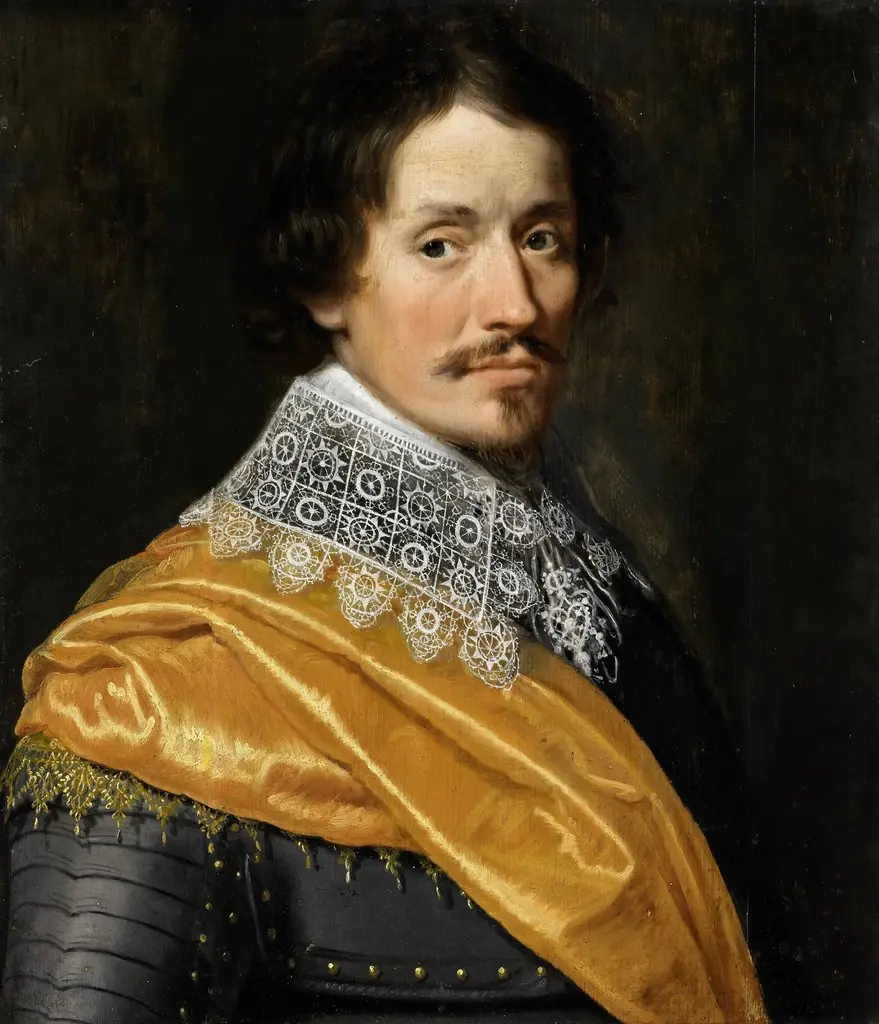 Portrait of an officer
 Portrait of Willem Frederik (1613-64), Count of Nassau-Dietz