Artwork
Maria Luisa of Spain, Holy Roman Empress
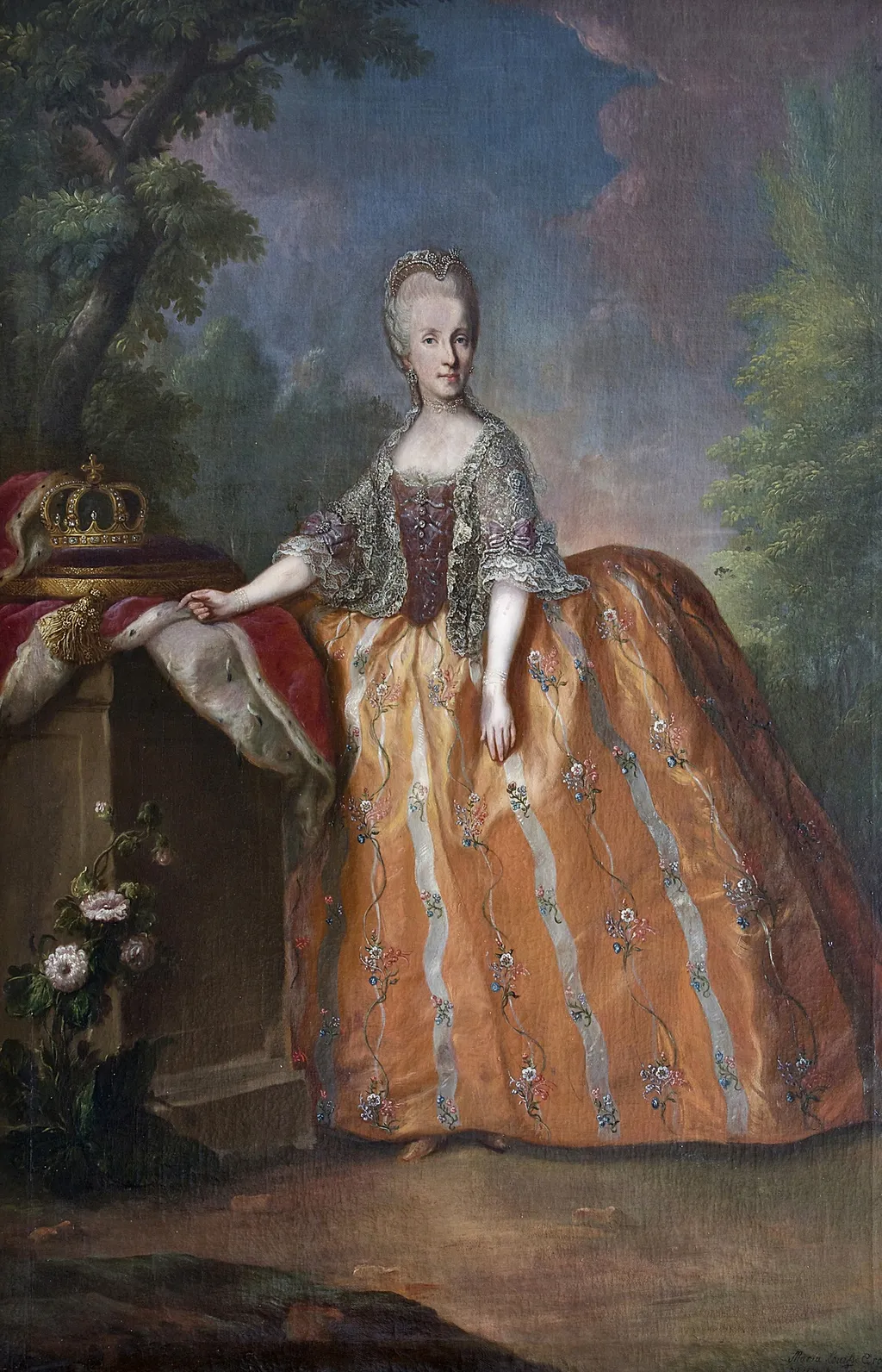
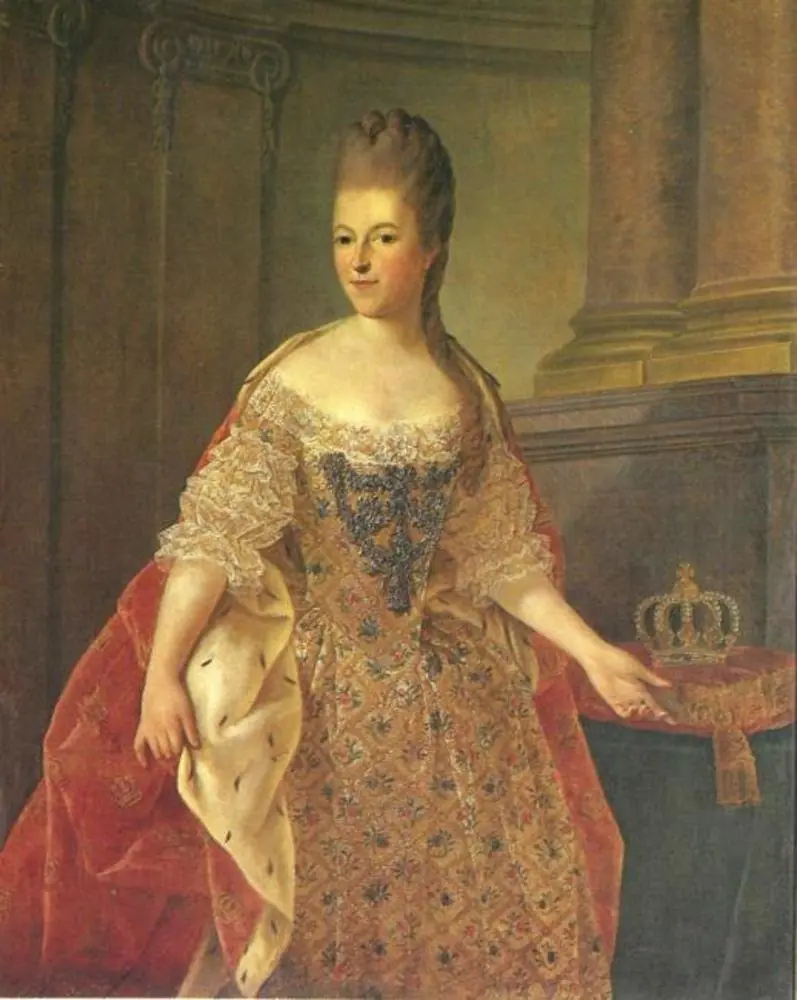
Maria Luisa of Spain, Holy Roman Empress is an oil painting by the Rococo painting artist Unknown. It dates from 1772 and is held in the collection of the Palace of Versailles. This oil painting depicts Maria Luisa of Spain, who became Holy Roman Empress through marriage.
About this work
Overview
This oil painting depicts Maria Luisa of Spain, who became Holy Roman Empress through marriage. Rendered in a naturalistic style typical of late 18th-century portraiture, the work captures her in full regalia against a tranquil outdoor backdrop. The medium allows for subtle gradations of light and texture, emphasizing the richness of her attire and the softness of the landscape behind her.
Subject & Meaning
Maria Luisa is portrayed not merely as a noblewoman but as a sovereign figure, her crown and elaborate dress signaling imperial authority. The serene garden setting may allude to harmony and stability, virtues associated with enlightened rule. Her poised stance and direct gaze convey dignity, reinforcing her role as a symbol of dynastic continuity within the Habsburg sphere.
Technique & Style
The artist employed oil paint to achieve fine detail in the lace shawl, the metallic sheen of the crown, and the delicate patterning of the gown. Brushwork is precise yet fluid, balancing realism with a sense of elegance. The background’s atmospheric perspective and soft lighting draw attention to the figure while integrating her into a harmonious natural environment.
History & Provenance
Commissioned during Maria Luisa’s tenure as Empress, the painting likely originated in the imperial court circles of Vienna or Madrid. It remained within royal collections until the 19th century, when it entered a public institution. Its survival through political upheavals underscores its significance as a document of aristocratic identity during a period of dynastic transition.
Context
Created in the decades before the Napoleonic Wars, the portrait reflects the enduring visual language of European monarchy. Despite rising Enlightenment ideals, royal imagery still relied on opulence and symbolic authority. Maria Luisa’s depiction aligns with contemporary portraiture of female rulers, emphasizing lineage, virtue, and ceremonial presence over personal expression.
Legacy
The painting endures as a representative example of Habsburg court portraiture, illustrating how royal women were visually constructed as embodiments of state power. It contributes to scholarly understanding of gender, representation, and political symbolism in late Enlightenment Europe, offering insight into the visual culture that sustained dynastic legitimacy.
Artist & collection

 Domestic Scene
 Giacomo and Cardinal Marco, investing Andrea, Abbot of San Zeno, with his Benefice
 The Nymph of Fontainebleau
 Portrait of a Woman
 Madonna and Child with Saints in the Enclosed Garden
 Venus and Minerva
 Family Group of Four on Sofa
 Wall painting from Room H of the Villa of P. Fannius Synistor at Boscoreale
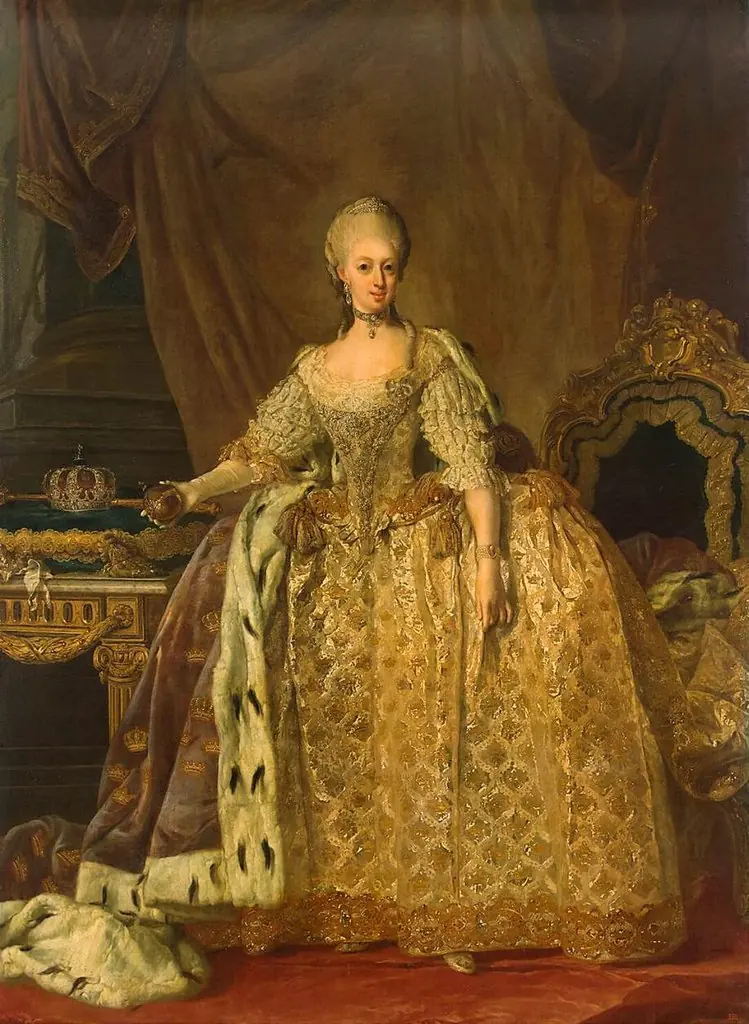 Portrait of Queen Sophie-Magdalene
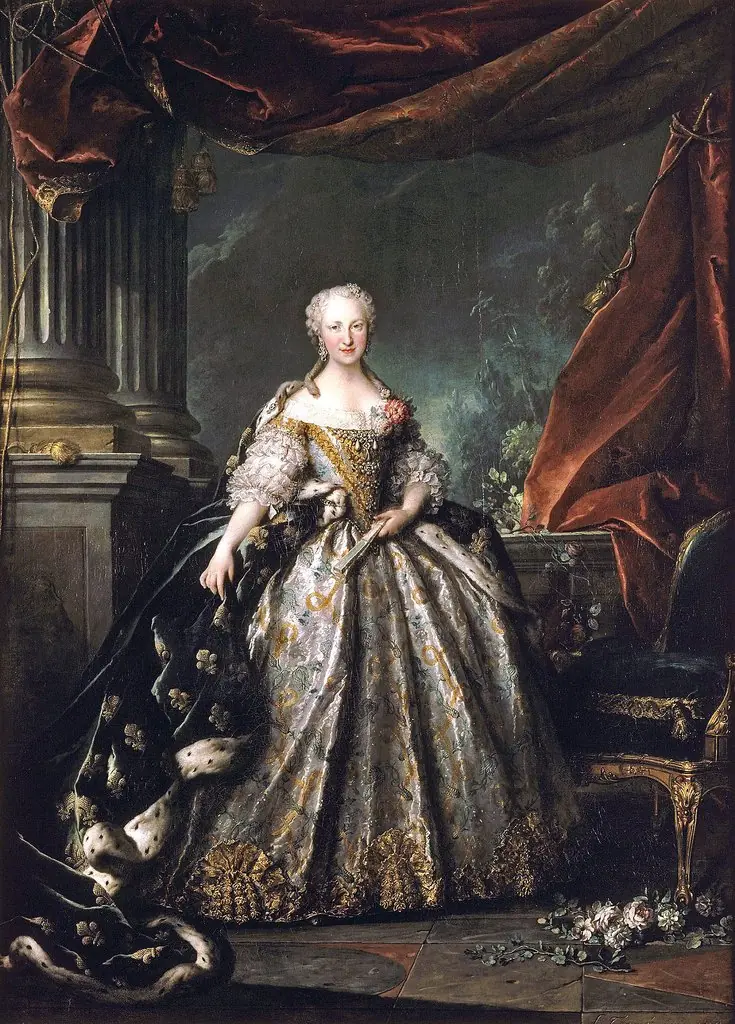 Marie-Thérèse-Raphaëlle, Infanta of Spain, Dauphine of France
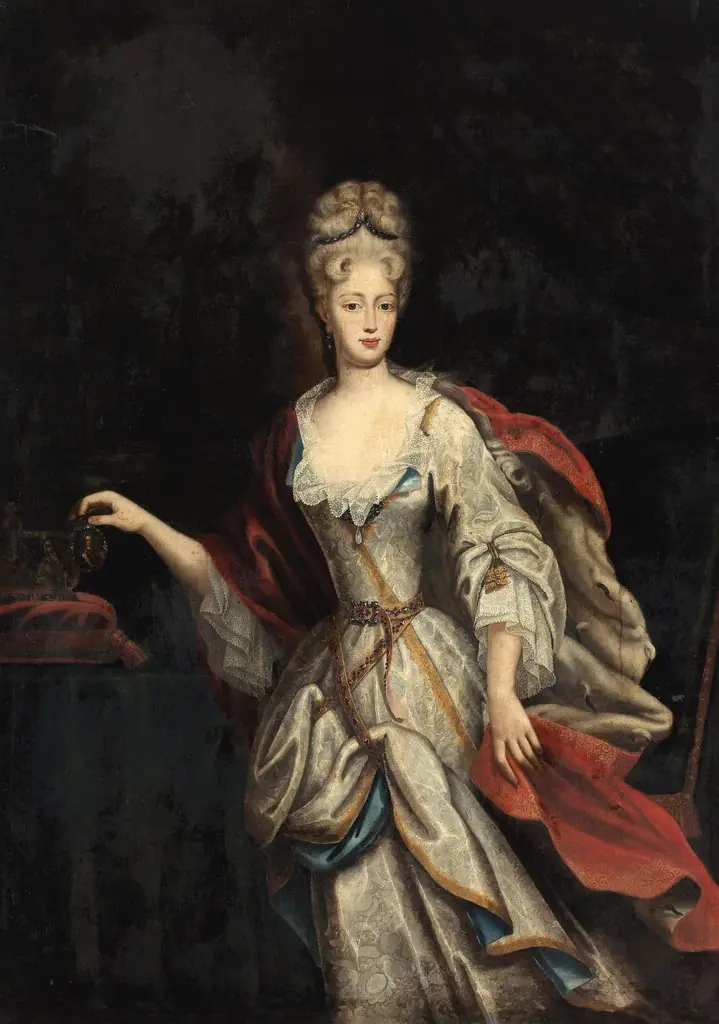 Bildnis einer Fürstin
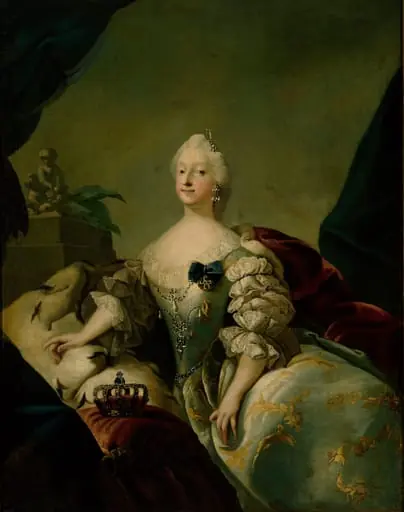 Tanskan kuningatar Louise
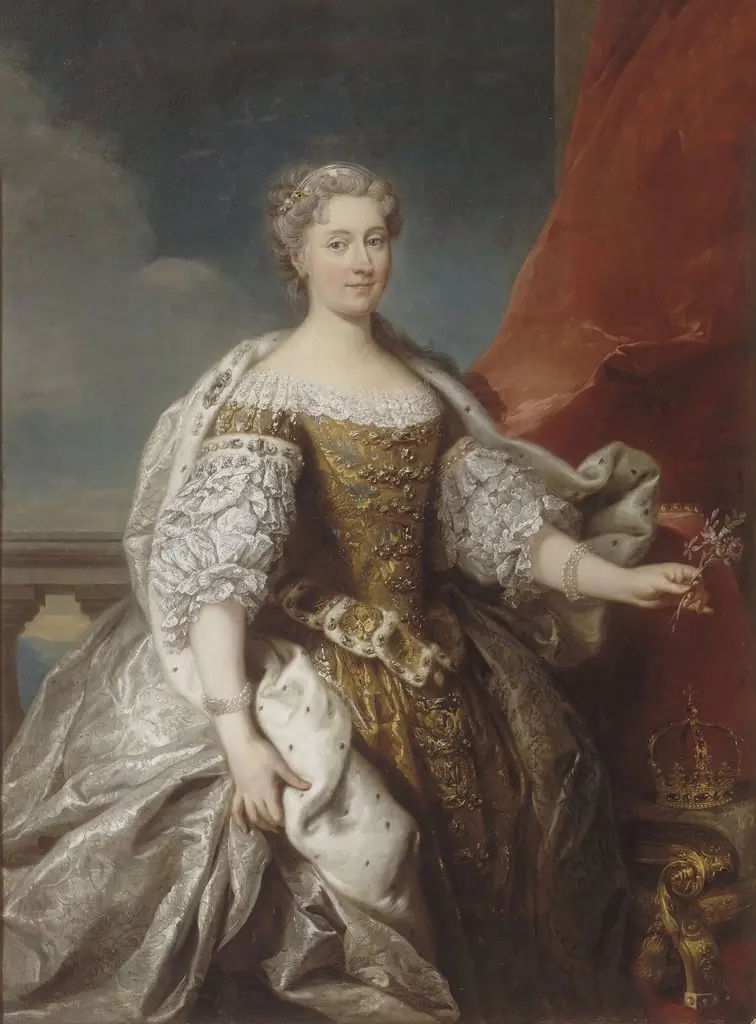 Catherine Opalińska, Queen of Poland
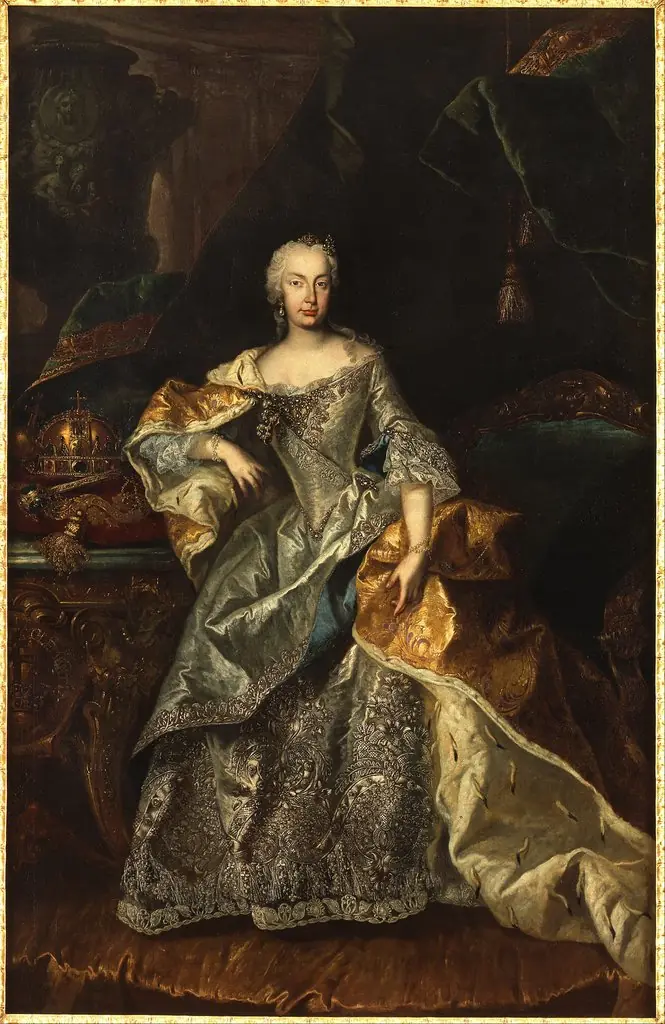 Maria Theresa as Queen of Hungary
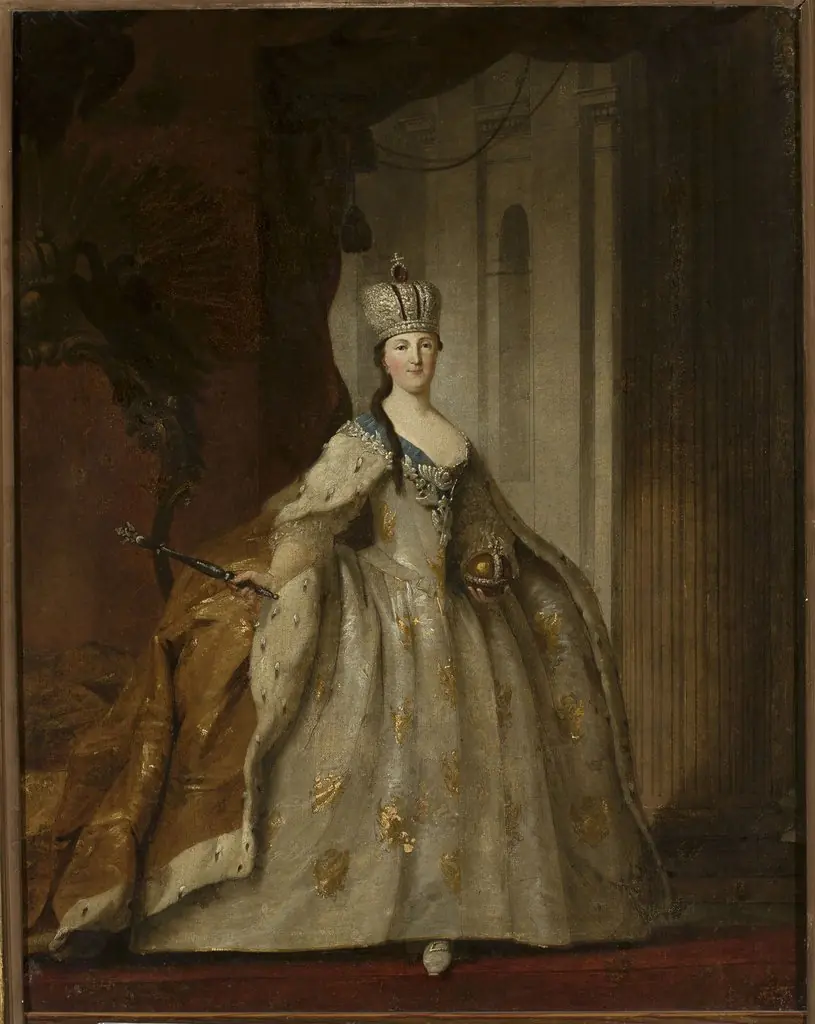 Portrait of Catherine II
 Frederika Sophia Wilhelmina (Wilhelmina; 1751-1820), prinses van Pruisen. Echtgenote van prins Willem V