Artwork
Portrait of Albert III Władysław Radziwiłł (1589–1636)
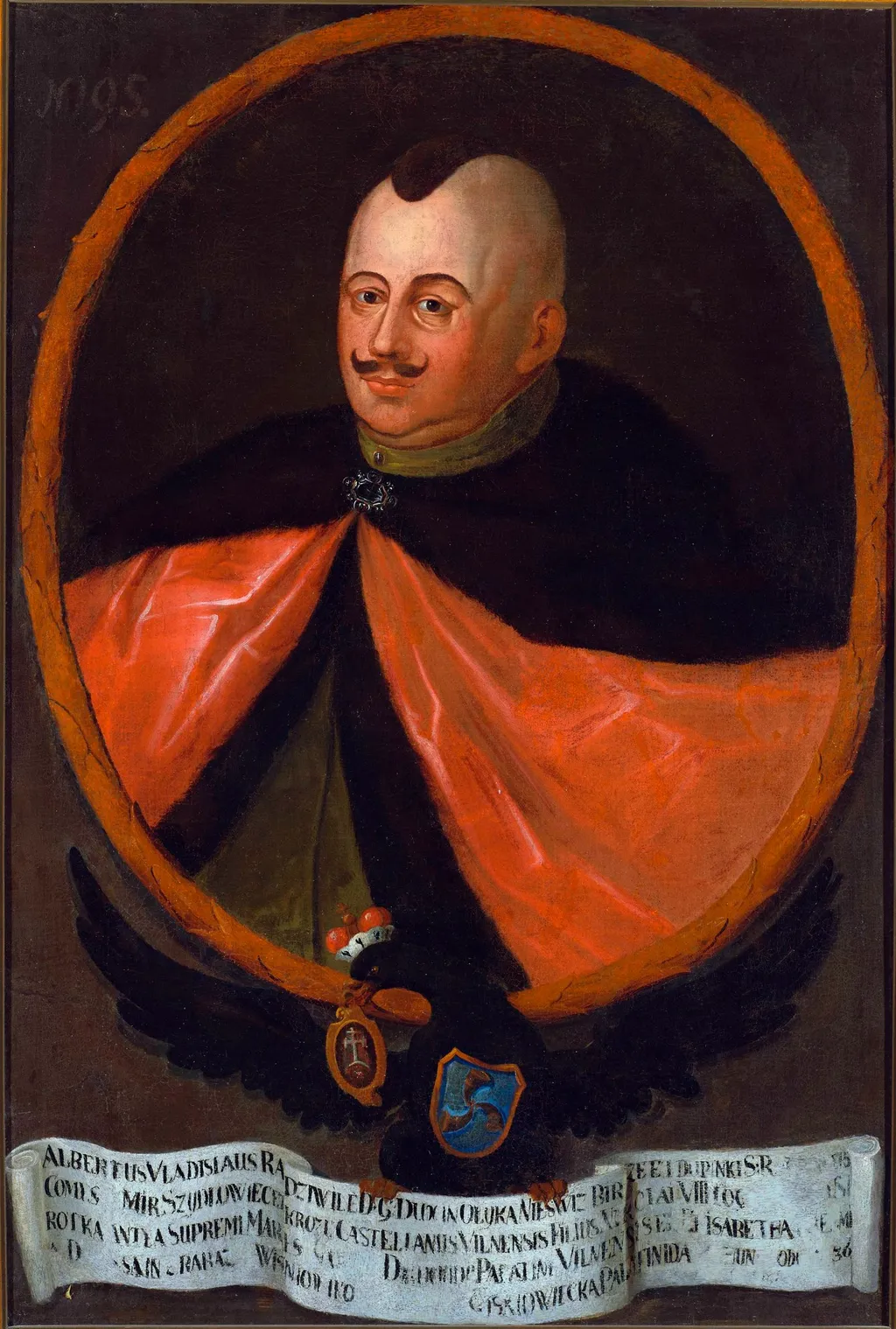
Portrait of Albert III Władysław Radziwiłł (1589–1636) is an oil painting by the Rococo painting artist Unknown. It dates from 1735 and is held in the collection of the National Museum in Warsaw. The oil painting portrays Albert III Władysław Radziwiłł (1589–1636), a member of the prominent Polish‑Lithuanian noble family.
About this work
Overview
The oil painting portrays Albert III Władysław Radziwiłł (1589–1636), a member of the prominent Polish‑Lithuanian noble family. He is shown with a shaved head save for a small tuft, a pronounced mustache, and dressed in a black coat accented by a red cape and a green collar. The composition is framed by a large orange circular border that encloses the figure.
Subject & Meaning
The portrait emphasizes the sitter’s status through his elaborate attire and the solemn, direct gaze. The white banner beneath the image bears an inscription in an unidentified script, accompanied by two small circular symbols—one bearing a cross and the other a blue‑orange motif—suggesting heraldic or commemorative elements linked to the Radziwiłł lineage.
Technique & Style
Employing chiaroscuro, the artist creates a strong contrast between illuminated facial features and shadowed surroundings, lending three‑dimensionality to the figure. The use of a vivid orange frame and the restrained palette of black, red, and green highlights the subject against the dark background, a common approach in early‑17th‑century portraiture.
History & Provenance
The work dates from the early 1600s, a period when the Radziwiłł family commissioned portraits to affirm their political and cultural influence within the Commonwealth. Specific details of the painting’s ownership trail or its original location are not documented in the available sources.
Context
Portraits of high‑ranking nobles in the Polish‑Lithuanian Commonwealth often combined Western European painting techniques with local heraldic symbols. The inclusion of the banner and emblematic circles reflects the era’s practice of embedding personal or family identifiers within formal portraiture.
Artist & collection

 Domestic Scene
 Giacomo and Cardinal Marco, investing Andrea, Abbot of San Zeno, with his Benefice
 The Nymph of Fontainebleau
 Portrait of a Woman
 Madonna and Child with Saints in the Enclosed Garden
 Venus and Minerva
 Family Group of Four on Sofa
 Wall painting from Room H of the Villa of P. Fannius Synistor at Boscoreale
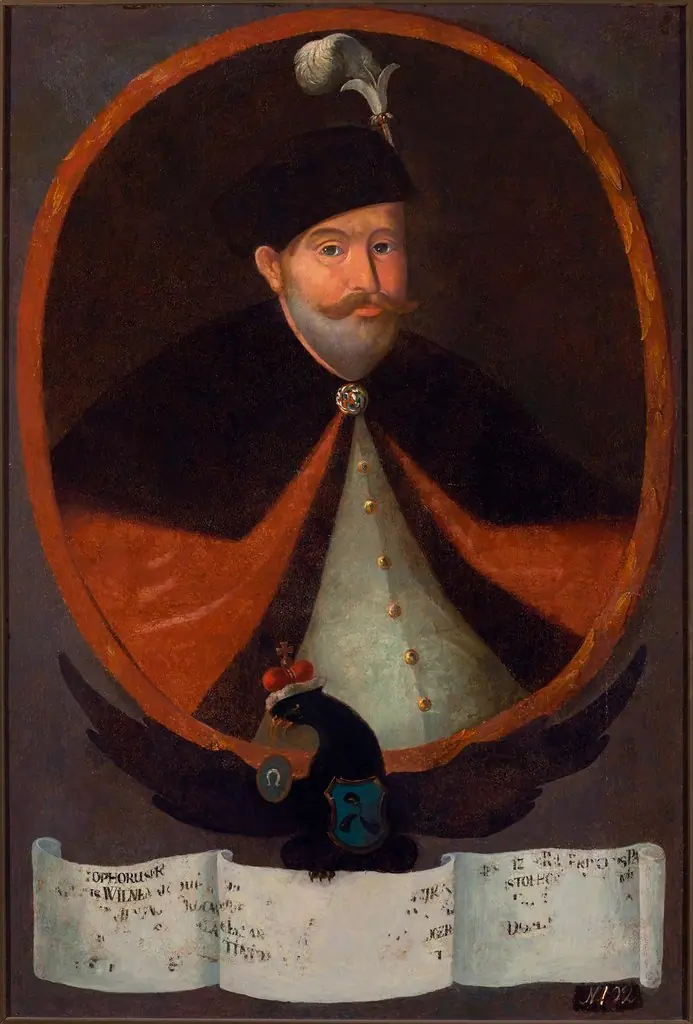 Portrait of Krzysztof II Radziwiłł (1585–1640), Great Hetman of Lithuania
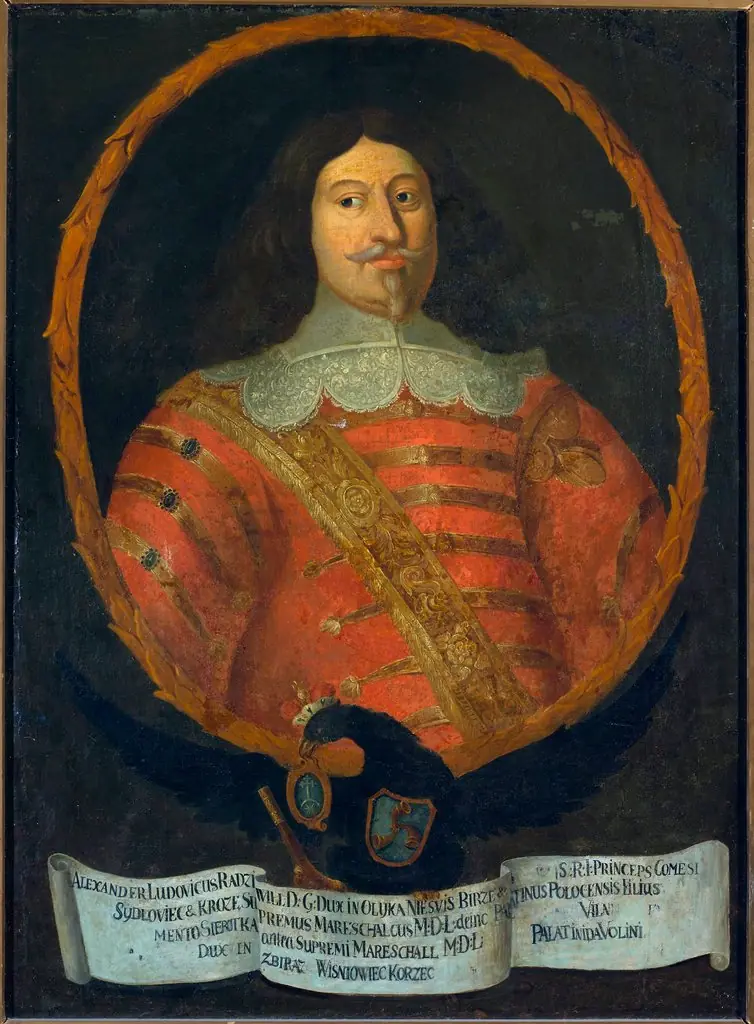 Portrait of Aleksander Ludwik Radziwiłł (1594–1654)
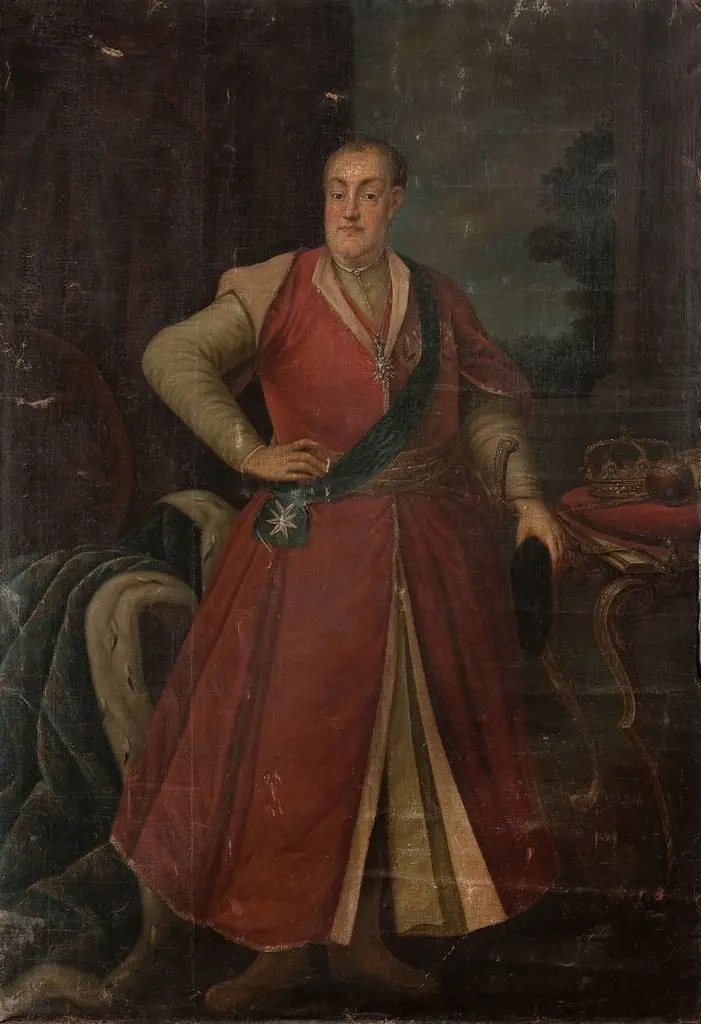 Portrait of Augustus III (1696–1763), King of Poland
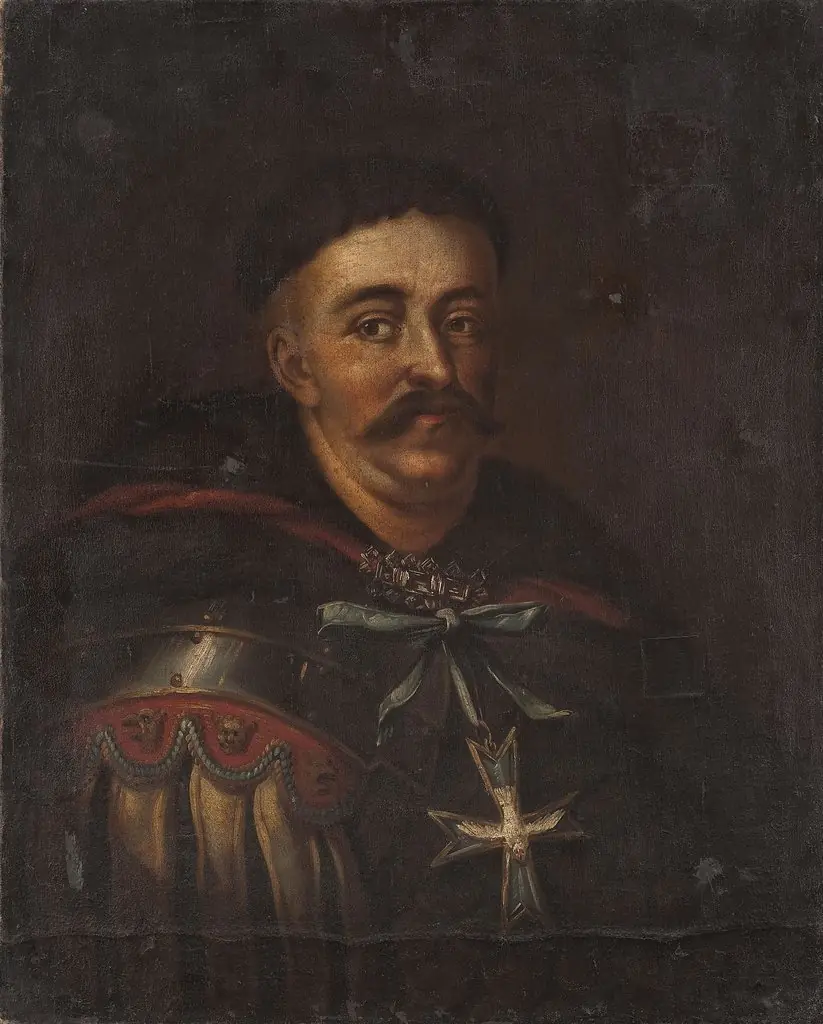 Portrait of John III Sobieski (1629–1696), King of Poland
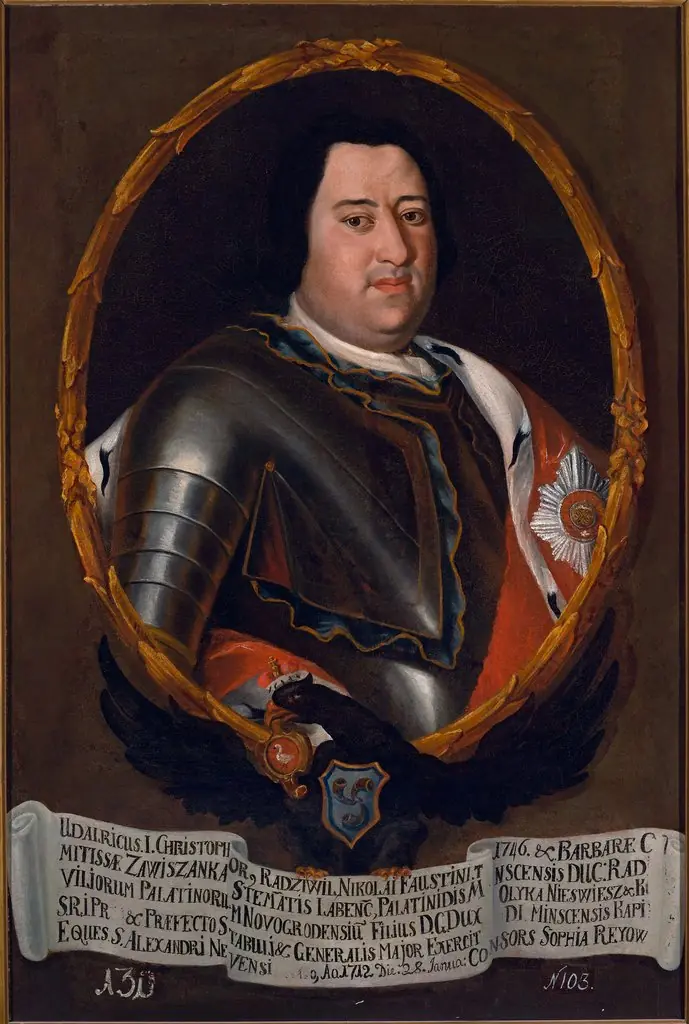 Portrait of Udalryk I Krzysztof Radziwiłł (1712–1770)
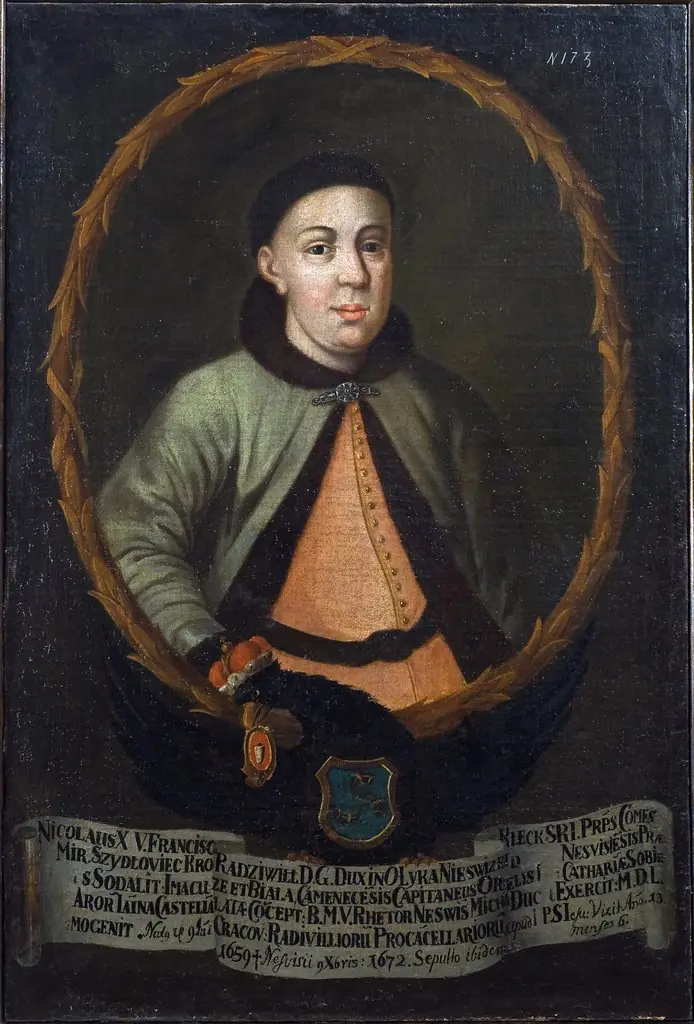 Portrait of Mikołaj Franciszek Radziwiłł (1659–1672)