Artwork
Portrait of a Man
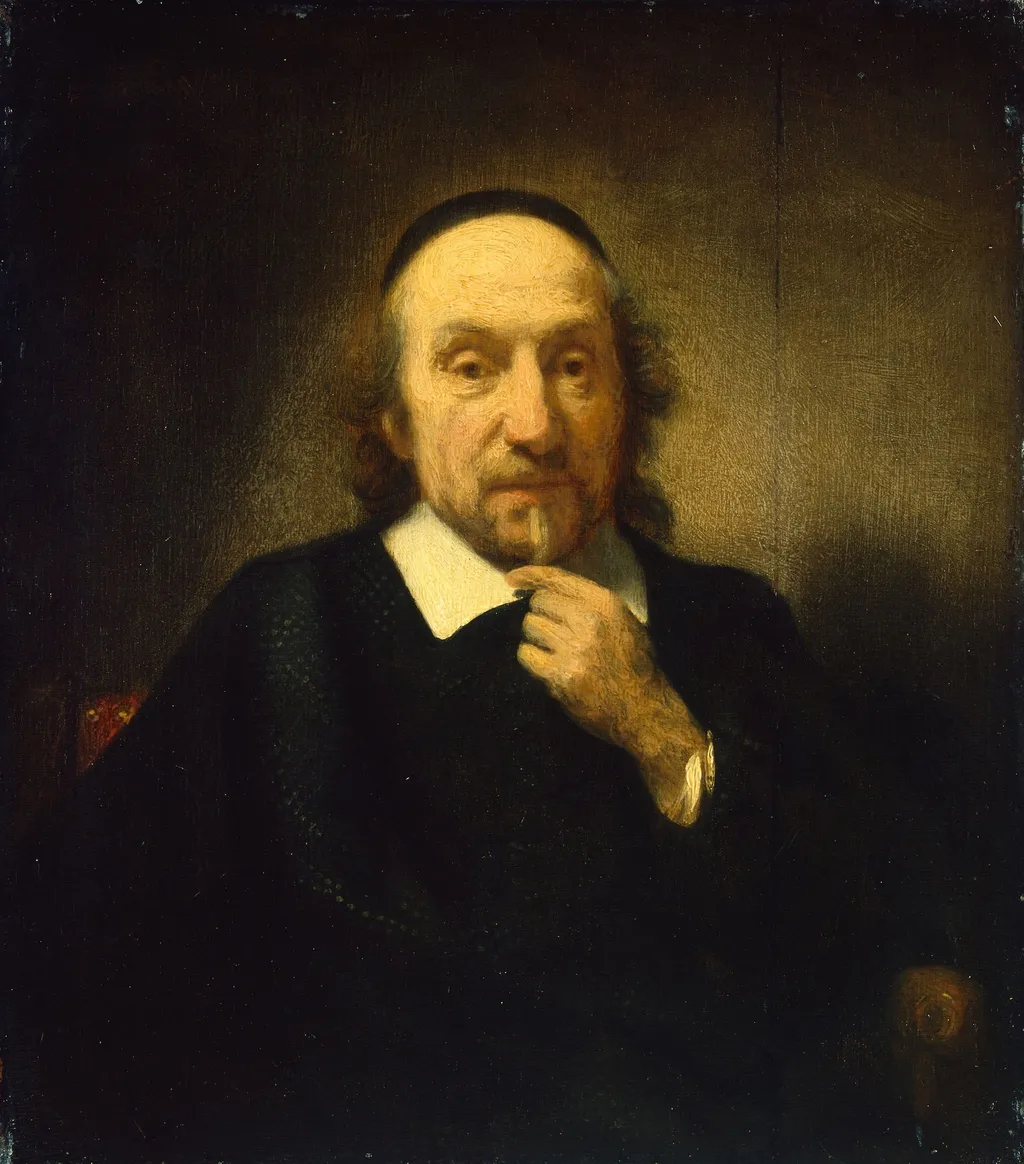
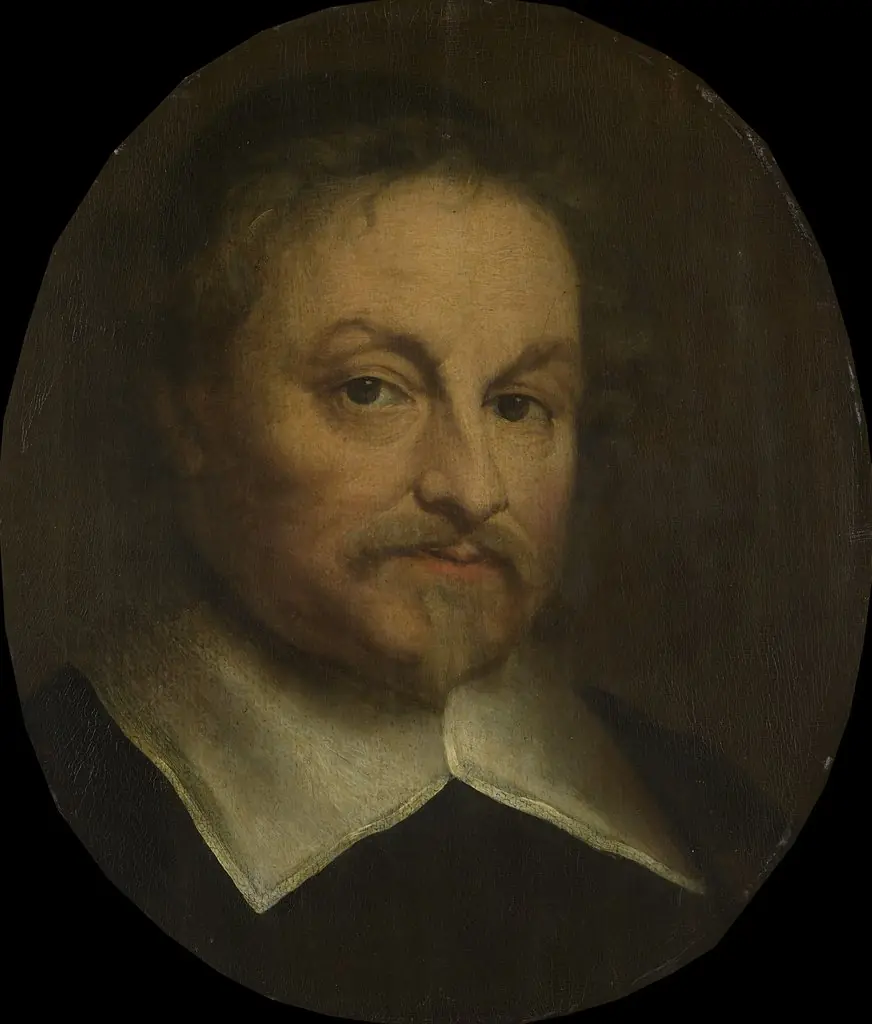
Portrait of a Man is an unspecified painting by the Dutch Golden Age artist Unknown. It dates from 1655 and is held in the collection of the Art Institute of Chicago. This oil painting depicts an elderly man in quiet contemplation, rendered with intense focus on his facial features.
About this work
Overview
This oil painting depicts an elderly man in quiet contemplation, rendered with intense focus on his facial features.
This oil painting depicts an elderly man in quiet contemplation, rendered with intense focus on his facial features. The composition eliminates extraneous detail, placing the figure against a deep, unbroken background. The subject’s pose—hand resting on the chin—suggests introspection, while the lighting isolates his expression from the surrounding darkness, creating a sense of psychological presence.
Subject & Meaning
The identity of the man remains unknown, but his age, attire, and demeanor imply a figure of dignity, possibly a scholar or civic elder. His serious expression, unadorned clothing, and stillness convey a sense of inner life rather than social status. The absence of symbols or context invites viewers to engage with his humanity rather than his role, emphasizing character over circumstance.
Technique & Style
The artist employs chiaroscuro to model the face with sharp contrasts between light and shadow, giving volume and depth to the features. Brushwork is restrained, favoring smooth transitions in skin tones against the flat, dark background. The white collar catches the light subtly, anchoring the figure without distraction. The technique prioritizes realism and emotional resonance over decorative detail.
History & Provenance
The painting’s origin is undocumented, with no clear record of its commission or early ownership. It has been attributed to Northern European painters of the late 16th or early 17th century, based on stylistic parallels with contemporary portraiture. Its survival in private collections before institutional acquisition suggests it was valued for its quiet intensity rather than its subject’s fame.
Context
During the period in which it was likely painted, portraiture in Northern Europe shifted toward psychological depth over heraldic display. Artists increasingly focused on individual character, often using minimal backgrounds and controlled lighting to heighten emotional immediacy. This work aligns with that trend, reflecting a broader cultural interest in the inner life of the sitter.
Legacy
Though not widely known, the painting exemplifies the quiet power of restrained portraiture. Its emphasis on light, expression, and stillness influenced later artists seeking to convey introspection without narrative embellishment. It remains a study in how simplicity and precision can evoke presence, continuing to resonate in discussions of human representation in art.
Artist & collection

 Domestic Scene
 Giacomo and Cardinal Marco, investing Andrea, Abbot of San Zeno, with his Benefice
 The Nymph of Fontainebleau
 Portrait of a Woman
 Madonna and Child with Saints in the Enclosed Garden
 Venus and Minerva
 Family Group of Four on Sofa
 Wall painting from Room H of the Villa of P. Fannius Synistor at Boscoreale
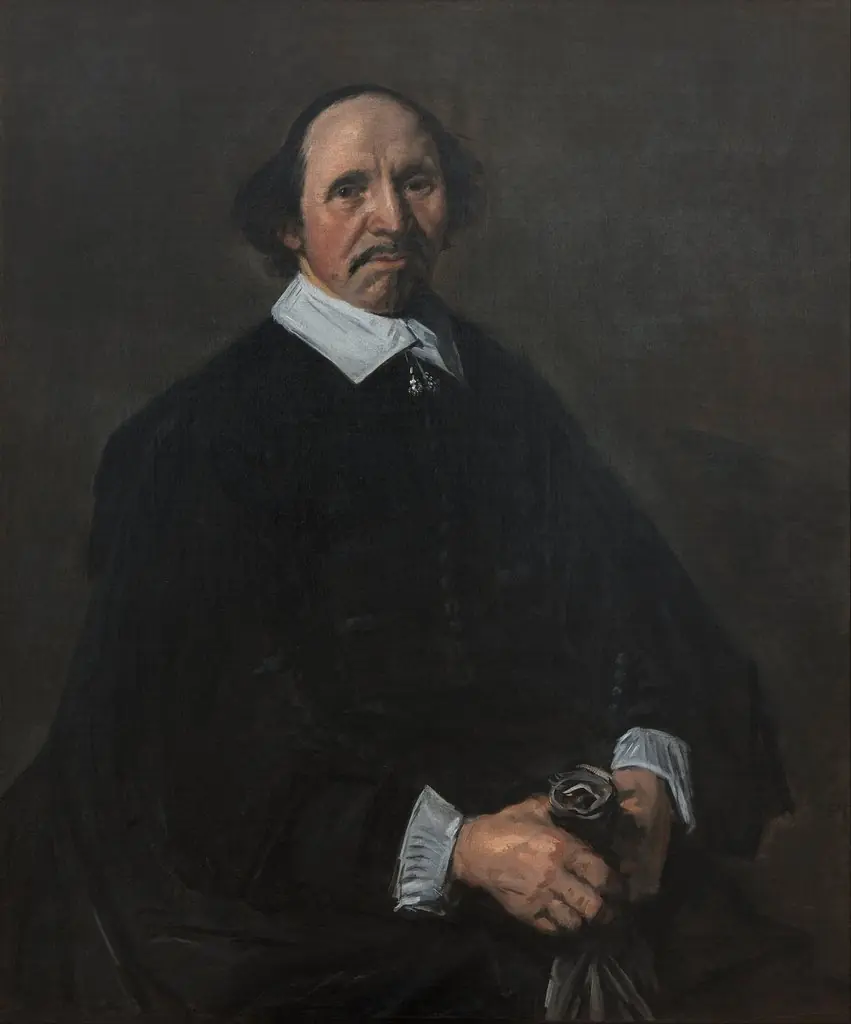 Portrait of a man
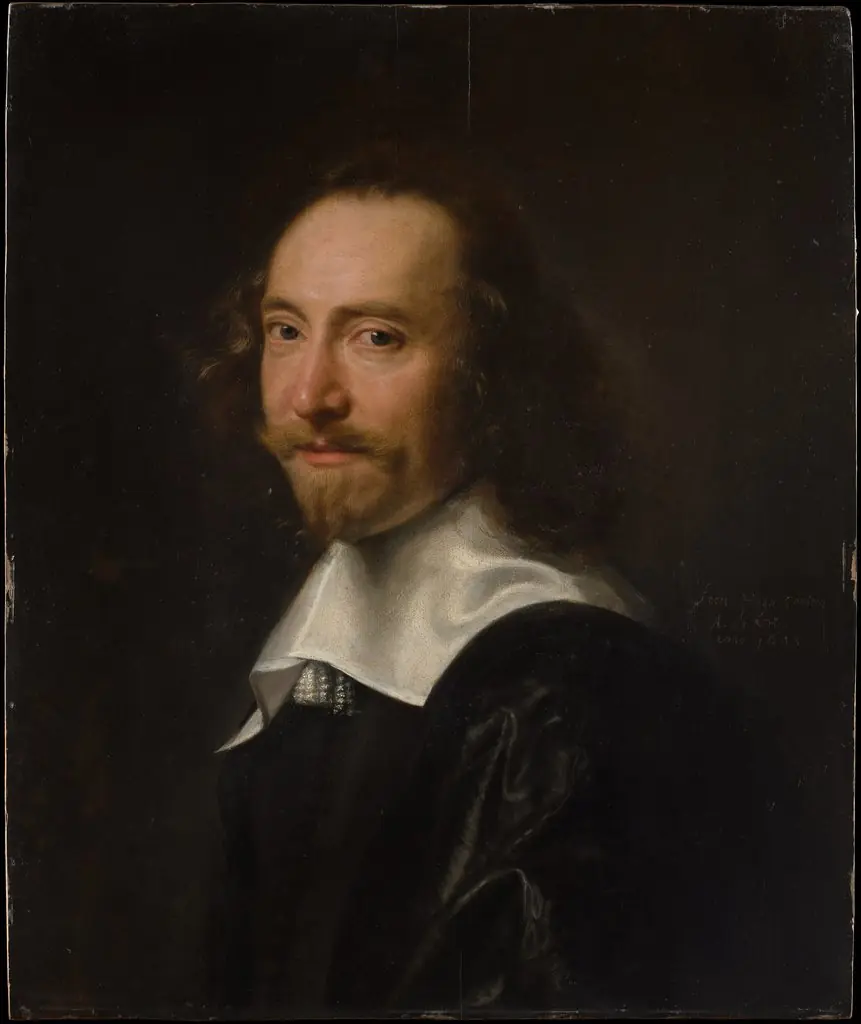 Portrait of a Man
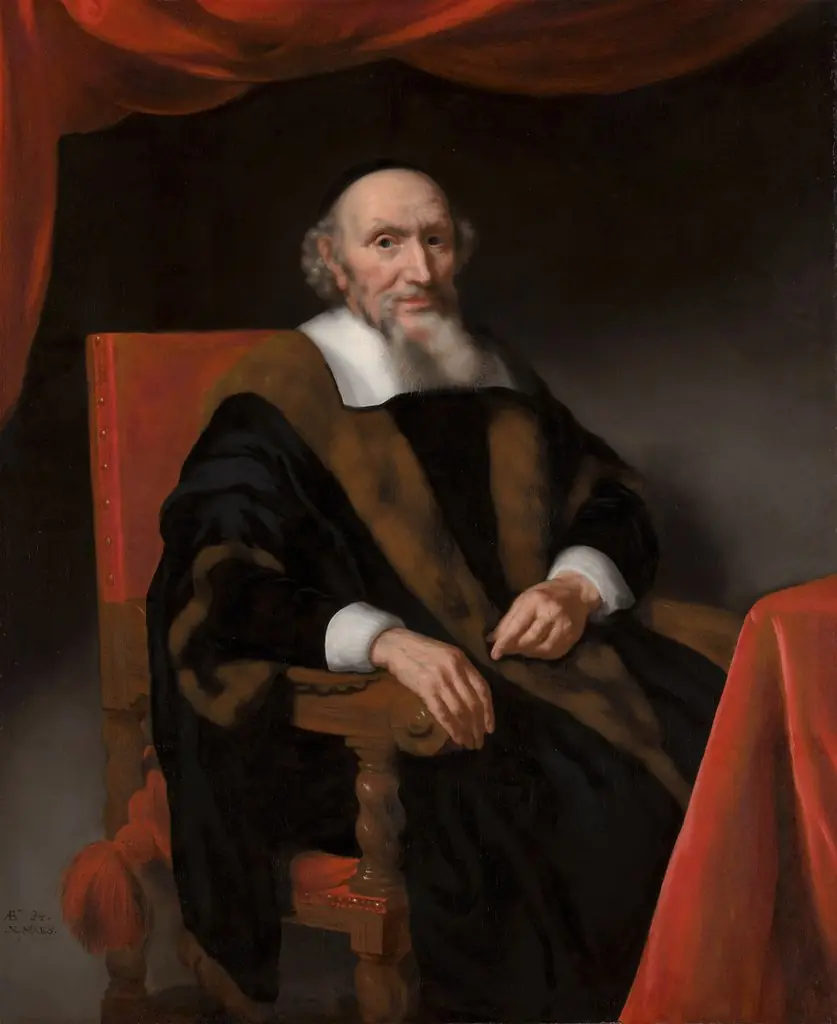 Portrait of Jacob Trip
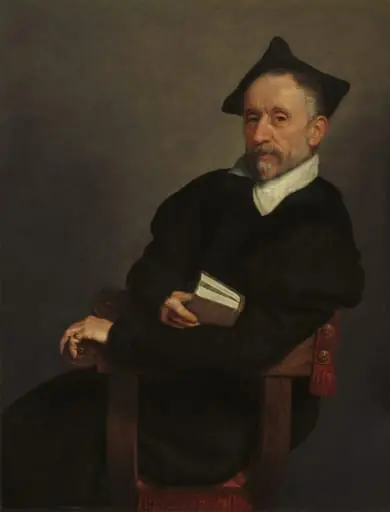 "Titian's Schoolmaster"
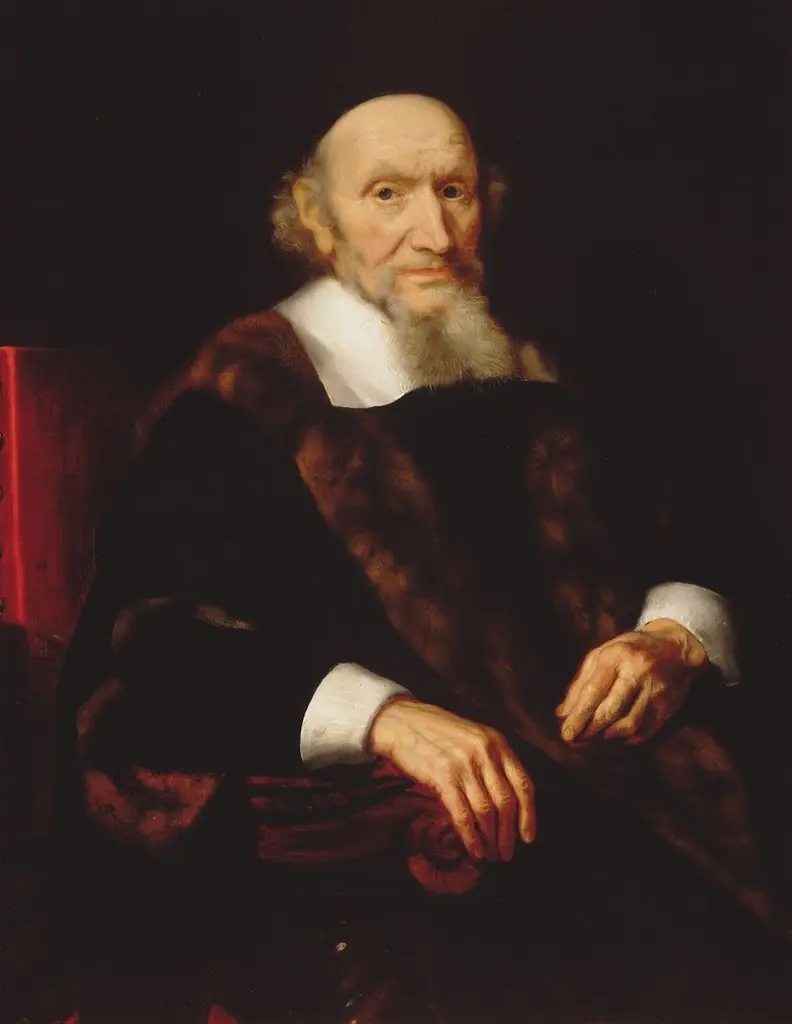 Portrait of Jacob Trip
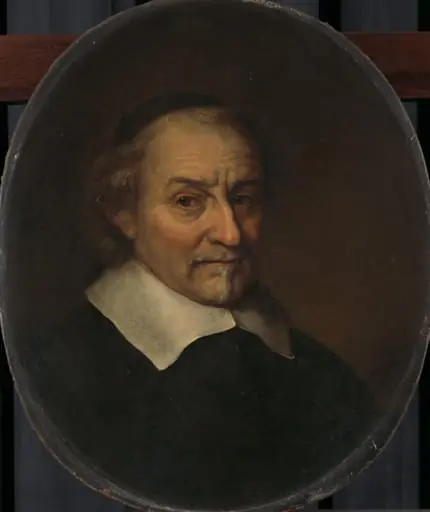 Joost van den Vondel (1587-1679), Poet
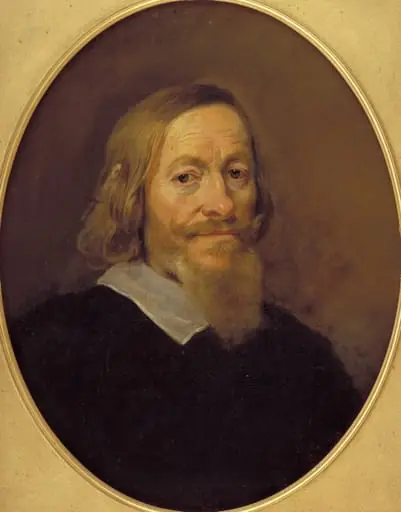 Rigsadmiral Ove Gjedde
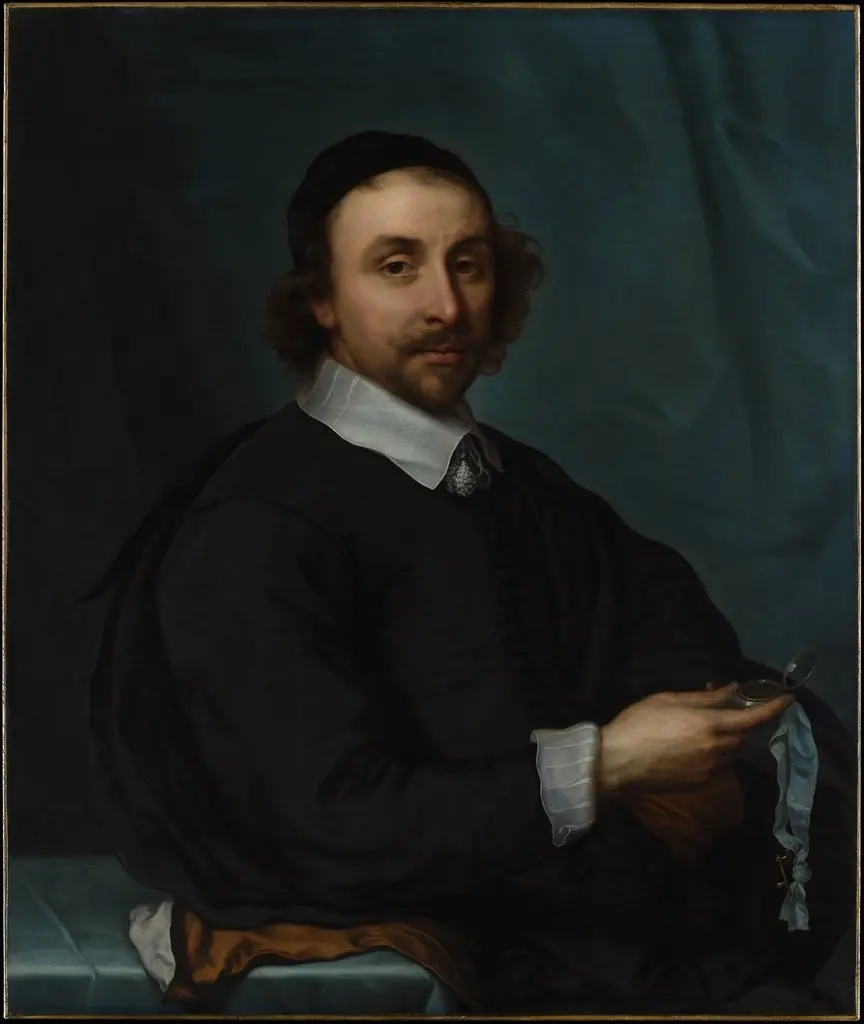 Portrait of a Man with a Watch
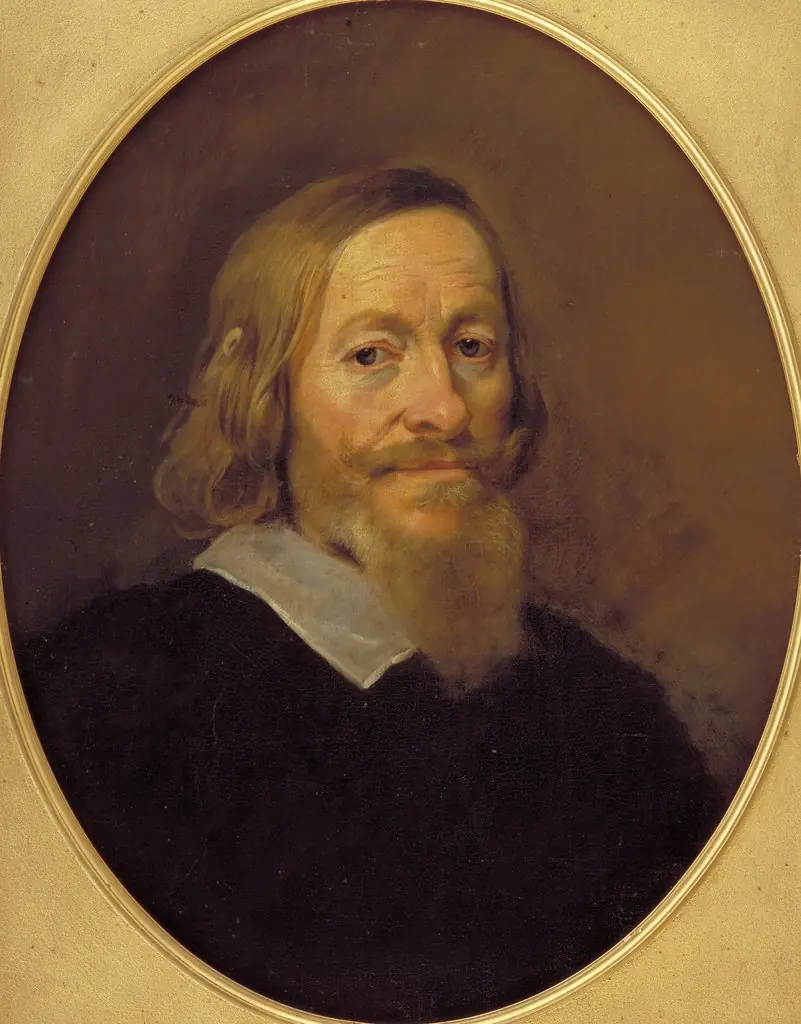 Rigsadmiral Ove Gjedde
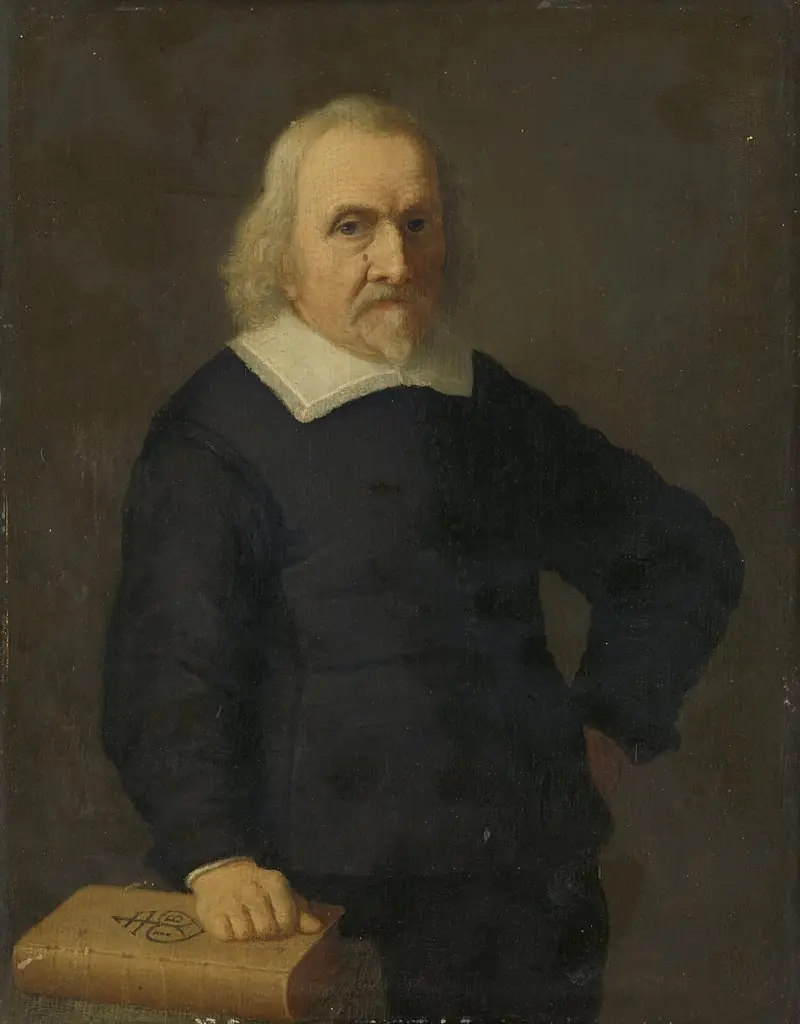 Portrait of a Man
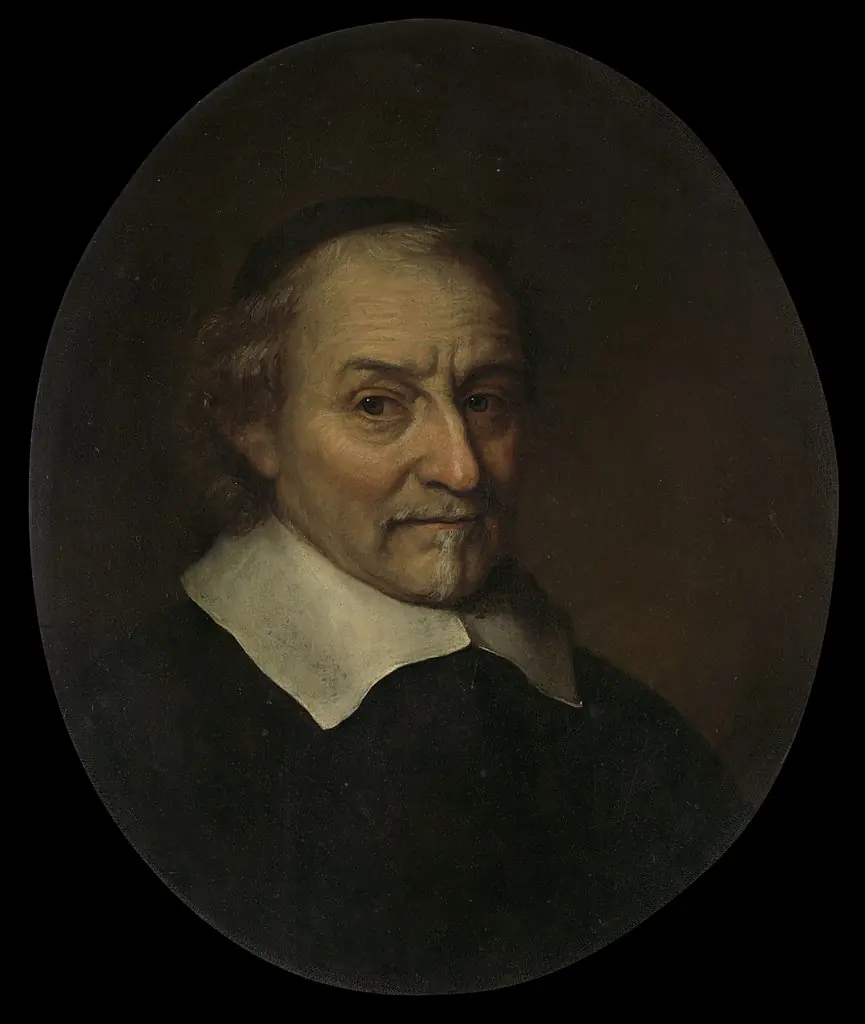 Joost van den Vondel (1587–1679). Poet
 Joost van den Vondel (1587-1679). Poet