Artwork
Portrait of Jacob Trip
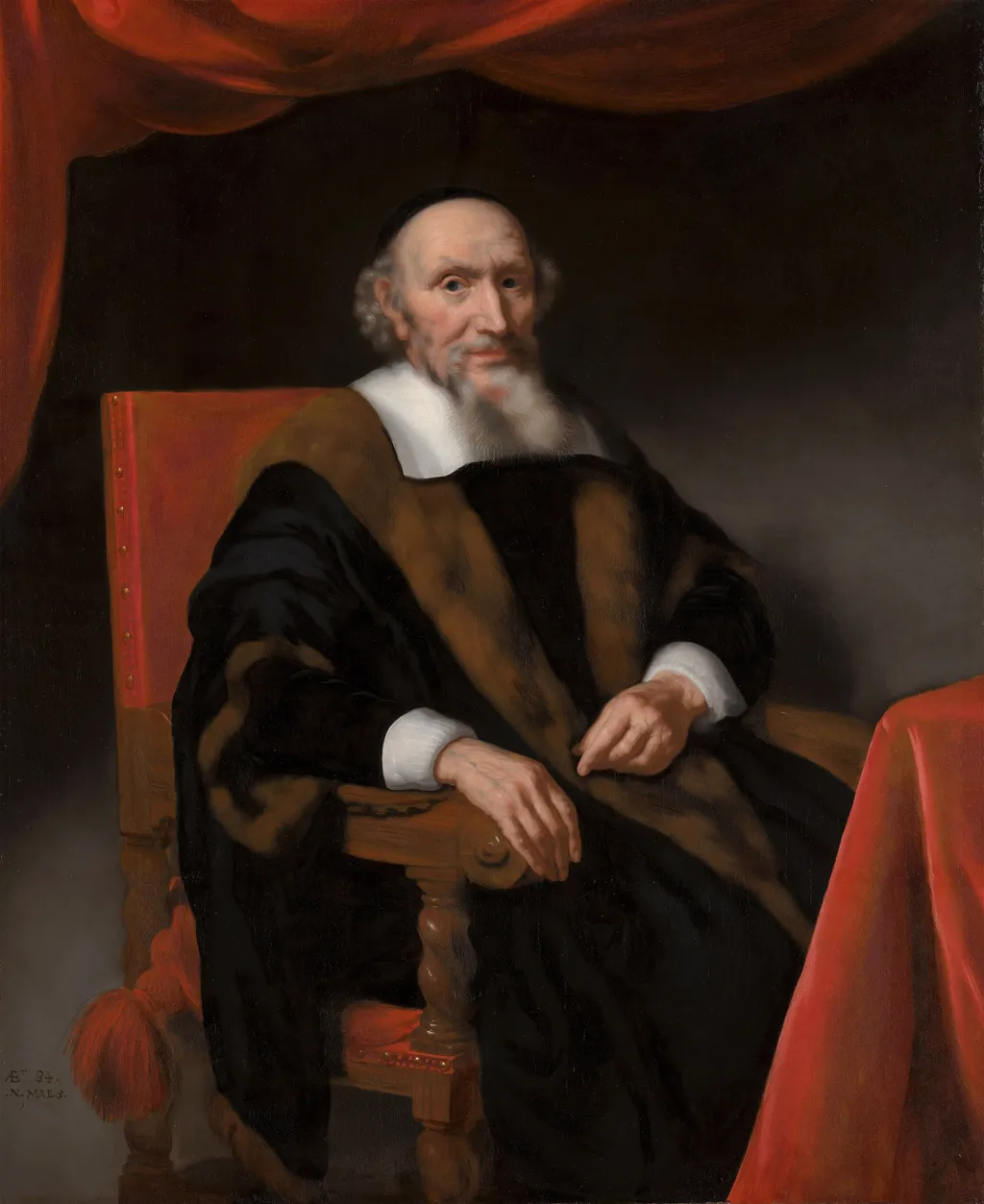
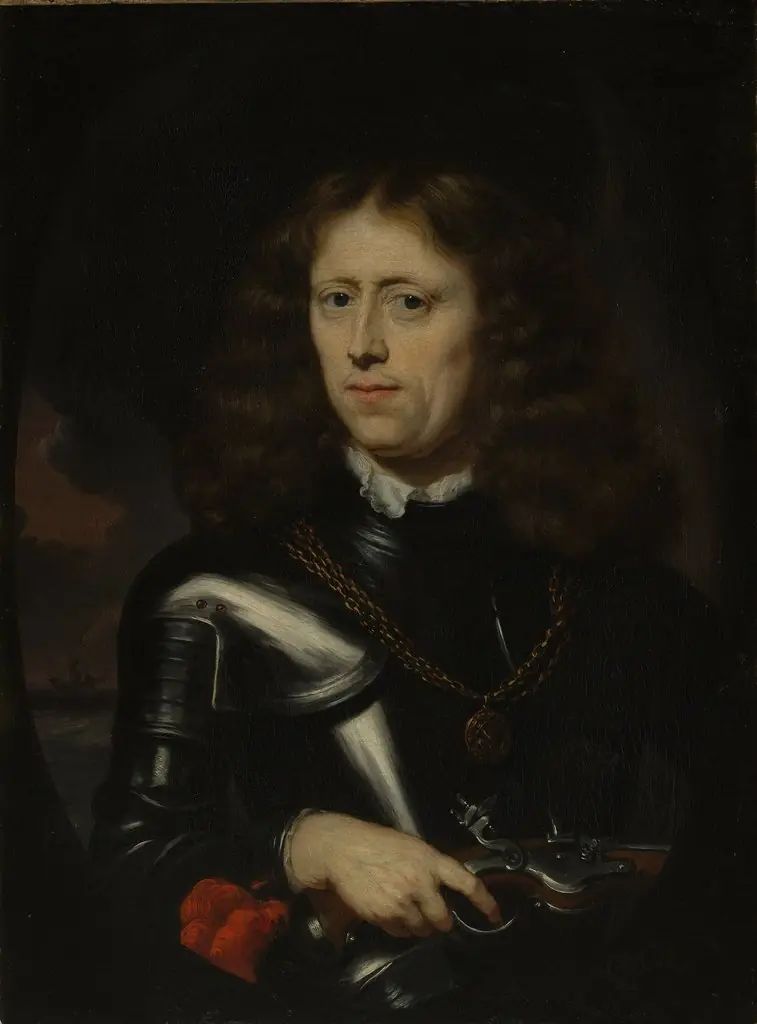
Portrait of Jacob Trip is an oil painting by the Dutch Golden Age artist Nicolaes Maes. It dates from 1665 and is held in the collection of the Mauritshuis.
About this work
The level of detail and realism in the painting indicates that the artist was skilled in capturing the subtleties of human expression.
This painting depicts an elderly man sitting in a chair, wearing a dark robe with a white collar and a brown fur-trimmed cape. He has a long white beard and is looking directly at the viewer. The background is dark, with a red curtain draped above him.
The man's attire and the style of the painting suggest that it is a formal portrait from the 17th century. The level of detail and realism in the painting indicates that the artist was skilled in capturing the subtleties of human expression.
If you're interested in learning more about the artist who created this portrait, you might want to look up Nicolaes Maes.
Overview
Painted in 1665 by Nicolaes Maes, this oil portrait captures Jacob Trip, a Dutch merchant of considerable standing. Maes, once a pupil of Rembrandt, had by this time developed a refined approach to portraiture, blending psychological depth with elegant composition. The work is part of the Mauritshuis collection in The Hague, representing the height of Maes’s mature style during the Dutch Golden Age.
Subject & Meaning
Jacob Trip, depicted in formal attire, embodies the quiet authority of a wealthy Amsterdam merchant. His direct gaze and composed posture convey dignity without ostentation. The dark robe, white collar, and fur-trimmed cape signify status and refinement, typical of elite burghers in mid-17th-century Holland. The absence of symbolic objects focuses attention on the individual’s presence, emphasizing personal character over social display.
Technique & Style
Maes employs subtle tonal transitions and precise brushwork to render texture and light. The fur trim, linen collar, and wrinkled skin are rendered with careful attention to materiality and surface. The dark background and draped red curtain create depth, isolating the figure with theatrical intimacy. His use of chiaroscuro, learned from Rembrandt, is softened here into a more restrained, elegant realism suited to elite portraiture.
History & Provenance
The portrait entered the Mauritshuis collection in the 19th century, having likely remained in Dutch private hands since its creation. Jacob Trip was a prominent figure in Amsterdam’s commercial circles, and his likeness was commissioned to affirm his social position. Maes, then established in Amsterdam, was a favored portraitist among the city’s merchant class, making this work a product of both personal and professional networks.
Context
In mid-17th-century Holland, portraiture flourished as a reflection of civic pride and individual identity among the merchant class. Unlike aristocratic traditions elsewhere, Dutch portraits avoided grandeur in favor of restrained realism. Maes’s work aligns with this cultural norm, capturing not just likeness but the quiet confidence of a self-made elite, shaped by commerce and Calvinist values.
Legacy
This portrait exemplifies Maes’s transition from genre scenes to refined portraiture, influencing later Dutch painters of the era. Its understated elegance and psychological nuance mark a shift away from Baroque flamboyance toward a more introspective mode. Though less celebrated than Rembrandt’s works, Maes’s portraits like this one remain key to understanding the social aesthetics of the Dutch Golden Age.
Own this work as a print
Artist & collection
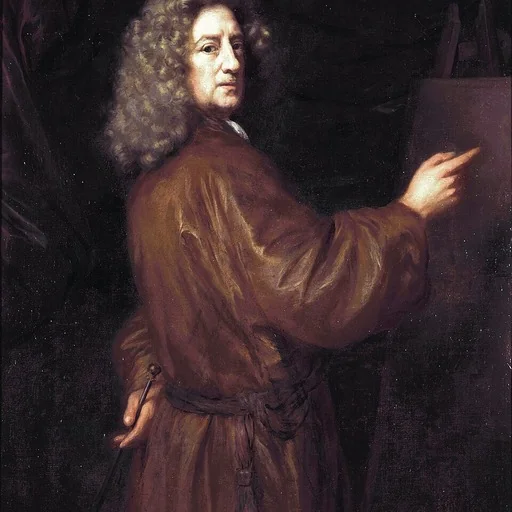
Artist
Nicolaes Maes (January 1634 – December 1693; buried 24 December 1693) was a Dutch painter known for his genre scenes, portraits, religious compositions and the occasional still life.

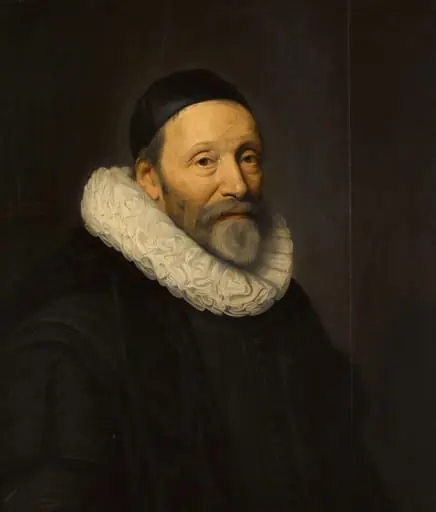 Portrait of Johannes Wttenbogaert (Jan Uytenbogaert), Remonstrant Minister in The Hague, Pastor of the Wallon Church
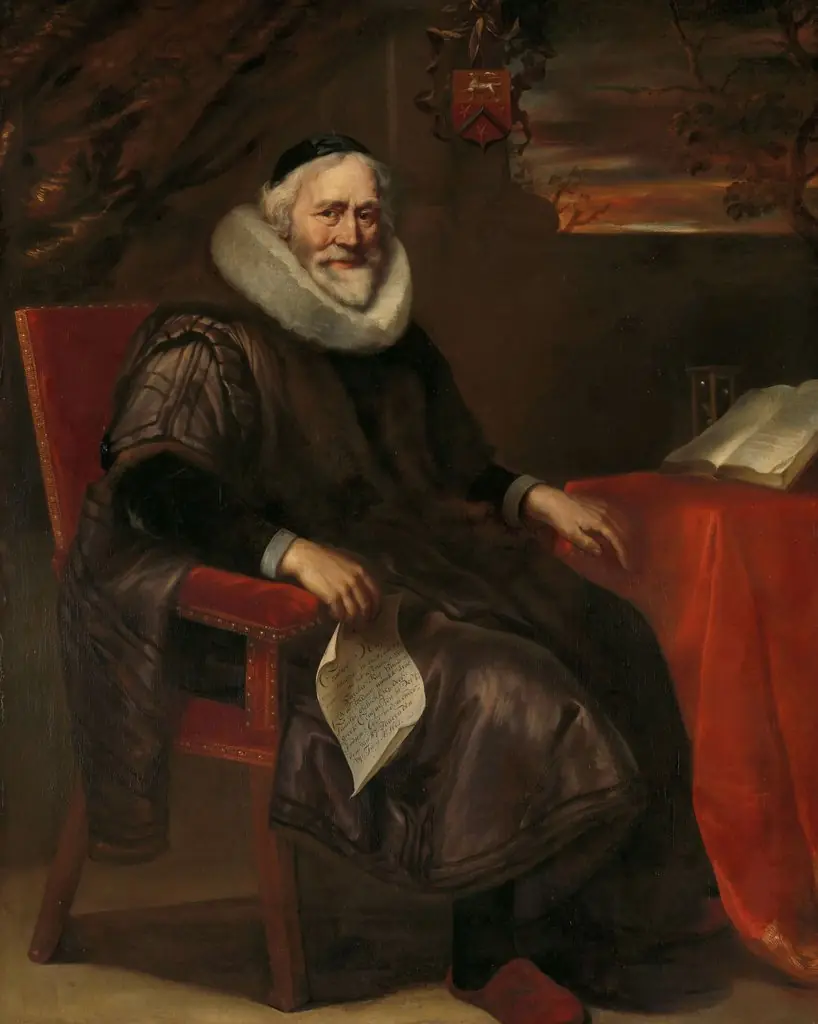 Cornelis Nuyts (1574-1661). Amsterdam merchant
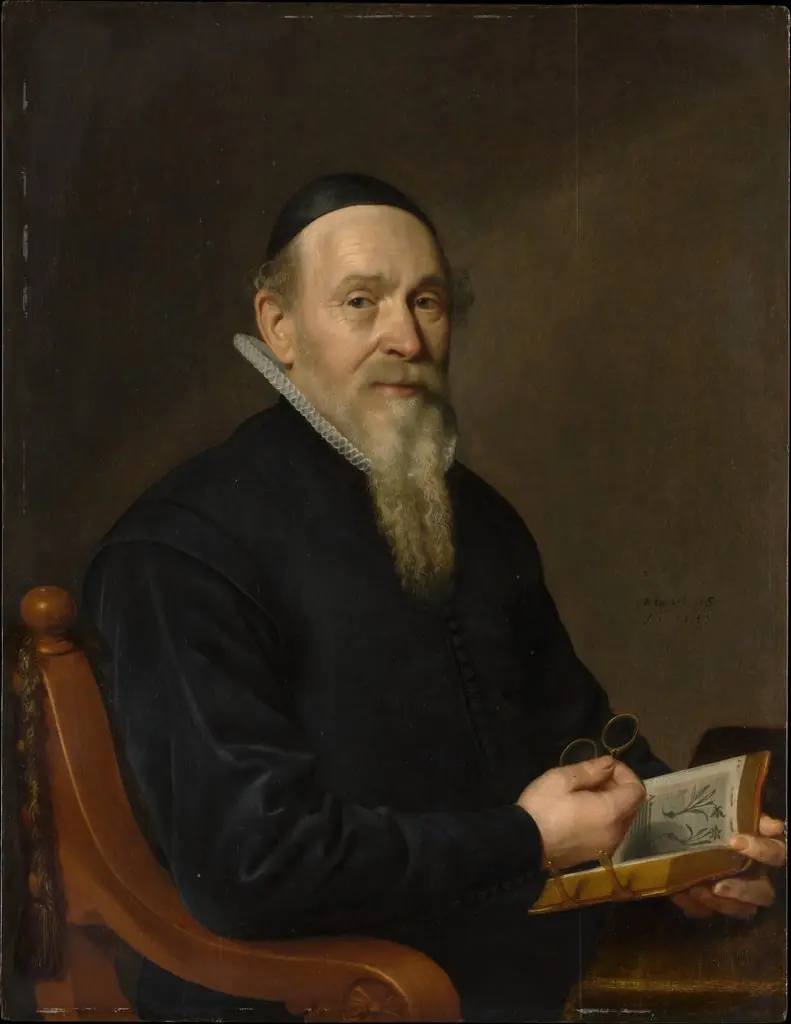 Portrait of a Man, Possibly a Botanist
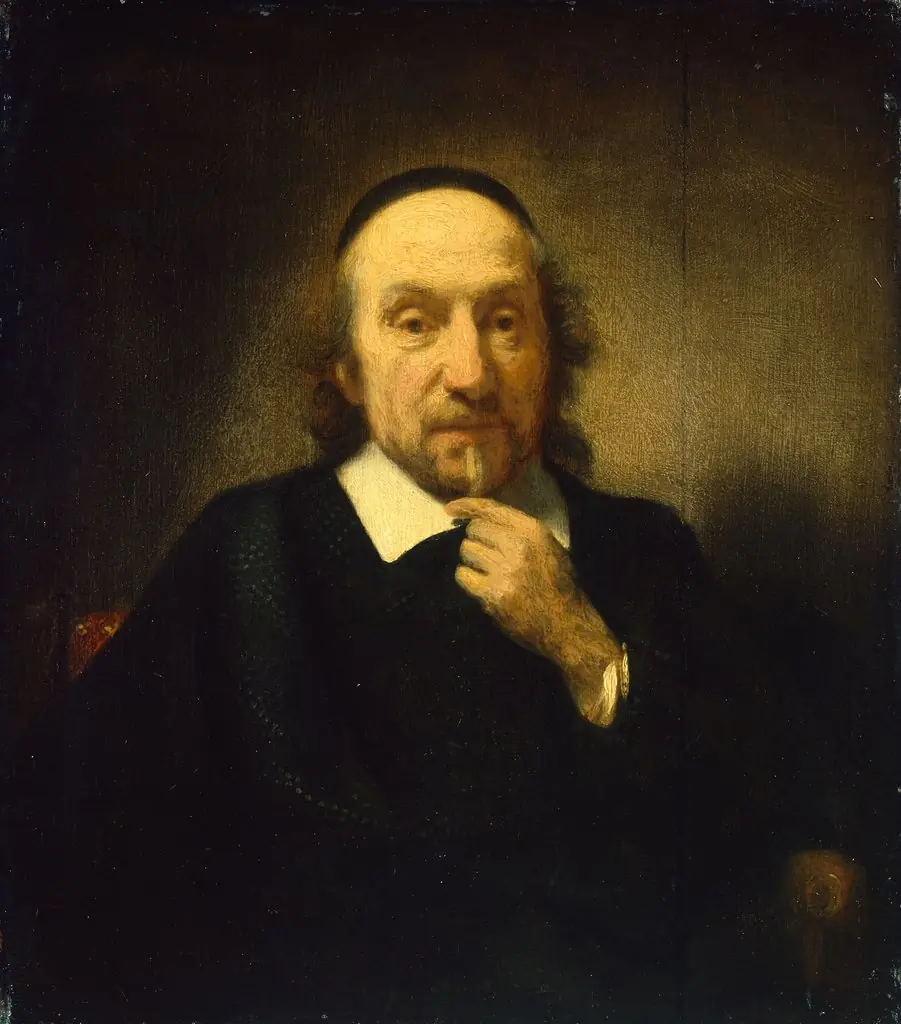 Portrait of a Man
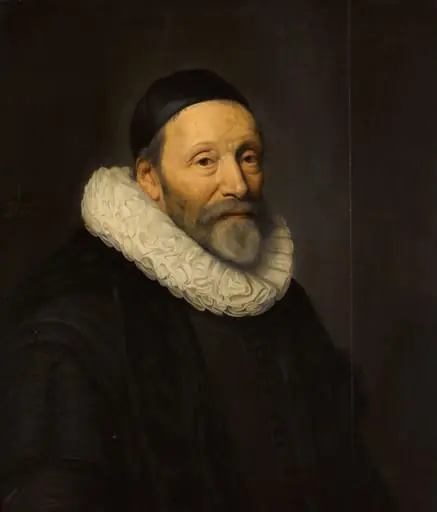 Untitled
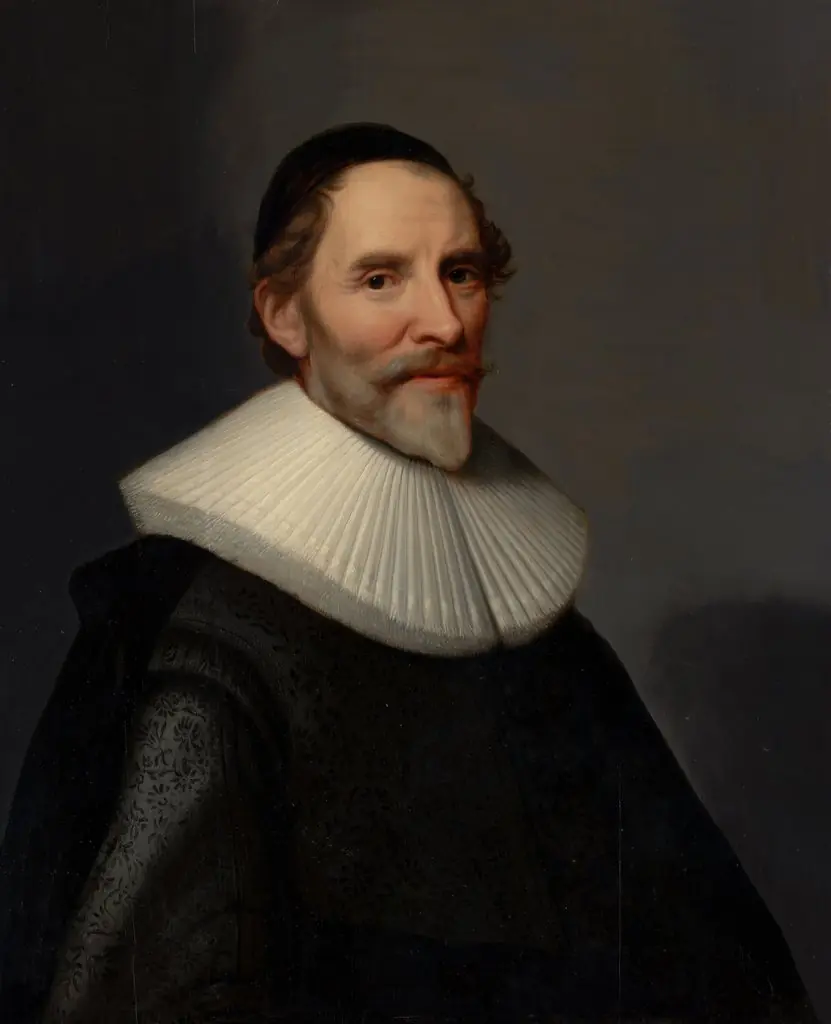 Portrait of François van Aerssen (1572-1641)
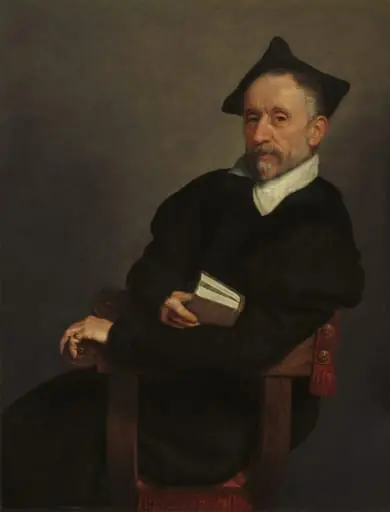 "Titian's Schoolmaster"
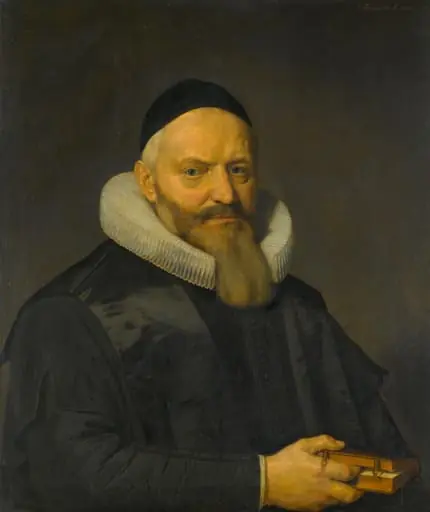 Untitled
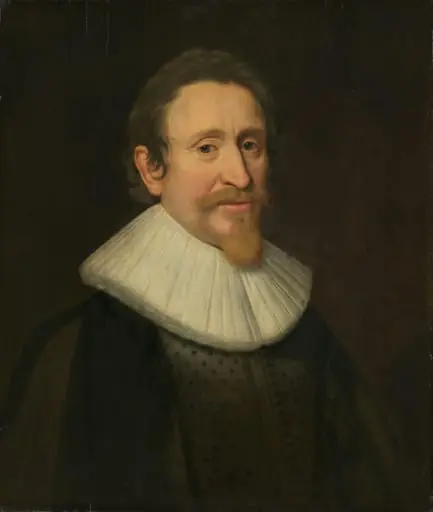 Untitled
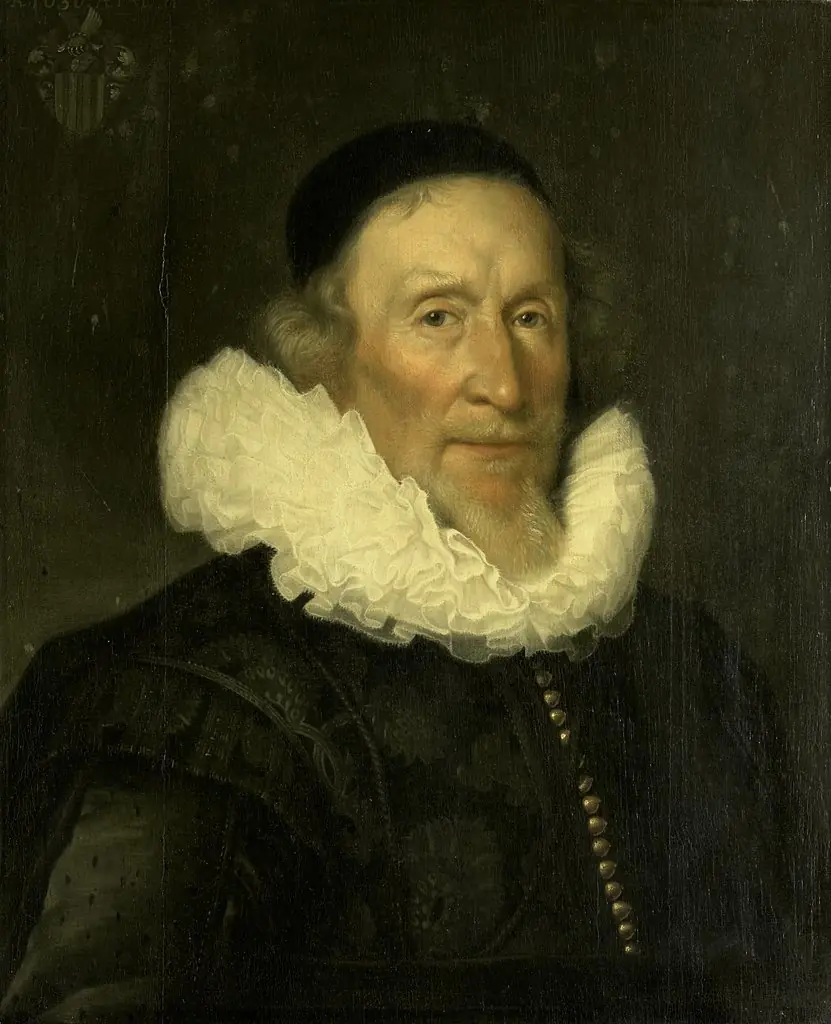 Portrait of Jacob Gerritsz van der Mij (1559/60-1635?)