Artwork
Portrait of François Leydecker, Delegate to the Court of Audit for Zeeland
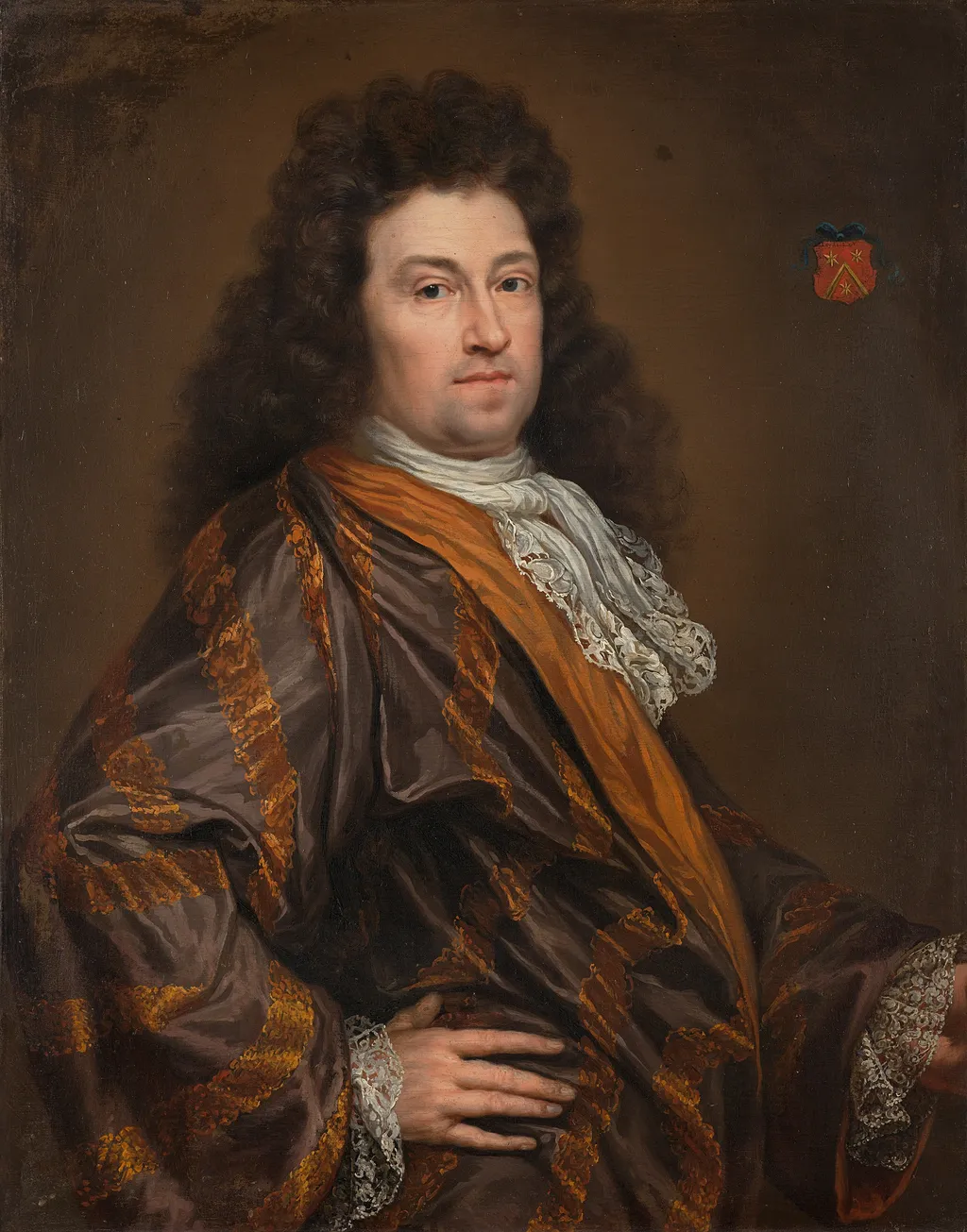
Portrait of François Leydecker, Delegate to the Court of Audit for Zeeland is an oil painting by Unknown. It dates from 1696 and is held in the collection of the Rijksmuseum.
About this work
Overview
This oil painting depicts François Leydecker, a delegate to the Court of Audit for Zeeland, rendered with precise detail and restrained elegance.
This oil painting depicts François Leydecker, a delegate to the Court of Audit for Zeeland, rendered with precise detail and restrained elegance. The composition centers on the sitter in formal attire, set against a plain brown background that isolates him as a figure of civic authority. The artist’s handling of texture and light emphasizes the richness of fabric and the subtlety of facial expression, suggesting a portrait commissioned for official or institutional purposes.
Subject & Meaning
Leydecker’s posture—hand resting gently on the stomach—conveys composure and dignity, typical of administrative elites in the late 17th century. His attire, including the lace cravat and ornate coat with gold and orange trim, signals status without overt grandeur. The small red shield in the upper right, bearing a gold "A" and two stars, likely represents his office or regional affiliation, anchoring his identity within the bureaucratic structure of Zeeland.
Technique & Style
The artist employed oil paint to achieve fine gradations in fabric texture, from the sheen of silk to the softness of lace. Brushwork is controlled yet expressive, particularly in the rendering of curly hair and the folds of the coat. The solid background eliminates distraction, focusing attention on the sitter’s presence. Lighting is even and naturalistic, enhancing the three-dimensionality of form without dramatic contrast.
History & Provenance
The portrait was likely commissioned during Leydecker’s tenure in public service, possibly for display in a government building or private collection tied to the Court of Audit. Its survival suggests continued recognition of his role. The shield emblem may have been added to affirm institutional loyalty, though no definitive records of its early ownership or exhibition history are currently documented.
Context
In late 17th-century Zeeland, officials like Leydecker played key roles in regional finance and governance. Portraits of such figures were common, serving both as personal mementos and as symbols of administrative legitimacy. The restrained opulence of his clothing reflects the Dutch Republic’s preference for understated authority, contrasting with the more flamboyant styles of other European courts.
Legacy
The portrait remains a quiet testament to the bureaucratic class that sustained Dutch provincial governance. Its technical precision and lack of theatricality align it with the broader tradition of Dutch civic portraiture, where character and function outweighed personal flourish. It contributes to the visual record of administrative life in the Dutch Golden Age, preserving the appearance and demeanor of an ordinary official in an extraordinary era.
Artist & collection

 Domestic Scene
 Giacomo and Cardinal Marco, investing Andrea, Abbot of San Zeno, with his Benefice
 The Nymph of Fontainebleau
 Portrait of a Woman
 Madonna and Child with Saints in the Enclosed Garden
 Venus and Minerva
 Family Group of Four on Sofa
 Wall painting from Room H of the Villa of P. Fannius Synistor at Boscoreale
 Portrait of Jan Boudaen Courten (1635-1716), lord of St. Laurens, Schellach and Popkensburg, Judge and alderman of Middelburg
 Portrait of a Scholar
 Aernout van Citters (1633-96), Ambassador of the Dutch Republic in London
 Kunstkammerforvalter Bendix Grodtschilling den ældre, kunstnerens fader
 Mandsportræt
 Portrait of Johan van Bochoven (1624-93), Public prosecutor and councillor at the court of Flanders
 Johannes Parker, Alderman and Councilor of Middelburg
 The Artist's Father, Bendix Grodtschilling the Elder, Warden of the Royal Kunstkammer
 Portrait of a Gentleman
 Untitled
 Edward Loveden
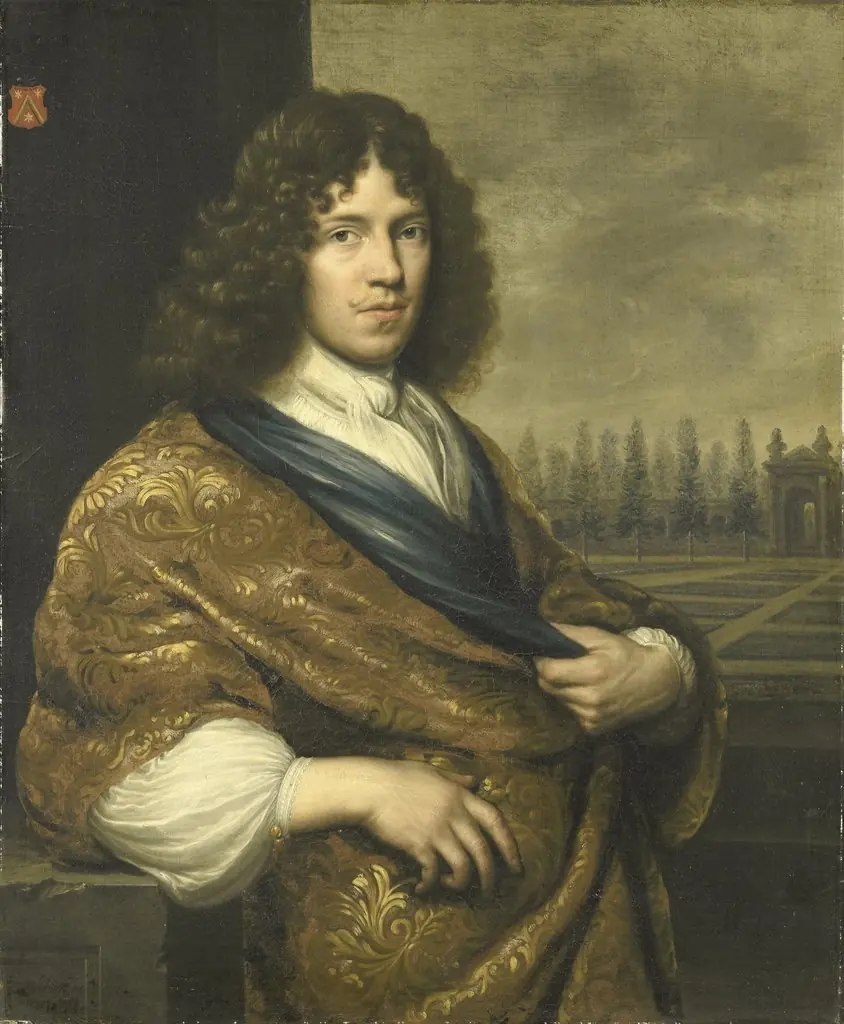 François Leidecker (1650-1718), Auditor General of Zeeland