Artwork
Roundel with the Hanging of Haman
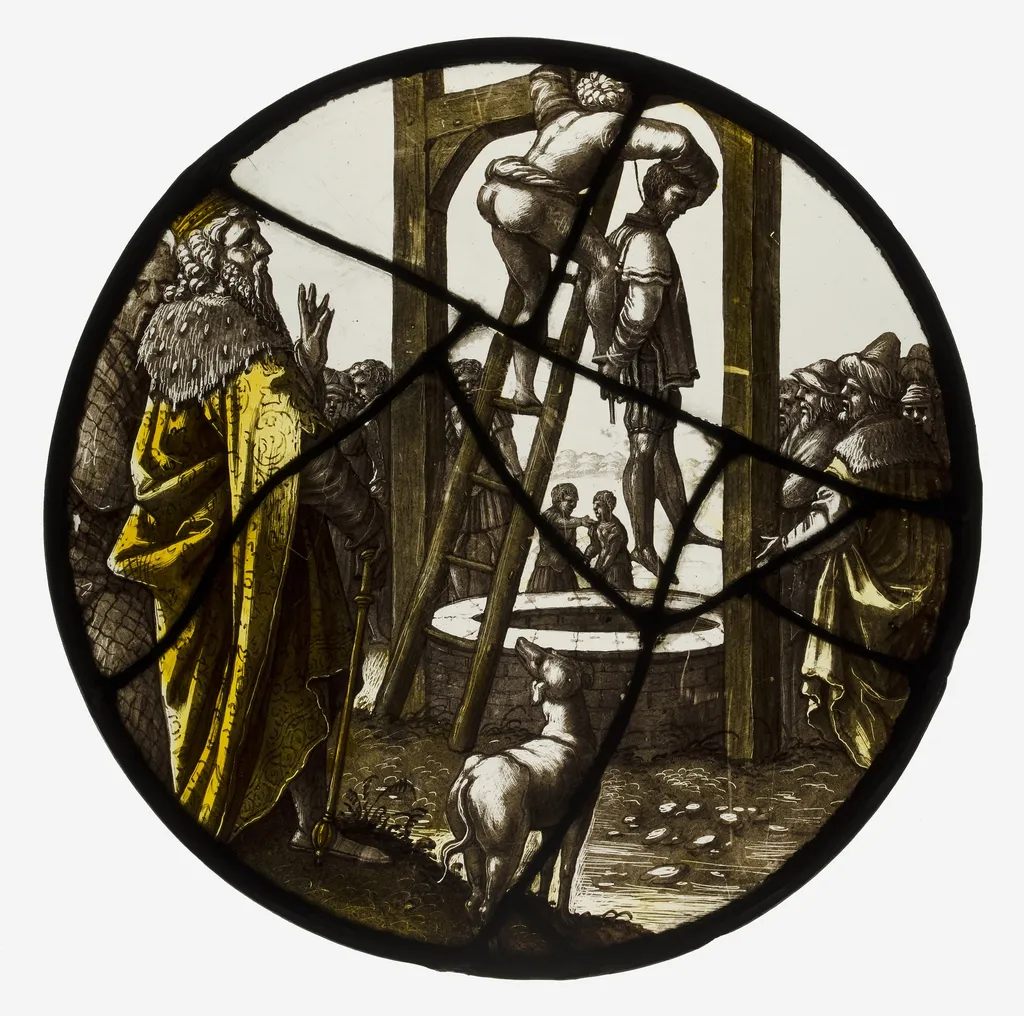
Roundel with the Hanging of Haman is an unspecified painting. It dates from 1530 and is held in the collection of the Metropolitan Museum of Art.
About this work
Overview
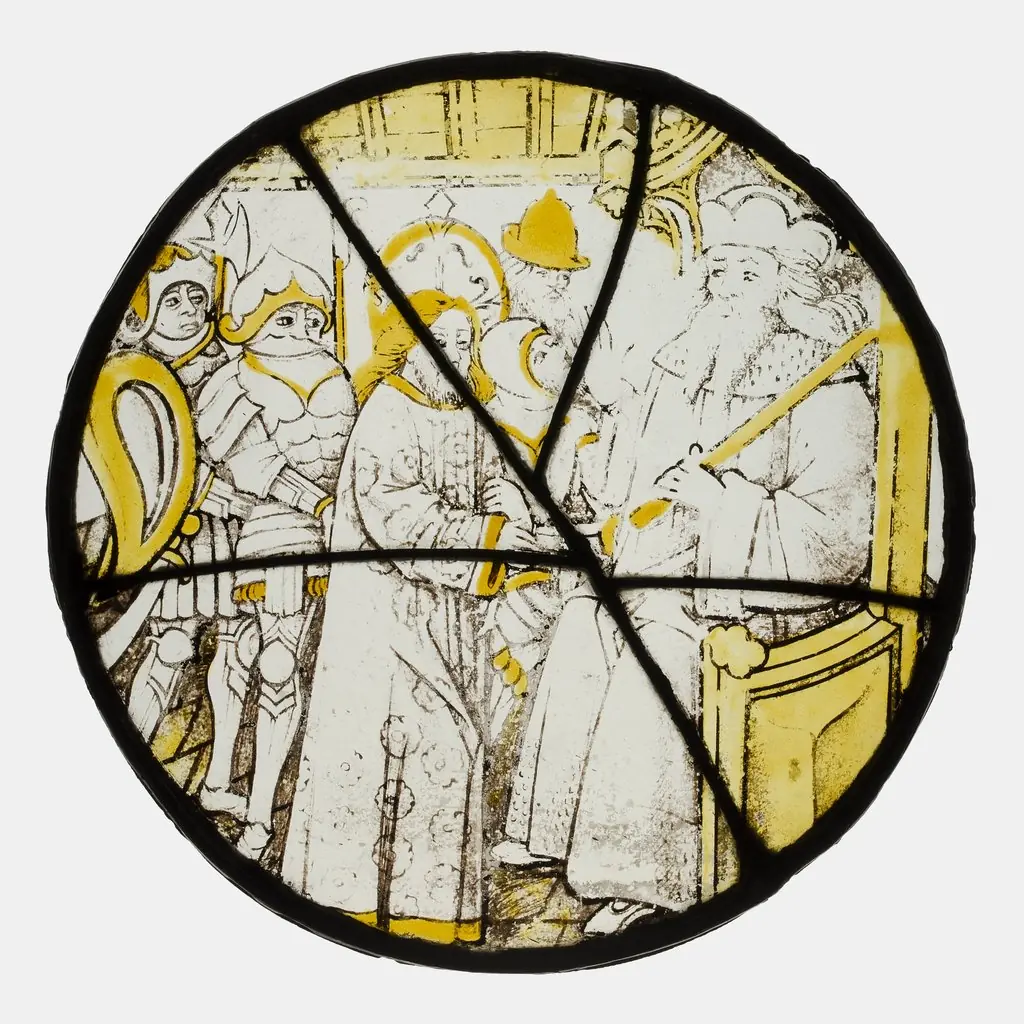
The work is a circular painted panel, commonly called a roundel, depicting the execution of Haman as narrated in the biblical Book of Esther.
The work is a circular painted panel, commonly called a roundel, depicting the execution of Haman as narrated in the biblical Book of Esther. The composition is divided into two zones: on the left an elder figure in a long robe and a golden headdress gestures authoritatively, while on the right a group of men hoist a body on a gallows, observed by onlookers below. The palette is dominated by deep browns and gold, punctuated with touches of white and yellow.
Subject & Meaning
The scene illustrates the moment of Haman’s punishment, a pivotal episode in the Esther narrative that symbolizes the triumph of justice over treachery. The commanding elder likely represents King Ahasuerus, whose decree leads to Haman’s downfall. The juxtaposition of the ruler’s gesture with the public execution underscores themes of divine retribution and the restoration of order within the community.
Technique & Style
Executed in tempera on wood, the roundel employs a restrained yet expressive handling of line and color. The artist uses chiaroscuro to model the figures, allowing the dark brown ground to recede while the gilded elements catch the eye. The composition’s bifurcated layout and the stylized drapery echo the conventions of late medieval European devotional panels, while the circular format recalls the ornamental medallions of earlier Byzantine art.
History & Provenance
The piece originates from a Central European workshop active in the late 15th to early 16th century, a period when roundels were commonly integrated into church interiors or private chapels. It entered the collection of a noble family in the 17th century before being acquired by a regional museum in the early 20th century, where it remains catalogued as an example of narrative religious painting.
Context
During the Renaissance, biblical episodes such as the hanging of Haman were frequently employed to convey moral instruction. The roundel’s format allowed it to be set within architectural frameworks, often above altar screens or as part of a larger decorative scheme. Its iconography aligns with contemporary textual interpretations that emphasized the vindication of the Jewish people and the moral authority of the monarch.
Legacy
Although not widely reproduced, the roundel contributes to the visual tradition of Esther’s story in European art, influencing later panel paintings and printed illustrations. Its preservation offers scholars insight into the transmission of biblical motifs across media and the role of portable devotional objects in the devotional practices of the period.
Artist & collection

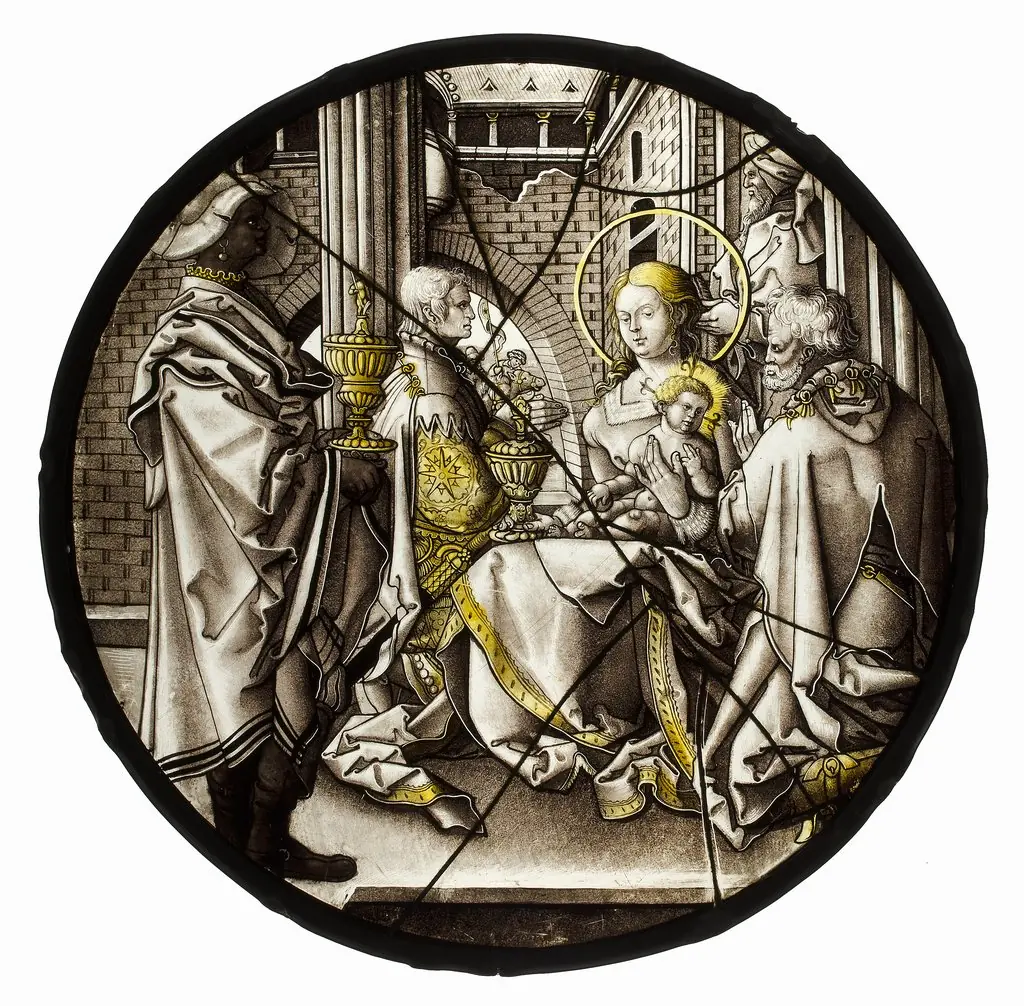 Roundel with Adoration of the Magi
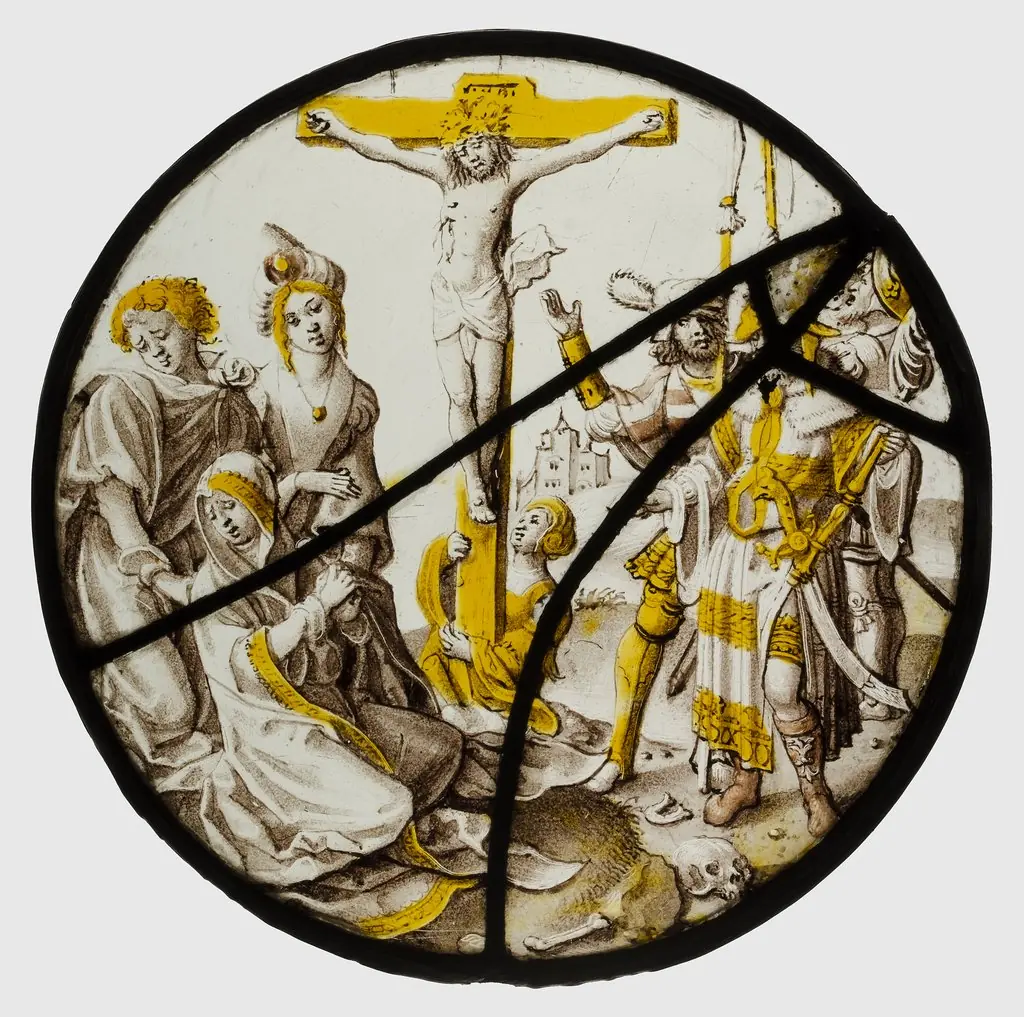 Roundel with the Crucifixion
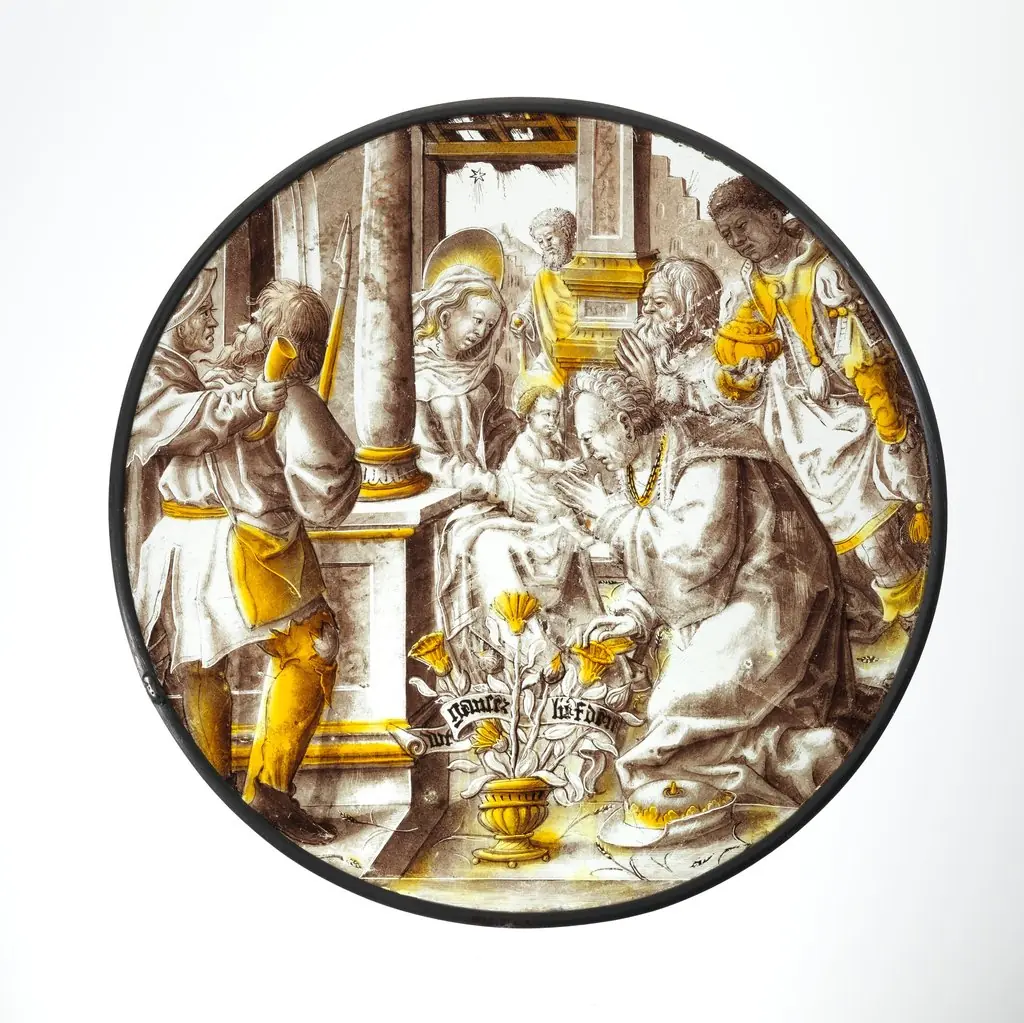 Roundel with Adoration of the Kings
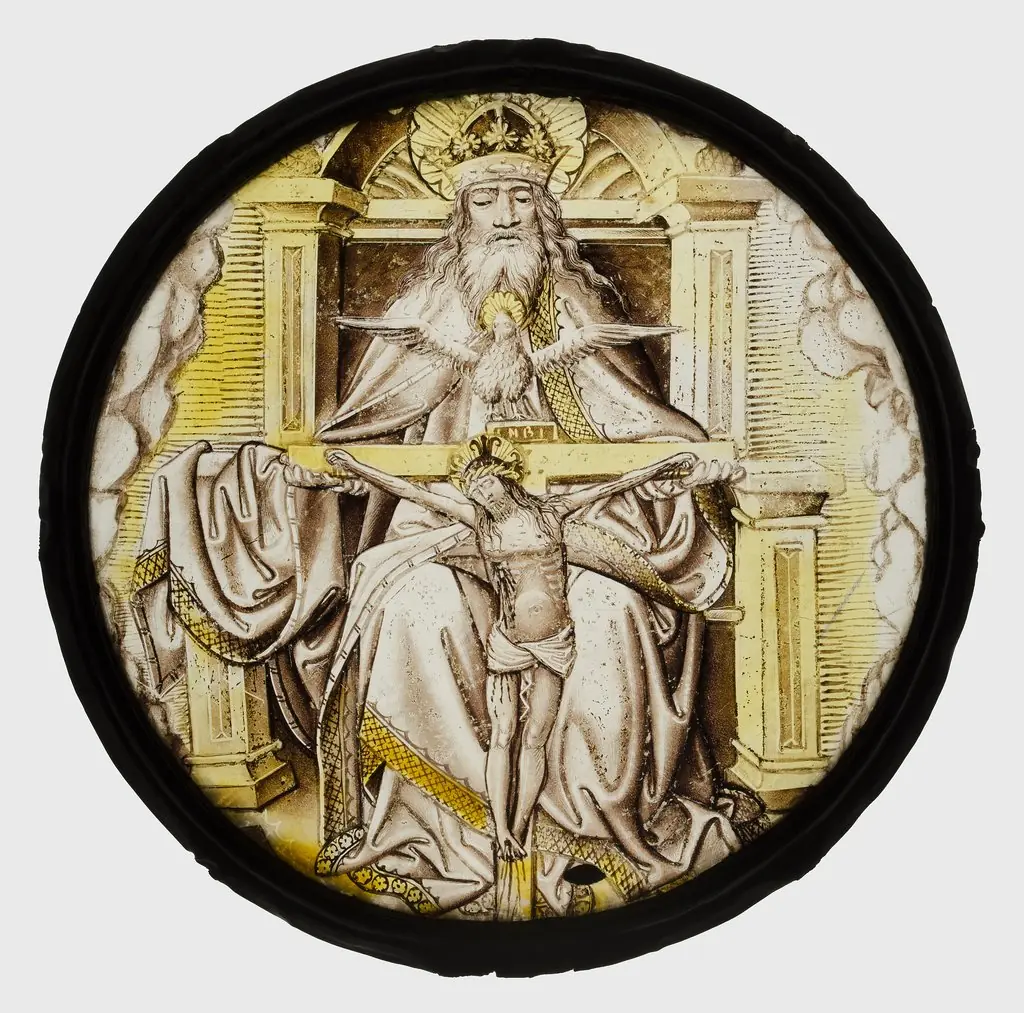 Roundel with the Holy Trinity
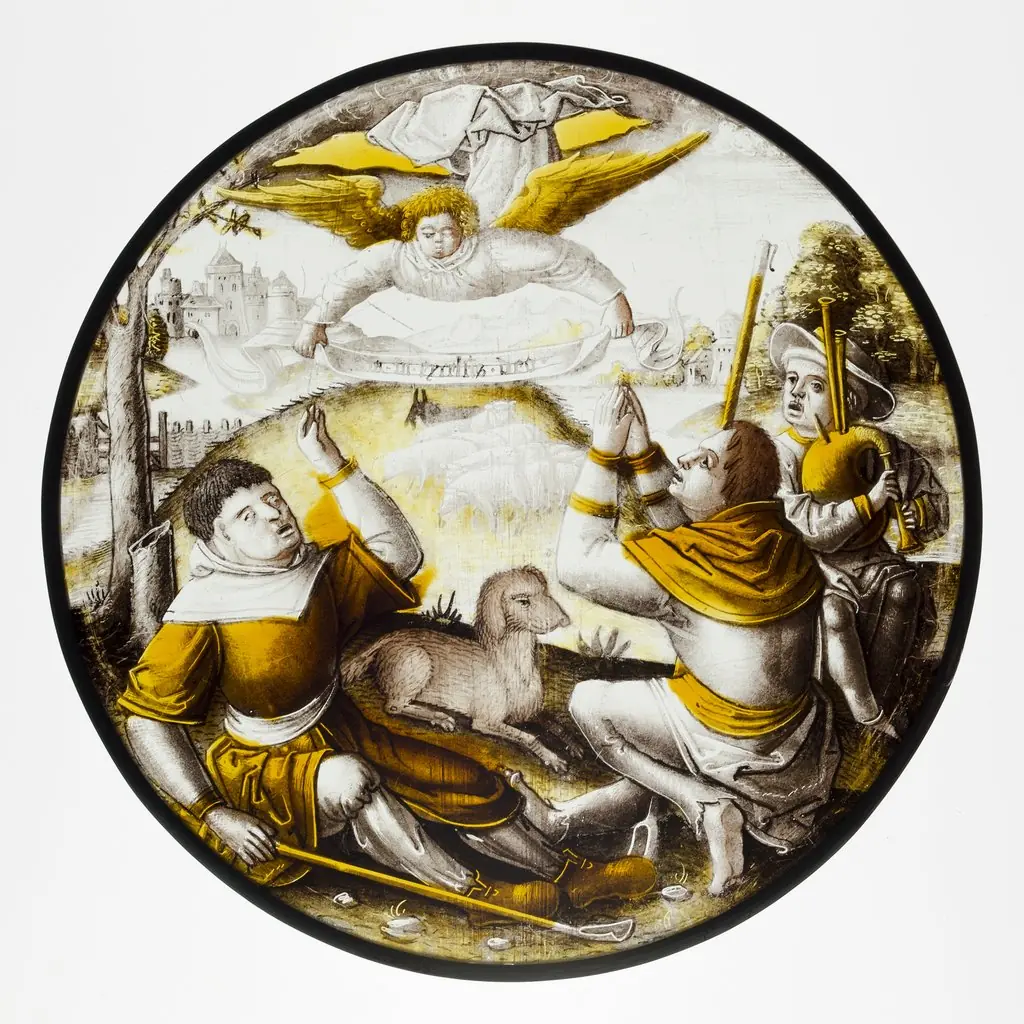 Roundel with Annunciation to the Shepherds
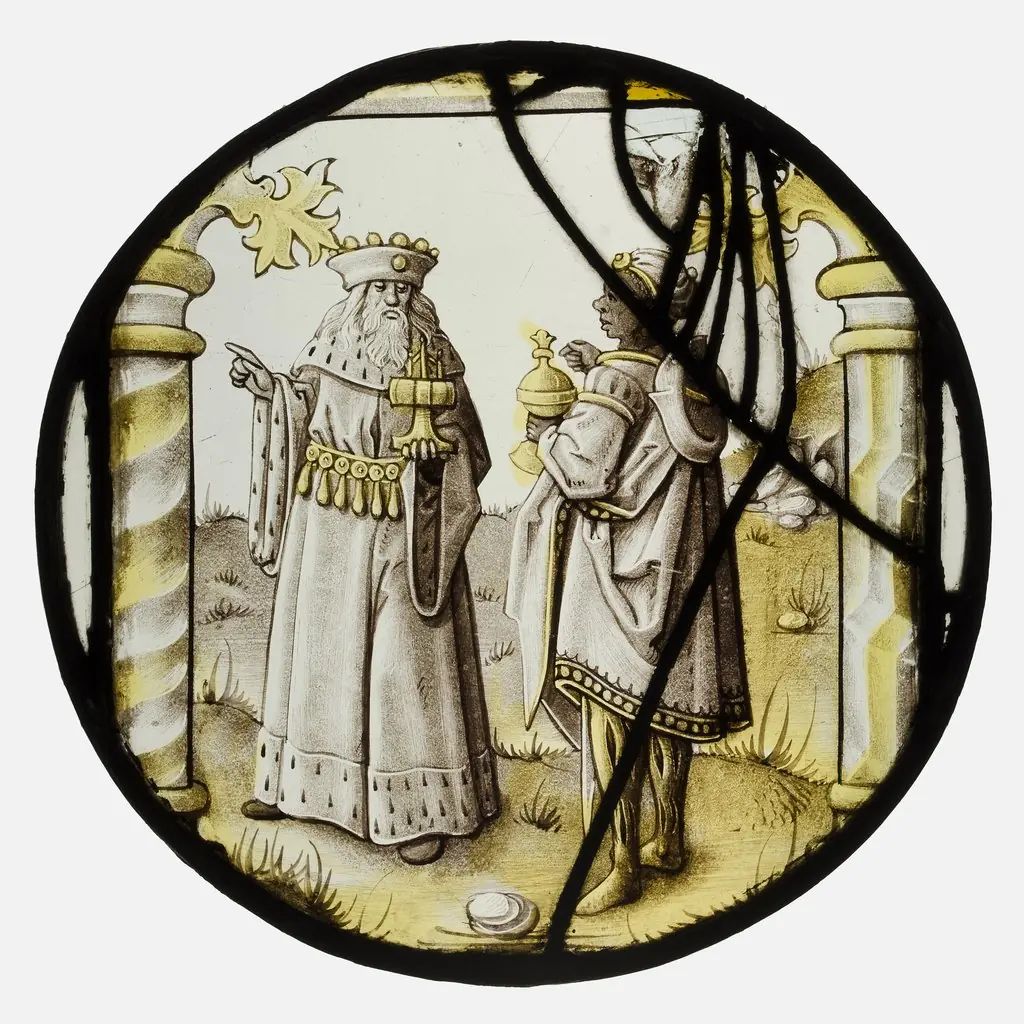 Roundel with two Kings from an Adoration Group
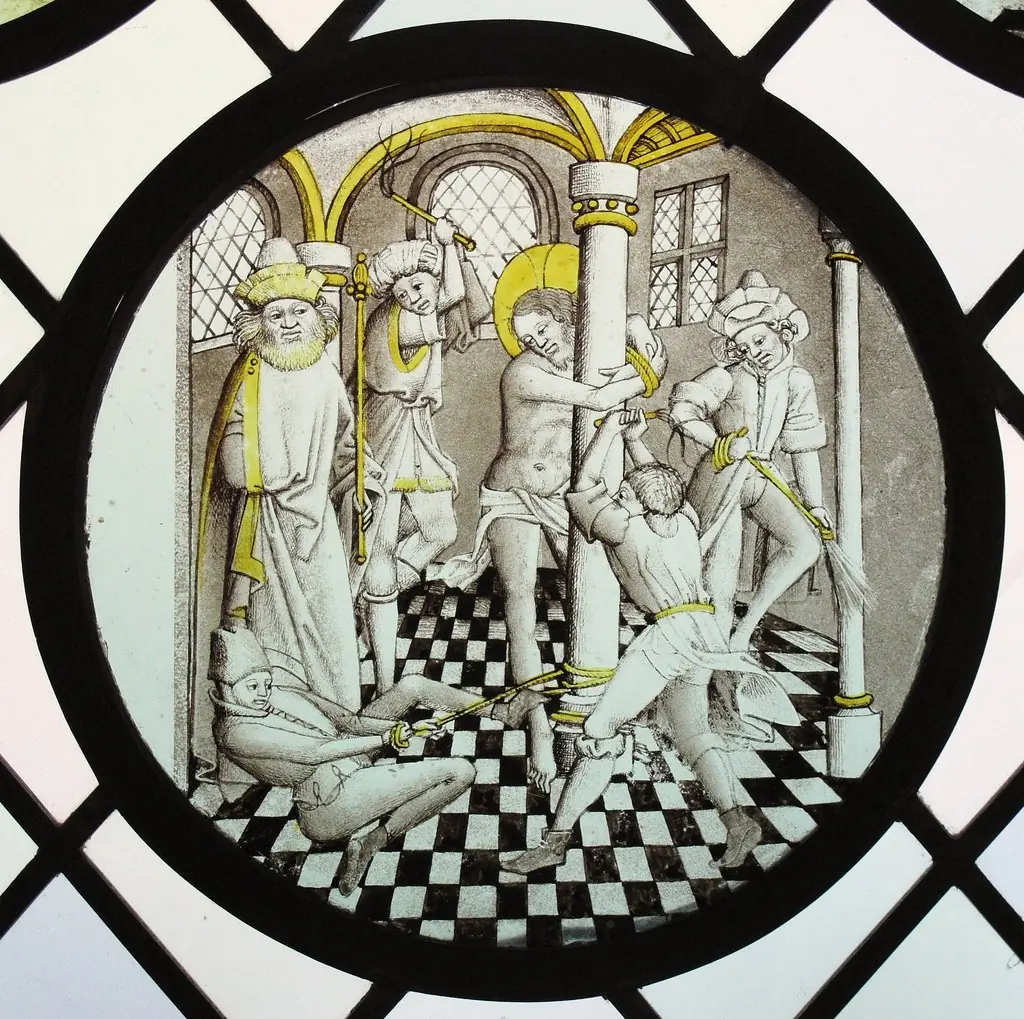 Roundel with the Flagellation
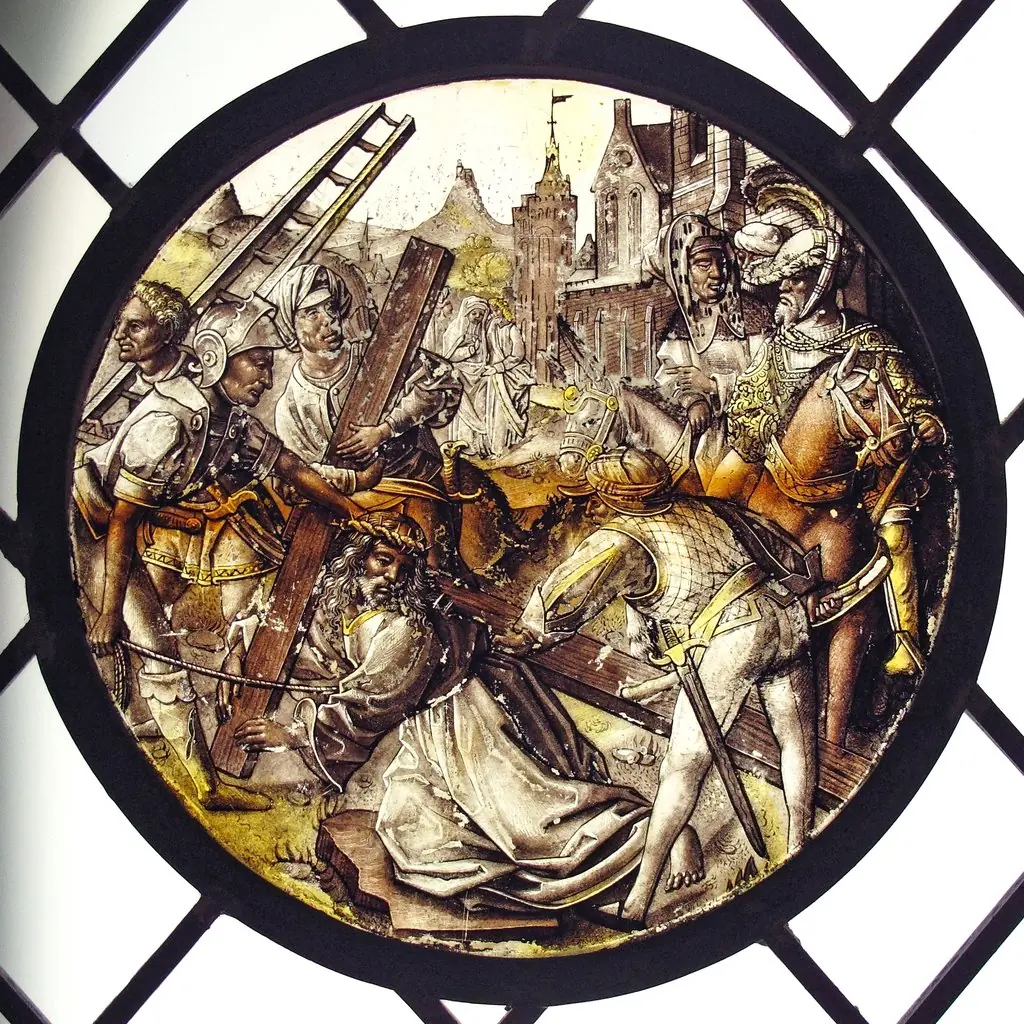 Roundel with Christ Bearing the Cross
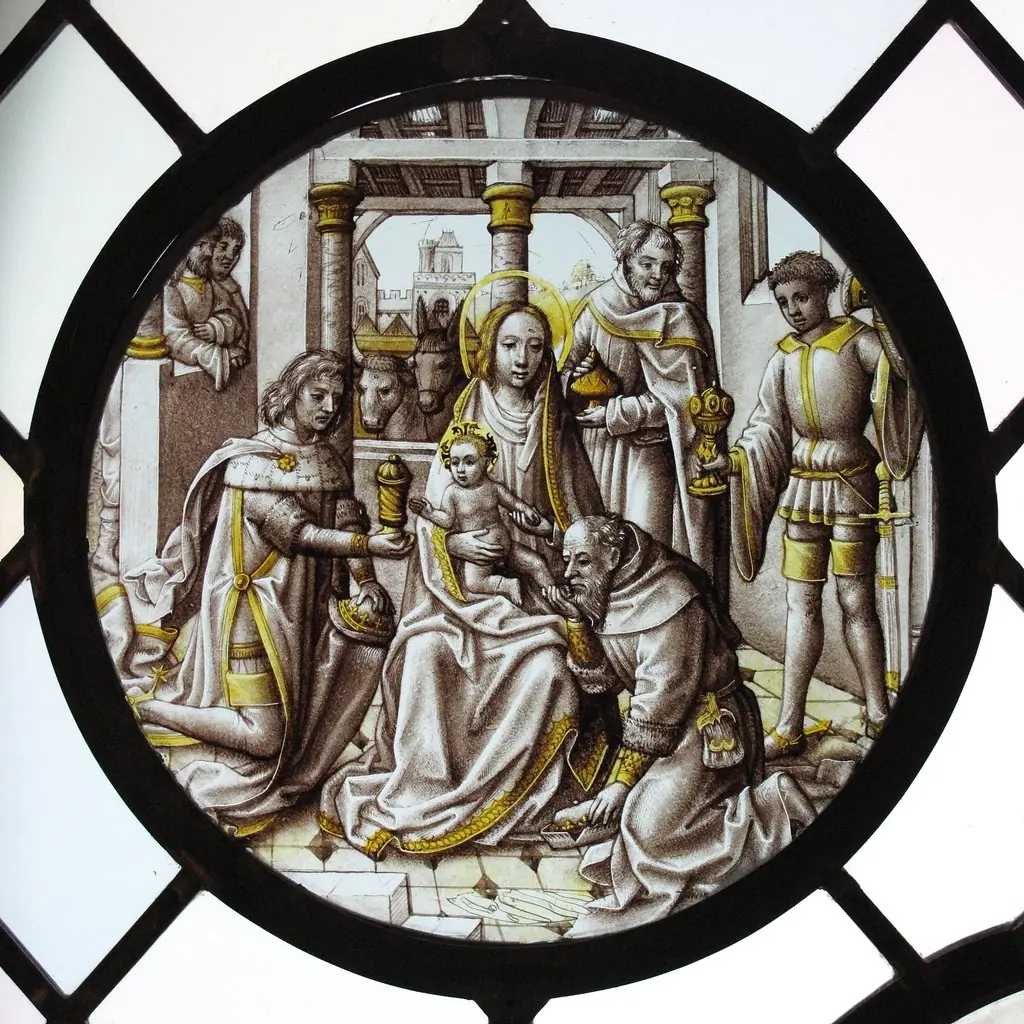 Roundel with the Adoration of the Magi
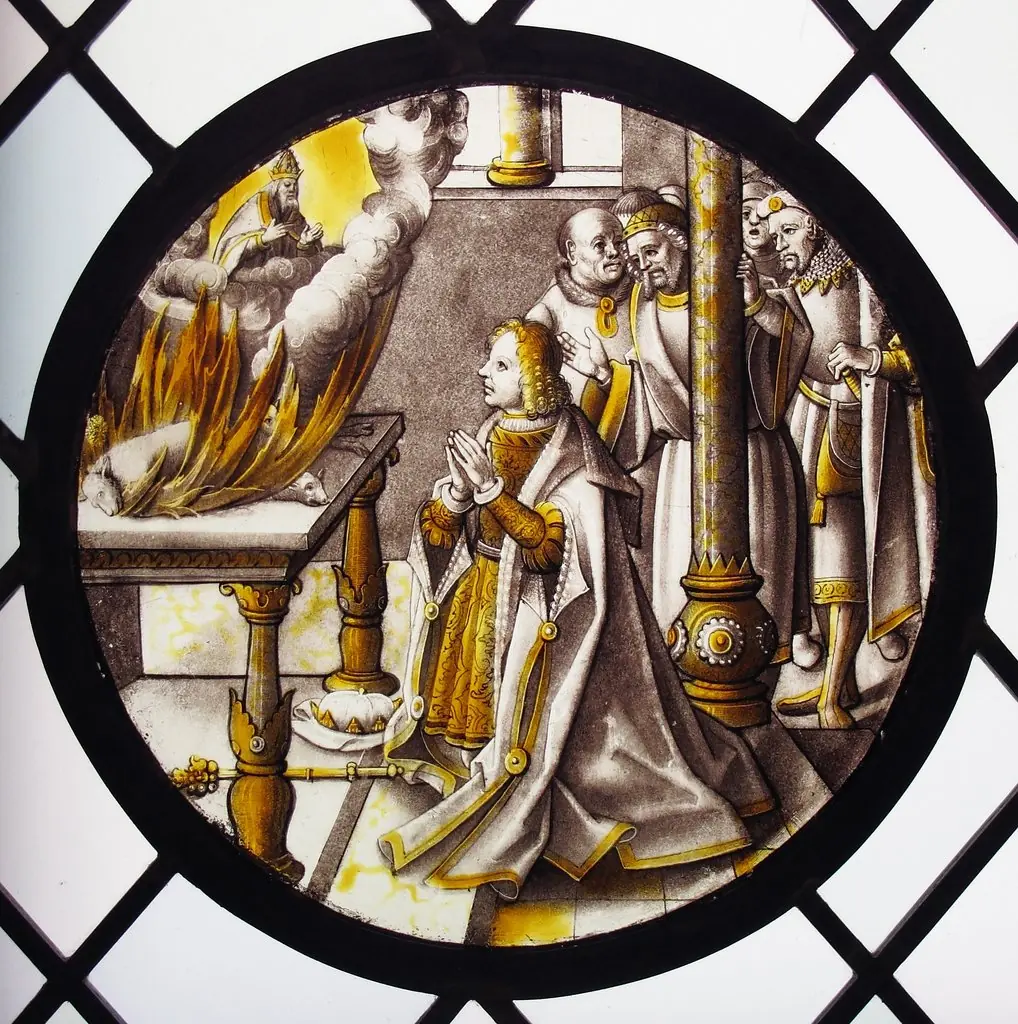 Roundel with Sacrifice in the Temple