Artwork
Landscape
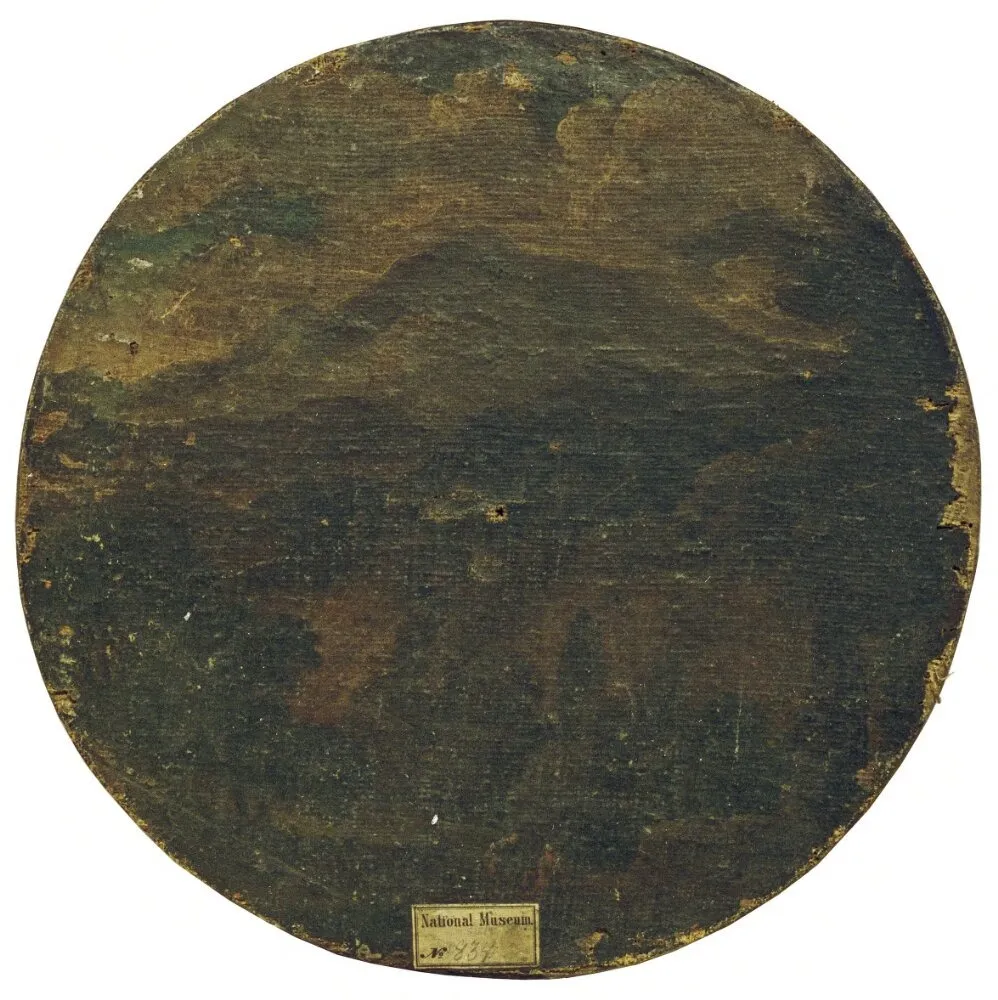
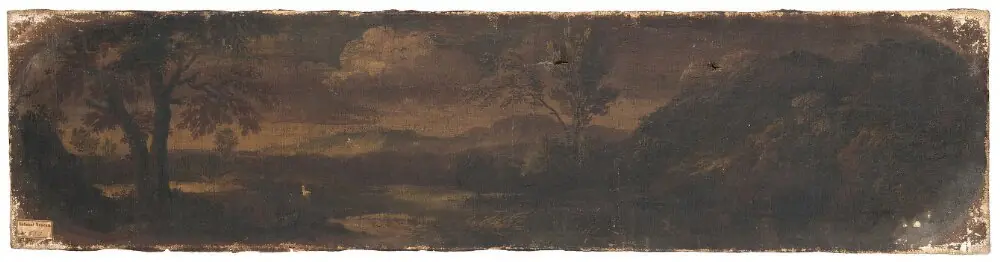
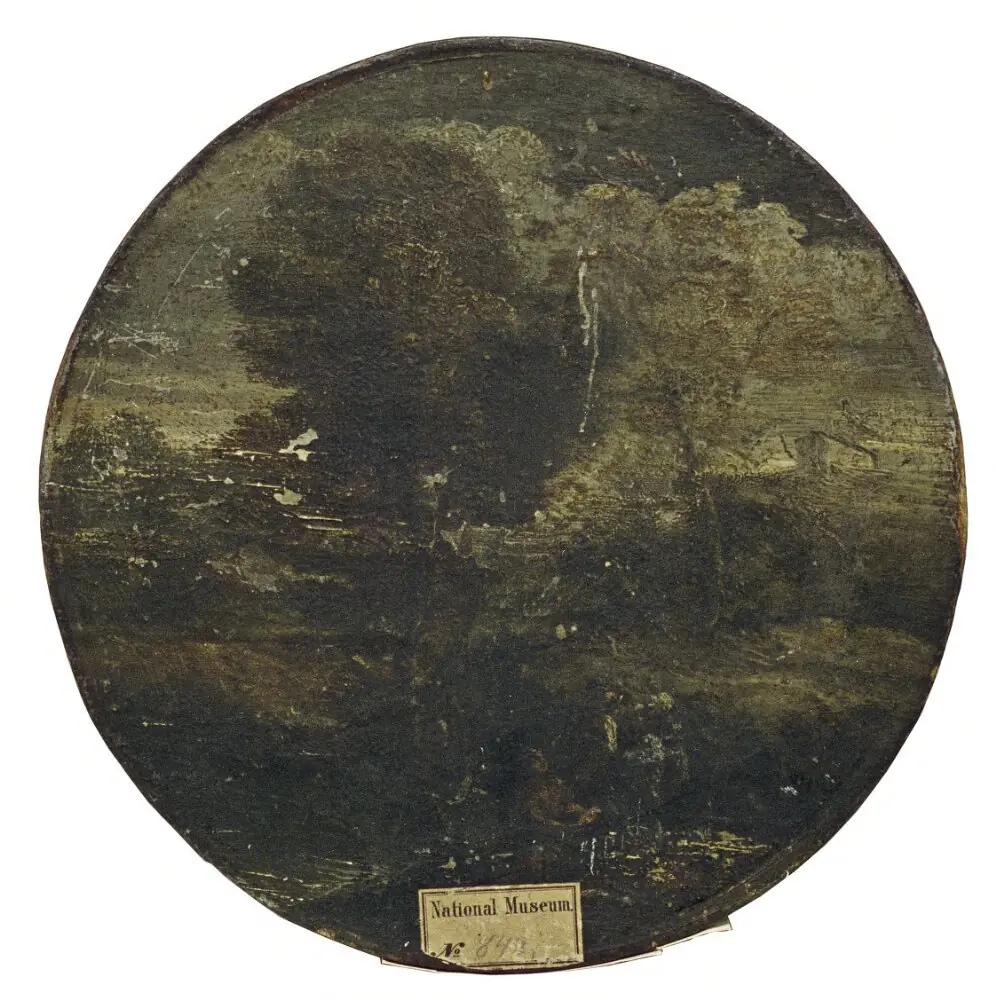
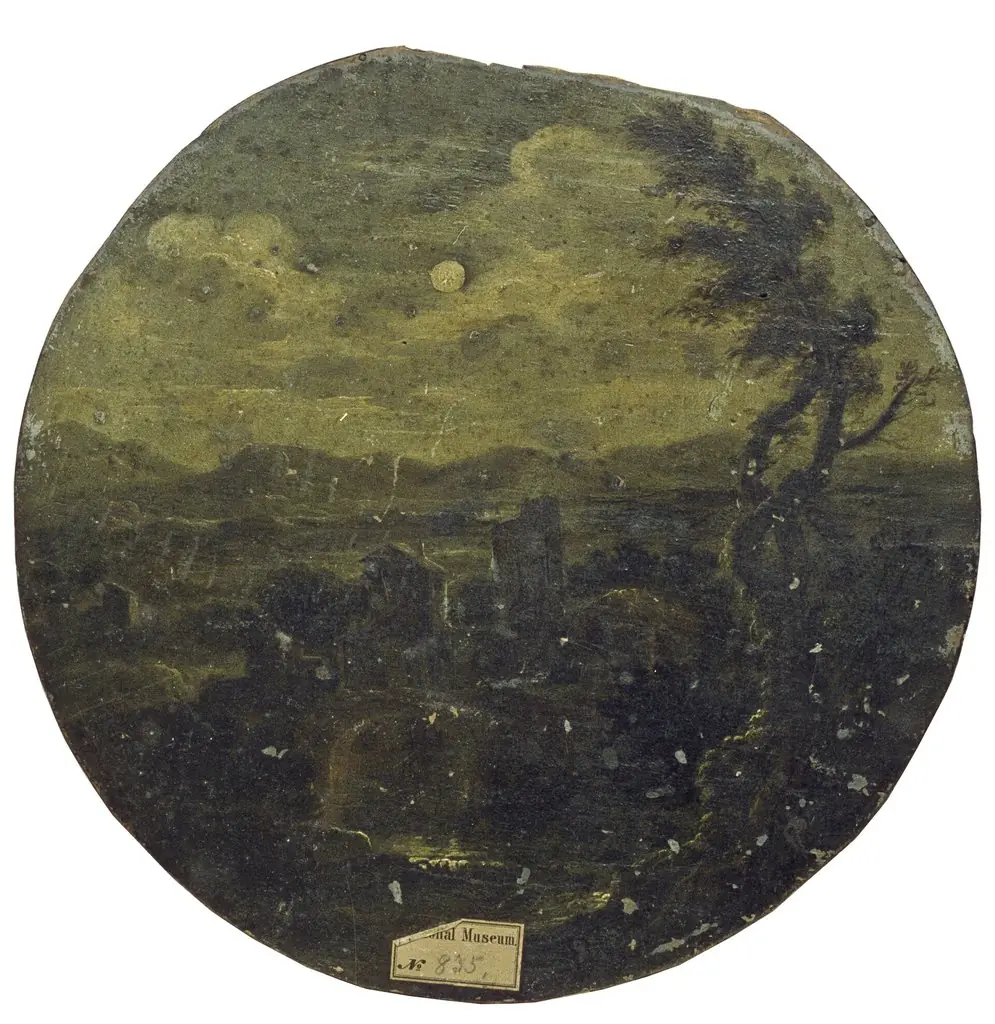
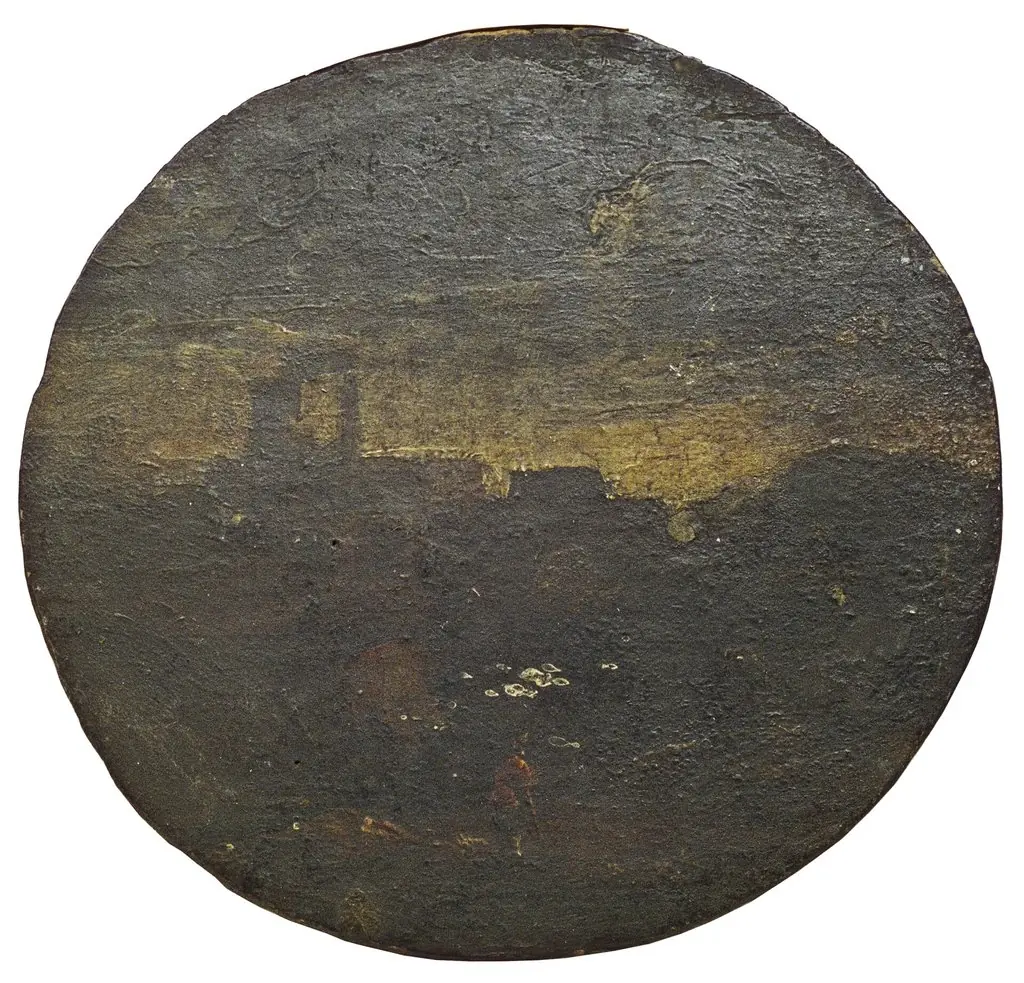
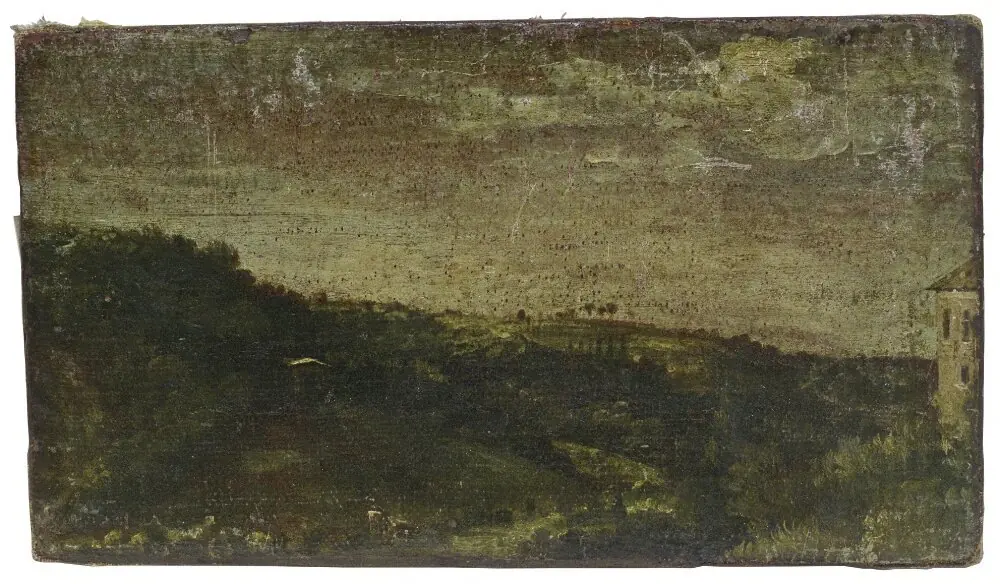
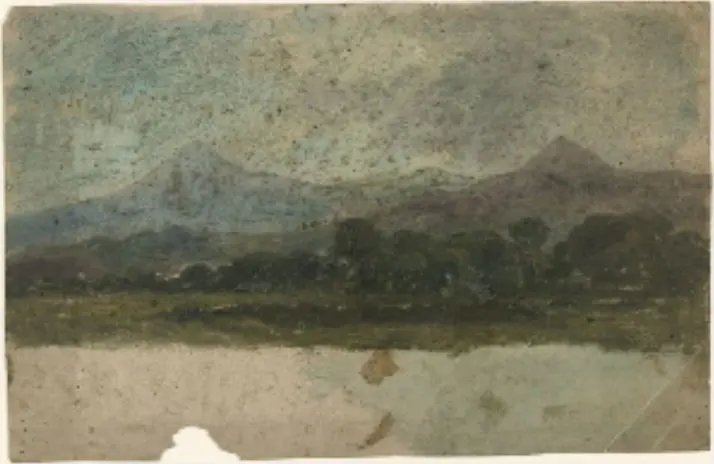
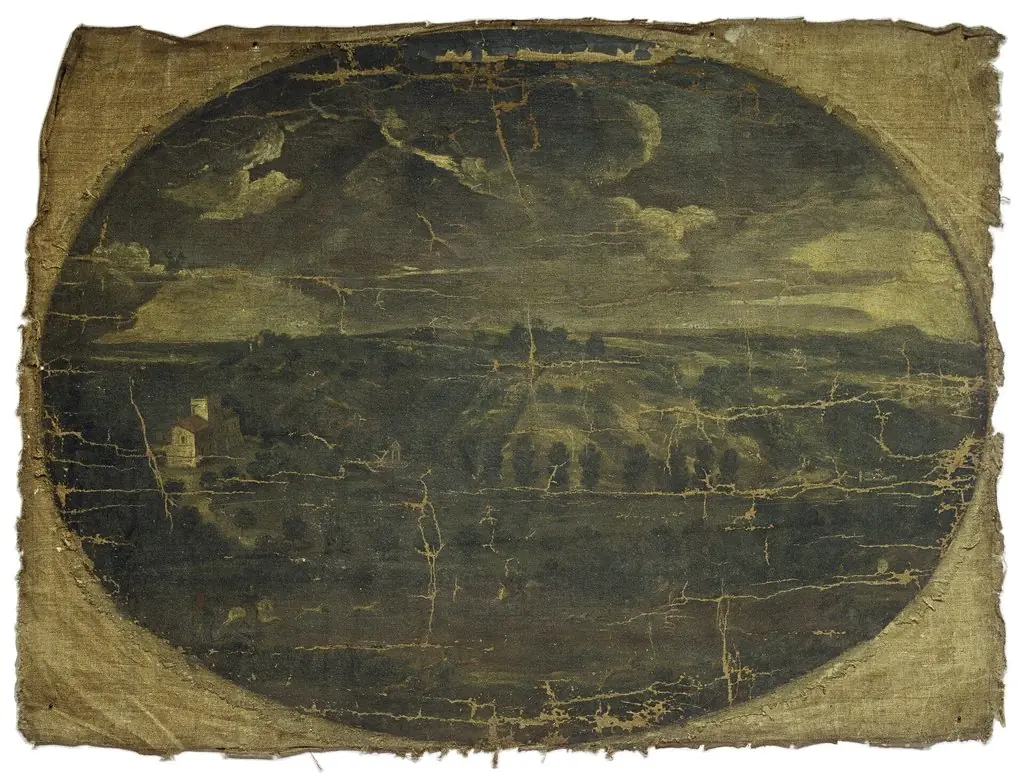
Landscape is an unspecified painting by the Dutch Golden Age artist Unknown. It dates from 1649 and is held in the collection of the Nationalmuseum.
About this work
Overview
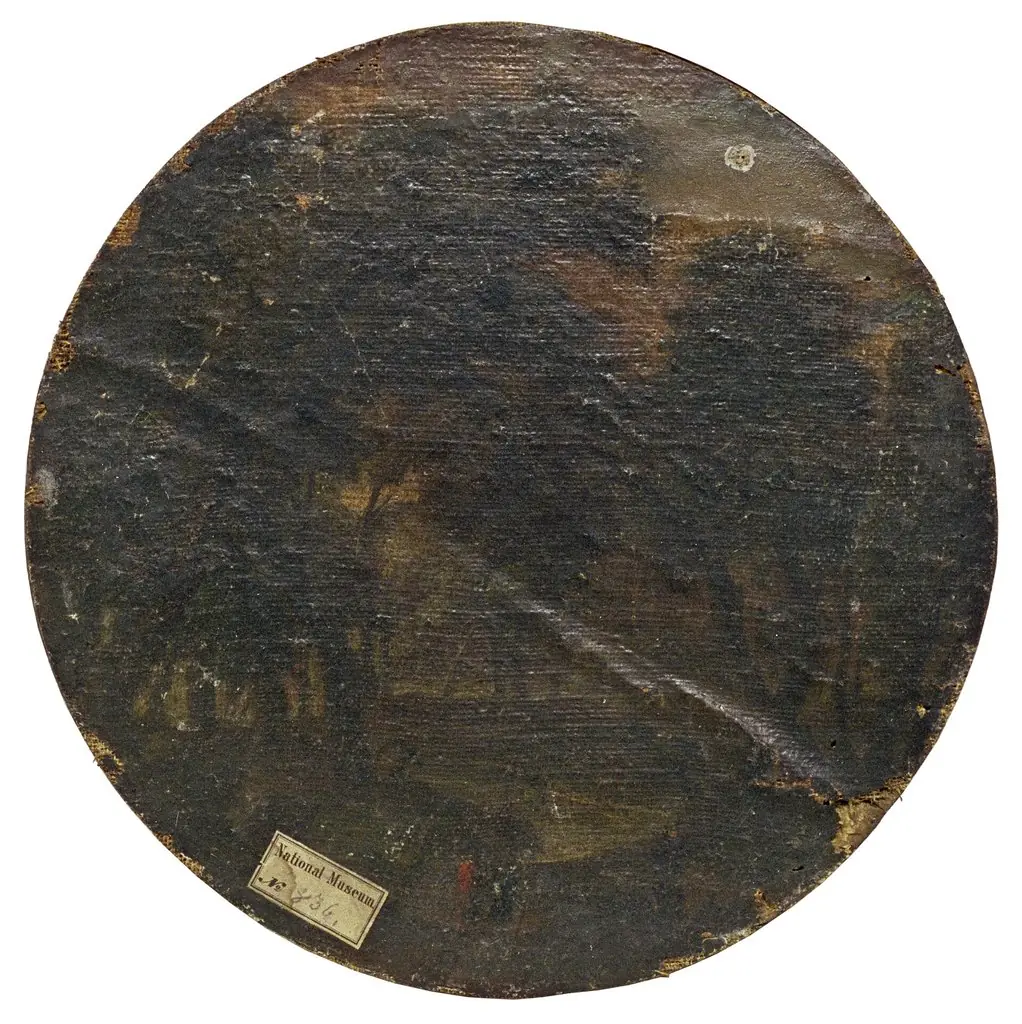
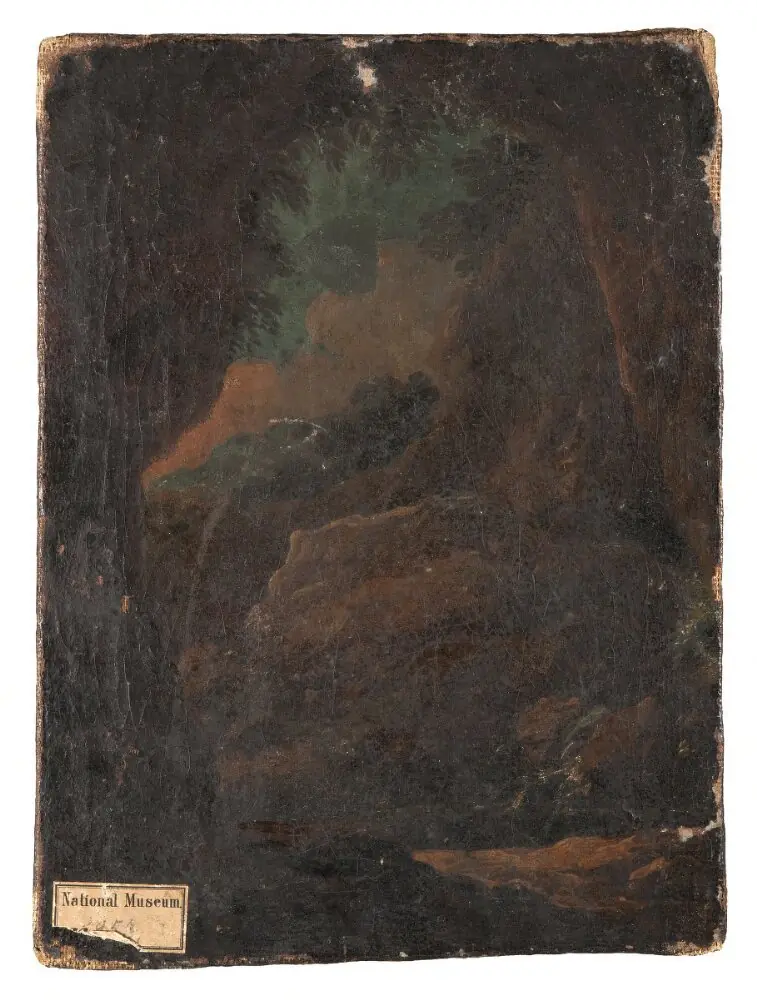
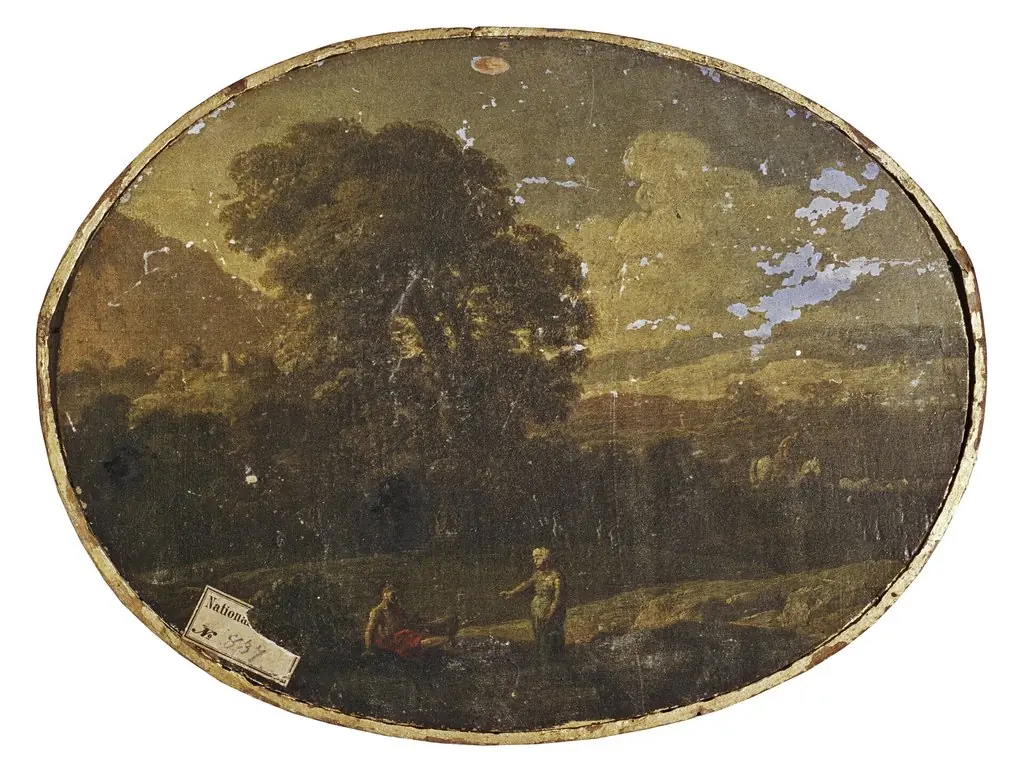
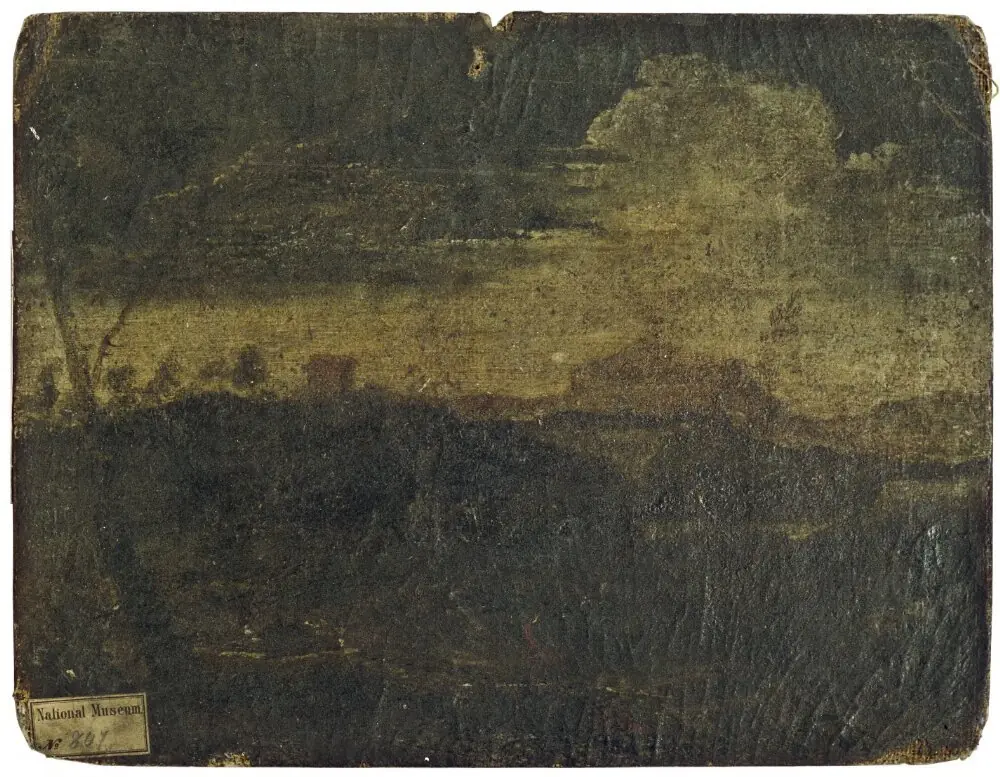
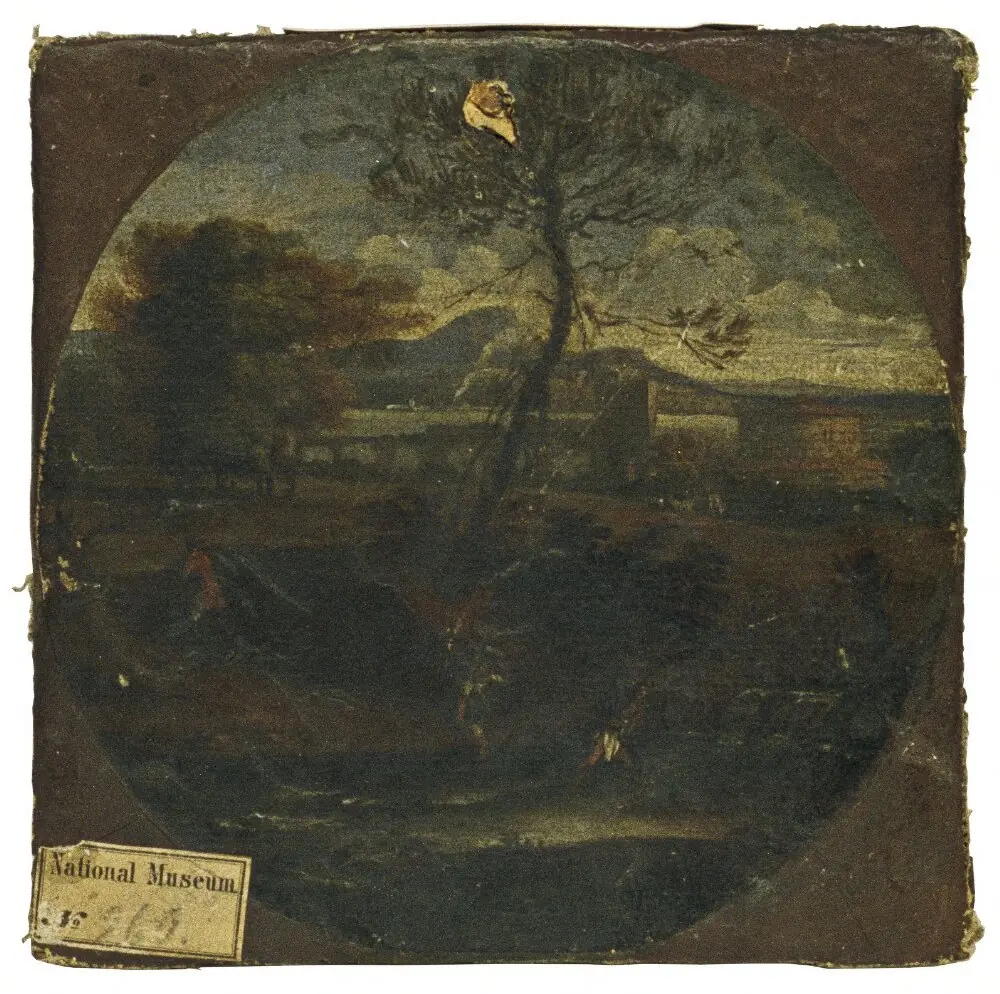
A small, legible label at the lower edge identifies it as belonging to the National Museum, but no artist or date is visible on the work itself.
This painting is a landscape, though its condition severely limits visual clarity. Centuries of deterioration have muted pigments, leaving mostly dark greens and browns with faint, uneven lighter areas. The surface is worn, obscuring detail and composition. A small, legible label at the lower edge identifies it as belonging to the National Museum, but no artist or date is visible on the work itself.
Subject & Meaning
The subject remains ambiguous due to extensive fading. No discernible figures, structures, or natural features can be reliably identified. The work appears to have once depicted a natural scene, possibly woodland or rolling terrain, but its original intent or symbolic content cannot be determined from the current state of the painting.
Technique & Style
The brushwork and layering are obscured by pigment loss and surface abrasion. The remaining color palette suggests a restrained, earth-toned approach typical of early landscape traditions, but technical details such as glazing, underpainting, or brushstroke character are no longer legible. The handling appears consistent with pre-19th-century methods, though specifics are lost.
History & Provenance
The painting carries a label from the National Museum, indicating institutional ownership, but no documentation of its origin, acquisition, or prior collectors is available. Its age and condition suggest it has been in the museum’s care for an extended period, likely since the 19th century or earlier, though its provenance before that remains undocumented.
Context
The work aligns with a broader European tradition of landscape painting that flourished before the rise of detailed topographical representation. Its faded state reflects common challenges faced by early oil paintings stored in variable conditions. Without a signature or dated inscription, it likely belonged to a regional or lesser-known artist within the museum’s collection.
Legacy
As a heavily degraded artifact, the painting serves more as a physical trace of historical collecting practices than as a representative example of artistic achievement. Its survival underscores the fragility of early painted landscapes and the importance of institutional preservation, even when visual information is largely lost.
Artist & collection

 Domestic Scene
 Giacomo and Cardinal Marco, investing Andrea, Abbot of San Zeno, with his Benefice
 The Nymph of Fontainebleau
 Portrait of a Woman
 Madonna and Child with Saints in the Enclosed Garden
 Venus and Minerva
 Family Group of Four on Sofa
 Wall painting from Room H of the Villa of P. Fannius Synistor at Boscoreale