Artwork
Venetiansk dameportræt
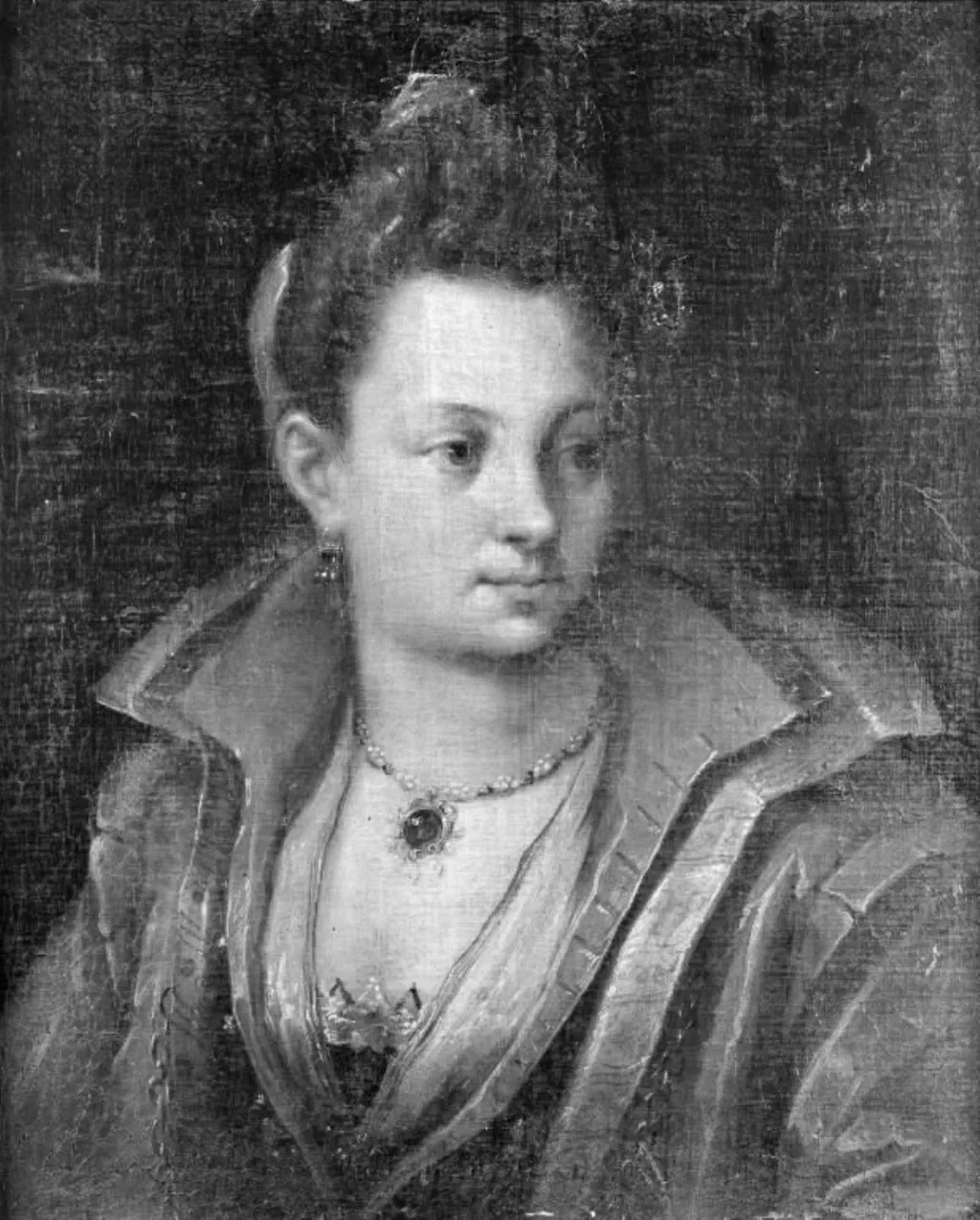
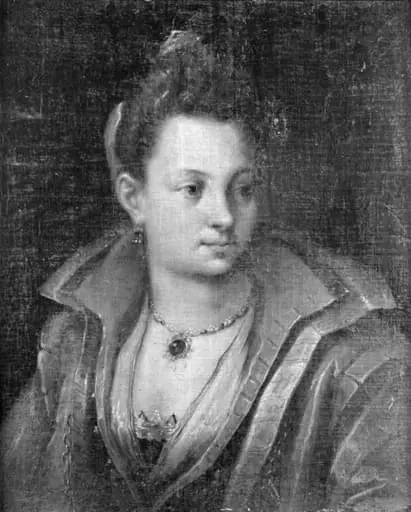
Venetiansk dameportræt is an unspecified painting by Unknown. It is held in the collection of the Statens Museum for Kunst. This portrait presents a Venetian woman rendered in oil on panel, likely from the late 15th or early 16th century.
About this work
Overview
This portrait presents a Venetian woman rendered in oil on panel, likely from the late 15th or early 16th century. Her poised posture and refined attire indicate high social standing. The dark background isolates her figure, enhancing the focus on her facial features and clothing details. Subtle lighting models her form, emphasizing volume without overt drama.
Subject & Meaning
The sitter’s dark hair, neatly coiffed, along with her jewelry and layered garments, signals wealth and status within Venetian society. Her neutral expression and averted gaze convey composure rather than emotional engagement, typical of aristocratic portraiture of the period. The painting functions as a record of identity and social position rather than a narrative scene.
Technique & Style
The artist employs chiaroscuro to define the contours of the face and shoulders, creating a three-dimensional effect against the flat, dark backdrop. Brushwork is precise in rendering textures—delicate strands of hair, the sheen of metal jewelry, and the soft fold of fabric. The palette is restrained, dominated by deep tones with subtle contrasts in the shawl’s lighter fabric.
History & Provenance
The painting’s origins are tied to Venice’s artistic circles during the Renaissance, though its early ownership remains undocumented. It entered institutional collections in the 19th century, likely through European private acquisitions. No definitive attribution to a known painter has been established, but its style aligns with Venetian workshop practices of the era.
Context
In Renaissance Venice, portraiture emerged as a means for elite families to assert lineage and prestige. Women’s portraits often emphasized modesty and refinement, with jewelry and fabric serving as markers of status. This work reflects the city’s thriving merchant class, where visual culture reinforced social hierarchies through controlled, dignified representation.
Legacy
It contributes to the understanding of how middle and upper-class women were visually represented in a society where appearance conveyed social capital.
Though not attributed to a major master, the portrait exemplifies the quiet sophistication of Venetian portraiture outside the most celebrated names. It contributes to the understanding of how middle and upper-class women were visually represented in a society where appearance conveyed social capital. Its preservation offers insight into regional stylistic norms beyond the grander commissions of the period.
Artist & collection

 Domestic Scene
 Giacomo and Cardinal Marco, investing Andrea, Abbot of San Zeno, with his Benefice
 The Nymph of Fontainebleau
 Portrait of a Woman
 Madonna and Child with Saints in the Enclosed Garden
 Venus and Minerva
 Family Group of Four on Sofa
 Wall painting from Room H of the Villa of P. Fannius Synistor at Boscoreale
 Saskia
 Portrait of a Lady
 Portrait of Helena Fourment (1617-1673)
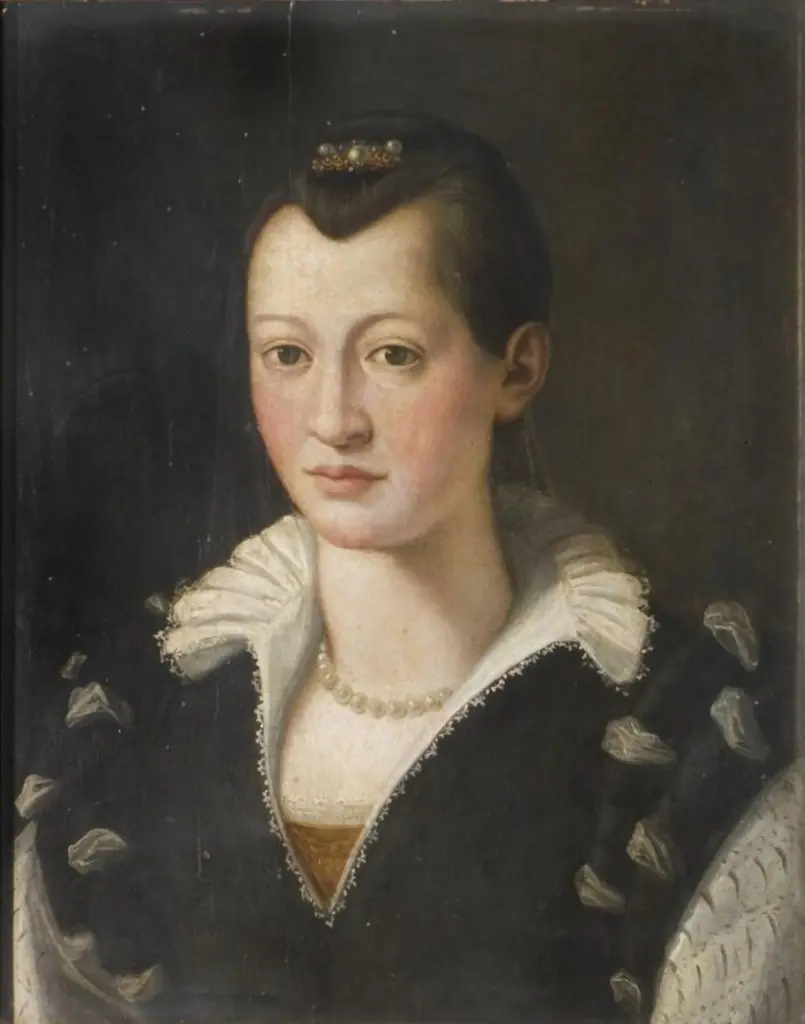 Portrait of a Lady in a Black Dress
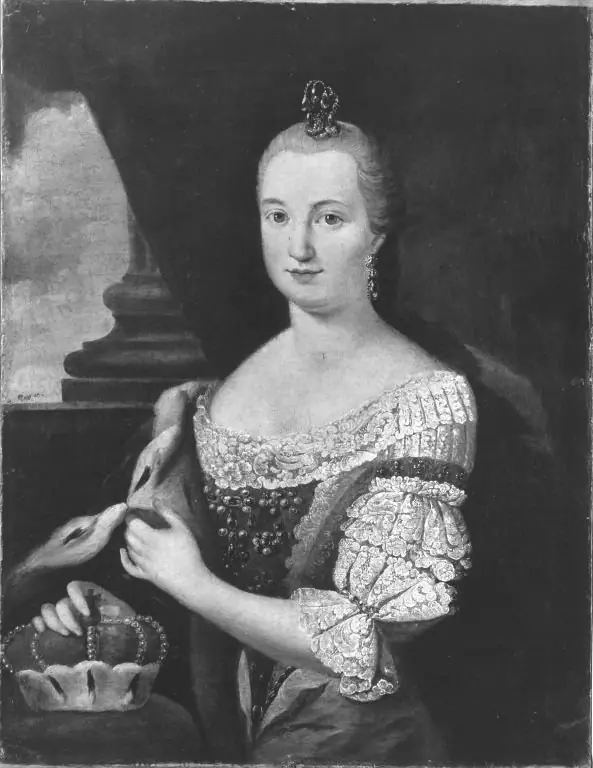 Bildnis der Kurfürstin Elisabeth Auguste von Pfalz-Bayern (Kopie nach)
 Isabella, Prinzessin von Savoyen
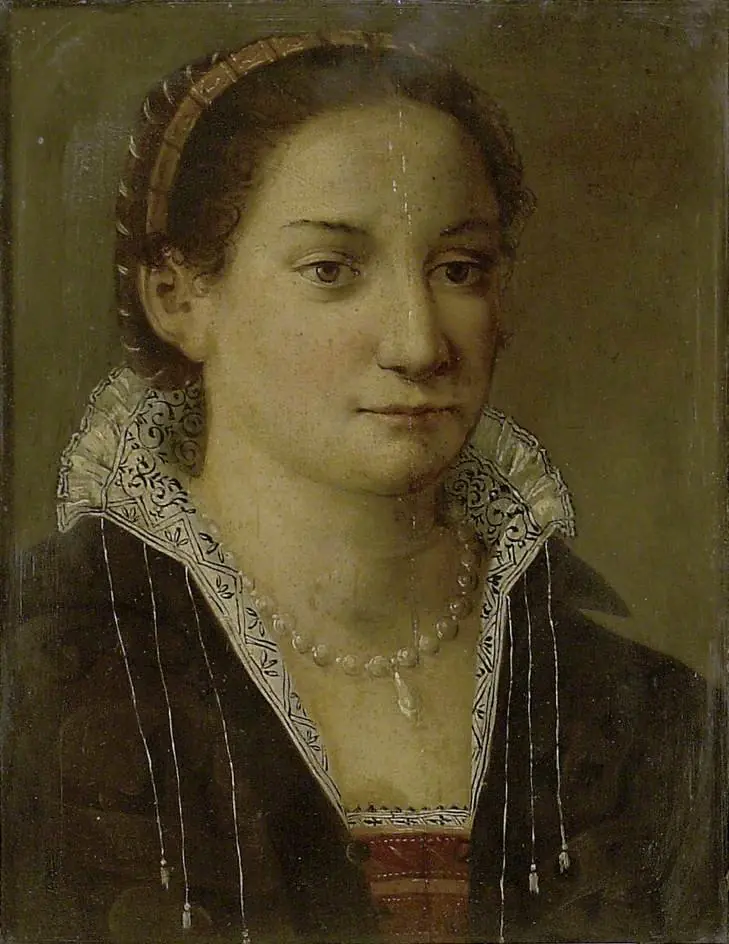 Portrait of a Woman
 Bildnis einer Fürstin
 Young Venetian Woman
 Portrait of Lavinia
 Maria Amalia of Zweibrücken-Birkenfeld
 Venetiansk dameportræt