Artwork
Bildnis der Kurfürstin Elisabeth Auguste von Pfalz-Bayern (Kopie nach)
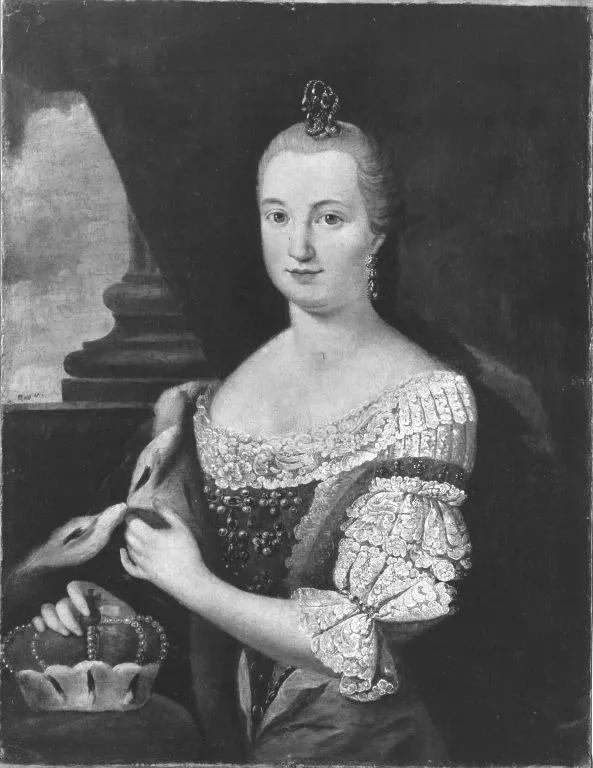
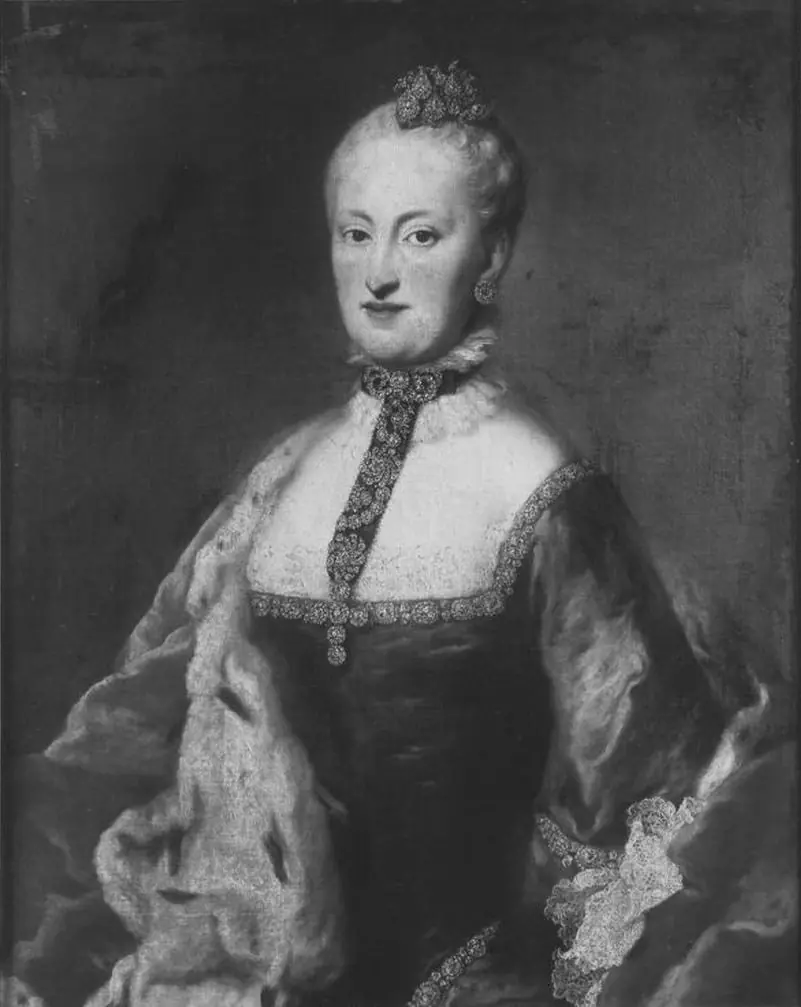
Bildnis der Kurfürstin Elisabeth Auguste von Pfalz-Bayern (Kopie nach) is an unspecified painting by the Rococo painting artist Johann Georg Ziesenis. It dates from 1753 and is held in the collection of the Bavarian State Painting Collections.
About this work
Overview
Johann Georg Ziesenis painted this portrait in 1753, depicting Electress Elisabeth Auguste of the Palatinate‑Bavaria. The work is part of the collection of the Alte Pinakothek in Munich and exemplifies mid‑eighteenth‑century court portraiture.
Subject & Meaning
The sitter is shown in an elaborate ceremonial costume, holding a jeweled crown that signifies her rank and authority. Her hair is neatly gathered, and she wears ornate earrings, emphasizing her status within the aristocratic hierarchy of the Holy Roman Empire.
Technique & Style
Ziesenis employs a chiaroscuro approach, contrasting a dark, column‑framed backdrop with the illuminated figure. The interplay of light and shadow models the folds of the dark dress, the white lace trim, and the glittering jewels, giving the portrait a three‑dimensional presence.
History & Provenance
Created in 1753, the painting entered the holdings of the Alte Pinakothek, where it has remained a documented part of the museum’s collection of German court portraiture. Its provenance traces back to the original commission by the Bavarian court.
Context
The portrait reflects the conventions of mid‑Baroque court imagery in the German states, where rulers were often depicted with regalia to assert legitimacy. Ziesenis, a noted portraitist of his time, catered to the visual expectations of aristocratic patrons.
Artist & collection
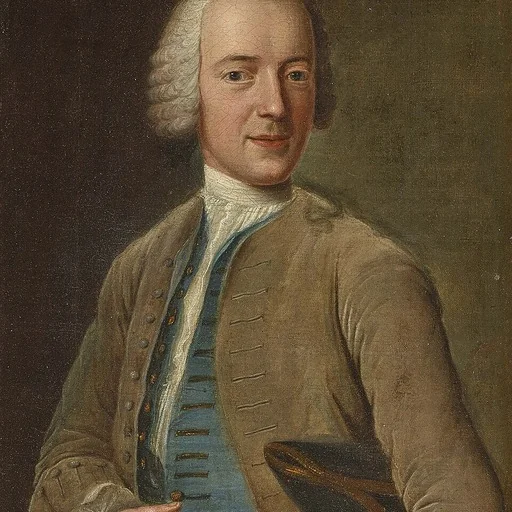

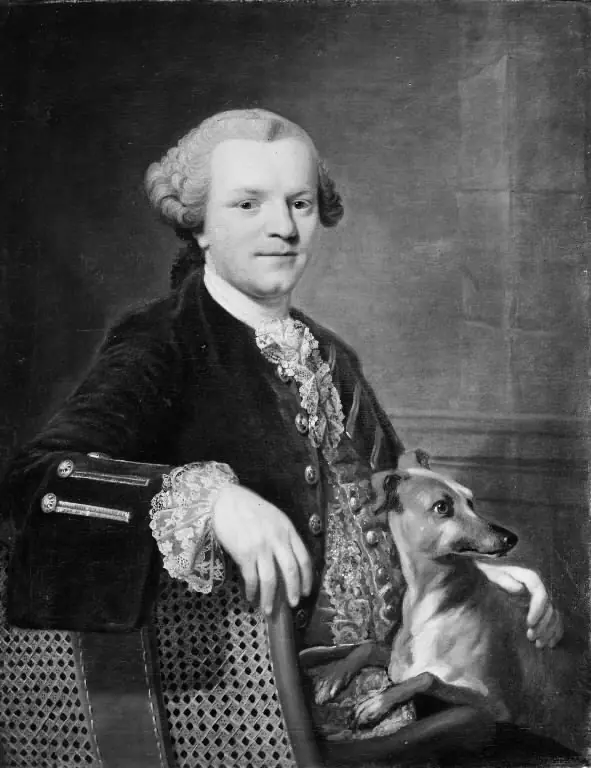 Portrait of Freiherr von Münchhausen
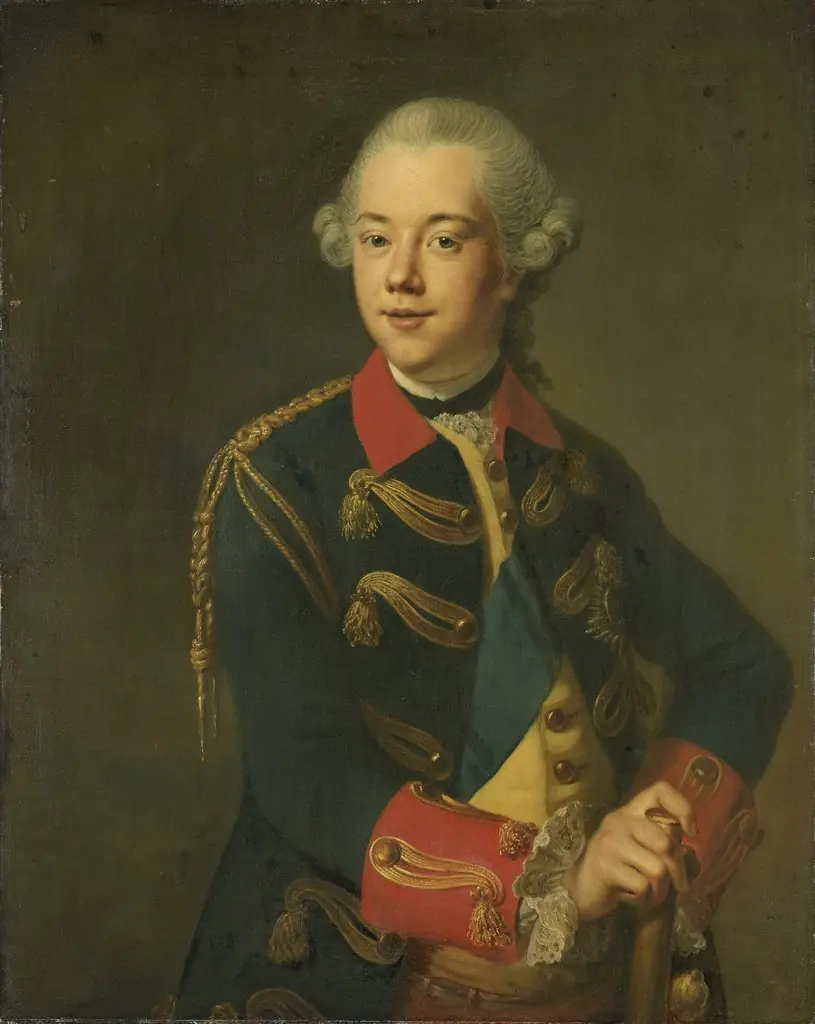 Portrait of William V, Prince of Orange-Nassau
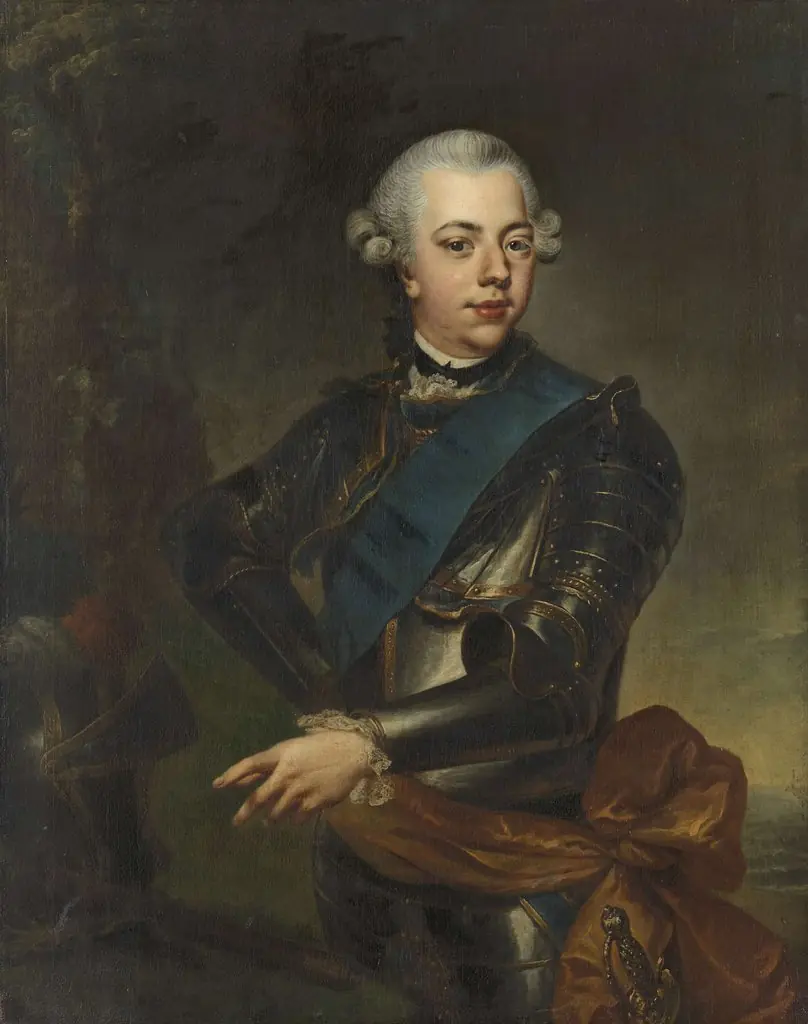 Willem V (1748-1806), prins van Oranje-Nassau
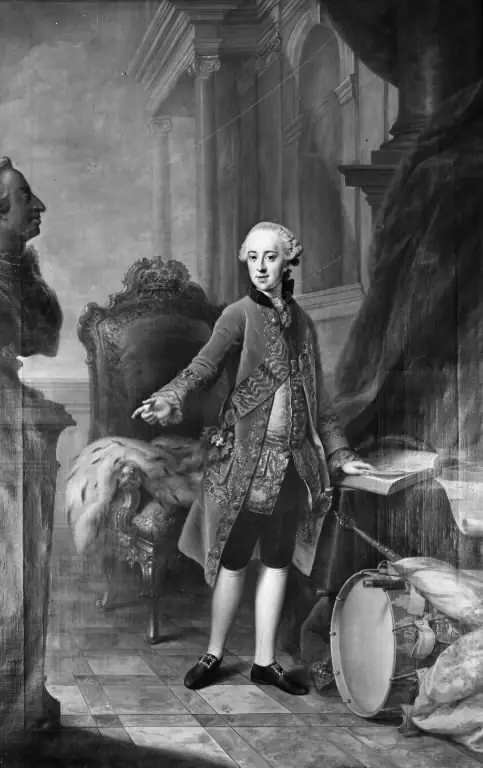 Portrait of Frederik, Heir Presumptive
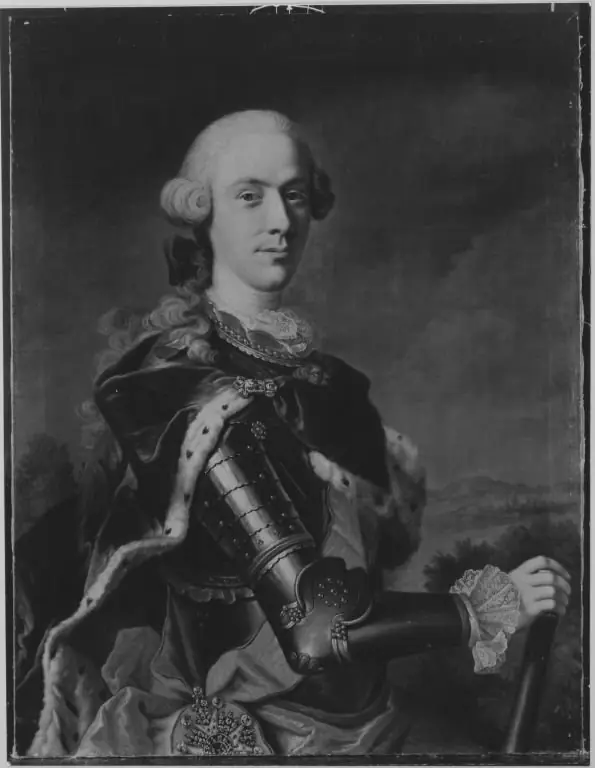 Bildnis von Christian IV., Herzog von Pfalz-Zweibrücken (1722-1775)
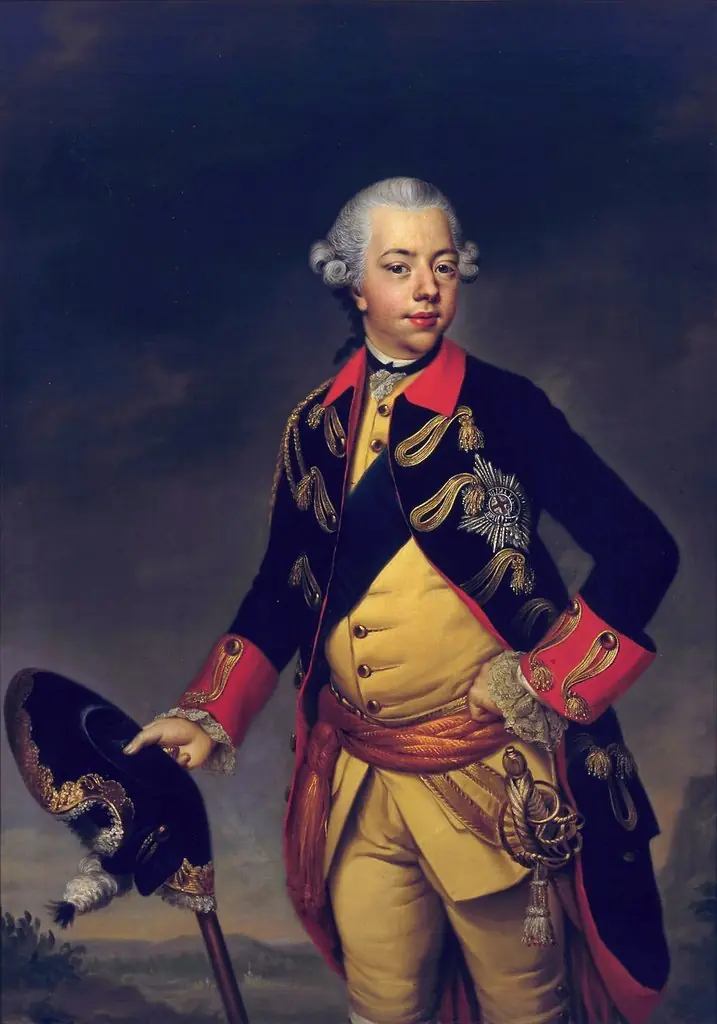 Portrait of Willem V (1748-1806), Prinz von Oranien-Nassau
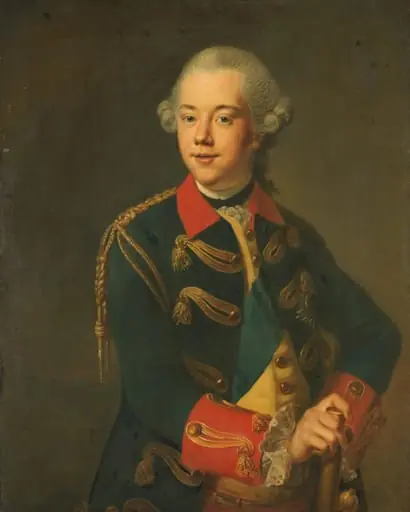 Portrait of William V, Prince of Orange-Nassau
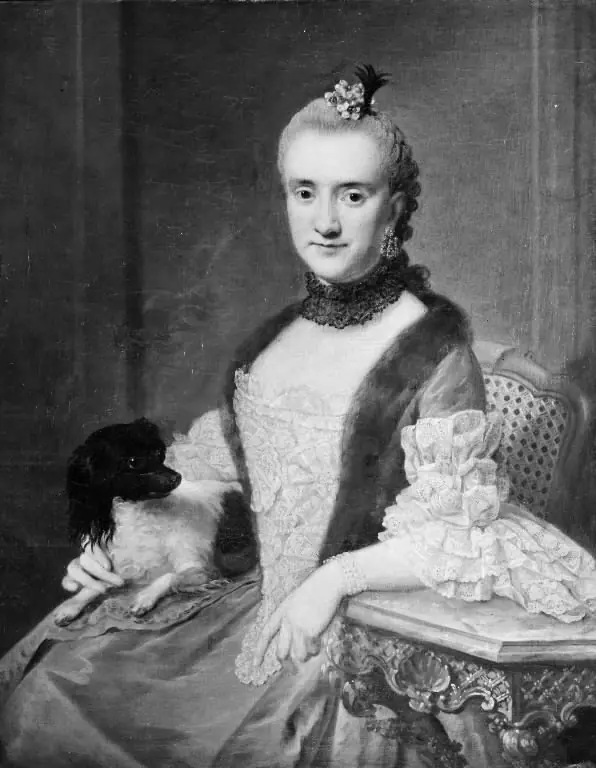 Portrait of Freifrau von Münchhausen
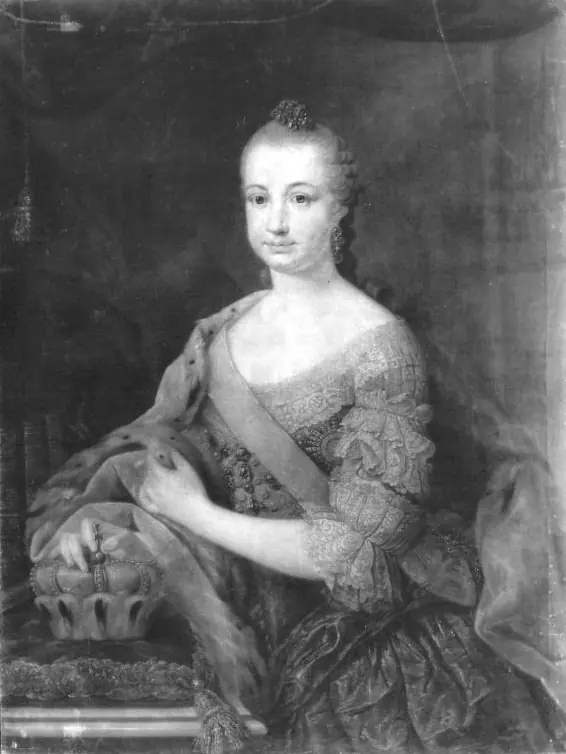 Elisabeth Maria Aloysia Auguste Gemahlin Karl Theodors
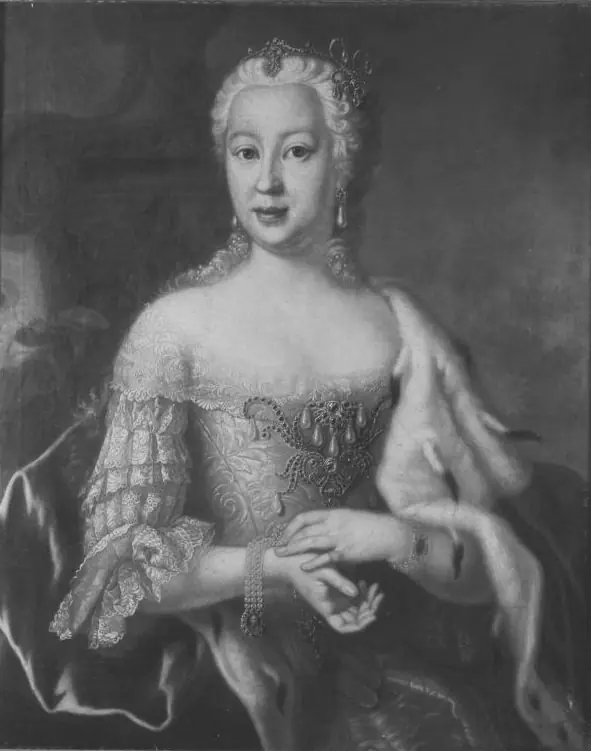 Maria Anna of Sulzbach (1722-1790)
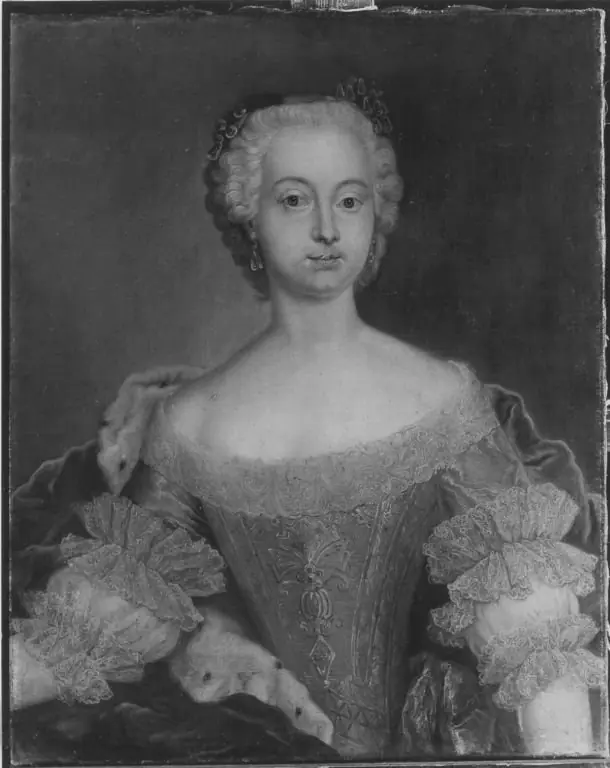 Bildnis einer Fürstin
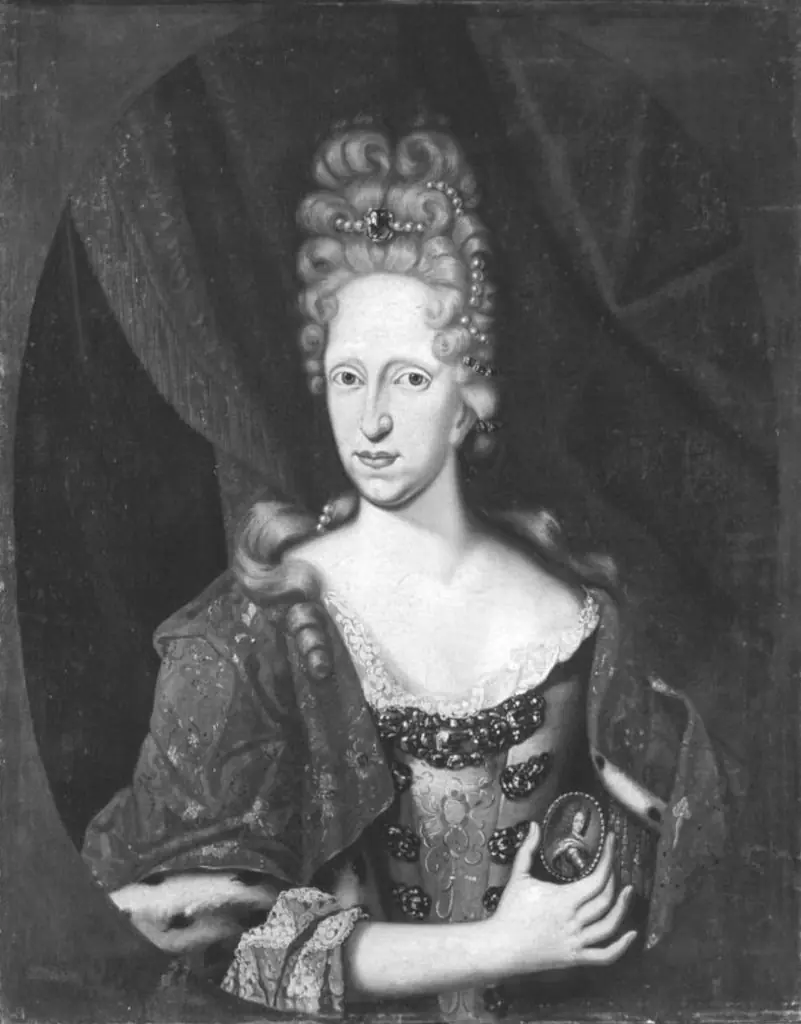 Pfalzgräfin Hedwig Elisabeth Amalie, Gemahlin des Prinzen Jacob Ludwig
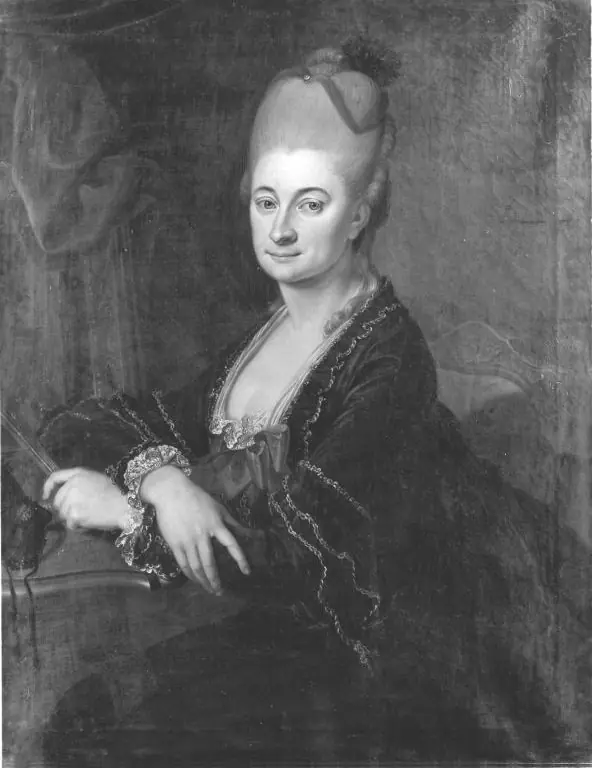 Maria Amalia of Zweibrücken-Birkenfeld
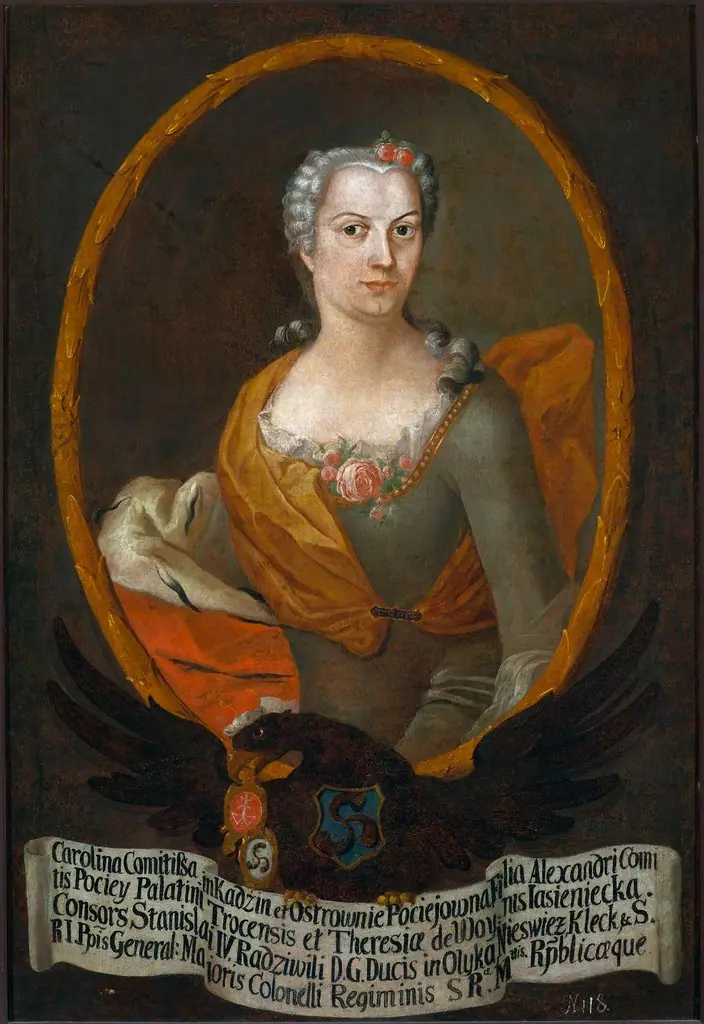 Portrait of Karolina Radziwiłł née Pociej (1732–1776)
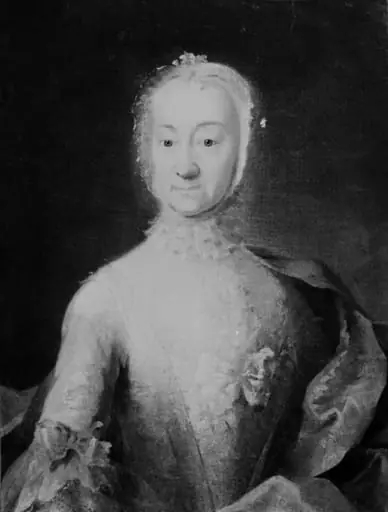 Portrait of Mrs. Brorson
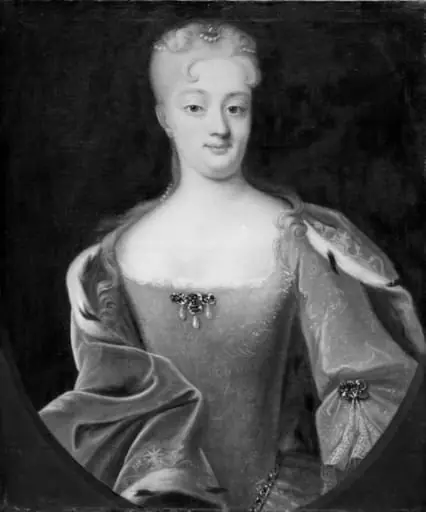 Dronning Sophie Magdalene
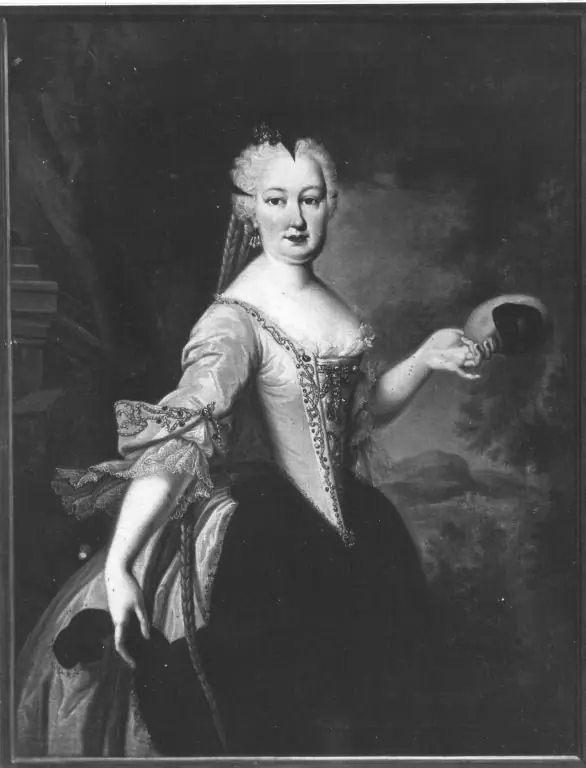 Bildnis der Maria Franziska Dorothea von Pfalz-Sulzbach, Herzogin von Zweibrücken-Birkenfeld (1724-1794)
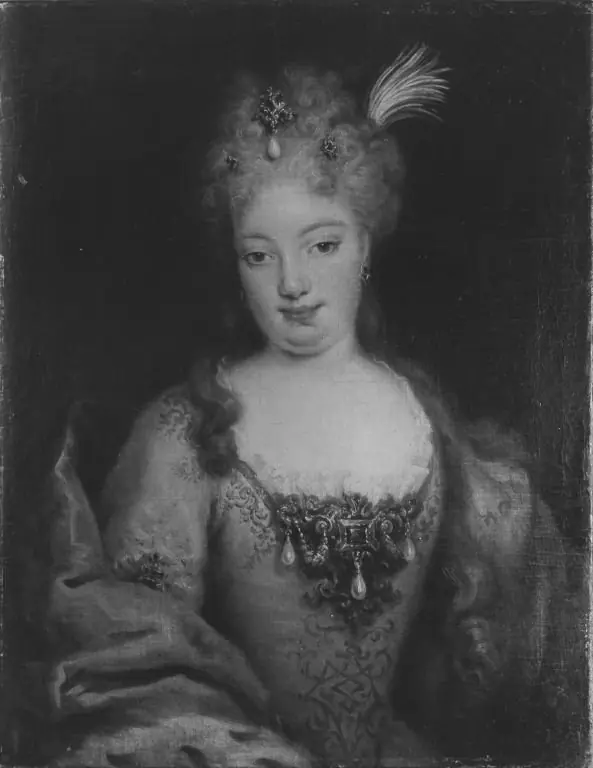 Bildnis einer Fürstin
 So-called portrait of Maria Anna Sophia of Saxony (1728–1797)
 Portrait of a woman