Artwork
Portrait of a Woman
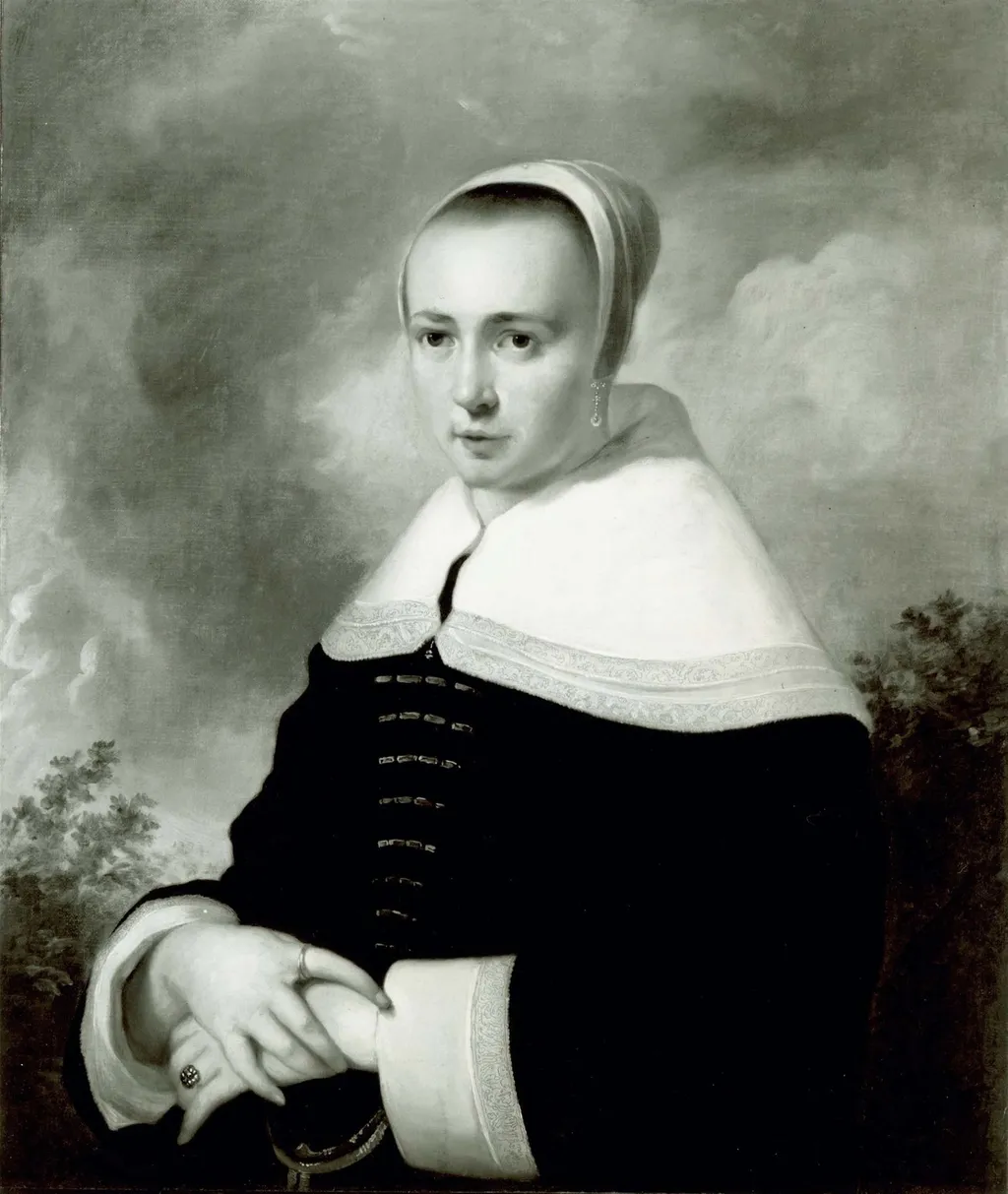
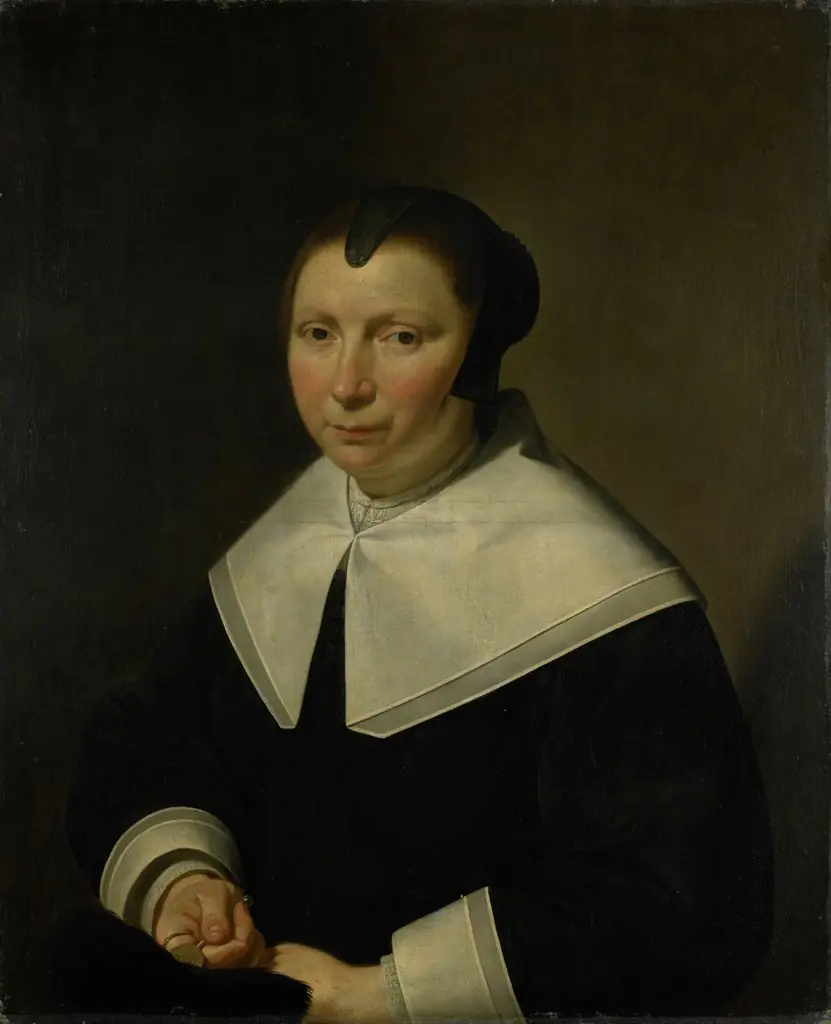
Portrait of a Woman is an oil painting by Unknown. It dates from 1655 and is held in the collection of the Art Institute of Chicago. This oil painting presents a seated woman in formal attire, rendered with careful attention to texture and light.
About this work
Overview
The composition is restrained, focusing attention on her posture and expression, characteristic of 17th-century Dutch portraiture.
This oil painting presents a seated woman in formal attire, rendered with careful attention to texture and light. Her black dress, white lace collar, and headscarf suggest modesty and social standing. The background features a muted sky and sparse trees, framing her stillness. The composition is restrained, focusing attention on her posture and expression, characteristic of 17th-century Dutch portraiture.
Subject & Meaning
The woman’s clasped hands and direct gaze convey quiet dignity rather than overt display. Her attire, including a ring and head covering, implies married status and religious or cultural conformity. The absence of symbols of wealth or status shifts emphasis from social rank to inner presence, aligning with the introspective tone common in Rembrandt’s portraits of non-noble subjects.
Technique & Style
Rembrandt employs chiaroscuro to model the woman’s face and hands, using deep shadows and soft highlights to create volume and emotional depth. The brushwork varies—smooth on skin, textured in fabric—enhancing tactile realism. The cloudy sky and tree outlines are loosely painted, contrasting with the precision of her features, reinforcing the psychological focus of the portrait.
History & Provenance
The painting is attributed to Rembrandt van Rijn, likely executed in the 1630s during his Amsterdam period. It entered a major European collection in the 18th century and has remained in institutional hands since. While its early ownership is undocumented, its style and materials align with other authenticated works from this phase of the artist’s career.
Context
In 17th-century Holland, portraiture flourished among the middle class, who sought to commemorate personal identity without aristocratic pomp. Rembrandt distinguished himself by capturing psychological nuance over idealization. This work reflects a broader trend: dignified, unadorned depictions of individuals, valued for their humanity rather than their status.
Legacy
The painting exemplifies Rembrandt’s influence on the evolution of portraiture, emphasizing emotional resonance over superficial representation. Later artists studied his use of light and quiet composition to convey inner life. Though not among his most famous works, it remains a quiet testament to his ability to elevate ordinary subjects through profound observation.
Artist & collection

 Domestic Scene
 Giacomo and Cardinal Marco, investing Andrea, Abbot of San Zeno, with his Benefice
 The Nymph of Fontainebleau
 Portrait of a Woman
 Madonna and Child with Saints in the Enclosed Garden
 Venus and Minerva
 Family Group of Four on Sofa
 Wall painting from Room H of the Villa of P. Fannius Synistor at Boscoreale
 Portrait of a Woman
 Portrait of a woman
 Portrait of a Woman
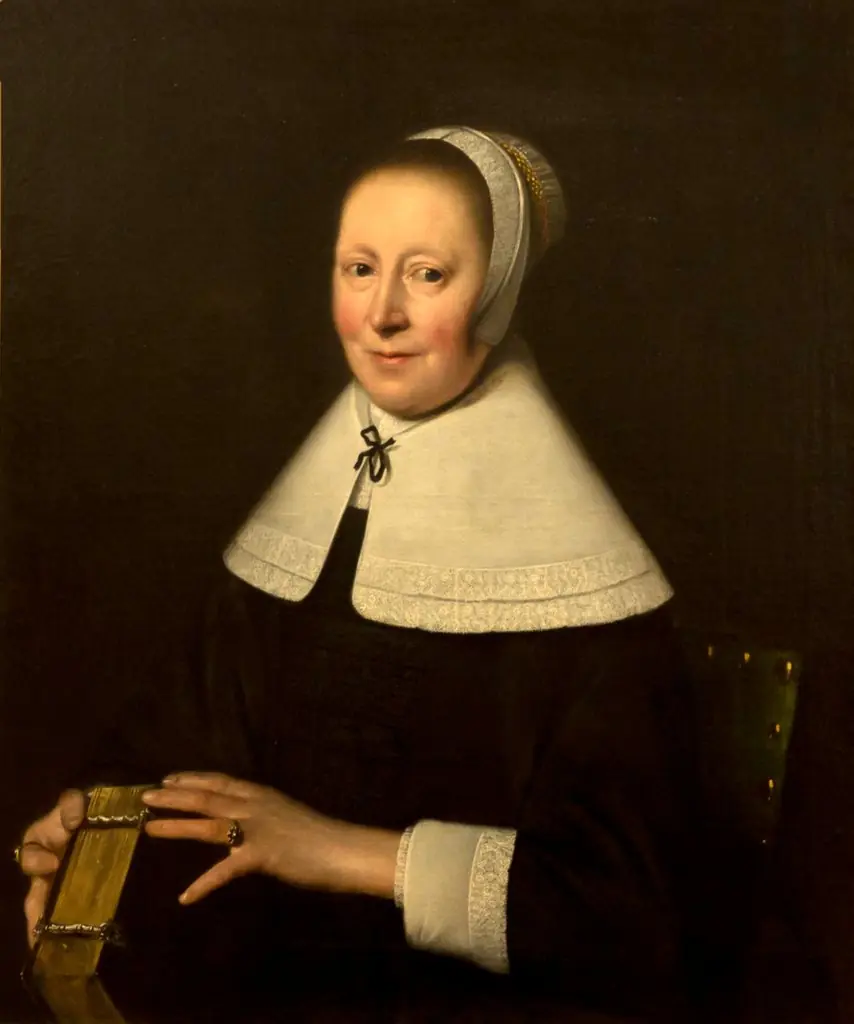 Retrato de mulher
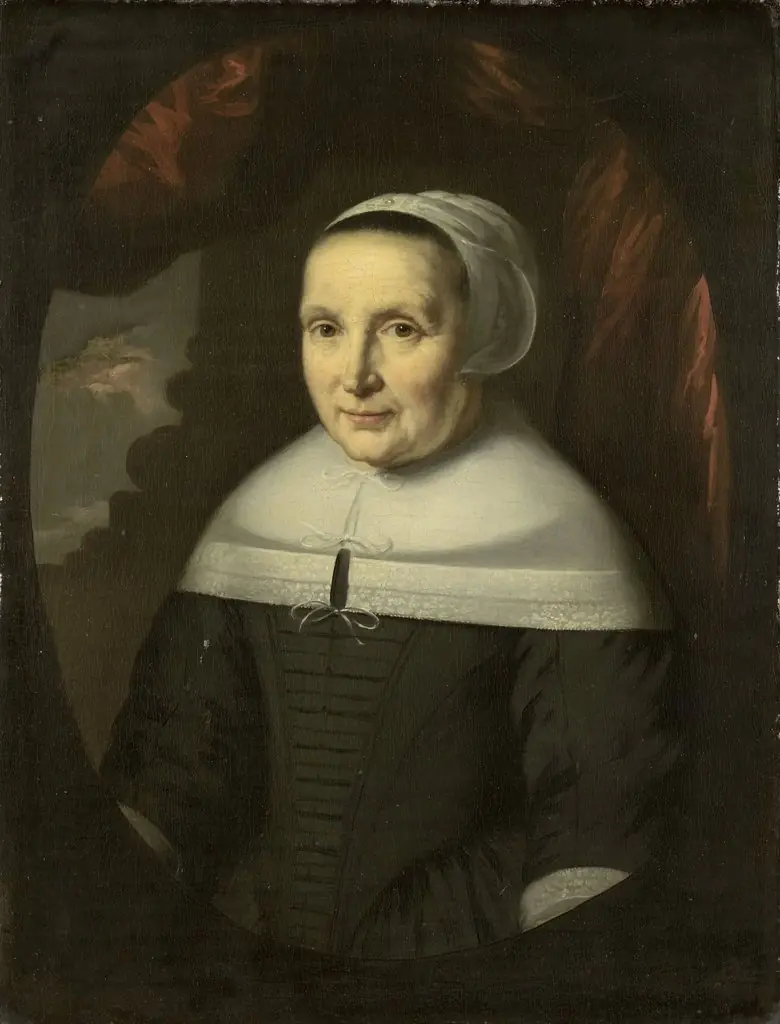 Portrait of Aeltje Denijs (b. 1598/99), wife of Hendrick Wijnands and mother of Dionijs Wijnands
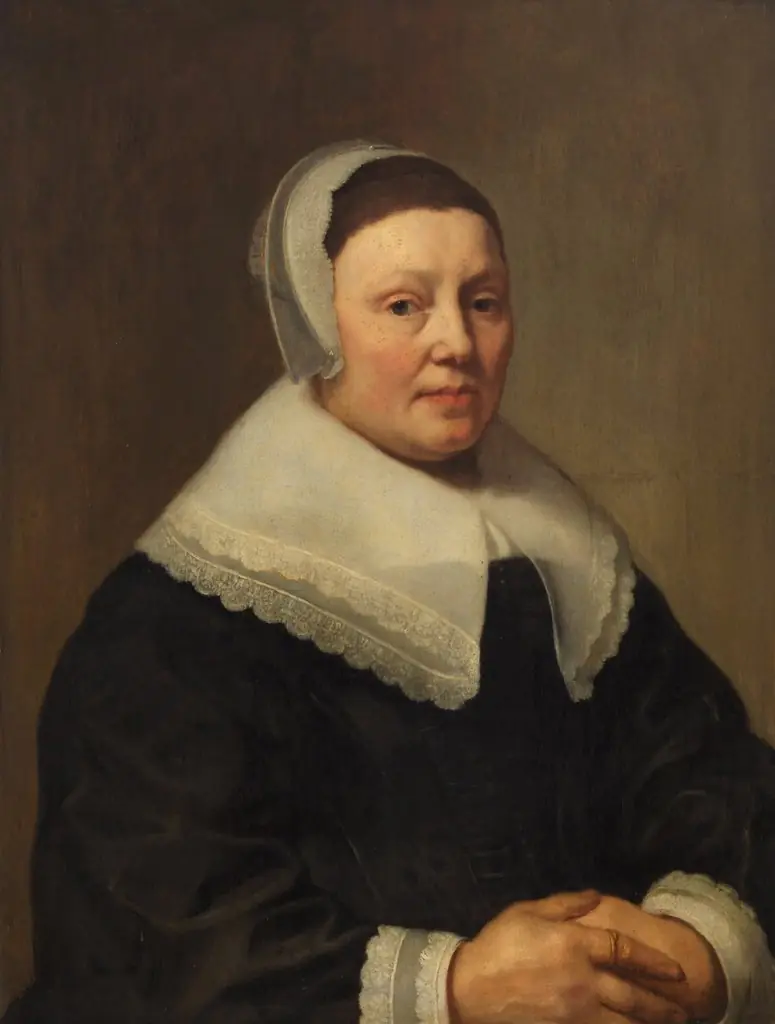 Portrait of a Lady
 Untitled
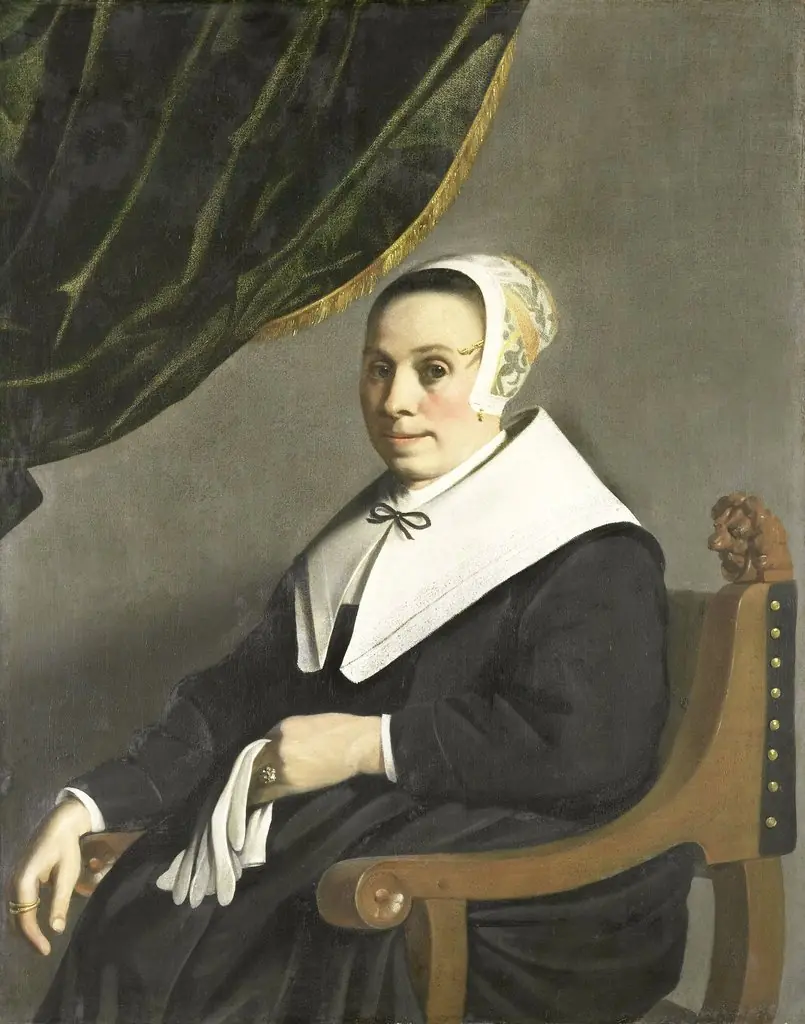 Portrait of a Woman
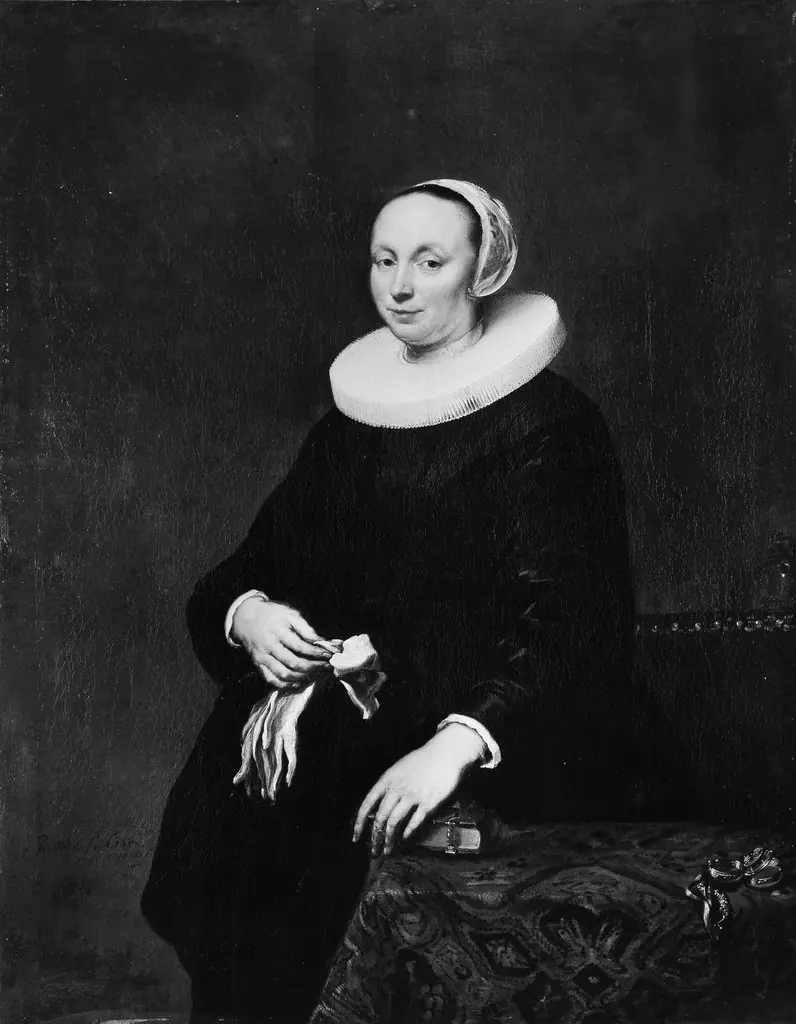 Portrait of a Woman
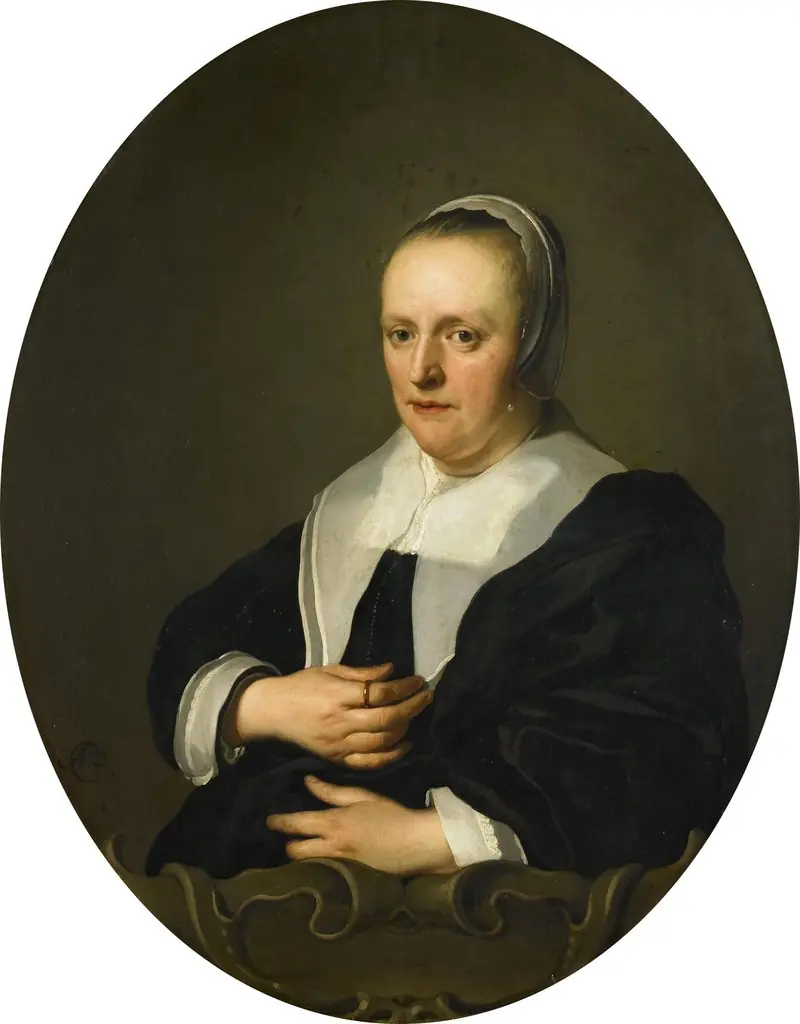 Sara de Bie. Jan Lutma's second wife (1638)
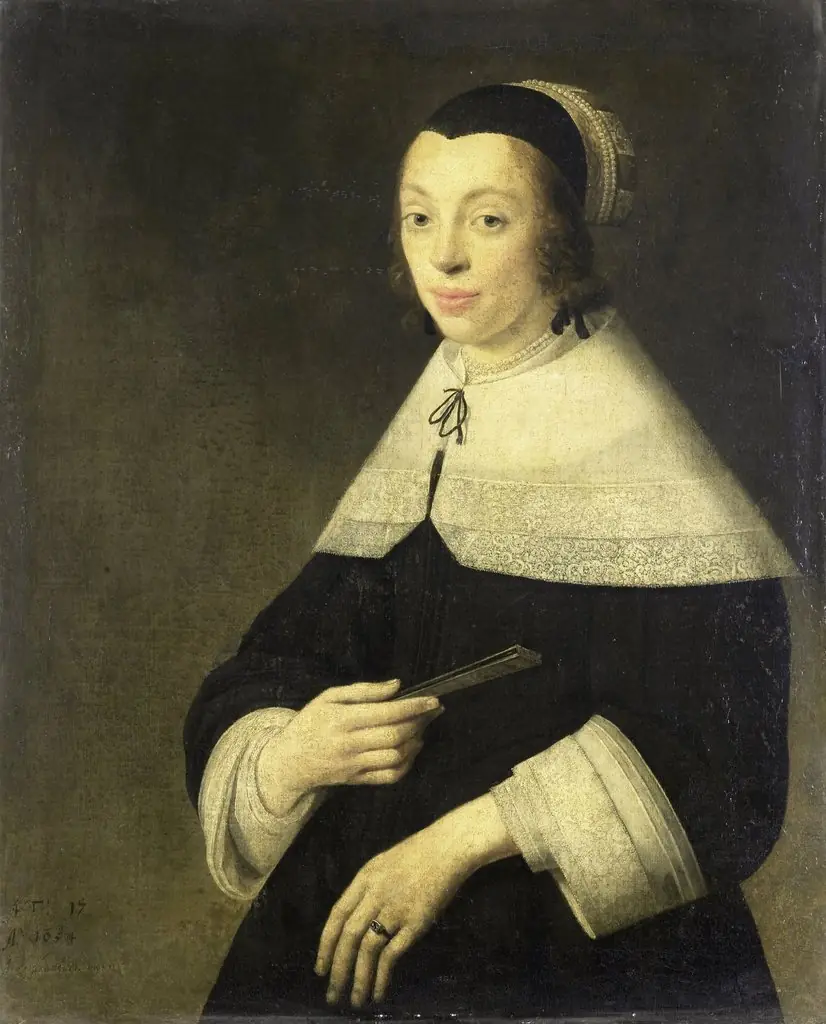 Portrait of a young woman
 Portrait of a woman