Artwork
Portrait of an unknown woman
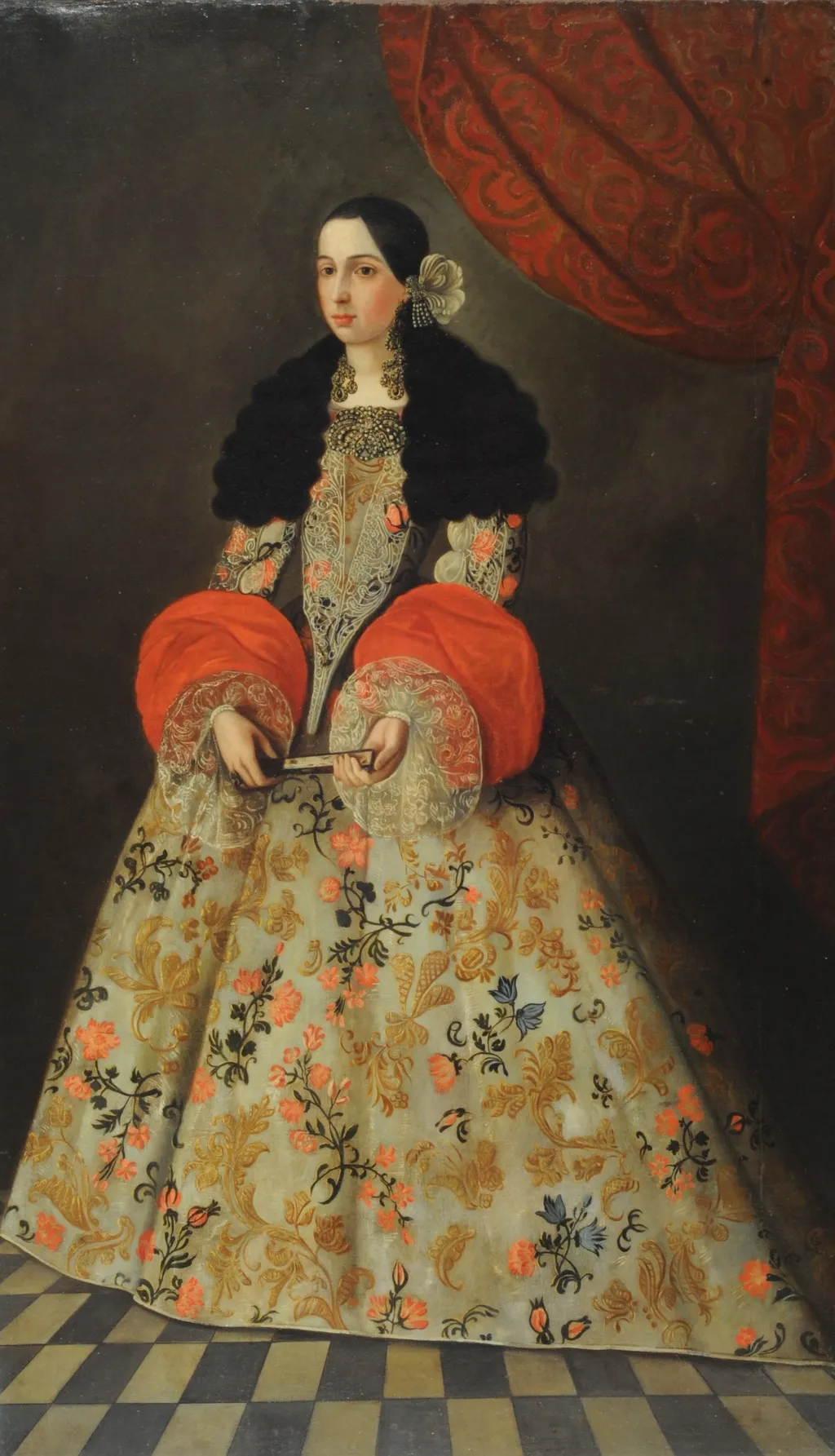
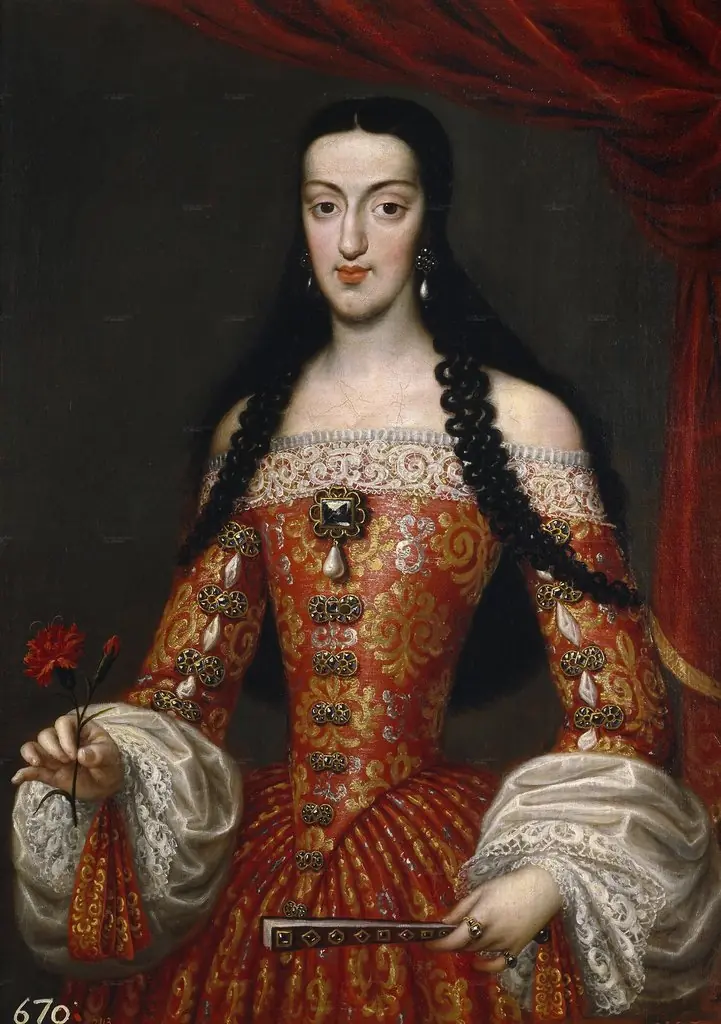
Portrait of an unknown woman is an oil painting by the Dutch Golden Age artist Unknown. It dates from 1650 and is held in the collection of the National Museum of Fine Arts, Argentina. This 17th-century oil painting portrays an unidentified woman dressed in opulent attire, set against a somber backdrop.
About this work
The painting's use of chiaroscuro, a technique that uses strong contrasts between light and dark, adds depth and dimension to the scene.
This painting depicts a woman in a lavish, ornate dress, standing in front of a dark background. The dress is a light color with a floral pattern and has large, red, puffy sleeves. The woman's dark hair is pulled back, and she wears a black shawl over her shoulders. She holds a fan in her hands. The woman's attire and the style of the painting suggest it was created in the 17th century. The painting's use of chiaroscuro, a technique that uses strong contrasts between light and dark, adds depth and dimension to the scene. The painting is a beautiful example of Baroque art, characterized by its use of dramatic lighting and rich colors.
Overview
This 17th-century oil painting portrays an unidentified woman dressed in opulent attire, set against a somber backdrop.
Subject & Meaning
The subject, a woman of apparent high social status, is captured in a contemplative pose, her facial expression subtle. The fan she holds may symbolize modesty or coquettishness, common interpretations in period portraiture.
Technique & Style
The work exemplifies Baroque characteristics through its dramatic chiaroscuro, juxtaposing the woman's light, floral-patterned dress with a dark background to create depth. The bold, red, puffy sleeves and rich colors further emphasize the Baroque influence.
History & Provenance
While the exact date and artist remain unspecified, stylistic elements securely place the painting within the 17th-century Baroque movement. Provenance details are not provided.
Context
Created during a time when portraiture served as a status symbol, this painting likely represented the subject's wealth and position. The use of a dark background was a common technique to highlight the subject's prominence.
Legacy
As a representative of 17th-century Baroque portraiture, the painting offers insights into the era's artistic and social conventions, though its impact or influence on subsequent art movements is not detailed.
Artist & collection

Museum
National Museum of Fine Arts, Argentina
Continue through works from the same source collection.
 Domestic Scene
 Giacomo and Cardinal Marco, investing Andrea, Abbot of San Zeno, with his Benefice
 The Nymph of Fontainebleau
 Portrait of a Woman
 Madonna and Child with Saints in the Enclosed Garden
 Venus and Minerva
 Family Group of Four on Sofa
 Wall painting from Room H of the Villa of P. Fannius Synistor at Boscoreale
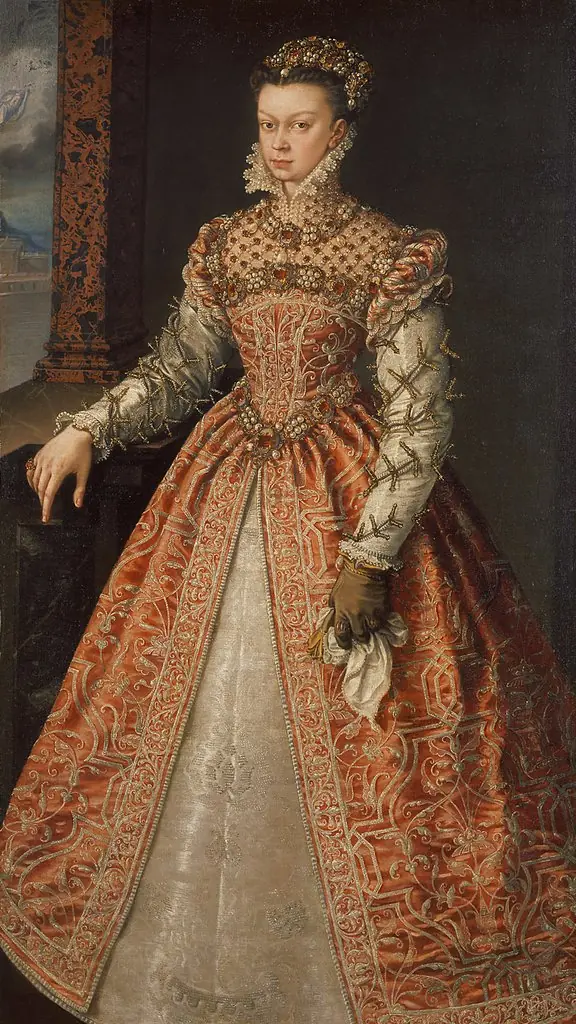 Portrait of Elisabeth of Valois (1545-1568), Queen of Spain
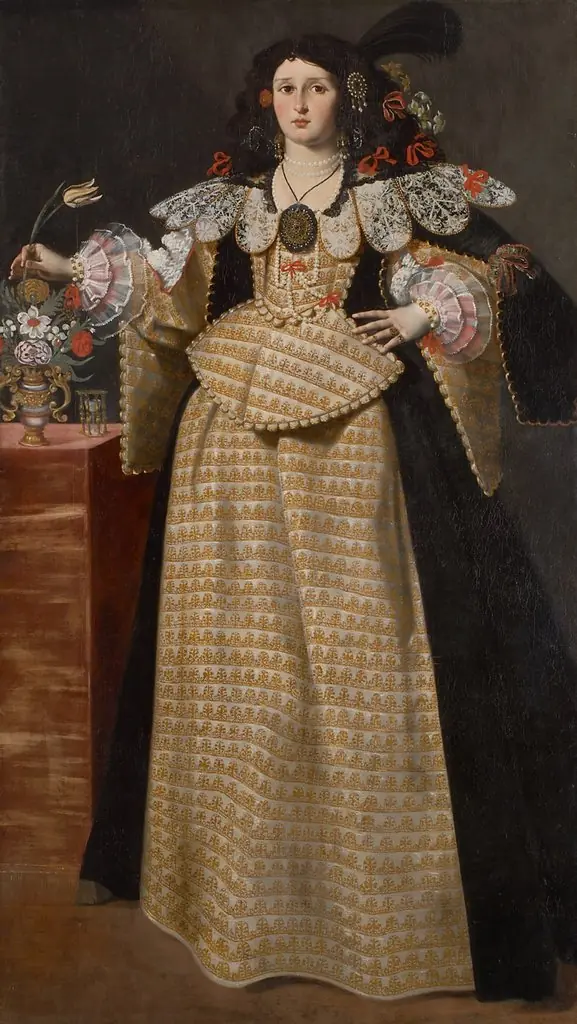 Portrait of a Lady
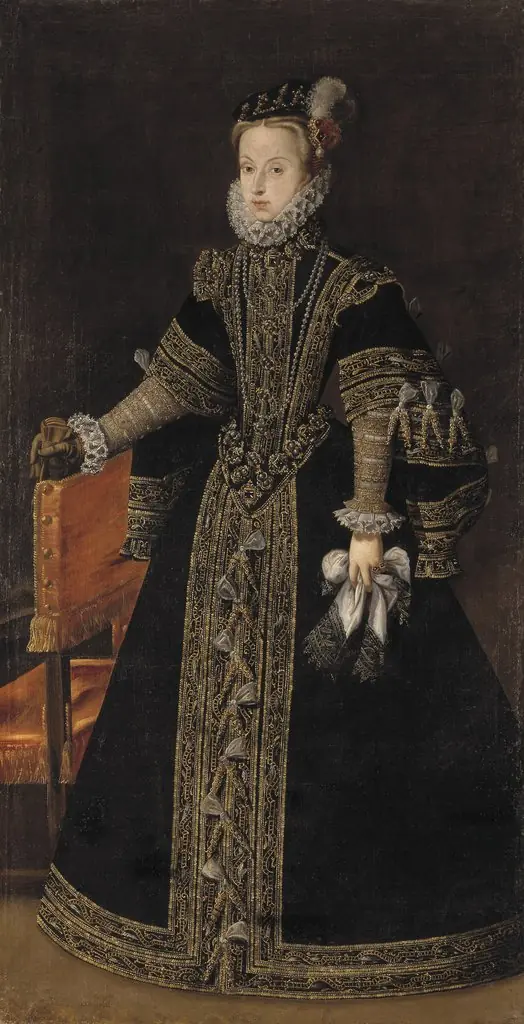 Anna Maria, 1549-1580, ärkehertiginna
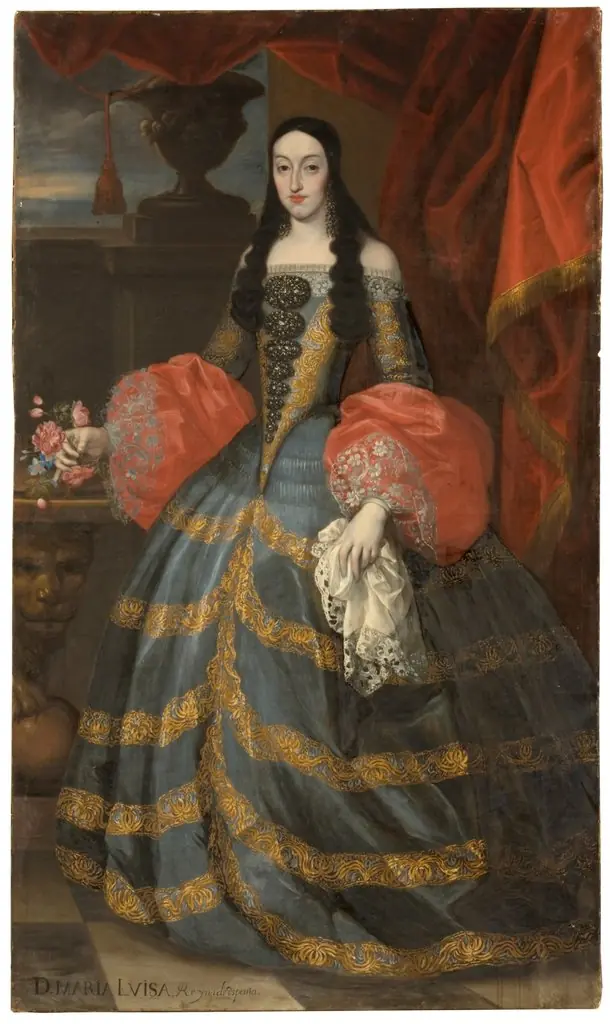 Portrait of Marie Louise d’Orléans
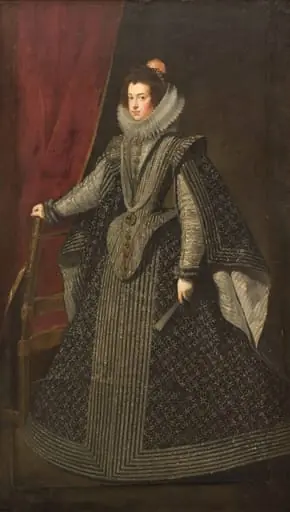 Isabella of Bourbon. First Queen of King Philip IV
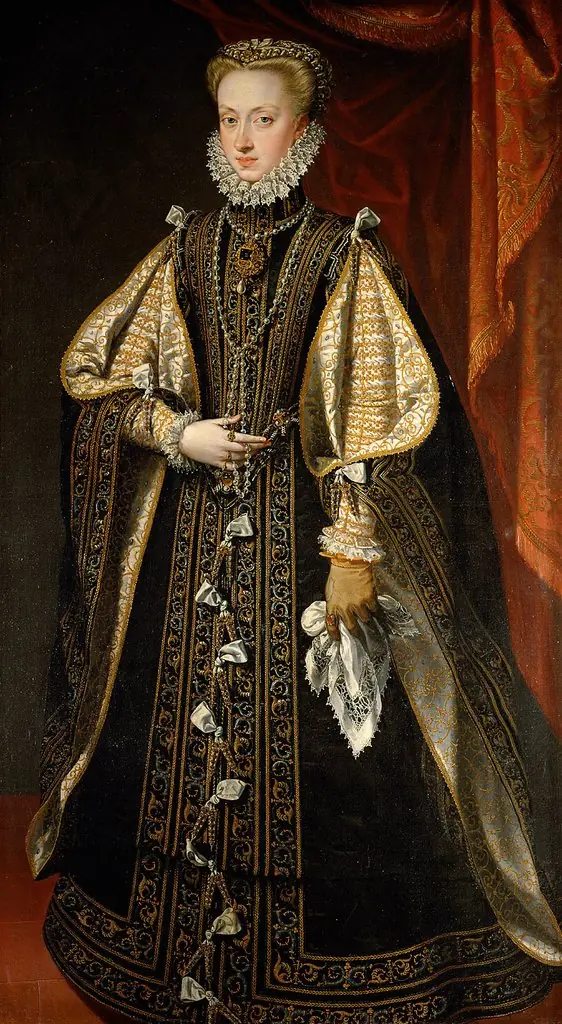 Anna of Austria, Queen of Spain (1549-1580)
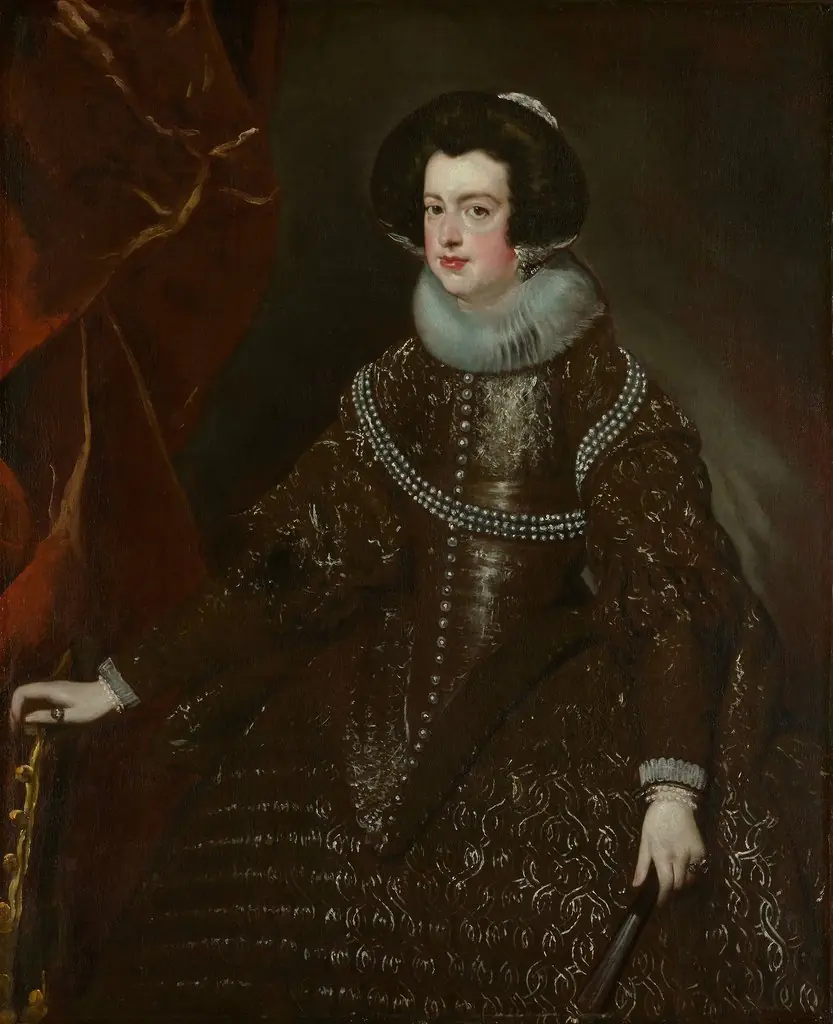 Isabella of Bourbon, Wife of Philip IV of Spain
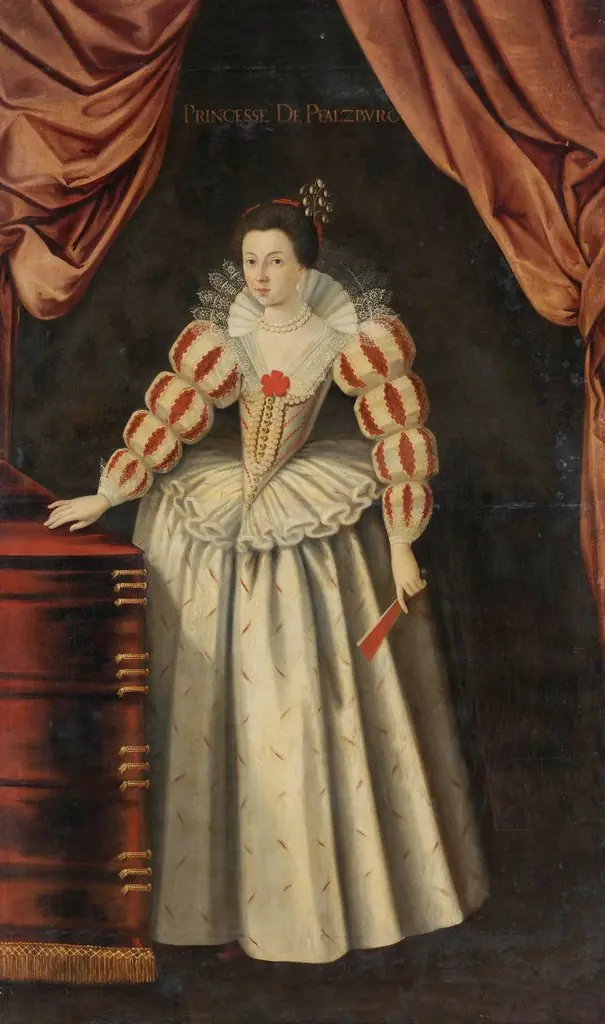 Henriette von Lothringen (1605-1660)
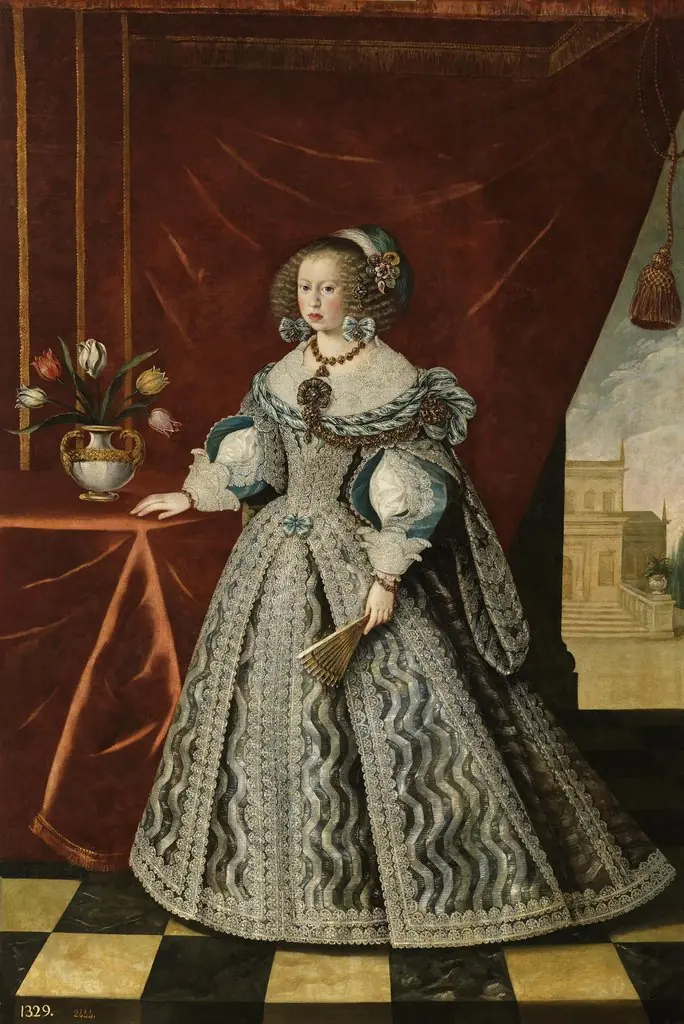 Mariana of Austria
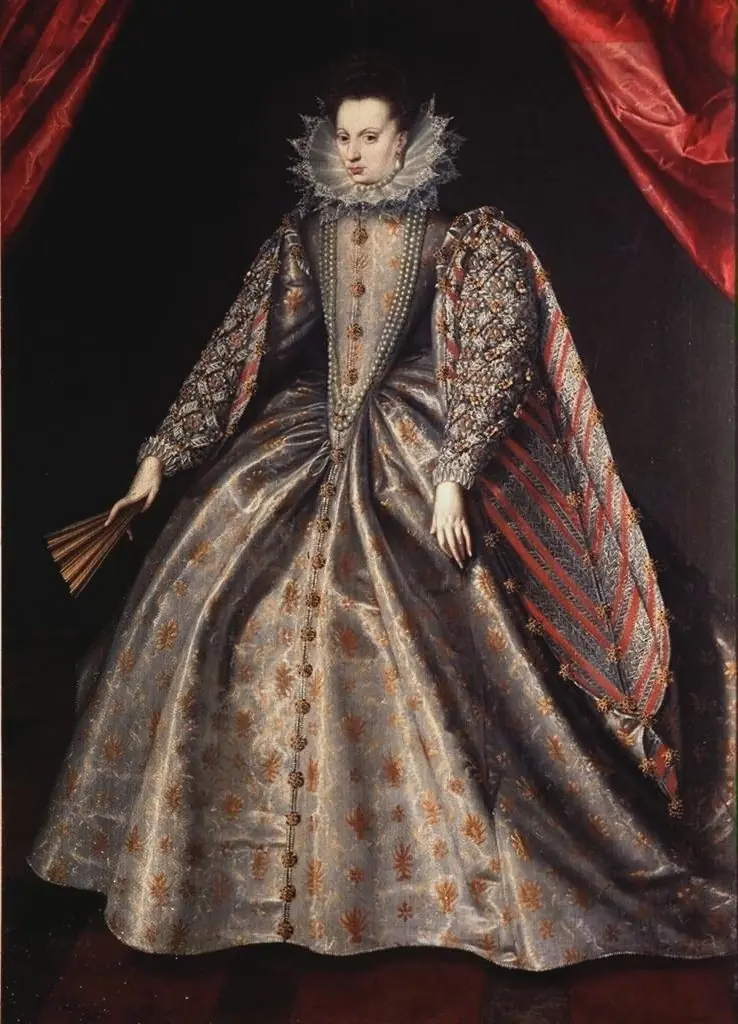 Elisabeth Renata von Lothringen
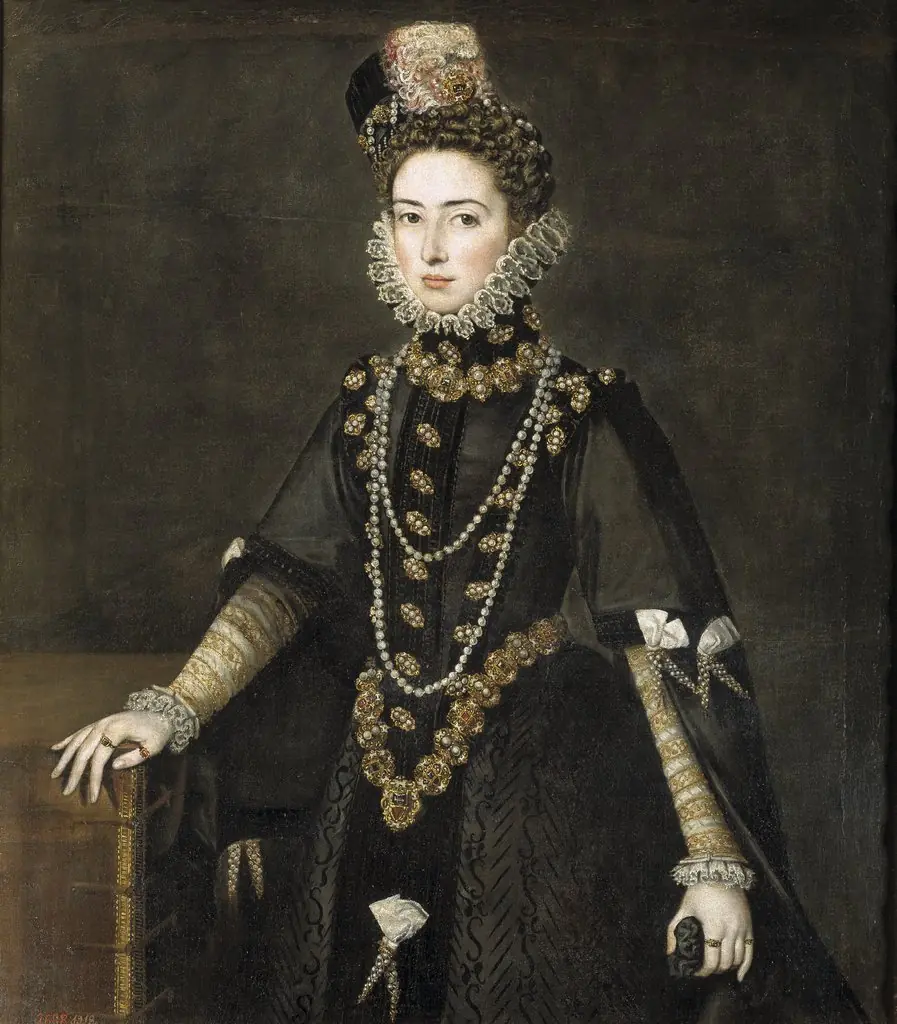 Catalina Micaela de Austria, Duchess of Savoy
 Mary Louise of Orleans, queen of Spain