Artwork
Portrait of a Sculptor, perhaps Johannes Antonius van der Ven
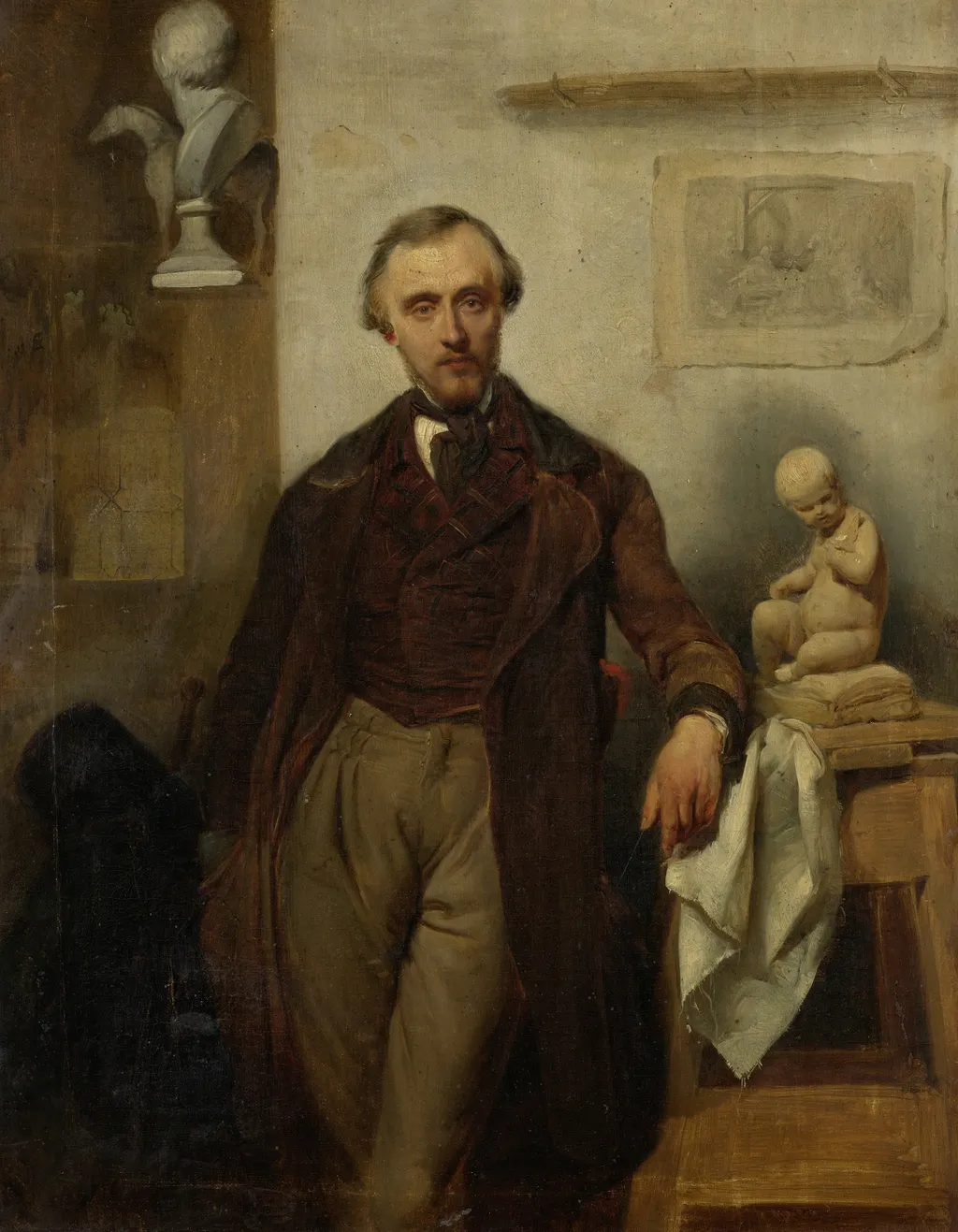
Portrait of a Sculptor, perhaps Johannes Antonius van der Ven is an oil painting by the Realist artist Unknown. It dates from 1845 and is held in the collection of the Rijksmuseum. The oil painting shows a solitary figure standing within an interior space filled with sculptural works.
About this work
Overview
The oil painting shows a solitary figure standing within an interior space filled with sculptural works. He is positioned beside a table that holds a small marble baby, his left hand resting lightly on its surface. The surrounding walls display additional statues, creating a setting that emphasizes the presence of three‑dimensional art.
Subject & Meaning
The central figure, dressed in a dark coat over a red vest and tan trousers, appears to be engaged in quiet contemplation of the infant sculpture. His posture and gaze suggest a reflective relationship between the maker or collector and the objects of his craft, highlighting a moment of artistic introspection.
Technique & Style
Rendered in oil on canvas, the work employs a restrained palette of deep hues contrasted with the warm red of the vest. The handling of light accentuates the textures of the fabrics and the smoothness of the marble, while the background is treated with softer brushwork that recedes, focusing attention on the figure and the sculpture.
History & Provenance
The portrait has been identified as possibly representing the sculptor Johannes Antonius van der Ven, though the attribution remains tentative. Documentation of its ownership prior to its current collection is limited, and the painting’s provenance has not been fully traced.
Context
Set within a studio‑like environment, the composition reflects a tradition of portraying artists amid their workspaces, a motif common in 17th‑ and 18th‑century European art. The inclusion of a baby figure may allude to themes of creation, innocence, or the sculptor’s own oeuvre.
Legacy
While the painting is not widely cited in major art historical surveys, it contributes to the visual record of artists’ self‑representation and offers insight into the material culture of sculpture workshops during its period.
Artist & collection

 Domestic Scene
 Giacomo and Cardinal Marco, investing Andrea, Abbot of San Zeno, with his Benefice
 The Nymph of Fontainebleau
 Portrait of a Woman
 Madonna and Child with Saints in the Enclosed Garden
 Venus and Minerva
 Family Group of Four on Sofa
 Wall painting from Room H of the Villa of P. Fannius Synistor at Boscoreale
 Self-Portrait
 Portrait of the Painter Fritz Melbye (1826-69)
 Portrait of the Painter Fritz Melbye (1826-69)
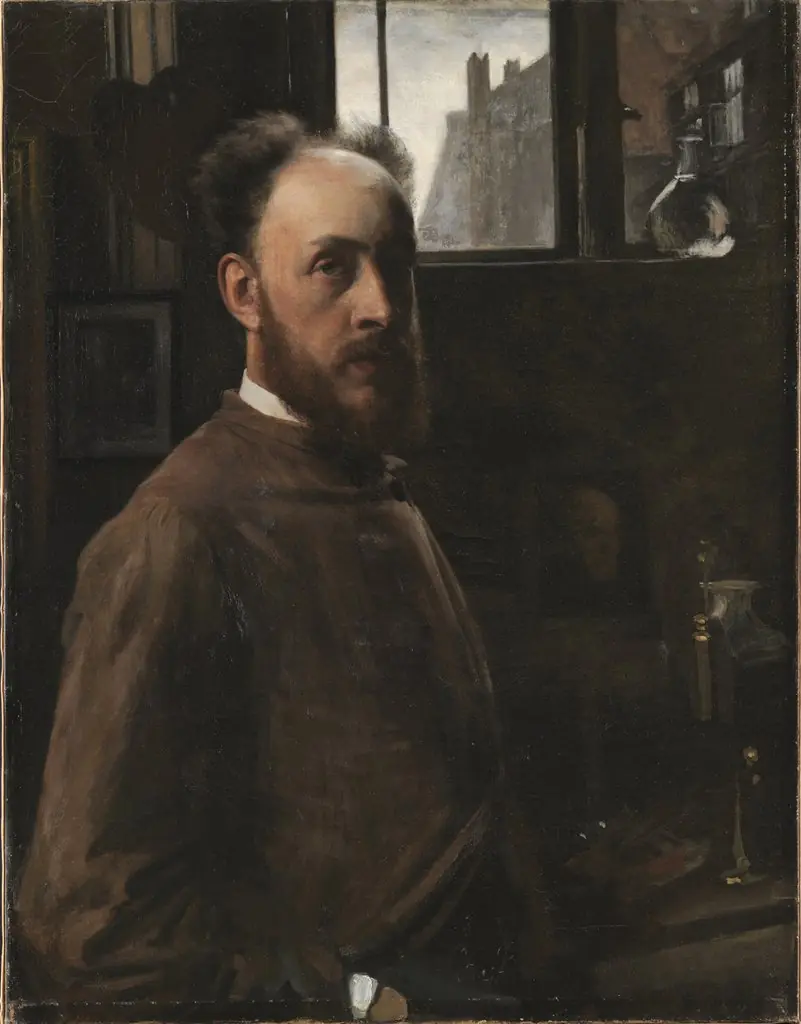 Self-Portrait
 Portrait of the Marine Painter
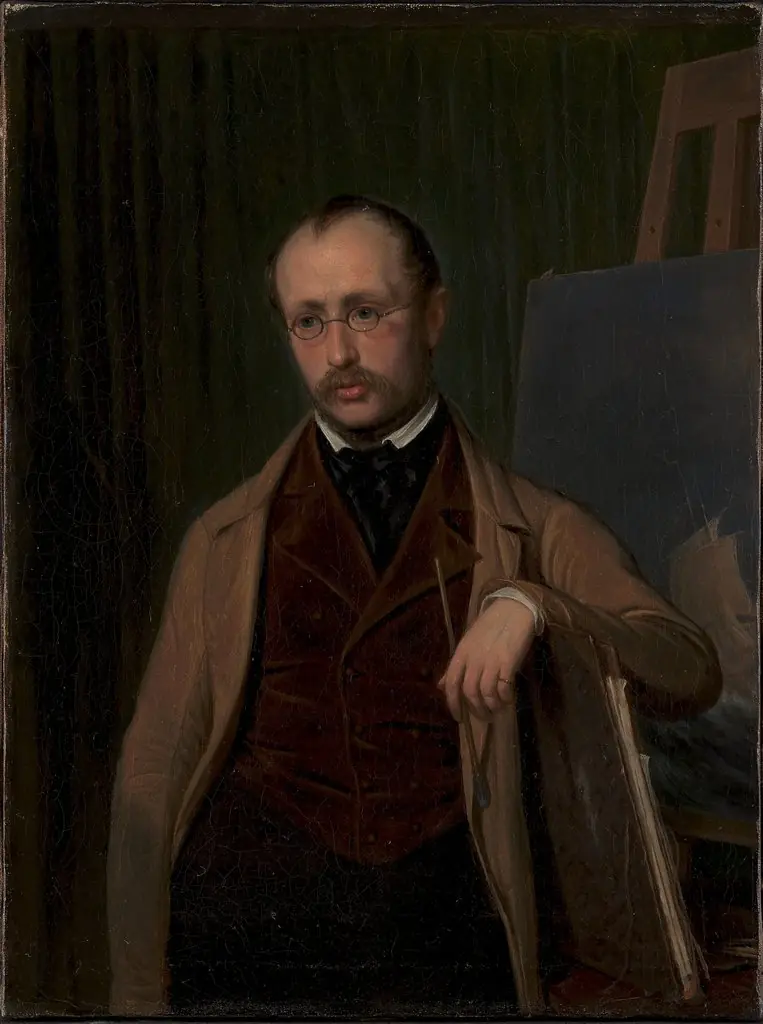 Portrait of the Marine Painter
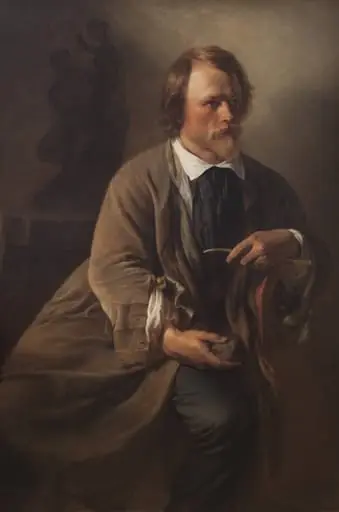 The Sculptor Jens Adolf Jerichau, the Artist's Husband
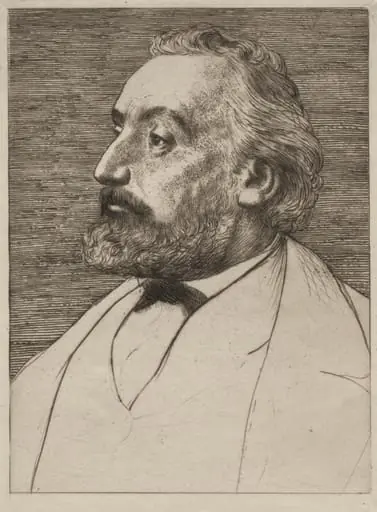 Léon Gambetta
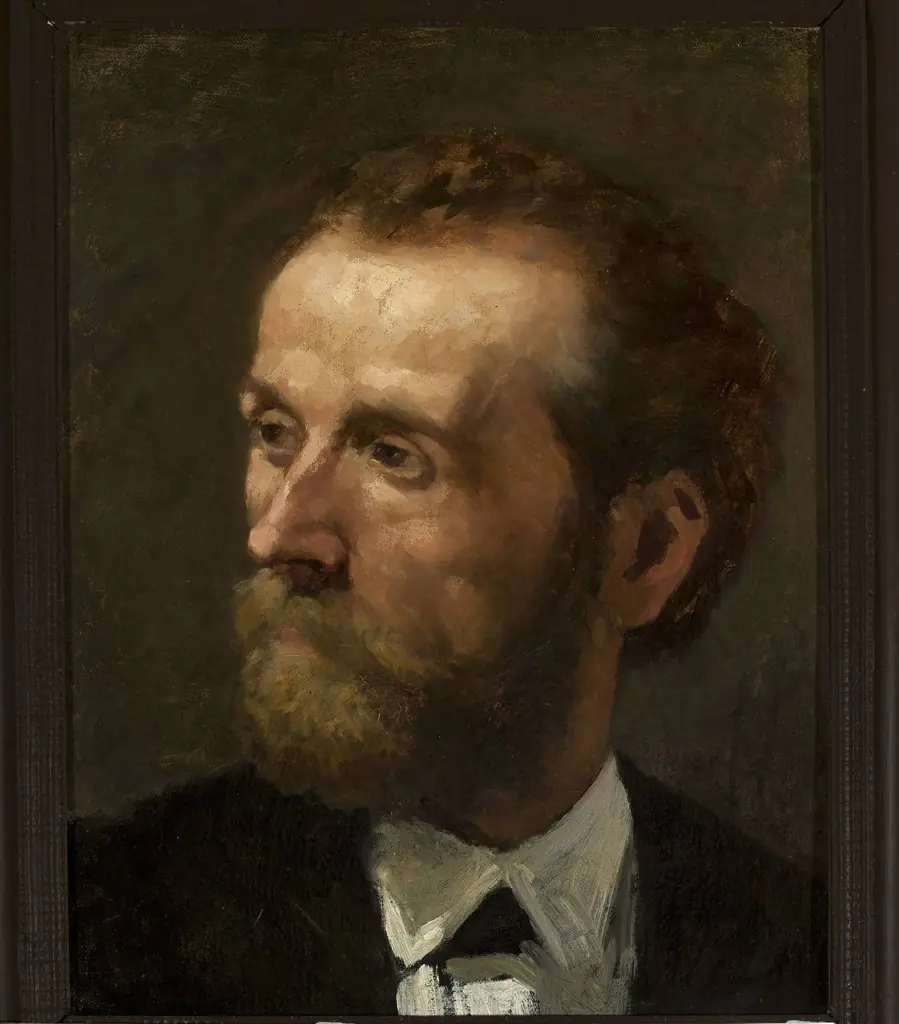 Portrait of Kazimierz Alchimowicz, painter
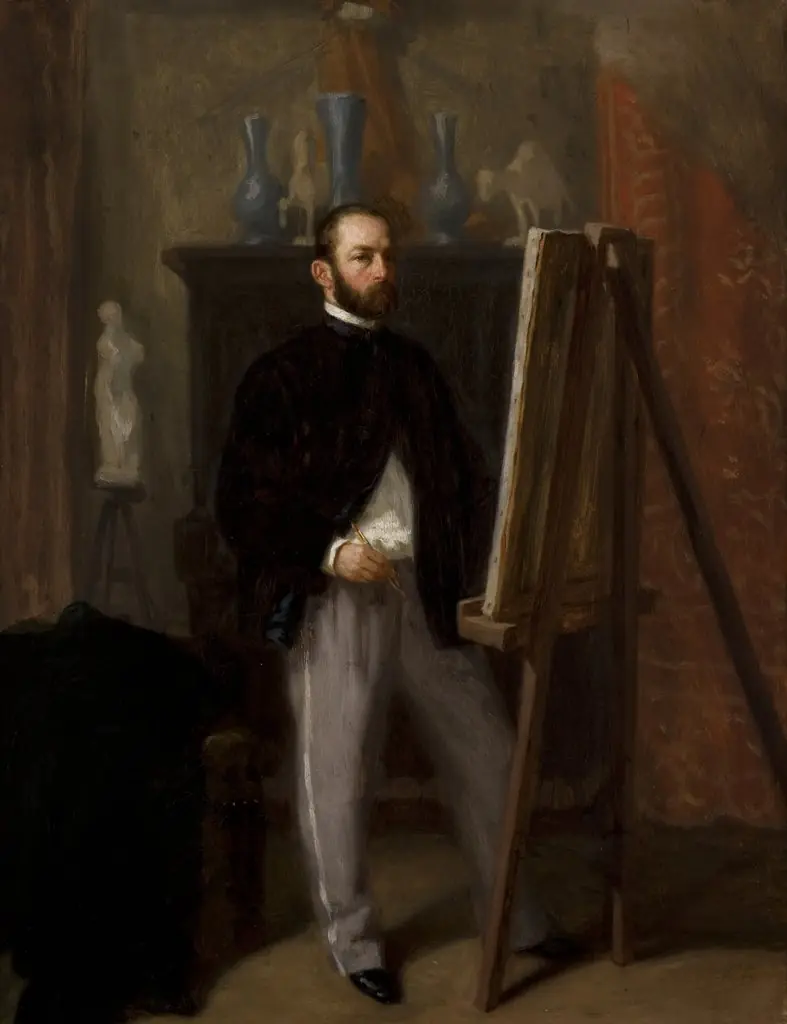 Self-Portrait at the Easel
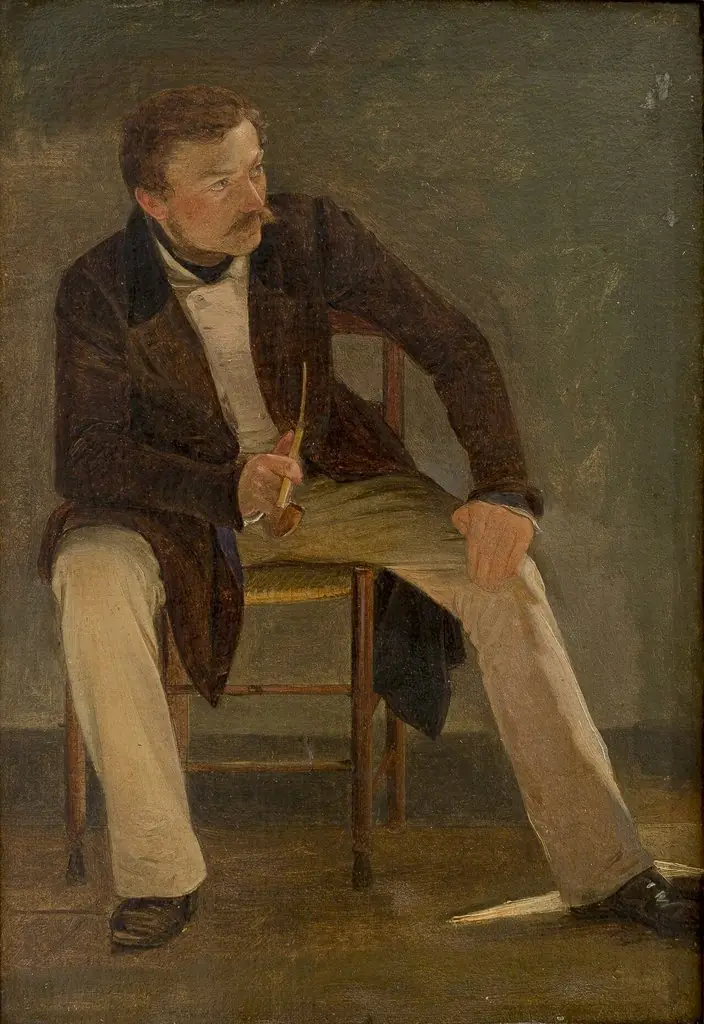 The Painter Constantin Hansen
 Self-portrait