Artwork
Kalpa Sutra
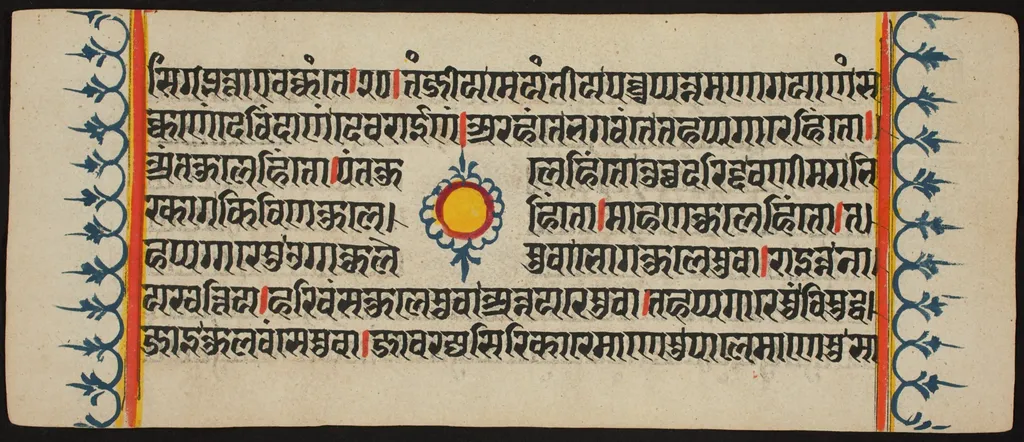
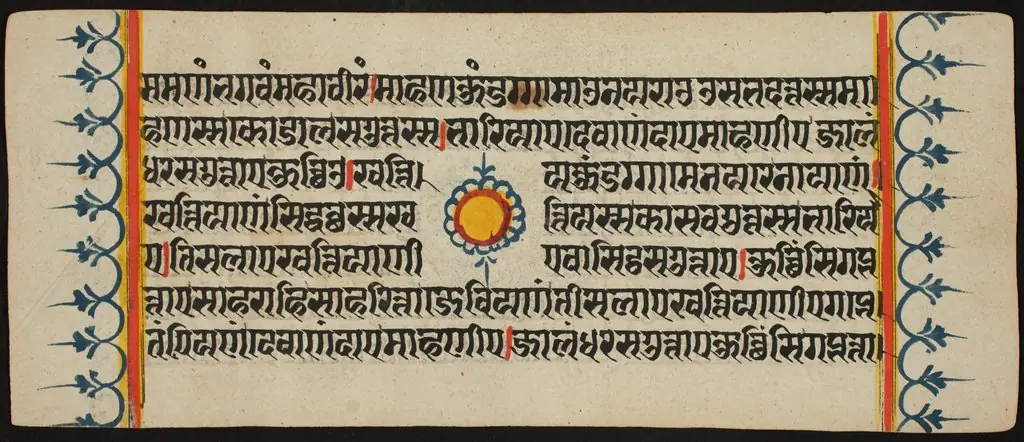
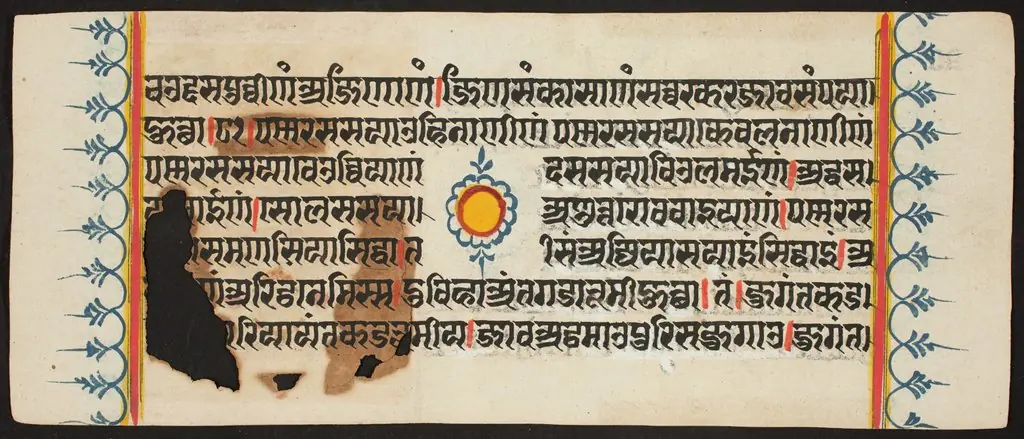
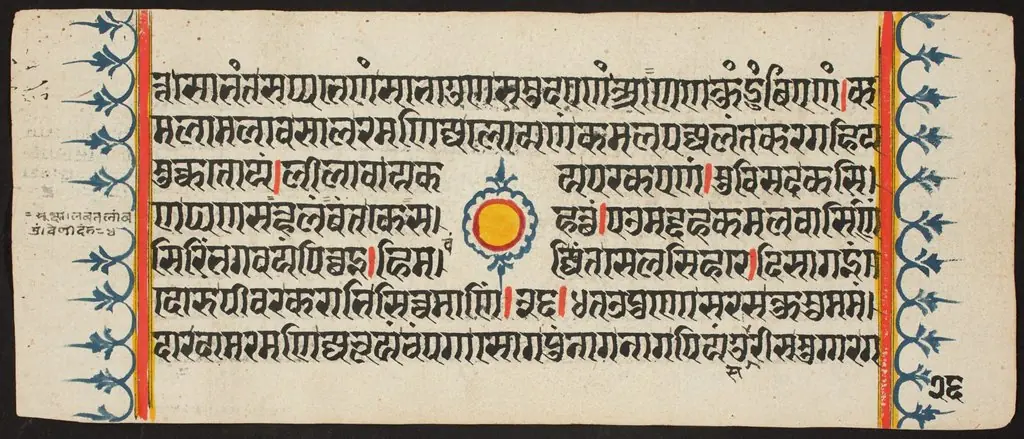
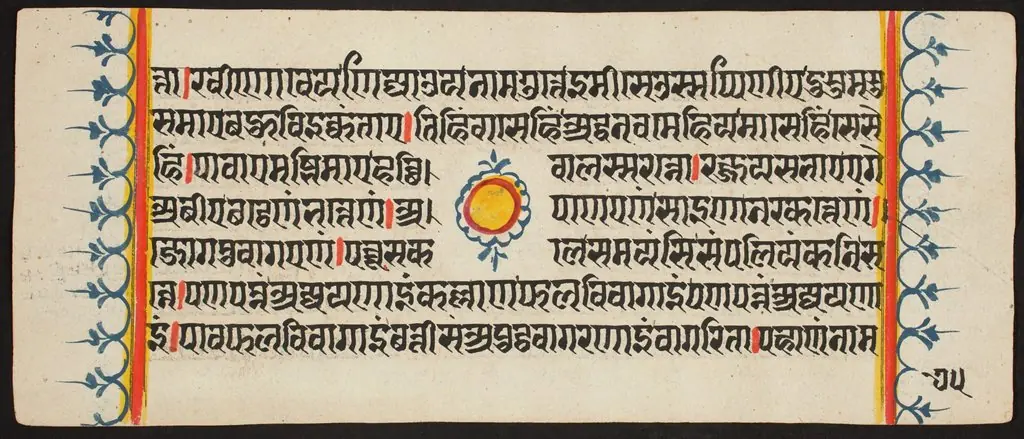
Kalpa Sutra is an unspecified painting by Unknown. It is held in the collection of the Detroit Institute of Arts.
About this work
Overview
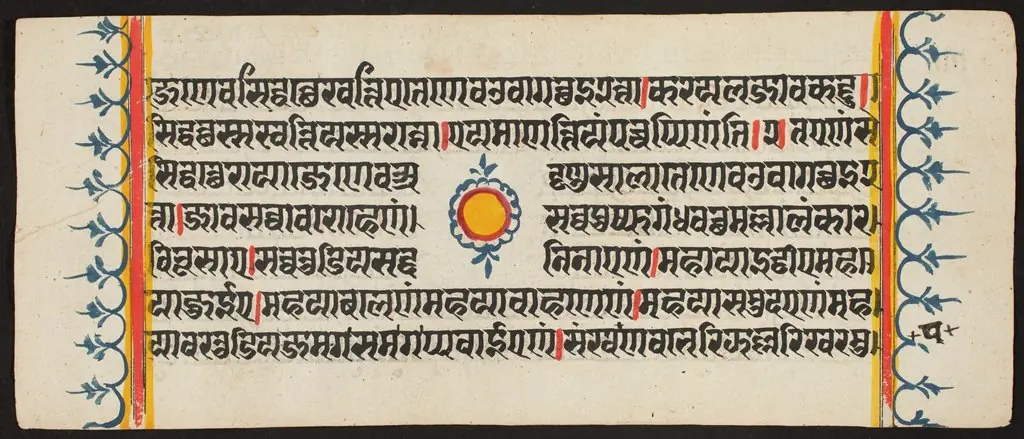
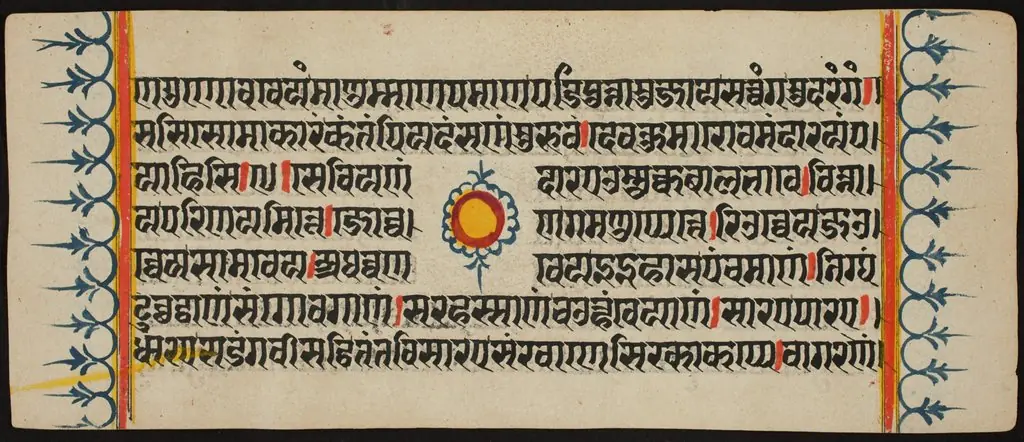
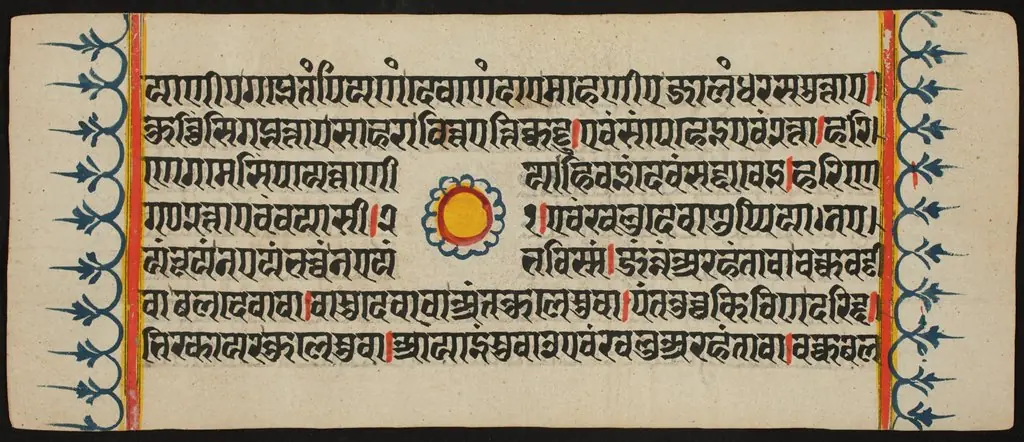
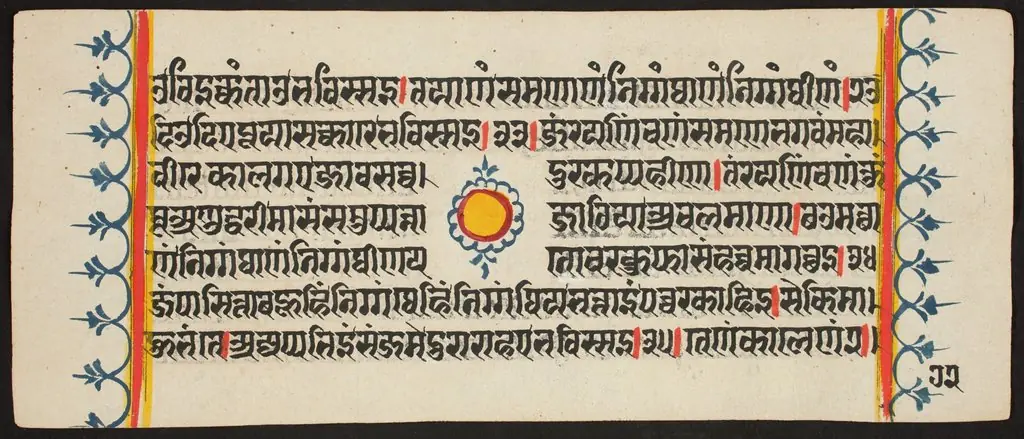
These works were created to accompany recitations of the sacred scripture, which details the lives of the Tirthankaras, the spiritual teachers of Jainism.
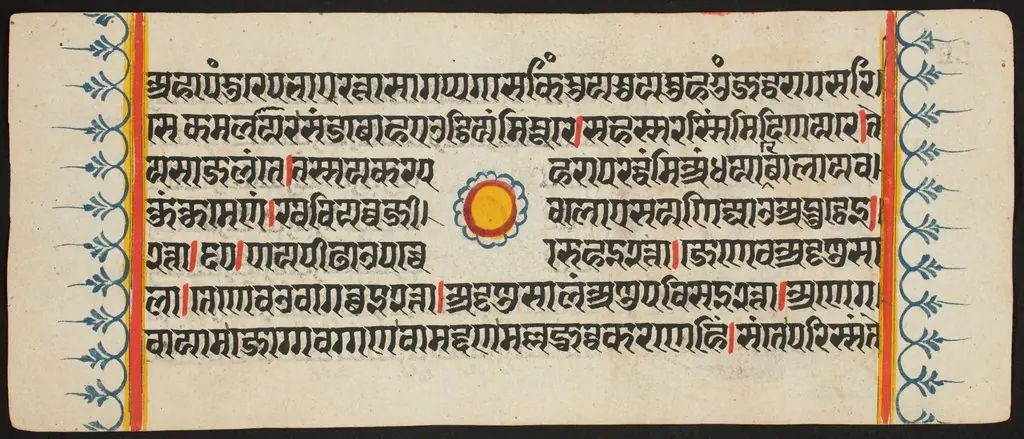
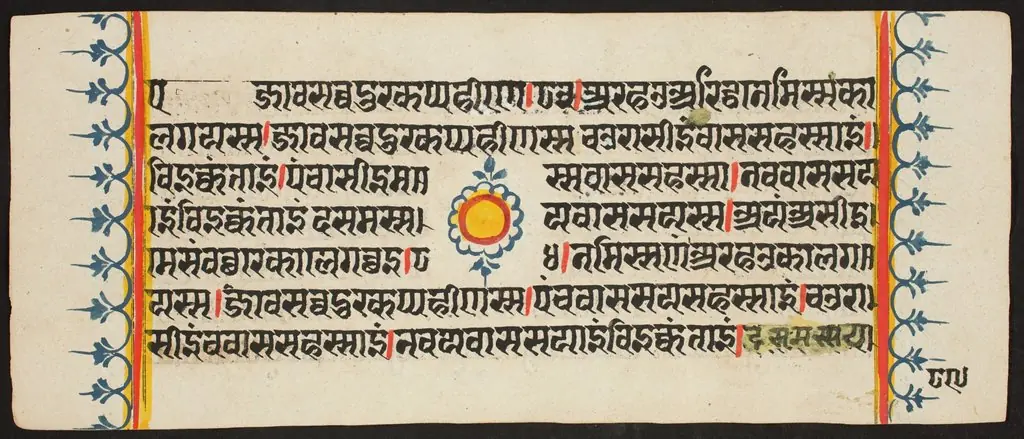
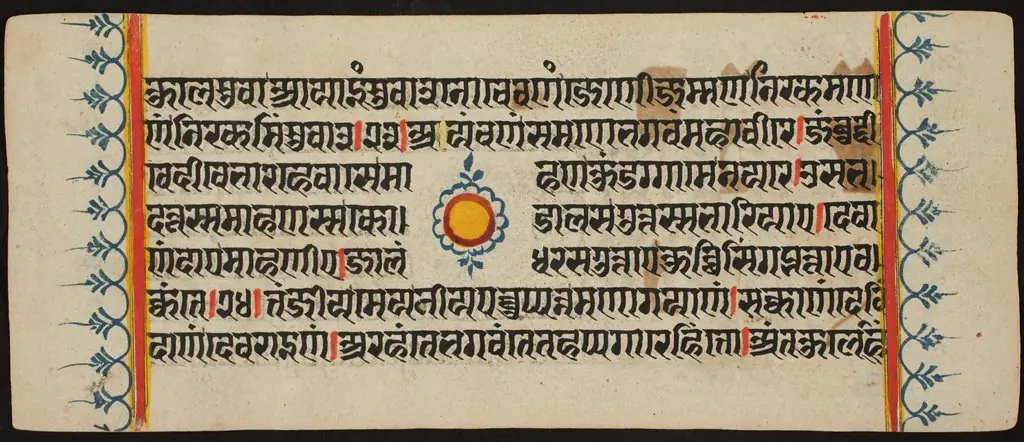
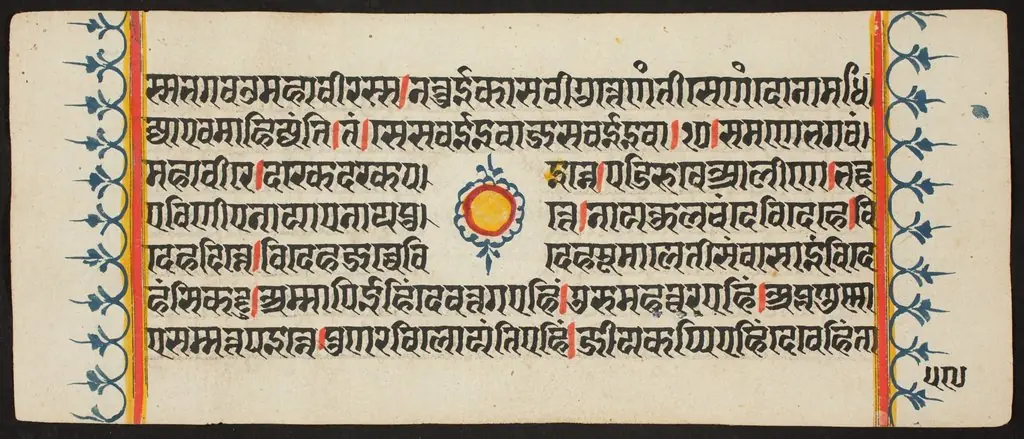
The Kalpa Sutra is a Jain religious text illustrated in a series of miniature paintings, produced in western India during the 15th century. These works were created to accompany recitations of the sacred scripture, which details the lives of the Tirthankaras, the spiritual teachers of Jainism. The paintings are executed on palm leaf or paper, reflecting the devotional function of the manuscript as both a sacred object and a pedagogical tool.
Subject & Meaning
The illustrations depict key episodes from the lives of the twenty-four Tirthankaras, especially Parshvanatha and Mahavira. Scenes include their births, renunciations, meditations, and attainments of enlightenment. Each image serves as a visual aid for contemplation, reinforcing Jain principles of nonviolence, asceticism, and liberation from the cycle of rebirth. The figures are rendered with serene expressions, emphasizing inner stillness over dramatic action.
Technique & Style
The paintings employ mineral pigments on a flat, two-dimensional plane, with bold outlines and limited shading. Figures are stylized, with elongated eyes and slender limbs, characteristic of the Jain manuscript tradition. Backgrounds are often filled with rich, flat colors or intricate patterns, while architectural elements are rendered with geometric precision. The composition prioritizes clarity and symbolic representation over naturalistic depth.
History & Provenance
These manuscripts were commissioned by wealthy Jain laypersons or monastic communities in Gujarat and Rajasthan. Many were produced in scriptoria attached to temples or monasteries, where scribes and artists worked in collaboration. Surviving examples are held in temple libraries and private collections, with some entering museum holdings in the 19th and 20th centuries after being acquired by colonial-era collectors.
Context
The Kalpa Sutra paintings emerged during a period of flourishing Jain patronage in western India, when manuscript illustration rivaled other regional styles in sophistication. They reflect a distinct Jain aesthetic, separate from contemporary Hindu and Islamic visual traditions. Their production coincided with the rise of lay Jain merchant classes, who used such texts to affirm religious identity and merit through patronage.
Legacy
The Kalpa Sutra illustrations remain among the most enduring examples of Jain artistic heritage. They influenced later manuscript traditions in Rajasthan and continue to be studied for their iconographic consistency and devotional intent. While no longer used in active ritual practice, they are preserved as cultural artifacts that convey the visual language of Jain spirituality across centuries.
Artist & collection

 Domestic Scene
 Giacomo and Cardinal Marco, investing Andrea, Abbot of San Zeno, with his Benefice
 The Nymph of Fontainebleau
 Portrait of a Woman
 Madonna and Child with Saints in the Enclosed Garden
 Venus and Minerva
 Family Group of Four on Sofa
 Wall painting from Room H of the Villa of P. Fannius Synistor at Boscoreale