Artwork
Flowers in a vase
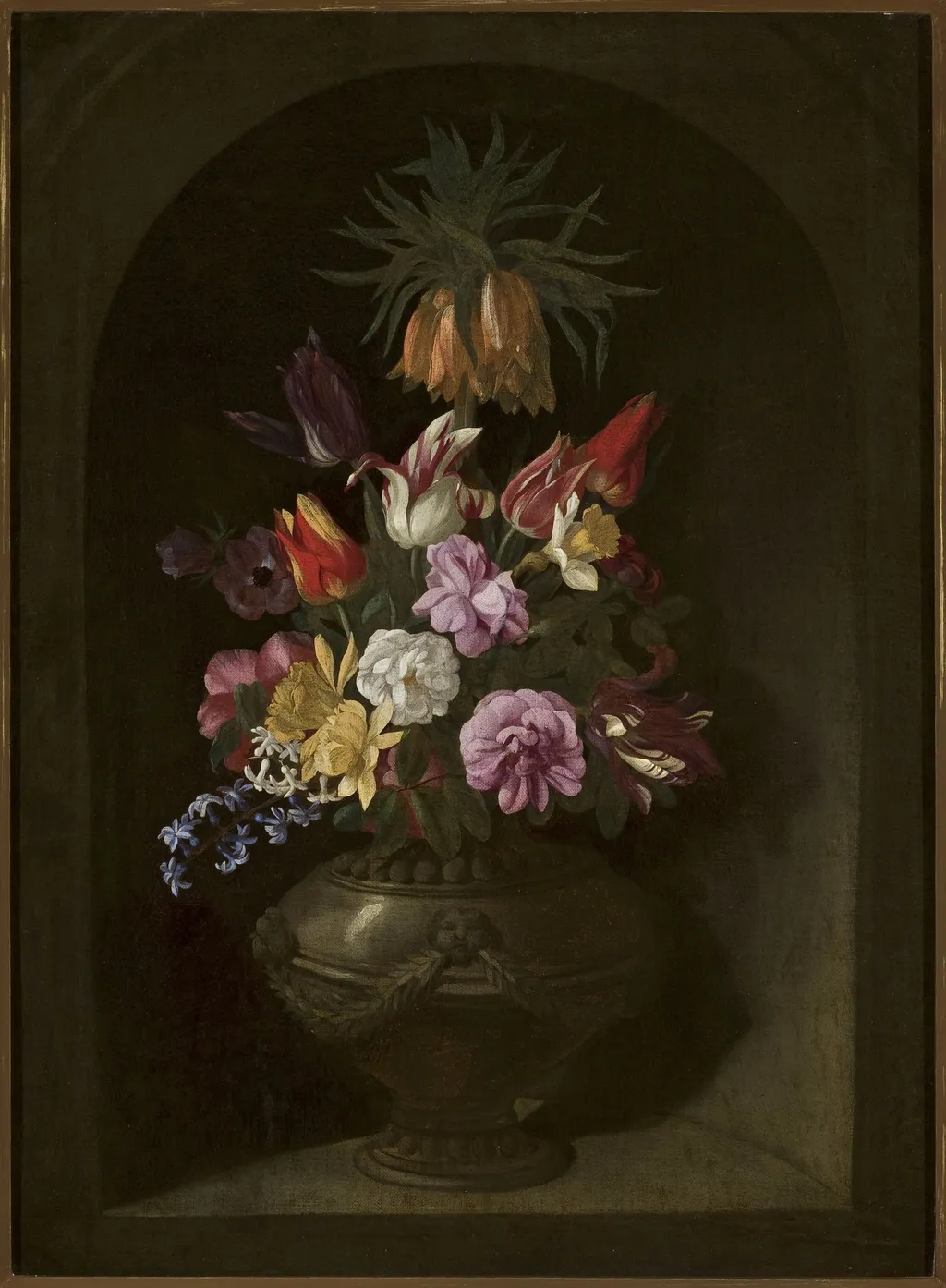
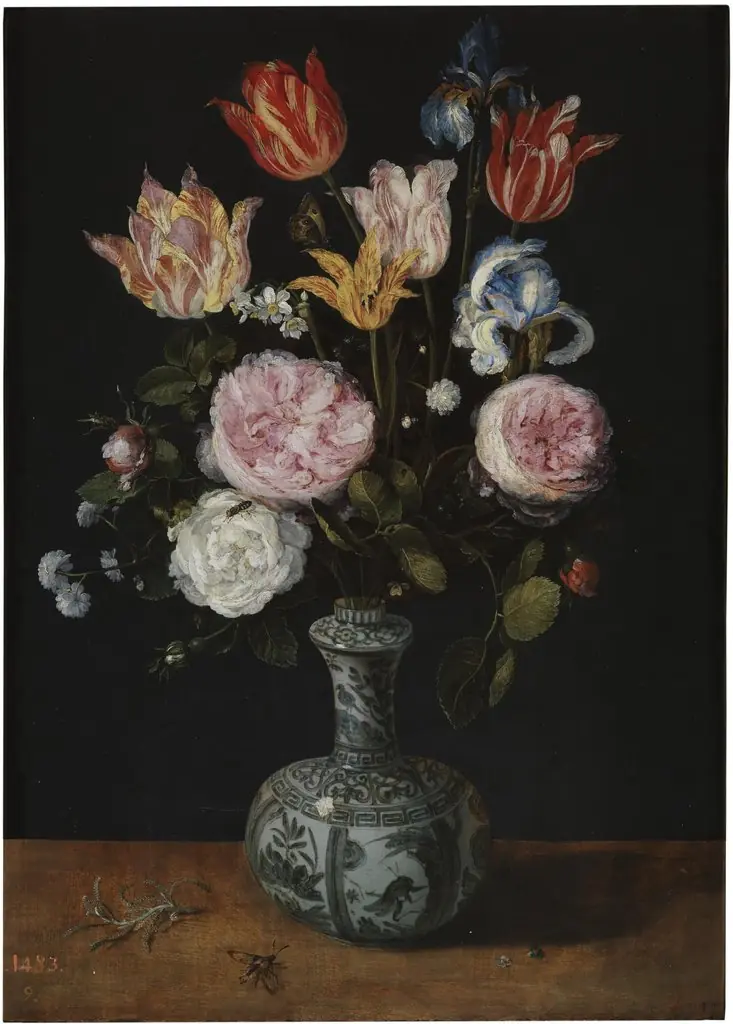
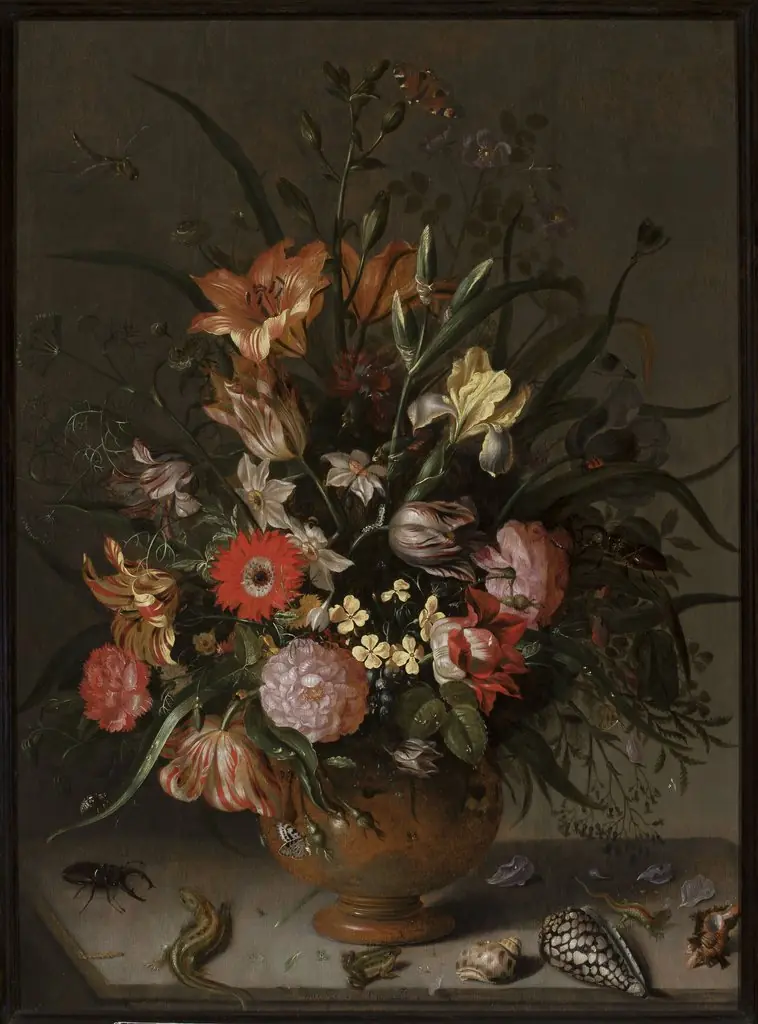
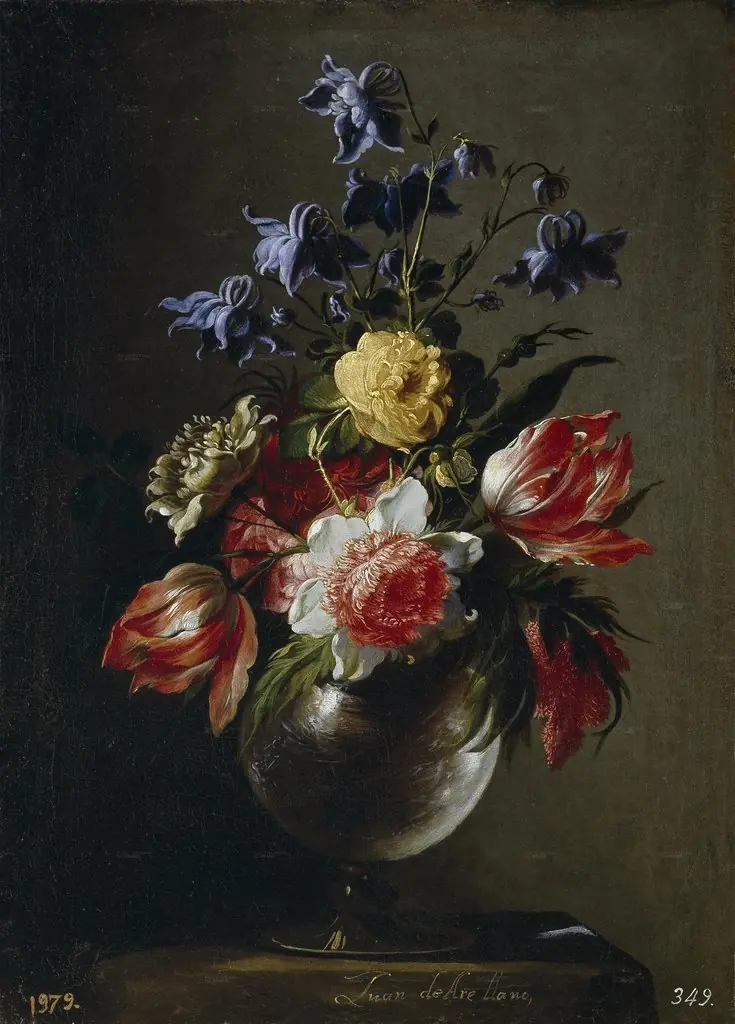
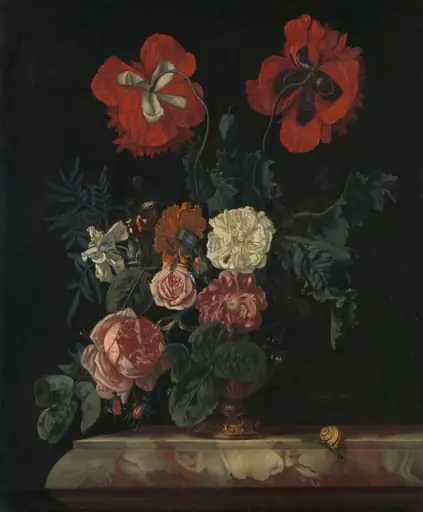
Flowers in a vase is an oil painting by the Dutch Golden Age artist Unknown. It dates from 1700 and is held in the collection of the National Museum in Warsaw. This oil painting depicts a vibrant bouquet of flowers in a dark-toned vase, rendered with attention to texture and light.
About this work
Overview
This oil painting depicts a vibrant bouquet of flowers in a dark-toned vase, rendered with attention to texture and light. The composition centers on the floral arrangement, which fills the frame with varied petal shapes and hues. The contrast between the deep vase and the luminous blooms enhances visual focus, while the medium’s richness supports subtle gradations of color and shadow.
Subject & Meaning
The subject is a still life of cut flowers, a common theme in European painting that often reflects transience and the passage of time. The arrangement, though lively, carries no overt symbolic markers, suggesting an emphasis on natural beauty rather than allegory. The dynamic placement of stems and petals implies fleeting vitality, inviting contemplation without narrative.
Technique & Style
The artist employs oil paint to build layered, tactile surfaces, using chiaroscuro to model each petal and leaf with soft transitions between light and shadow. Brushwork varies—delicate strokes define fine edges, while broader applications suggest volume. The composition avoids symmetry, creating a sense of organic motion as if the bouquet is still settling into its container.
History & Provenance
The painting’s origin and early ownership are not documented in available records. It lacks signatures or inscriptions that might trace its creation to a specific school or collector. Its style aligns with 17th- to 19th-century European still-life traditions, though no definitive attribution has been established.
Context
Flower still lifes were widely produced across Europe during periods of botanical interest and urban middle-class growth. They served both decorative and contemplative functions, reflecting appreciation for nature’s detail. This work fits within that tradition, though its lack of exotic species or elaborate vessels suggests a modest, domestic setting rather than a display of wealth.
Legacy
The painting contributes to the enduring genre of floral still life, demonstrating how simple arrangements can convey rhythm and presence through careful observation. While not tied to a major artistic movement, its quiet execution reflects a persistent interest in capturing ephemeral beauty through paint, influencing later naturalistic approaches in still-life painting.
Artist & collection

 Domestic Scene
 Giacomo and Cardinal Marco, investing Andrea, Abbot of San Zeno, with his Benefice
 The Nymph of Fontainebleau
 Portrait of a Woman
 Madonna and Child with Saints in the Enclosed Garden
 Venus and Minerva
 Family Group of Four on Sofa
 Wall painting from Room H of the Villa of P. Fannius Synistor at Boscoreale