Artwork
Bildnis eines Fürsten (König Ludwig II. von Ungarn?)
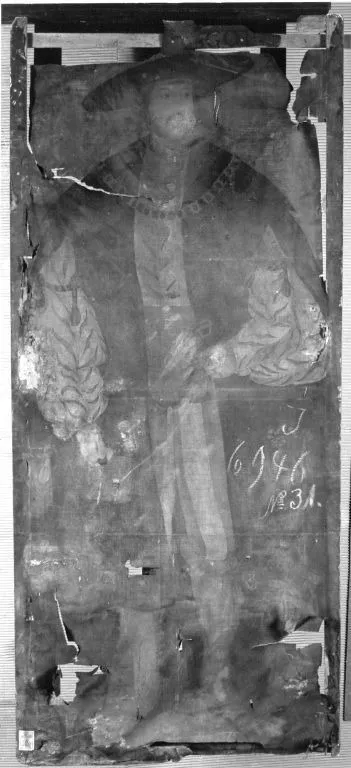
Bildnis eines Fürsten (König Ludwig II. von Ungarn?) is an unspecified painting by the Early Baroque Italian artist Unknown. It dates from 1526 and is held in the collection of the Bavarian State Painting Collections.
About this work
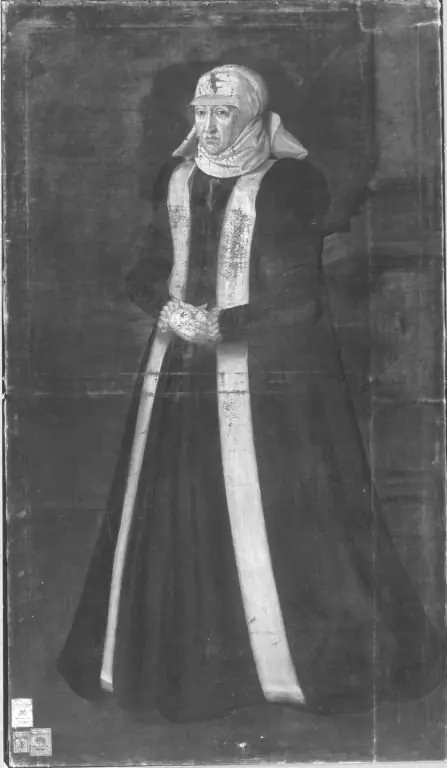
This painting shows a dark, faded figure in a long robe, standing against a shadowy background.
This painting shows a dark, faded figure in a long robe, standing against a shadowy background. The person’s face is barely visible, and their hands are folded. A few faint shapes—maybe leaves or a pattern—appear near their chest. The paint is worn, with cracks and missing spots.
The numbers "6/946" and "1331" are written in the corner, but we don’t know what they mean. The painting looks old and damaged, like it’s been handled a lot over time.
If you want to see more like this, check out the Alte Pinakothek.
Overview
Bildnis eines Fürsten (Portrait of a Prince, possibly King Ludwig II of Hungary) is a historical portrait painting depicting a figure shrouded in obscurity, both literally due to the faded state of the artwork and potentially in terms of subject identification.
Subject & Meaning
The subject, speculated to be King Ludwig II of Hungary, is portrayed in a long robe, with hands folded, suggesting a pose of contemplation or formality. Facial features are indistinguishable, and vague, leaf-like patterns near the chest add to the enigma.
Technique & Style
Executed with evident aging, the painting exhibits significant wear, including cracks and paint loss, indicative of its age and handling history. The style, while obscured by deterioration, suggests a traditional, possibly Renaissance or Baroque approach to portraiture.
History & Provenance
Inscriptions '6/946' and '1331' are present but lack clear interpretation. The painting’s provenance and exact creation date are not specified, though its condition implies an antiquity consistent with a 15th- or 16th-century origin.
Context
For comparative works of similar style and era, the Alte Pinakothek is suggested, implying the piece might align with the European portrait traditions found in that collection.
Artist & collection

 Domestic Scene
 Giacomo and Cardinal Marco, investing Andrea, Abbot of San Zeno, with his Benefice
 The Nymph of Fontainebleau
 Portrait of a Woman
 Madonna and Child with Saints in the Enclosed Garden
 Venus and Minerva
 Family Group of Four on Sofa
 Wall painting from Room H of the Villa of P. Fannius Synistor at Boscoreale
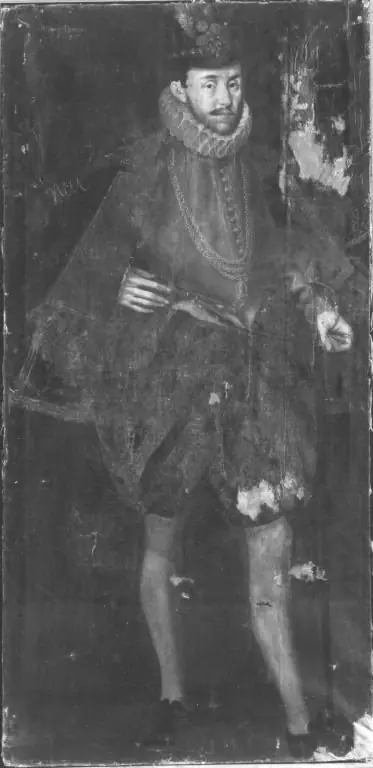 Bildnis eines Mannes (Pfalzgraf Philipp Ludwig von Neuburg) (Umkreis)
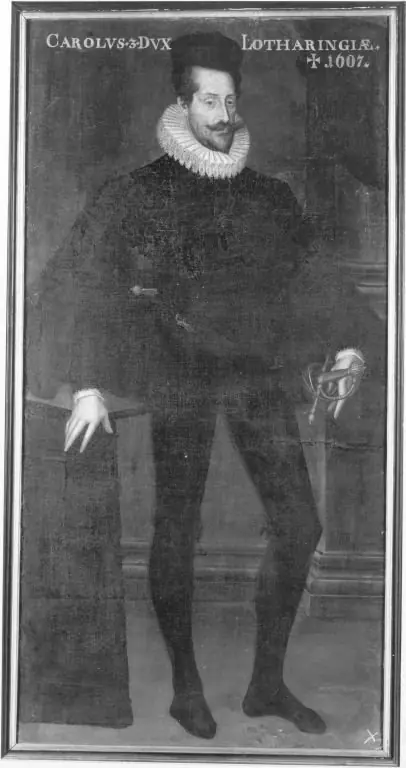 Karl III., Herzog von Lothringen
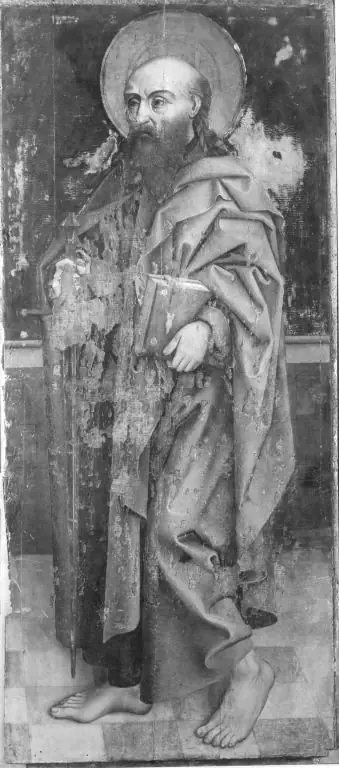 Apostelaltar: Hl. Paulus
 Untitled
 Woman with a Broom (from Stodmarsh Court, Kent)
 Alte Dame
 Schiebedeckel zum Bildnis Ronner (WAF 547 a)
 Joseph Crying in his Chamber after Having Seen his Brother Benjamin Again
 Portrait of Carl XII of Sweden
 Boy with a Lace Collar (dummy board)