Artwork
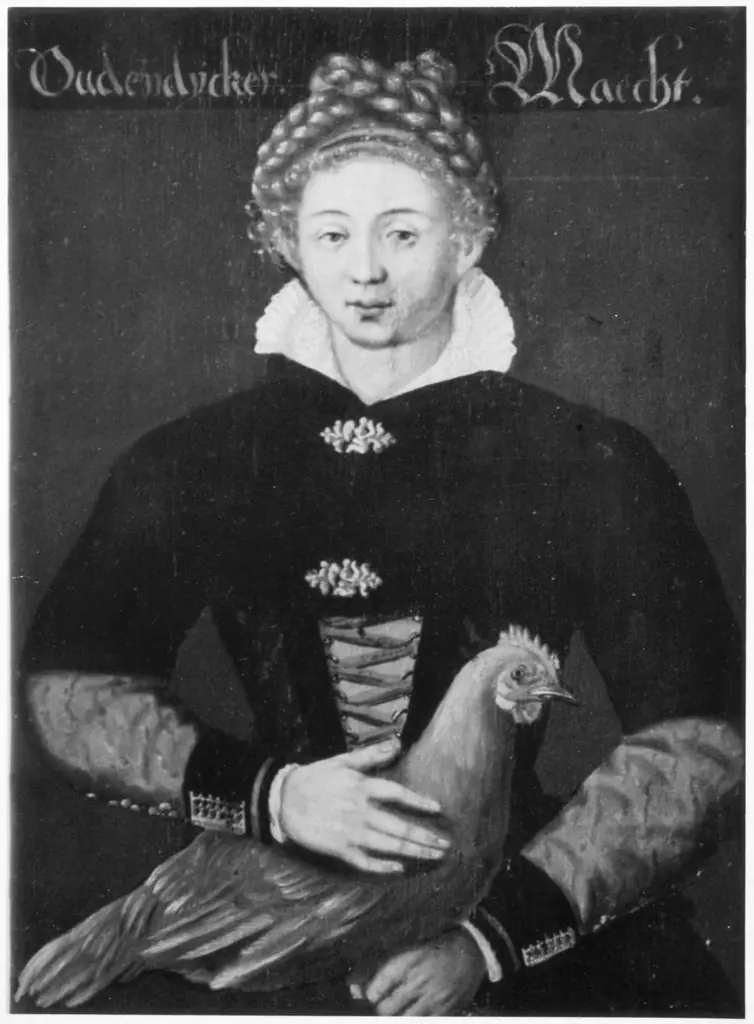
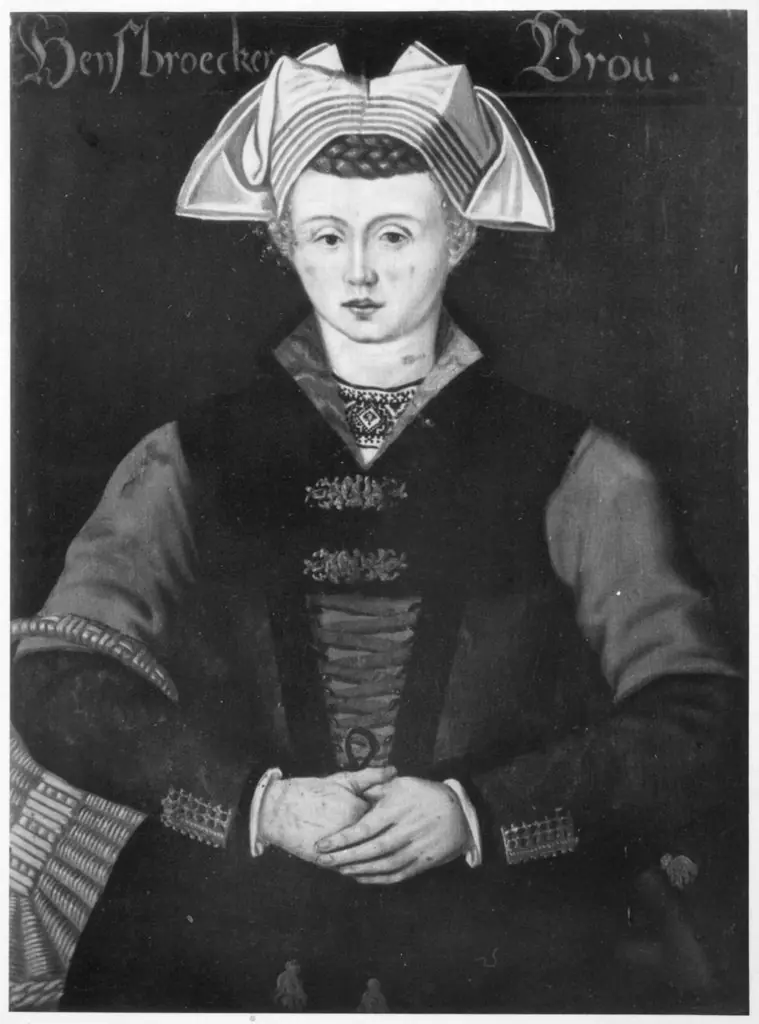
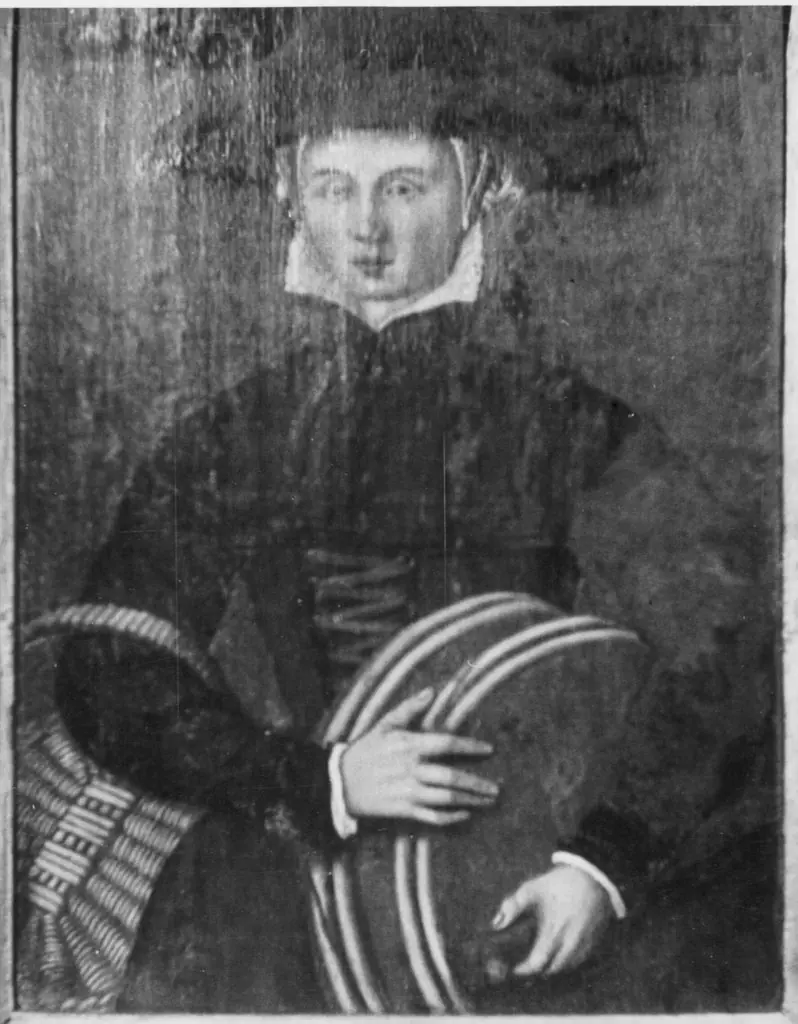
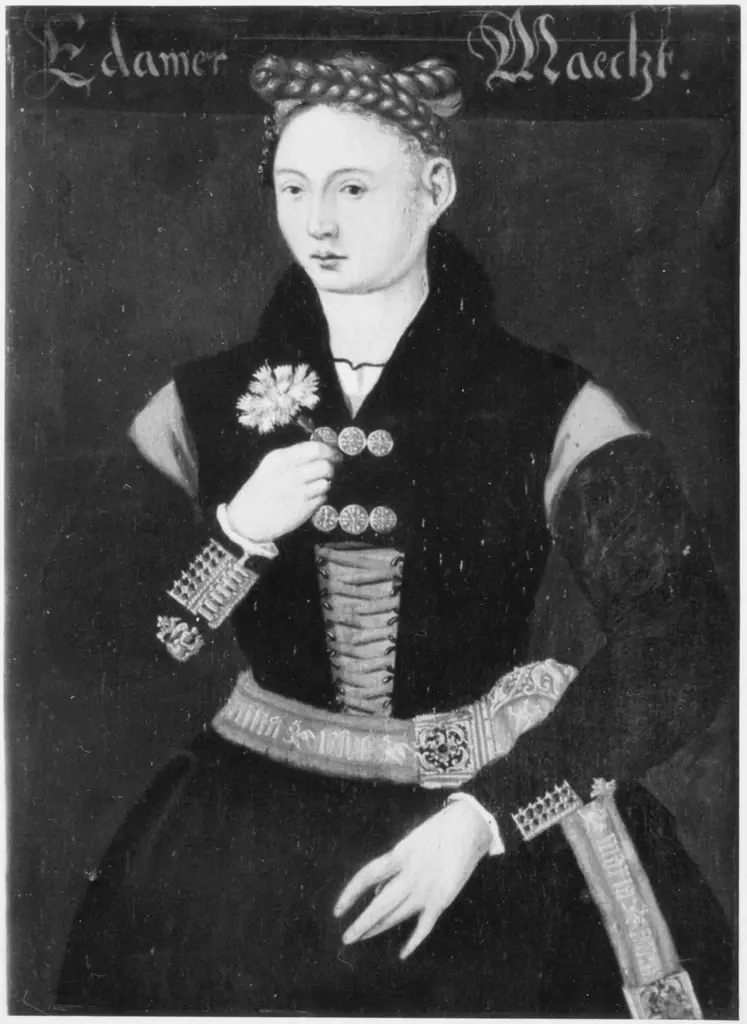
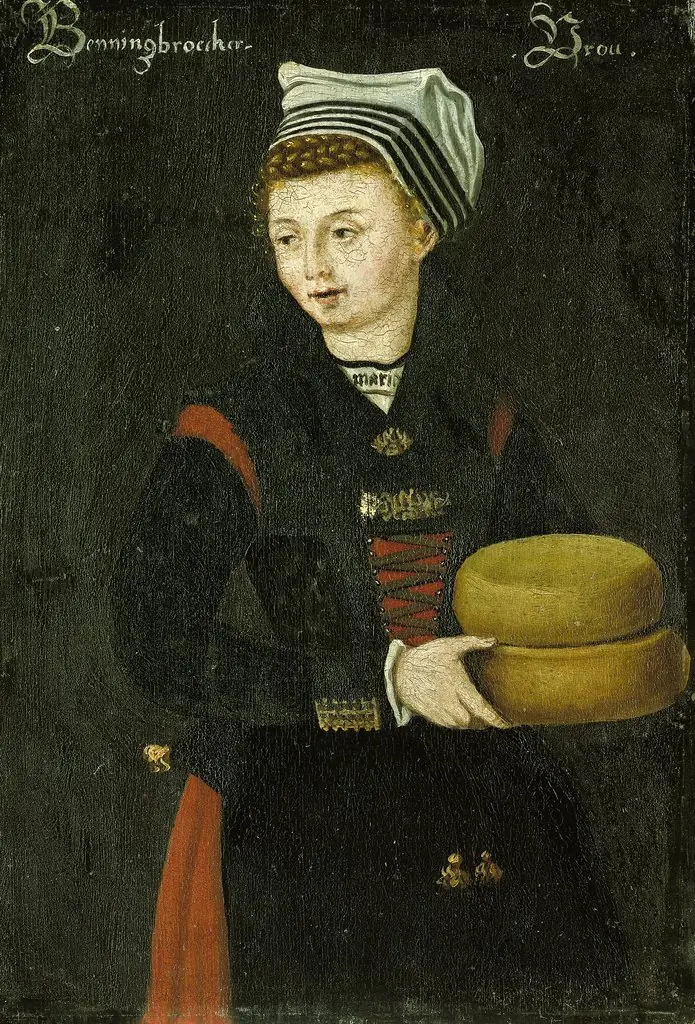
Woman from Benningbroek in country dress
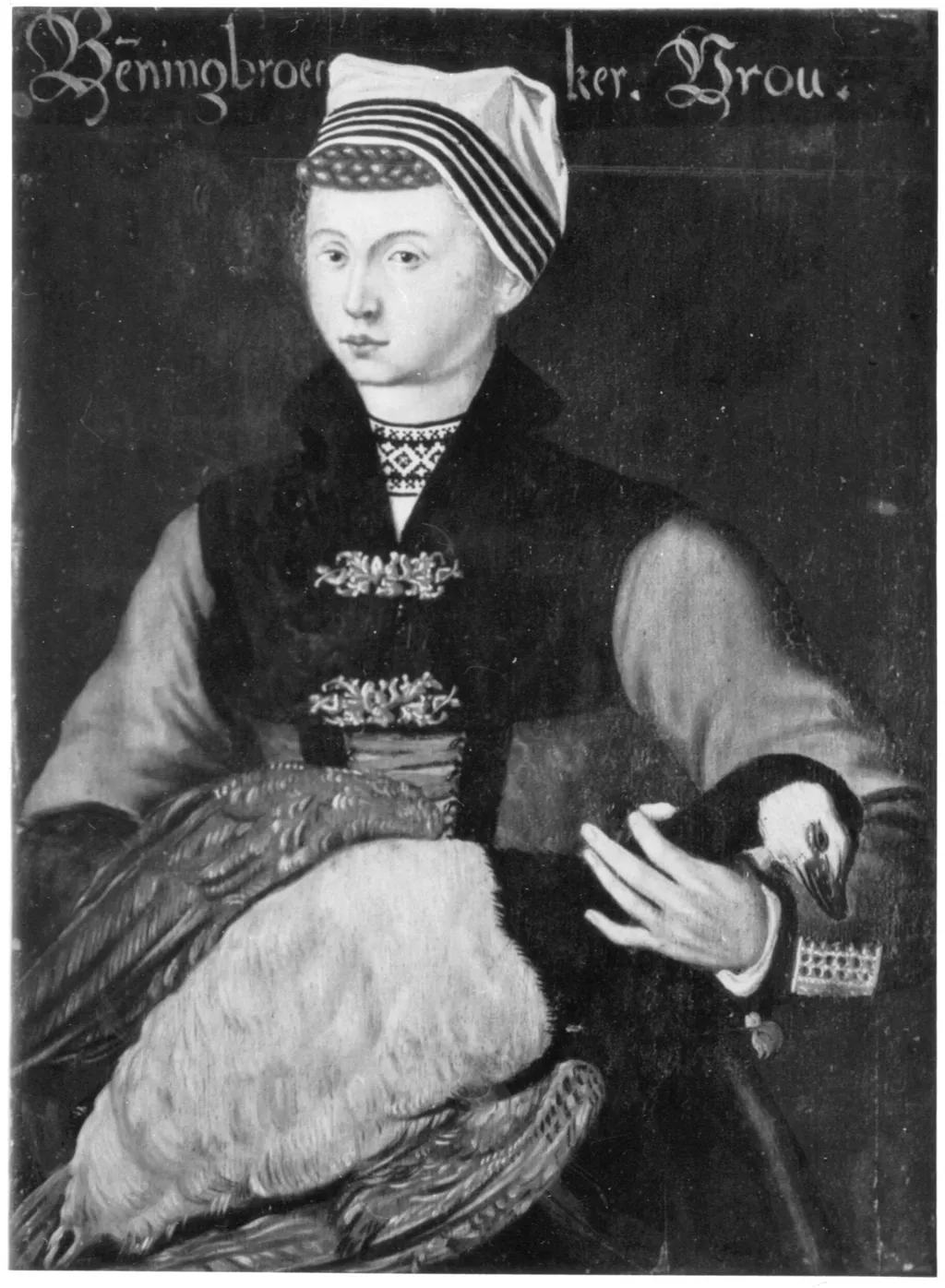
Woman from Benningbroek in country dress is an oil painting by the Northern Renaissance artist J. van Horst. It dates from 1570 and is held in the collection of the Rijksmuseum. Created in 1570, this oil on canvas portrait by J.
About this work
Overview
Created in 1570, this oil on canvas portrait by J. van Horst presents a woman dressed in the customary attire of a Dutch village. The work is part of the Rijksmuseum’s collection and bears an inscription identifying the sitter as a "Benningbroek ker. Vrouw," indicating her origin in the small settlement of Benningbroek.
Subject & Meaning
The figure is shown in a dark, fur‑trimmed cloak over a patterned gown, topped by a white cap striped in black and a delicate lace collar. She rests her right hand on a small bird perched on her arm, while a dark feathered fan is held in the left, gestures that may allude to personal status or fashionable leisure.
Technique & Style
Van Horst employs a restrained palette and fine brushwork to render the textures of fur, fabric and feather. The lighting is soft, allowing the folds of the dress and the sheen of the bird’s plumage to emerge with subtle realism, characteristic of late‑Renaissance Dutch portraiture.
History & Provenance
The painting entered the Rijksmuseum’s holdings through acquisition in the early 20th century, though earlier ownership records are sparse. Its attribution to J. van Horst has been confirmed by stylistic comparison with other documented works by the artist.
Context
The costume reflects typical rural dress in the Netherlands during the mid‑16th century, when regional clothing served both practical and communal identity functions. Elements such as the fur‑lined cloak and lace collar illustrate the modest yet nuanced fashion of provincial women, while accessories like the bird and fan hint at emerging personal expression within that framework.
Artist & collection
Artist
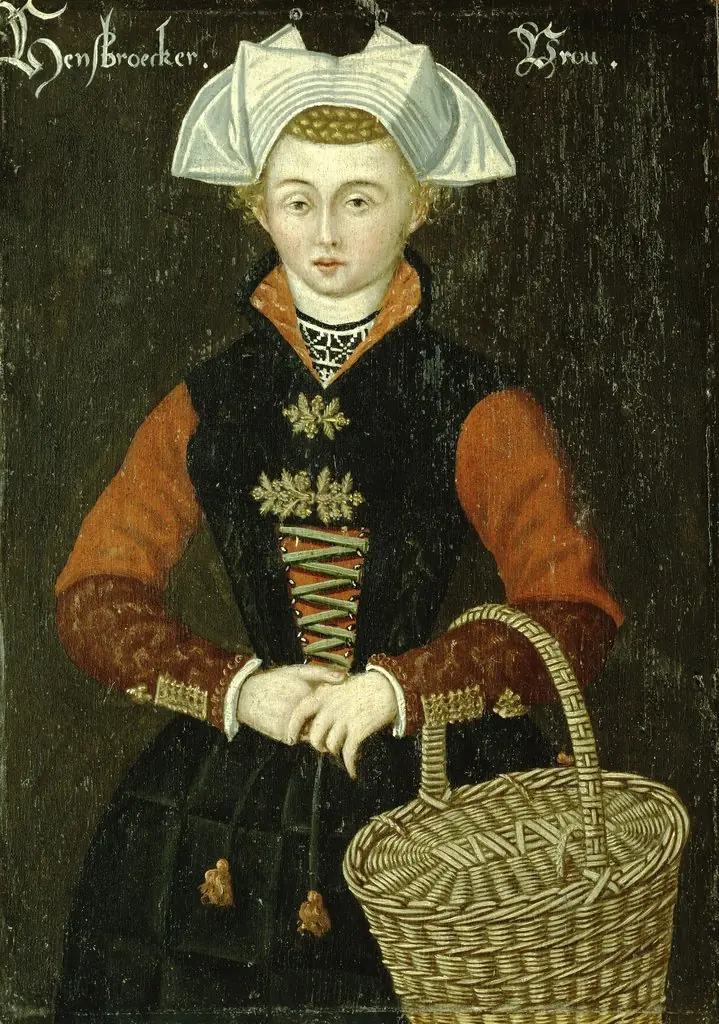
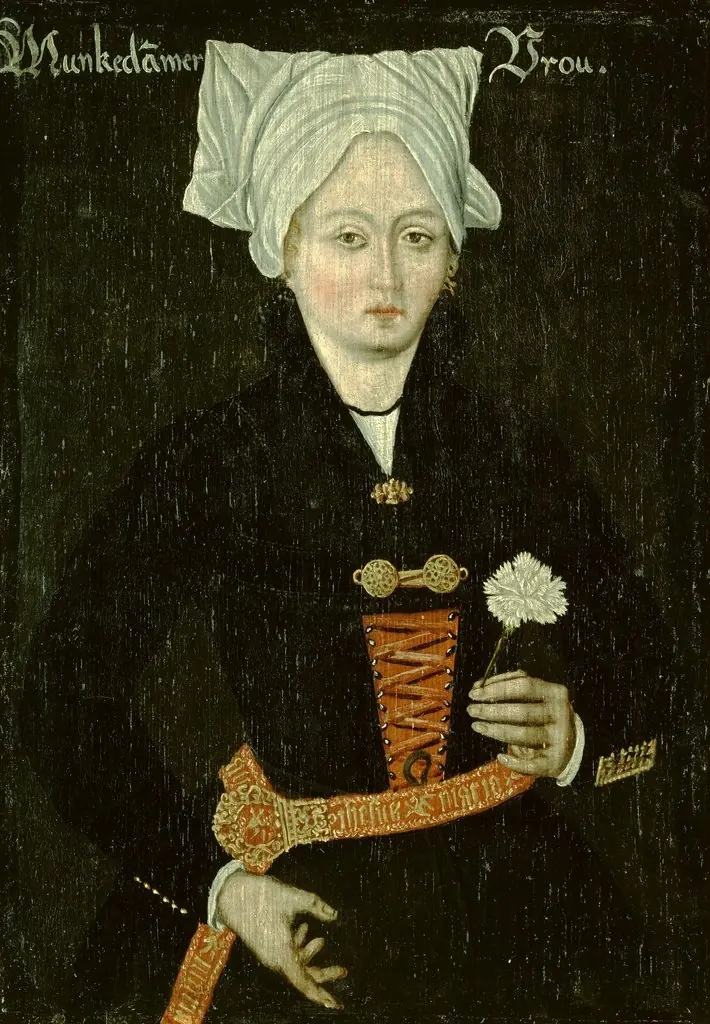
This Dutch painter made small oil portraits of women and girls from villages like Benningbroek and Heiloo, dressed in traditional country clothes around 1570.