Artwork
Portrait of Peter II
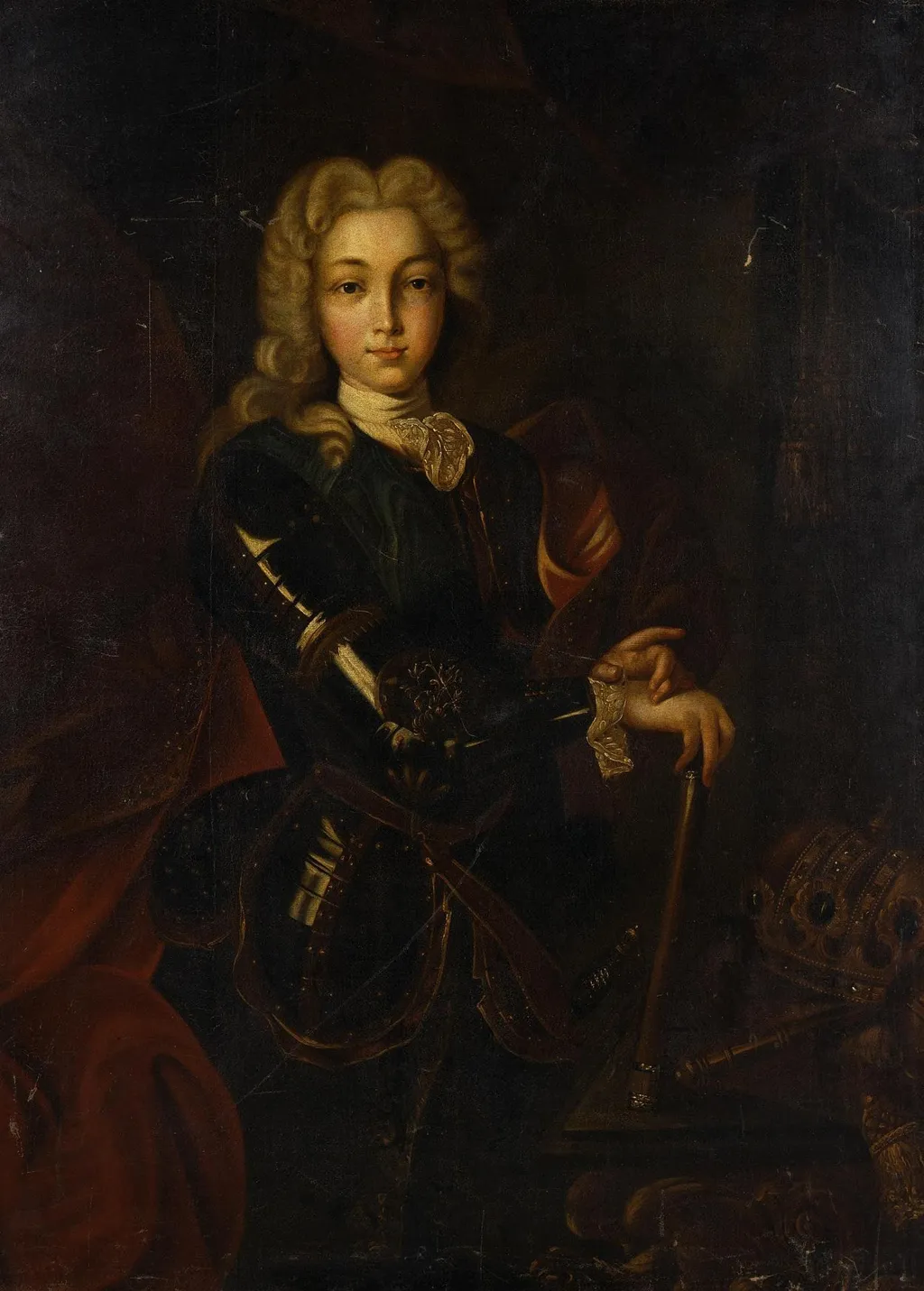
Portrait of Peter II is an oil painting by the Rococo painting artist Unknown. It dates from 1750 and is held in the collection of the Hermitage Museum. This oil painting depicts Peter II, the young Russian emperor, in formal attire.
About this work
Overview
This oil painting depicts Peter II, the young Russian emperor, in formal attire. Rendered with careful attention to detail, the portrait captures him in a poised, upright stance against a dark background. The composition emphasizes his youth and status through controlled lighting and rich textures, particularly in the fabric of his coat and the gleam of metallic accents.
Subject & Meaning
Peter II is shown holding a sword and leaning on a cane, symbols of both military authority and personal grace. His elaborate clothing—dark green with gold trim and a white cravat—signals aristocratic rank. The draped red cloth behind him adds a touch of ceremonial grandeur, reinforcing his position as sovereign while subtly acknowledging his youth and inexperience.
Technique & Style
The artist employs chiaroscuro to model the figure against the deep background, enhancing three-dimensionality. Brushwork is precise in rendering textures: the silk of the cravat, the sheen of gold embroidery, and the smoothness of the cane. The palette is restrained, dominated by dark tones with selective highlights, focusing attention on the subject’s face and attire.
History & Provenance
Commissioned during Peter II’s brief reign as emperor of Russia, the portrait was likely created to affirm his legitimacy and royal presence. It remained in imperial collections until the 20th century, after which it entered a public museum. Its survival reflects its importance as a visual record of a ruler whose time on the throne was cut short by illness.
Context
Painted in the early 1720s, the portrait reflects European courtly conventions adopted by the Russian imperial court under Peter the Great’s reforms.
Painted in the early 1720s, the portrait reflects European courtly conventions adopted by the Russian imperial court under Peter the Great’s reforms. The emphasis on military regalia and refined dress aligns with efforts to align Russia with Western monarchies. The portrait’s formality contrasts with the emperor’s age—he was only eleven when it was made—underscoring the symbolic weight placed on his image.
Legacy
The portrait remains one of the few surviving images of Peter II from his reign. It provides insight into how the Russian court visually constructed authority during a period of rapid modernization. Its preservation allows scholars to study the intersection of youth, power, and representation in early 18th-century imperial imagery.
Artist & collection

 Domestic Scene
 Giacomo and Cardinal Marco, investing Andrea, Abbot of San Zeno, with his Benefice
 The Nymph of Fontainebleau
 Portrait of a Woman
 Madonna and Child with Saints in the Enclosed Garden
 Venus and Minerva
 Family Group of Four on Sofa
 Wall painting from Room H of the Villa of P. Fannius Synistor at Boscoreale
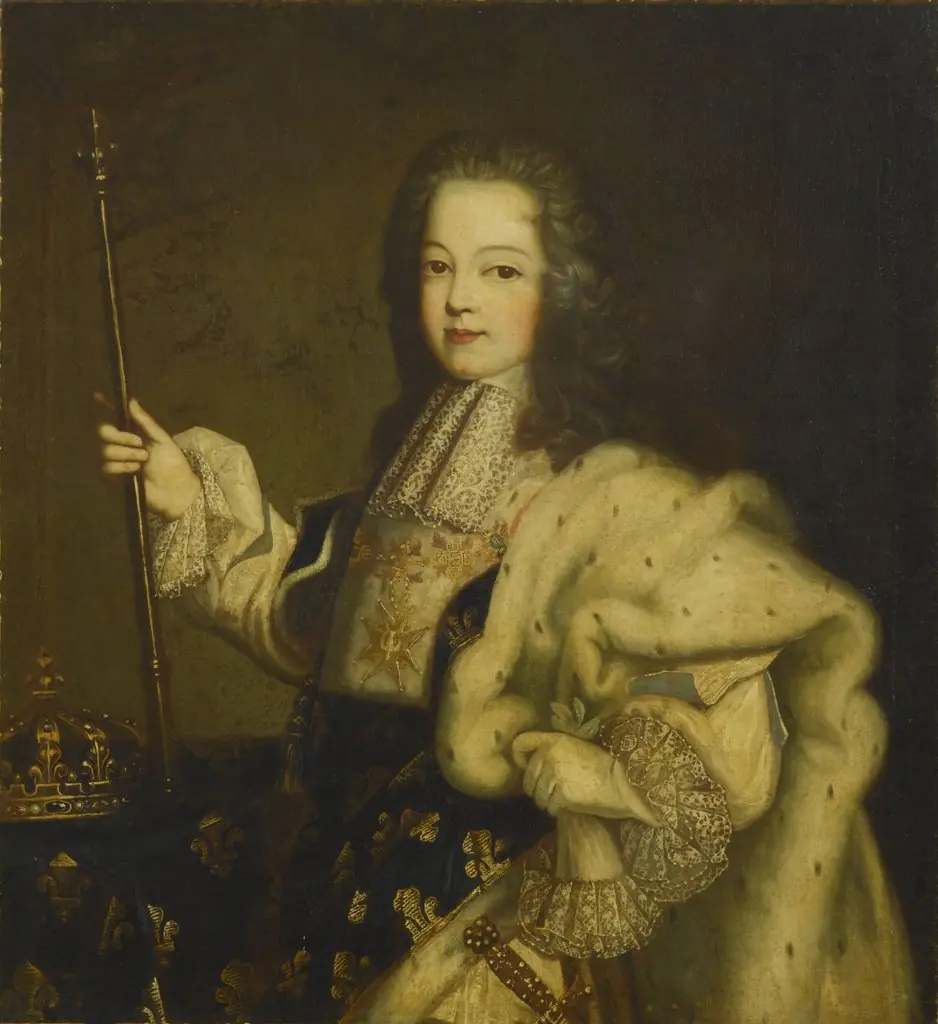 Louis XV, roi de France (1710-1774)
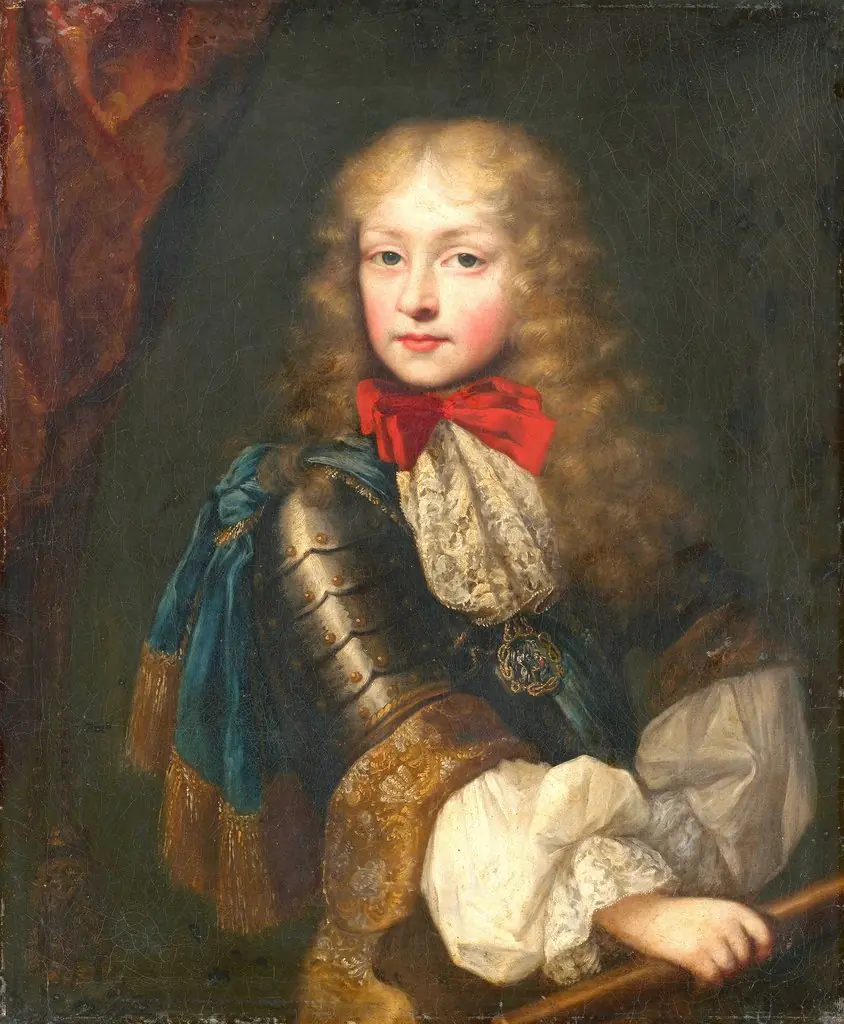 Kinderbildnis des Erbprinzen Viktor Amadeus II. von Savoyen
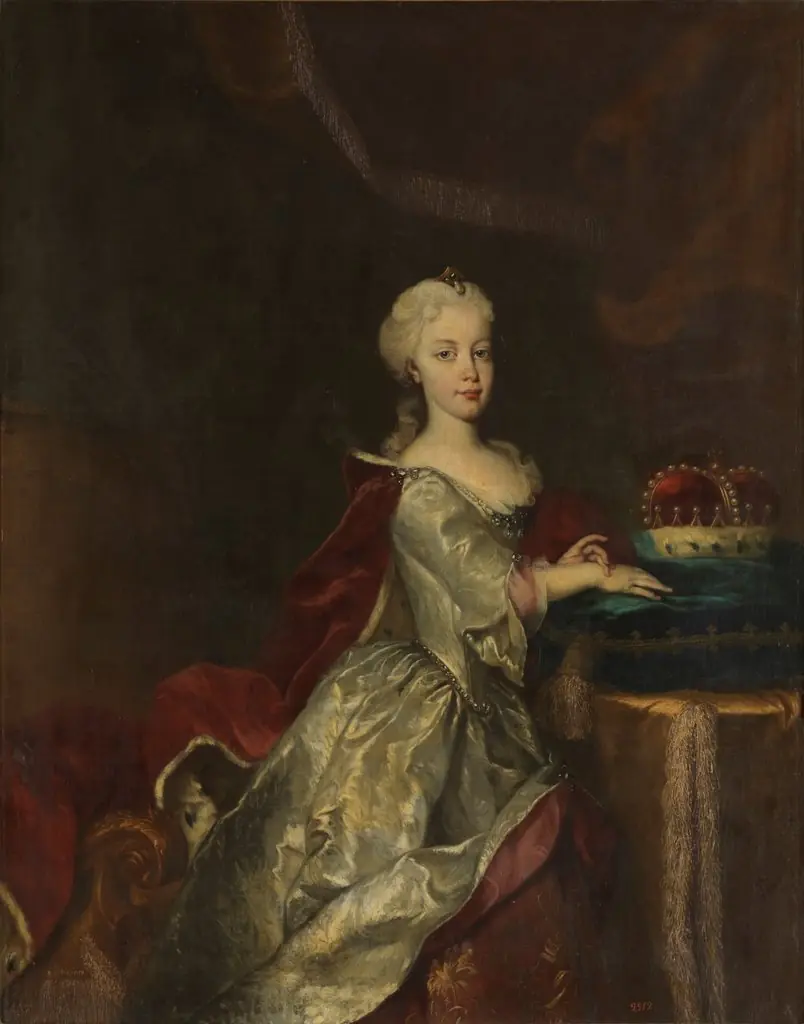 María Teresa archiduquesa de Austria
 Maria Theresia, arhiducesă de Austria ; în registrul inventar: Prințesă în haină albastră
 Louis V-Joseph de Bourbon, VIIIe prince de Condé
 Kuningas Kaarle XII
 Portrait of Countess Anna Sheremetyeva in a ''Carousel'' Costume