Artwork
Portrait assumed to be of the Duchess of Longueville as Timocleia
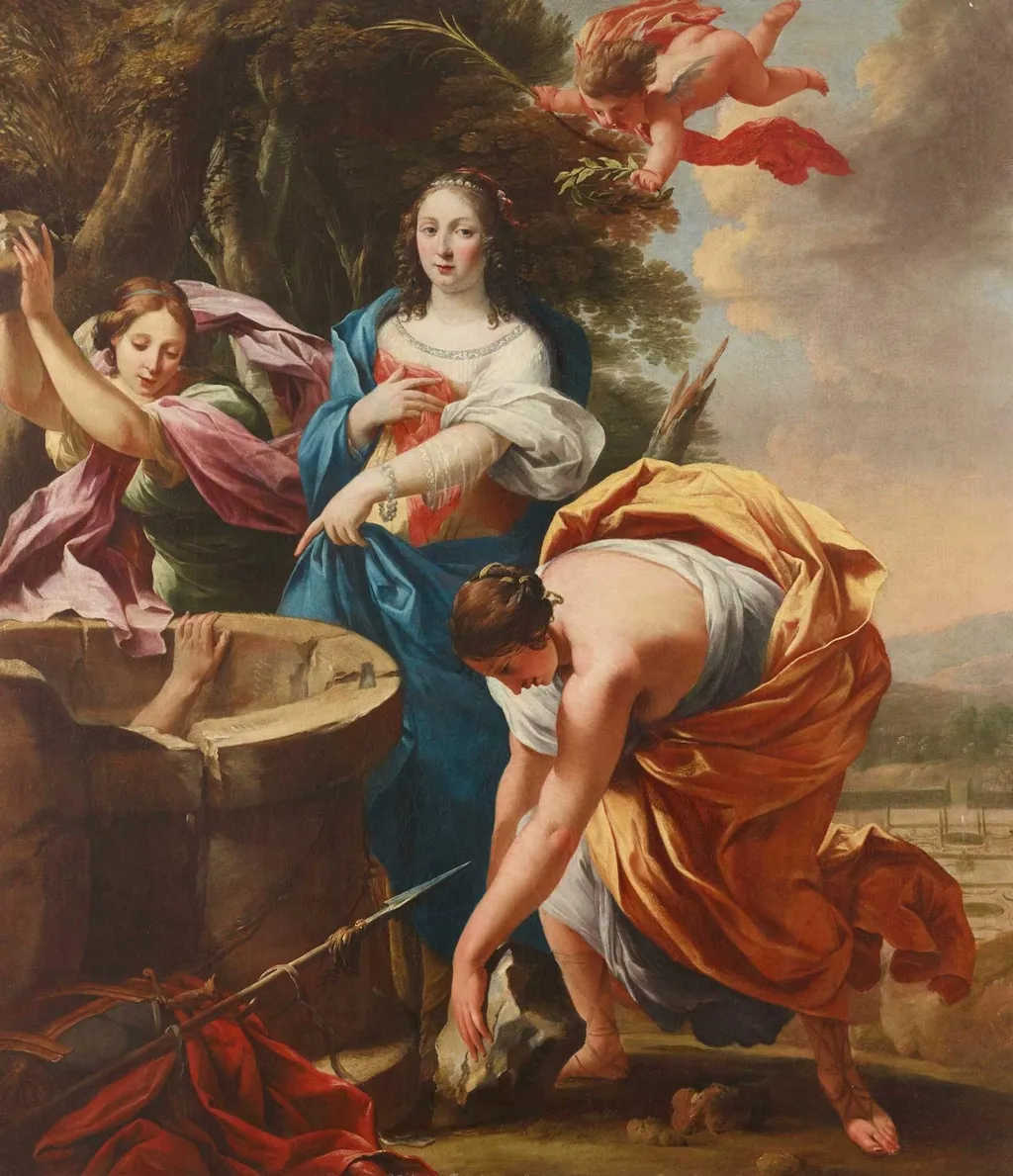
Portrait assumed to be of the Duchess of Longueville as Timocleia is an oil painting by the French Classical Baroque artist Unknown. It dates from 1647 and is held in the collection of the Palace of Versailles.
About this work
Overview
She wears a white and red garment beneath a blue robe, while the surrounding women engage with the well—one reaching in, another crouching to retrieve a stone.
The canvas presents a female figure, likely the Duchess of Longueville, positioned before a well and accompanied by three other women and a cherubic figure. She wears a white and red garment beneath a blue robe, while the surrounding women engage with the well—one reaching in, another crouching to retrieve a stone. A cherub hovers above, clutching a branch, all set against a landscape of trees, clouds, and distant hills.
Subject & Meaning
The central woman appears to embody the classical name Timocleia, suggesting an allegorical identification that merges portraiture with mythic reference. The inclusion of the well and the attendant figures may allude to themes of purification or abundance, while the cherub’s presence reinforces a gentle, perhaps divine, endorsement of the scene.
Technique & Style
Executed in oil, the work employs a restrained palette of muted blues, greens, and earth tones. Subtle chiaroscuro models the figures, giving them a three‑dimensional presence against the softly rendered background. The composition balances a foreground narrative with a receding landscape, creating depth without overt dramatization.
Context
The painting reflects the early modern French aristocratic practice of commissioning portraits that combine personal likeness with symbolic elements. By portraying the sitter as Timocleia, the artist aligns her patron with classical virtues, a common device in courtly portraiture of the period.
Artist & collection

 Domestic Scene
 Giacomo and Cardinal Marco, investing Andrea, Abbot of San Zeno, with his Benefice
 The Nymph of Fontainebleau
 Portrait of a Woman
 Madonna and Child with Saints in the Enclosed Garden
 Venus and Minerva
 Family Group of Four on Sofa
 Wall painting from Room H of the Villa of P. Fannius Synistor at Boscoreale
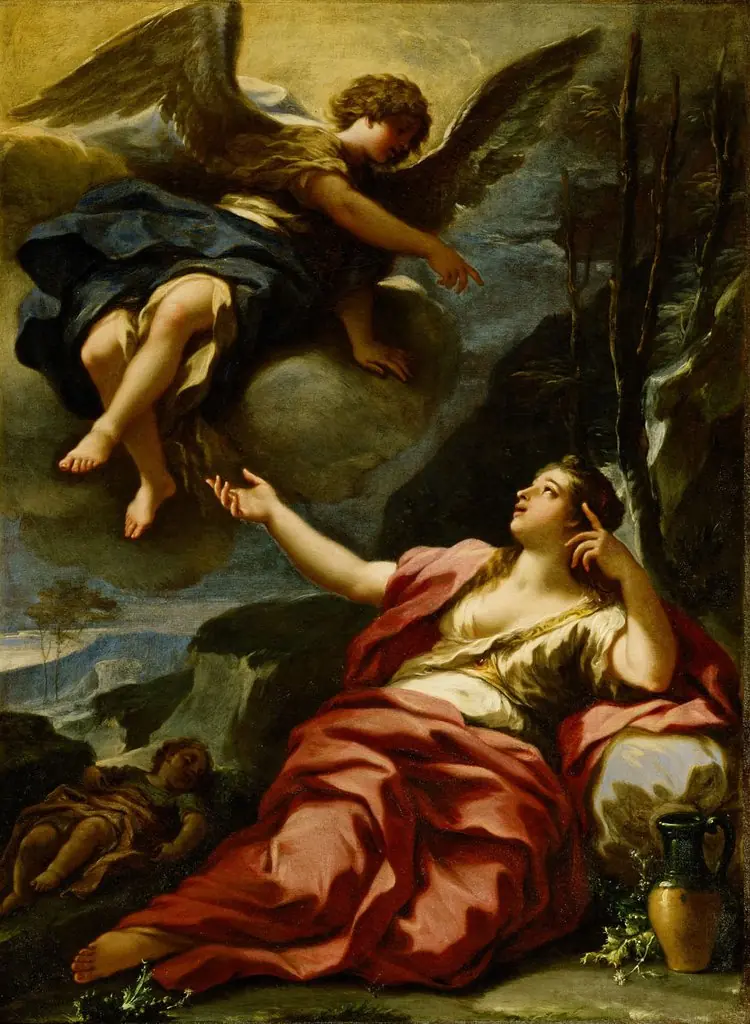 The angel appears to Hagar in the desert
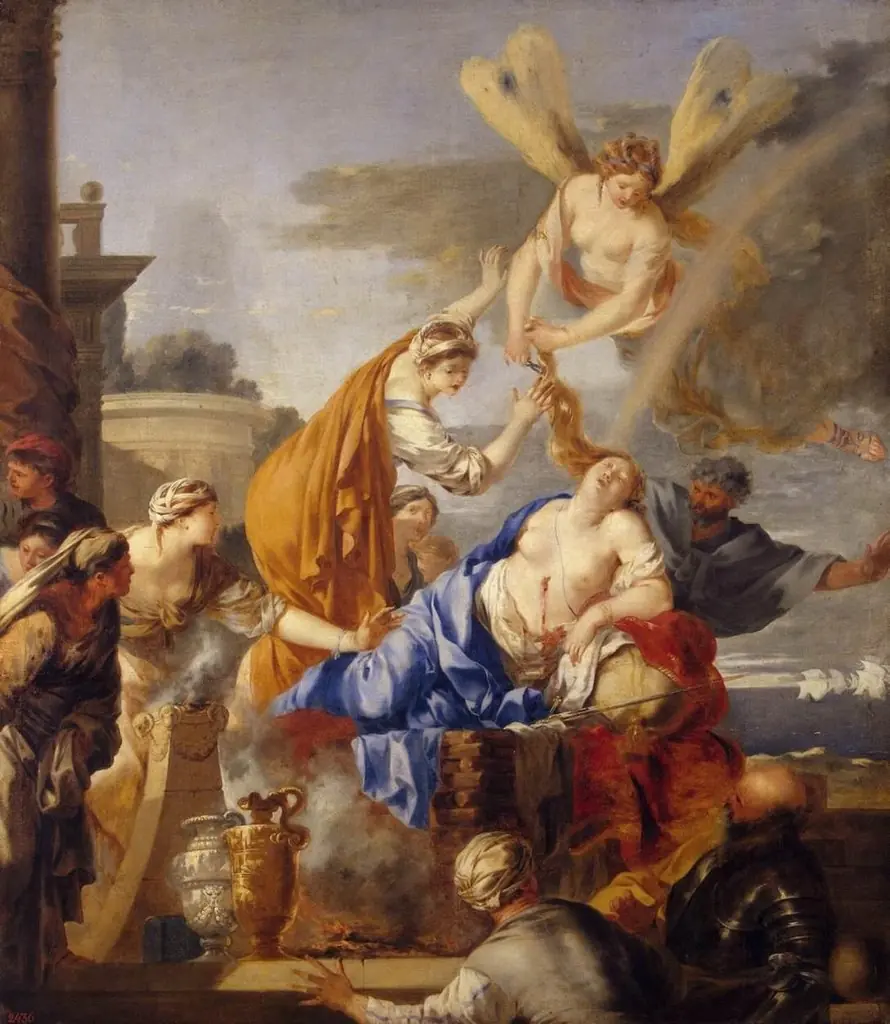 Death of Dido
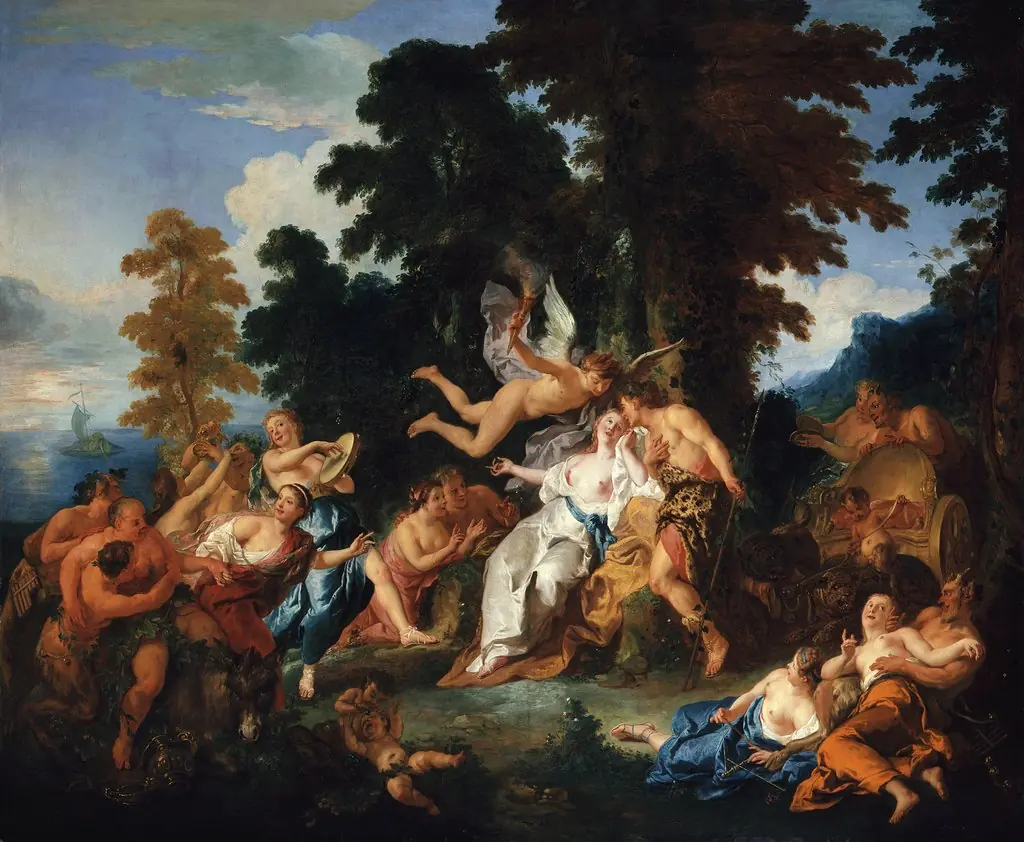 Bacchus and Ariadne
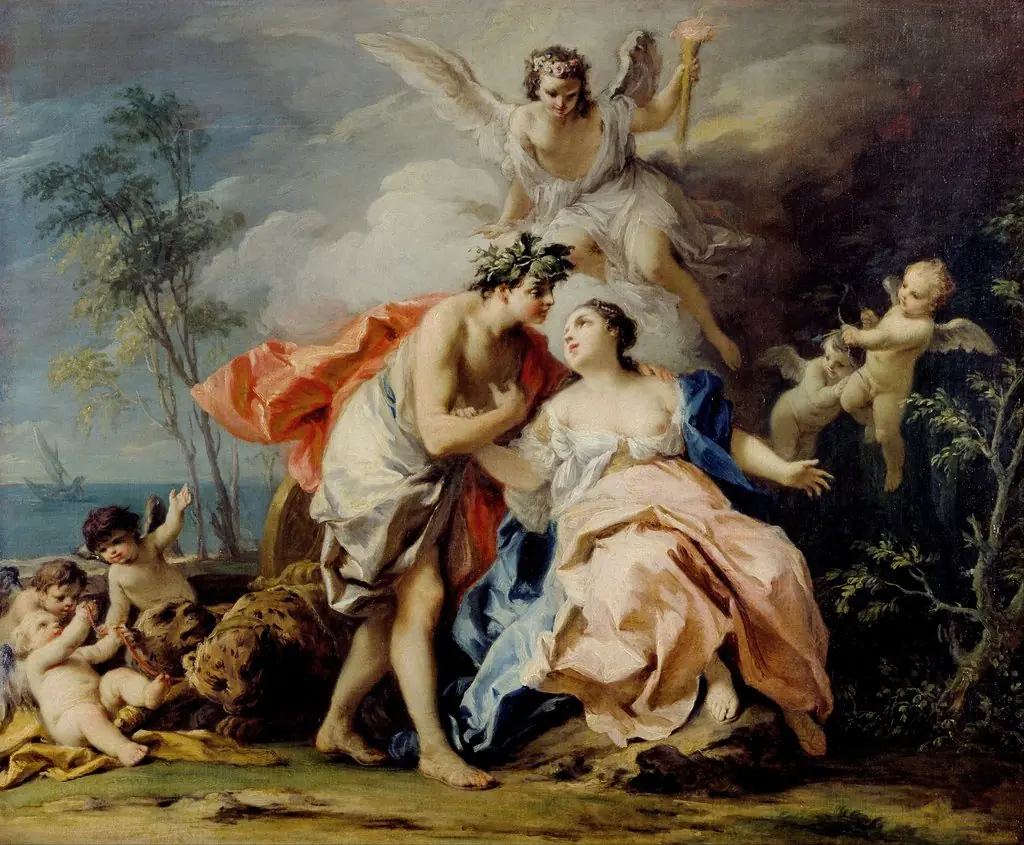 Bacchus and Ariadne
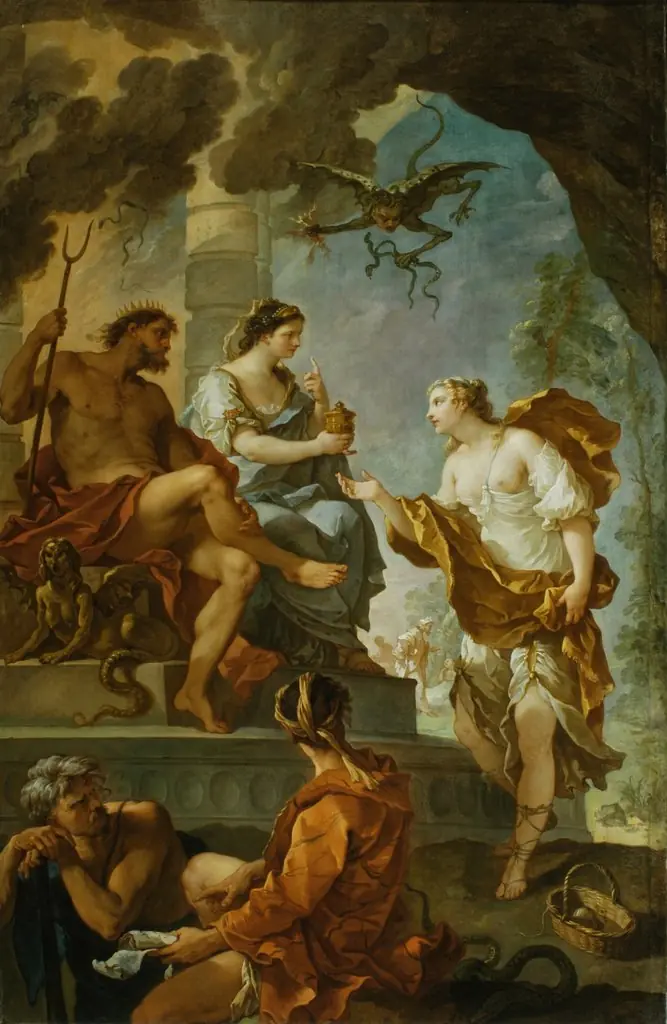 Psyche Obtaining the Elixir of Beauty from Proserpine
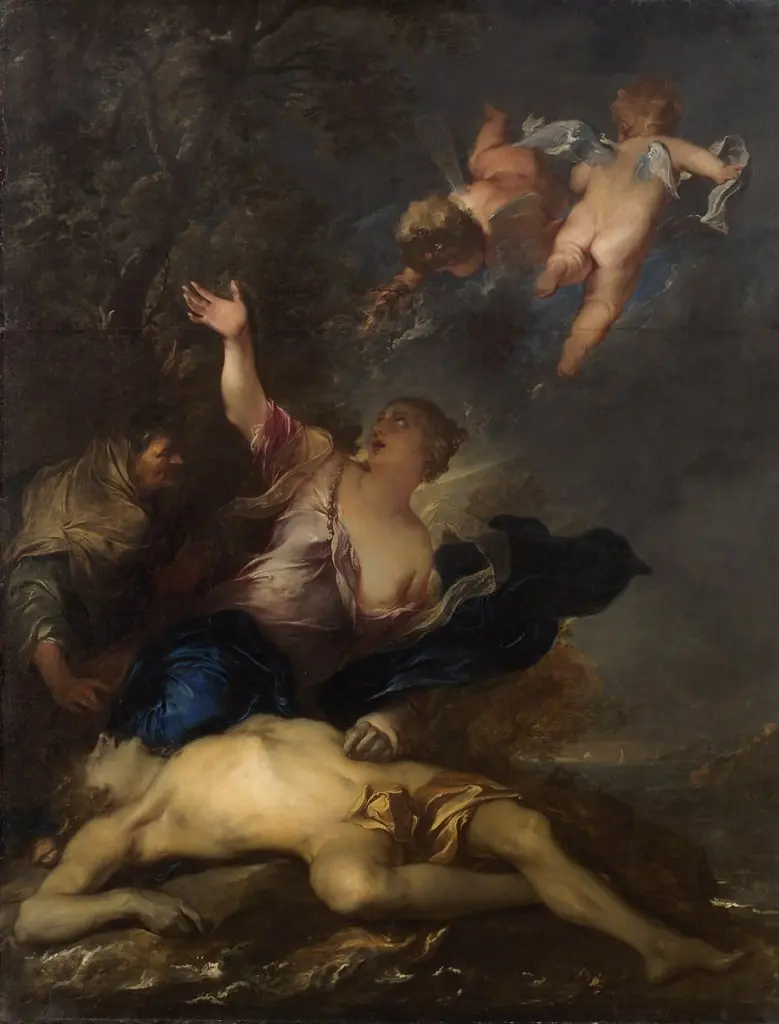 Hero mourns the dead Leander
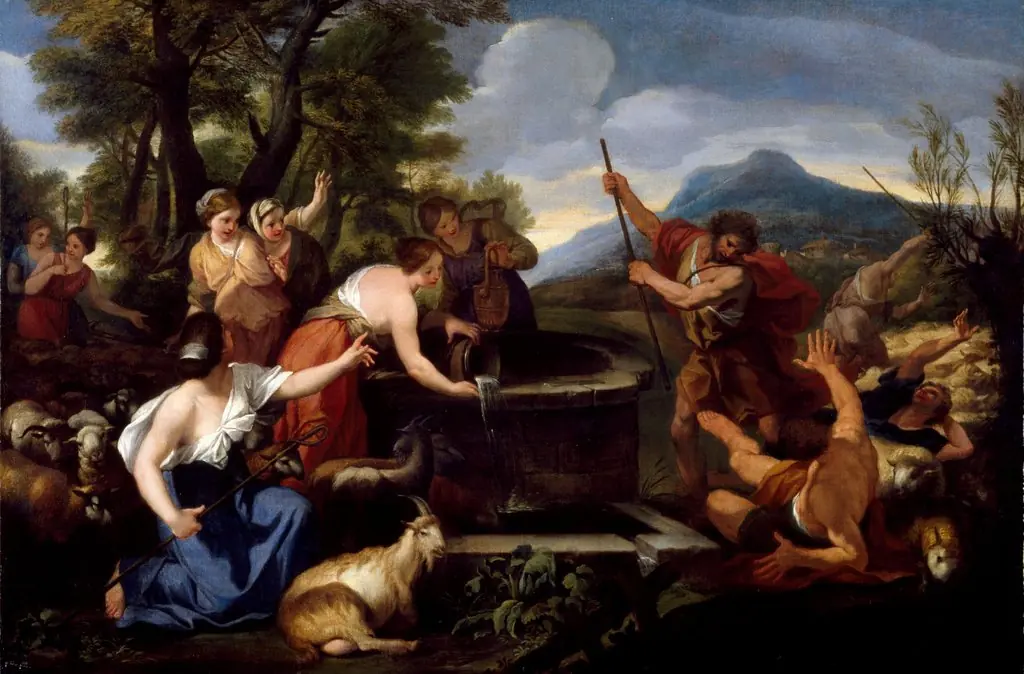 Moses and the Daughters of Jethro
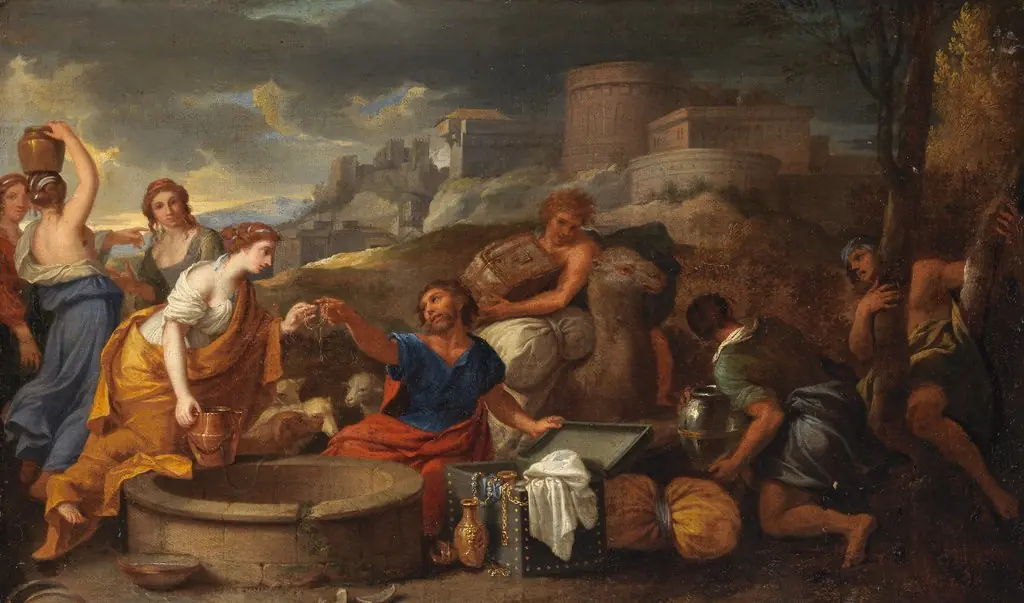 Rebecca at the Well
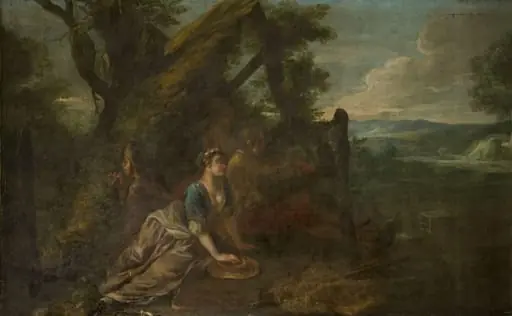 Bird-Catching by a Decoy with a Whistle and Net (Decorative painting for a supper-box at Vauxhall Gardens, London)
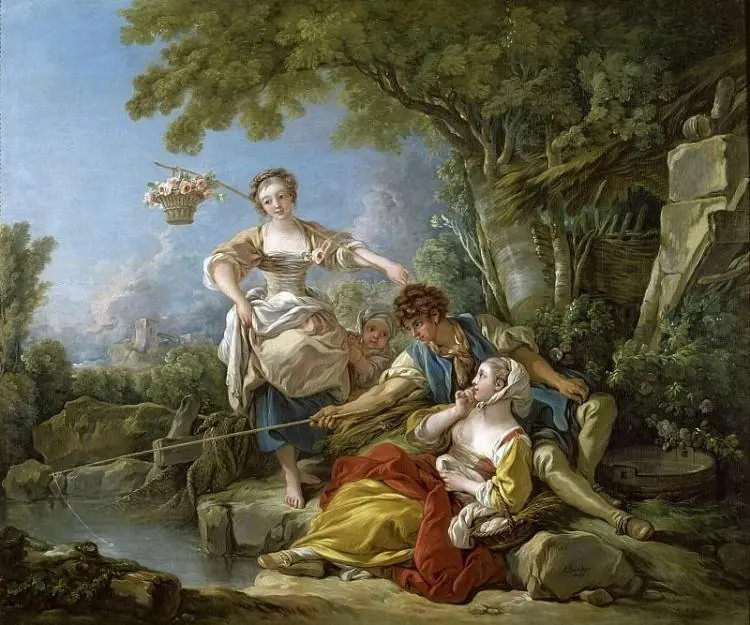 Fishing
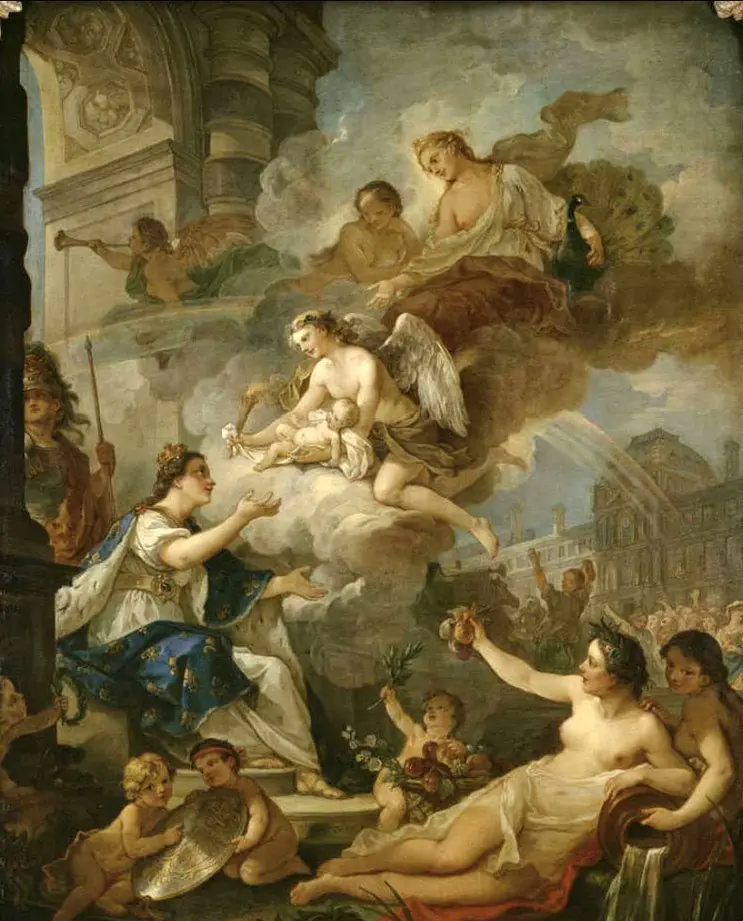 Allegory of the Birth of Marie-Zéphyrine of France, daughter of Louis of France
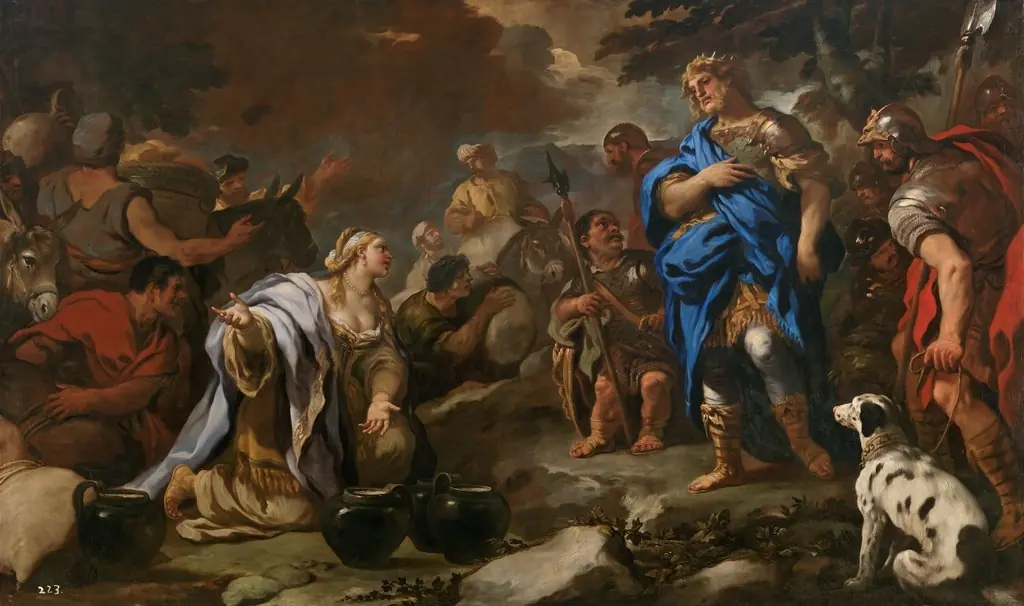 La prudente Abigail