Artwork
The Adoration of the Kings and the Annunciation
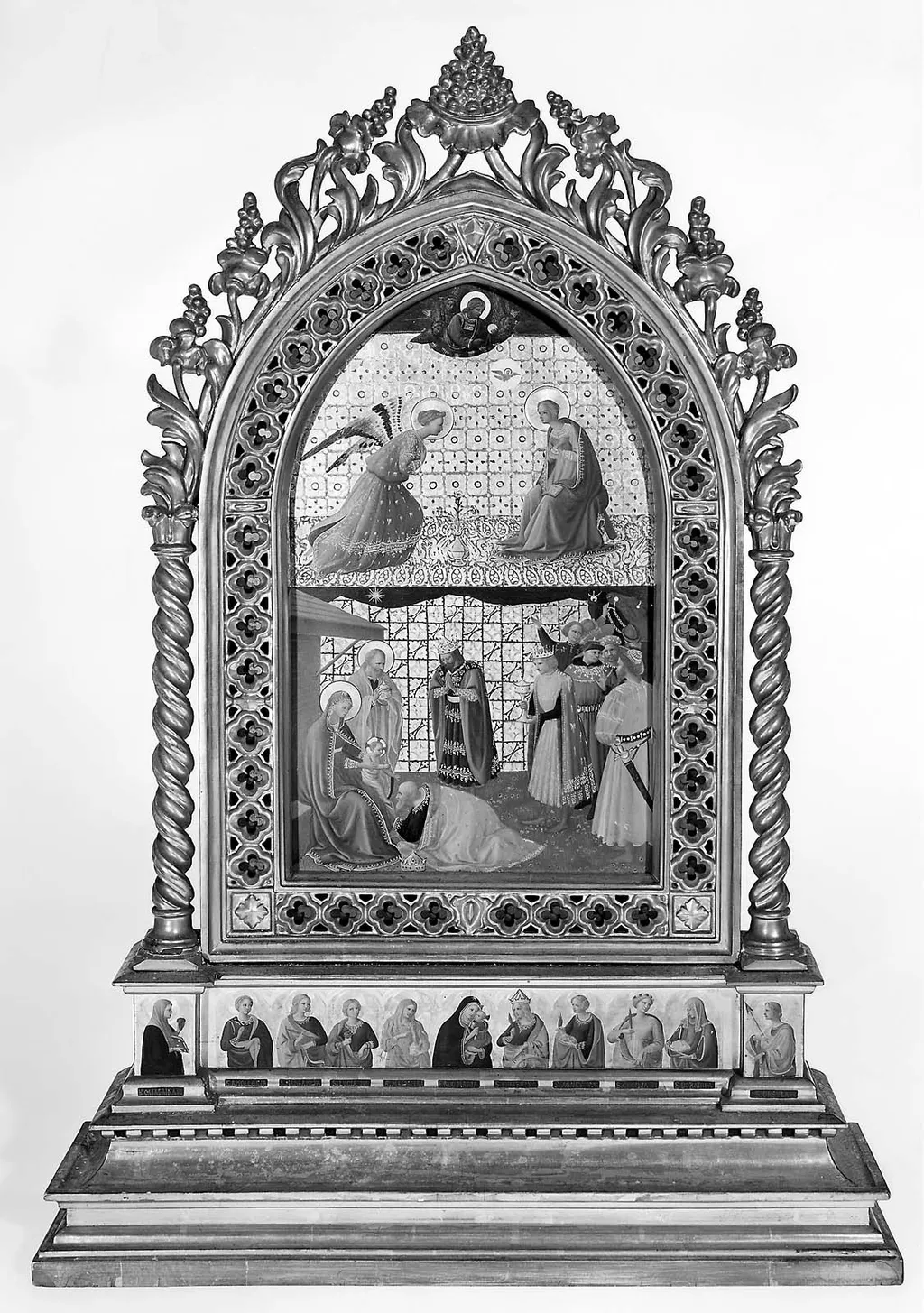
The Adoration of the Kings and the Annunciation is an unspecified painting by the High Renaissance artist Unknown. It dates from 1510 and is held in the collection of the Museum of Fine Arts Boston. The work combines two biblical episodes within a single, elaborately carved wooden frame that mimics a church window.
About this work
Overview
The work combines two biblical episodes within a single, elaborately carved wooden frame that mimics a church window.
The work combines two biblical episodes within a single, elaborately carved wooden frame that mimics a church window. The upper register depicts a kneeling, robed figure before a standing, haloed figure in a gold‑patterned interior, while the lower register shows a group of women surrounding a kneeling mother holding an infant, set against a realistic interior with a window. Small portrait medallions in dark robes line the bottom of the frame.
Subject & Meaning
The upper scene illustrates the Annunciation, with the kneeling figure representing the Angel Gabriel presenting the divine message to the Virgin Mary, who is shown standing and crowned with a halo. The lower scene portrays the Adoration of the Magi, where the infant Jesus is venerated by a gathering of figures, emphasizing themes of revelation and worship.
Technique & Style
The painter employs a bifurcated composition, contrasting the ethereal, patterned floor of the upper scene with the more naturalistic interior of the lower. Gold detailing and intricate carving on the frame enhance the visual separation of the two narratives, while the use of muted drapery colors and delicate facial expressions reflects a late Gothic sensibility.
History & Provenance
The panel is part of the collection of the Museum of Fine Arts, Boston, where it is displayed in a setting that allows close examination of both the painted scenes and the ornamental frame. Its acquisition details trace back to early 20th‑century collectors who recognized its combined narrative and decorative qualities.
Context
Works that unite multiple biblical moments within a single frame were common in devotional art intended for private contemplation. The integration of sculptural carving and painted narrative reflects a tradition of merging pictorial and architectural elements to create a unified spiritual experience.
Artist & collection

 Domestic Scene
 Giacomo and Cardinal Marco, investing Andrea, Abbot of San Zeno, with his Benefice
 The Nymph of Fontainebleau
 Portrait of a Woman
 Madonna and Child with Saints in the Enclosed Garden
 Venus and Minerva
 Family Group of Four on Sofa
 Wall painting from Room H of the Villa of P. Fannius Synistor at Boscoreale
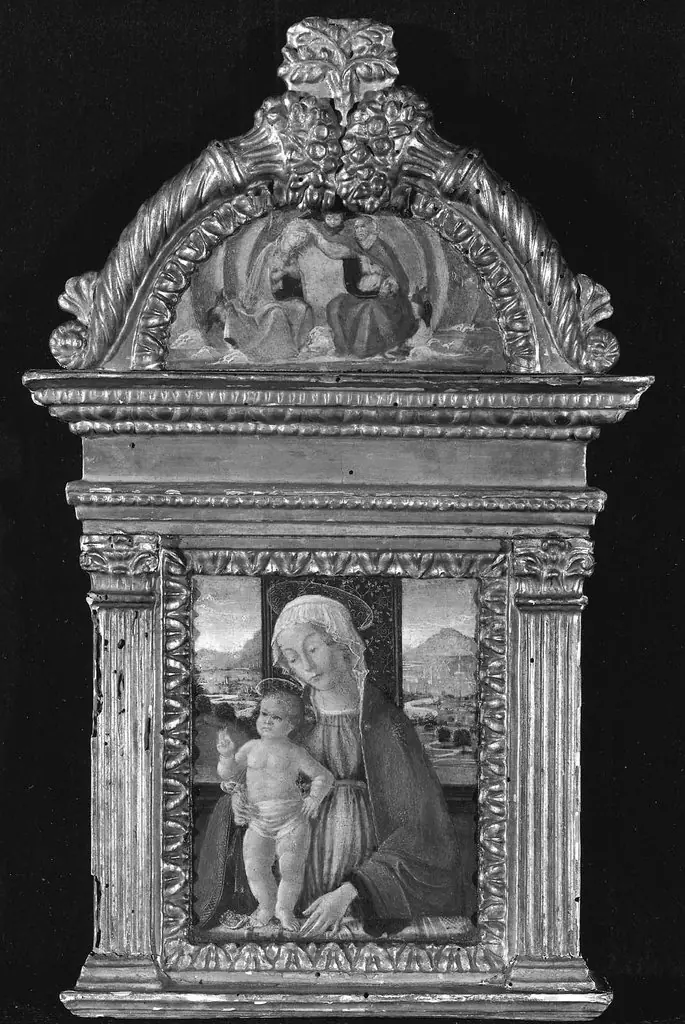 Virgin and Child; Coronation of the Virgin
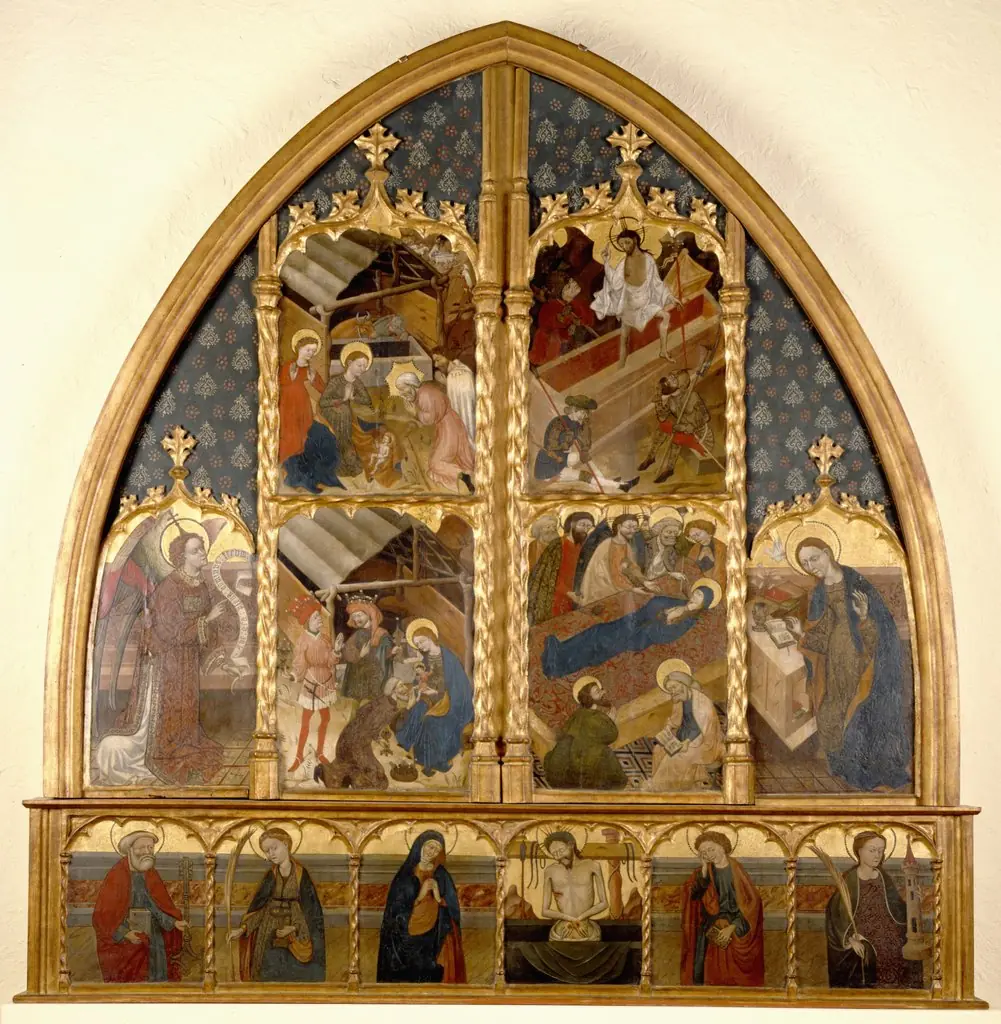 Nativity, Annunciatory Angel, Adoration of the Magi, Resurrection, Death of the Virgin, The Annunciate, Saints Peter and Lucy, Virgin Mary, Resurrected Christ, Saints John and Barbara
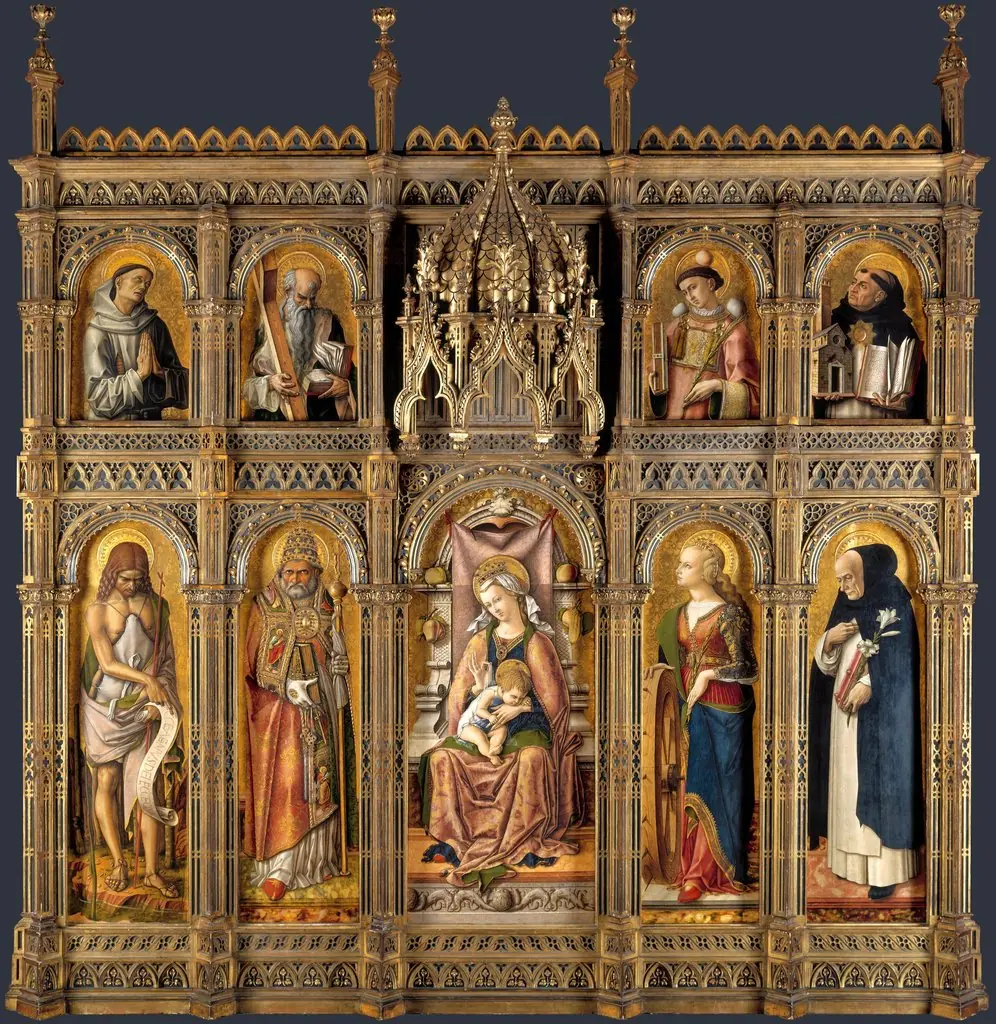 Demidoff Altarpiece
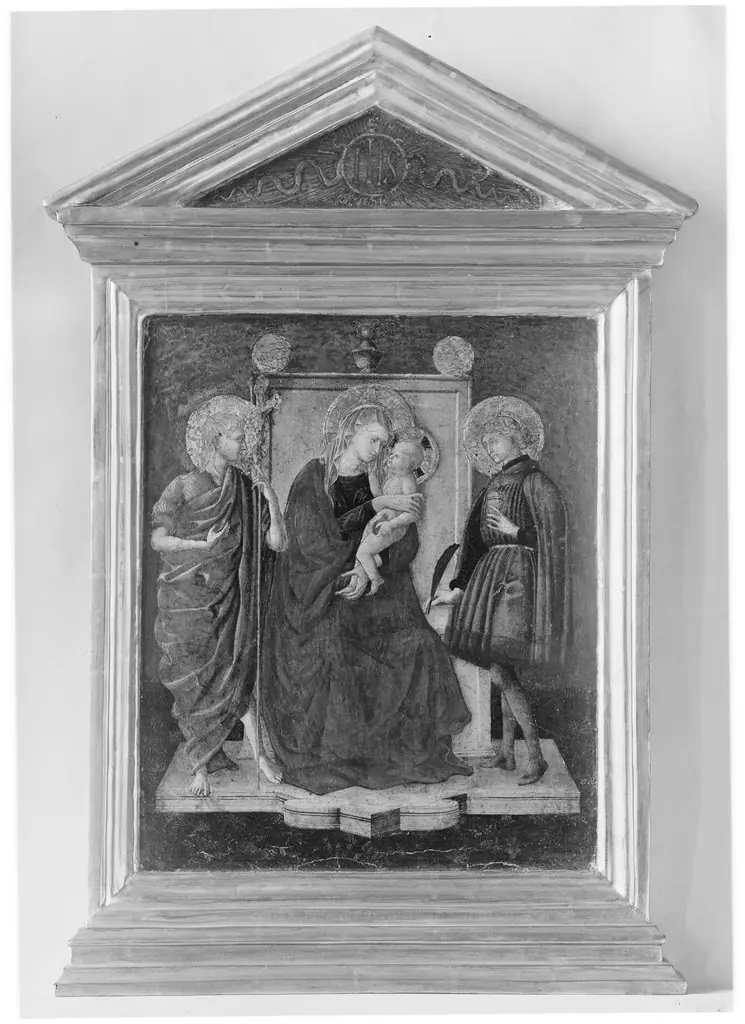 Madonna and Child Enthroned with Saint John the Baptist and Another Saint
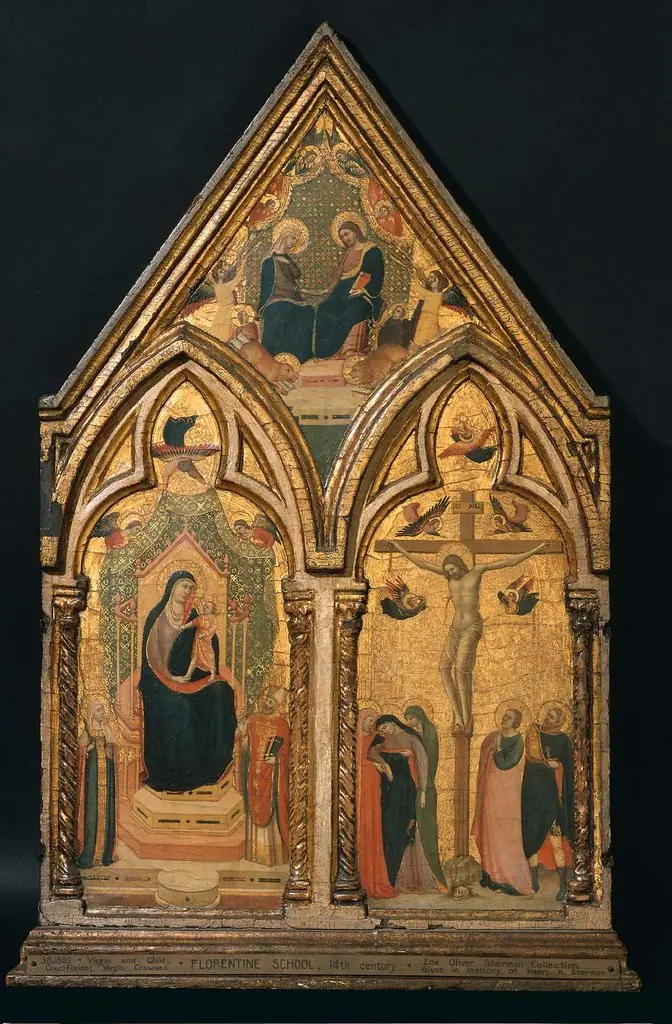 Virgin and Child Enthroned with Saints; Crucifixion; Coronation of the Virgin
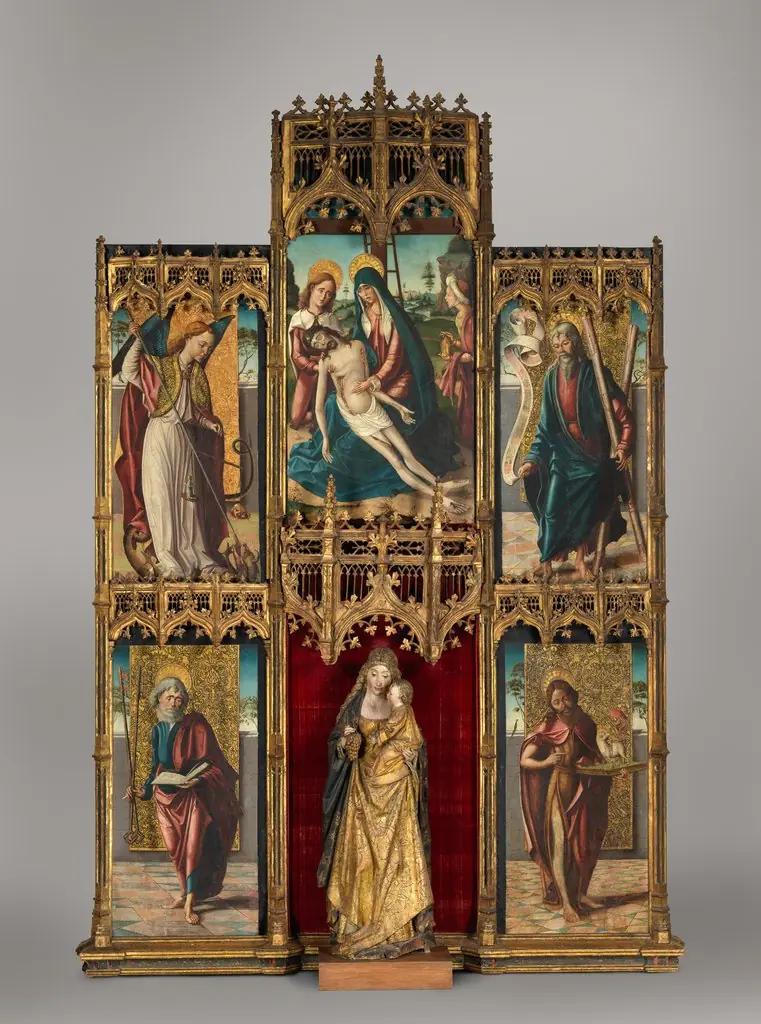 Virgin and Child with the Pietà and Saints
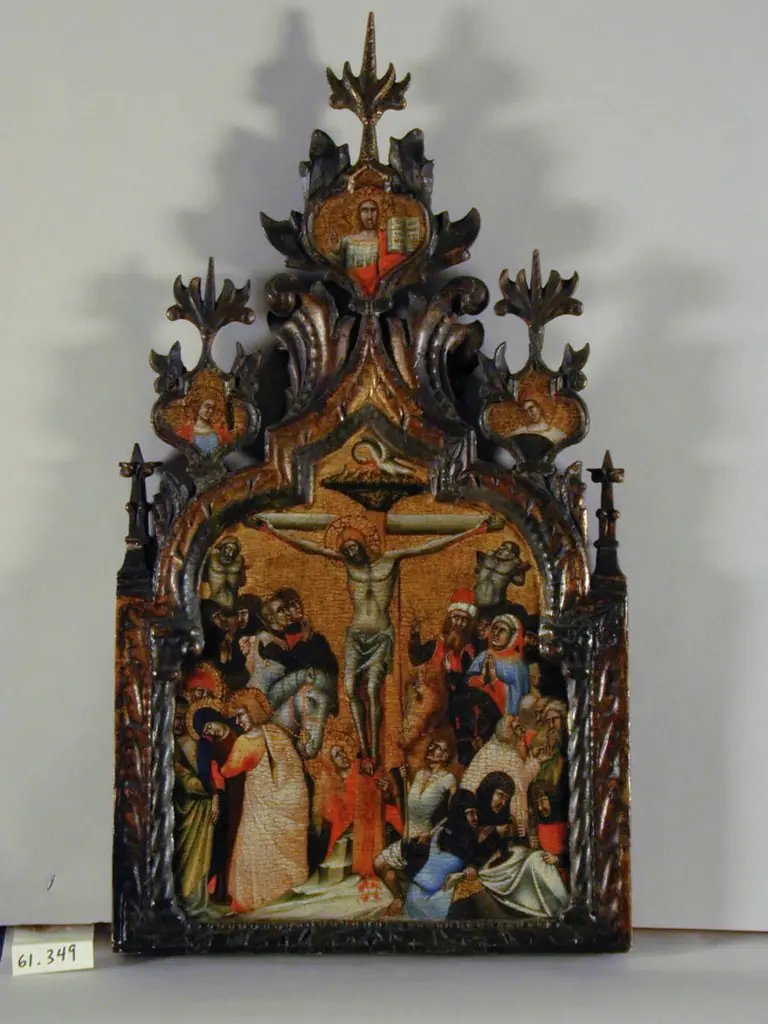 The Crucifixion
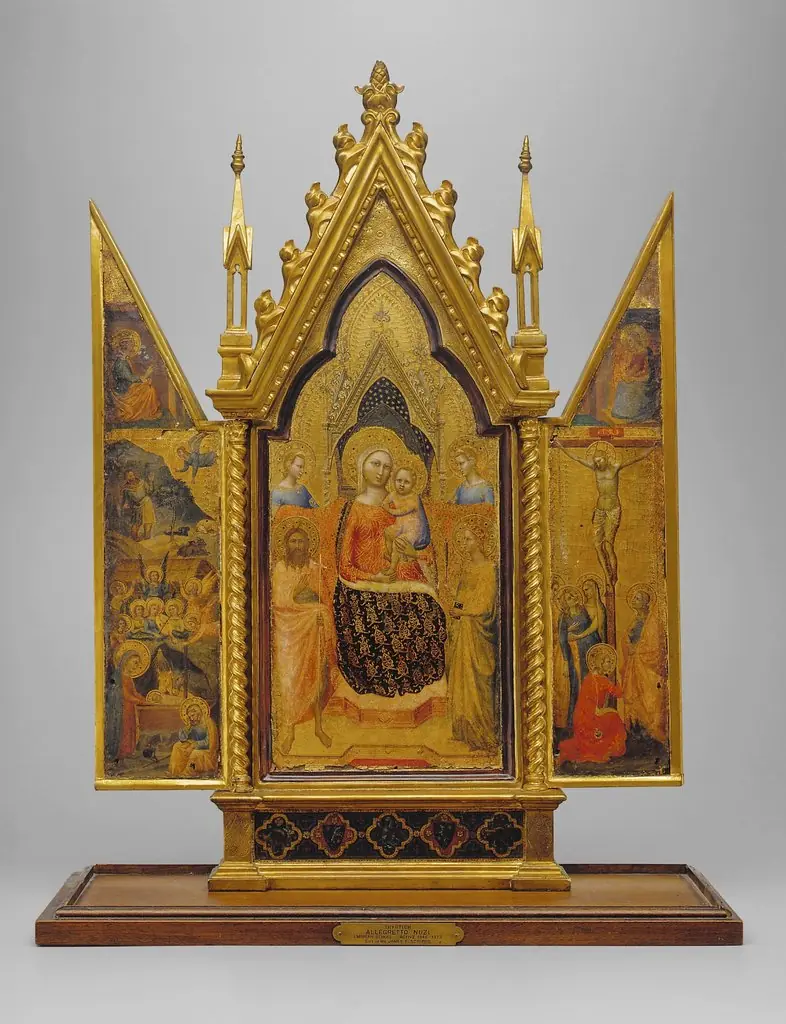 Madonna and Child with Saints, Crucifixion and Nativity
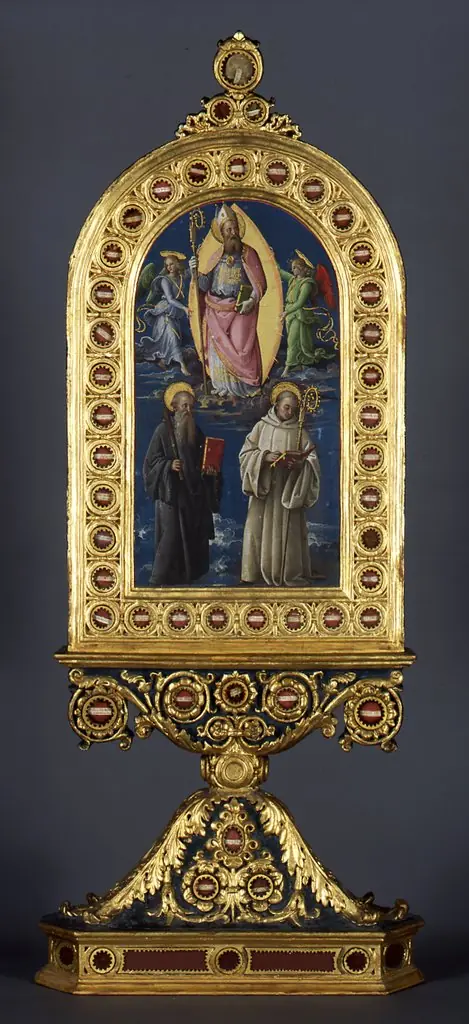 The church father Augustine in glory with two angels and the saints Benedict and Bernhard (reliquary)
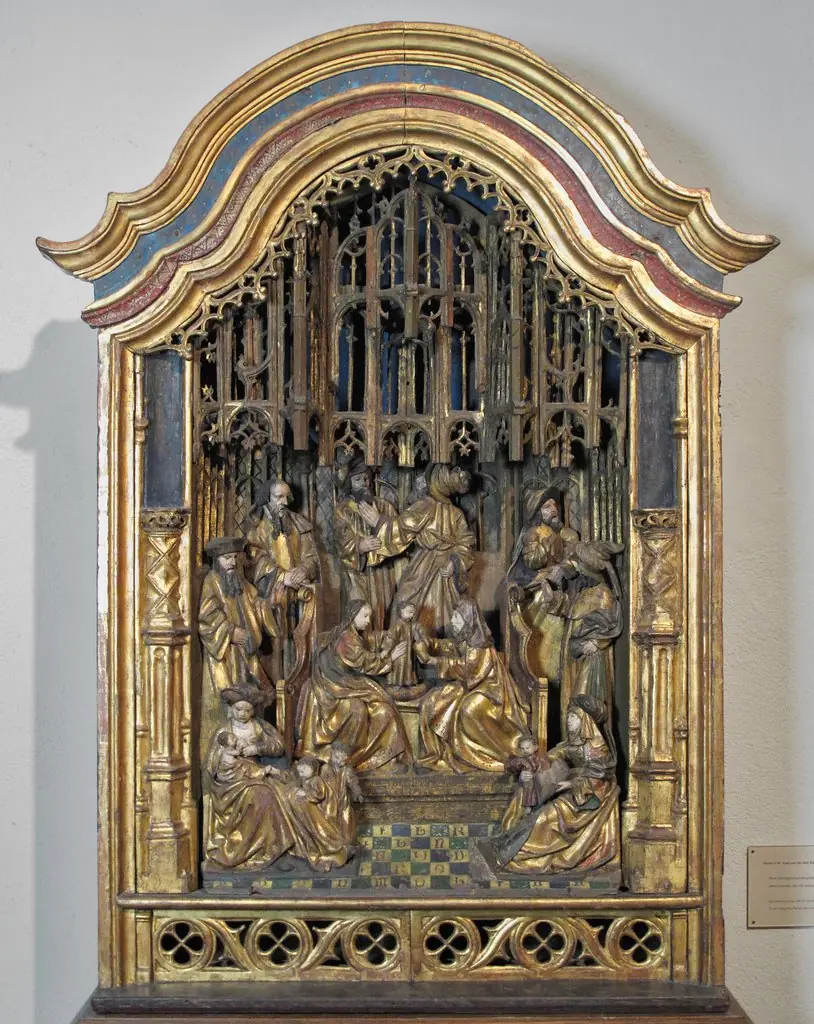 Shrine of Saint Anne and the Holy Kinship
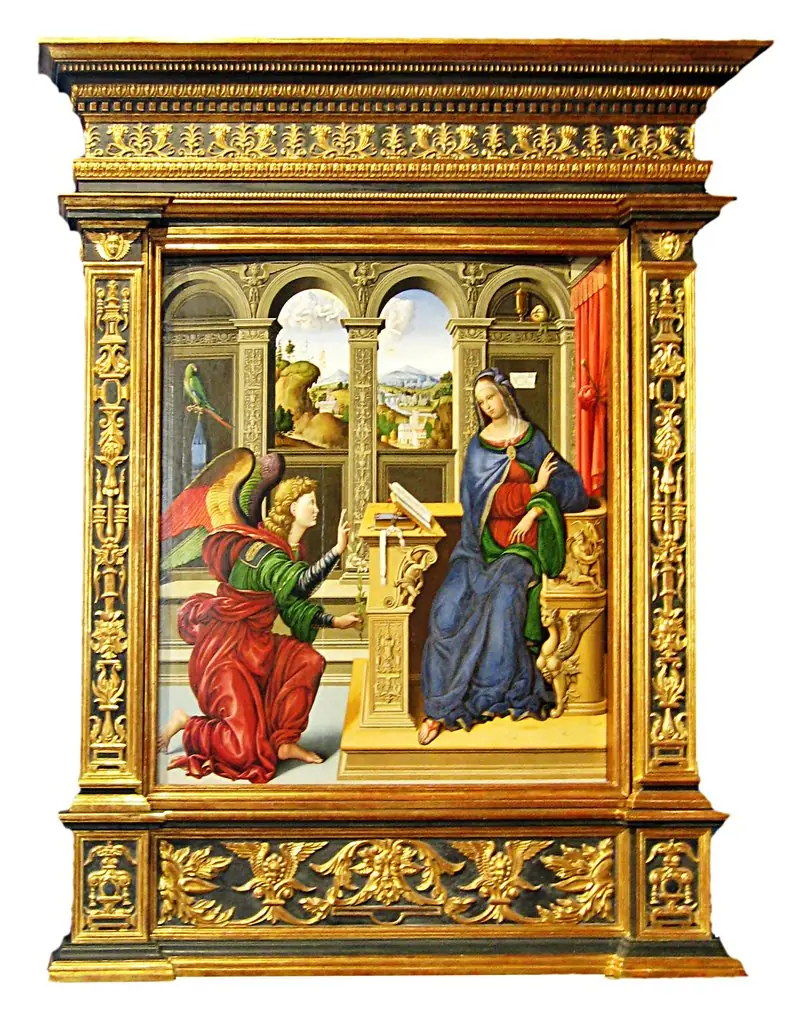 Annunciation
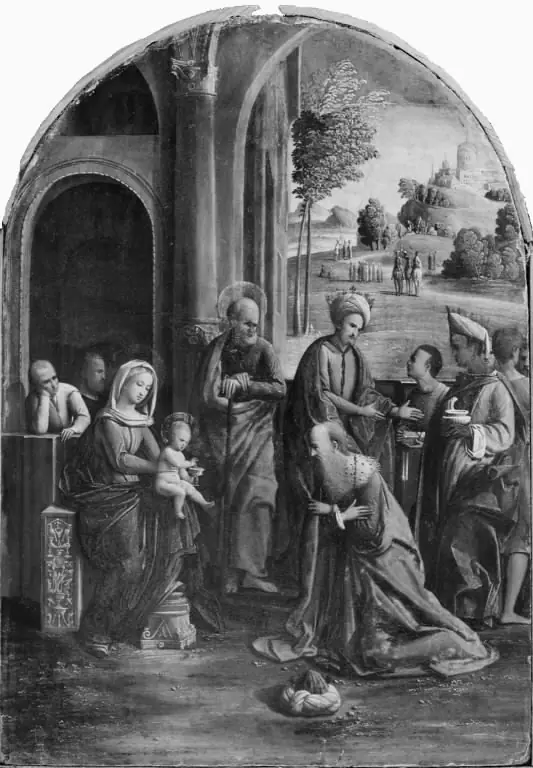 The Adoration of the Kings