Artwork
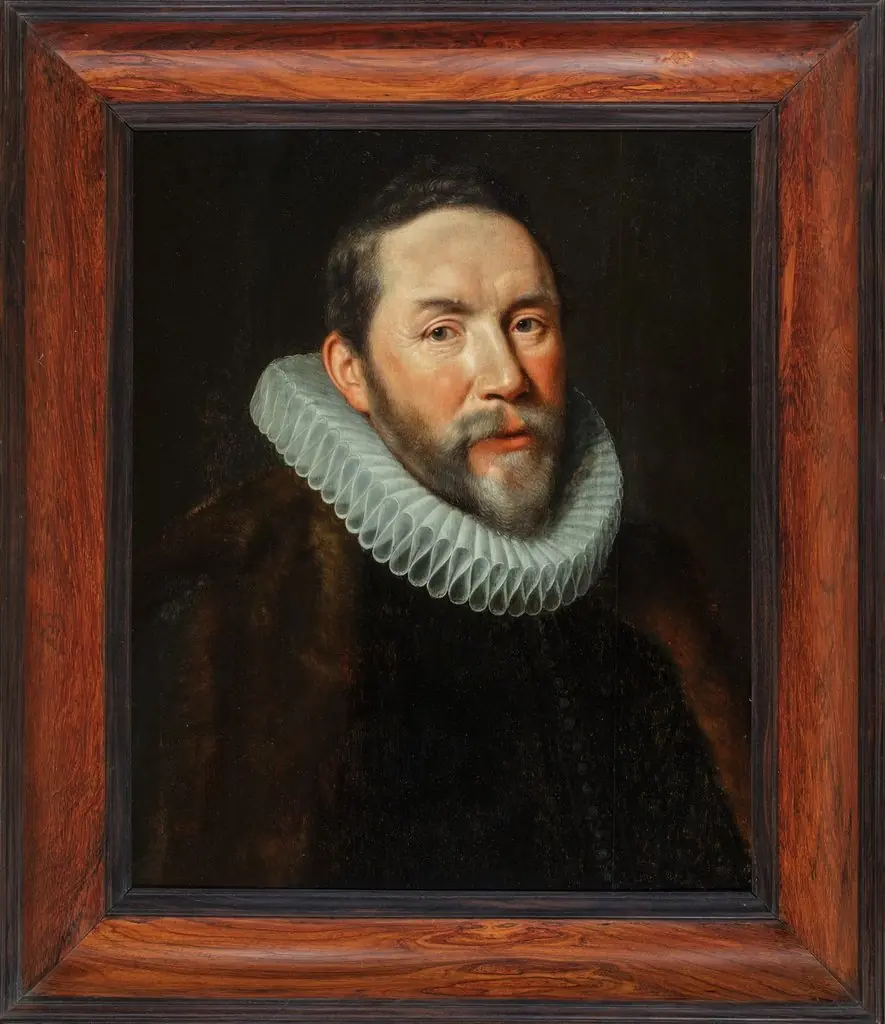
Portrait of Diederick Hoeufft (1571-1634)
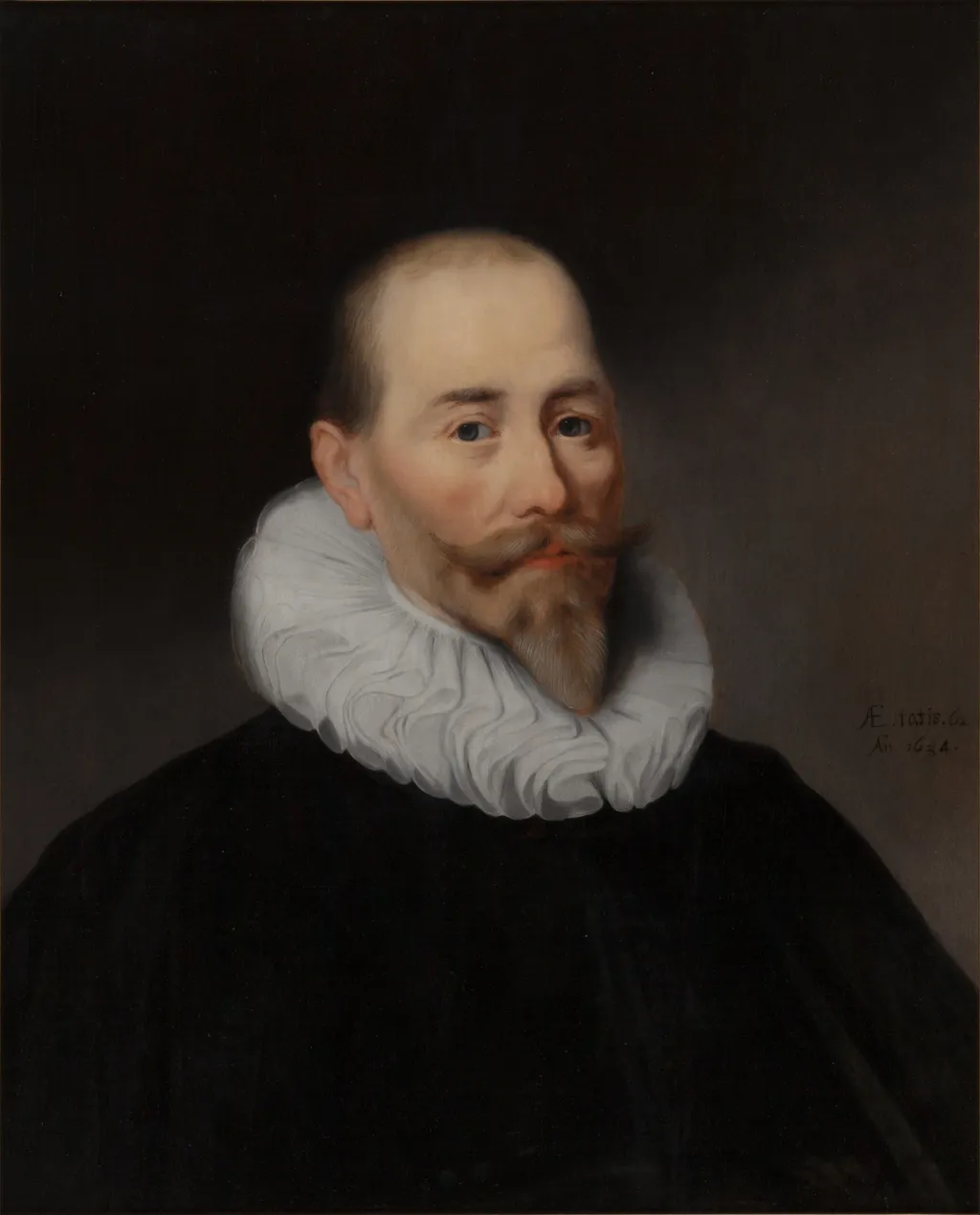
Portrait of Diederick Hoeufft (1571-1634) is an oil painting by the Dutch Golden Age artist Unknown. It dates from 1634 and is held in the collection of the Rijksmuseum.
About this work
Overview
This portrait depicts Diederick Hoeufft, a man of prominence, captured in a close-up format that emphasizes his facial features and upper torso. Executed in oil paint, the work showcases a subject characterized by a round face, full white beard, neatly trimmed mustache, and distinctive attire including a large white ruff collar and a dark draped garment.
Subject & Meaning
Diederick Hoeufft (1571-1634), the subject, is portrayed with dignity, suggesting a figure of respectability or authority in his time. The simplicity of the composition and the focus on his likeness imply the painting's primary purpose was to convey his identity and status rather than narrate a scene or evoke a specific emotion beyond contemplation.
Technique & Style
The artist employed soft, nuanced lighting to achieve a near three-dimensional rendering of Hoeufft's skin and beard, contrasting sharply with the plain, dark background. This application of chiaroscuro, an artistic technique using strong contrasts between light and dark, enhances the subject's presence and draws the viewer's eye directly to his face.
History & Provenance
Unfortunately, specific details regarding the painting's creation date, artist, and early ownership history are not provided in the available information. Further research would be necessary to contextualize the work within the artist's oeuvre and the broader historical period.
Context
Given the subject's attire and the painting style, the work is likely from the early 17th century, aligning with the Dutch Golden Age of painting. The use of chiaroscuro and the focus on individual portraiture reflect artistic influences of the time, possibly hinting at connections to broader European portrait traditions.
Legacy
The enduring appeal of this portrait lies in its masterful use of light and shadow, contributing to the broader legacy of chiaroscuro in art history. While its direct influence on subsequent artworks is not detailed here, it remains a testament to the timeless appeal of well-crafted portraiture in capturing the essence of its subjects.
Artist & collection

 Domestic Scene
 Giacomo and Cardinal Marco, investing Andrea, Abbot of San Zeno, with his Benefice
 The Nymph of Fontainebleau
 Portrait of a Woman
 Madonna and Child with Saints in the Enclosed Garden
 Venus and Minerva
 Family Group of Four on Sofa
 Wall painting from Room H of the Villa of P. Fannius Synistor at Boscoreale
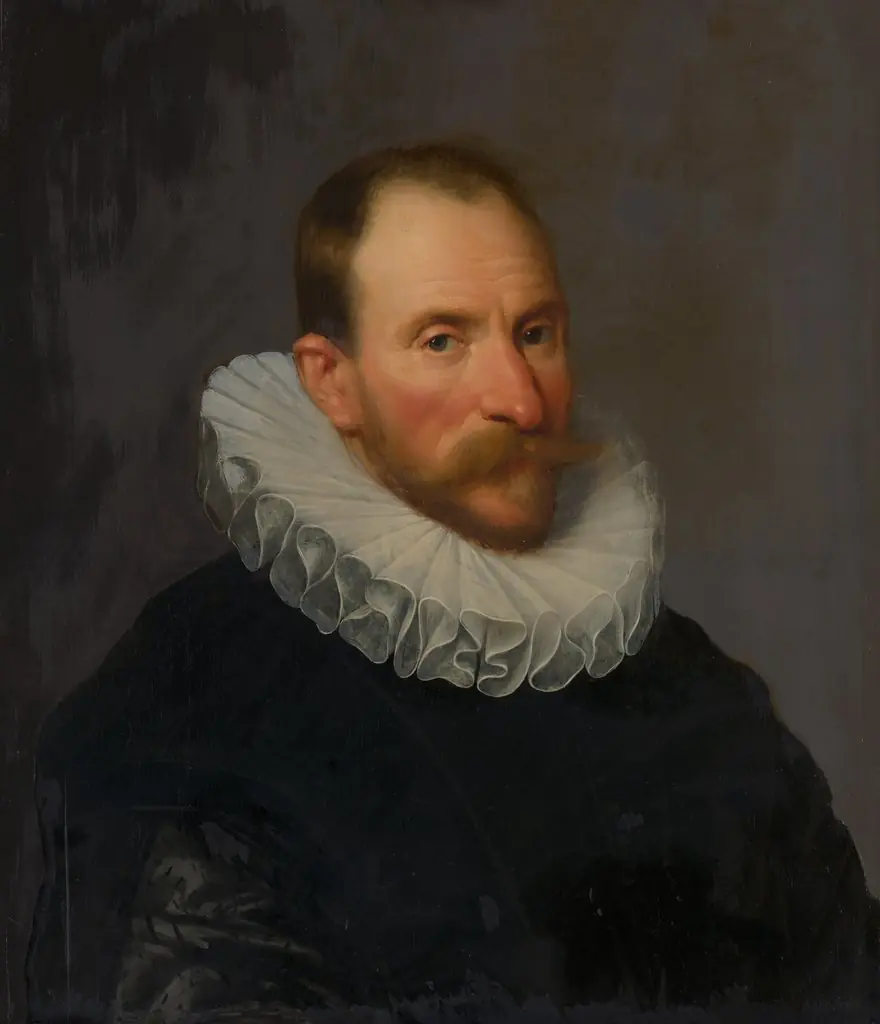 Portrait of Cornelis van Aerssen (1545-1627)
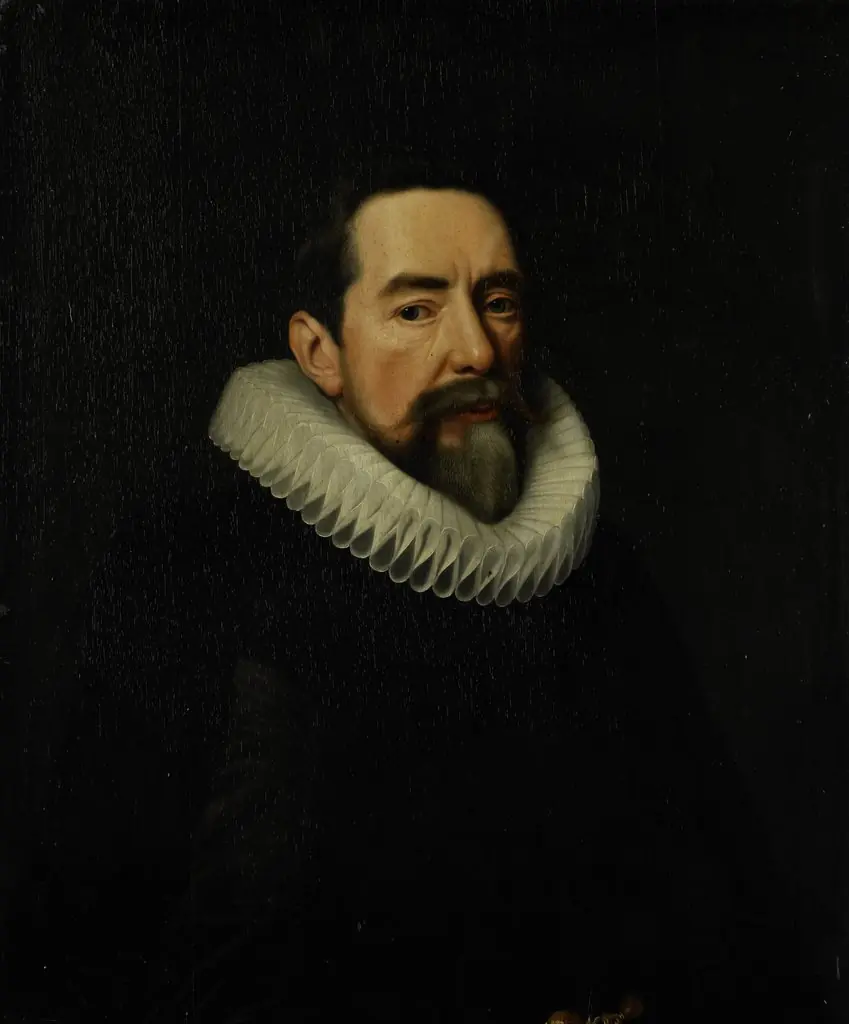 Portrait of a man
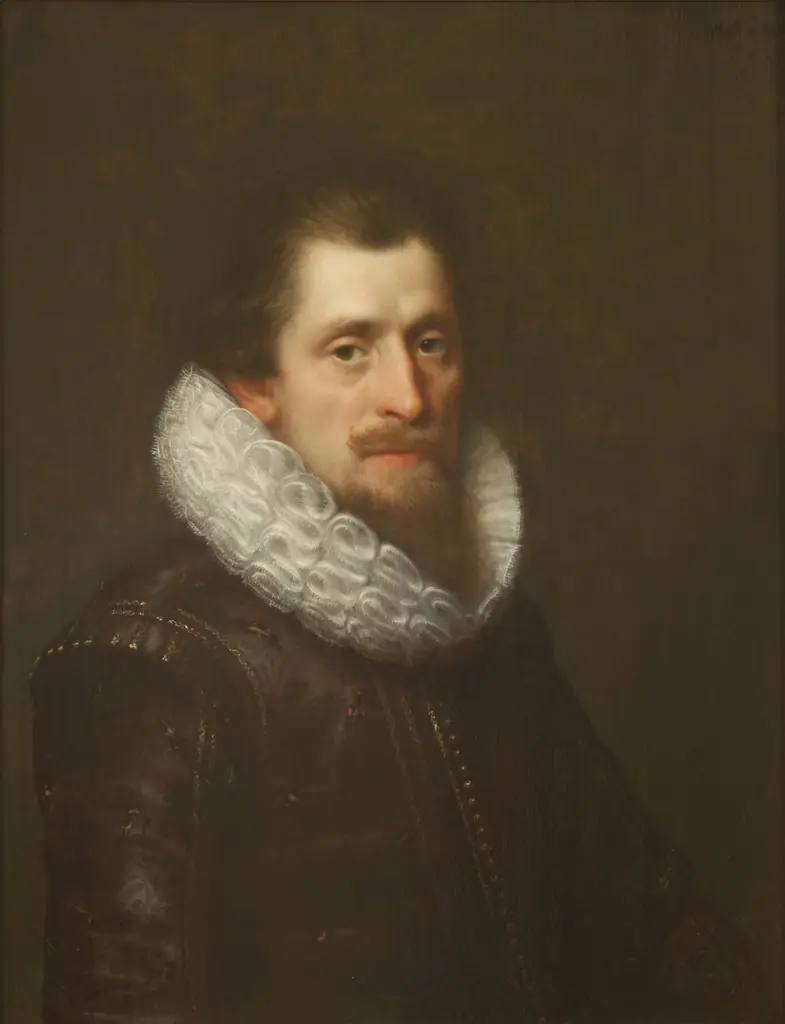 Portrait of a gentleman
 Untitled
 Portrait of Maerten Ruychaver (1545-1626)
 Male portrait
 Untitled
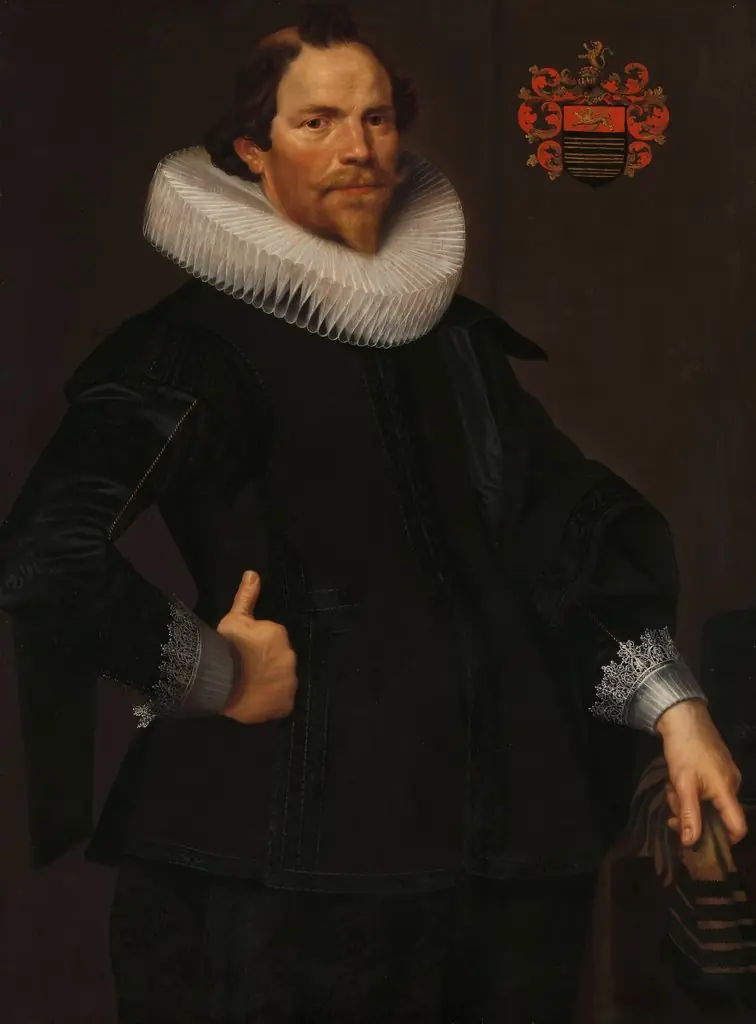 Portrait of Pieter van Son (c. 1590-1654)
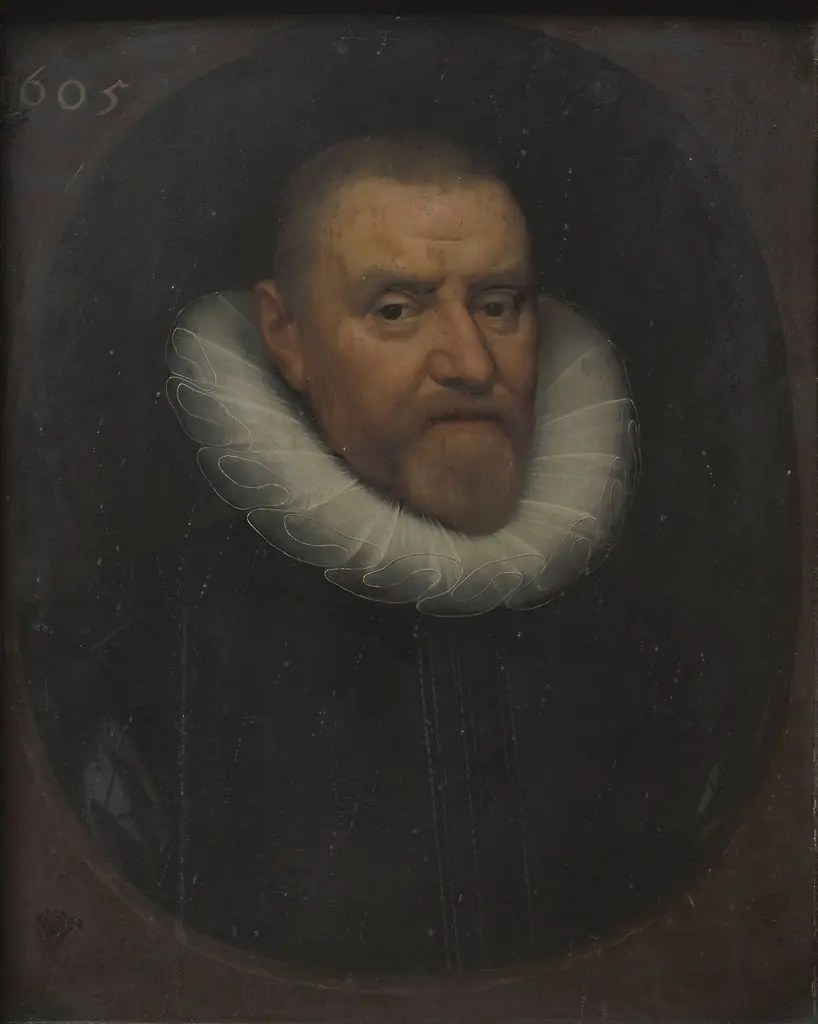 Portrait of a Man
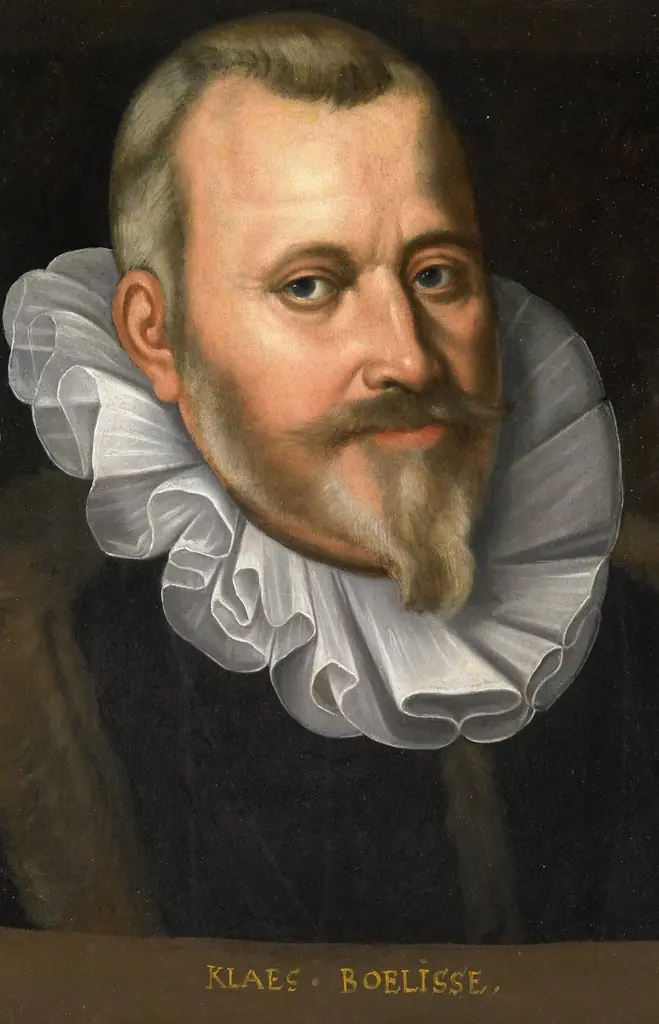 Portrait of Claes Allertsz Boelens (1550-1615)
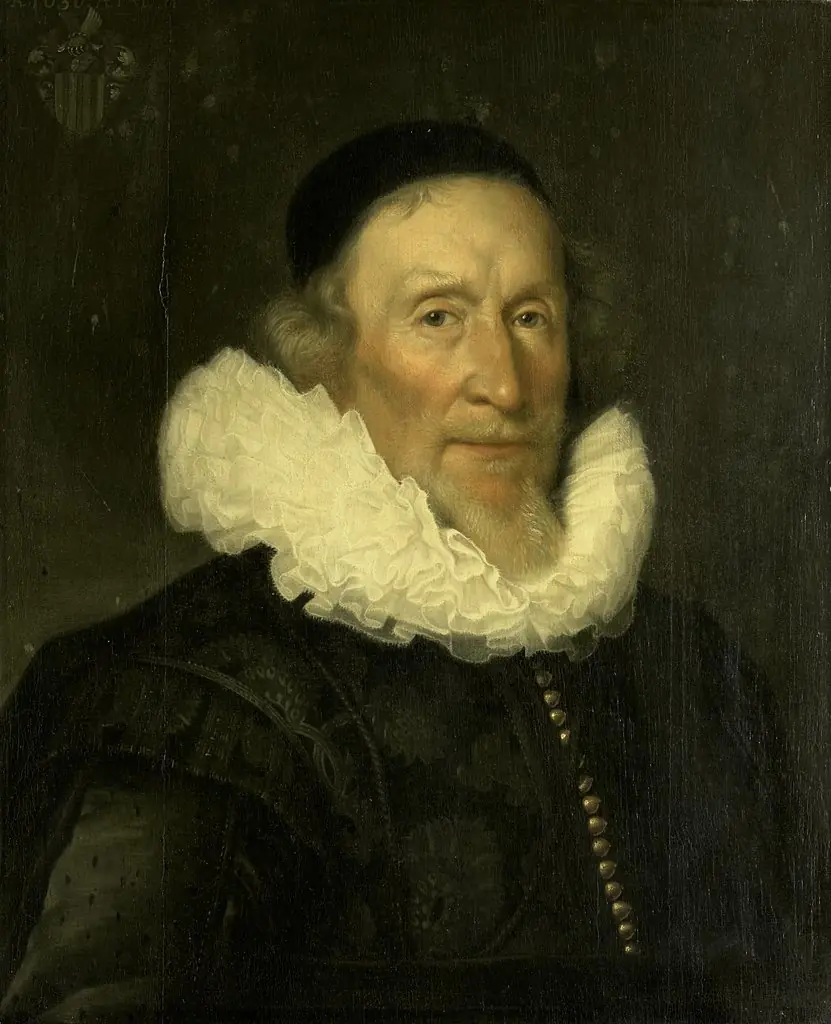 Portrait of Jacob Gerritsz van der Mij (1559/60-1635?)
 Portrait of Nicolaes Grevinckhoven (1577-1632)